



The air we breathe indoors can be significantly more polluted than outdoor air—a fact that might surprise many. As urbanization accelerates and air quality deteriorates globally, finding natural solutions to purify indoor air has become essential.
NASA’s groundbreaking Clean Air Study identified specific plants that can dramatically improve indoor air quality by removing harmful toxins. This comprehensive guide explores these remarkable plants, how to care for them, and why they’re more crucial now than ever before.
Understanding NASA's Clean Air Study: The Science Behind Plant-Based Air Purification
In the late 1980s, NASA conducted extensive research to identify plants capable of removing volatile organic compounds (VOCs) from sealed environments like space stations. The results revolutionized our understanding of indoor air quality. The study revealed that certain plants can absorb toxins like benzene, formaldehyde, trichloroethylene, xylene, and ammonia—chemicals commonly found in household products, paints, furniture, and cleaning agents.
These plants don’t just produce oxygen through photosynthesis; they actively pull pollutants from the air through their leaves and roots, breaking them down into harmless substances. The soil microorganisms also play a vital role in this detoxification process, creating a complete air-cleaning ecosystem in your living space.
The Growing Air Pollution Crisis and Why Indoor Air Quality Matters
Air pollution has reached alarming levels worldwide. According to recent environmental reports, outdoor air quality continues to deteriorate due to vehicular emissions, industrial waste, and construction activities. Major cities experience hazardous air quality levels, especially during winter months when pollutants get trapped near the ground.
What many don’t realize is that indoor air can be two to five times more polluted than outdoor air. Modern homes are filled with synthetic materials, electronic devices, cleaning products, and furnishings that continuously release harmful chemicals. Poor ventilation traps these pollutants inside, creating a toxic environment where we spend approximately 90% of our time.
The health impacts are severe: respiratory problems, allergies, headaches, fatigue, and long-term risks including cardiovascular disease and cancer. Children, elderly individuals, and those with existing health conditions are particularly vulnerable. This makes air-purifying plants not just decorative elements but essential health investments for modern homes.
NASA-Recommended Plants for Air Purification: Your Complete Indoor Garden
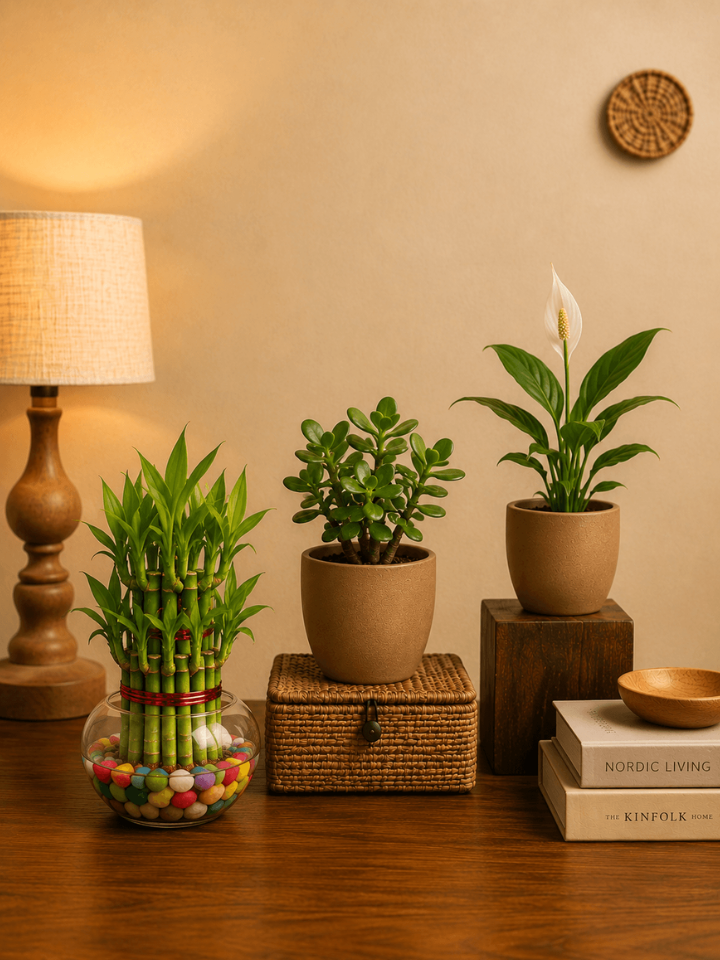
The Peace Lily stands out as one of NASA’s top performers for removing airborne toxins. This elegant plant with glossy dark leaves and white spoon-shaped flowers excels at filtering benzene, formaldehyde, trichloroethylene, xylene, and ammonia.
Before Buying: Choose plants with vibrant green leaves and firm white blooms. Avoid specimens with brown leaf tips or yellowing foliage, which indicate stress or poor care.
Maintenance: Peace Lilies thrive in low to medium indirect light, making them perfect for bedrooms and offices. Water when the top inch of soil feels dry—these plants will actually droop slightly when thirsty, providing a clear signal. Maintain moderate humidity by misting occasionally or placing the pot on a pebble tray with water.
Problem Solving: Brown leaf tips usually indicate chlorine or fluoride sensitivity—use filtered or distilled water. Yellowing leaves suggest overwatering; allow soil to dry between waterings. If your Peace Lily stops flowering, move it to a brighter location with indirect light.
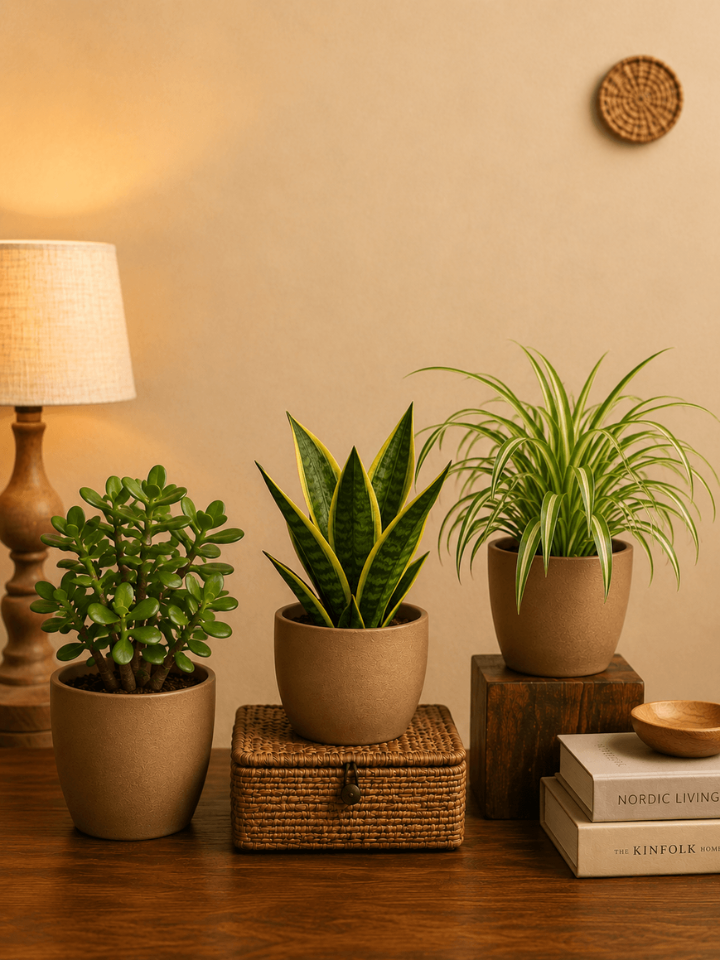
Snake Plants, with their striking upright sword-like leaves, are exceptional air purifiers that work overtime—they even release oxygen at night, unlike most plants. NASA research confirmed their effectiveness against formaldehyde, benzene, xylene, and toluene.
Before Buying: Select plants with firm, upright leaves showing vibrant green coloring with clear yellow or white margins. Avoid soft or mushy leaves, which indicate root rot.
Maintenance: These nearly indestructible plants tolerate low light and irregular watering. Place them in bright indirect light for optimal growth. Water sparingly—every 2-3 weeks during growing season, monthly in winter. Snake Plants prefer dry conditions over wet.
Problem Solving: Wrinkled leaves mean underwatering; soft, mushy leaves indicate overwatering and possible root rot. Remove affected parts and repot in fresh, well-draining soil. Yellow leaves may result from overwatering or extreme temperature fluctuations.
Money Plant (Pothos/Devil’s Ivy)
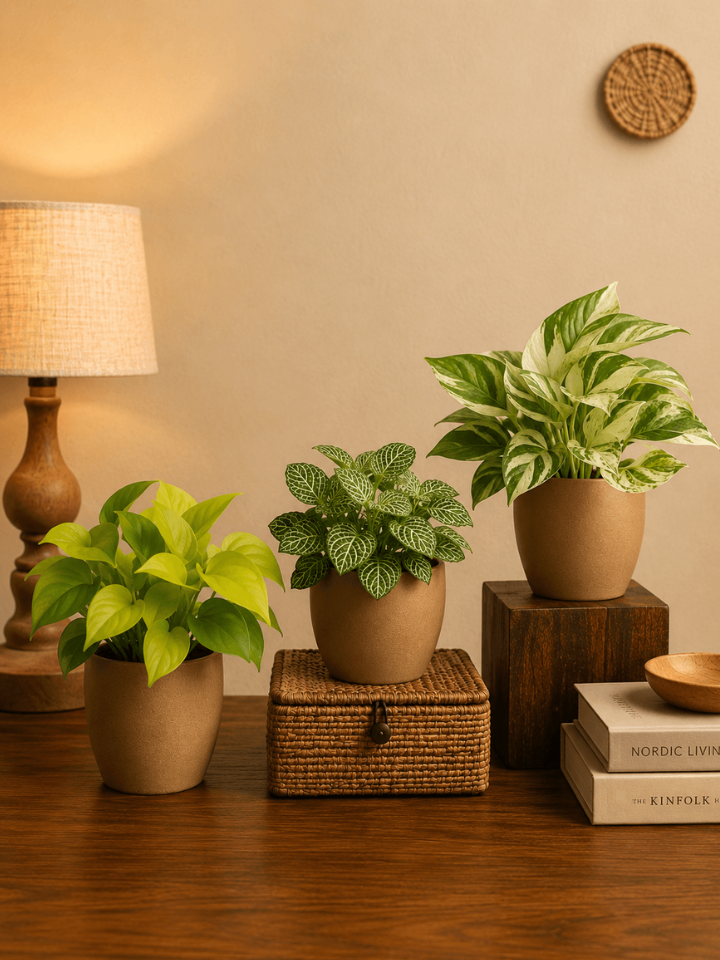
Money Plants are vigorous climbers renowned for removing formaldehyde, benzene, and carbon monoxide from indoor environments. Their heart-shaped leaves cascade beautifully from hanging baskets or climb support structures.
Before Buying: Look for plants with lush, full growth and vibrant leaf coloration. Variegated varieties should show clear patterns. Inspect for pests like spider mites or mealybugs.
Maintenance: Money Plants adapt to various light conditions but grow best in bright, indirect light. Water when the top two inches of soil dry out. These plants love humidity and benefit from occasional misting. Prune regularly to encourage bushier growth.
Problem Solving: Leggy growth with sparse leaves indicates insufficient light—move to a brighter spot. Brown leaf edges suggest low humidity or inconsistent watering. Yellow leaves typically mean overwatering. If growth stagnates, the plant may be root-bound and need repotting.
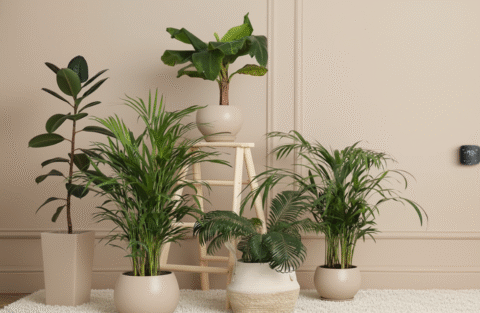
Areca Palms are excellent humidifiers and air purifiers, removing formaldehyde, xylene, and toluene while adding moisture to dry indoor air. Their feathery fronds create a tropical ambiance.
Before Buying: Choose palms with vibrant green fronds and multiple stems. Avoid plants with brown or yellow fronds, which may indicate spider mite infestation or care issues.
Maintenance: Provide bright, indirect light and consistent moisture. Water when the top inch of soil dries, ensuring drainage to prevent root rot. Areca Palms love humidity—mist regularly or use a humidifier. Feed monthly during the growing season with balanced fertilizer.
Problem Solving: Brown leaf tips result from low humidity, fluoridated water, or salt buildup—flush soil occasionally with distilled water. Yellow fronds indicate overwatering or poor drainage. Spider mites appear as fine webbing; treat with neem oil spray.
Bamboo Palm Plants
Bamboo Palms excel at filtering formaldehyde, benzene, and trichloroethylene while thriving in shaded areas. Their graceful stems and lush foliage make them ideal for bathrooms and low-light corners.
Before Buying: Select plants with multiple healthy stems and rich green leaves. Check for pest damage and ensure the soil isn’t waterlogged.
Maintenance: Place in low to medium indirect light. Keep soil consistently moist but not soggy. These palms appreciate high humidity—perfect for bathrooms or near humidifiers. Remove brown fronds promptly to maintain appearance.
Problem Solving: Brown leaf tips indicate dry air or inconsistent watering. Yellowing leaves suggest overwatering or inadequate drainage. If new growth appears stunted, increase light exposure or fertilize during growing months.
Monstera Deliciosa Plant (Swiss Cheese Plant)
The iconic Monstera, with its dramatic split leaves, effectively removes formaldehyde and other VOCs while making a bold aesthetic statement.
Before Buying: Choose specimens with well-developed fenestrations (leaf holes) and glossy leaves. Young plants may not show splits yet—this is normal. Inspect for pests and ensure stems are firm.
Maintenance: Provide bright, indirect light for optimal growth and leaf development. Water when the top two inches of soil dry. Use a moss pole or stake for support as these plants grow large. Clean leaves regularly to maximize air purification.
Problem Solving: Lack of leaf splits indicates insufficient light—move to a brighter location. Yellow leaves with brown spots suggest overwatering. Curling leaves mean underwatering or low humidity. Wipe leaves with diluted neem oil if pests appear.
Syngonium (Arrowhead Plant)
Syngoniums efficiently filter formaldehyde and xylene with their arrow-shaped leaves that change form as the plant matures, adding visual interest to any space.
Before Buying: Select plants with vibrant leaf color—pink varieties should show strong pigmentation. Check for firm stems and healthy root systems.
Maintenance: Grow in medium to bright indirect light. Pink varieties need more light to maintain color. Water when soil surface dries, maintaining moderate humidity. Prune to control size and encourage bushiness.
Problem Solving: Fading pink coloration means insufficient light. Leggy growth indicates the same—increase light exposure. Yellow leaves suggest overwatering; brown, crispy edges indicate underwatering or low humidity.
Aloe Vera Plant
Beyond its renowned medicinal properties, Aloe Vera removes formaldehyde and benzene from indoor air. This succulent is incredibly low-maintenance and useful.
Before Buying: Choose plants with plump, firm leaves showing no signs of rot or damage. The leaves should be thick and fleshy, indicating good hydration.
Maintenance: Provide bright, indirect light—Aloe tolerates some direct sun. Water deeply but infrequently, allowing soil to dry completely between waterings. Use well-draining succulent soil.
Problem Solving: Brown or soft leaves indicate overwatering and potential root rot. Remove affected parts and repot in dry soil. Pale or elongated growth means insufficient light. If leaves turn brown in direct sun, gradually acclimate or move to filtered light.
Spider Plant
Spider Plants are among the most effective air purifiers, removing formaldehyde, xylene, and carbon monoxide. Their arching leaves and dangling plantlets create a cascading effect perfect for hanging baskets.
Before Buying: Look for plants with variegated striping and multiple plantlets (babies). Avoid brown leaf tips, though these plants tolerate imperfect conditions.
Maintenance: Grow in bright to medium indirect light. Water when soil partially dries, maintaining slight moisture. These plants produce plantlets that can be propagated easily.
Problem Solving: Brown leaf tips usually result from fluoride or chlorine in tap water—use filtered water. Pale leaves indicate too much direct sun. If plantlets don’t form, the plant may need more light or is too young.
Aglaonema (Chinese Evergreen)
Aglaonemas remove benzene and formaldehyde while tolerating low-light conditions exceptionally well, making them ideal for offices and dim rooms.
Before Buying: Select plants with vibrant leaf patterns and colors. Varieties range from deep green to pink and red. Ensure stems are firm and leaves show no yellowing.
Maintenance: These adaptable plants thrive in low to medium light. Water when the top inch of soil dries. Avoid cold drafts and sudden temperature changes.
Problem Solving: Yellow leaves indicate overwatering or temperature stress. Brown leaf edges suggest low humidity or fluoridated water. If growth slows dramatically, the plant may need fertilization or brighter light.
Additional NASA-Recommended Air Purifiers Available at Plantaeroot
Boston Fern (Boston Compacta): Excellent for removing formaldehyde and adding humidity. Requires consistent moisture and indirect light.
Rubber Plant (Ficus): Effective against formaldehyde with glossy, dramatic foliage. Prefers bright, indirect light and moderate watering.
Dracaena Varieties (Brazilian Wood Plant): Remove multiple toxins including benzene, formaldehyde, and trichloroethylene. Tolerate various light conditions.
Philodendron Plants: Efficient formaldehyde removers with easy-care requirements and beautiful trailing or climbing habits.
What to Consider Before Buying Air-Purifying Plants
Space and Light Availability
Assess your available space and natural light before selecting plants. Some species like Snake Plants tolerate low light, while others like Aloe Vera need brighter conditions. Measure your space to ensure plants have room to grow without becoming cramped.
Pet and Child Safety
Several effective air purifiers are toxic to pets if ingested. Peace Lilies, Pothos, Philodendrons, and Aloe Vera can cause digestive upset in cats and dogs. If you have curious pets or small children, opt for pet-friendly options like Bamboo Palms, Areca Palms, or Spider Plants. Plantaeroot’s collection includes extensive pet-friendly selections.
Maintenance Commitment
Honestly evaluate how much time you can dedicate to plant care. Low-maintenance options like Snake Plants and Aloe Vera suit busy lifestyles, while Areca Palms and Boston Ferns require more attention to humidity and watering schedules.
Climate and Humidity
Consider your home’s environment. Tropical plants need higher humidity—perfect for bathrooms or homes with humidifiers. Succulents and Snake Plants tolerate dry air better, making them suitable for air-conditioned spaces.
Quantity for Effective Air Purification
NASA recommends one plant per 100 square feet for optimal air purification. Calculate your room size and plan accordingly. Multiple smaller plants often work better than one large specimen, distributing air-cleaning benefits throughout the space.
Budget and Long-Term Investment
Quality plants are investments in your health. While cheaper options exist, healthy, well-established plants from reputable sources perform better and survive longer. Consider your budget not just for purchase but for ongoing supplies like pots, soil, and fertilizers.
Where to Buy NASA-Recommended Air-Purifying Plants
Selecting the right source for your air-purifying plants is as important as choosing the species itself. Several options exist, each with advantages and limitations.
Local Nurseries: Offer the advantage of inspecting plants personally but may have limited variety and inconsistent plant health.
Garden Centers: Provide broader selection but often at higher prices, with plants that may have been stressed during transport and storage.
Online Marketplaces: Offer convenience but carry risks of receiving damaged plants or varieties that don’t match descriptions. Quality control can be inconsistent.
Specialized Online Plant Retailers: Combine convenience with expertise, offering healthy plants shipped with care and backed by knowledgeable support.
Why Plantaeroot Is the Best Place to Buy Air-Purifying Plants
Comprehensive Selection of NASA-Recommended Species
Plantaeroot offers an extensive collection of all NASA-recommended air-purifying plants mentioned in this guide. From Peace Lilies and Snake Plants to Monsteras and Aglaonemas, you’ll find every species scientifically proven to improve indoor air quality. The inventory includes multiple varieties and sizes, allowing you to select plants that perfectly match your space and aesthetic preferences.
Handpicked Healthy Plants
Every plant at Plantaeroot is carefully selected and inspected before shipping. Unlike mass-market retailers where plants may sit in poor conditions, Plantaeroot maintains strict quality standards. You receive plants in peak health, already acclimatized and ready to thrive in your home environment.
Expert Guidance and Support
Founder Basudev Saha established Plantaeroot in 2014 with a mission to reconnect people with nature. This isn’t just a business—it’s a passion project backed by decades of horticultural knowledge. The support team provides personalized advice on plant selection, care techniques, and troubleshooting. Whether you’re a first-time plant parent or an experienced gardener, expert guidance is always available.
Secure Packaging and Safe Delivery
Living plants require special handling during transport. Plantaeroot has perfected the art of plant packaging, ensuring your green companions arrive fresh and undamaged. Each plant is secured properly, protected from temperature fluctuations, and shipped through trusted courier partners who understand the delicate nature of living cargo.
Free Shipping on Orders Above ₹999
Plantaeroot makes healthy air accessible to everyone with free shipping across India on orders above ₹999. This customer-friendly policy allows you to stock up on multiple air-purifying plants without worrying about excessive delivery charges.
Fast Dispatch and Delivery
Understanding that plants are living beings, Plantaeroot processes orders quickly. Plants are dispatched within 2-3 business days and typically reach your doorstep within 2-7 business days, depending on location. Real-time tracking keeps you informed about your order’s journey.
Complete Gardening Ecosystem
Beyond plants, Plantaeroot offers premium planters, nutrient-rich fertilizers, quality tools, and gardening accessories—everything needed to maintain your air-purifying indoor garden successfully. This one-stop solution saves time and ensures compatibility between products.
Customer-Centric Policies
Plantaeroot’s transparent shipping, return, and refund policies demonstrate commitment to customer satisfaction. While live plants aren’t returnable due to transit stress, the team provides comprehensive care guidance to ensure your plants thrive. Non-plant products can be returned within seven days if damaged or unsatisfactory.
Mission-Driven Philosophy
Basudev Saha founded Plantaeroot after witnessing increasing disconnection between modern life and nature. At 70 years old, having started his career at 24, he brings a lifetime of wisdom to this venture. The company’s mission extends beyond commerce—it’s about restoring the simple joys of nature that many have forgotten. When you purchase from Plantaeroot, you’re supporting this meaningful vision of bringing green corners into every home.
Contact and Accessibility
Customer support is readily available through multiple channels. This accessibility ensures you’re never alone in your plant-parenting journey.
How to Revive and Cure Common Problems in Air-Purifying Plants
Overwatering Recovery
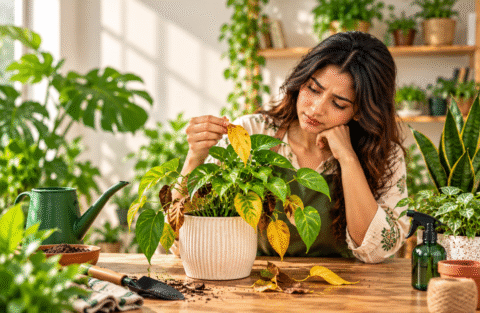
Overwatering is the most common cause of houseplant death. Signs include yellow leaves, mushy stems, and soil that stays wet for days.
Immediate Action: Remove the plant from its pot and inspect roots. Healthy roots are white or light tan; rotted roots are brown, black, and mushy. Trim away all affected roots with sterilized scissors. Repot in fresh, well-draining soil, using a container with drainage holes. Water sparingly until new growth appears.
Prevention: Always check soil moisture before watering. Insert your finger two inches deep—water only if dry. Ensure pots have drainage holes and never let plants sit in standing water.
Underwatering Recovery
Underwatered plants show drooping leaves, dry soil that pulls away from pot edges, and crispy brown leaf margins.
Immediate Action: Water thoroughly until water drains from the bottom. For severely dehydrated plants, bottom-water by placing the pot in a tray of water for 30 minutes, allowing soil to absorb moisture from below. Mist foliage to provide immediate relief.
Prevention: Establish consistent watering schedules based on each plant’s needs. Use moisture meters for accuracy, especially with multiple plants requiring different care.
Light-Related Issues
Insufficient light causes leggy growth, small leaves, and loss of variegation. Excessive light leads to scorched leaves with brown patches.
Recovery: Gradually relocate plants to appropriate light levels. Move light-starved plants closer to windows with indirect bright light, increasing exposure over several days to prevent shock. For light-burned plants, relocate to shadier spots and remove severely damaged leaves.
Prevention: Research each species’ light requirements and match them to your home’s conditions. Use sheer curtains to filter intense direct sun for plants needing bright indirect light.
Pest Infestations
Common pests include spider mites, mealybugs, aphids, and scale insects. Signs include visible bugs, sticky residue, yellowing leaves, or fine webbing.
Treatment: Isolate infected plants immediately to prevent spread. For light infestations, wipe leaves with a damp cloth. For heavier infestations, spray with neem oil solution (2 tablespoons per liter of water) weekly until resolved. Insecticidal soap also works effectively. Check surrounding plants for early signs of infestation.
Prevention: Inspect new plants thoroughly before introducing them to your collection. Regularly clean plant leaves, as dust attracts pests. Maintain proper humidity and air circulation.
Nutrient Deficiencies
Pale leaves, stunted growth, and poor color vibrancy indicate nutrient deficiency.
Recovery: Feed with balanced liquid fertilizer diluted to half strength. Apply during the growing season (spring and summer) every 2-4 weeks. Avoid fertilizing during winter dormancy.
Prevention: Repot plants every 1-2 years in fresh soil containing nutrients. Use quality potting mix appropriate for each plant type.
Root Rot
Black, mushy roots with foul odor indicate root rot, usually from overwatering or poor drainage.
Recovery: Remove plant from soil, rinse roots gently, and cut away all rotted portions. Treat remaining healthy roots with fungicide or cinnamon powder. Repot in fresh, sterile soil with excellent drainage. Water minimally until recovery signs appear.
Prevention: Use pots with drainage holes, well-draining soil mixes, and appropriate watering practices for each species.
Temperature Stress
Extreme temperature fluctuations cause leaf drop, wilting, or stunted growth.
Recovery: Move plants to stable environments away from heating vents, air conditioners, and drafty windows. Most tropical houseplants prefer temperatures between 18-27°C.
Prevention: Avoid placing plants near temperature extremes. During winter, move plants away from cold windows at night.
Maximizing Air Purification Benefits in Your Home
Strategic Placement
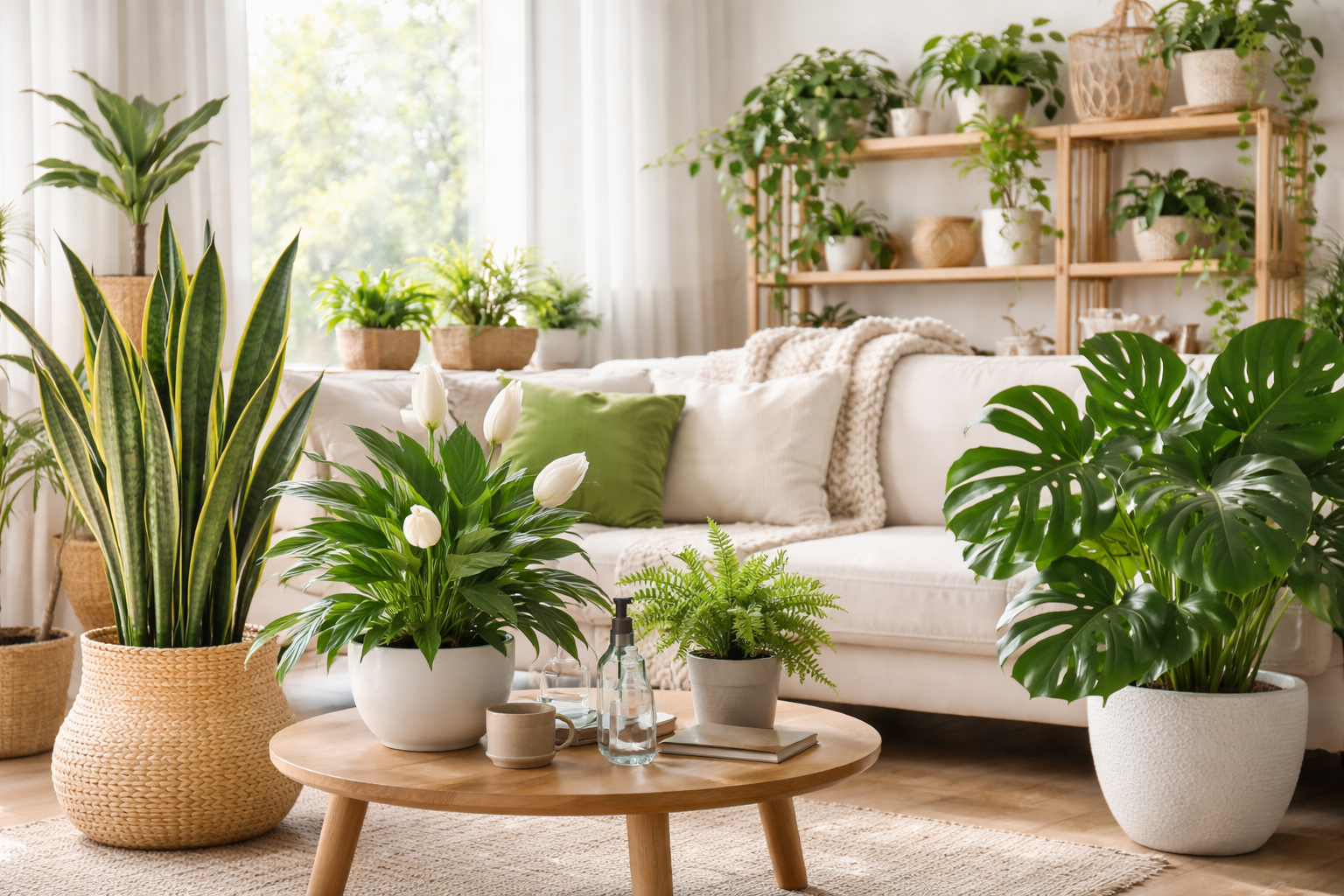
Position air-purifying plants where you spend the most time—bedrooms, living rooms, and home offices. Place larger plants in corners and smaller varieties on shelves, desks, or windowsills. Bedrooms particularly benefit from Snake Plants, which release oxygen at night.
Leaf Care
Dust blocks pores on leaf surfaces, reducing air purification efficiency. Wipe leaves gently with a damp cloth monthly. For plants with small leaves, a gentle shower works well.
Soil Health
Healthy soil microorganisms contribute significantly to air purification by breaking down toxins. Use quality potting soil and refresh it periodically. Add organic matter like compost to support beneficial microbes.
Adequate Quantity
Remember NASA’s recommendation of one plant per 100 square feet. A 1,000-square-foot home benefits from 10-15 plants distributed throughout rooms for meaningful air quality improvement.
Combining Species
Different plants target different toxins. Combining various species creates a comprehensive air purification system addressing multiple pollutants simultaneously.
The Broader Health Benefits of Indoor Plants
Beyond air purification, indoor plants offer remarkable psychological and physiological benefits backed by scientific research.
Stress Reduction: Studies show that interaction with indoor plants reduces stress hormones, lowers blood pressure, and promotes relaxation. The simple act of caring for plants provides therapeutic benefits.
Improved Focus and Productivity: Research indicates that indoor plants enhance concentration, memory retention, and productivity by up to 15% in work environments.
Better Humidity Levels: Plants release moisture through transpiration, naturally humidifying dry indoor air. This helps prevent respiratory discomfort, dry skin, and static electricity.
Faster Recovery: Hospital studies reveal that patients with plants in their rooms require less pain medication and recover more quickly than those without.
Better Sleep: Plants like Snake Plants and Peace Lilies improve bedroom air quality and humidity, promoting deeper, more restful sleep.
Connection to Nature: As Basudev Saha emphasizes in his founder’s story, modern lifestyles have created profound disconnection from nature. Indoor plants restore this vital connection, bringing the calming influence of the natural world into urban spaces.
Creating Your Indoor Air Purification Garden
Start with easy-care varieties like Snake Plants and Pothos if you’re new to plant parenting. As your confidence grows, expand to more diverse species. Create visual interest by varying heights, textures, and leaf shapes. Group plants with similar care requirements together to simplify maintenance.
Consider creating themed arrangements—a tropical corner with Monsteras and Palms, a succulent collection featuring Aloe Vera and Snake Plants, or a low-light sanctuary with Peace Lilies and Aglaonemas.
Remember that every plant contributes to cleaner air and a healthier home environment. Start small if needed, but start today. Your lungs, mind, and spirit will thank you.
The Future of Indoor Air Quality
As air pollution worsens globally and people become increasingly aware of indoor air quality issues, air-purifying plants represent a sustainable, natural solution. Unlike mechanical air purifiers that consume energy and require filter replacements, plants work continuously, improving both air quality and aesthetics while requiring only basic care.
Scientific research continues uncovering new benefits of indoor plants, from their impact on mental health to their role in creating healthier, more productive environments. The NASA Clean Air Study provided foundational knowledge, but ongoing research expands our understanding of how plants can transform indoor spaces.
Take Action Today for Healthier Air Tomorrow
The air pollution crisis isn’t slowing down. Traffic congestion, industrial emissions, and construction activities continue degrading outdoor air quality. Indoor air remains trapped and contaminated by countless synthetic materials surrounding us daily. Waiting for external solutions puts your health at risk.
You have the power to transform your indoor environment starting today. NASA’s research provides a clear roadmap of plants proven to remove harmful toxins from the air you breathe. Plantaeroot makes accessing these plants simple, with expert guidance, healthy specimens, and reliable delivery across India.
Visit Plantaeroot.com to explore the complete collection of air-purifying plants. Whether you need low-maintenance Snake Plants for your bedroom, elegant Peace Lilies for your living room, or a comprehensive selection to purify your entire home, you’ll find everything necessary to create your personal air purification garden.
Founded by Basudev Saha with a heartfelt mission to reconnect people with nature’s calming beauty, Plantaeroot isn’t just selling plants—it’s offering a path back to wellness, tranquility, and the simple joys that modern life has obscured. Every plant represents a step toward cleaner air, better health, and a greener future.
Don’t let another day pass breathing polluted indoor air. Start your journey toward healthier living today with NASA-recommended air-purifying plants from Plantaeroot—because every home deserves a little green corner, and every breath deserves to be clean.