


Your cart is empty.
-33%
Hot Sale 33% off.
Hot Sale 33% off.
Hot Sale 33% off.
Hot Sale 33% off.
Hot Sale 33% off.
Hot Sale 33% off.
Hot Sale 33% off.
Hot Sale 33% off.
Hot Sale 33% off.
Hot Sale 33% off.
-9%
Hot Sale 9% off.
Hot Sale 9% off.
Hot Sale 9% off.
Hot Sale 9% off.
Hot Sale 9% off.
Hot Sale 9% off.
Hot Sale 9% off.
Hot Sale 9% off.
Hot Sale 9% off.
Hot Sale 9% off.
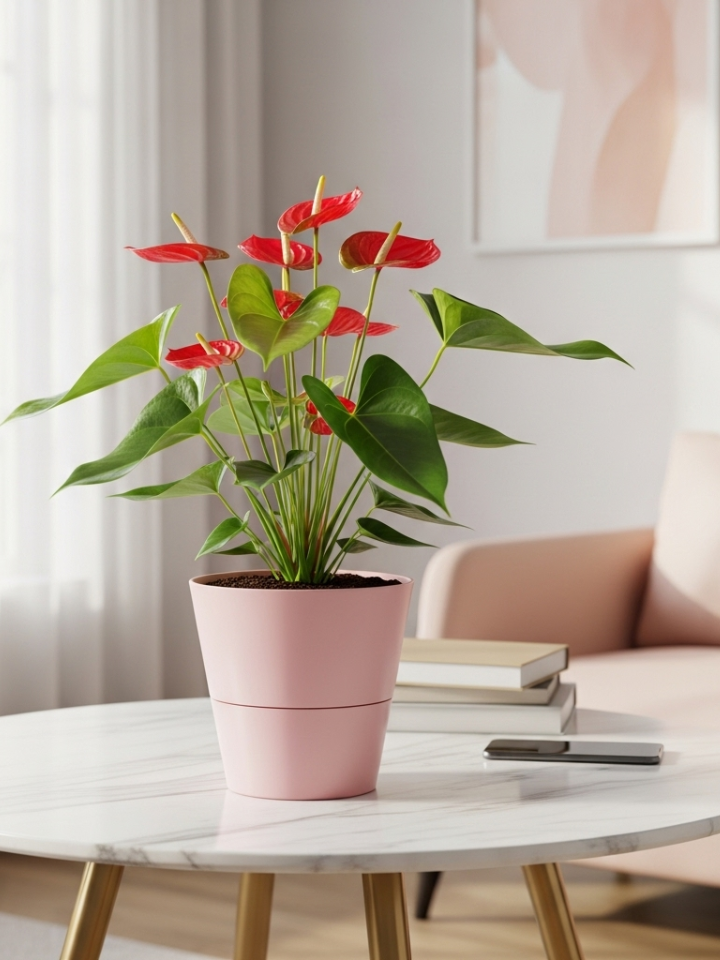
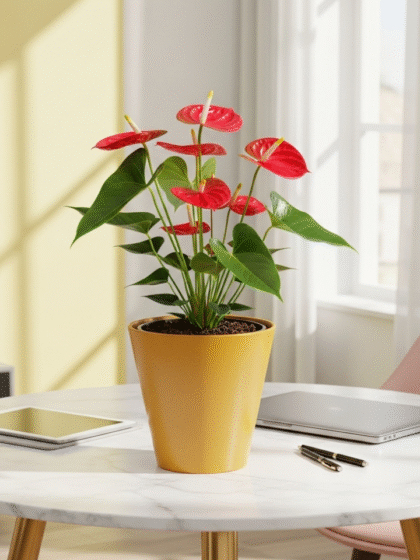
Anthurium Red plant
₹679.00
-17% Hot
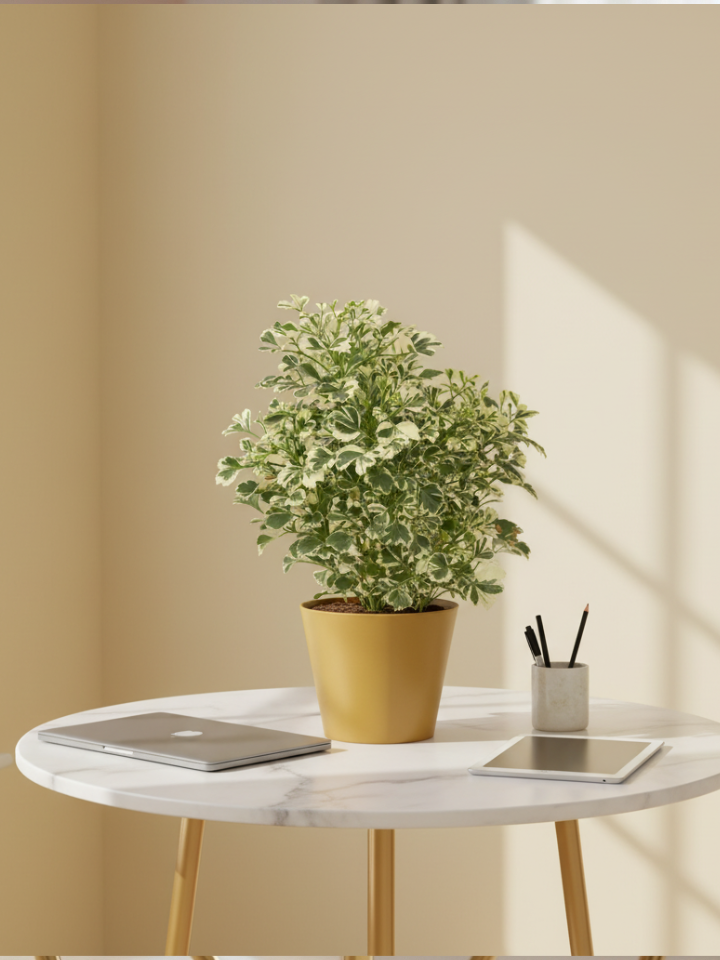
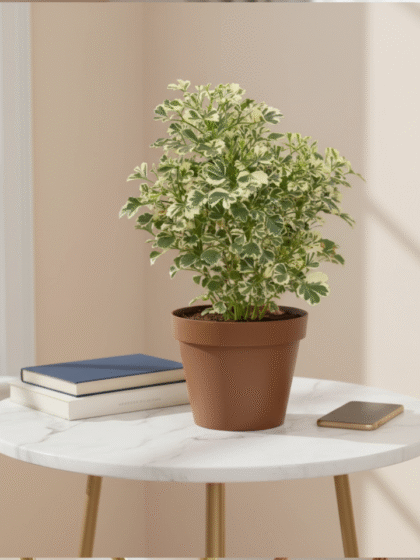
Hot Sale 17% off.
Hot Sale 17% off.
Hot Sale 17% off.
Hot Sale 17% off.
Hot Sale 17% off.
Hot Sale 17% off.
Hot Sale 17% off.
Hot Sale 17% off.
Hot Sale 17% off.
Hot Sale 17% off.
Aralia Variegated Plant
₹299.00
-16%

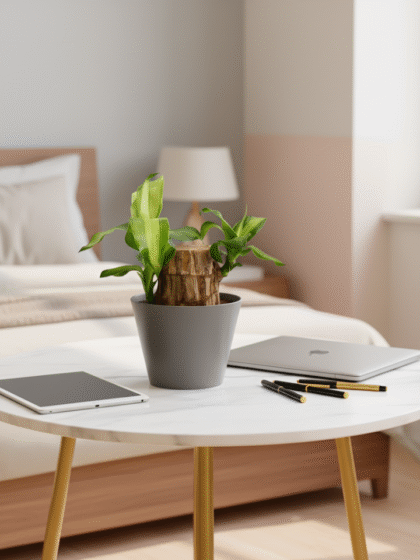
Hot Sale 16% off.
Hot Sale 16% off.
Hot Sale 16% off.
Hot Sale 16% off.
Hot Sale 16% off.
Hot Sale 16% off.
Hot Sale 16% off.
Hot Sale 16% off.
Hot Sale 16% off.
Hot Sale 16% off.
Brazilian Wood Plant
₹409.00
-30%
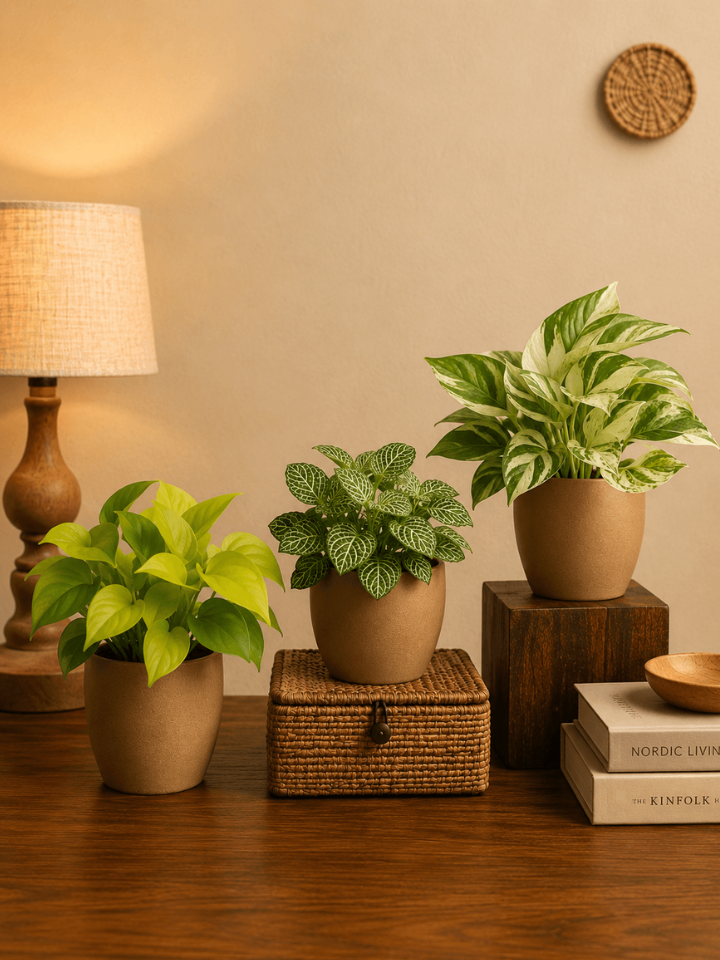
Hot Sale 30% off.
Hot Sale 30% off.
Hot Sale 30% off.
Hot Sale 30% off.
Hot Sale 30% off.
Hot Sale 30% off.
Hot Sale 30% off.
Hot Sale 30% off.
Hot Sale 30% off.
Hot Sale 30% off.
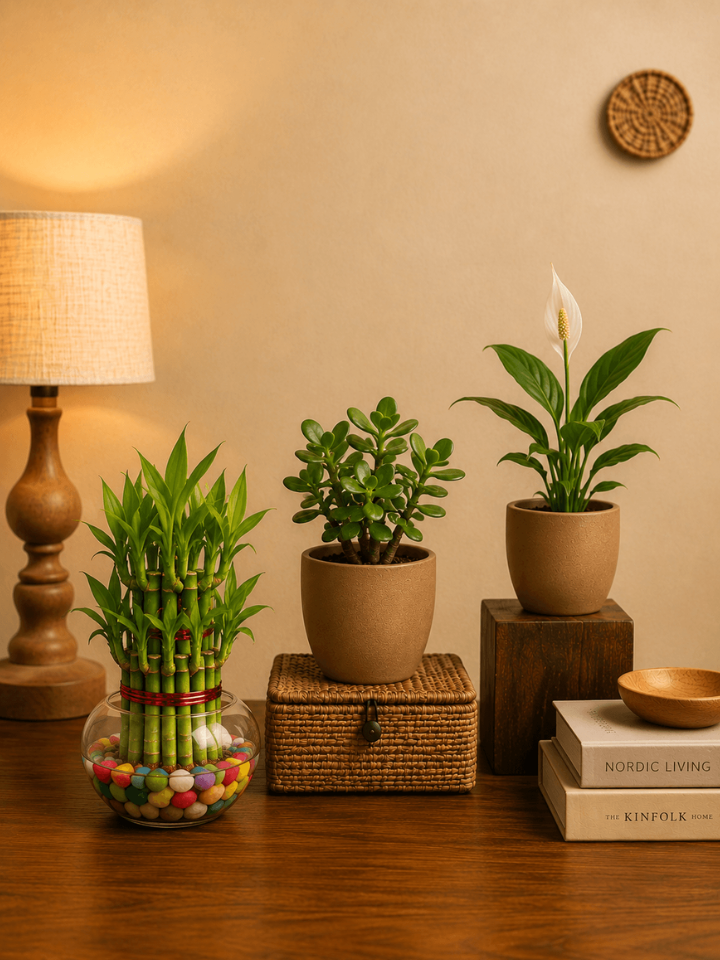
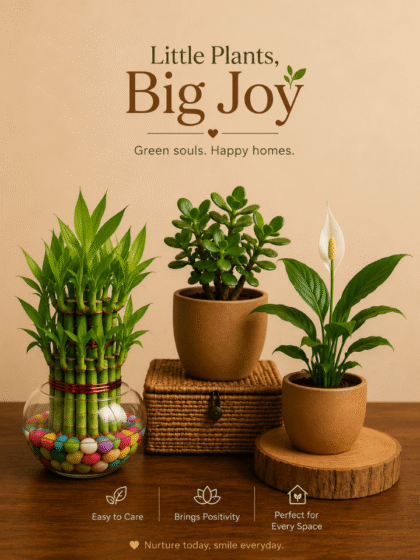
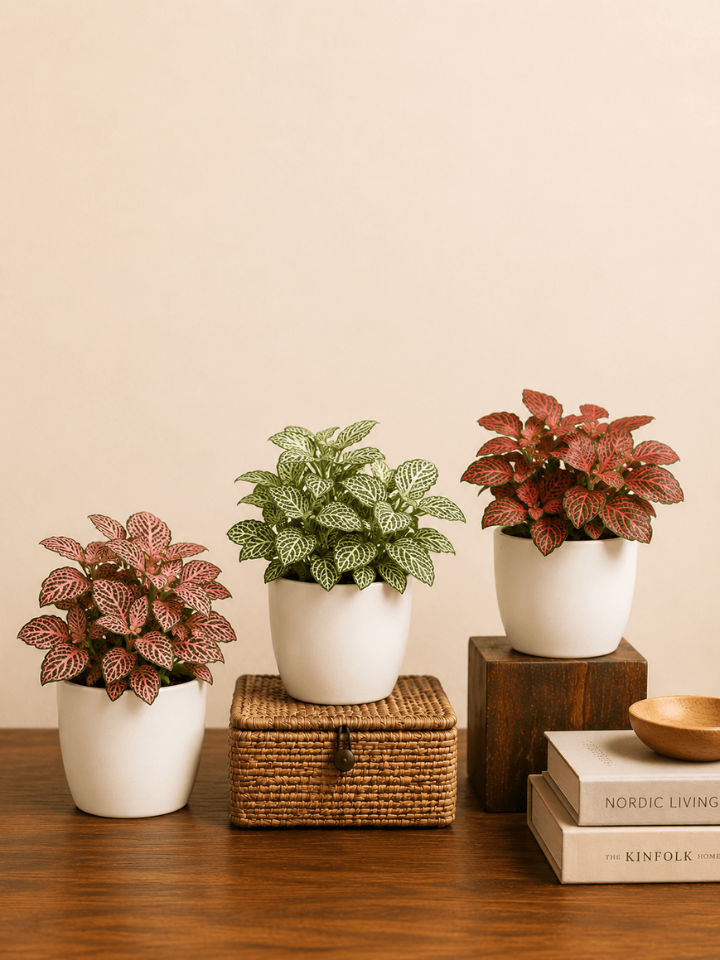
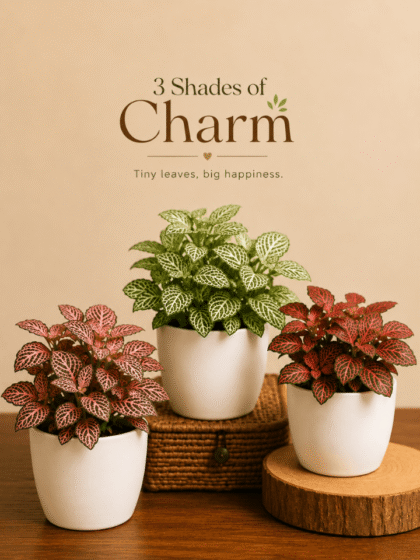
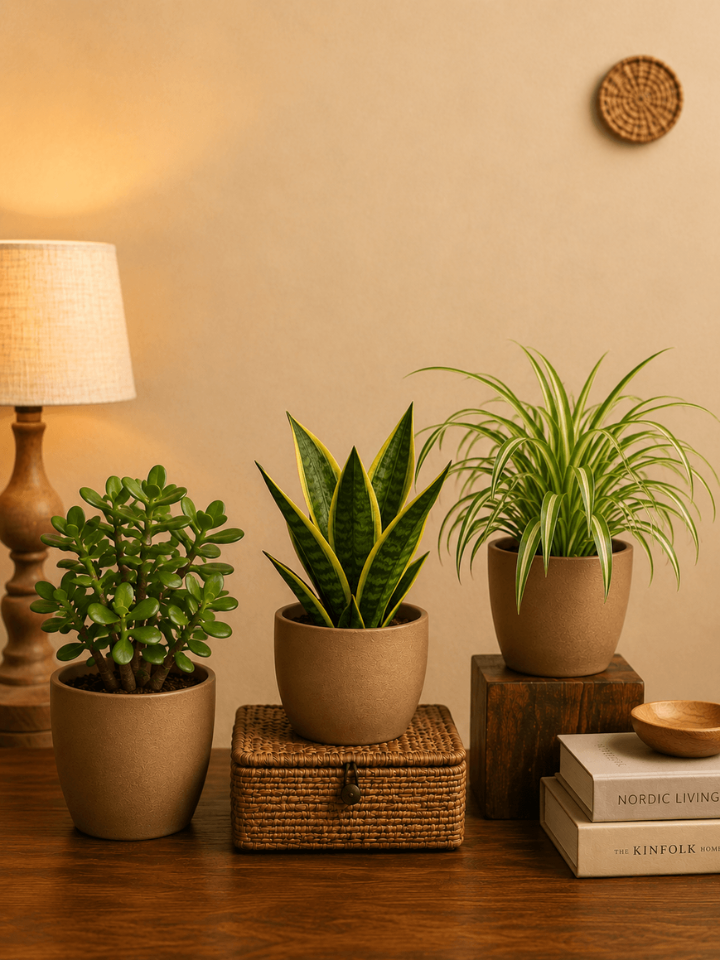
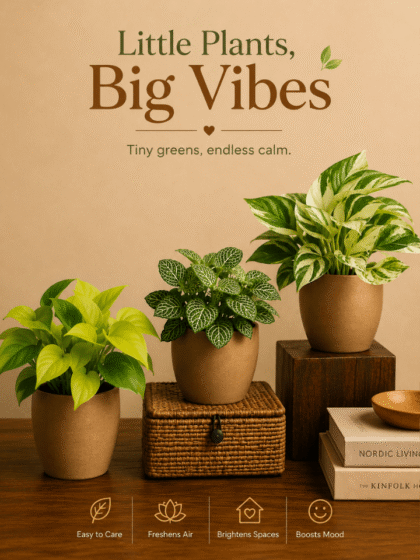
Combo of 3 Minimalist Plant Set
₹699.00
-35%

Hot Sale 35% off.
Hot Sale 35% off.
Hot Sale 35% off.
Hot Sale 35% off.
Hot Sale 35% off.
Hot Sale 35% off.
Hot Sale 35% off.
Hot Sale 35% off.
Hot Sale 35% off.
Hot Sale 35% off.
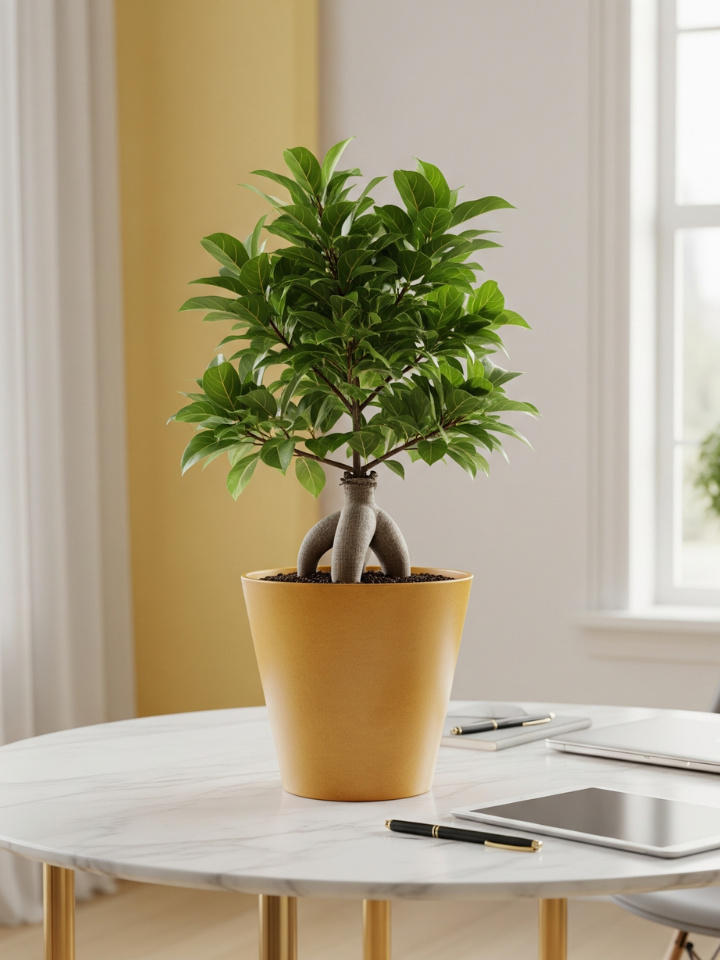
Ficus Bonsai Plant
₹549.00
-11%
Hot Sale 11% off.
Hot Sale 11% off.
Hot Sale 11% off.
Hot Sale 11% off.
Hot Sale 11% off.
Hot Sale 11% off.
Hot Sale 11% off.
Hot Sale 11% off.
Hot Sale 11% off.
Hot Sale 11% off.
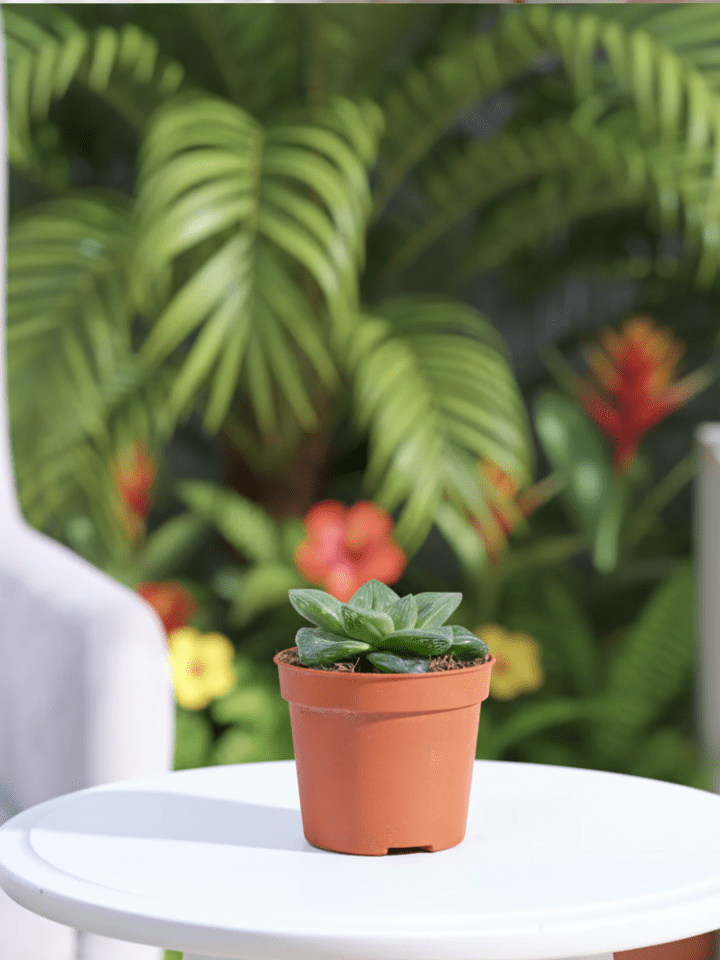
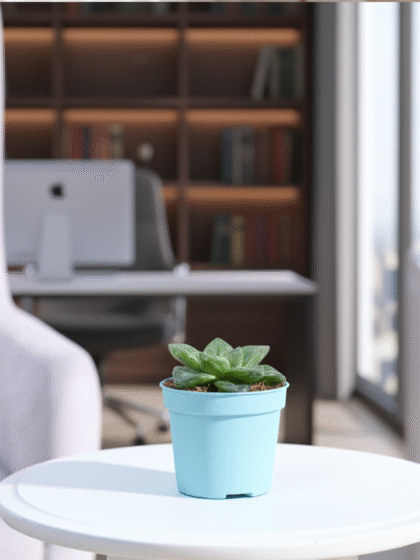
Haworthia Cymbiformis Plant
₹309.00
-24%

Hot Sale 24% off.
Hot Sale 24% off.
Hot Sale 24% off.
Hot Sale 24% off.
Hot Sale 24% off.
Hot Sale 24% off.
Hot Sale 24% off.
Hot Sale 24% off.
Hot Sale 24% off.
Hot Sale 24% off.
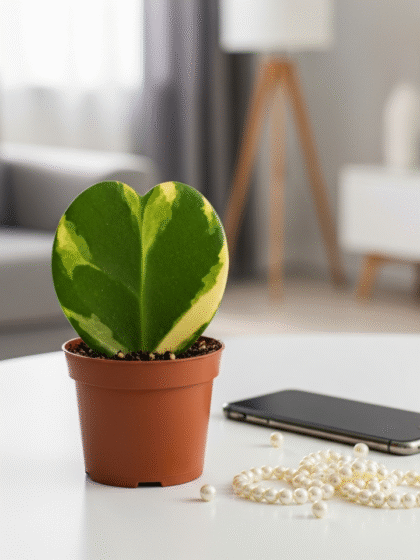
Heart Hoya Plant
₹339.00
-25%

Hot Sale 25% off.
Hot Sale 25% off.
Hot Sale 25% off.
Hot Sale 25% off.
Hot Sale 25% off.
Hot Sale 25% off.
Hot Sale 25% off.
Hot Sale 25% off.
Hot Sale 25% off.
Hot Sale 25% off.
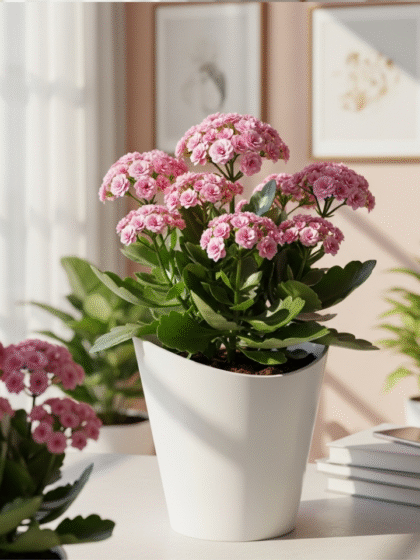
Kalanchoe Plant Pink
₹449.00
-17%

Hot Sale 17% off.
Hot Sale 17% off.
Hot Sale 17% off.
Hot Sale 17% off.
Hot Sale 17% off.
Hot Sale 17% off.
Hot Sale 17% off.
Hot Sale 17% off.
Hot Sale 17% off.
Hot Sale 17% off.
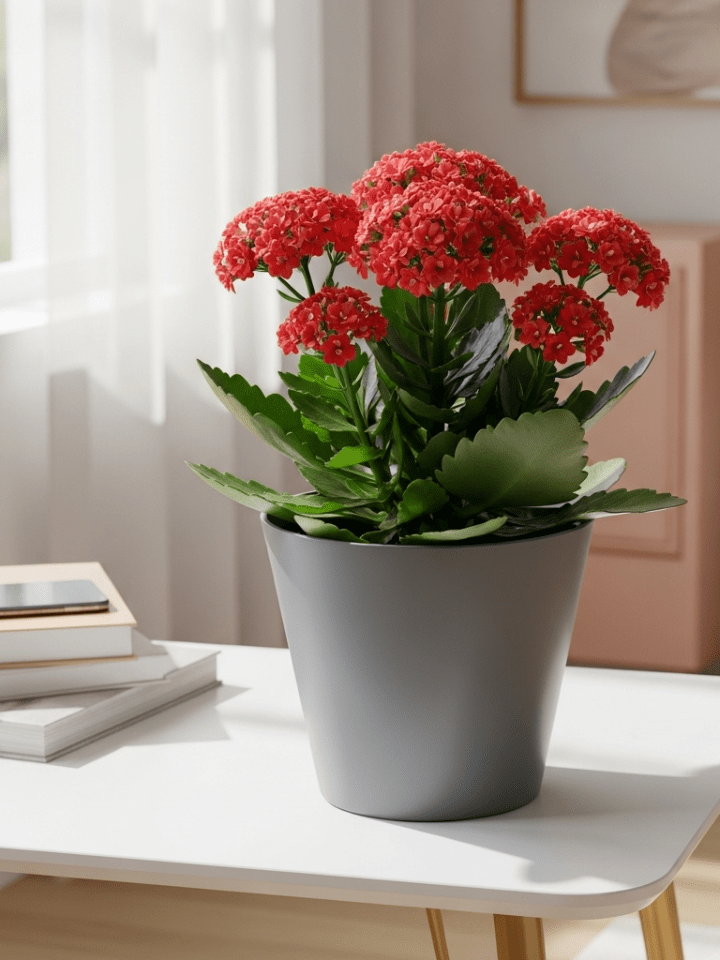
Kalanchoe Plant Red
₹499.00
-10%

Hot Sale 10% off.
Hot Sale 10% off.
Hot Sale 10% off.
Hot Sale 10% off.
Hot Sale 10% off.
Hot Sale 10% off.
Hot Sale 10% off.
Hot Sale 10% off.
Hot Sale 10% off.
Hot Sale 10% off.
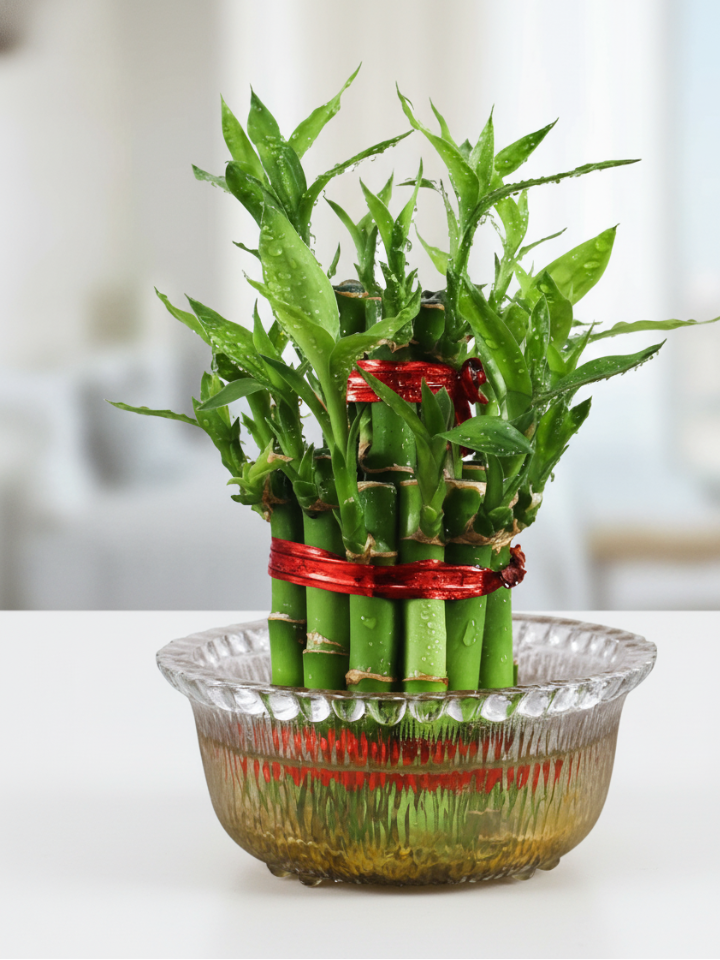
Lucky Bamboo Plant – 2 Layer
₹359.00
-11% Hot

Hot Sale 11% off.
Hot Sale 11% off.
Hot Sale 11% off.
Hot Sale 11% off.
Hot Sale 11% off.
Hot Sale 11% off.
Hot Sale 11% off.
Hot Sale 11% off.
Hot Sale 11% off.
Hot Sale 11% off.
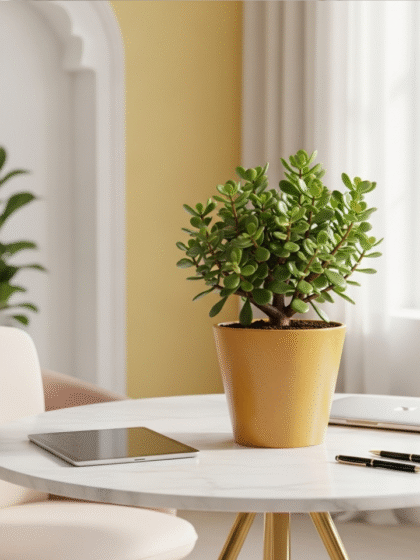
Lucky Jade Plant (Elephant Bush)
₹309.00
The Complete Guide to Choosing, Placing & Caring for Indoor Plants in Your Bedroom
Plantaeroot – Bringing Nature Home Since 2014
Why Bedroom Plants Are Transforming the Way We Sleep and Live
There is something quietly powerful about waking up to a touch of green. Across Indian homes — from compact Mumbai apartments to spacious Bengal bungalows — more people are discovering that plants do not just belong on balconies or living room shelves. The bedroom, a space we spend nearly a third of our lives in, is becoming one of the most rewarding places to bring nature indoors.
The popularity of bedroom plants has grown steadily over the last decade, fuelled by a genuine desire for calmer, more intentional living spaces. Whether it is a trailing money plant on a bedside shelf, a sculptural snake plant in the corner, or a lush areca palm near a window, greenery has a way of making a room feel more alive, more personal, and more peaceful.
Choosing the right plant for a bedroom is not simply a matter of picking something that looks attractive. Light availability, room size, maintenance commitment, air circulation, and even pet safety all play a role in making the right choice. This guide walks you through everything — from understanding what makes a plant bedroom-appropriate to expert placement tips, seasonal care advice, and curated recommendations for every lifestyle.
The best bedroom plants are those that thrive in low to medium indirect light, require minimal watering, and adapt comfortably to the humidity levels of a typical Indian bedroom. Top choices include the Snake Plant, Peace Lily, Money Plant, Syngonium, and Areca Palm — all of which are easy to care for, visually appealing, and well-suited to indoor living conditions.
What Are Bedroom Plants?
Bedroom plants are indoor plants selected specifically for their ability to thrive in the conditions typical of a sleeping space — limited or filtered light, moderate humidity, relatively stable temperatures, and reduced air circulation. Unlike outdoor garden plants or even some common houseplants that demand bright, direct sun, bedroom-suitable varieties are generally adaptable and forgiving.
The ideal bedroom plant shares a few key characteristics:
- Tolerates low to medium indirect light without losing its vigour
- Requires infrequent watering — ideally once a week or less
- Remains compact or grows slowly enough to fit in limited spaces
- Does not produce strong allergens or excessive pollen
- Has a non-toxic profile, especially relevant for households with children or pets
- Adds clear visual value through interesting foliage, texture, or form
Common bedroom plant varieties span a wide range of families, including aroids (Pothos, Syngonium, Philodendron), succulents and semi-succulents (Aloe Vera, Snake Plant), palms (Areca, Bamboo Palm), and leafy tropicals (Peace Lily, Calathea). Each brings a distinct personality to the room.
Benefits of Having Plants in Your Bedroom
The reasons people choose to keep plants in their bedrooms go well beyond aesthetics. Here is a grounded look at what bedroom greenery genuinely brings to your living space:
Visual Appeal and Room Character
Plants are among the most cost-effective ways to bring warmth and life to a bedroom. A single well-placed plant can anchor the room's aesthetic, add a layer of texture, and make the space feel curated rather than clinical. From the architectural drama of a tall bird of paradise to the cascading softness of a pothos, plants offer visual variety that no artificial object can fully replicate.
A Sense of Calm and Reduced Stress
Research in environmental psychology consistently shows that exposure to natural elements — even indoor plants — tends to reduce perceived stress and promote feelings of relaxation. For a bedroom, which ideally functions as a restorative sanctuary, this quality is particularly valuable. The simple act of tending to a plant — watering, misting, turning it toward the light — can itself become a grounding daily ritual.
Connection with Nature in Urban Spaces
For those living in cities, where green space is scarce and screens dominate, plants offer a tangible connection to the natural world. Basudev Saha, who founded Plantaeroot in 2014, speaks of this directly — growing up with the scent of rain-soaked soil and the textures of leaves, he recognised how modern life was severing that connection. Bedroom plants are one of the simplest ways to bring a fragment of that world back into daily life.
Decoration on a Budget
Plants are endlessly adaptable as décor elements. A trailing plant on a high shelf creates a bohemian, layered effect. A statement plant in a textured planter adds sculptural interest. Grouped smaller plants on a study desk or windowsill create a curated mini garden. The initial investment is often modest, and many plants — money plants, spider plants, pothos — can be propagated endlessly from cuttings.
Beginner-Friendly Entry into Gardening
For those who have never kept plants before, the bedroom is an excellent place to start. The contained environment makes it easier to observe changes in the plant and respond accordingly. Many of the best bedroom varieties — snake plants, ZZ plants, pothos — are genuinely forgiving of irregular care, making them ideal first plants for new gardeners.
Mood Enhancement
There is growing acknowledgement in wellness circles that living with plants can positively influence mood. The colour green itself has psychological associations with calm, renewal, and balance. Having a few plants in the bedroom creates a consistent visual cue that the space is cared for and alive, which can subtly improve how occupants feel when they wake up and wind down.
How to Choose the Best Bedroom Plant for Your Home
With dozens of indoor plant varieties available, narrowing down the right bedroom plant means thinking clearly about your specific conditions and lifestyle. The following framework covers the most important decision factors.
Step 1 — Assess Your Light Conditions
Light is the single most important variable in plant selection. Walk through your bedroom at different times of day and observe how and where light enters.
Bright Indirect Light (Near East or West-Facing Windows)
If your bedroom receives several hours of filtered or bright indirect sunlight daily, you have the widest range of options. Most tropical indoor plants — Areca Palm, Rubber Plant, Bird of Paradise, Peace Lily, Calathea — will thrive here. Avoid placing plants in harsh direct afternoon sun, which can scorch leaves.
Medium Light (North-Facing or Partially Obstructed Windows)
Rooms that receive diffuse, moderate light suit plants like Pothos, Philodendron, Syngonium, ZZ Plant, and Money Plant. These varieties are versatile and perform well without intense sun exposure.
Low Light (Interior Rooms, Minimal Natural Light)
True low-light spaces — where natural sunlight barely penetrates — narrow the selection considerably. Snake Plant and ZZ Plant are among the most reliable choices, as both can survive on minimal light for extended periods. Lucky Bamboo also adapts to low-light conditions. Supplement with warm artificial light if possible.
Step 2 — Consider Your Room Size
Small Bedrooms (Under 100 sq ft)
In compact spaces, the priority is plants that remain manageable in size. Small succulents, Haworthia, miniature Money Plants, compact Syngonium, and tabletop-sized Snake Plants (like Golden Hahnii) all work beautifully without crowding the room. Vertical placement — on shelves or hanging — maximises greenery without consuming floor space.
Medium Bedrooms (100–150 sq ft)
A medium bedroom can comfortably accommodate one statement plant alongside a few smaller companions. Consider a floor-standing Areca Palm in a corner combined with a bedside pothos or a shelf arrangement of mixed small plants.
Large Bedrooms (Above 150 sq ft)
Larger rooms allow for bolder plant choices. A Bird of Paradise, tall Monstera, or a substantial Rubber Plant can act as architectural focal points without the room feeling cramped. Multiple plant zones — a floor plant by the window, a hanging plant in a corner, tabletop plants on shelves — become possible.
Step 3 — Be Honest About Maintenance Commitment
Beginner / Low Maintenance
If you travel frequently, have an irregular schedule, or simply prefer plants that do not need constant attention, choose hardy varieties. Snake Plant, ZZ Plant, Pothos, and Money Plant are famously forgiving — they tolerate irregular watering, variable light, and occasional neglect without much visible distress.
Intermediate
If you enjoy checking in on your plants regularly and can maintain a loose watering schedule, intermediate plants like Peace Lily, Areca Palm, Syngonium, and Philodendron are rewarding choices. They respond visibly to care — glossier leaves, faster growth — and are still forgiving of occasional lapses.
Enthusiast
Plant enthusiasts who want more engagement can explore Calathea varieties, which require consistent humidity and prefer distilled or rainwater. These plants are more demanding but reward attentive care with spectacular foliage patterns.
Step 4 — Pet-Friendly Considerations
If your bedroom is shared with cats or dogs, plant selection becomes a safety consideration. Several popular houseplants — including Peace Lily and certain Philodendrons — contain compounds that can cause irritation or illness if ingested by pets. At Plantaeroot, our range of indoor plants for bedroom includes clearly categorised pet-friendly options. Safe choices include Spider Plant, Areca Palm, Money Plant, Syngonium (in moderation), and certain Calathea varieties. Always verify individual plant safety against current veterinary guidance before bringing a new plant into a home with animals.
Best Bedroom Plants — Detailed Profiles
The following profiles cover the most popular and recommended plants for bedroom environments, with practical care guidance for each.
1. Snake Plant (Sansevieria / Dracaena trifasciata)
The snake plant is arguably the most bedroom-appropriate plant available. Its upright, sword-like leaves create a clean, architectural silhouette that suits modern, minimal, and contemporary interiors equally well. It is one of very few plants studied for its ability to continue gas exchange through the night, making it a sensible choice for sleeping spaces.
- Light needs: Low to bright indirect — one of the most adaptable plants available
- Watering: Every 2–6 weeks depending on season; allow soil to fully dry between waterings
- Maintenance level: Beginner — near impossible to kill with benign neglect
- Ideal placement: Corner, bedside table, or against a wall; the Golden Hahnii compact variety suits small spaces
- Why it works: Slow-growing, upright, requires minimal intervention, and its striking form adds visual interest without demanding attention
2. Peace Lily (Spathiphyllum)
The peace lily is one of the most elegant choices for a bedroom, combining graceful arching leaves with occasional white, sail-like blooms. It is a strong performer in lower light conditions and signals clearly when it needs water — its leaves droop gently before any damage occurs. Explore our peace lily bedroom plants collection for curated options.
- Light needs: Low to medium indirect light; avoid direct sun
- Watering: Once a week approximately; responds to both over and underwatering with visible drooping
- Maintenance level: Beginner to intermediate
- Ideal placement: Shaded corner, bedside table, or near a north-facing window
- Why it works: Elegant appearance, responsive to care cues, blooms periodically, and adapts to typical Indian bedroom light conditions
3. ZZ Plant (Zamioculcas zamiifolia)
The ZZ plant is a stalwart of low-light, low-maintenance indoor gardening. Its deep, glossy leaves and upright, slightly arching growth habit give it a polished, contemporary look. It stores water in its rhizomes, making it exceptionally drought-tolerant — an ideal choice for those who travel or forget to water.
- Light needs: Low to medium indirect; survives very dim conditions
- Watering: Every 2–4 weeks; one of the most drought-tolerant houseplants
- Maintenance level: Beginner
- Ideal placement: Low-light corners, shelves, or study areas
- Why it works: Virtually indestructible, slow-growing, and the glossy leaves reflect light, brightening the room subtly
4. Pothos / Money Plant (Epipremnum aureum)
Few plants are as universally beloved across Indian homes as the money plant. Its heart-shaped leaves and trailing habit make it equally suited to hanging planters, high shelves, or climbing a moss pole. Pothos varieties — Golden, Marble Queen, N'Joy, Variegated — offer a range of leaf patterns to suit different interior styles. Check our money plant in bedroom vastu guide for placement tips aligned with Vastu principles.
- Light needs: Low to bright indirect; variegated varieties prefer slightly more light
- Watering: Once a week; tolerates irregular watering well
- Maintenance level: Beginner — one of the most forgiving houseplants
- Ideal placement: Hanging planter, high shelf, bedside table with trailing over edge, or trained up a trellis
- Why it works: Versatile in form, available in multiple attractive varieties, propagates easily, and thrives in typical Indian bedroom conditions
5. Spider Plant (Chlorophytum comosum)
The spider plant is a cheerful, adaptable houseplant known for producing cascading 'spiderettes' — miniature plantlets that hang from the parent plant on long runners. It is non-toxic, making it one of the safest choices for households with pets and children.
- Light needs: Medium to bright indirect; tolerates lower light but grows more slowly
- Watering: Once a week; prefers slightly moist soil
- Maintenance level: Beginner
- Ideal placement: Hanging planters, high shelves, bedside tables
- Why it works: Non-toxic, produces interesting visual texture with its runners, and thrives in the humidity and temperature of a typical bedroom
6. Areca Palm (Dypsis lutescens)
For those who want a statement plant that brings a tropical, resort-like feel to the bedroom, the Areca Palm is a natural choice. Its feathery, arching fronds create a lush canopy effect and its tall, slender stems suit larger bedrooms particularly well.
- Light needs: Medium to bright indirect; does not like direct harsh sun
- Watering: Twice weekly in summer; reduce in winter; allow top layer of soil to dry between waterings
- Maintenance level: Intermediate — appreciates regular attention
- Ideal placement: Bright corner near a window, floor-standing position in medium to large bedrooms
- Why it works: Creates a dramatic visual impact, adapts to indoor humidity, and grows at a manageable pace
7. Rubber Plant (Ficus elastica)
The rubber plant has made a strong comeback in contemporary interior design. Its large, glossy, deep-green (or burgundy) leaves create a bold statement, and its upright growth habit makes it easy to position in corners without encroaching on floor space.
- Light needs: Medium to bright indirect; more light encourages richer leaf colour
- Watering: Every 1–2 weeks; avoid overwatering
- Maintenance level: Beginner to intermediate
- Ideal placement: Well-lit corner, beside a window, or as a focal point against a neutral wall
- Why it works: Striking visual impact, relatively low maintenance, and suits both modern and traditional interiors
8. Philodendron
Philodendrons are a large genus with varieties to suit almost every bedroom type. Heartleaf Philodendron cascades beautifully from shelves, while Philodendron Brasil adds lime-green variegation. Upright varieties like Philodendron Birkin create a more architectural effect.
- Light needs: Medium indirect light; variegated varieties prefer slightly more
- Watering: Once a week; allow top inch of soil to dry between waterings
- Maintenance level: Beginner to intermediate
- Ideal placement: Shelves, hanging planters, or tabletop — depending on variety
- Why it works: Rapid growth creates a lush, full appearance quickly; adapts well to indoor conditions
9. Chinese Evergreen (Aglaonema)
Aglaonema — known as Chinese Evergreen — is one of the hardiest indoor plants available. Its foliage ranges from deep green to pink, red, and variegated, offering considerable decorative flexibility. It tolerates low light, irregular watering, and indoor air conditions with remarkable resilience.
- Light needs: Low to medium indirect; pink and red varieties prefer slightly more light to maintain colour
- Watering: Every 1–2 weeks; very tolerant of drought
- Maintenance level: Beginner
- Ideal placement: Corners, low-light shelves, or any area with ambient indoor lighting
- Why it works: Exceptionally tolerant, available in striking colours, and grows steadily without demanding conditions
10. Syngonium (Arrowhead Plant)
Syngonium is a versatile plant that shifts form as it matures — beginning as a compact, upright plant and gradually developing trailing or climbing tendencies. Its arrow-shaped leaves come in green, pink, and white varieties, making it a popular choice for decorative indoor use.
- Light needs: Low to medium indirect
- Watering: Once a week; prefers slightly humid conditions
- Maintenance level: Beginner
- Ideal placement: Tabletop, shelves, or trained up a small moss pole
- Why it works: Compact when young, easy to maintain, and the pink variety adds a soft, warm tone to bedroom décor
11. Calathea (Prayer Plant varieties)
Calathea is the statement plant for those who want extraordinary foliage. Its leaves feature intricate patterns — stripes, feathering, deep purple undersides — that are genuinely unlike any other houseplant group. The 'prayer plant' nickname comes from its habit of raising its leaves at night and lowering them during the day.
- Light needs: Low to medium indirect; direct sun bleaches the patterns
- Watering: Weekly with filtered or rainwater; sensitive to fluoride in tap water
- Maintenance level: Intermediate to enthusiast — higher humidity requirements
- Ideal placement: Bedside, shelf, or any surface away from direct light or dry air vents
- Why it works: Unmatched decorative foliage; the natural movement of its leaves makes it a living, animated feature
12. Money Plant Variants (Variegated, N'Joy, Marble Queen)
Beyond the standard golden money plant, Plantaeroot offers several varieties including Money Plant Variegated and Money Plant N'Joy — both of which feature cream, white, or multi-tonal leaf markings that add brightness to bedroom spaces. These are among the easiest and most rewarding bedroom plants for Indian homes.
- Light needs: Medium indirect for best variegation; tolerates lower light
- Watering: Once a week; forgiving of irregular watering
- Maintenance level: Beginner
- Ideal placement: Trailing from high shelves, hanging planters, or trained over a headboard
- Why it works: Beautiful foliage variation, robust growth, and deeply familiar to Indian plant culture
Bedroom Plants Based on Your Specific Needs
Best Low-Light Bedroom Plants
These varieties are suited for bedrooms with minimal natural light. Explore our full range of low maintenance bedroom plants to find the right fit.
- Snake Plant (Golden Hahnii, Green varieties)
- ZZ Plant
- Chinese Evergreen (Aglaonema)
- Peace Lily
- Lucky Bamboo
- Pothos / Money Plant
Best Easy-Care Bedroom Plants
These plants thrive with minimal intervention — ideal for busy schedules or frequent travel.
- Snake Plant — can go weeks without water
- ZZ Plant — drought-tolerant rhizome storage
- Pothos / Money Plant — tolerates irregular watering and variable light
- Chinese Evergreen — adapts to most indoor conditions
- Rubber Plant — forgiving and slow-growing
Best Small Bedroom Plants
For compact spaces, these varieties stay manageable and work beautifully on bedside tables, shelves, or windowsills.
- Snake Plant Golden Hahnii (miniature rosette form)
- Haworthia Cymbiformis (compact succulent)
- Syngonium Pink Plant (tabletop stage)
- Peperomia Green (Paperomia)
- Christmas Cactus
- Aloe Vera Mini
Best Decorative Bedroom Plants
When visual impact is the primary goal, these plants deliver.
- Calathea (intricate patterned foliage)
- Aglaonema Pink Beauty (bright pink and green tones)
- Bird of Paradise (dramatic large leaves in larger rooms)
- Rubber Plant Burgundy (deep, glossy foliage)
- Areca Palm (tropical, layered fronds)
Best Plants for Modern and Minimalist Interiors
Clean lines and architectural forms work best in contemporary bedrooms.
- Snake Plant (upright, sculptural form)
- ZZ Plant (glossy, ordered foliage)
- Rubber Plant (bold, structured leaves)
- Monstera Deliciosa (dramatic fenestrated leaves)
- Pothos in a geometric planter (trailing softness against clean lines)
Best Bedroom Plants for Beginners
If you are new to plant keeping, start with varieties that communicate their needs clearly and recover well from occasional mistakes. Our range of indoor plants for bedroom is a good starting point for first-time plant parents.
- Money Plant (virtually foolproof)
- Snake Plant (thrives on neglect)
- Pothos / Epipremnum (fast-growing and encouraging)
- ZZ Plant (stores its own water)
- Syngonium (clear visual signals when thirsty)
Best Pet-Friendly Bedroom Plants
For homes with cats or dogs, safety is a non-negotiable factor. Browse our curated selection under plants for bedroom vastu which also includes many pet-safe varieties.
- Spider Plant — non-toxic and safe for most pets
- Areca Palm — pet-safe and visually striking
- Peperomia — non-toxic, compact, and undemanding
- Calathea — pet-safe and beautiful
- Money Plant — generally considered safe in moderate exposure
Bedroom Plant Placement Guide
Where you place a plant is as important as which plant you choose. Poor placement — too close to an air conditioning vent, too far from light, or in a spot with high foot traffic — can stress even the most resilient plant.
Bedside Table
The bedside table is one of the most personal plant positions in a bedroom. Choose compact, non-allergenic varieties with low light tolerance. A miniature snake plant, a small Syngonium, or a trailing money plant in a simple ceramic pot works beautifully here. Avoid large, sprawling plants that can feel oppressive in a personal space.
Window Areas
Positions near east or west-facing windows offer the best natural light. This is the ideal spot for Areca Palms, Rubber Plants, Peace Lilies, and medium-sized Calathea. Use sheer curtains to diffuse intense afternoon light, which can scorch leaves.
Corners
Corners are excellent positions for floor-standing plants — Areca Palm, Snake Plant (larger varieties), Bird of Paradise, or Monstera. A corner plant draws the eye and makes the room feel more dynamically furnished. Ensure corners with plants are not in direct line of AC vents, which cause rapid dehydration.
Shelves and Wall-Mounted Planters
Shelves allow for layered plant displays — a mix of trailing plants hanging over the shelf edge, compact upright plants at mid-height, and taller plants at the back. This technique creates a vertical garden effect and maximises greenery in limited floor space.
Study Desk
A single, compact plant on a study desk — a Peperomia, small Syngonium, or cactus — adds visual interest without encroaching on working space. Keep it away from laptop keyboards where watering might cause spills.
Hanging Planters
Hanging planters are ideal for trailing plants like Pothos, Spider Plant, English Ivy, or String of Pearls. They use vertical space effectively and draw the eye upward, making rooms feel taller.
Common Placement Mistakes to Avoid
- Placing plants directly above a heater or AC vent — causes rapid moisture loss and leaf scorch
- Choosing a corner with no natural light source for medium-light plants — leads to slow decline
- Placing large floor plants too close to the bed — creates crowding and may disturb sleep
- Overloading a single shelf with too many plants — poor air circulation encourages fungal issues
- Placing sun-loving plants against north-facing walls — they will etiolate (stretch) toward light
Bedroom Plant Care Guide
Consistent, appropriate care is what keeps bedroom plants looking their best year-round. The following guidance covers all the major care dimensions.
Watering
Overwatering is the single most common cause of houseplant death. Before watering, always check the soil — push your finger about 2–3 cm into the soil; if it feels moist, wait. If dry, water thoroughly until water drains from the bottom of the pot. In Indian bedrooms, most plants need watering once a week in summer and once every ten to fourteen days in winter.
Use room-temperature water. Avoid cold water directly from a refrigerator or very cold pipes, as it can shock tropical plants. Plants sensitive to fluoride (Calathea, Spider Plant) benefit from filtered or rainwater where possible.
Lighting
No bedroom plant will survive indefinitely in complete darkness. If your bedroom receives very little natural light, consider supplementing with a grow light placed on a timer for 8–12 hours per day. LED grow lights are energy-efficient and available in warm tones that do not disrupt the bedroom aesthetic significantly.
Humidity
Most tropical indoor plants prefer humidity levels of 40–60%. Bedrooms in Indian cities are naturally humid during the monsoon months, which suits most plants well. In dry winter months or in heavily air-conditioned rooms, consider grouping plants together (plants transpire and create a micro-humid environment around each other), placing a small tray of pebbles with water beneath pots, or using a small room humidifier.
Fertilizing
Bedroom plants in the growing season (March–September in most of India) benefit from a diluted liquid fertilizer once a month. Use a balanced NPK fertilizer (20-20-20) at half the recommended strength to avoid fertilizer burn. Do not fertilize in winter — plants slow their growth and excess fertilizer accumulates in the soil.
Repotting
Most bedroom plants need repotting every 1–2 years, or when roots begin emerging from drainage holes. Choose a pot only one size larger than the current one — oversized pots retain excess moisture and can lead to root rot. Repot in spring at the start of the growing season.
Cleaning Leaves
Dust on leaves blocks light absorption and encourages pest infestations. Wipe large leaves monthly with a damp cloth. For smaller-leaved plants, a gentle spray with water works well. Avoid leaf-shine products, which can clog leaf pores.
Pest Prevention
Common bedroom plant pests include fungus gnats (from overwatering), spider mites (from dry air), and mealybugs. Preventive measures include: using well-draining soil, avoiding overwatering, ensuring adequate air circulation, and inspecting plants regularly for early signs of infestation. If pests appear, treat promptly with a diluted neem oil spray or insecticidal soap.
Common Bedroom Plant Problems & Solutions
| Problem | Possible Cause | Solution |
| Yellow leaves | Overwatering or poor drainage | Check soil moisture before watering; ensure pot has drainage holes; let soil dry between waterings |
| Brown leaf tips | Low humidity or fluoride in water | Increase humidity; switch to filtered or rainwater; ensure adequate but not excessive watering |
| Drooping leaves | Underwatering or root rot | Check soil — if dry, water thoroughly; if wet, inspect roots and repot if rotting is visible |
| Root rot | Overwatering or compacted soil | Remove plant from pot, trim rotted roots, repot in fresh well-draining mix, reduce watering frequency |
| Slow or no growth | Insufficient light, under-fertilizing, or pot-bound roots | Move to brighter position, add monthly fertilizer in growing season, check if repotting is needed |
| Leggy / stretched growth | Insufficient light | Move plant closer to light source or supplement with a grow light |
| Fungus gnats | Overwatered, moist topsoil | Allow top 2–3 cm of soil to dry before watering; use yellow sticky traps; apply neem-based soil drench |
| Spider mites (fine webbing on leaves) | Dry indoor air | Increase humidity; spray underside of leaves with water; treat with diluted neem oil if persistent |
| Mealybugs (white cotton-like clusters) | Often arrive on new plants or spread between plants | Isolate affected plant; remove mealybugs manually with alcohol-dipped cotton swab; spray with neem oil |
| Pale, washed-out leaf colour | Too much direct light or nutrient deficiency | Move to indirect light; feed with balanced fertilizer at half strength |
Seasonal Bedroom Plant Care — An Indian Perspective
India's diverse climate means bedroom plant care needs to shift with the seasons. Here is a practical guide across the three primary seasonal phases.
Summer (March to June)
Summer brings intense heat and in many regions, low humidity. Watering frequency increases — most bedroom plants will need water twice a week rather than once. Move plants away from windows that receive harsh western afternoon sun. Air conditioning is common in this season; if the AC runs continuously, monitor plants for dry tips and leaf curl, signs of low humidity. Fertilize monthly through this period, as it is the active growing season.
Monsoon (July to September)
The monsoon brings elevated humidity, which most tropical indoor plants love. Watering frequency can be reduced — check soil carefully before each watering session, as the ambient humidity slows evaporation. Fungus gnats become more active in damp conditions; allow the topsoil to dry slightly between waterings. Open windows periodically on clear days to improve air circulation and prevent fungal issues.
Winter (October to February)
Winter is the rest period for most indoor plants. Growth slows significantly and water requirements drop. Water every 10–14 days in most bedroom environments. Avoid fertilizing during this period. In northern India and higher-elevation cities, protect plants from sudden cold drafts through windows. Bedroom plants are generally safe from frost in most Indian urban environments, but keep them away from cold window panes in colder regions.
Regional Considerations for Indian Homes
Homes in coastal cities like Mumbai, Chennai, and Kolkata experience naturally high humidity year-round, which suits most tropical bedroom plants well. Homes in drier interior cities — Delhi, Jaipur, Hyderabad — may need more active humidity management, especially in winter and early summer. Homes in hill stations and cooler climates should focus on cold-tolerant varieties and monitor for temperature-related stress.
Bedroom Plant Styling Ideas
Beyond individual plant selection, how you style and arrange plants within a bedroom significantly shapes the overall aesthetic.
Minimalist Bedrooms
In minimalist spaces, the principle is 'less is more'. Choose one or two statement plants with strong architectural forms — a snake plant in a matte black cylindrical planter, or a rubber plant in a textured concrete pot. Avoid cluttering surfaces with multiple small plants; instead, let each plant have space and visual prominence.
Contemporary and Modern Interiors
Contemporary bedrooms suit plants with clean, structured forms. A ZZ plant in a geometric planter, a large Monstera as a statement piece, or a row of matched small succulents in uniform ceramic pots all work within a modern aesthetic. Stick to a consistent palette for planters — white, grey, terracotta, or natural wood.
Bohemian (Boho) Rooms
Boho bedroom decor thrives on layered textures and organic shapes. Use macramé hanging planters with trailing pothos or spider plants, a mix of differently-sized pots on tiered shelves, woven baskets as pot covers, and an abundance of greenery. The 'more is more' approach works here — different plants at varying heights create a lush, jungalow-style effect.
Compact Apartments
In small apartments where every square foot counts, go vertical. Wall-mounted planters, floating shelves with a mix of trailing and upright plants, and hanging ceiling planters all allow significant greenery without consuming floor space. Choose slow-growing, compact varieties that stay manageable over time.
Work-From-Home and Study Spaces
A dedicated plant or two near a study area within the bedroom brings a calming, natural element to the work environment. A small Peperomia or compact Syngonium on a desk, combined with a larger plant behind the monitor area, creates a productive, visually pleasing setup. Avoid highly fragrant flowering plants near work areas, as strong scents can be distracting.
Bedroom Plants from Plantaeroot
Plantaeroot has been connecting Indian homes with carefully selected plants since 2014. The focus has always been on quality — plants that are genuinely healthy at the time of dispatch, packed securely to survive transit, and accompanied by enough guidance to help new plant parents get started confidently. When you buy plants online from Plantaeroot, you are choosing from a range that has been assembled with thought for the Indian home and climate.
Every plant order is packed securely and dispatched within 2–3 business days. Orders above ₹999 qualify for free shipping across India. The support team — reachable via email at support@plantaeroot.com or WhatsApp at +91 9874758056 — is available to guide customers on plant care, variety selection, and any post-delivery concerns.
Plants are living beings, and the team understands that they may arrive slightly travel-stressed after a journey. With the right care — a little water, the right light, and some patience — they settle in and thrive. Plantaeroot's support does not end at delivery; the team remains available throughout the plant's life in your home.
Frequently Asked Questions — Bedroom Plants
1. Which plant is best for a bedroom?
The best bedroom plant depends on your specific conditions, but the Snake Plant is widely considered the most bedroom-appropriate choice because of its tolerance for low light, infrequent watering, and upright, non-intrusive form. Peace Lily, ZZ Plant, and Pothos are close runners-up.
2. Can bedroom plants grow in low light?
Yes. Several plants are specifically suited to low-light bedrooms. Snake Plant, ZZ Plant, Chinese Evergreen (Aglaonema), and Lucky Bamboo are among the most reliable performers in spaces with minimal natural light.
3. How often should I water bedroom plants?
Most bedroom plants in Indian conditions need watering once a week in summer and once every 10–14 days in winter. Always check soil moisture before watering — insert your finger 2–3 cm into the soil, and water only if it feels dry.
4. Which indoor plants are easiest to maintain?
The easiest indoor plants to maintain are Snake Plant, ZZ Plant, Pothos / Money Plant, Chinese Evergreen, and Crassula. All of these tolerate irregular watering, variable light, and general benign neglect without significant decline.
5. Where should I place plants in a bedroom?
The best positions are near east or west-facing windows for medium to high-light plants, and in corners or on shelves for low-light varieties. Avoid placing plants directly in AC airflow, near heaters, or in areas with no natural or artificial light.
6. Are bedroom plants suitable for Indian apartments?
Yes, absolutely. Many of the best bedroom plants — Pothos, Snake Plant, Syngonium, Peace Lily, Areca Palm — are tropical in origin and well-adapted to the temperature and humidity conditions found in Indian apartments.
7. Which plants are best for beginners?
Money Plant, Snake Plant, ZZ Plant, and Pothos are ideal for beginners because they communicate their needs clearly, recover well from occasional mistakes, and grow actively enough to be encouraging for new plant parents.
8. Do bedroom plants help with sleep?
While indoor plants are not medically proven to improve sleep quality directly, they contribute to a calmer, more natural bedroom environment. The visual presence of greenery, the act of tending to plants, and the psychological association with nature and tranquility can all support a more restful bedroom atmosphere.
9. Are there bedroom plants safe for cats and dogs?
Yes. Spider Plant, Areca Palm, Peperomia, Calathea, and Money Plant are generally considered safe for pets. Always verify safety with current veterinary guidance, as individual animals may have sensitivities. Avoid Peace Lily if pets regularly chew on plants, as it contains compounds that can cause irritation.
10. How much light do bedroom plants need?
Most bedroom plants require at least some indirect natural light — a position near a window, even if not in direct sun. Truly low-light species like ZZ Plant and Snake Plant can survive in reduced light conditions, but no plant will thrive indefinitely with no light source. Supplement with grow lights if your bedroom has very limited natural light.
11. Can I keep a money plant in my bedroom?
Yes. The money plant (Pothos / Epipremnum) is one of the most popular and well-suited bedroom plants in Indian homes. It adapts to varying light conditions, needs minimal watering, and can be styled in multiple ways — trailing, climbing, or compact. Read our detailed guide on money plant in bedroom vastu for placement guidance.
12. What are the best plants for bedroom vastu?
According to Vastu Shastra, plants that bring positive energy and are non-thorny are generally recommended for bedrooms. Money Plant, Lucky Bamboo, Peace Lily, and Tulsi (in accessible positions) are frequently cited as bedroom-appropriate Vastu plants. See our full guide on plants for bedroom vastu for detailed recommendations.
13. How do I keep bedroom plants alive in winter?
In winter, reduce watering frequency significantly. Avoid fertilizing. Move plants slightly away from cold windows. Ensure they still receive adequate indirect light. Most bedroom plants slow their growth in winter and require minimal intervention — the biggest risk is overwatering during this dormant period.
14. Can I grow lavender indoors in India?
Lavender is challenging to grow indoors in most Indian conditions — it requires significant sunlight (at least 6–8 hours daily), excellent drainage, and relatively cool temperatures. Growing lavender in India indoors is generally difficult outside of hill stations or cool-climate regions. For bedroom greenery with a gentle fragrance, Jasmine (Mogra) or Gardenia may be more achievable alternatives for Indian households.
15. How do I choose a planter for my bedroom plant?
Choose a planter with drainage holes to prevent root rot. Size it appropriately — only 1–2 cm larger in diameter than the root ball. For bedroom aesthetics, consider terracotta for rustic interiors, ceramic for contemporary spaces, woven baskets (with a plastic liner) for boho rooms, and geometric concrete or matte finish planters for minimalist settings.
16. What is the best air-purifying plant for a bedroom?
Several plants are associated with improving indoor air quality. The Peace Lily, Areca Palm, Snake Plant, Boston Fern (Boston Compacta), and Syngonium are among the most cited. Our dedicated category of air purifying plants for bedroom includes a curated selection of these varieties.
17. How do I fertilize bedroom plants?
Feed bedroom plants with a diluted liquid fertilizer (balanced NPK) once a month during the growing season — roughly March to September in most Indian regions. Use half the recommended dose to avoid fertilizer burn. Stop fertilizing entirely in winter when plant growth slows.
18. What causes yellow leaves on bedroom plants?
Yellow leaves are most commonly caused by overwatering. Check if the soil is consistently wet or waterlogged. Other causes include insufficient light, nutrient deficiency (particularly nitrogen), or natural aging of lower leaves. Assess the most recent care pattern to identify the most likely cause.
Expert Tips for Thriving Bedroom Plants
- Start with one plant and observe it for a full season before adding more. Learning one plant's behaviour — how it signals thirst, how it responds to your specific light conditions — gives you transferable knowledge for every plant you add after.
- Group plants strategically. Plants placed near each other share transpired moisture, creating a microclimate of slightly elevated humidity. This benefits tropical varieties particularly in dry or air-conditioned bedrooms.
- Rotate your plants a quarter-turn every few weeks. Indoor plants grow toward their light source and can become lopsided without regular rotation. Even quarter-turns encourage balanced, symmetrical growth.
- The weight test is more reliable than a watering schedule. Lift a pot immediately after watering — note its weight. When it feels significantly lighter, the soil is drying out and watering is likely needed. This technique works across all plant types regardless of pot size.
- Repot in spring, not in response to crisis. Spring repotting gives plants an entire growing season to establish in new soil. Emergency repotting (after root rot, for instance) is different — address problems immediately regardless of season.
- Clean leaves are actively healthier leaves. A monthly wipe with a clean damp cloth removes dust that blocks light and creates habitat for pests. This single maintenance habit improves plant health more than most people realise.
- Observe your bedroom light at different times of year, not just when you buy a plant. A spot that receives bright indirect light in summer may be in shadow by November as the sun's angle shifts. Re-evaluate plant positions seasonally.
- Avoid impulse buying without checking your conditions first. The most common reason a bedroom plant fails is a mismatch between the plant's light requirements and the room's actual conditions. Check your light levels before buying, not after.
The bedroom is the room we return to at the end of every day — the space where we rest, reflect, and begin again each morning. Adding plants to this environment is one of the simplest and most effective ways to make it feel more alive, more human, and more connected to the natural world.
Whether you are drawn to the sculptural clarity of a snake plant, the tropical fullness of an areca palm, the easy charm of a trailing pothos, or the extraordinary foliage of a calathea, there is a bedroom plant suited to your light conditions, space, and lifestyle. The key is matching plant to environment rather than choosing by appearance alone.
Good bedroom plant care is less about complex routines and more about consistent, attentive observation — noticing when leaves are telling you something, understanding how seasons shift your plant's needs, and making small adjustments over time.
Plantaeroot has been part of this journey for Indian homes since 2014, founded on the belief that reconnecting with nature — even through a single green corner in a bedroom — has genuine value for how we live and how we feel. Every plant we send out is chosen with that in mind. Whether you are starting with your very first plant or expanding a bedroom collection you have built over years, the green world is endlessly generous to those who make space for it.
Need help choosing? Reach us at support@plantaeroot.com or WhatsApp +91 9874758056
Plantaeroot — Bringing Nature Home Since 2014