


Explore the Collection


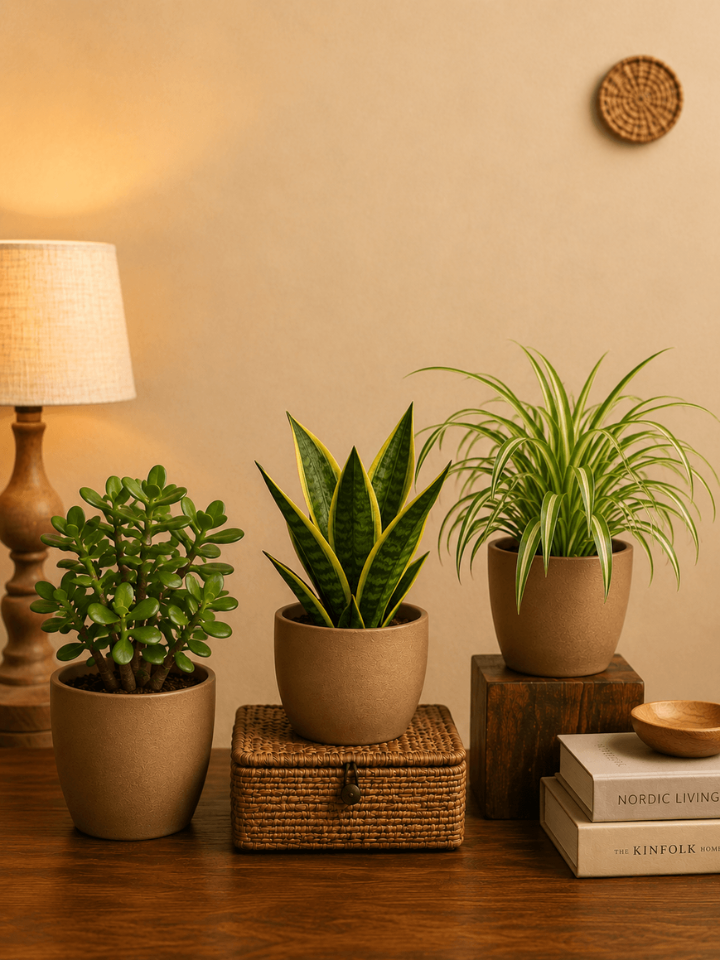

Air Purifying Indoor Plants Combo
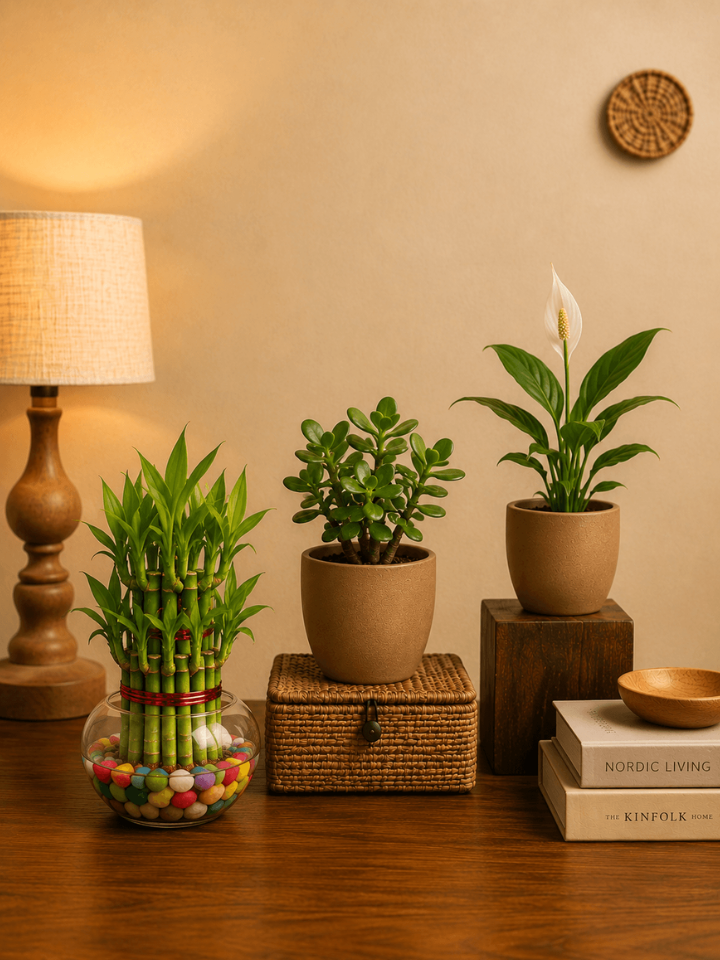

Set of 3 Vastu Plants
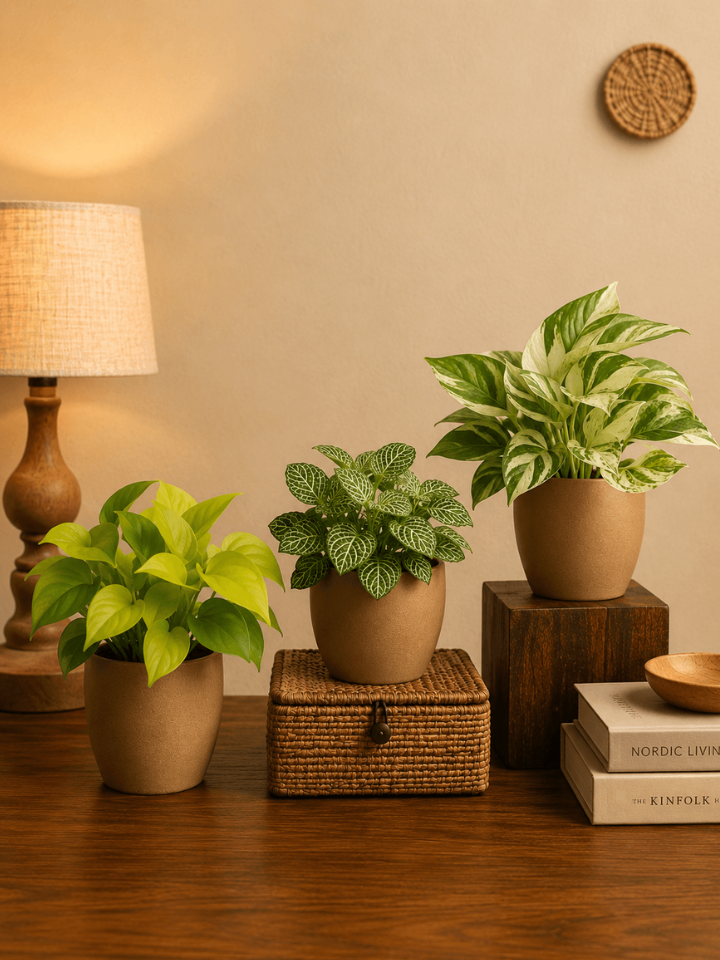

Combo of 3 Minimalist Plant Set
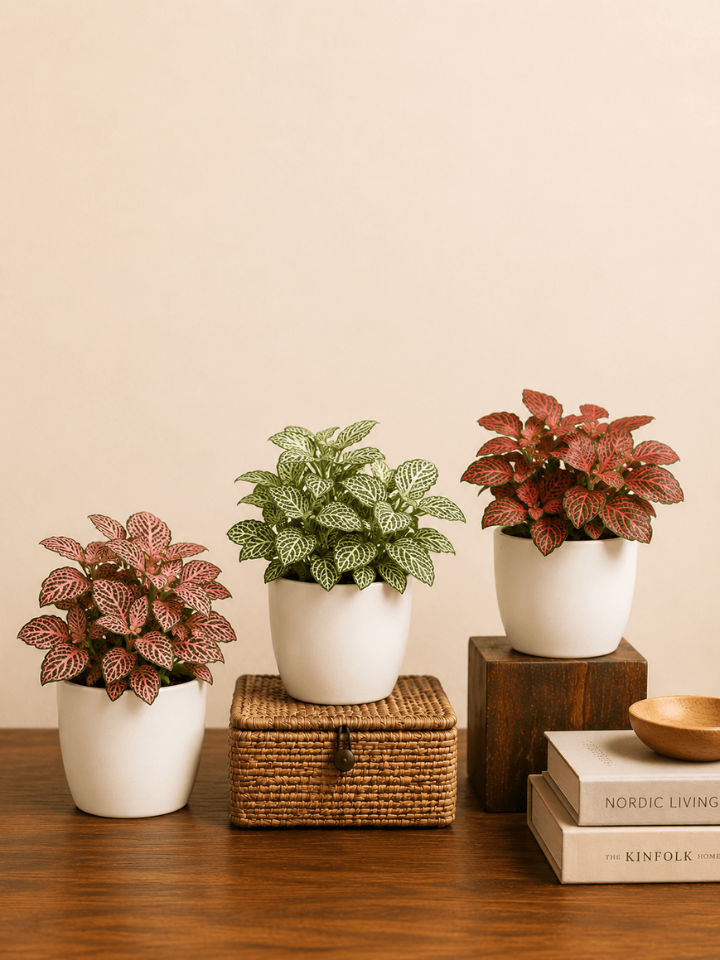

Set of 3 Indoor Plant Combo – Fittonia
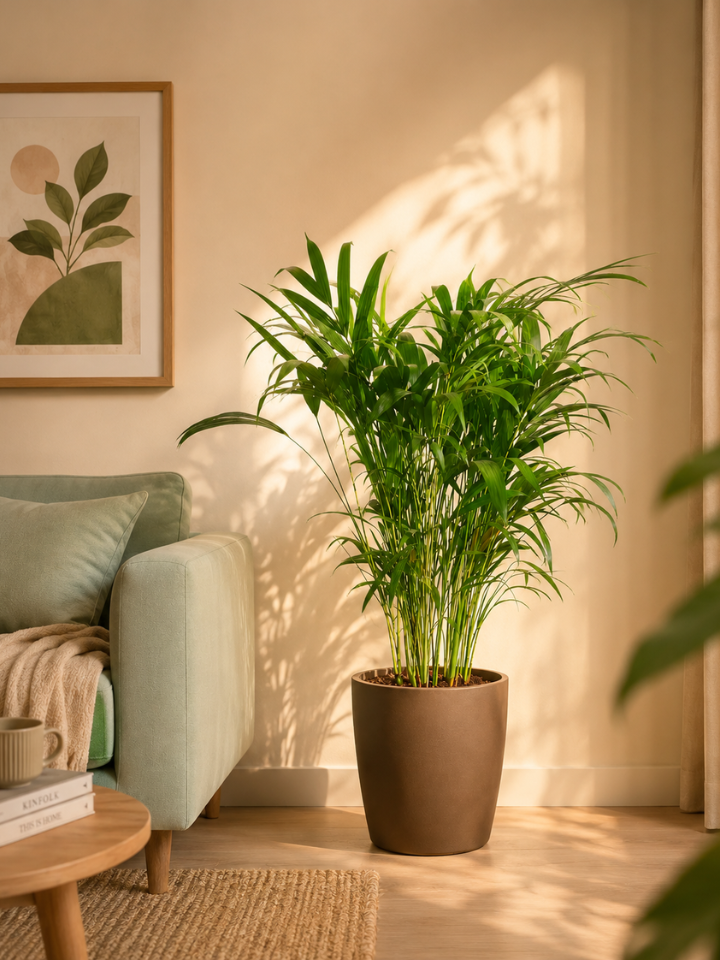
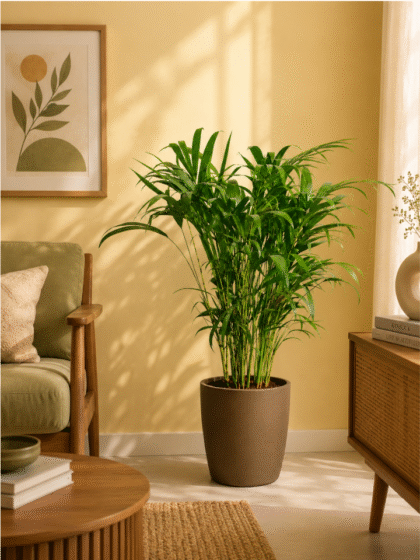
Areca Palm Plant (XL)
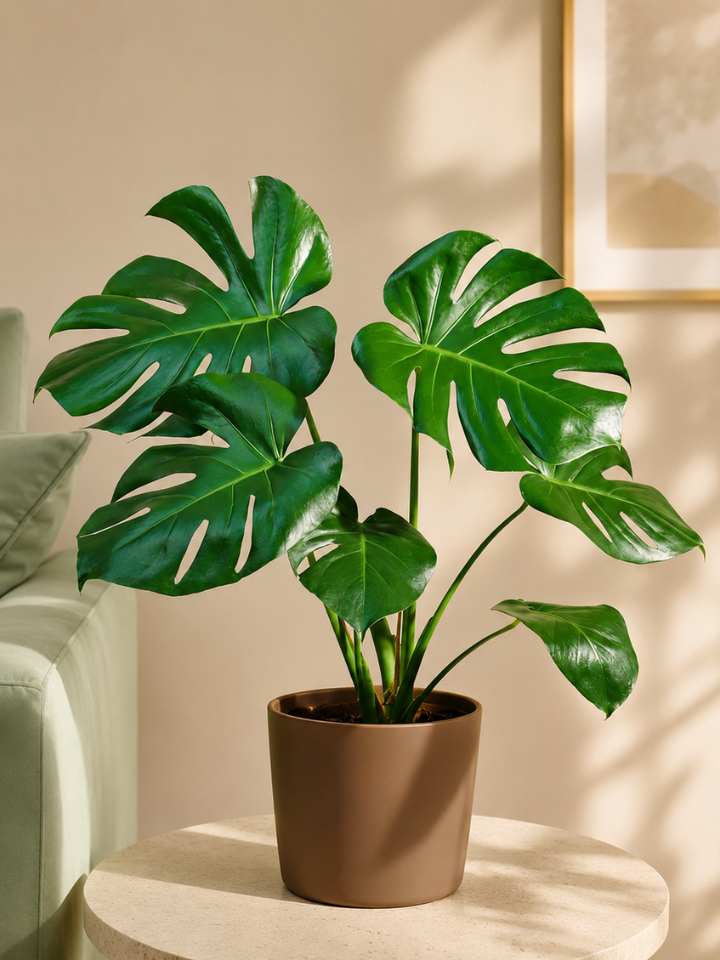
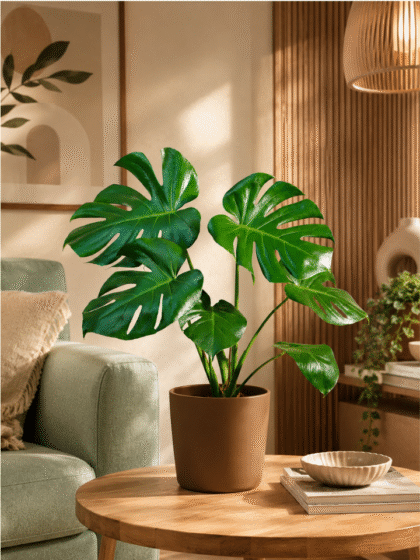
Monstera Deliciosa Plant (XL)
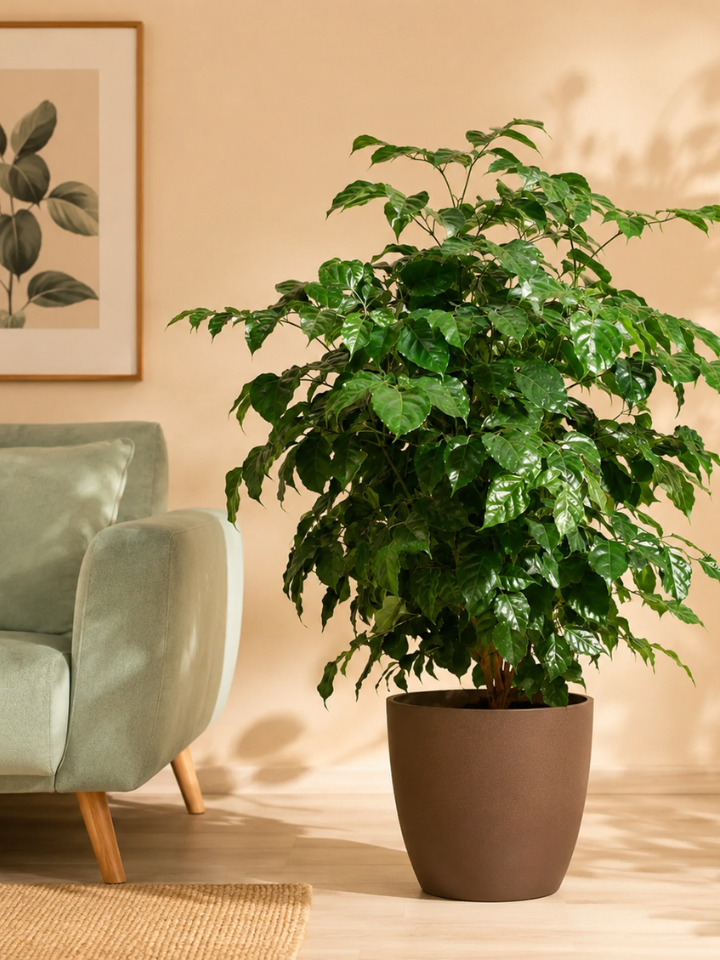
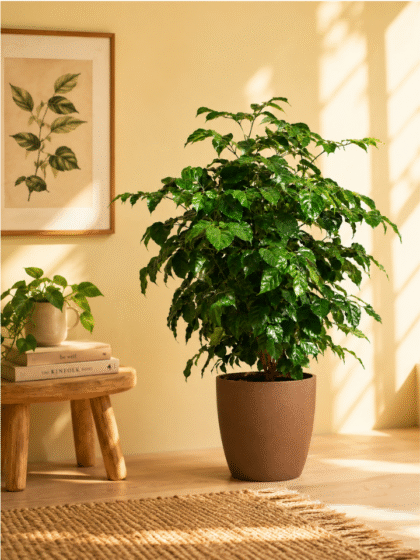
China Doll Plant (XL)
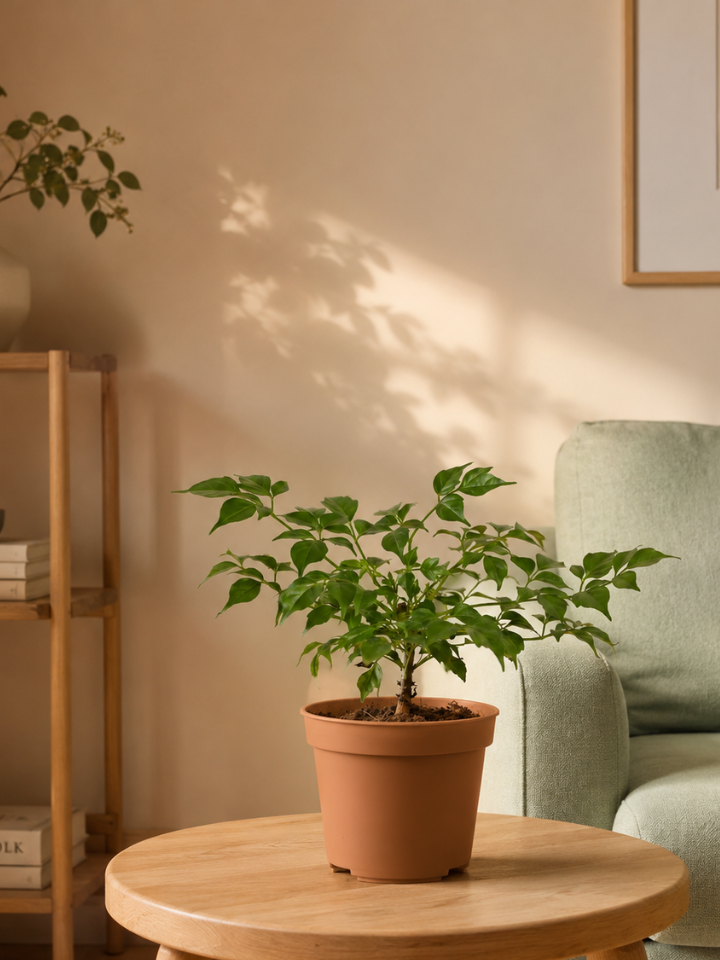
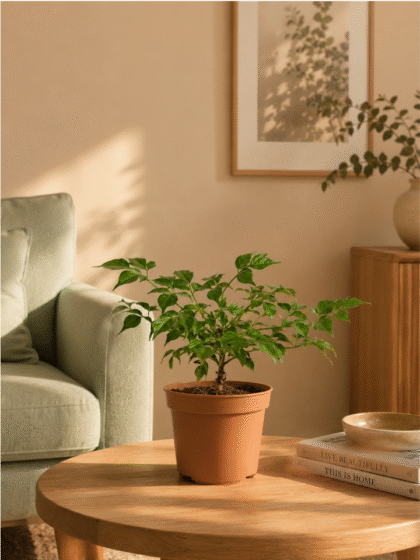
China Doll Plant (Small)
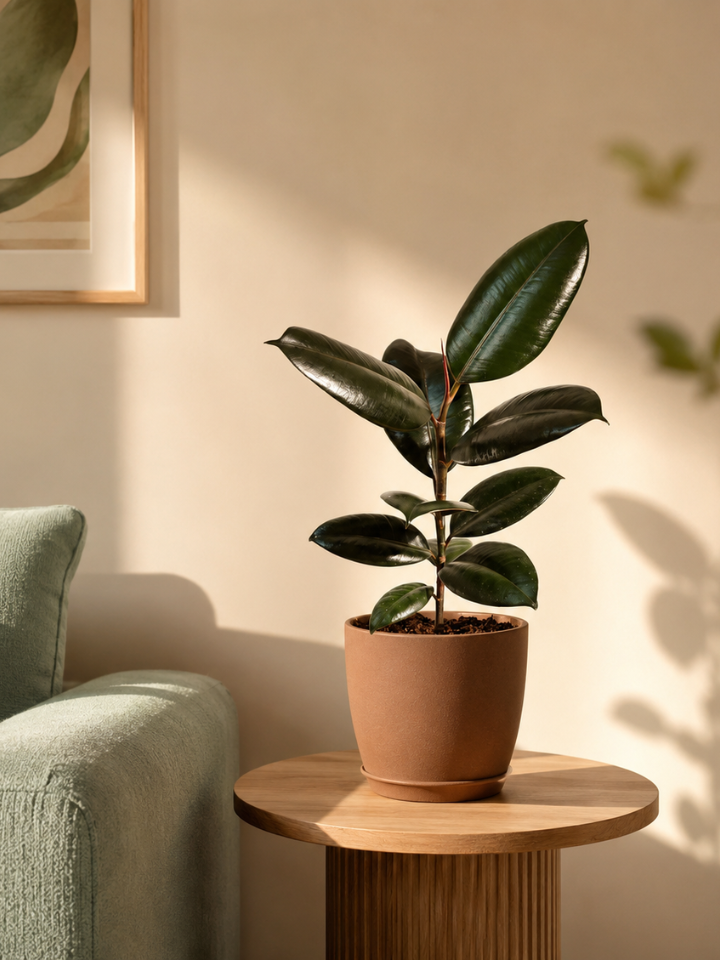
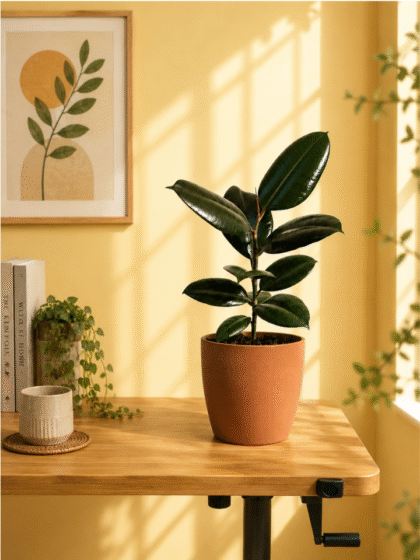
Rubber Plant

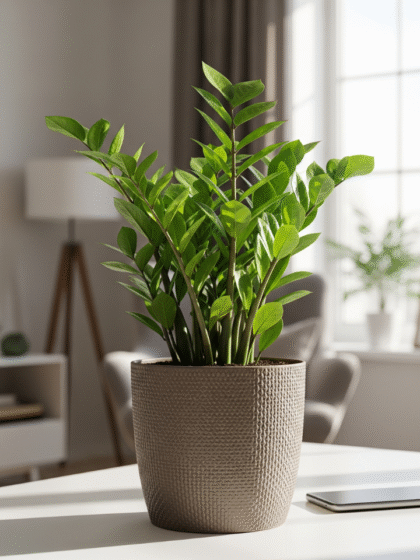
Black ZZ

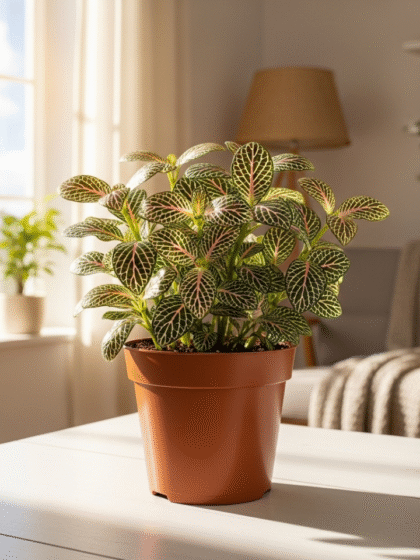
Fittonia

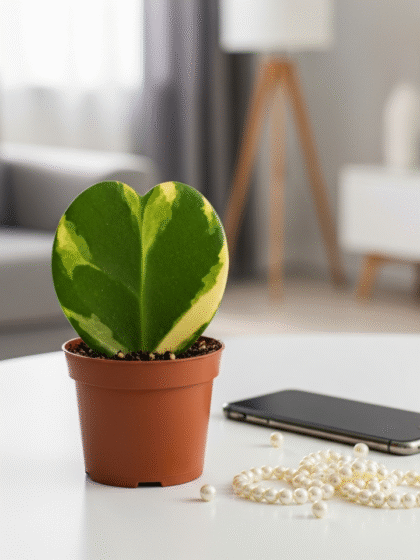
Heart Hoya Plant

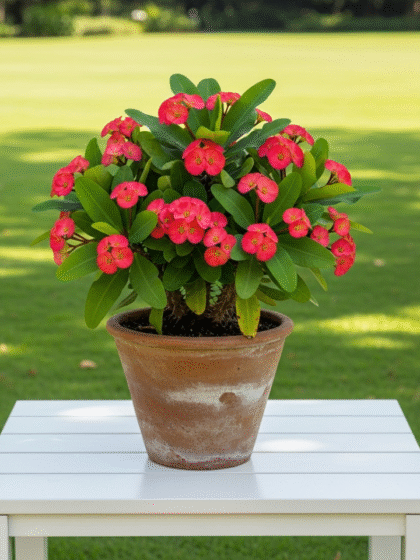
Euphorbia Plant
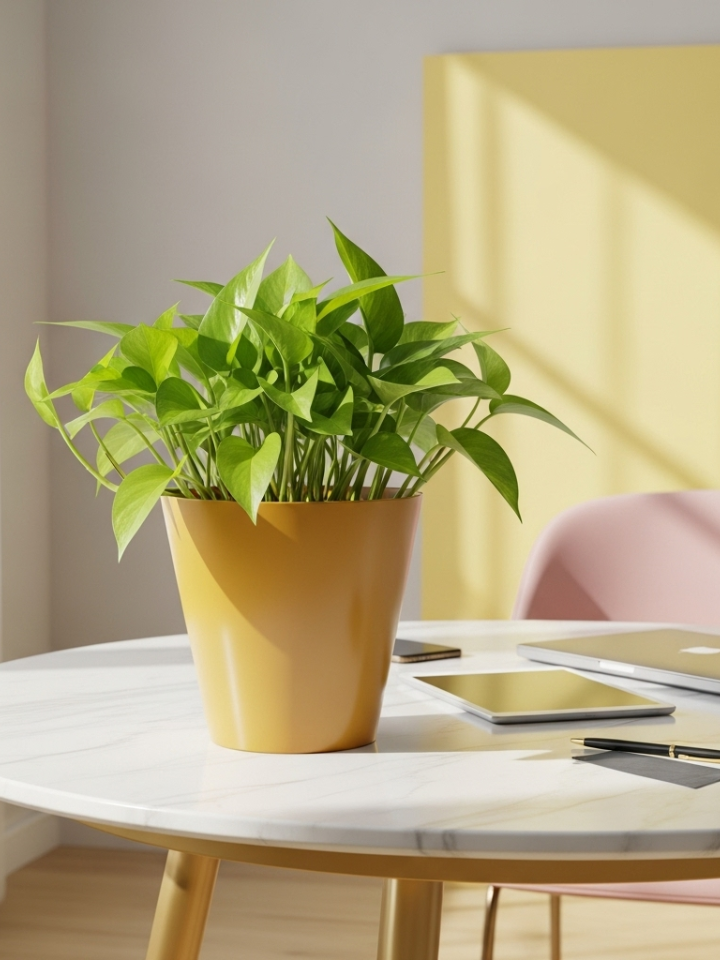

Money Plant (Golden)
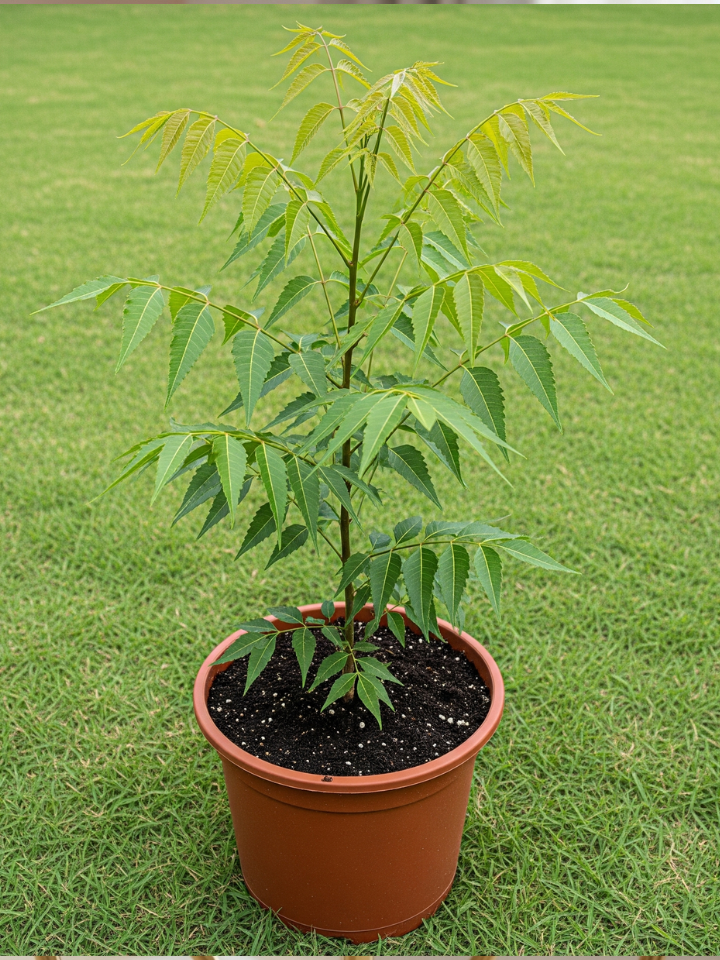

Neem


Pogostemon Stellatus
Buy Plants Online in Mangalore — Fresh, Healthy Plants Delivered to Your Doorstep
Welcome to Plantaeroot — Your Green Companion in Coastal Karnataka
There is something quietly magical about mornings in Mangaluru. The smell of rain-soaked laterite earth, the hum of the Arabian Sea breeze threading through coconut palms, the soft rustle of areca leaves catching the first light of day. Nature is woven into the very fabric of life here — and yet, for many of us, it quietly slips away behind concrete walls, air-conditioned offices, and glowing screens.
Plantaeroot was founded to bring that green world back. Whether you live in a compact apartment in Kadri or Bejai, tend a garden in Bondel or Vamanjoor, or work long hours at one of the IT parks in Surathkal — there is a plant waiting to transform your space, calm your mind, and reconnect you with nature.
As a trusted online plant nursery delivering across India, Plantaeroot now brings 200+ varieties of indoor plants, flowering plants, medicinal herbs, fruit trees, Vastu plants, and more directly to homes across Mangaluru and the wider Dakshina Kannada district. Orders above ₹999 qualify for free shipping, are dispatched within 2–3 business days, and reach you fresh — tracked in real time every step of the way.
Start your plant journey today. Browse our curated collection, place your order, and let nature find its way home to you.
Why Plantaeroot is the Right Choice for Plant Lovers in Mangaluru
Choosing where to buy plants online is not just about price — it is about trust, expertise, and the assurance that a living thing will arrive at your door healthy and ready to thrive. Here is what sets Plantaeroot apart.
Over a Decade of Experience — Since 2014
Plantaeroot was founded in 2014 by Basudev Saha, who began his professional journey at 24 and, now at 70, has dedicated his retirement years to making nature accessible for everyone. That is 11+ years of learning what plants need, how to pack them safely, and how to guide customers through their gardening journey.
A Curated, Healthy Plant Collection
Every plant dispatched from our Hooghly warehouse is handpicked in healthy condition. We do not just list plants — we ensure they are robust, properly potted, and ready to adapt to your home environment. From resilient Snake Plants perfect for Mangalore’s high-humidity interiors to heat-tolerant Bougainvillea that thrives under coastal Karnataka’s blazing summer sun, each species in our catalogue has been selected with purpose.
Pan-India Delivery Including Dakshina Kannada
Plantaeroot ships across India, which means residents of Mangaluru, Surathkal, Ullal, Mulki, Bantwal, Moodbidri, Karkala, and even Udupi can order with confidence. Plants are carefully packed to survive transit, and you receive a real-time tracking link the moment your parcel is dispatched — via email and WhatsApp.
Transparent Policies, Honest Support
Free shipping kicks in at ₹999. Dispatch happens within 2–3 business days. Non-plant items carry a 7-day return window. And if anything ever goes wrong, our support team is reachable at support@plantaeroot.com or on WhatsApp at +91 9874758056. Straightforward, human, and always ready to help.
Understanding Mangalore’s Unique Climate for Gardening
Before you pick a plant, it pays to understand the environment it will live in. Mangaluru sits on the western coast of Karnataka, nestled between the Arabian Sea and the Western Ghats. This geography creates a very specific climate — one that is wonderful for certain plants and challenging for others.
Tropical Monsoon — High Humidity All Year Round
Mangaluru falls under the tropical monsoon climate (Köppen Am), with average humidity hovering between 70 and 90 percent throughout the year. Even outside the monsoon months, the air stays heavy with moisture. This is great news for humidity-loving tropicals like Monstera, Areca Palm, Peace Lily, and Lucky Bamboo — but it means plants prone to root rot or fungal disease need well-draining setups and careful airflow.
Rainfall — Among India’s Highest
Annual rainfall in Mangaluru averages around 3,800 mm, most of it delivered in a concentrated burst during the southwest monsoon from June to September. If you have an outdoor garden in Kulshekar, Thokkottu, or Mukka, this season means waterlogged soil, strong winds, and the need for plants that can hold their own under aggressive rain. The lateritic soil common across Dakshina Kannada is acidic and well-draining but nutrient-poor, so regular compost or organic amendment is essential.
Summer Heat and Coastal Salt Spray
Summer temperatures peak at 35°C or above between March and May. Homes and balconies facing west or south can become very hot during this period. Coastal pockets near Tannirbavi, Panambur, Sasihithlu, and Ullal also experience salt-laden sea breezes that can damage delicate foliage. Salt-tolerant species like Bougainvillea, Hibiscus, and Aloe Vera handle these conditions far better than sensitive ferns or thin-leaved tropicals.
What This Means for Your Plant Selection
The ideal plant for a Mangaluru home is one that loves warmth, tolerates high humidity, can handle either full outdoor sun or indirect indoor light, and does not demand heavy watering in a climate where water stress is rarely the problem. Our recommendations throughout this page are calibrated precisely to these conditions.
Best Indoor Plants for Mangalore Homes
The warm, humid air of Mangaluru is actually a natural advantage when growing indoor tropical plants. Most of the world’s beloved houseplants originate from tropical forest floors where humidity is high, light is filtered, and temperatures are stable. Sound familiar? Here are the top performers for coastal Karnataka interiors.
Peace Lily — The Apartment Showstopper
Peace Lily (Spathiphyllum) flourishes in Mangaluru’s warm, humid conditions with almost no extra effort. It tolerates low light, making it perfect for interior rooms in apartments in Kankanady or Bendoorwell that receive little direct sun. As a bonus, it is among the top NASA-listed air-purifying plants, actively removing airborne pollutants. Keep the soil moist but never waterlogged, and it will reward you with elegant white blooms for months.
Snake Plant — Practically Indestructible
The Snake Plant (Sansevieria) in both the Green and Golden Hahnii varieties is perfectly suited to Mangaluru’s climate. It tolerates high humidity, fluctuating light, and occasional neglect — making it a favourite for busy professionals in the Surathkal IT corridor. Place one in your bedroom or office desk, and it quietly filters air throughout the night. Very little watering is needed given the ambient moisture in the air.
Monstera Deliciosa — Tropical Drama
With its iconic split leaves and vigorous growth, Monstera Deliciosa absolutely thrives in the kind of warm, humid atmosphere that Mangaluru provides all year. Give it a bright spot away from direct afternoon sun — near a north-facing window in an apartment in Pumpwell or Mannagudda works beautifully. Water it moderately and watch it grow at an impressive pace through the monsoon months.
Areca Palm — The Living Air Humidifier
Areca Palm is a natural humidifier — it transpires large amounts of moisture, which in most climates requires supplemental misting. In Mangaluru, the ambient humidity does this work for you. It is an elegant choice for large living rooms in independent houses in Bondel or Padil, and it actively filters indoor air pollutants including xylene and toluene.
Money Plant Golden — Everywhere for Good Reason
The golden Money Plant (Epipremnum aureum) is popular for reasons far beyond vastu belief — it genuinely thrives in almost any indoor condition, tolerates indirect light, and grows readily in water or soil. In Mangaluru’s humid environment, it rarely needs misting and grows quickly, making it ideal for living rooms, kitchens, and balcony railings alike.
Aglaonema — Colour Without Sunlight
Aglaonema Pink Beauty and Aglaonema Red are among the most forgiving indoor plants for coastal homes. They love indirect light and humid conditions, and their striking pink and red foliage adds visual drama to living rooms and hallways. Unlike many colourful plants, they do not need direct sunlight to maintain their vibrant colouring — a distinct advantage for interior rooms in Mangaluru’s tightly packed urban apartments.
Peperomia — The Perfect Desk Plant
Peperomia’s compact size and low maintenance make it a natural desk companion for professionals working from home or in offices near Kankanady or Bejai. It stores water in its thick leaves — an adaptation that means it handles occasional irregular watering gracefully. Both Peperomia Green and Peperomia Green Creeper are available through Plantaeroot.
Indoor Plants at a Glance — Best Picks by Light Requirement:
Plant | Light Requirement | Humidity Tolerance | Ideal Placement |
Peace Lily | Low to medium indirect | High — loves humidity | Bedroom, living room |
Snake Plant | Low to bright indirect | High — very tolerant | Bedroom, office, balcony |
Monstera Deliciosa | Bright indirect | High — loves humidity | Living room corner |
Areca Palm | Bright indirect | High — natural humidifier | Large living rooms |
Money Plant Golden | Low to bright indirect | High — grows in water | Kitchen, balcony, office |
Aglaonema Pink/Red | Low to medium indirect | Moderate to high | Hallway, living room |
Lucky Bamboo | Low to medium indirect | High — grows in water | Study, prayer room |
Peperomia Green | Medium indirect | Moderate — drought-tolerant | Desk, windowsill |
Brazilian Wood Plant | Medium to bright indirect | High — very adaptable | Living room, corridor |
Bird of Paradise | Bright indirect to full sun | Moderate | Balcony, large rooms |
Top Air-Purifying Plants for Coastal Karnataka Apartments
In a city as humid as Mangaluru, indoor air quality carries specific concerns. High moisture levels encourage mould spores, dust mites, and airborne bacteria — issues that are especially relevant during and after the monsoon. The right air-purifying plants can make a measurable difference in your home’s atmosphere.
Air-purifying plants work by absorbing toxins through their leaves and root systems. In a coastal environment where windows are often kept closed during monsoon storms or summer heat, these plants provide a natural filtration system that no machine can quite replicate.
Top Choices for Mangaluru Apartments
- Peace Lily: Removes benzene, formaldehyde, ammonia, and mould spores. One of the most effective air purifiers for enclosed rooms.
- Snake Plant: Releases oxygen at night and absorbs CO₂ — excellent for bedrooms in Bejai or Kankanady.
- Areca Palm: Rated by NASA for removing xylene and toluene — especially valuable near newly painted or furnished rooms.
- Monstera Deliciosa: Effectively reduces carbon dioxide levels in large, enclosed living spaces.
- Money Plant Varieties: All variants — Golden, Variegated, N’Joy — filter formaldehyde from indoor air efficiently.
- Boston Fern Compacta: One of the best natural humidifiers and formaldehyde absorbers — thrives in Mangaluru’s humid climate without extra misting.
- Syngonium Pink / Pixie White: Removes a range of VOCs (volatile organic compounds) and looks beautiful in compact apartment spaces.
Place two or three of these in your main living area, one in your bedroom, and one near your home workspace. The combined effect noticeably improves air freshness, especially during the months when windows stay shut against the monsoon rains.
Flowering Plants That Thrive in Mangaluru’s Climate
Mangaluru’s long warm season, abundant rainfall, and high humidity create near-perfect conditions for many of India’s most beloved flowering plants. If you have a balcony, courtyard, or garden — or even a few pots on a sunny window ledge — here is what will bloom beautifully for you.
Bougainvillea — The Queen of Coastal Gardens
Drive through the older residential stretches of Falnir or Balmatta and you will see Bougainvillea cascading over compound walls in vivid pinks, oranges, and purples. It thrives in full sun and is exceptionally tolerant of both heat and coastal salt spray — making it a top choice for homes near Tannirbavi or Panambur beach. Bougainvillea requires well-draining soil and blooms most profusely when slightly water-stressed — a condition the dry pre-monsoon months naturally provide.
Hibiscus — The Coastal Classic
Hibiscus is as much a part of coastal Karnataka’s landscape as coconut palms and areca groves. It blooms through most of the year in Mangaluru’s warm climate, thrives in both pots and garden beds, and is deeply embedded in local culture — used for worship, skincare, and even traditional cooking. Plant it in a sunny east-facing spot for best results.
Jasmine Varieties — Fragrance for Mangalorean Evenings
Arabian Jasmine (Mogra), Jasmine Jui, and Beli are all beautifully suited to coastal Karnataka’s climate. The warm, humid evenings of Mangaluru intensify jasmine’s fragrance in a way that few other climates can match. These plants are culturally beloved here — woven into hair, offered in worship, and strung into garlands for festivals from Tulasi Pooja to Ganesh Chaturthi.
Plumeria (Champa) — Temple Gardens Come Home
Plumeria, locally called Champa, is a common sight in temple gardens across Dakshina Kannada. It handles Mangaluru’s heat with ease and produces waxy, fragrant blooms through much of the year. It is drought-tolerant once established, making it a low-fuss addition to garden beds or large containers in homes across Kulshekar, Padil, or Ullal.
Ixora (Rangan) — Long-Blooming and Low Maintenance
Ixora in both its Rangan (full-size) and Rugmini (dwarf) varieties is extremely popular in Mangaluru’s garden landscape. It blooms continuously in warm weather, attracts butterflies, and handles the region’s humidity without complaint. Plant it as a low hedge or in containers for a year-round burst of colour.
Other Flowering Stars for Mangaluru Gardens
- Aparajita: Beautiful blue blooms, drought-tolerant, excellent for trellises and fences.
- Gardenia: Intensely fragrant white flowers that perfume the entire garden — suitable for shaded or semi-shaded spots.
- Rain Lily: True to its name, it bursts into bloom right after the first monsoon rains — a Mangaluru garden staple.
- Parijat: Fragrant night-blooming flowers with deep cultural significance — associated with Tulasi Pooja and offered in prayer. Excellent for home gardens.
- Vinca (Nayantara): Extremely resilient, low-maintenance, and available in multiple colours. It blooms almost year-round in coastal Karnataka’s warm climate.
Monsoon Gardening Guide for Mangalore (June–September)
The Mangaluru monsoon is a force of nature. Between June and September, the city receives the bulk of its annual rainfall — sometimes in torrential bursts that last days. For gardeners, this season is both a gift and a challenge. Plants grow with explosive vigour, but the risks of root rot, fungal disease, pest infestation, and waterlogged soil are all at their peak.
Prepare Your Pots and Beds Before the Rains Arrive
The single most important preparation for Mangaluru’s monsoon is drainage. Pots must have adequate drainage holes — if water pools at the bottom even briefly, root rot becomes a real risk. For garden beds, consider mixing coarse sand or perlite into the lateritic soil to improve drainage and prevent compaction during heavy downpours.
Plants That Love the Monsoon
Several plants in the Plantaeroot catalogue actively thrive when the rains arrive:
- Rain Lily: Lives up to its name by blooming most vigorously immediately after rain.
- Monstera Deliciosa: Grows at an accelerated pace during the warm, humid monsoon months.
- Areca Palm & Lucky Bamboo: Both benefit from the naturally high humidity, reducing the need for additional watering.
- Aparajita & Madhumalati climbers: Produce their most abundant blooms during and just after the monsoon.
- Medicinal herbs like Brahmi and Thankuni (Centella): Thrive in the moist, warm conditions of the monsoon season.
Fungal Prevention — The Monsoon Gardener’s Priority
High humidity combined with poor airflow is a recipe for fungal problems. Here is how to stay ahead of it:
- Space plants apart to allow air circulation between foliage.
- Remove dead or yellowing leaves promptly — they are a breeding ground for mould.
- Avoid overhead watering during rainy spells — the monsoon provides enough water; focus on soil drainage instead.
- Apply a light dusting of neem powder or spray diluted neem oil on leaves fortnightly as a preventive measure.
- Shift potted plants to a sheltered spot — a covered balcony or porch — during particularly heavy downpours.
Root Rot — Recognise and Respond
Root rot is the most common plant fatality during Mangaluru’s monsoon. If a plant’s lower leaves turn yellow rapidly and the stem near the soil feels soft or mushy, root rot is likely. Act quickly: remove the plant from its pot, trim away affected roots, let them air-dry for a few hours, treat with a fungicide, and repot in fresh, well-draining mix.
Salt Spray Damage in Coastal Zones
Homes within a kilometre or two of the seafront — in areas like Ullal, Tannirbavi, Mukka, or Sasihithlu — may notice salt spray damage on sensitive foliage during monsoon storms when sea winds intensify. Symptoms include brown leaf edges and stunted growth. Stick to salt-tolerant species (Bougainvillea, Hibiscus, Aloe Vera, Areca Palm) in these zones, and position delicate plants behind wind-break structures.
Monsoon-Friendly vs Monsoon-Sensitive Plants:
Plant | Monsoon Suitability | Key Care During Rains |
Rain Lily | Excellent — blooms with rain | Ensure good pot drainage |
Monstera Deliciosa | Excellent — grows vigorously | Avoid waterlogging; partial shelter |
Areca Palm | Excellent — thrives in humidity | Well-draining soil essential |
Bougainvillea | Good — reduce watering | Move to partial shelter if flooding risk |
Snake Plant | Moderate — reduce watering sharply | Keep completely dry during heavy rains |
Peace Lily | Moderate — monitor for mould | Improve airflow; wipe leaves gently |
Succulents & Cacti | Poor — very vulnerable | Move indoors or to fully covered area |
Echeveria / Haworthia | Poor — susceptible to rot | Keep completely protected from rain |
Best Fruit Plants for Mangalore Backyards
There is a reason that every traditional Mangalorean household garden has at least a mango tree, a curry leaf plant, and a jackfruit somewhere in the compound. The tropical climate of Dakshina Kannada is extraordinarily generous for fruit cultivation. Plantaeroot brings many of these classics — and some exciting newer additions — directly to your doorstep.
Mango — The Pride of Every Mangalorean Garden
Mangaluru has a deep, almost spiritual relationship with the mango. The warm summers and well-draining lateritic slopes of the Dakshina Kannada hinterland are ideal mango-growing territory. A mango sapling ordered from Plantaeroot will adapt readily to the local soil and begin fruiting in a few years, giving you the unmatched pleasure of plucking your own Alphonso or local variety right from the branch.
Curry Leaves — The Non-Negotiable Kitchen Essential
No Mangalorean kitchen functions without curry leaves — they are the foundation of fish curry, coconut chutneys, and countless traditional dishes. A curry leaf plant (Murraya koenigii) grown at home provides fresh leaves year-round, far superior in flavour to the wilted bunches bought from market stalls. It grows readily in garden soil or large pots and thrives in Mangaluru’s warm climate with minimal care.
Guava — Year-Round Fruiting in Tropical Warmth
Guava adapts beautifully to Mangaluru’s climate, producing fruit in both summer and post-monsoon seasons. It tolerates the region’s heavy rainfall without difficulty and requires relatively little space, making it suitable even for medium-sized home gardens in Vamanjoor or Kulshekar.
Jackfruit — For Homes with Space to Grow
Jackfruit (Artocarpus heterophyllus) is deeply embedded in Tulu Nadu and coastal Karnataka culture — eaten raw, ripe, cooked in curries, and even used for making wine. It grows into a substantial tree, so it suits independent houses with generous garden space. Given Mangaluru’s abundant rainfall and warm temperatures, it grows vigorously and begins fruiting within three to five years.
Lemon and Pomegranate — Compact and Productive
Both Lemon and Pomegranate adapt well to container growing, making them accessible for apartment dwellers with large balconies. Lemon is particularly rewarding — a single tree in a large pot can provide all the lime you need for Mangalorean cooking year-round. Pomegranate handles the dry summer months well and produces ornamental red flowers before fruiting.
Dragon Fruit, Pineapple & Chiku — Exciting Additions
For gardeners who like to push beyond the familiar, Plantaeroot also offers Dragon Fruit, Pineapple, Chiku (Sapota), and Sitaphal plants. Dragon fruit is a climbing cactus that actually performs well in Mangaluru’s warm climate, while Pineapple grows in large pots and makes a striking visual statement on terraces in Bondel or Surathkal.
Vastu Plants for Mangalorean Homes
In Mangaluru and across coastal Karnataka, the home is a sacred space. The presence of certain plants — placed at specific points around the house — is believed to promote health, prosperity, and positive energy. Whether you approach this from a place of deep spiritual belief or simply appreciate the cultural tradition, these plants are also genuinely beautiful and beneficial.
Tulsi — Heart of Every Karnataka Home
The Tulasi Katte — a raised platform in the courtyard or front yard dedicated to the Tulsi plant — is a defining feature of traditional Karnataka homes. In Mangaluru, across communities both Hindu and syncretic, the Tulsi plant holds immense cultural weight. It is cared for daily, lit with a lamp at dusk, and central to Tulasi Pooja celebrated in the Kartika month. Beyond its sacred significance, Tulsi (Holy Basil) is a powerful medicinal herb — antimicrobial, adaptogenic, and immune-boosting. Plantaeroot offers both common and Black Tulsi varieties.
Lucky Bamboo — For Study and Office Spaces
Lucky Bamboo (Dracaena sanderiana, despite the name) is one of the most popular Vastu additions for study rooms, home offices, and reception areas. In Mangaluru’s humid climate, it grows readily in a vase of water with indirect light — essentially self-sufficient. Gifting lucky bamboo is a widely followed practice during housewarmings and business inaugurations across the city.
Parijat — Sacred and Fragrant
The Parijat (Night Jasmine / Harsingar) blooms after dark and sheds its flowers each morning, which are then gathered for worship. It is associated with multiple Hindu traditions and carries deep symbolic significance in coastal Karnataka households. It also happens to be pet-friendly, making it suitable for homes with cats and dogs.
Brahma Kamal and Marble Money Plant
Brahma Kamal, the sacred lotus cactus, is believed to bring prosperity when it blooms — a rare and celebrated event. The Marble Money Plant is a popular Vastu addition for entrance foyers and living room corners, believed to attract positive energy while actively purifying indoor air.
Placement Guidance
- Tulsi: Northeast corner of the courtyard or main entrance — ideally in a raised Tulasi Katte platform.
- Lucky Bamboo: Southeast (wealth) or study room/home office — in a decorative vase with clean water.
- Money Plant: South or southeast corner of the living room — avoid placing it in the northeast.
- Parijat: Near the prayer area or main entrance — where its morning-fallen flowers can be gathered easily.
- Brahma Kamal: Near the puja room or a bright windowsill where it can be observed when it blooms.
Medicinal & Ayurvedic Plants for Home Wellness
Karnataka has a deep Ayurvedic heritage, and the Tulu Nadu region of Dakshina Kannada carries forward an ancient tradition of home herbalism. Growing medicinal plants at home gives you immediate access to nature’s remedies — from a sprig of Brahmi for a child’s memory tonic to a leaf of Thankuni for wound healing or a root of Ashwagandha for stress relief.
Aloe Vera — The Universal Healer
Aloe Vera is arguably the most versatile medicinal plant you can grow. The gel inside its thick leaves treats sunburn, minor cuts, skin inflammation, and digestive discomfort. In Mangaluru’s warm climate, it grows with remarkable ease in a sunny outdoor spot or a bright balcony — requiring almost no attention once established.
Brahmi (Bacopa) — For Cognitive Wellness
Brahmi is a creeping herb traditionally used to support memory, concentration, and mental clarity — hence its popularity in Ayurvedic formulations for students and elderly adults. It loves moist soil and thrives beautifully in Mangaluru’s humid climate, especially during and after the monsoon. Perfect for kitchen window boxes or shaded garden beds.
Tulsi — Beyond the Sacred
Beyond its spiritual significance, both Green and Black Tulsi are potent Ayurvedic herbs. Tulsi tea made from fresh leaves supports respiratory health, immunity, and stress management. In a city that experiences heavy seasonal humidity and associated respiratory sensitivities, having a Tulsi plant at home is both a cultural and wellness asset.
Ashwagandha — Adaptogenic Powerhouse
Ashwagandha is one of Ayurveda’s most celebrated adaptogenic herbs — used to build resilience against physical and psychological stress. It grows as a woody shrub and does well in Mangaluru’s warm temperatures, though it prefers well-draining soil and a relatively dry spot. Ideal for garden beds in Bondel, Padil, or Vamanjoor.
Thankuni (Centella asiatica) — The Everyday Herb
Centella, locally known as Thankuni in Bengali communities and Ondelaga in Kannada, is a small creeping herb used across generations for skin healing, brain health, and digestive support. It grows effortlessly as a ground cover in shaded, moist spots — a perfect fit for Mangaluru’s humid, semi-shaded garden areas.
Kitchen Medicinals — Rosemary, Mint, Bay Leaf, Turmeric
Rosemary, Mint, Bay Leaf, and Turmeric are the bridge between medicine and cuisine. Rosemary and Mint grow happily in pots on Mangalorean balconies with moderate sunlight. Bay Leaf makes a handsome small tree. Turmeric — inseparable from Karnataka’s cooking and healing traditions — thrives in the moist, warm soil of home gardens and produces impressive rhizomes through the monsoon growing season.
Pet-Friendly Plants for Mangalore Pet Parents
If you share your home with cats, dogs, or other animals, plant selection requires an additional layer of care. Many popular houseplants contain compounds that are toxic if ingested by pets — from Pothos variants to certain Lilies and Dracaena species. At Plantaeroot, we make it easy to find genuinely pet-safe options.
Safe Choices for Homes with Cats and Dogs
- Tulsi: Completely safe for most pets and actively beneficial — its antimicrobial properties extend beyond human use.
- Parijat (Night Jasmine): Safe for cats and dogs, and beautifully fragrant.
- Lucky Bamboo: Non-toxic to pets (note: true bamboo, not Dracaena — verify variety).
- Brahma Kamal: Pet-safe and spiritually significant.
- Marble Money Plant: Pet-friendly version of the classic Money Plant.
- Bougainvillea: Safe for dogs and cats — though the thorns require some placement consideration.
- Hibiscus: Non-toxic to pets; in fact, edible for humans.
- Arabian Jasmine (Beli & Mogra): Safe and beloved for fragrance.
- Bamboo Palm: One of the safer palms for households with animals.
If you are unsure about a specific plant’s safety, reach out to our support team before ordering. We can help you build a pet-friendly indoor garden that is beautiful, safe, and well-suited to your Mangaluru home.
Cactus, Succulents & Low-Maintenance Picks for Busy Professionals
Not everyone has time for daily plant care. If you are a working professional in Mangaluru’s IT corridors in Surathkal or MSEZ, a student, or simply someone who wants greenery without the guilt of forgetting to water — succulents and cacti are your answer.
The key thing to know about growing succulents in Mangaluru: the high ambient humidity actually reduces how much you need to water them. These plants store moisture in their thick leaves and stems, which combined with Mangaluru’s humid air means they need very infrequent watering — sometimes just once every two to three weeks.
- Jade Plant (Crassula Ovata): A beautiful, architectural succulent that grows into a miniature tree over time. Long-lived and highly forgiving of neglect.
- Haworthia Cymbiformis & Haworthia Coarctata: Compact, shade-tolerant succulents that do well even in low-light indoor settings — perfect for office desks.
- Echeveria Pegasas: Rosette-shaped and visually striking, it handles the warmth of Mangaluru’s summers well in a bright, sheltered spot.
- Trailing Jade: Beautiful in hanging planters on balconies, trailing its plump green stems downward.
- Christmas Cactus: Unlike desert cacti, the Christmas Cactus actually tolerates humidity well and produces beautiful blooms in the cooler months around December.
- Golden Sedum & Euphorbia: Both hardy, sun-loving, and visually interesting — excellent for outdoor sunny spots.
Note for Mangaluru conditions: place succulents in the sunniest, most well-ventilated spot you have and use a gritty, fast-draining potting mix. The biggest risk in a humid coastal climate is not drought — it is overwatering and poor drainage.
Hanging & Climber Plants for Compact Mangaluru Apartments
Urban apartments in Kadri, Mannagudda, Bendoorwell, and Kankanady often have limited floor space but generous vertical real estate — unused walls, balcony railings, overhead hooks, and window grilles. Hanging and climbing plants transform these surfaces into living walls of greenery.
Best Hanging Plants for Mangalore Balconies
- Spider Plant: Incredibly easy to grow, produces cascading ‘baby’ plantlets, tolerates humidity well, and is safe for pets.
- Money Plant (Pothos): The all-time balcony favourite — grows rapidly in Mangaluru’s warmth and trails beautifully from hanging pots or over balcony grilles.
- Philodendron: Heart-leaf Philodendron grows lush and full in the warm, humid coastal air and looks spectacular trailing from elevated planters.
- Trailing Jade & Golden Sedum: Both work beautifully in balcony hanging pots, adding a succulent-style visual contrast.
Climbers for Walls, Trellises and Fences
- Madhumalati (Rangoon Creeper): A fast-growing, fragrant climber that produces clusters of flowers changing from white to pink to red as they age. Perfect for compound walls in Bondel or Kulshekar.
- Climbing Rose: With a trellis and some guidance, climbing roses transform garden walls into romantic focal points. They handle Mangaluru’s warm months well with regular deadheading.
- Morning Glory: A fast-growing annual climber with vivid blue-purple blooms — spectacular during Mangaluru’s cooler post-monsoon months.
- English Ivy: Ideal for shaded walls and interiors with good indirect light — creates a classic, lush look on wall surfaces.
- Allamanda: A vigorous, sun-loving climber with bold yellow blooms that contrasts beautifully against Mangalore tile architecture.
Outdoor & Garden Plants for Independent Houses in Dakshina Kannada
If you are fortunate enough to have a proper garden — whether in Bondel, Padil, Thokkottu, Kulshekar, or the quieter lanes of Vamanjoor and Mukka — the tropical climate of Dakshina Kannada gives you an extraordinary range of plants to work with. The combination of rich monsoon rainfall, warm temperatures, and reasonable soil depth supports everything from towering mango trees to delicate rose bushes.
Landscaping Principles for Mangaluru Gardens
- Layer your planting: tall fruit trees like mango or jackfruit as a canopy, medium flowering shrubs like Hibiscus and Ixora below, and ground-level herbs and succulents at the base.
- Use hardy species for boundary planting — Bougainvillea makes an excellent, colourful, and thorny hedge that also handles coastal winds.
- Create a separate medicinal garden corner — a small raised bed with Tulsi, Aloe Vera, Brahmi, Thankuni, and Mint gives you a home apothecary.
- Install a Tulasi Katte in the northeast — a raised octagonal or square platform for your Tulsi plant, a tradition as old as Karnataka’s architecture itself.
- Plan for monsoon drainage — ensure garden pathways have slight slopes away from plant beds to prevent waterlogging during heavy rains.
Outdoor Plant Recommendations
From Plantaeroot’s catalogue, these outdoor plants are particularly well-suited to Mangaluru’s conditions:
- Bougainvillea: Boundary walls, trellises, full sun — a Mangaluru garden classic.
- Hibiscus: Flowering hedges, standalone shrubs, or container specimens near main entrances.
- Aparajita: Fast-growing fence climber with beautiful blue flowers.
- Mango / Guava / Jackfruit: Long-term fruiting trees for gardens with space.
- Curry Leaves / Mint: Non-negotiable kitchen garden staples.
- Centella (Thankuni): Ground cover for moist, shaded garden areas.
- Rosemary: Mediterranean herb that adapts surprisingly well to a sunny, sheltered Mangaluru garden spot.
Plants as Gifts for Mangalorean Festivals & Occasions
In coastal Karnataka, festivals are moments of communal joy, and the gift of a plant carries a meaning beyond the ordinary. It says: may your home grow green and full of life. Whether it is a potted Parijat for a housewarming, a Poinsettia for a Christmas gathering, or a Lucky Bamboo for a business inauguration, plants make profoundly thoughtful gifts.
Festival-Specific Plant Gifting Guide
- Mangaluru Dasara & Karavali Utsav: Flowering plants like Ixora, Vinca, and Marigold (where available) in vibrant colours — or a curated set of indoor plants for home decor.
- Christmas (December): Mangaluru’s large Catholic community celebrates Christmas warmly. The Poinsettia Pink Plant — with its vivid red and green foliage — is the globally recognized Christmas plant. A potted Poinsettia is a deeply personal and festive gift for friends and neighbours across communities.
- Ganesh Chaturthi: Mango leaves and banana stems are traditional decor, but a potted Parijat or Tulsi plant is a meaningful and lasting gift tied to the festival’s spirit.
- Tulasi Pooja (Kartika month): Gifting a Tulsi plant — ideally a healthy, bushy green Tulsi — to a family that does not yet have one is considered particularly auspicious during this season.
- Weddings & Housewarmings: A potted fruit tree (Lemon, Pomegranate, or Guava) or an established indoor plant (Bird of Paradise, Monstera, Areca Palm) makes a memorable, practical, and lasting housewarming gift.
- Onam (Kerala influence): With strong Kerala influence along the Kasaragod-Mangaluru belt, flowering plants and traditional Vastu plants make beautiful Onam gifts for families following the tradition.
Plantaeroot ships gift-ready plants directly to the recipient’s address across Mangaluru and surrounding areas — simply note the delivery address and a personalised message at checkout, and we handle the rest.
Planters, Pots & Gardening Tools — Everything Beyond the Plant
A great plant deserves a great home. Plantaeroot’s catalogue extends well beyond plants to include a range of planters, pots, fertilizers, gardening tools, and accessories — everything you need to set up and maintain a thriving green space in your Mangaluru home.
- Planters & Pots: Available in a variety of sizes, materials, and designs — from minimalist ceramic pots for indoor settings to durable outdoor containers that handle Mangaluru’s heavy monsoon rains.
- Fertilizers: Organic and balanced formulations to supplement the nutrient-poor lateritic soil common across Dakshina Kannada.
- Gardening Tools: Trowels, pruners, sprayers, and watering cans — everything a home gardener needs, delivered to your door in Mangaluru or across coastal Karnataka.
Non-plant products come with a 7-day return window for unused or unopened items, giving you added confidence when ordering. Shipping is free on all orders — plants or accessories — when your cart exceeds ₹999.
How Online Plant Delivery Works in Mangalore — Step by Step
Ordering plants online from Plantaeroot to your Mangaluru home is a simple, transparent process. Here is exactly what happens from the moment you place your order to the day your plant arrives.
- Browse and Order: Visit plantaeroot.com and explore our curated categories — indoor plants, flowering plants, fruit trees, Vastu plants, and more. Add your favourites to the cart and check out securely.
- Order Confirmation: You receive an immediate order confirmation via email and WhatsApp with your order details.
- Careful Packing: Our team at the Rishra, Hooghly warehouse handpicks your plants in healthy condition. Each plant is secured with appropriate protective packaging to prevent transit damage — roots cushioned, foliage protected, and the pot stabilised.
- Dispatch Within 2–3 Business Days: Your parcel is dispatched within 2–3 business days through a trusted courier partner. You receive a tracking link on your registered email and WhatsApp number the moment it ships.
- Real-Time Tracking: Follow your order’s journey from Hooghly to Mangaluru in real time. No guessing, no anxiety — just a live update showing exactly where your plant is.
- Delivery to Your Door: Most orders reach Mangaluru within 4–7 business days. Remote pockets like Mukka, Thokkottu, or Ullal may be at the higher end of this window.
- Record an Unboxing Video: Before you open the package, record a clear, continuous video of the unopened parcel and the unboxing process. This video is required for any damage or refund claims — it protects you and ensures fair resolution.
- Acclimatise Your Plant: After opening, place the plant in a bright, indirect light spot and give it a gentle watering. Plants may look slightly tired after their journey — this is completely normal and they recover quickly.
Free Shipping, Tracking & Returns for Mangaluru Customers
We believe that buying plants online should be as straightforward and reassuring as visiting a local nursery — only with a far wider selection and the convenience of home delivery.
Free Shipping on Orders Above ₹999
All orders above ₹999 qualify for free shipping across India — including to every corner of Mangaluru, Surathkal, Ullal, Bantwal, Moodbidri, Udupi, and beyond. A minimal delivery fee applies to smaller orders.
Live Plant Policy
Live plants are non-returnable — shipping them back and forth would cause severe transit stress that living plants simply cannot withstand. However, every plant leaves our warehouse in healthy condition, and our support team is available to guide you through any post-delivery care concerns.
Non-Plant Returns — 7-Day Window
All non-plant products — planters, tools, fertilizers, accessories — can be returned within 7 days of delivery if unused and unopened. If an item arrives damaged, we will replace it. Shipping charges for self-initiated returns (change of mind) are borne by the customer.
Unboxing Video — Your Protection
Recording a clear, continuous video of your package from its unopened condition through the unboxing process is mandatory for any refund or replacement claim. This ensures every complaint is assessed fairly and every genuine claim is resolved promptly. Photos taken after unboxing are not accepted as proof.
Cancellation Policy
Orders can be cancelled within 24 hours of placement. Once shipped, cancellation is not possible. Same-day delivery orders and special festival collections (Diwali, Valentine’s, etc.) are non-cancellable.
Caring for Your New Plant After Delivery — First 7 Days Guide
Plants are resilient, but transit is stressful. A few days in a dark box, separated from sunlight and normal watering rhythms, can leave even the healthiest plant looking a little weary when it first arrives. Do not be alarmed. With a little care in the first week, your plant will recover fully and begin thriving in its new Mangaluru home.
Day 1 — Unboxing and Initial Assessment
After recording your unboxing video, gently remove the plant from its packaging. Check the soil moisture — if it is bone dry, give a gentle watering. If the soil feels damp, hold off for a day. Inspect the leaves: some yellowing or drooping is normal after transit and not a cause for concern.
Days 1–3 — Acclimatisation
Place your new plant in a spot with bright, indirect light — not direct afternoon sun, which can stress an already-fatigued plant. In Mangaluru’s warm climate, even a spot near a north-facing window or a shaded balcony provides enough light for most tropicals to begin recovery. Avoid moving the plant frequently during this period — let it settle.
Days 3–5 — First Watering Routine
Water gently when the top inch of soil feels dry to the touch. In Mangaluru’s high humidity, most indoor plants need less water than you might expect — the ambient moisture in the air significantly reduces evaporation from the soil. Resist the urge to overwater during this recovery phase.
Addressing Mould on Soil Surface
Given Mangaluru’s year-round humidity, a thin layer of white mould sometimes forms on the soil surface of newly arrived potted plants. This is generally harmless — simply scrape off the top layer of soil, allow better airflow around the pot, and reduce surface moisture. Sprinkling a small amount of cinnamon (a natural antifungal) on the soil surface also helps.
When to Worry
Most transit-related wilting, leaf droop, or discolouration resolves within 5–7 days with proper care. If a plant shows no recovery signs by day 7, or if the stem is mushy or blackened at the base, contact our support team at support@plantaeroot.com or WhatsApp +91 9874758056. We are here to help diagnose the issue and guide you to a solution.
Common Plant Problems Faced by Mangalore Gardeners — & Solutions
Even experienced plant parents in coastal Karnataka face specific challenges. Here are the most common issues in Mangaluru’s climate and practical solutions.
Seasonal Plant Care Schedule for Mangaluru:
Season | Key Task | Watering | Watch Out For |
Pre-Monsoon (Mar–May) | Repot, fertilize, prune dead growth | Regular — heat increases need | Aphids, heat stress on young plants |
Monsoon (Jun–Sep) | Improve drainage, space plants apart | Reduce sharply — rains do the work | Root rot, fungal disease, leaf mould |
Post-Monsoon (Oct–Nov) | Apply compost, plant new additions | Moderate — humid but drier | Mealy bugs, spider mites |
Winter (Dec–Feb) | Minimal pruning, check soil health | Reduce slightly | Cold nights for tropicals on terraces |
Yellowing Leaves
The most common complaint. Possible causes: overwatering (most likely in Mangaluru’s humid climate), insufficient light, or nutrient deficiency. Check if the soil is staying wet for too long — if yes, improve drainage and reduce watering frequency. If the plant is in a dim interior spot, move it closer to a light source.
Fungal Patches and White Coating
Powdery mildew and grey mould are common during and after the monsoon. Improve air circulation, remove affected leaves promptly, and apply a diluted neem oil spray fortnightly. Avoid wetting foliage when watering.
Pest Infestation — Aphids, Mealy Bugs, Spider Mites
Aphids cluster on new growth, mealybugs leave white cottony deposits in leaf joints, and spider mites cause stippled yellowing on leaf undersides. A diluted neem oil spray (1–2 ml neem oil per litre of water with a drop of liquid soap) applied weekly handles all three effectively without harming beneficial insects.
Root Rot
Root rot is the primary monsoon plant killer in Mangaluru. Prevention through well-draining soil and adequate pot drainage holes is the only real solution. If rot has already set in, remove the affected roots, air-dry the plant, treat with a copper-based fungicide, and repot in fresh, sterile mix.
Salt Damage Near the Coast
Brown, crispy leaf edges on outdoor plants near Tannirbavi, Panambur, or Ullal are a classic sign of salt spray damage. Solution: rinse foliage with fresh water regularly during high-wind periods, position sensitive plants behind wind-breaks, and prioritise salt-tolerant species in these zones.
Founder’s Note — Basudev Saha’s Vision for a Greener Mangaluru
I began my career at 24, and across nearly five decades of professional life, I watched something quietly disturbing unfold. The younger generations — our children and grandchildren — grew up in a world increasingly insulated from the natural world. Many of them have never felt the cool shock of rain on dry earth. Many have never heard the word petrichor — let alone breathed it in on a monsoon morning.
This disconnect does not just take away simple pleasures. It takes away something deeper — a sense of rootedness, of belonging to something larger than our cities and our screens. Stress, anxiety, the frantic pace of modern life — I believe much of it comes from this separation.
When I founded Plantaeroot in 2014, it was not simply to sell plants. It was to offer people a way back. A root back to the roots. To remind a busy professional in Kankanady that a Snake Plant on his desk can make breathing easier. To remind a grandmother in Falnir that tending a Tulsi plant each morning is a form of meditation. To remind a young couple in Surathkal that planting a mango sapling in a pot is an act of hope — for their home, their family, and the earth.
Mangaluru, with its extraordinary natural surroundings — the Western Ghats to the east, the Arabian Sea to the west, and some of India’s most generous rainfall between them — is a city that remembers nature. We want every home here to carry a piece of that green world inside it. At Plantaeroot, we are honoured to be part of that journey.
— Basudev Saha, Founder & CEO, Plantaeroot
Frequently Asked Questions — Plant Delivery in Mangalore
Yes. Plantaeroot delivers plants across India, including to all areas of Mangaluru and the broader Dakshina Kannada district — from Kankanady and Bejai to Ullal, Surathkal, Bantwal, Moodbidri, Karkala, and beyond. Orders above ₹999 qualify for free shipping.
Plants that naturally originate from tropical regions — Peace Lily, Monstera Deliciosa, Areca Palm, Syngonium, Peperomia, Lucky Bamboo, and Money Plant varieties — are extremely well-suited to Mangaluru's year-round humidity. For outdoors, Bougainvillea, Hibiscus, Jasmine, and Ixora thrive in the local climate.
Plants are dispatched from our Hooghly, West Bengal warehouse within 2–3 business days of your order. Delivery to Mangaluru typically takes 4–7 business days, depending on your exact locality and courier service speed. You receive a real-time tracking link the moment your order ships.
Yes. All orders above ₹999 qualify for free pan-India shipping, including delivery to Mangaluru and nearby areas like Udupi, Mulki, Bantwal, and Karkala. A minimal delivery charge applies to smaller orders.
Most tropical plants thrive during Mangaluru's monsoon. Particularly resilient choices include Rain Lily (which blooms with the rains), Monstera, Areca Palm, Lucky Bamboo, Brahmi, Centella (Thankuni), Aparajita, and Madhumalati. Succulents and cacti, however, need protection from heavy rains.
Live plants are non-returnable. However, if your plant arrives in poor condition, contact our support team with a mandatory unboxing video as proof, and we will assess your claim and work towards a resolution. Record this video before opening the parcel — post-unboxing photos or videos are not accepted.
Yes. Plantaeroot delivers to all these areas. Surathkal, Ullal, and Mulki fall within the Dakshina Kannada delivery zone. Udupi, being a neighbouring district, is also serviceable. Delivery times to more remote areas may be at the higher end of the 2–7 business day window.
Tulsi (placed in the northeast or at the main entrance in a traditional Tulasi Katte), Lucky Bamboo (for study rooms or home offices), Parijat (near prayer areas), Marble Money Plant (in the southeast corner of living rooms), and Brahma Kamal (near the puja room) are all excellent Vastu choices for Mangalorean homes.
The Peace Lily is arguably the most well-rounded indoor plant for Mangaluru apartments — it tolerates low light, loves humidity, purifies air actively, and produces beautiful white blooms. Snake Plant and Areca Palm are close runners-up for their combination of low maintenance and high visual impact.
In Mangaluru's humid climate, the primary risks are overwatering and fungal issues rather than dryness. Water plants only when the top inch of soil is dry. Ensure good pot drainage. Space plants to allow airflow. Apply diluted neem oil fortnightly as a preventive measure against pests and fungal disease. Wipe large leaves with a damp cloth monthly to remove dust and improve photosynthesis.
Yes. Plantaeroot offers a dedicated selection of pet-friendly plants, including Tulsi, Parijat, Brahma Kamal, Marble Money Plant, Lucky Bamboo, Bougainvillea, Hibiscus, Arabian Jasmine, Bamboo Palm, and Spider Plant. If you need guidance on pet-safe choices for your specific situation, contact our support team before ordering.
Absolutely. Plantaeroot makes an excellent source for festival plant gifts. Poinsettia Pink Plant for Christmas, Parijat or Tulsi for Tulasi Pooja, colourful flowering plants for Mangaluru Dasara and Karavali Utsav, and Lucky Bamboo for housewarmings and business inaugurations. Allow 7–10 days before the occasion for timely delivery.
Yes. Many plants in our catalogue are specifically suited to balcony growing — including Money Plant, Spider Plant, Peperomia, Snake Plant, Bougainvillea (for sunny balconies), Jasmine (for fragrant railings), and hanging varieties like Trailing Jade and Philodendron. Specify your balcony's sun exposure when seeking recommendations.
Mangaluru's native lateritic soil is acidic and well-draining but low in organic nutrients. For potted plants, use a premium potting mix with added perlite or coarse sand for drainage, plus organic compost to supplement nutrition. For garden beds, regular amendment with compost or vermicompost significantly improves plant health and soil structure.
Space your plants to allow air circulation. Remove dead or yellowing leaves promptly. Avoid overhead watering during the monsoon — the rains provide adequate moisture. Apply diluted neem oil spray on foliage fortnightly. Move sensitive plants to covered balconies or sheltered spots during very heavy downpours. Use well-draining potting mixes to prevent soil from staying saturated.
Our support team is available at support@plantaeroot.com and on WhatsApp at +91 9874758056. Whether you need help choosing the right plant for your Mangaluru home, understanding care instructions, or resolving a post-delivery concern, we are ready to help.
Yes. You can ship a plant directly to any address in Mangaluru by entering the recipient's address at checkout. This makes it easy to send a thoughtful, lasting gift for housewarmings, weddings, birthdays, or festivals without visiting a physical store.
Orders can be cancelled within 24 hours of placement. Once the order is dispatched, cancellation is no longer possible. Same-day delivery orders and special festival collections are non-cancellable. For any cancellation request, contact us as soon as possible at support@plantaeroot.com or WhatsApp +91 9874758056.
Mangaluru is a city that has always lived close to nature. From the areca groves of the hinterland to the coconut palms lining its coastline, from the Tulasi Katte in every traditional compound to the jasmine strings at every doorstep — green life is woven into the identity of this city. Plantaeroot is here to help every home in Mangaluru carry that tradition forward, one plant at a time.
Whether you are a first-time plant parent looking for a resilient Snake Plant for your Kankanady apartment, a homeowner in Bondel seeking a mango sapling, a health-conscious family in Pumpwell wanting Brahmi and Ashwagandha for a home herb garden, or a gift buyer searching for a meaningful Poinsettia to deliver for Christmas — Plantaeroot has exactly what you need.
With free shipping on orders above ₹999, dispatch within 2–3 business days, real-time tracking, and a dedicated support team that actually answers the phone — shopping for plants online has never been easier or more reliable.
Get in Touch with Plantaeroot
Email: support@plantaeroot.com WhatsApp: +91 9874758056 Website: plantaeroot.com Return Address: S. C Aon Road, Rishra, Hooghly, Kolkata – 712248
Plantaeroot — Bringing Nature Home Since 2014 |