Description

What’s in the Box – Black ZZ Plant (Raven ZZ)

  • 1 Healthy Black ZZ Plant (Zamioculcas zamiifolia ‘Raven’) — well-rooted and ready to thrive
  • Pot with nutrient-rich soil mix
  • Care instruction card with watering, sunlight & growth tips
  • Thank-you note from Plantaeroot
  • Secure, eco-safe packaging designed to protect your plant during transit

Note: Image shown is for reference only. Actual plant size and shape may vary slightly depending on season and growth.

Plantaeroot gallery

FAQ

It is a dark-leaved cultivar of Zamioculcas zamiifolia, sold as 'Raven' and registered under the cultivar name 'Dowon'. New shoots emerge lime-green and mature into a glossy purple-black. Care is identical to the common green ZZ: low light is fine, and it needs watering only every two to four weeks.

It is entirely natural. The colour comes from anthocyanin pigment that builds up as each leaflet hardens, the result of a spontaneous mutation found in a Seoul nursery in 2006. Nothing is painted, dyed or treated. Wiping a leaf with a damp cloth removes only dust.

That is normal and expected. Every new shoot emerges bright lime-green and darkens over roughly six to eight weeks as the leaflets mature. Plants in brighter indirect light develop deeper colour faster. If growth stays green for months, the position is probably too dark.

Roughly every 12–16 days in the hot months, every 21–30 days through the monsoon, and every 25–35 days in winter. Ignore the calendar and use your finger: push it five centimetres into the mix, and if you feel any moisture, wait longer.

Yes, in a room lit only by artificial light it will survive for long stretches, though growth slows considerably and the black colour develops less intensely. A few hours of indirect daylight each week noticeably improves both. It is one of the most shade-tolerant houseplants sold in India.

Yes. All parts contain insoluble calcium oxalate crystals, and the ASPCA lists the species as toxic to dogs and cats. Chewing causes burning, drooling and mouth swelling — painful but rarely serious. Keep it on a shelf or stand out of reach, and wear gloves when pruning.

Most indoor plants settle between 45 and 90 cm, reached slowly over several years. Expect two to four new shoots in a good growing season, arriving in bursts rather than steadily. Long pauses through the cool months are normal and require no intervention.
Because it multiplies slowly. The dark trait holds only through vegetative propagation, and Zamioculcas is naturally slow-growing, so a nursery can turn over several green batches in the time one dark batch bulks up. The premium reflects genuine scarcity of stock rather than a marketing position.

Yes. It has no fragrance, drops almost nothing, rarely attracts pests and tolerates the low light of a bedroom corner. The old worry about plants competing for oxygen at night does not apply at household scale — the quantities involved are negligible.

A pot with drainage holes, only slightly larger than the root ball. For the mix, roughly 40% coarse sand or perlite, 30% cocopeat, 20% garden soil and 10% vermicompost. In humid coastal cities, terracotta is preferable to plastic because it lets the mix dry out faster.

Rarely indoors. When it does, the bloom is a small pale-green spadix sitting low near the soil line, easy to miss entirely. It is grown for foliage, and the absence of flowers is not a sign of anything wrong.

Yellowing lower leaves with a soft stem base almost always means overwatering and rhizome rot. Unpot it, cut away any mushy tissue, let the rhizome dry for two days, then repot into fresh dry mix. Yellowing without softness is usually just an old leaf being shed.

Yes. Dividing the rhizome at repotting time is fastest — separate the clump where it naturally parts, keeping a growing point on each section. Leaf cuttings also work but take three to nine months to form a tuber. Note that commercial propagation for resale is patent-restricted.

Typical online pricing runs from roughly ₹300 to ₹600 for a small potted plant, rising steeply for large multi-shoot specimens. Price varies with shoot count, plant height and whether a decorative pot is included, so compare those before comparing figures.

We ship nationwide from our nursery in Rishra, Hooghly. Dispatch takes 2–3 business days and delivery usually 2–7, with free shipping above ₹499. If a plant arrives damaged, a continuous unboxing video recorded at opening lets us arrange a replacement or refund quickly.

Reviews (1)
5
(1 Rating)
5
100%
4
0
3
0
2
0
1
0
Write a Review

Your email address will not be published. Required fields are marked *

  1. Sohini Banerjee

    Got a a nice zz. The set is very fresh.

About Black ZZ Plant

The Black ZZ is a dark-leaved cultivar of Zamioculcas zamiifolia, the East African aroid better known as the Zanzibar Gem. New shoots push out of the soil a bright lime-green, then deepen over six to eight weeks into a lacquered purple-black that reads as true black under normal room lighting. Everything that made the green original famous carries over unchanged: it holds up in dim corners, stores water in an underground rhizome, and shrugs off the kind of neglect that flattens most houseplants. What you are paying extra for is the colour, and the scarcity behind it.

That combination — dramatic looks with almost no upkeep — is why this cultivar has become the default statement piece in minimalist interiors, studio apartments and cabin desks. It is one of the few genuinely striking low-maintenance indoor plants that does not ask for daily attention in return.


Where the Black Colour Comes From

The story starts in Seoul. In 2006 a breeder named Hyuk Jin Lee noticed a single unusually dark branch on an otherwise ordinary Zamioculcas in his nursery — a spontaneous mutation, not a cross. He propagated leaves from that one branch, and every plant that grew from them stayed dark. The trait held across generations. Korean plant breeders' rights were granted in 2013, and the United States issued plant patent PP30035 for the cultivar in December 2018 under the name 'Dowon'. The Raven ZZ plant name is the trade designation that later travelled with it around the world.

That history explains the price. Because the mutation is stable only through vegetative propagation, and because Zamioculcas grows slowly by nature, stock builds up at a crawl compared with a green ZZ. A nursery can turn over a green batch several times in the period it takes to bulk up one run of the dark form. Scarcity here is structural, not marketing.

The pigment itself is anthocyanin, which accumulates as each leaflet hardens off. This is the single most common source of confusion among new owners: fresh growth arriving green is not a defect, a mislabelled plant, or a sign of poor health. It is the plant working exactly as designed. Give it two months.


Black ZZ vs Green ZZ vs the Other Dark Cultivars
Several dark-leaved Zamioculcas cultivars circulate in the Indian market, and listings often use their names interchangeably. They are not the same plant.

Cultivar Leaf colour Habit What to know
Green ZZ (species) Glossy emerald Upright, 60–90 cm The common, affordable original. Widely stocked across India.
'Raven' / Black ZZ Lime-green new growth maturing to purple-black Upright, compact, 45–90 cm The patented dark form. Slowest to bulk up, so the least common.
'Zenzi' Deep green Dwarf, dense, 30–35 cm Curled leaflets on short stems. Often mistaken for a young Raven.
'Supernova' Very dark, near-black Compact, upright A separate dark cultivar with more pointed leaflet tips.
'Variegata' Green with cream or yellow marbling Upright, irregular Unstable variegation; reverts readily. Rare and pricey.


A buying check: a genuine Raven shows black on the petiole — the thick stalk — not only on the leaflets. A dark green ZZ photographed in low light can look convincingly black online. Ask any seller for a daylight photograph of the stems before you order.


How Big It Gets, and How Fast

Slowly, is the honest answer. A young plant typically pushes two to four new wands across a full growing season, and each takes several weeks to unfurl fully. Most indoor specimens settle between 45 and 90 cm, with well-lit plants eventually going taller over many years. If you want immediate height and volume, this is the wrong species — pick a Monstera Deliciosa instead. If you want something that looks composed and identical from one month to the next, this is exactly right.
Growth also arrives in bursts rather than a steady trickle. Nothing happens for weeks, then three shoots appear together. Long dormant stretches through the cool months are normal and not a cause for concern.


Where to Place It in an Indian Home
The plant adapts to a wider range of positions than almost anything else you can buy, which makes placement a design decision rather than a survival one.

  • Living room corner. Dark foliage against a pale wall gives the strongest visual contrast. Pair it with something variegated for depth — see the living room plants
  • No fragrance, no shedding, no pest problems, no watering schedule to remember. Among the least demanding bedroom plants available.
  • Office desk or cabin. Copes with rooms lit only by tube lights and with air conditioning running all day, and survives long weekends and holiday shutdowns. Browse more plants for the office.

  • Hallways, stair landings, reception areas. Positions that receive almost no daylight suit it well — it belongs squarely among plants for low-light zones.
  • Bathroom with a window. Humidity is welcome, provided the pot drains freely and does not sit in standing water.


Two places to avoid: an unshaded south or west balcony between March and June, where the afternoon sun bleaches and scorches the leaves within days, and the direct blast of an air-conditioner or heater vent, which dries the foliage unevenly.


Black ZZ Plant Care Through the Indian Year

Most guidance written for temperate climates does not transfer cleanly to Indian conditions. The monsoon in particular changes everything: high ambient humidity means the potting mix stays wet far longer than the calendar suggests, and this is when the majority of rhizome rot cases actually begin.

Watering rhythm by season

Season Typical interval What to watch
March – June (hot, dry) Every 12–16 days Peak growth. Water thoroughly, let it drain completely, then leave it alone.
July – September (monsoon) Every 21–30 days, or longer The risky window. Ambient humidity keeps the mix damp — check by finger, never by date.
October – February (cool, dry) Every 25–35 days Growth pauses. Below roughly 12°C, reduce to a token amount once a month.


The test that matters: push a finger five centimetres into the mix. If you feel any moisture at all, wait. This plant recovers from being too dry far more readily than from being too wet — an underwatered specimen plumps back up in days, while a rotted rhizome usually does not come back.


Light, soil and feeding

  • Bright indirect light produces the fastest growth, the sturdiest stems and the deepest colour. Genuine low light is tolerated, but expect slower growth and a slightly less intense black.
  • Potting mix. Drainage above all else. A reliable blend is roughly 40% coarse sand or perlite, 30% cocopeat, 20% garden soil and 10% vermicompost. In humid coastal cities, terracotta beats plastic because it breathes.
  • A balanced liquid fertiliser at half the label strength, once every six to eight weeks between March and September. Skip it entirely through winter — feeding a dormant plant only burns the roots.
  • Every two to three years, or when rhizomes visibly press against the pot wall. A slightly snug pot is preferable to an oversized one, which holds excess moisture around the roots.
  • Wipe the leaves with a soft damp cloth once a month. Dust dulls the finish quickly, and the gloss is most of the appeal.
  • Cut any yellowed wand right down at the soil line rather than trimming individual leaflets. Wear gloves — see the safety section below.


Troubleshooting: Symptom, Cause, Fix

What you see Likely cause What to do
Lower leaves yellowing, stem base soft or mushy Rhizome rot from overwatering Unpot immediately, cut away soft tissue, dry the rhizome for 48 hours, repot into fresh dry mix.
New leaves stay green and never darken Insufficient light Move somewhere brighter but out of direct sun. Colour develops as leaflets mature, so allow two months.
Wrinkled, inward-curling leaflets Severely underwatered over months Water thoroughly once, drain fully, and resume the normal rhythm. Recovery takes days.
Crisp brown leaf tips or bleached patches Direct sun, or salt build-up from hard tap water Relocate out of direct sun. Flush the pot with plenty of water every few months.
Stems flopping outward, long gaps between leaflets Too dark for too long Increase light gradually. Existing stems will not straighten, but new growth will be compact.
White cottony specks in the leaf joints Mealybug Dab each cluster with a cotton bud dipped in rubbing alcohol, then spray neem oil weekly for three weeks.
Nothing at all happening for months Normal dormancy No action needed. Reduce watering and wait for the warm season.


What the Research Actually Says About Air Purification

This deserves a straight answer, because plant listings across the internet repeat two claims about it that do not hold up.

What is genuinely documented: Sriprapat and Thiravetyan, working at King Mongkut's University of Technology Thonburi, published sealed-chamber research in 2013 showing that Zamioculcas zamiifolia removes benzene, toluene, ethylbenzene and xylene from contaminated air, with uptake occurring mostly through the stomata and partly through the leaf cuticle. A follow-up study in 2016 found it outperformed Sansevieria species on ethylbenzene removal. The species is a real performer under laboratory conditions.

What does not follow: a sealed chamber is not a room. In 2019, Cummings and Waring reanalysed decades of these chamber experiments against ordinary building ventilation rates and concluded that matching the air exchange of a normally ventilated room would require an implausible density of plants — far beyond what anyone keeps at home. The mechanism is real; the household-scale effect is modest.

And one claim to retire: this species was not part of the 1989 NASA Clean Air Study, despite how often that is asserted online. Buy it for how it looks and how little it asks of you. Treat cleaner air as a small bonus rather than the reason. The same honest framing applies across our air-purifying plants range.


Is the Black ZZ Safe Around Pets and Children?

No, and it is worth being direct about it. Every part of the plant — leaves, petioles, rhizome — contains insoluble calcium oxalate in the form of raphides, needle-shaped crystal bundles held inside specialised cells. The ASPCA lists Zamioculcas zamiifolia as toxic to both dogs and cats.

When an animal or child bites into the tissue, those crystals are released mechanically and cause immediate burning, drooling, swelling of the mouth and lips, and sometimes vomiting. It is painful rather than life-threatening, and the sting typically stops the chewing before much is swallowed. Contact with the sap can also cause skin irritation in sensitive people, which is why gloves are sensible when pruning or dividing.

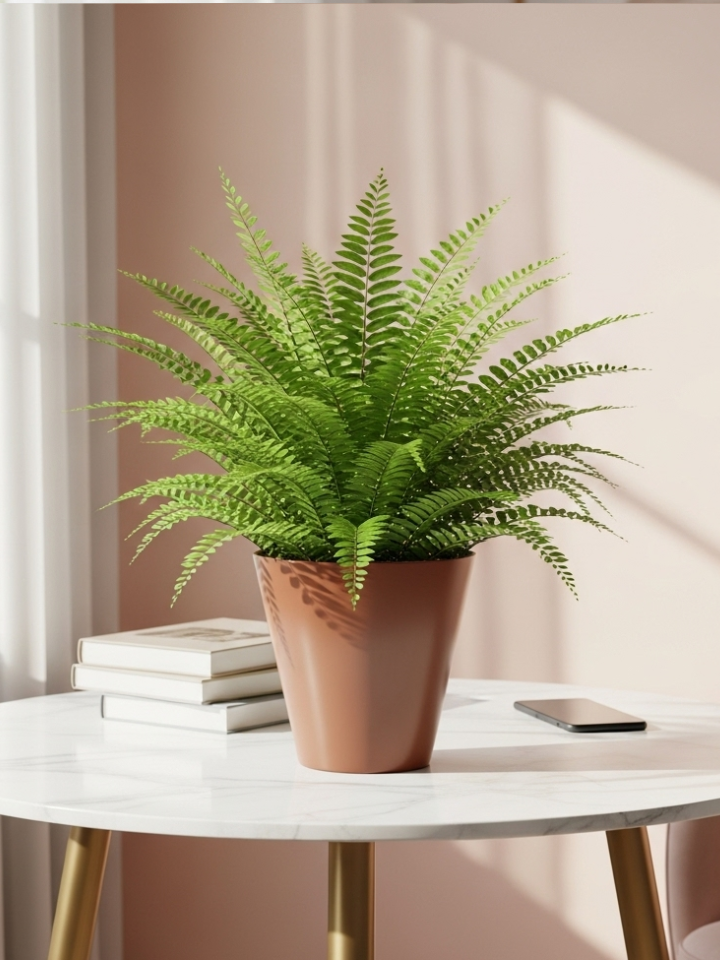
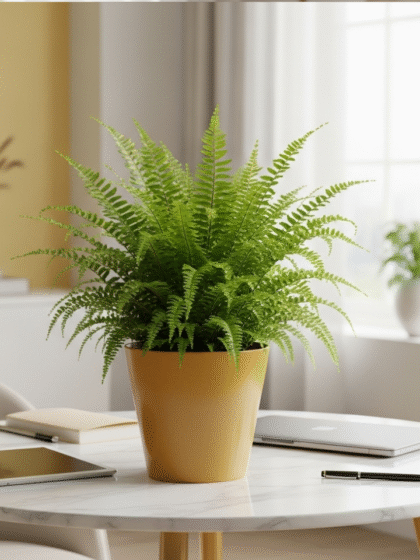
Practical guidance: place it on a plant stand, console or high shelf, out of reach of cats, dogs and toddlers, and wash your hands after handling cut stems. If you specifically need greenery that is safe at floor level, our pet-safe alternatives — Areca Palm, Spider Plant, Boston Fern and Peacock Plant — are the ones confirmed non-toxic by the ASPCA register.

Vastu, Feng Shui and What Is Actually Claimed

You will find this cultivar sold as a prosperity plant. That association is worth understanding accurately. No classical Vastu Shastra text and no early Feng Shui source names Zamioculcas — the genus only entered global horticulture commercially in the 1990s, and the dark form is barely a decade old. The symbolism is modern, built on qualities anyone can observe: it stays evergreen, grows upright, and endures conditions that kill other plants. Resilience and steady growth are easy metaphors to attach.

Practitioners who do place it commonly suggest the south-east or east zone of a room, away from the main entrance, in a clean undamaged pot with no yellowed leaves left standing. Read it as decorative symbolism rather than doctrine. Our broader Vastu plants selection includes species with far older documented associations, Tulsi among them.


Propagation

Two methods work. Division at repotting is by far the faster of the two: separate the rhizome clump by hand where it naturally parts, making sure each section keeps at least one growing point, and pot the divisions into dry mix. Leaf propagation also works — a detached leaflet placed on damp mix will eventually form a small tuber — but it is genuinely slow, often three to nine months before anything visible happens above the soil.

One point worth noting: the 'Dowon' cultivar is patent-protected in several jurisdictions, which restricts commercial propagation for resale. Dividing your own plant for your own home is an entirely different matter from propagating stock to sell.


Gifting

It works unusually well as a gift precisely because it makes no demands on the recipient. Housewarmings, new office cabins, Diwali and corporate gifting all suit it, and it is one of the few live gifts you can send to someone who travels constantly or has never kept a plant alive. The dark foliage also photographs well, which matters more than it should. Browse the full plants for gifting range, or pair it into one of our combo plant packs for a fuller presentation.


Where to Buy the Black ZZ Plant Online in India
The dark form attracts mislabelling more than most plants, and a live plant bought online carries risks a pot does not. Before ordering from anyone, check five things.

  • Is it actually the dark cultivar? Ask for a daylight photograph showing black on the stems, not only the leaves.
  • How many shoots? A single-wand plant and a three-wand clump look very different in a room and should not cost the same.
  • Is a pot included? Several sellers ship bare-rooted saplings or net pots without saying so clearly in the listing.
  • What happens if it arrives damaged? Live plants need a stated damage policy, not a generic returns page.
  • Where is it shipping from? Shorter transit means less stress on the rhizome.


Why order from us
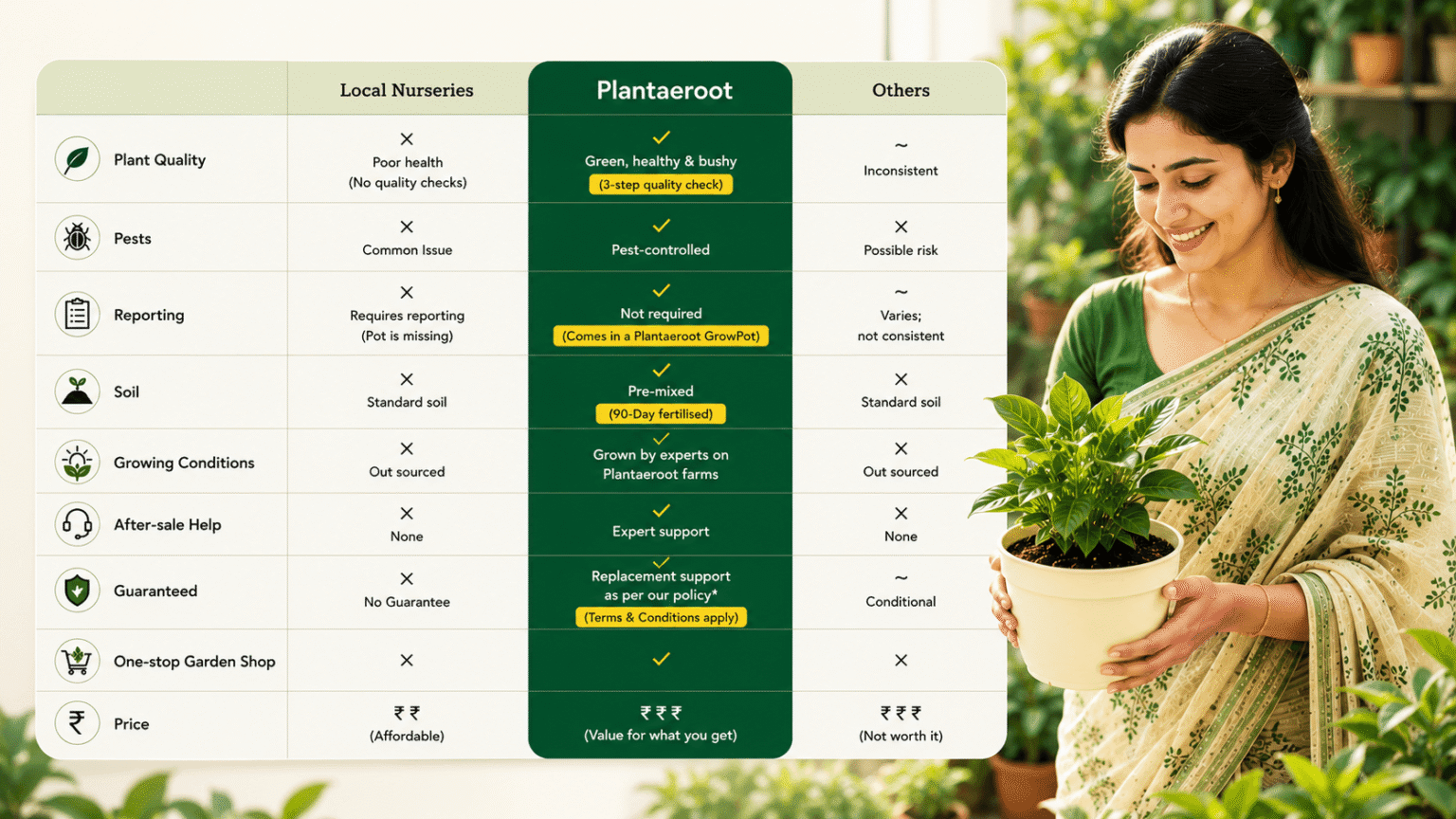
Plantaeroot has been growing and shipping plants from our nursery at Rishra in Hooghly, West Bengal since 2014. Every Black ZZ leaves the bench well-rooted and inspected, packed so the rhizome cannot shift in transit. Orders are dispatched within 2–3 business days and typically arrive within 2–7 business days, with free delivery on orders above ₹499. Full details are in our shipping policy.

If a plant arrives damaged, our returns and replacement policy covers replacement or refund — a continuous unboxing video recorded at the time of opening is required as proof, which is what lets us settle claims quickly and fairly. Reach the team at support@plantaeroot.com or on WhatsApp at +91 98747 58056.

Delivery Across India
We ship nationwide. Transit is shortest across West Bengal — Kolkata, Howrah, Hooghly, North 24 Parganas, Durgapur and Asansol — and we deliver equally to Delhi, Mumbai, Pune, Bangalore, Hyderabad, Chennai, Ahmedabad, Surat, Nagpur, Gurgaon, Thane and beyond. Customers looking to buy plants online in Kolkata will find our full local range and city-specific care notes there.

The first fortnight after delivery

  • Unbox the same day it arrives and remove all packing material.
  • Place it in bright indirect light. Do not put it in direct sun to "recover".
  • Do not water for three to four days. The mix travels damp, and the rhizome holds its own reserves.
  • Do not repot for two to three weeks. Let it settle into your light and humidity first.
  • Mild leaf droop or a dusty finish after transit is normal and corrects itself within a week.

What to Pair It With

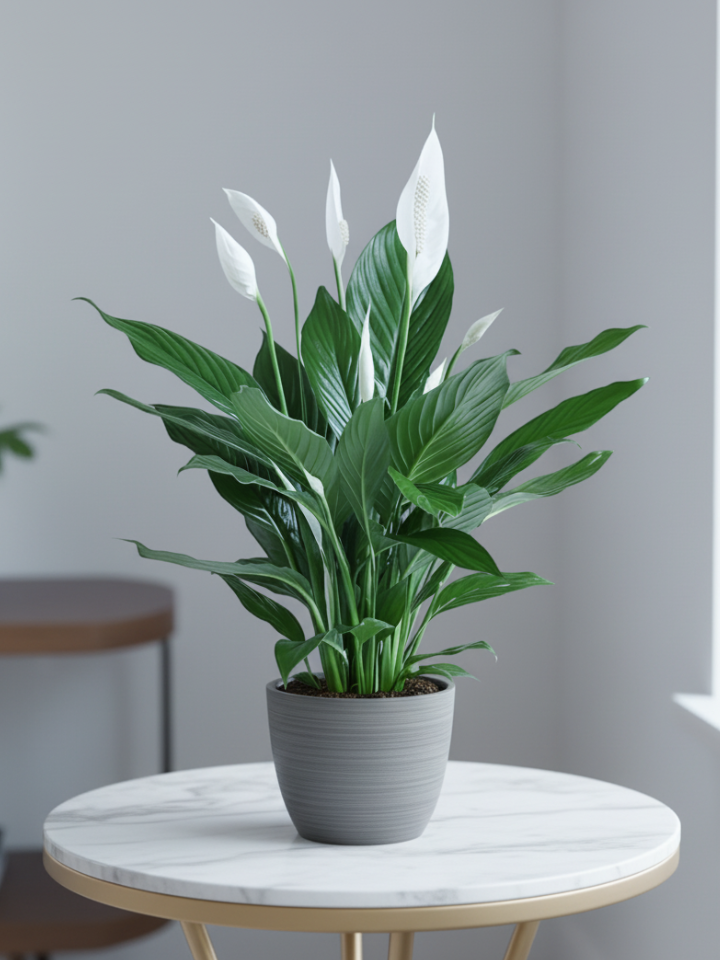
Dark foliage does its best work next to contrast. A Snake Plant brings vertical banding, the Golden Money Plant adds trailing yellow-green, a Peace Lily contributes white blooms, and Haworthia Cymbiformis works as a small translucent counterpoint on the same shelf. Explore the wider indoor plants collection to build the grouping.

Shipping

We Deliver Across India

From metro cities to small towns, Plantaeroot delivers greenery to every corner of India. No hidden costs, no worries—just pure plant happiness at your doorstep.

Enjoy Free Shipping on all orders above ₹999!

No Extra Duties or Hidden Fees

What you see is what you pay. All prices are inclusive of GST and taxes. Simple, transparent, and worry-free shopping.

Quick & Reliable Delivery

Your plants are dispatched within 2–3 working days and usually arrive in 2–7 business days depending on your location.

Packed with love, delivered with care.

Return

Returns & Replacements

We make shopping worry-free. If your plant or product doesn’t arrive in perfect condition, we’ll happily arrange a replacement or solution.

Learn more about Returns & Refunds

Terms & Conditions apply

You may also like…

-19%
Money Plant GoldenMoney Plant Golden
Hot Sale 19% off.
Hot Sale 19% off.
Hot Sale 19% off.
Hot Sale 19% off.
Hot Sale 19% off.
Hot Sale 19% off.
Hot Sale 19% off.
Hot Sale 19% off.
Hot Sale 19% off.
Hot Sale 19% off.

Money Plant (Golden)

289.00
-38%
Boston Compacta FernBoston Compacta Fern
Hot Sale 38% off.
Hot Sale 38% off.
Hot Sale 38% off.
Hot Sale 38% off.
Hot Sale 38% off.
Hot Sale 38% off.
Hot Sale 38% off.
Hot Sale 38% off.
Hot Sale 38% off.
Hot Sale 38% off.

Boston Compacta Fern

329.00
-20%
Sygonium Pixie White PlantSygonium Pixie White Plant
Hot Sale 20% off.
Hot Sale 20% off.
Hot Sale 20% off.
Hot Sale 20% off.
Hot Sale 20% off.
Hot Sale 20% off.
Hot Sale 20% off.
Hot Sale 20% off.
Hot Sale 20% off.
Hot Sale 20% off.

Syngonium Pixie White Plant

399.00
-35%
Monstera Deliciosa PlantMonstera Deliciosa Plant
Hot Sale 35% off.
Hot Sale 35% off.
Hot Sale 35% off.
Hot Sale 35% off.
Hot Sale 35% off.
Hot Sale 35% off.
Hot Sale 35% off.
Hot Sale 35% off.
Hot Sale 35% off.
Hot Sale 35% off.

Monstera Deliciosa Plant

419.00
Scroll To Top
Categories
Close

Recently Viewed Products

-33%
Air Purifying Indoor Plants ComboAir Purifying Indoor Plants Combo
Hot Sale 33% off.
Hot Sale 33% off.
Hot Sale 33% off.
Hot Sale 33% off.
Hot Sale 33% off.
Hot Sale 33% off.
Hot Sale 33% off.
Hot Sale 33% off.
Hot Sale 33% off.
Hot Sale 33% off.

Air Purifying Indoor Plants Combo

799.00
-33%
Set of 3 Vastu Plants
Hot Sale 33% off.
Hot Sale 33% off.
Hot Sale 33% off.
Hot Sale 33% off.
Hot Sale 33% off.
Hot Sale 33% off.
Hot Sale 33% off.
Hot Sale 33% off.
Hot Sale 33% off.
Hot Sale 33% off.

Set of 3 Vastu Plants

799.00
-30%
Combo of 3 Minimalist Plant SetCombo of 3 Minimalist Plant Set
Hot Sale 30% off.
Hot Sale 30% off.
Hot Sale 30% off.
Hot Sale 30% off.
Hot Sale 30% off.
Hot Sale 30% off.
Hot Sale 30% off.
Hot Sale 30% off.
Hot Sale 30% off.
Hot Sale 30% off.

Combo of 3 Minimalist Plant Set

699.00
-10%
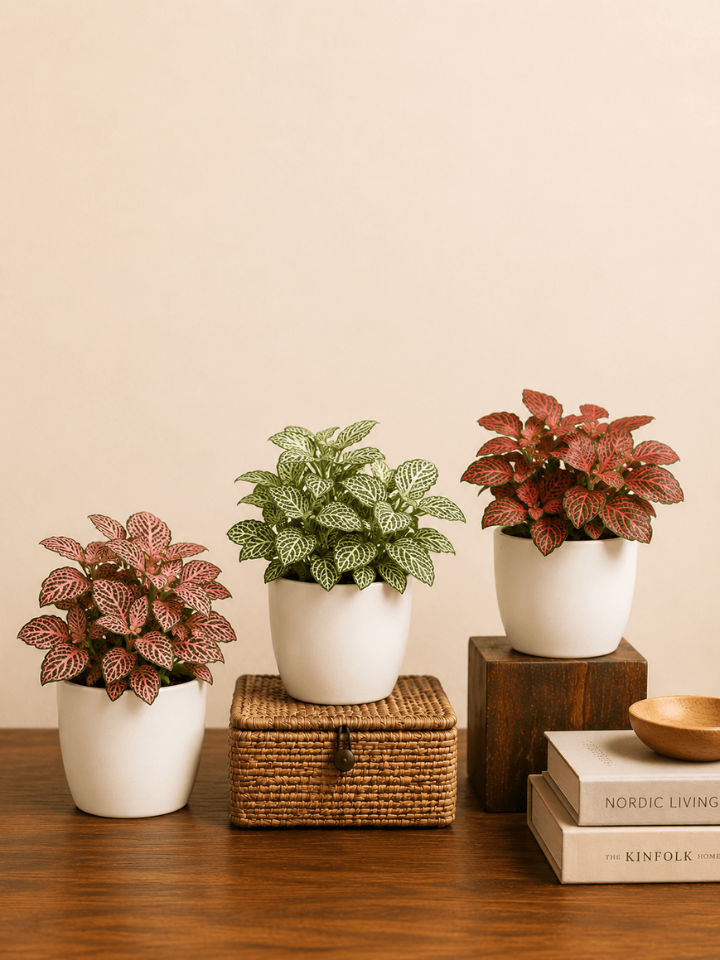
Set of 3 Indoor Plant Combo - FittoniaSet of 3 Indoor Plant Combo - Fittonia
Hot Sale 10% off.
Hot Sale 10% off.
Hot Sale 10% off.
Hot Sale 10% off.
Hot Sale 10% off.
Hot Sale 10% off.
Hot Sale 10% off.
Hot Sale 10% off.
Hot Sale 10% off.
Hot Sale 10% off.
Shop
Category
0 Cart

Login

Shopping Cart

Close

Your cart is empty.

Start Shopping

Close
Black ZZ
Black ZZ
419.00

Ask a Question

    Select the fields to be shown. Others will be hidden. Drag and drop to rearrange the order.
    • Image
    • SKU
    • Rating
    • Price
    • Stock
    • Availability
    • Add to cart
    • Description
    • Content
    • Weight
    • Dimensions
    • Additional information
    Click outside to hide the comparison bar
    Compare