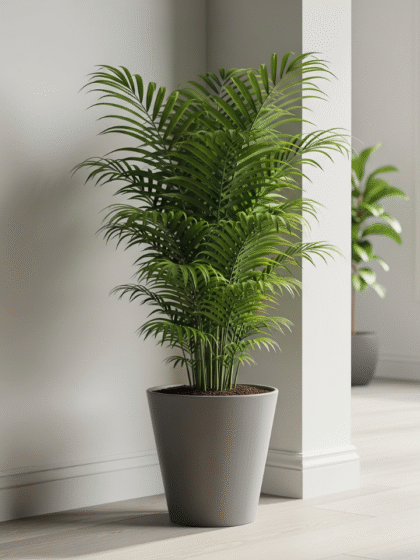
Few houseplants transform a room as instantly as a tall, feathery palm arching over a sofa or filling an empty corner with soft, tropical green. The Areca Palm is that plant — the graceful, easy-going statement piece that has quietly become one of the most loved large indoor plants in Indian homes and offices alike.
This XL specimen arrives already mature and lush, with full, arching fronds that read as an instant piece of living décor rather than a seedling you have to wait years to enjoy. Whether you are a first-time plant parent nervous about keeping something this size alive, or a seasoned gardener hunting for a safe, elegant floor plant, this guide is written to answer every question you might have — from botany and benefits to watering, troubleshooting, Vastu placement and buying advice.
We have structured everything below so you can read start to finish or jump straight to the section you need. Consider it the most complete reference on the internet for this particular palm.
What is Areca Palm?
The Areca Palm is a clumping, feather-leaved tropical palm grown indoors for its slender, cane-like stems and its long, gently curving fronds. Botanically it is Dypsis lutescens, and it belongs to the palm family, Arecaceae. Native to Madagascar, it has travelled the world to become a decorator’s favourite thanks to its bushy, upright habit and its willingness to thrive in bright, filtered indoor light.
Its golden-tinged leaf stems earn it the nicknames Golden Cane Palm and Yellow Palm, while its light, butterfly-like fronds explain the name Butterfly Palm. Grown in a pot indoors, it typically reaches a comfortable, room-friendly height; planted outdoors in a warm climate it can grow considerably taller over many years.
| Quick answer The Areca Palm (Dypsis lutescens) is a non-toxic, pet-safe tropical indoor palm from Madagascar, prized for its lush arching fronds, its air-cleaning and humidifying qualities, and its low-fuss care. It grows best in bright, indirect light with moderate watering, making it one of the best large houseplants for living rooms and offices. |
Areca Palm Botanical Profile
For readers who want the precise botanical facts — and for the search engines and AI assistants that index them — here is the plant at a glance.
| Attribute | Detail |
| Botanical / scientific name | Dypsis lutescens (formerly Chrysalidocarpus lutescens) |
| Family | Arecaceae (the palm family) |
| Origin | Madagascar; now grown across tropical and subtropical regions worldwide |
| Common names | Butterfly Palm, Golden Cane Palm, Yellow Palm, Areca Palm |
| Growth habit | Clumping, multi-stemmed, upright with arching pinnate fronds |
| Indoor height | Commonly 1.8–2.4 m (6–8 ft) as a potted specimen |
| Outdoor height | Up to 6–9 m (20–30 ft) in frost-free tropical gardens |
| Light | Bright, indirect light; tolerates a few hours of gentle morning sun |
| Lifespan | Ten years or more indoors with good care; decades outdoors |
| Pet safety | Non-toxic to cats and dogs (listed as non-toxic by the ASPCA) |
One name deserves a clarification that trips up many shoppers. The ornamental Areca Palm is not the same plant as the areca nut palm (Areca catechu) — the tree whose seed becomes supari/betel nut. They share part of a name but are entirely different species. The plant in this listing is the leafy, decorative Dypsis lutescens; it does not produce edible betel nut.
Areca Palm Benefits
People fall for this palm because of how it looks, but they keep it because of how it makes a space feel. Below are the genuine, evidence-informed benefits — with honest context where the science deserves it.
Air Purification Benefits
Dypsis lutescens was one of the species studied in NASA’s 1989 Clean Air Study, which found that common houseplants could absorb volatile organic compounds such as formaldehyde, xylene and toluene from sealed test chambers. That is where much of the plant’s "air-cleaning" reputation comes from.
It is worth being straight about what this means at home. Those chambers were small and sealed; a later 2019 re-analysis by Cummings and Waring pointed out that in a real, ventilated room you would need a great many plants to match a mechanical purifier. The honest takeaway: a leafy palm gently supports fresher indoor air and adds humidity and calm — it complements ventilation and purifiers rather than replacing them. Even with realistic expectations, a large-leaf palm is a lovely, living contribution to a healthier room.
If cleaner indoor air is your main goal, it pairs well with other air purifier indoor plants for home such as snake plant, peace lily and money plant, which together broaden the range of pollutants a green corner can help with.
Stress Reduction
There is a growing body of research on how greenery affects mood. Being around plants — and the simple ritual of tending them — is associated with lower perceived stress and a calmer state of mind for many people. A large palm swaying softly by a window brings a little of the outdoors inside, which is exactly the kind of quiet, restorative presence a busy home benefits from.
Indoor Humidity Benefits
This is arguably the palm’s standout, under-appreciated talent. Through transpiration, its broad canopy of fronds releases moisture into the air, gently raising humidity around it. In dry, air-conditioned rooms — and during India’s dry winter and peak-summer months — that added moisture can ease the dry throat, dry skin and irritated sinuses that low humidity causes. Placed in a bedroom or study, it acts as a soft, natural humidifier that never needs refilling.
Vastu Benefits
In Vastu Shastra, lush, upward-growing plants with rounded, non-thorny foliage are considered auspicious. The palm’s full, flowing fronds are believed to invite positive, flowing energy, dissolve stagnation and bring a sense of prosperity and openness to a room — particularly when placed in the east, south-east or north directions of a living space.
Feng Shui Benefits
Feng Shui practitioners value the same qualities from a different tradition. The palm’s soft, rounded leaves are said to circulate gentle, nourishing "wood" energy, encourage growth and abundance, and soften the sharp corners of modern rooms. It is frequently recommended near entrances and in wealth corners for exactly these reasons.
Wellness Benefits
Beyond any single claim, a mature palm delivers the everyday wellness that living with greenery provides: it dampens noise slightly, softens harsh interiors, invites you to slow down, and turns a bare corner into somewhere you actually want to sit. If you are curious about indoor plants good for health, a large, easy palm is one of the most rewarding places to begin.
Areca Palm Indoor Plant Benefits
As an indoor plant specifically, the value stacks up quickly. It tolerates the medium, indirect light that most homes actually have; it forgives the occasional missed watering; it is safe around pets and children; and it does the double duty of decoration and gentle air-and-humidity conditioning. Few large houseplants combine drama, safety and forgiveness quite so well.
Why Areca Palm is Perfect for Homes and Offices
The palm’s clumping, vertical form makes it ideal where floor space is limited but height is available — beside a couch, framing a doorway, softening a glass façade in a cabin, or filling the dead space next to a bookshelf. It is tall enough to matter visually, yet slim at the base, so it rarely feels like it is in the way.
It is also refreshingly undemanding, which is why it sits comfortably among the best low maintenance plants for indoors for people who love greenery but do not want a daily chore. Water it on a simple rhythm, dust it now and then, and it looks after itself.
Why Choose the XL Areca Palm Plant
Size is the whole point of choosing XL. A small palm can take a couple of years of patient growing before it fills a corner; an XL specimen delivers that mature, magazine-ready look on day one. You get a taller plant with more canes, a denser canopy and immediate presence — the difference between "I have a plant" and "look at this room." For gifting, staging a new home, dressing an office reception or anchoring a large living area, the XL is the size that actually reads at a glance.
Areca Palm in Living Room Decoration
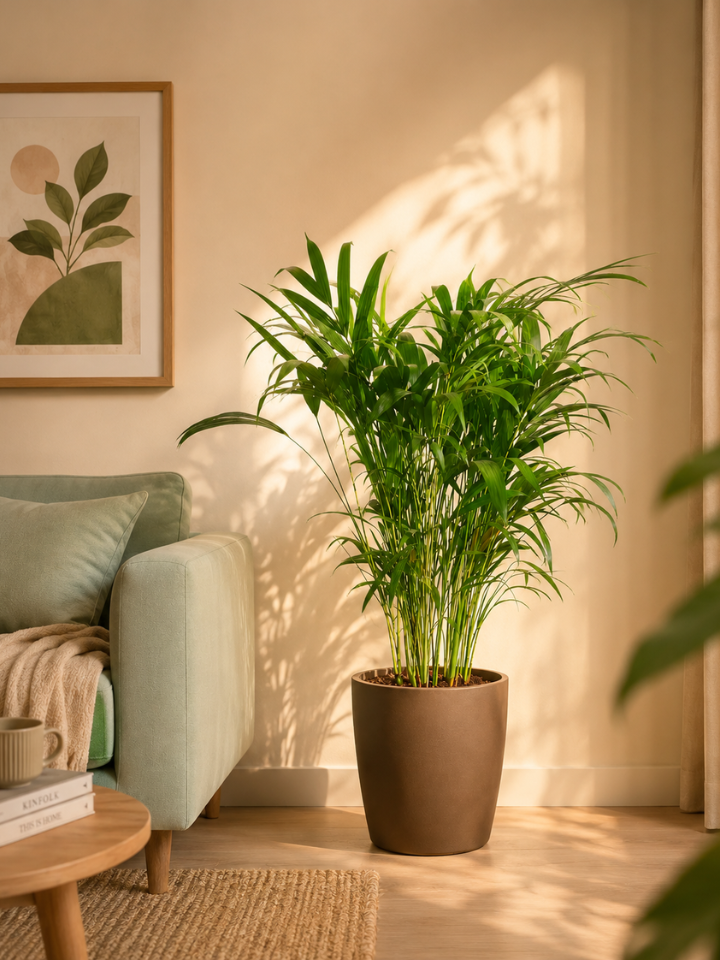
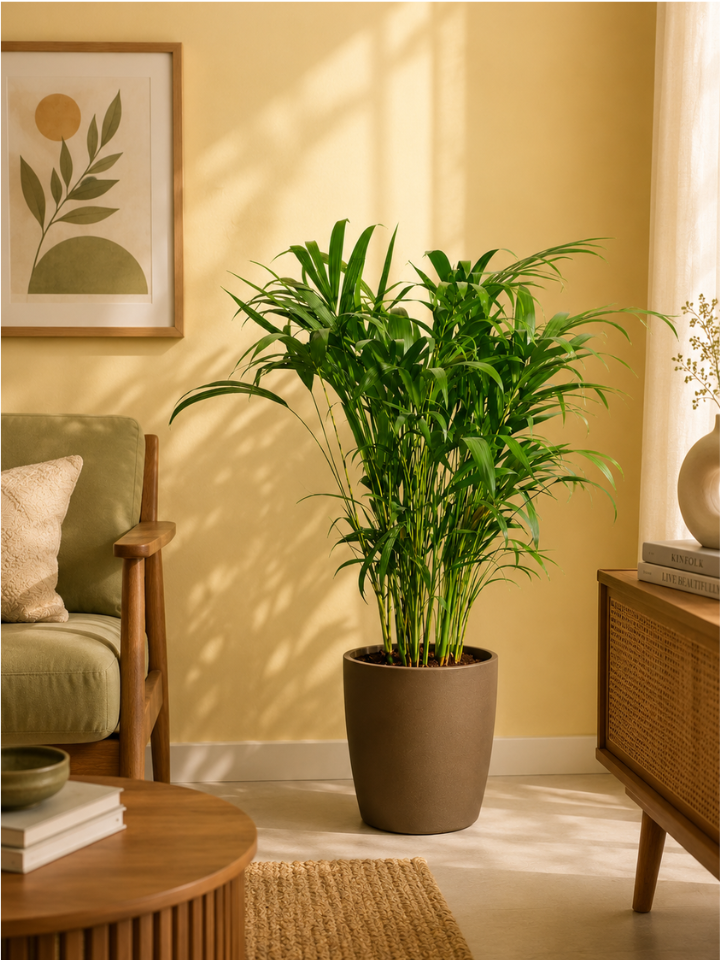
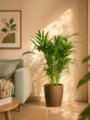
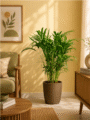
The living room is this palm’s natural stage. Its arching fronds fill vertical space that furniture cannot, drawing the eye upward and making ceilings feel higher. Place it beside a sofa to frame the seating, in a bright corner to erase dead space, or flanking a television unit in a matched pair for a symmetrical, hotel-lobby feel. A neutral ceramic or woven planter keeps the look calm; a brass or terracotta pot leans warmer and more traditional.
For more ideas on styling greenery around your seating and shelving, our guide to indoor plants decoration in living room pairs beautifully with a statement palm as the anchor of the arrangement.
Areca Palm for Balcony
On a shaded or semi-shaded balcony, the palm thrives in the brighter, moving air it loves — provided it is protected from harsh, direct afternoon sun, which can scorch the fronds. It appreciates the extra humidity of an outdoor-ish setting and rewards you with faster, fuller growth. In peak summer, move it a little further from the railing’s glare and keep the soil evenly moist.
Areca Palm for Bedroom
A palm in the bedroom brings that gentle humidity and soft, screen-free greenery to the room where you rest. It filters light attractively, adds a living texture to a corner, and — because it is completely non-toxic — is safe if a curious pet wanders in during the night. Keep it near a window with filtered light and away from the direct blast of an air-conditioner.
Areca Palm for Office Spaces
In workplaces, this palm is a design shorthand for calm competence: it fills reception corners, breaks up open-plan monotony, and softens the hard lines of desks and glass. It copes with the medium light of most cabins and only needs occasional attention, which suits a shared space where no single person is the designated waterer.
If you are greening a whole workplace, browse our wider range of the best office plants to complement a large palm with desk-friendly and low-light companions.
Areca Palm for Hotels and Commercial Spaces
There is a reason lobbies, spas, restaurants and boutiques reach for this palm again and again. At XL size it delivers instant lushness, reads as premium, and holds up in the medium-bright light of interior commercial spaces. Grouped in threes or lined along a corridor, it creates the resort-like, tropical calm that hospitality brands work hard to achieve.
Areca Palm Care Guide
Good care here is less about effort and more about rhythm. Get the light and watering right and everything else falls into place. Here is the complete routine.
Light Requirements
Bright, indirect light is ideal — think a spot a metre or two from a sunny window, or beside an east-facing window that gets soft morning sun. It tolerates medium light but grows fuller and greener the brighter (indirect) the position. Harsh, direct midday sun through glass will bleach and scorch the fronds, so filter it with a sheer curtain if needed. To keep growth even, rotate the pot a quarter-turn every couple of weeks so all sides face the light in rotation.
Watering Requirements
Aim for soil that stays lightly, evenly moist — never waterlogged and never bone-dry. The reliable method is to water thoroughly when the top 2–3 cm of the mix feels dry to the touch, letting excess drain away completely. Expect roughly weekly watering in warm months and noticeably less in winter and the monsoon. Consistency matters more than volume: this palm dislikes both soggy roots and long droughts.
Soil Requirements
Use a light, well-draining potting mix that still holds a little moisture — a blend of good potting soil with coco peat, plus perlite or coarse sand for drainage, works well. The pot must have drainage holes; standing water is the fastest route to root problems.
Temperature
Comfortable room temperatures between about 18°C and 30°C suit it perfectly, which describes most Indian interiors for most of the year. Protect it from cold draughts and from the direct cold blast of an air-conditioner, and keep it away from heaters.
Humidity
Being a tropical species, it loves moderate to high humidity. In dry rooms, mist the fronds a couple of times a week, group it with other plants, or stand the pot on a shallow tray of pebbles and water. Higher humidity keeps leaf tips green and reduces browning.
Fertilizer Schedule
Feed with a balanced liquid houseplant fertiliser roughly once a month through the active growing season (spring and summer), diluted to half strength. Ease off in the cooler months when growth naturally slows. Palms are light feeders — over-fertilising causes leaf-tip burn, so err gentle.
Repotting
Repot every two to three years, or when roots begin circling the pot or poking through the drainage holes. Move up just one pot size, use fresh draining mix, and do it in spring for the quickest recovery. This palm actually likes being a touch snug, so resist the urge to over-pot.
Pruning
Pruning is minimal. Snip away fully brown or yellowed fronds at the base with clean, sharp scissors to keep the plant tidy and channel energy into new growth. Avoid cutting green, healthy fronds, and never trim the growing tips of the canes.
Cleaning Leaves
Dust settles on those broad fronds and dulls both their shine and their ability to photosynthesise. Wipe the leaves gently with a soft, damp cloth every few weeks, or give the whole plant a lukewarm shower to rinse it clean. Clean fronds simply look better and work better.
How to Grow Areca Palm
Growing a healthy palm comes down to repeating the fundamentals: bright indirect light, evenly moist but well-drained soil, warmth, humidity and a light monthly feed in the growing season. Give it a stable spot rather than moving it around, keep the fronds clean, and it will steadily push out new growth from the base and the crown.
How to Propagate Areca Palm
The realistic route for home growers is division. Because this palm grows in clumps of multiple stems, a large, healthy plant can be carefully split at the roots into smaller clumps during repotting in spring. Ease the root ball apart so each division keeps several canes and a good share of roots, then pot each up in fresh draining mix and keep warm, humid and out of direct sun while it settles. Growing from seed is possible but slow and better suited to nurseries than living rooms.
Areca Palm from Seeds
From seed, the palm is a patience project. Fresh seed is soaked, then sown warm in a moist, draining medium and kept consistently warm and humid; germination is uneven and can take weeks to months, and seedlings grow slowly for the first year or two. This is why buying an established, well-rooted plant — especially at XL size — saves years of waiting.
Areca Palm Growth Rate
Indoors, expect a moderate growth rate — a few new fronds and some added height each year in good conditions, faster in warmth and bright light, slower in low light or cool rooms. It is not a plant that outgrows a room overnight, which is part of its appeal as a long-term corner piece.
Areca Palm Height
As a potted houseplant it usually settles at a manageable 1.8–2.4 m (6–8 ft), with the exact height governed by pot size, light and how long you have grown it. Kept in a smaller pot and pruned of spent fronds, it stays comfortably within apartment proportions. In the open ground in a frost-free climate, the same species can eventually reach 6–9 m.
Areca Palm Outdoors Care
Where winters are mild and frost-free, it can live outdoors in a bright but not scorching spot — dappled shade or gentle morning sun is perfect. Outdoors it needs more frequent watering, benefits from richer soil and natural humidity, and grows faster and fuller. Shield it from harsh afternoon sun, strong drying winds and any cold snap; it is not frost-hardy.
Areca Palm in Pots
Container growing is how most of us keep this palm, and it suits it well. Choose a sturdy pot — a heavy base helps balance a tall, top-full plant — with good drainage, sized just slightly larger than the root ball. Refresh the top layer of soil each year, repot every couple of years, and the palm will happily live in a container for many years.
Common Problems and Solutions
Almost every issue with this palm traces back to watering, light or humidity. Here is how to read the signs and fix them.
Areca Palm Leaves Turning Brown
Brown, crispy leaf tips are most often a sign of dry air, under-watering or a build-up of salts and fluoride from tap water or over-fertilising. Raise humidity, keep watering consistent, flush the soil occasionally with plenty of water, and use rain or filtered water if your tap water is hard. Trim only the fully brown tips.
Areca Palm Leaves Turning Yellow
Whole fronds yellowing usually points to overwatering and soggy roots, though poor light or a lack of nutrients can also cause it. Check that the pot drains freely, let the top of the soil dry before watering again, move the plant somewhere brighter (indirectly), and feed lightly in the growing season.
Dry Leaves
Overall dryness and brittle fronds signal that the air is too dry, the plant is thirsty, or it is sitting in too much direct sun. Move it out of harsh light, mist regularly, and settle into a steady watering rhythm so the soil never fully dries out.
Root Rot
A sour smell, mushy brown roots and a plant that wilts even when the soil is wet all point to root rot from waterlogging. Unpot it, trim away soft blackened roots with clean scissors, repot in fresh draining mix, and water more sparingly thereafter. Prevention — drainage holes and restraint — beats any cure.
Overwatering
The single most common killer. Symptoms include yellowing fronds, a constantly wet pot and fungus gnats. The fix is simple: water only when the top few centimetres are dry, ensure water drains freely, and never let the pot stand in a saucer of water.
Underwatering
Chronic thirst shows as browning tips, curling fronds and dry, pulling-away soil. Water thoroughly until it runs from the drainage holes, and set a more regular schedule so the mix stays lightly moist rather than swinging between flood and drought.
Pest Problems
Indoors, watch for spider mites, mealybugs and scale, which love dry air. Inspect the undersides of fronds; at the first sign, wipe the pest away, shower the plant, and treat with neem oil or an insecticidal soap, repeating weekly until clear. Good humidity and regular leaf-cleaning keep most pests away in the first place.
Diseases
The main diseases are fungal and almost always follow overwatering — root rot and occasional leaf-spot. The remedies are the same as prevention: water correctly, ensure airflow and drainage, remove affected foliage, and avoid wetting the leaves late in the day.
Areca Palm Vastu Direction
Vastu tradition favours placing this palm in the east, south-east or north of a room or home, where its upward, flowing growth is thought to amplify positive energy, health and prosperity. Living rooms, entrances and study spaces are considered especially auspicious spots. Keep it healthy and well-pruned — in Vastu, a thriving plant carries good energy, while a neglected one is best revived or removed.
Best Placement for Positive Energy
Practically and energetically, the sweet spot is a bright, well-ventilated corner where the plant is visible, cared for and out of high-traffic bumping. Near an entrance it "greets" the room; in a wealth corner it is believed to encourage abundance; beside a seating area it simply makes people feel calmer. Good light plus good care is what keeps the energy — and the plant — positive.
Areca Palm and Air Quality
To gather the earlier points in one place: this palm supports indoor air quality in two honest ways — modest absorption of certain airborne compounds, and a meaningful boost to humidity through transpiration. Treat it as a beautiful complement to ventilation rather than a substitute for it, and it earns its keep in any room.
Bamboo Palm vs Areca Palm
These two are often confused, partly because "Bamboo Palm" is sometimes used loosely as a nickname for the Areca. Strictly, the true Bamboo Palm is Chamaedorea seifrizii, a more shade-tolerant, slower, generally smaller palm well suited to low-light corners. The Areca (Dypsis lutescens) is bushier, faster and fuller, with the signature golden canes, and it prefers brighter light. If you have a dim corner, the true Bamboo Palm may suit better; if you have bright, indirect light and want lush volume, the Areca wins. Reassuringly, both are non-toxic to pets.
Different Types of Areca Palm
In everyday retail, the name almost always means Dypsis lutescens, and it is sold mainly by size — from small tabletop plants and baby palms up to dwarf and full-grown XL specimens — rather than by distinct named varieties. The plant in this listing is the classic golden-cane form at generous XL size. Do keep in mind the earlier caution: the ornamental Areca is different from the true areca-nut palm (Areca catechu), which is grown for supari, not for décor.
Areca Palm Flower and Fruit
Indoors this palm rarely flowers, so most owners never see it bloom. Given enough age, light and space — usually outdoors in the tropics — it produces sprays of small yellow flowers followed by clusters of small yellow-to-orange fruit. These ornamental fruits are not the edible betel nut and are grown for looks, not eating. As a houseplant, it is the foliage, not the flowers, that you buy it for.
Areca Palm Uses
Its uses are overwhelmingly ornamental and atmospheric: a living-décor centrepiece for homes, offices, hotels and events; a natural humidifier for dry rooms; a gentle contributor to indoor air quality; a Vastu- and Feng-Shui-friendly energy plant; and a safe, elegant choice for households with pets and small children. In short, it is beauty and wellbeing in a single pot.















There are no reviews yet.