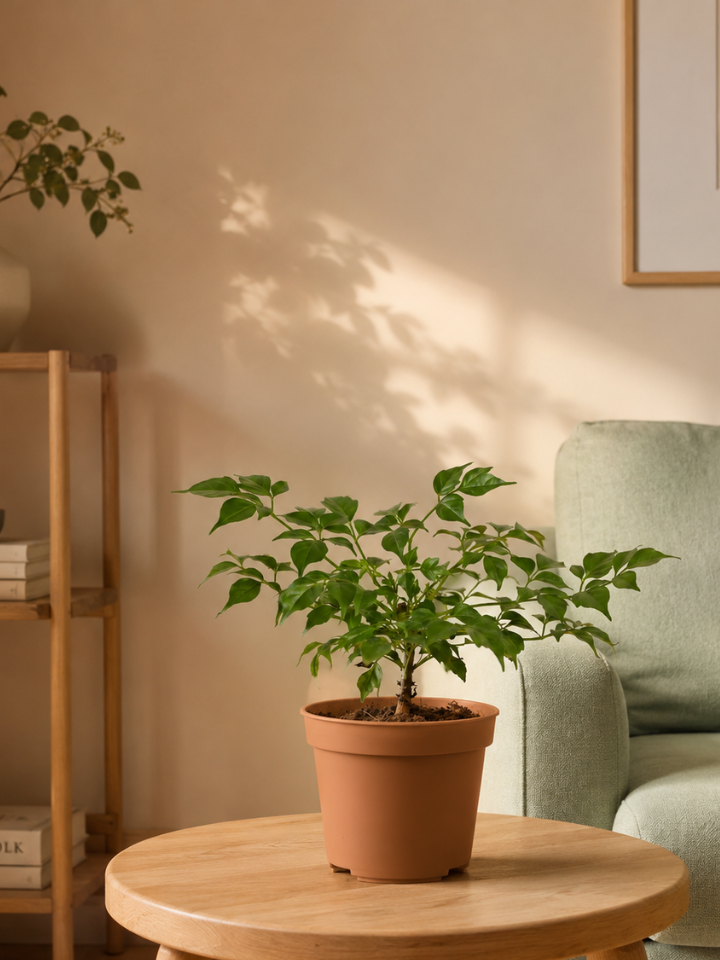
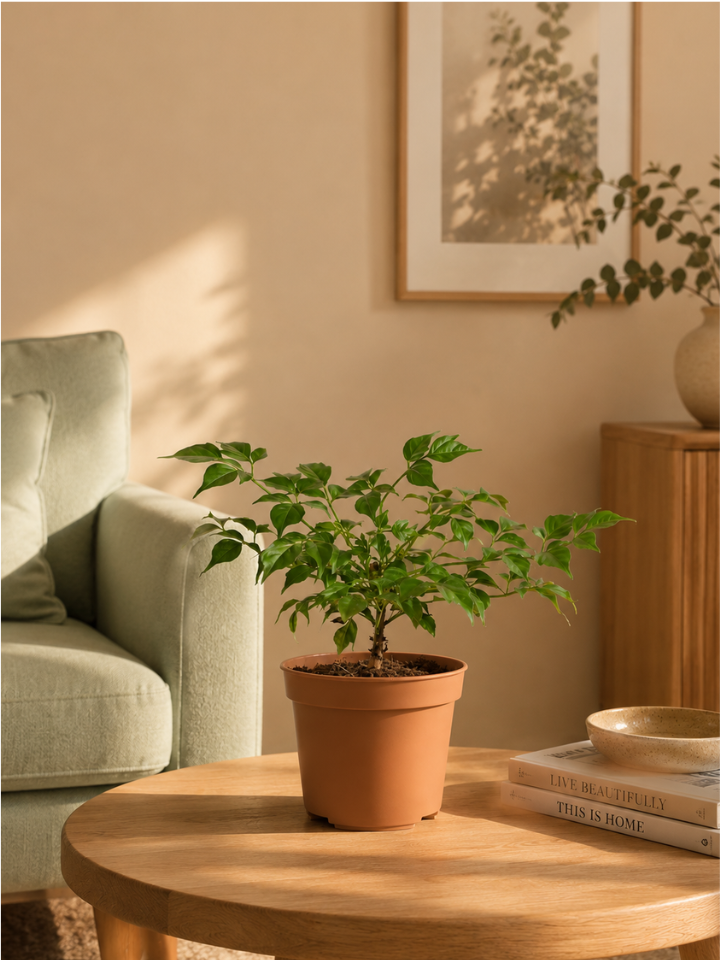
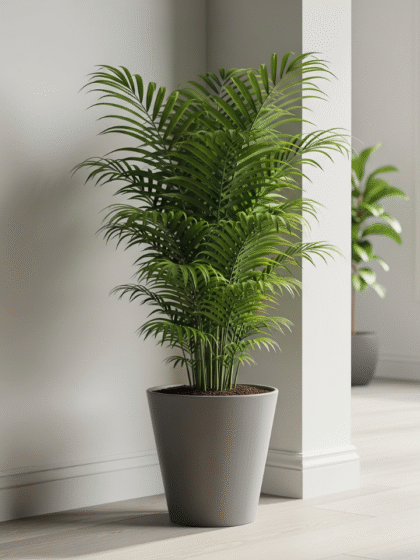
The China Doll plant is one of the most graceful foliage houseplants you can grow indoors. Its finely divided, glossy leaflets look almost hand-painted, giving it a soft, feathery silhouette that instantly warms up a shelf, desk, or reading nook. Botanically known as Radermachera sinica, this evergreen belongs to the Bignoniaceae family and originates from the humid mountain forests of southern China, Taiwan, and parts of Southeast Asia.
People fall for it because it delivers a lush, tree-like presence in a small footprint. In its native forests the plant can climb well past thirty feet, yet indoors it stays polite and shrubby, which makes the small size a natural fit for apartments, cabins, cubicles, and cosy corners. If you want the leafy, jungle-tropical mood of a large specimen without surrendering half your living room, this little emerald tree is a smart pick.
For today’s compact homes, the appeal runs deeper than looks. It thrives in bright indirect light, tolerates the warm, humid conditions found across much of India, and rewards steady, attentive care with fresh, ferny growth almost year-round. At Plantaeroot, this small selection is chosen young and healthy so it settles into your space quickly and keeps producing that signature lacy canopy.
Quick Overview at a Glance
Short on time? This snapshot answers the questions most buyers ask first, from light and water needs to pet safety and mature size.
| Attribute | Detail |
| Common Name | China Doll (Serpent Tree, Emerald Tree) |
| Botanical Name | Radermachera sinica |
| Family | Bignoniaceae |
| Plant Type | Evergreen foliage shrub / small tree |
| Mature Height (indoors) | 1.2–1.8 m; small size stays 30–60 cm |
| Growth Rate | Moderate to fast in good light |
| Light Requirement | Bright, indirect light (4–6 hrs) |
| Water Requirement | Keep evenly moist; water when top 2–3 cm dries |
| Humidity | Moderate to high (50%+ preferred) |
| Temperature | 18–24 °C ideal; avoid below 10 °C |
| Difficulty Level | Beginner-friendly with a routine |
| Pet Safety | Not listed as toxic by ASPCA; keep out of reach |
| Air-Purifying Ability | Mild, like most leafy foliage plants |
| Indoor / Outdoor | Best indoors; outdoors in warm shade only |
| Native Region | Southern China, Taiwan, Southeast Asia |
About the China Doll Plant
First described from the misty highlands of southern China and Taiwan, Radermachera sinica spent most of its history as a modest understory tree rather than a celebrity houseplant. Nurseries only popularised it as an indoor selection in the 1980s, once growers discovered that regular pinching kept the naturally tall tree dense, bushy, and shelf-sized. That single insight turned a forest giant into a favourite for living rooms.
Native Habitat
In the wild it grows on damp, well-drained mountain slopes with dappled canopy light and consistent humidity. Those origins explain almost everything about its care indoors: it wants brightness without scorching sun, moisture without waterlogging, and warmth without cold drafts. Recreate a shaded forest edge and it will feel right at home.
Leaf Appearance and Growth Habit
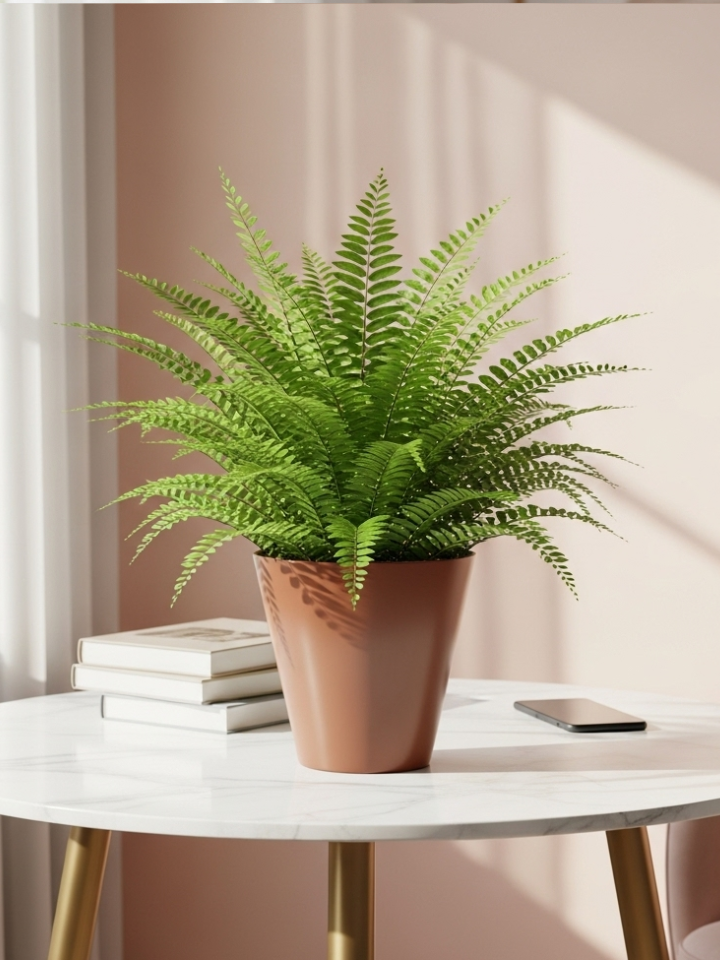
The foliage is the star. Each leaf is bipinnately compound, meaning it divides and re-divides into many small, pointed, glossy leaflets. The result is a delicate, lace-like canopy that shimmers when it catches the light. New growth emerges a bright apple-green and matures to a deeper emerald, so a healthy specimen always shows a pleasing gradient of tones.
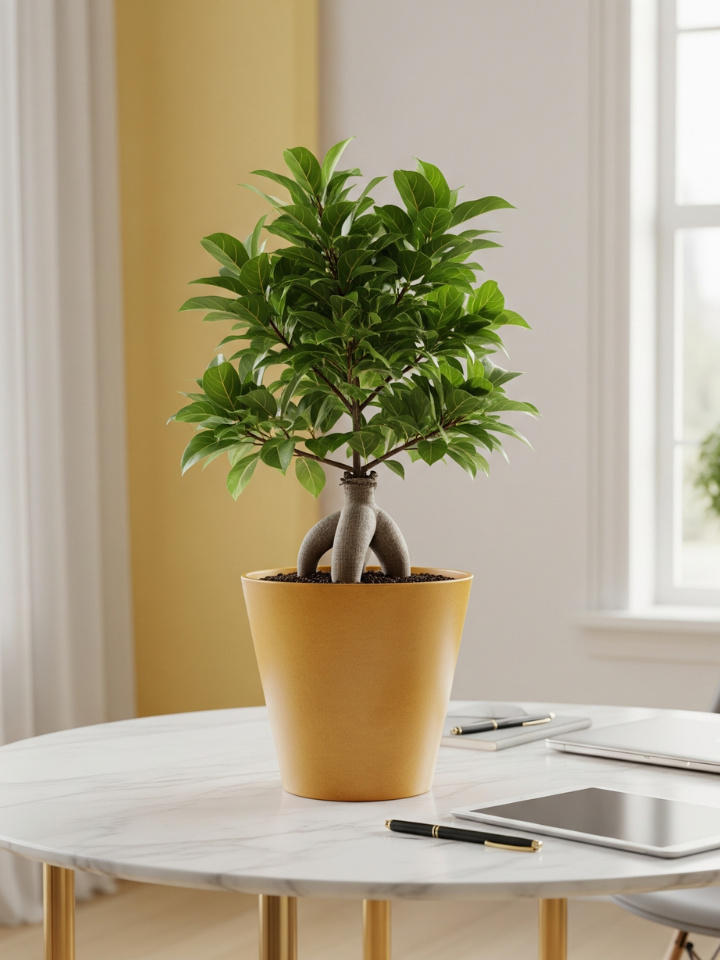
Growth is upright and branching. Left alone the plant reaches for the ceiling, but with light tip-pruning it fills out sideways into a rounded, tidy bush. This flexible habit is exactly why it works so well as a compact tabletop plant, a taller floor accent, or even a trained miniature tree.
Why It Became Popular
Three qualities sealed its reputation: forgiving indoor tolerance, that unmistakable feathery texture, and quick, satisfying regrowth after a trim. Add its knack for looking expensive on a modest budget, and it is easy to see why searches for the China Doll plant keep climbing among first-time and seasoned plant parents alike.
China Doll Plant Benefits
Beyond good looks, a well-placed leafy plant genuinely improves how a room feels to live and work in. Here are the practical China doll plant benefits you can reasonably expect, described honestly and without overselling.
- Instant indoor decoration: the fine, ferny canopy softens hard architectural lines and adds a designer touch to shelves, side tables, and empty corners.
- Calmer surroundings: tending greenery and being around foliage is widely associated with lower stress and a more relaxed mood, which is why plants feature so often in restful interiors.
- A greener aesthetic: its layered leaflets create depth and movement that artificial décor simply cannot match.
- Better workspaces: a small pot on a desk brings a slice of nature to screen-heavy days and can help a home office feel less clinical.
- A gentle nudge to focus: many people report feeling more settled and productive with living greenery nearby, a comfort effect rather than a medical one.
- A modest air contribution: like all foliage plants it takes in carbon dioxide and releases oxygen in daylight, adding a small, natural touch of freshness to a room.
It is worth being clear: these are lifestyle and wellbeing benefits, not medical treatments. A plant will not cure illness or replace a doctor, but as a low-effort way to make a space feel healthier and more welcoming, it earns its spot.
Is the China Doll Plant an Air Purifier?
In short: it helps a little, but do not expect miracles. As a china doll plant air purifier claim goes, the honest answer is that this species behaves like most leafy houseplants, contributing modest, natural gas exchange rather than dramatic filtration.
The famous 1989 NASA Clean Air Study showed that several potted plants could strip volatile organic compounds such as formaldehyde and benzene from small, sealed test chambers. Radermachera sinica was not one of the species NASA specifically tested, so any strong purifier claim about it is an inference, not a measured result.
Just as importantly, a widely cited 2019 re-analysis by Cummings and Waring pooled decades of chamber data and concluded that, in real rooms with normal ventilation, the air-cleaning effect of a handful of houseplants is very small. You would need an impractically dense indoor jungle to rival simply opening a window. So enjoy the plant for its beauty and calming presence first, and treat any freshening as a pleasant bonus, not a substitute for ventilation or a proper air purifier.
If clean indoor air is your main goal, it makes more sense to browse the best plants for air purification and pair a few of them with good airflow.
China Doll Plant Care Guide
Good china doll plant care comes down to consistency. This species dislikes sudden change more than almost anything else, so the goal is a steady routine of bright light, even moisture, and stable warmth. Get those basics right and the plant forgives the occasional slip.
Light
Give it bright, indirect light for four to six hours a day, such as a spot a metre or so back from an east or north window. A little gentle morning sun is welcome, but harsh afternoon rays through glass will scorch the delicate leaflets. Too little light triggers leggy, sparse growth, so err toward brighter placement.
Water
Aim for soil that stays lightly moist, never soggy and never bone dry. Water thoroughly when the top two to three centimetres feel dry to the touch, then let excess drain away completely. Erratic watering is the single biggest cause of the dreaded leaf drop, so a predictable schedule beats guesswork.
Humidity
As a rainforest native, it loves moisture in the air. Household humidity above fifty percent keeps foliage crisp; in dry, air-conditioned rooms a pebble tray, a nearby humidifier, or grouping plants together makes a visible difference to leaf quality.
Temperature
Keep it in the comfortable range of eighteen to twenty-four degrees Celsius. It resents cold drafts, unheated winter windowsills, and the blast of air-conditioner vents, all of which can shock it into dropping leaves. Below ten degrees it suffers quickly.
Soil
Use a rich yet fast-draining mix that holds a little moisture without turning heavy. A blend of quality potting soil with coco peat and perlite or coarse sand strikes the right balance between hydration and airflow to the roots.
Fertiliser
During the active growing months, feed lightly. A balanced liquid houseplant fertiliser at half the label strength every three to four weeks keeps the canopy full and green. Ease off in the cooler, slower months when growth naturally pauses.
Repotting
Repot every one to two years, or when roots begin circling the pot or poking through drainage holes. Move up just one pot size; an oversized container holds excess water and invites rot. Spring is the ideal time, as the plant recovers fastest then.
Cleaning the Leaves
Dust settles fast on those fine leaflets and dulls their shine while blocking light. Wipe them gently with a soft, damp cloth or give the plant a lukewarm shower every few weeks. Clean foliage photosynthesises better and looks far healthier.
Seasonal Care and Dormancy
This evergreen does not go fully dormant, but growth slows in winter. During that lull, reduce watering, pause feeding, and keep it away from cold glass and heaters. When warmth and longer days return in spring, resume regular feeding to fuel a fresh flush of leaflets.
Growth Tips
- Rotate the pot a quarter-turn each week so growth stays even and upright.
- Pinch the growing tips regularly to encourage a bushier, denser shape.
- Keep it in one stable spot; frequent moves are a common trigger for sulking.
Common Care Mistakes
- Letting the soil swing between soaking wet and completely dry.
- Placing it in a dim corner and expecting full, compact growth.
- Reacting to normal seasonal leaf drop by overwatering, which makes things worse.
China Doll Plant Watering Schedule
Watering needs shift with the seasons, so treat the timings below as a starting point and always let the soil, not the calendar, make the final call.
| Season | Typical Frequency | What to Watch |
| Summer | Every 4–6 days | Higher heat dries soil faster; check the top layer often. |
| Monsoon | Every 7–10 days | High humidity slows drying; ease off to avoid soggy roots. |
| Winter | Every 8–12 days | Growth slows; water sparingly and never on cold days. |
| Spring | Every 5–7 days | Growth resumes; water steadily to support fresh leaves. |
Signs of Overwatering
- Yellowing lower leaves and a general limp, mushy look.
- Constantly damp soil with a sour smell, sometimes with gnats.
- Soft, blackening stems near the base, a warning sign of root rot.
Signs of Underwatering
- Crisp, brown leaf tips and edges that feel papery.
- Sudden leaflet shedding after the soil has dried out too far.
- Soil pulling away from the sides of the pot.
The Best Soil Mix
The ideal medium is moisture-retentive but airy, so roots stay hydrated without ever sitting in water. A reliable recipe combines about half good-quality potting soil, a quarter coco peat or compost for water retention, and a quarter perlite or coarse sand for drainage.
- Drainage first: always plant in a pot with drainage holes; even the best mix cannot save roots trapped in standing water.
- Slightly acidic to neutral: a pH of roughly 6.0 to 7.0 suits it well, which most peat-based potting mixes naturally provide.
- Refresh yearly: top up or replace part of the mix each year to restore structure and nutrients.
Fertilising Guide
Feeding keeps the canopy dense and richly coloured, but a light hand beats a heavy one. Over-fertilising builds up salts that burn roots and brown the leaf tips.
- When: feed during the active growing period, roughly spring through early autumn, and pause in winter.
- How much: use half the recommended dose every three to four weeks rather than a full dose less often.
- Which type: a balanced liquid houseplant fertiliser is the simplest choice for even, controlled growth.
- Organic options: diluted compost tea, vermicompost, or seaweed extract feed gently and improve soil life.
- Slow-release: a few slow-release granules at the start of the season provide a steady, low-risk background feed.
China Doll Plant Pruning Guide
Regular china doll plant pruning is the secret to a full, compact shape. Because the species naturally wants to grow tall and reach the light, trimming redirects that energy sideways into a bushier form.
Why Prune
Pruning controls height, encourages branching for denser foliage, and lets you remove any tired or leggy stems. It also keeps a tabletop specimen from turning spindly over time.
How to Prune
- Use clean, sharp scissors or secateurs to avoid crushing the stems.
- Snip just above a leaf node; new shoots will branch from that point.
- Remove no more than about a quarter of the plant in one session.
- Pinch soft growing tips by hand any time for gentle, ongoing shaping.
Best Season and Tools
Prune most heavily in spring or early summer when recovery is fastest. Light tip-pinching can be done year-round. Sterilise your tools with rubbing alcohol before you start to prevent spreading disease.
Common Pruning Mistakes
- Cutting too much at once, which stresses the plant and slows recovery.
- Using dull or dirty blades that tear tissue and invite infection.
- Pruning hard in winter when the plant lacks the energy to rebound.
China Doll Plant Propagation
Propagation lets you turn one plant into several, and china doll plant propagation is most reliable from stem cuttings. It takes a little patience, but the process is beginner-friendly.
Stem Cuttings, Step by Step
- Choose a healthy, non-flowering stem and cut a 10–15 cm tip just below a node.
- Remove the lower leaflets, leaving two or three sets at the top.
- Dip the cut end in rooting hormone to improve your odds (optional but helpful).
- Place the cutting in water or in a moist, airy propagation mix.
- Keep it warm and bright, out of direct sun, and change the water every few days.
Rooting and Success Tips
- Warmth speeds things up; aim for a cosy 22–26 °C.
- High humidity helps, so a loose clear cover over the cutting can boost success.
- Roots usually appear in four to six weeks; pot up once they reach 2–3 cm.
Time Required
From cutting to an established young plant typically takes two to three months. Take several cuttings at once, since not every one will root, and you will end up with plants to keep or share as gifts.
Common Problems and Troubleshooting
Most trouble with this plant traces back to one root cause: sudden change. Below is a quick diagnostic guide to the issues owners run into most, along with what usually fixes them.
China Doll Plant Leaves Drooping
Drooping is the plant’s all-purpose distress signal. If you notice the china doll plant leaves drooping, first check the soil: bone dry means it needs a drink, while soggy soil points to overwatering and struggling roots. Recent moves, drafts, or temperature swings can also cause a temporary slump that recovers once conditions steady.
Yellow Leaves
Yellowing, especially lower down, most often means too much water. Let the soil dry a little more between waterings and confirm the pot drains freely. Occasionally, yellowing signals a need for a light feed during the growing season.
Leaf Drop
This species is famous for shedding leaflets when stressed. A change in light, temperature, watering, or location, or a recent repotting, can all trigger it. The remedy is patience and stability: fix the conditions, then leave the plant alone to recover.
Brown Leaves and Tips
Brown, crispy tips usually mean the air is too dry or the plant has been underwatered. Raise humidity and keep watering steady. Brown patches from harsh sun call for a shadier spot.
White Spots on the Leaves
If the china doll plant has white spots, look closely. Fuzzy white specks are often mealybugs or the fine webbing of spider mites, while a powdery white film can indicate mildew from poor airflow. Isolate the plant and treat promptly (see pests below).
Slow Growth
Sluggish growth generally means not enough light or an exhausted, root-bound pot. Move it somewhere brighter, resume seasonal feeding, and consider repotting if roots have filled the container.
Root Rot
Persistent overwatering leads to root rot, seen as blackening stems and a foul soil smell. Unpot the plant, trim away mushy roots, and repot into fresh, fast-draining mix, watering far more cautiously afterward.
Pests: Spider Mites, Scale and Mealybugs
- Spider mites: tiny, dust-like mites that leave fine webbing and stippled leaves; thrive in dry air. Rinse the plant and raise humidity.
- Scale: small brown bumps clinging to stems and leaf undersides; scrape off and treat.
- Mealybugs: white, cottony clusters in leaf joints; dab with a cotton bud dipped in diluted rubbing alcohol.
For any of these, a spray of neem oil or insecticidal soap every week or so, plus isolation from other plants, usually clears an infestation within a few weeks.
Fungal Diseases
Damp, stagnant conditions can bring leaf-spot fungi or mildew. Improve airflow, avoid wetting the leaves late in the day, remove affected foliage, and treat with a suitable fungicide if it spreads.
Is the China Doll Plant Poisonous?
This is one of the most common buyer questions, and the good news is reassuring. Radermachera sinica does not appear on the ASPCA list of plants toxic to cats and dogs, and it is widely regarded as one of the more pet-friendly foliage houseplants. So is a china doll plant poisonous in any serious way? For the vast majority of homes, no.
Curious owners often look up china doll plant cats safety in particular, and the reassurance holds: unlike many popular houseplants, this species is not flagged as a feline hazard, though sensible placement is still wise around determined nibblers.
Children, Dogs and Cats
The plant is not classified as toxic to children, dogs, or cats, which sets it apart from many popular houseplants. That said, no plant is truly meant to be eaten. As with any greenery, nibbling on leaves can still cause mild stomach upset, drooling, or vomiting in a sensitive pet or a curious toddler simply from the fibre and sap.
Pet Safety and First Aid
- Place the plant where pets and small children cannot casually graze on it.
- Never use chemical pesticides or leaf shines on a plant your pet might touch.
- If a pet chews a large amount and seems unwell, rinse its mouth and contact your vet.
- For children, wipe the mouth, offer water, and seek medical advice if symptoms persist.
If you want total peace of mind in a home full of curious paws, it is worth exploring the best cat and dog Friendly Plants alongside this one.
Feng Shui and Symbolic Meaning
In feng shui, lush upward-growing foliage is associated with vibrant, rising energy, and the china doll plant feng shui reputation fits that theme. Its fresh green leaflets are seen as symbols of growth, renewal, and positive momentum, making it a popular choice for spaces where you want an uplifting atmosphere.
- Wealth and growth corner: many practitioners place leafy plants in the southeast to encourage abundance and steady progress.
- Entryways and desks: a healthy plant near an entrance or workspace is believed to invite fresh, active energy.
- Keep it thriving: the tradition stresses that only a healthy, well-tended plant carries good energy, so care matters as much as placement.
Whether or not you follow these beliefs, the underlying idea holds up: a vibrant green plant in a bright, cared-for corner genuinely lifts the feel of a room.
Can the China Doll Plant Grow Outside?
Yes, with the right conditions. The question of growing a china doll plant outside comes down to climate. In warm, frost-free regions it happily lives on a shaded balcony, veranda, or patio, and across much of India’s milder weather it can spend the warm months outdoors.
- Climate: it needs warmth and cannot survive frost; anywhere temperatures drop near freezing, keep it indoors in winter.
- Shade over sun: give it bright but filtered light or partial shade; direct midday sun burns the foliage.
- Protection: shelter it from strong wind and heavy monsoon downpours, both of which batter the delicate leaves.
- Sunlight balance: gentle morning sun with afternoon shade is the sweet spot for outdoor placement.
If you move it outside for the season, transition it gradually to avoid shock, and bring it back in before the first cold nights arrive.
China Doll Plant Bonsai
With its woody stems, small leaflets, and enthusiastic response to trimming, this plant makes a surprisingly rewarding subject for a china doll plant bonsai project. It is often recommended to beginners exploring indoor bonsai because it grows quickly and bounces back well from pruning.
- Suitability: the naturally fine foliage scales down beautifully, giving a convincing tree-in-miniature look.
- Training: shape young, flexible branches with soft wire and regular pinching to build structure over time.
- Pruning: frequent tip-pruning keeps the canopy compact and encourages the small, dense leaflets bonsai growers prize.
- Maintenance: bonsai forms live in shallow pots, so they dry out faster; watch watering closely and feed lightly through the season.
Seasonal Care Calendar
Use this month-by-month guide, tuned to Indian conditions, to stay a step ahead of your plant’s needs through the year.
| Month | Care Focus |
| January | Winter rest: water sparingly, keep away from cold glass, no feeding. |
| February | Watch for dry air; mist or use a pebble tray as heaters run. |
| March | Growth resumes: begin light feeding and gentle shaping. |
| April | Repot if root-bound; increase watering as temperatures climb. |
| May | Peak growth: feed regularly and prune for a fuller shape. |
| June | Guard against harsh sun; maintain steady moisture in the heat. |
| July | Monsoon: reduce watering, ensure sharp drainage, watch for fungus. |
| August | Keep airflow good in humidity; check for pests on new growth. |
| September | Continue feeding; take cuttings while growth is still active. |
| October | Growth slows: taper feeding and settle it into a stable spot. |
| November | Reduce watering; keep it warm as nights cool. |
| December | Winter mode: minimal water, no feed, protect from drafts. |
Styling Ideas for Every Space
Because it stays compact yet looks like a miniature tree, this plant slots into almost any room. Here is where it shines.
- Living room: a mid-size pot on a console or plant stand adds a soft, leafy focal point.
- Bedroom: place it on a dresser for a calming, spa-like touch of green.
- Office and study: a small pot beside the monitor breaks up screen fatigue on a busy desk.
- Reception and dining: a healthy specimen makes a welcoming, natural centrepiece for guests.
- Balcony: in a shaded corner it enjoys fresh air while staying out of scorching sun.
- Apartments: its small footprint suits shelves and tight corners where floor space is precious.
It also pairs beautifully with other interior plants for living room arrangements when you want a layered, green display.
Who Should Buy This Plant?
This selection suits a wide range of plant lovers, but a few groups will get the most out of it.
- Beginners: forgiving and quick to regrow, it is a confidence-building first foliage plant once a routine is set.
- Busy professionals: a tidy desk or shelf plant that delivers a lot of green for modest effort.
Apartment owners: with its compact habit it is one of the best indoor plants for apartment living and small-space homes.
- Plant collectors: its unusual lacy foliage and bonsai potential make it a characterful addition to any collection.
- Gift buyers: attractive, meaningful, and pet-friendly, it makes a thoughtful present for almost anyone.
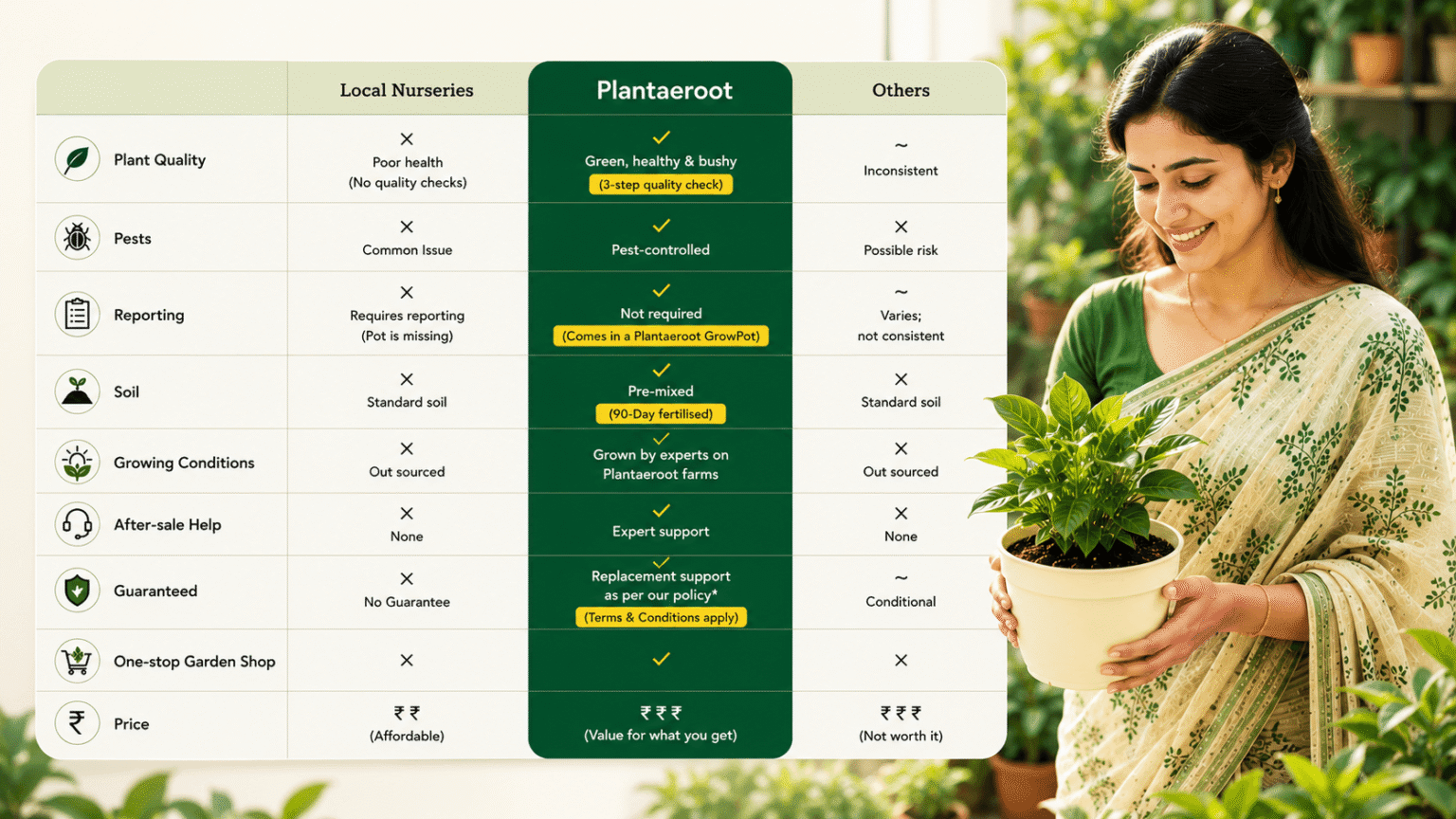
Why Buy From Plantaeroot
When you order this plant from Plantaeroot, you receive a young, healthy specimen selected to settle quickly into your home, along with the guidance to help it thrive.
- Healthy plants: hand-picked and inspected so your plant arrives vigorous and ready to grow.
- Quality packaging: secure, eco-friendly protection designed to keep foliage safe through transit.
- Care guide included: clear instructions tailored to Indian conditions so you start on the right foot.
- Trusted nursery: a bootstrapped, plant-first business built to help you reconnect with nature.
- Secure shipping: orders above ₹999 qualify for free shipping across India, with dispatch typically in 2–3 business days and delivery in 2–7 business days.















There are no reviews yet.