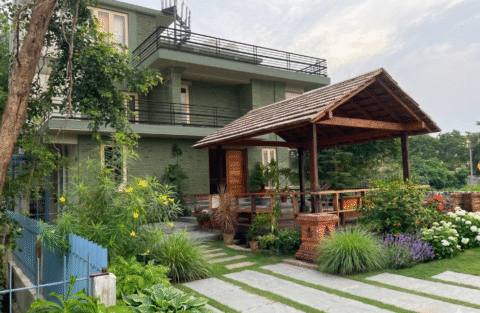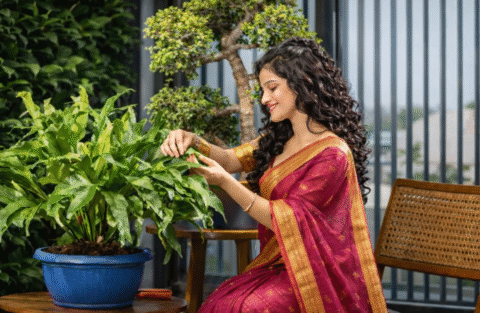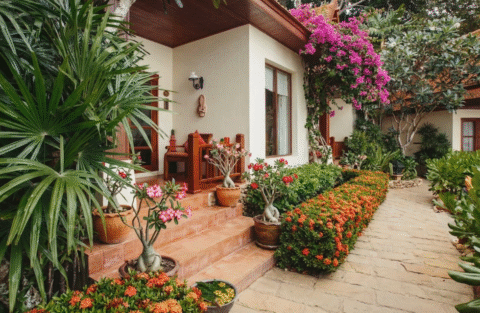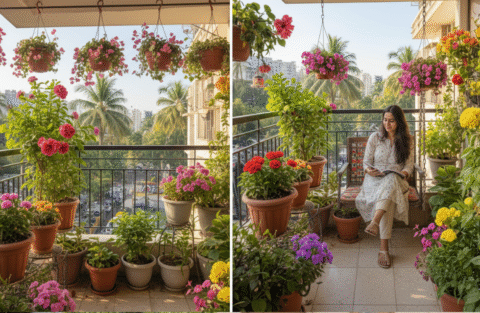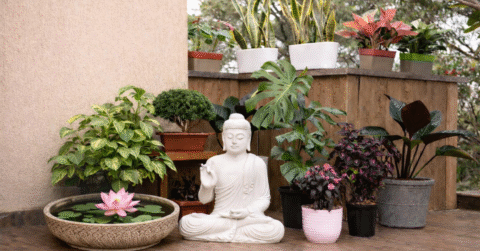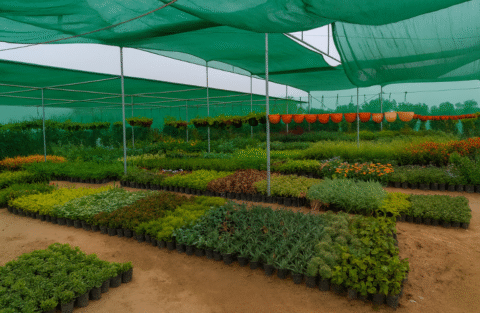


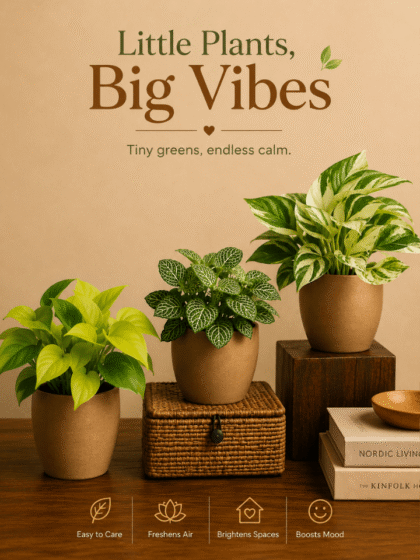
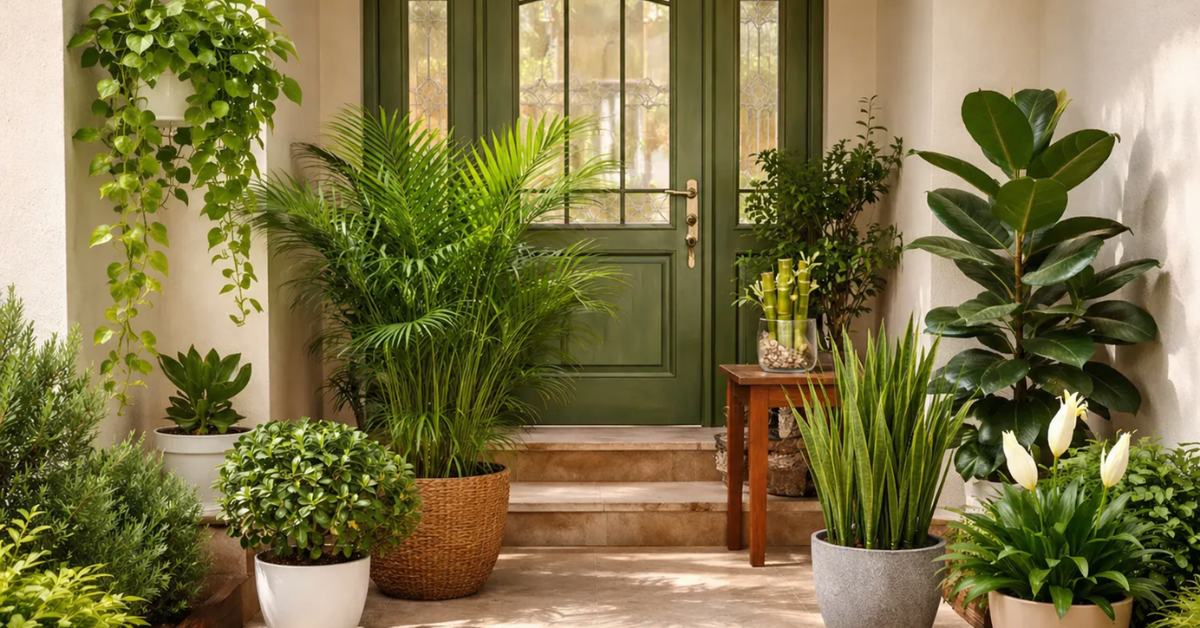
There is something quietly magical about walking up to a home where the entrance is alive — a curling jasmine, a bougainvillea spilling colour over a wall, a row of healthy potted greens by the door. In Indian culture, the dwar (entrance) has always been more than architecture. It is the threshold between the outside world and your sanctuary, and the plants that frame it set the very first mood for everyone who walks in, including you.
This guide is built for Indian homes, Indian weather and Indian gardening realities. Whether you live in a Kolkata flat with a narrow balcony, a Bengaluru villa with a strip of front yard, a Delhi townhouse battling dry summers, or a Mumbai high-rise braving lashing monsoons, you will find practical, climate-ready picks here. We have written this with the philosophy that has guided Plantaeroot since 2014 — that even one well-chosen plant at your doorway can shift how a home feels and how its people live.
In the sections below, we will walk through the best outdoor plants for home entrance settings across Indian conditions, including air-purifying picks, climbers, hangers, low-maintenance potted varieties, sturdy plant stands, season-by-season choices, vastu-aligned options, and a full FAQ. Use the table of contents to jump to what you need.

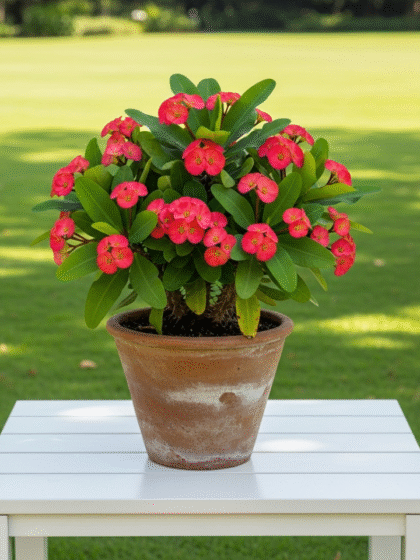
Euphorbia Plant
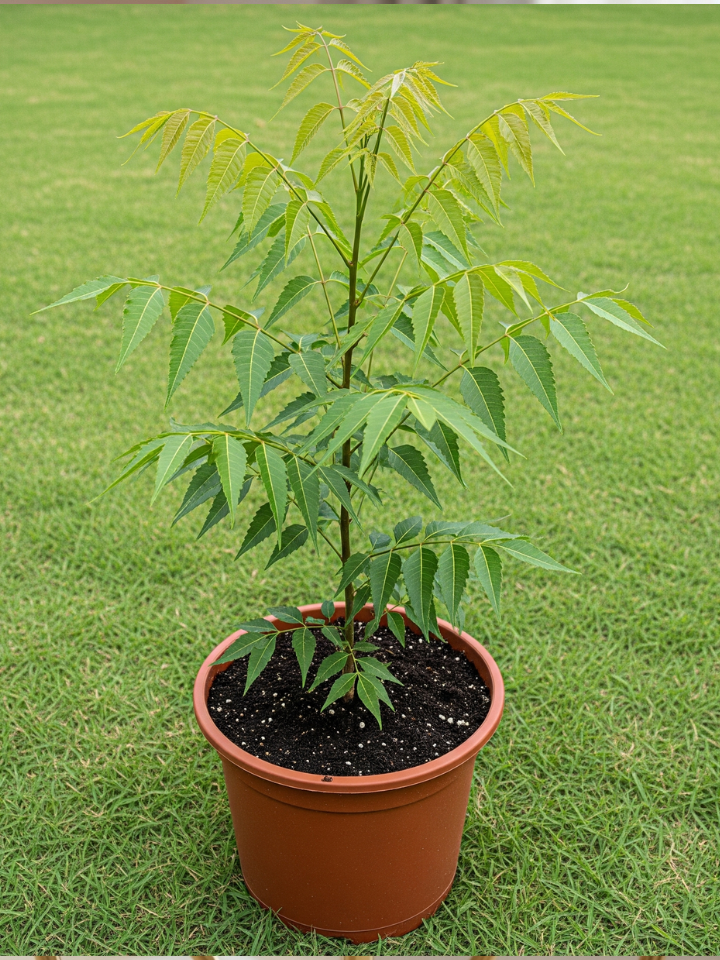

Neem
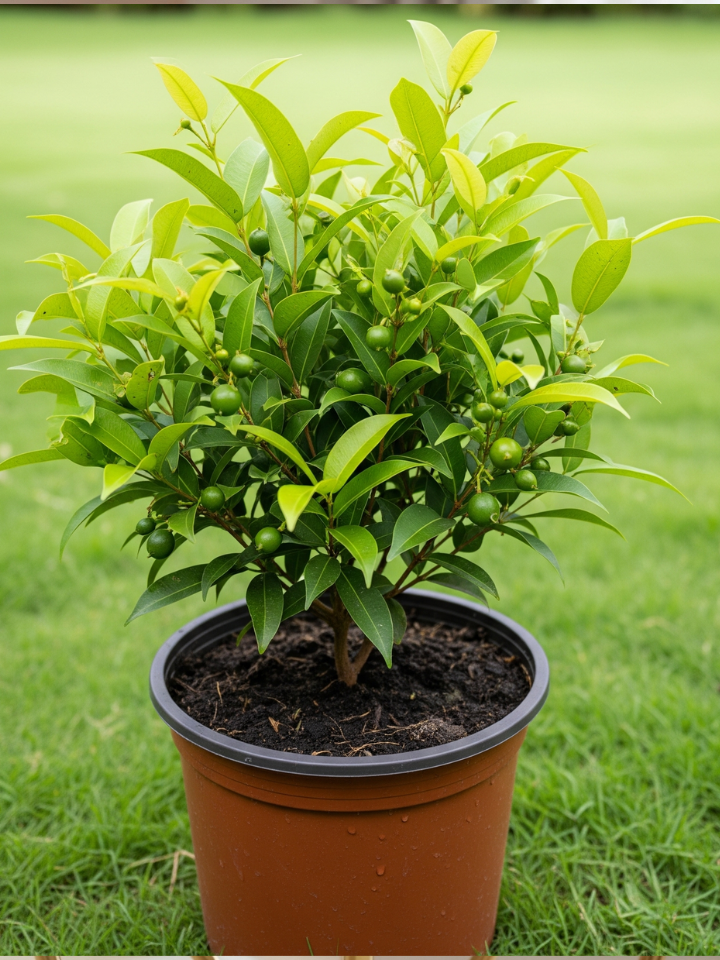

Jamun- Black Berry plant
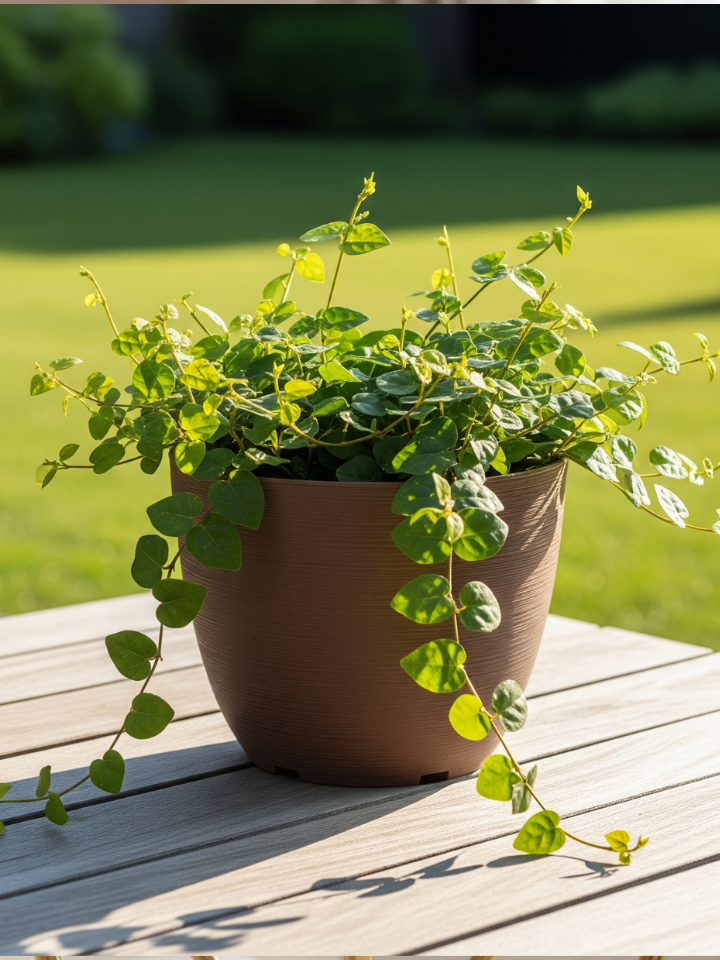

Wall Creeper Plant


Peepal Plant
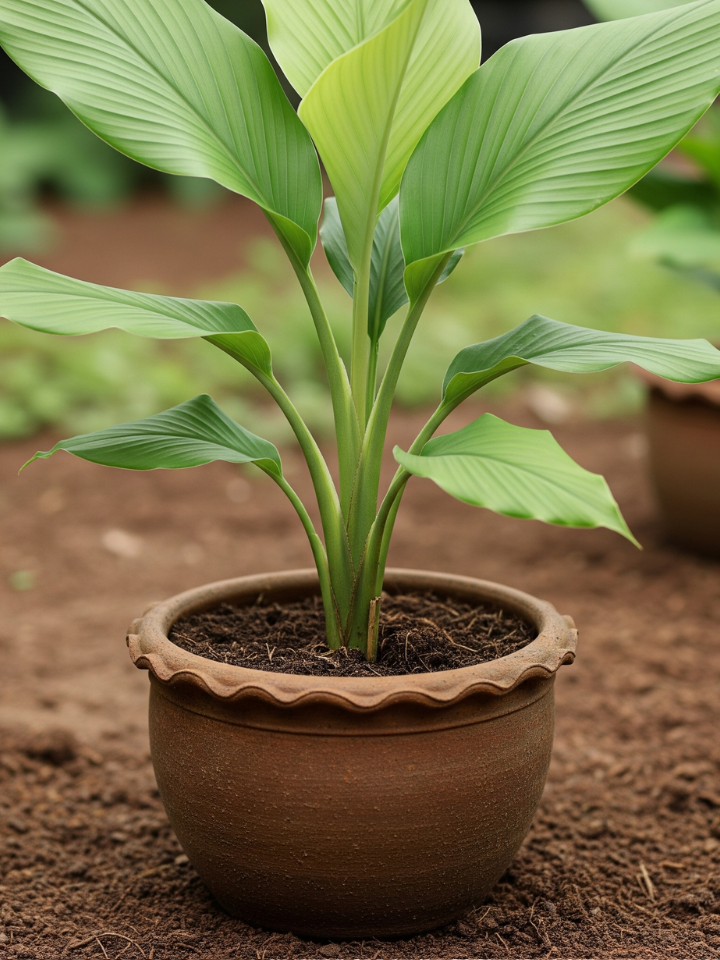

Turmeric plant

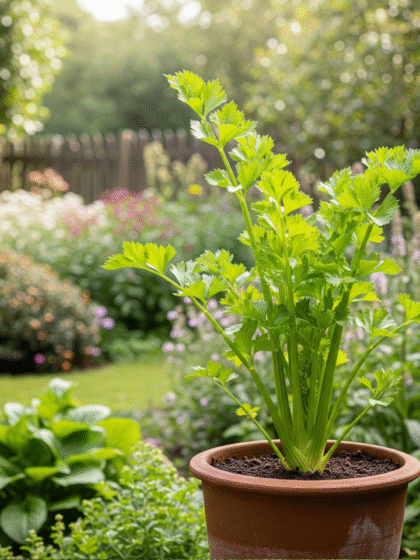
Coriander leaves- Plant

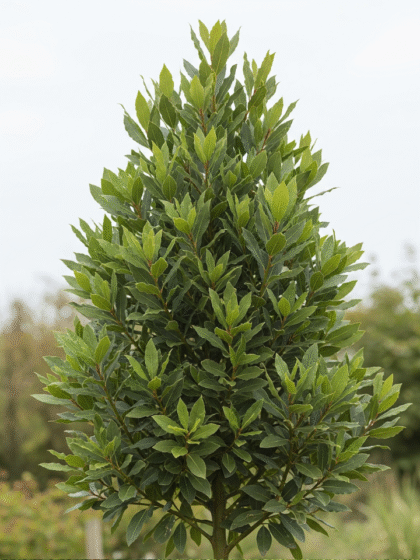
Bay Leaves- Plant
Table of Contents
- Why Your Home Entrance Deserves Living Plants
- Understanding Your Entrance Conditions Before You Buy
- Top 25 Outdoor Plants for Home Entrance in India
3.1 Flowering Showstoppers
3.2 Foliage Heroes
3.3 Fragrant Beauties
- Air Purifying Outdoor Plants for Healthier Doorways
- Outdoor Climbing Plants to Frame Your Entrance
- Outdoor Hanging Plants for Porches & Balconies
- Low Maintenance Outdoor Potted Plants
- Sturdy Outdoor Plant Stands: Buying Guide
- Outdoor Plants for Office Entrances & Commercial Spaces
- Seasonal Picks: Summer, Monsoon & Winter Outdoor Plants
- Are Poinsettias Outdoor Plants? Setting the Record Straight
- Vastu & Cultural Wisdom for Entrance Plants
- Care Calendar for Indian Climate Zones
- Common Mistakes to Avoid
- Pro Tips from Three Decades of Indian Gardening
- Frequently Asked Questions
Why Your Home Entrance Deserves Living Plants
Step into any traditional Indian home — from the courtyards of Chettinad to the verandahs of Bengal — and you will find living greenery framing the doorway. This is not decoration alone. It is centuries of intuition that science now agrees with. A thoughtful arrangement of garden plants at your entrance does three things at once: it improves air quality, it influences mood, and it signals welcome before a single word is spoken.
Research from organisations like NASA and India’s own CSIR has repeatedly shown that ornamental greenery filters airborne toxins, increases humidity (a quiet relief in dry Delhi winters), and reduces the level of stress hormones in people who walk past them daily. For the homes that line our cities, where vehicle exhaust drifts onto your gate every morning, a buffer of leafy plants is meaningful protection.
Beyond science, there is the simple delight. Coming home to a fragrant mogra in bloom, watching koels rest on your champa branches, noticing the first poinsettia turn red in November — these are the small, repeating joys that root us back into a sense of place.
What Makes an ‘Entrance Plant’ Different
Not every beautiful plant earns a place at your doorway. Entrance positions are public, weather-exposed, and often neglected — guests see them first, and you might forget to water them on busy mornings. The right outdoor flower plants for home entrance use are those that:
- Tolerate full or near-full sun without scorching, since most Indian entrances face open sky for several hours
- Resist heat above 38°C and humidity above 70% — non-negotiable for tropical and subtropical zones
- Look presentable year-round, not just in their flowering month
- Forgive irregular watering, because real life happens
- Stay reasonably pest-resistant in open conditions where you cannot constantly inspect them
Understanding Your Entrance Conditions Before You Buy
This is the step most beginners skip, and it is exactly why so many entrance plants die in their first month. Before you order anything, spend two days observing your doorway with the eye of a botanist. The information you gather here will save you years of frustration.
Sunlight Audit
Stand at your entrance at 8 AM, noon, and 4 PM, and note where direct sunlight falls. In most Indian homes, an east-facing entrance gets gentle morning sun (perfect for almost any plant), south-facing entrances get harsh afternoon heat (suited to bougainvillea, hibiscus, ixora), and north-facing entrances get filtered indirect light all day (ideal for peace lily, areca palm, and aglaonema kept just outside the door under shade).
Wind & Microclimate
Open ground-floor entrances along busy roads in Kolkata or Chennai face sustained breeze and dust. Tall, narrow apartment balconies in Mumbai and Pune funnel wind upwards. Rooftop entries in north Indian bungalows get scorched by loo winds in May. Match plant sturdiness to this — sturdy outdoor plant stands and weighted ceramic pots prevent toppling, while delicate hanging baskets need a sheltered nook.
Available Floor Space
Measure honestly. Most Indian flat entrances offer between 2 and 6 square feet of useable plant zone. A common mistake is buying a future giant — like an areca palm — that grows beautifully for one year and then crowds the doorway forever. Choose forms that match the space you actually have.
Water Access
Is there a tap near your entrance, or will you carry watering cans from inside? If watering involves effort, lean towards low maintenance outdoor potted plants like jade, snake plant, kalanchoe, and aloe vera that thrive on minimal hydration.
Quick Match: Entrance Conditions to Plant Picks
Direction | Light Profile | Best Picks | Avoid |
East-facing | Bright morning sun, soft afternoon | Hibiscus, mogra, anthurium, pixie syngonium | Plants needing constant deep shade |
West-facing | Harsh late afternoon glare | Bougainvillea, plumeria, ixora, jade | Peace lily, calathea, fern |
South-facing | Full sun most of the day | Rose, kalanchoe, aloe vera, rangan, vinca | Boston fern, brazilian wood |
North-facing | Bright but indirect, low direct sun | Areca palm, snake plant, peace lily, monstera | Bougainvillea, hibiscus |
Top 25 Outdoor Plants for Home Entrance in India
This is the heart of the guide. The following selection is chosen for resilience in Indian conditions, visual presence at an entrance, and availability through reputable nurseries. We have split them into three families so you can mix one or two from each to build a layered, professional-looking doorway display.
Flowering Showstoppers
Flowers do the heavy lifting of welcome. They turn an ordinary doorway into something memorable. The varieties below have been selected because they bloom reliably in the Indian climate and recover well after stress.
1. Hibiscus (Joba / Gudhal)
If you grew up in any part of India, hibiscus is in your visual memory. It blooms nearly year-round in coastal and southern climates, with brilliant red, pink, yellow and white varieties available. Place it in a 14-inch pot, give it 5+ hours of direct sun, water deeply twice a week in summer, and prune lightly after each flowering flush. Hibiscus pairs beautifully with the Indian habit of offering flowers in daily puja, making it both ornamental and meaningful.
2. Bougainvillea
There is no plant more forgiving — or more spectacular — at an Indian entrance. Bougainvillea thrives on neglect, and over-watering is its only real enemy. Train it as a single-stem standard near the gate, or let it cascade over an entrance arch. Magenta, white, orange, double-petal pink and even bi-colour cultivars are all easily sourced. It belongs on every list of outdoor summer plants for hot climates.
3. Ixora (Rangan / Rugmini)
Compact, glossy-leaved, with clusters of red, orange or pink flowers, ixora is one of the most underrated entrance plants for India. It tolerates full sun, stays neat without aggressive pruning, and looks formal enough for an apartment lobby yet warm enough for a village home. Ideal for guarding either side of a doorway in matching pots.
4. Rose
The classical entrance plant. Modern hybrid teas, English roses and traditional desi gulab varieties all do well in Indian winters and dry summers. They struggle in Mumbai-style monsoon humidity, so growers in coastal cities should pick disease-resistant cultivars. Roses reward attention — feed monthly, prune in October, watch for blackspot.
5. Plumeria (Champa)
A small champa tree in a generous pot turns any entrance into something temple-like. The fragrant white-and-yellow blooms appear from late summer onwards, and the sculptural branches stay handsome even when leafless. Plumeria is drought-tolerant, ideal for west-facing entrances baked by afternoon sun.
6. Vinca (Nayantara / Sadabahar)
If you want a year-round bloomer with zero drama, vinca is your friend. It flowers continuously, tolerates poor soil, handles Indian heat without complaint, and self-seeds gently. Pink, white and lavender varieties layer beautifully in front of taller plants like ixora or hibiscus.
7. Kalanchoe (Pink & Red)
A succulent that flowers — kalanchoe is perfect for sun-drenched balconies in Pune, Hyderabad, and Ahmedabad where water is precious. Their dense clusters of tiny blooms last for weeks, and the thick leaves store water for tough days. Pair them in low ceramic pots with rangan for a striking layered look.
8. Gardenia
The white blooms and intense fragrance make gardenia a luxury entrance choice, particularly in semi-shaded entrances of Bengaluru, Coorg and the Western Ghats. They demand acidic soil and consistent moisture, so this is a plant for gardeners who are present, not for travellers.
9. Rain Lily
After the first monsoon shower, rain lilies push up white, pink or yellow trumpets almost overnight — a small monsoon miracle that justifies them in any Indian entrance border. They take full sun, naturalise in pots, and need almost no care. A classic monsoon flowering plant.
10. Anthurium
Glossy, waxy red blooms set against deep green leaves give anthurium a polished, almost decorator-magazine look. They need bright indirect light — perfect for a covered porch or recessed entrance in Kerala, Goa, and parts of Kolkata. Avoid harsh sun.
Foliage Heroes
Foliage plants do something flowers cannot — they look beautiful all 365 days. A confident entrance design uses foliage plants for structure and flowering plants as accents. The picks below are tough, sculptural, and well-suited to Indian conditions.
11. Areca Palm
Few plants signal ‘welcome to my home’ as instantly as a healthy areca. The graceful, arching fronds soften concrete walls and absorb noise. In partial shade, they grow steadily without complaint. Use them in pairs flanking a doorway for a subtly grand effect, particularly suited to traditional South Indian entrances.
12. Snake Plant (Sansevieria)
If you forget to water plants for two weeks at a stretch, the snake plant forgives you. Its vertical, sword-shaped leaves add architectural punctuation to a flat or featureless wall, and its near-invincibility makes it a top air purifying outdoor plant for entrances in dust-heavy cities like Delhi, Kanpur, and Patna.
13. Aglaonema (Pink Beauty / Red)
The painted-leaf charm of aglaonema brings indoor-luxury energy to a covered entrance. Their pink and red variegations brighten shaded spots that would otherwise stay dull. Keep them out of harsh sun, and they will reward you with rich colour for years.
14. Money Plant (Variegated, Golden, N’Joy, Marble)
The most quietly successful entrance plant in Indian homes. Trail it from a hanging basket, train it up a totem pole near the door, or let it cascade from a pedestal. It tolerates almost any light, almost any neglect, and brings a softness no other plant matches. The marble money plant is also a popular vastu pick for entrances.
15. Monstera Deliciosa
Big, dramatic, fenestrated leaves give monstera presence beyond its size. It does well in covered entrances and balcony corners with bright filtered light. In Kerala and the North-East, it grows almost wild; elsewhere in India it remains a dependable foliage anchor.
16. Peace Lily
Glossy dark leaves and elegant white spathes — peace lily reads as serene from the moment you see it. Best placed in a covered entrance with bright shade. It also features on most published lists of air purifying outdoor plants for shaded patios.
17. Aralia (Variegated)
A feathery, lacy texture that breaks up the boredom of solid green. Aralia variegata works beautifully as a mid-height filler between bolder plants like ixora and softer ground covers like vinca.
18. Boston Compacta Fern
Soft, layered, lush — Boston ferns belong in shady, humid entrances. Hang them from porch beams in Mangalore-style homes, or set them on tall plant stands in covered Delhi entrances during the monsoon. Mist regularly in dry months.
Fragrant Beauties
Indian gardens have a long love affair with fragrance. The plants below earn space at your entrance not just for how they look, but for the scent that greets every visitor before they ring the bell.
19. Mogra (Arabian Jasmine / Beli)
There is no mistaking the scent of mogra in bloom. A single plant near the entrance perfumes the entire approach to your home from May through September. Compact, well-suited to pots, and rich in cultural meaning — mogra is a classic Indian doorstep plant.
20. Jasmine (Jui)
Smaller, more delicate flowers than mogra, with a softer evening fragrance. Train it on a small trellis or grow as a low shrub. Particularly beloved in Bengal, where the scent of jui drifting through summer evenings is its own kind of nostalgia.
21. Parijat (Night Jasmine)
The flowers fall to the ground at sunrise, leaving an orange-and-white carpet at your doorway. Parijat is one of the most spiritually significant plants in Indian tradition, and its perfume on warm monsoon nights is unforgettable. A pet-friendly, vastu-positive choice.
22. Madhumalati (Rangoon Creeper)
Triple-toned blooms — white, then pink, then deep red — and a warm, sweet evening fragrance. Train it over an entrance arch or boundary wall for theatrical effect. Vigorous; needs annual pruning to stay tidy.
23. Hiptage (Madhabi Lata)
A traditional Indian climber with creamy, fragrant flowers and an old-world charm. Less commonly stocked than mogra or madhumalati, but worth seeking out from a specialist nursery for an entrance that stands apart.
24. Kunda
Small, star-shaped white flowers and a clean, crisp fragrance. Hardy, low-maintenance, and lovely for traditional courtyard entrances.
25. Curry Leaves Plant (Kadipatta)
Not strictly ornamental — but a curry leaves plant near the kitchen entrance is genuinely Indian, faintly aromatic, and ridiculously useful. Many homeowners now place a 12-inch pot just outside the side door for daily kitchen use.
Air Purifying Outdoor Plants for Healthier Doorways
Indian cities consistently rank among the most polluted in the world, and the entrance — where outdoor air meets your home’s interior — is the most strategic place to plant a green filter. Air purifying outdoor plants work in two ways: their leaves trap particulate dust, and their stomata absorb gaseous toxins like benzene, formaldehyde and trichloroethylene.
The following picks have been shown in studies (including the well-known NASA Clean Air research and replicated work by Indian institutions) to remove common urban pollutants. They also tolerate the open weather of an Indian doorway.
Areca Palm — the broad-spectrum favourite. Filters formaldehyde, xylene, toluene. Releases significant moisture, comforting in dry winters.
Snake Plant — exceptional for night-time oxygen release; perfect for porches near bedrooms. Removes benzene, formaldehyde.
Money Plant — removes formaldehyde from kitchen-adjacent entrances; near-impossible to kill.
Peace Lily — filters ammonia and acetone; ideal for covered entrances near garages.
Bamboo Palm — high transpiration, bright filtered light, classic resort-style entrance.
Aglaonema — removes benzene and formaldehyde; thrives in low-light covered porches.
Boston Fern — the heaviest natural humidifier on this list, ideal for dry-air cities.
For best results, group three to five air purifying outdoor plants together at the entrance. Plants work as a connected ecosystem; clusters out-perform isolated specimens.
Outdoor Climbing Plants to Frame Your Entrance
Vertical greenery does what no potted plant can — it transforms a flat wall, a plain gate, or an uninspired arch into something architectural. Outdoor climbing plants soften concrete, provide shade, and create the sense of arriving somewhere intentional. In Indian conditions, the best climbers are vigorous but manageable, and ideally evergreen so the entrance does not look bare in winter.
Climbers to Consider
Bougainvillea — the undisputed queen of Indian entrance walls. Train along boundary walls or over arched gateways; choose a single-colour cultivar for sophistication or a riot of colours for warmth.
Madhumalati — evening fragrance and tri-coloured blooms; ideal for entrance arches.
Money Plant — trained up a totem pole or down a column for tropical-resort feel.
Aparajita (Butterfly Pea) — deep blue, ceremonial, sacred in many traditions; a beautiful pet-friendly climber.
English Ivy — elegant for cooler hill stations and Bengaluru-Pune climates; struggles in extreme heat.
Climbing Rose — romantic and English-garden in feel; best in Delhi, Pune, and hill cities.
Allamanda — bright yellow trumpet-shaped flowers and fast cover; ideal for sunny boundary walls.
Sankrant Vel — low-maintenance traditional Indian climber with seasonal blooms.
Morning Glory — fast, dramatic, with daily fresh blooms; ideal for monsoon-season cover.
Installing Support Properly
This is where most Indian gardeners go wrong. A bougainvillea or madhumalati can grow heavy enough to pull down a flimsy trellis after one good monsoon. Use galvanised steel trellises rated for at least 30 kg, anchor them into the wall (not just the soil), and inspect annually before the rains. A well-supported climber will outlast its planter, sometimes by decades.
Outdoor Hanging Plants for Porches & Balconies
Hanging baskets are the Indian apartment dweller’s secret weapon. They free up floor space, exploit unused vertical real estate, and create the feeling of a layered jungle even in 60-square-foot balconies. Outdoor hanging plants need three qualities: trailing growth habit, tolerance for the slightly drier conditions of suspended pots, and wind resilience.
Top Outdoor Hanging Plants
- Spider Plant — toughest hanger on the list; cascades elegantly and produces baby plantlets you can propagate
- Money Plant (Pothos) — every variegation works; the most reliable hanger for any Indian climate
- English Ivy — for cooler regions and shaded covered porches
- Philodendron — bold leaves, partial shade lover, dramatic vertical fall
- Turtle Vine — succulent trailer with a beautiful matte texture
- Golden Sedum — drought-tolerant, perfect for sunny balconies in Pune and Hyderabad
- Heart Hoya — slow-growing, romantic heart-shaped leaves; conversation-starter
- String of Pearls — for covered, well-lit spots; needs careful watering discipline
Practical Hanging Setup Tips
Use coco-coir-lined wire baskets (better drainage than plastic), choose self-watering hangers if you travel often, and hang at three different heights for visual interest. In monsoon-heavy regions like Mumbai and Mangalore, lower the baskets during heavy rain weekends so they do not become waterlogged. Always use rust-proof hooks rated higher than the wet weight of the planter.
Low Maintenance Outdoor Potted Plants
Modern Indian life is busy. Between work, family, school runs and weekend travel, very few of us have the bandwidth for daily plant fussing. The good news is that some of the most beautiful entrance plants are also the most forgiving. The picks below qualify as truly low maintenance outdoor potted plants — they survive irregular watering, recover from neglect, and look presentable without daily intervention.
The Forgiving Eight
- Snake Plant — skip watering for three weeks and it shrugs. Pest-resistant, architectural, near-immortal.
- Jade Plant — stores water in fleshy leaves; thrives in small pots; brings vastu prosperity associations.
- Aloe Vera — useful in the kitchen and the medicine cabinet; tolerates extreme drought.
- Bougainvillea — actively prefers underwatering; over-loved bougainvilleas refuse to flower.
- Kalanchoe — succulent flowering; weeks-long bloom periods; minimal care.
- Ixora — a ‘plant-and-forget’ shrub once established; flowers reliably.
- Vinca — self-seeds, blooms continuously, requires almost nothing.
- Christmas Cactus — indoor-outdoor flexibility; striking winter blooms in colder Indian cities.
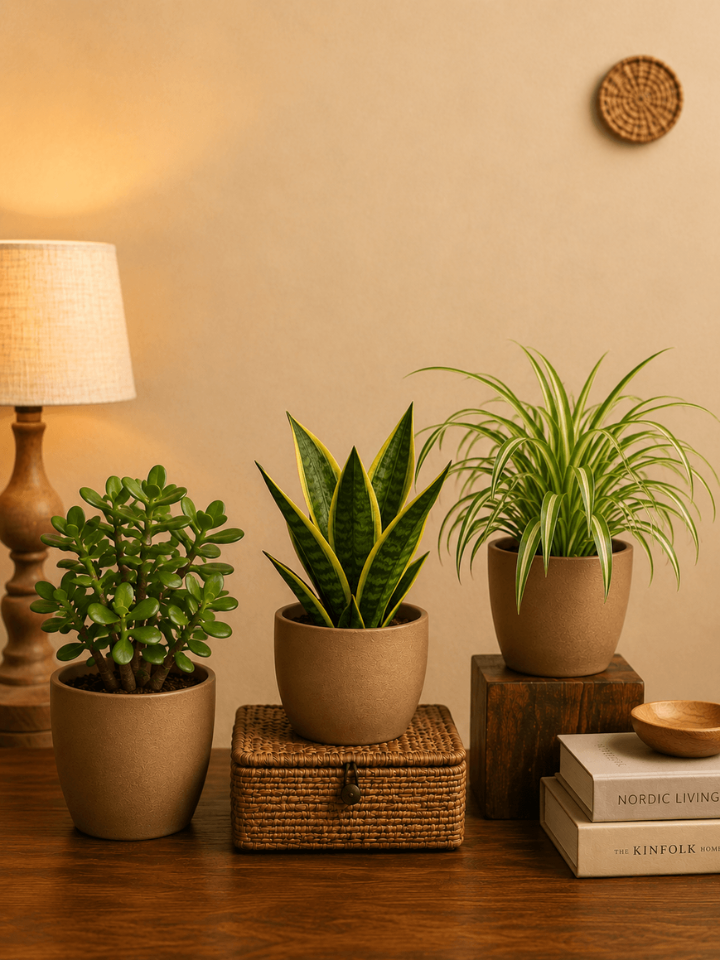
If you are starting out as an Indian apartment gardener and want a beginner-proof entrance, three picks from this list — say jade, snake plant, and kalanchoe in matching white ceramic pots — will give you a polished doorway with very little ongoing effort.
Sturdy Outdoor Plant Stands: Buying Guide
Plant stands are the unsung heroes of an entrance display. The right stand lifts a plant to eye level, creates layered visual interest, and rescues your floor tiles from terracotta water rings. The wrong stand wobbles in monsoon wind, rusts within a year, or topples in the first storm. Picking sturdy outdoor plant stands is therefore a small but important decision.
What to Look For
- Material: powder-coated iron is the gold standard for Indian outdoor conditions; teak and treated bamboo are beautiful but need annual sealing; cheap MS pipe stands rust within one monsoon
- Base width: a stand whose base is at least 60% as wide as its top will not tip in wind
- Weight rating: choose stands rated for at least 1.5x the wet weight of your heaviest pot
- Height: layered displays use three heights — typically 6 inch, 12 inch, and 24 inch above floor level
- Drainage allowance: avoid solid platforms; opt for grid or open-ring designs that let water through
Style Pairings That Work
Black wrought-iron tiered stands suit traditional Indian entrances with carved doors and stone flooring. Minimalist white powder-coated metal stands work in modern apartment buildings. Reclaimed-wood or rattan stands match Goan, Keralan, and tropical aesthetics. For a clean, professional look at an office entrance, opt for one tall stand with a single statement areca palm, rather than several small mismatched stands.
Stand Care
Wipe down monthly with a dry cloth; once a year, check welds and bolts; touch up paint chips before they rust. A good stand will outlive several plants if you take five minutes a year for it.
Outdoor Plants for Office Entrances & Commercial Spaces
Outdoor plants for office entrances have to do something difficult — they must look polished without daily attention, survive open exposure on weekends when nobody waters them, and hold their shape even when they are pruned only occasionally. The list below is what professional landscaping teams across Bengaluru, Mumbai, Gurugram and Hyderabad rely on.
Best Office Entrance Plants
Areca Palm in matched pairs — the unofficial standard for Indian office entrances; clean, formal, instantly upmarket.
Bamboo Palm — narrow profile, suits glass-fronted lobbies and corporate doorways.
Snake Plant rows — near-impossible to kill, low water needs, sculptural.
Money Plant in totem-pole form — soft, welcoming, useful for breaking up sharp lines in modern architecture.
Ixora hedges — great as a bordering element along walkways.
Bougainvillea standards — adds colour without ongoing flowering-plant fuss.
Aglaonema in covered entrance bays — luxury foliage with minimal demand.
Maintenance Schedule for Office Entrances
Outsource it or systematise it. Most successful offices use a fortnightly visit by a professional, plus a daily basic watering by housekeeping staff. Keep a simple maintenance log on the security desk; this catches issues — pest infestation, wilting, browning — before they become permanent damage.
Seasonal Picks: Summer, Monsoon & Winter Outdoor Plants
Indian seasons swing dramatically. A plant that thrives in March may struggle in May and explode in growth in July. Smart entrance gardeners build a base of year-round foliage plants, then rotate seasonal stars in and out. Below are the best outdoor summer plants, monsoon picks, and outdoor winter plants for typical Indian conditions.
Outdoor Summer Plants (March – June)
Summer in most of India is brutal — temperatures past 40°C, low humidity in the north, blazing sun. The plants that earn their keep here are heat-loving, drought-tolerant, and often desert-origin.
- Bougainvillea — peak flowering
- Hibiscus — continuous blooms
- Plumeria (champa) — late-summer fragrance
- Mogra — peak fragrance season
- Ixora — heat-tolerant blooms
- Vinca — non-stop summer flowering
- Kalanchoe — succulent summer-friendly bloomer
- Aloe vera — actively grows in heat
- Jade plant — happy in summer if shielded from extreme afternoon sun
Pro tip for summer: water in the early morning or after sunset only. Midday watering scorches roots in 42°C soil. Mulch the top of every pot with cocopeak or dry leaves to slow evaporation.
Monsoon Flowering Plants (July – September)
The monsoon is the most magical Indian gardening season — and the most dangerous. Sustained humidity invites fungal diseases, while rain leaches nutrients out of pots. Pick plants that genuinely love the wet, and ensure drainage in everything else.
- Rain Lily — emerges with the first showers
- Parijat — peak monsoon-night fragrance
- Hibiscus — flowers prolifically
- Madhumalati — one of the best monsoon climbers
- Aparajita — spectacular blue blooms
- Morning Glory — fast monsoon coverage
- Bird of Paradise — establishes well in monsoon humidity
Monsoon mistake to avoid: do not feed waterlogged plants. Fertiliser in saturated soil burns roots. Resume feeding once a week of dry weather returns.
Outdoor Winter Plants (October – February)
Indian winters reward gardeners with the year’s most spectacular flowering. Cool nights, mild days, and lower humidity create ideal conditions for European and temperate plants that struggle in summer.
- Rose — peak bloom season in north and central India
- Petunia — winter colour bedding
- Poinsettia — December stunner
- Christmas Cactus — winter bloomer
- Marigold (genda) — abundant, festival-friendly
- Pansy and dianthus — for cooler regions
- Kalanchoe (red and pink) — winter bloom
- Brahma Kamal — special winter night-bloom
Winter caution for north India: cover tender tropical plants like anthurium and aglaonema during cold waves below 8°C. A thin polythene cover overnight is often enough to prevent leaf damage.
Are Poinsettias Outdoor Plants? Setting the Record Straight
This is one of the most-asked entrance plant questions every December. The short answer: yes, poinsettias are genuinely outdoor plants in much of India, far more so than the Western media suggests. The longer answer involves understanding their origins.
Poinsettias are native to Mexico, where they grow as garden shrubs reaching up to 12 feet. The ‘indoor potted’ image we have absorbed comes from cold European and American climates where they cannot survive outdoor winters. In India, particularly the southern states, Western Ghats, and most of central and east India, poinsettias thrive outdoors all year.
Where Poinsettias Work Outdoors in India
- Bengaluru, Pune, Hyderabad — outdoor year-round; bracts colour reliably from late November
- Kolkata, Bhubaneswar, Chennai — outdoor year-round; protect from extreme summer afternoon sun
- Mumbai, Goa, Kerala — outdoor year-round; best in part-shade entrances
- Delhi, Lucknow, Chandigarh — outdoor most of the year; bring under cover during cold waves below 8°C
- Hill stations like Shimla, Darjeeling, Ooty — keep indoors or under cover during winter
Poinsettia Care for Indian Entrances
Bright, indirect light is ideal — direct afternoon sun fades the bracts. Water only when the top inch of soil is dry; over-watering causes rapid leaf drop. After the bracts fade in February-March, prune back to encourage bushy regrowth, and they will reliably colour again the following December. A well-established poinsettia plant can become a multi-year entrance feature, defying the common belief that they are ‘one-season’ plants.
Vastu & Cultural Wisdom for Entrance Plants
In Indian tradition, the dwar is the most spiritually significant point in a home. Vastu shastra, Hindu, Buddhist and folk traditions all assign specific energies to entrance plants, and many Indian gardeners — even the practically minded — quietly observe these principles.
Recommended Vastu Plants for Entrances
Tulsi — the most sacred. Traditionally placed in a raised tulsi vrindavan facing east or north of the home. Considered a daily blessing for the household.
Lucky Bamboo — two stalks for love, three for happiness, five for wealth, seven for health, and eight for prosperity. East-facing entrances are ideal.
Marble Money Plant — associated with wealth and abundance; thrives near entrances with bright filtered light.
Brahma Kamal — rare, spiritually revered, blooms once a year on summer nights.
Parijat — associated with peace, prosperity and divinity; pet-safe.
Jade Plant — non-Indian origin but absorbed into modern Indian vastu as a wealth plant; ideal near entrance corners.
Plants Vastu Suggests Avoiding at the Entrance
Traditional vastu advises against thorny plants, dead trees, or any plant casting heavy shade directly on the door. Cactus is a debated case — modern vastu practitioners often allow well-maintained, blooming desert cacti at the entrance, while traditional shastra discourages thorny varieties altogether. Use your own judgement and tradition; what is universal is that all plants near the door should be alive, healthy, and well-cared for. Dying plants at an entrance are considered inauspicious in every Indian tradition, and the practical advice agrees — they look terrible.
Care Calendar for Indian Climate Zones
Generic care advice fails in India because we contain at least four major climate zones. Below is a concise, region-specific care calendar built from decades of Indian-nursery practice. Use it as a baseline and adjust for your microclimate.
Tropical Coastal (Mumbai, Chennai, Goa, Kerala, Mangalore)
Year-round growing season, with the monsoon as the main challenge. Watering: low in monsoon, high in summer. Feeding: skip during heaviest monsoon weeks. Pest watch: fungus, mealybugs in humid stretches. Best entrance plants: areca, peace lily, monstera, plumeria, anthurium, parijat, mogra, hibiscus.
Subtropical Humid (Kolkata, Bhubaneswar, Patna, Guwahati)
Hot wet summers, cool dry winters. Watering: heavy in April-May, moderate in monsoon, low in winter. Feeding: monthly through growing season. Pest watch: aphids in spring, fungal in monsoon. Best entrance plants: bougainvillea, hibiscus, mogra, rangan, areca, snake plant, jade, money plant, monstera.
Semi-Arid (Delhi, Jaipur, Lucknow, Ahmedabad, Pune)
Extreme summer heat, cold dry winters, brief monsoon. Watering: heavy in summer (twice daily for some plants), reduce sharply in winter. Feeding: spring and post-monsoon. Pest watch: spider mites in dry summer. Best entrance plants: bougainvillea, plumeria, kalanchoe, aloe, jade, snake plant, hibiscus (with afternoon shade), rose (winter).
Hill Stations (Shimla, Darjeeling, Ooty, Manali, Munnar)
Cool year-round; frost in winter. Watering: moderate; reduce in winter. Feeding: spring through autumn only. Best entrance plants: rose, English ivy, hydrangea, geraniums, fern, cyclamen, marigold.
Common Mistakes to Avoid
Most Indian entrance gardens fail not because of bad plants but because of small, repeated mistakes. The list below is what we see again and again at Plantaeroot, and avoiding even half of them will dramatically improve your success rate.
Watering Mistakes
- Watering on a fixed schedule rather than checking soil moisture — kills more entrance plants than drought does
- Watering in the harsh midday sun — scalds roots and wastes water through evaporation
- Watering only the top of the pot — water should reach the bottom drain hole each time
- Using fluoride-rich tap water for sensitive plants like spider plant; collect rainwater where possible
Light Mistakes
- Placing shade-lovers like peace lily in west-facing afternoon sun
- Leaving sun-lovers like bougainvillea in covered porches with under three hours of direct sun
- Forgetting that sun angle changes between summer and winter — a spot perfect in December may be brutal in May
Soil and Pot Mistakes
- Using regular garden soil — it compacts in pots and suffocates roots
- Pots without proper drainage holes — the silent killer of more plants than any pest
- Choosing pots far too small — entrance plants need root room to develop properly
- Skipping repotting — most plants need fresh medium every 18-24 months
Plant Selection Mistakes
- Buying plants based on Pinterest aesthetics rather than Indian climate compatibility
- Picking only flowering plants and no foliage anchors — leads to a barren-looking entrance between bloom cycles
- Crowding the entrance — three or four healthy plants beat ten struggling ones
Ignoring mature size — that adorable little plant may grow into a doorway-blocking monster
Pro Tips from Three Decades of Indian Gardening
These insights have been gathered from gardeners, nursery owners and horticulturists across India — many of whom Plantaeroot has worked with since 2014.
Layering for Visual Impact
Use the rule of three heights: one tall structural plant (areca palm or tree-form bougainvillea), one mid-height filler (ixora or hibiscus), and one ground-level edge (vinca, kalanchoe, or moss). This single principle is what separates magazine-quality entrance gardens from cluttered ones.
Pot Coordination
Use no more than two pot materials and three sizes. A doorway with seven different pot styles — terracotta, white ceramic, cement, plastic, hanging — looks chaotic. Pick a colour palette (classic terracotta plus white, for instance) and commit.
Annual Refresh
Once a year, ideally in October after the monsoon, spend half a day refreshing your entrance: prune all leggy growth, top up with fresh potting mix, replace any underperforming plant, scrub mossy pots, repaint stands. This single annual ritual keeps your entrance looking polished year-round.
Source Quality, Not Quantity
Buy fewer plants from genuine, plant-focused nurseries (online or local) rather than many cheap ones from a roadside stall. A healthy two-year-old hibiscus from a careful grower will outperform three sickly impulse buys, every time. Plantaeroot was founded on exactly this principle — sourcing each plant from growers who treat them as living things first, products second.
Watch the Plant, Not the Calendar
Indian conditions vary too much for fixed care schedules. Yellowing leaves, drooping stems, slowed growth, and pest spots are messages from the plant; learn to read them. After a few months, you will find yourself walking past your entrance and noticing problems your earlier self would have missed entirely.
Talk About Your Plants
Not magic — just observation. Gardeners who spend a few minutes each morning at their entrance noticing changes catch problems three weeks earlier than those who only water and walk on. Coffee with your plants is the cheapest pest control in the world.
Frequently Asked Questions
What are the best outdoor plants for home entrance in India for a beginner?
Start with a combination of one snake plant, one money plant in a tall pot, and one flowering hibiscus or ixora. These three cover foliage, vertical interest and colour, are nearly impossible to kill, and adapt to most Indian climates from Kashmir to Kanyakumari.
How many garden plants should I place at my entrance?
For a typical Indian home entrance of 3-6 square feet, three to five plants is the sweet spot — enough for a layered, welcoming look, few enough to keep healthy. Office entrances and bungalow doorways can comfortably host seven to nine.
Are poinsettias outdoor plants in Indian conditions?
Yes, in most of India poinsettias grow happily outdoors year-round, particularly in southern, central and eastern states. In hill stations and the coldest north Indian winters they need overnight protection during frost. Treat them like a small flowering shrub, not a disposable December decoration.
Which outdoor flower plants for home entrance use give year-round blooms?
Vinca, hibiscus and ixora flower nearly year-round in tropical and subtropical India. Bougainvillea blooms across multiple seasons. Kalanchoe and rose handle winter, mogra dominates summer, and rain lily takes the monsoon. A combination of three or four of these gives you something in flower every single month.
Can outdoor climbing plants damage my walls?
Sturdy climbers like bougainvillea and madhumalati can crack thin plaster over many years if left unmanaged. The solution is a rigid trellis attached to (but standing slightly away from) the wall — this lets the climber grow on the support, not on the wall itself. With this setup, no damage occurs.
What is the best low maintenance outdoor potted plant for a sunny balcony?
Bougainvillea, jade, kalanchoe, snake plant and aloe vera all qualify. For a continuous flowering choice, vinca is unbeatable. For pure leaf beauty with zero effort, snake plant is the answer.
How do I pick sturdy outdoor plant stands that will not topple in monsoon winds?
Look for powder-coated iron, a base width at least 60% of the platform width, a weight rating well above your wet-pot weight, and ideally a slight outward flare in the legs. Avoid wobbly tripod designs and decorative stands without engineering integrity.
Are there outdoor plants for office entrance use that survive without daily care?
Yes — areca palms, snake plants, money plant totems, ixora hedges, and bougainvillea standards. These professional landscape staples thrive on a fortnightly maintenance visit plus basic daily watering. Aglaonema also performs beautifully in shaded covered office bays.
What outdoor summer plants survive Delhi-style 45°C heat
Bougainvillea, plumeria, mogra, ixora, kalanchoe, aloe vera, jade plant and vinca all survive — and several thrive — in extreme north Indian summers. The trick is morning-only watering, mulching to retain soil moisture, and afternoon shade for any plant under 12 inches in height.
Which outdoor winter plants give the best festival look in November-December?
Poinsettia is the obvious pick for its red Christmas bracts. Combine with marigold (for Diwali continuity), kalanchoe red and pink, and a flowering rose. This palette gives you festival-ready colour from October through January.
What is the difference between outdoor hanging plants and trailing climbers?
Hanging plants are grown in suspended baskets and cascade downwards under their own weight — money plant, spider plant, philodendron. Climbers actively grow upwards using a support — bougainvillea, madhumalati, ivy. You can use both to add vertical layers to an entrance, but their setup, support and care needs differ.
Are air purifying outdoor plants different from indoor ones?
Many overlap — areca, money plant, snake plant, peace lily all purify air whether indoors or outdoors. The difference is hardiness; outdoor placement demands plants that can also handle direct weather, dust, wind and irregular care. The list in section 4 is curated for those tougher conditions.
Can I use the same plants for a garden and for my entrance?
Yes — most picks in this guide work as both a plant for garden beds and an entrance container plant. The container version simply needs faster watering and richer potting mix because pots dry out faster than ground beds.
Where can I order genuine, healthy outdoor plants in India?
Look for nurseries that ship plants — not just products — and have transparent care information. Plantaeroot has been doing exactly this since 2014, with handpicked plants, secure packaging, and tracked deliveries across India. Quality at the source matters more than any single care tip.
Closing Thoughts: Your Doorway, Your Daily Reset
A green entrance is one of the smallest, most consistent quiet pleasures you can build into a busy Indian life. It greets you before the news does. It greets your family before homework does. It greets your guests before any conversation does. And it asks for very little in return — a few minutes of attention each morning, the right plants for your conditions, and the patience to let nature work.
Whether you start with a single mogra in a clay pot or a layered display of bougainvillea, areca, ixora and trailing money plant, the principle is the same: choose plants that genuinely belong in your climate, place them with intention, and tend to them with the same care you would offer any living member of your household.
This is the philosophy Plantaeroot was founded on — that even one well-chosen plant at your doorway can shift how a home feels. We hope this guide gives you everything you need to begin. Your entrance is waiting.