What is a lemon plant?
Lemons and limes are small trees in the rue family, Rutaceae, which also includes orange, pomelo and curry leaf. The two types sold as "lemon" in India are kagzi lebu or acid lime (Citrus aurantiifolia), with small, round, thin-skinned fruit, and the true lemon (Citrus limon), which includes Assam lemon and the seedless types, with larger, oval fruit. [CONFIRM which one this listing supplies] Both originated in the foothills of north-east India and South-East Asia, so this is a plant that has grown in Indian courtyards for centuries. It is nimbu in Hindi, lebu (লেবু) in Bengali, limbu in Marathi, elumichai in Tamil and nimmakaya in Telugu.
What you will notice first:
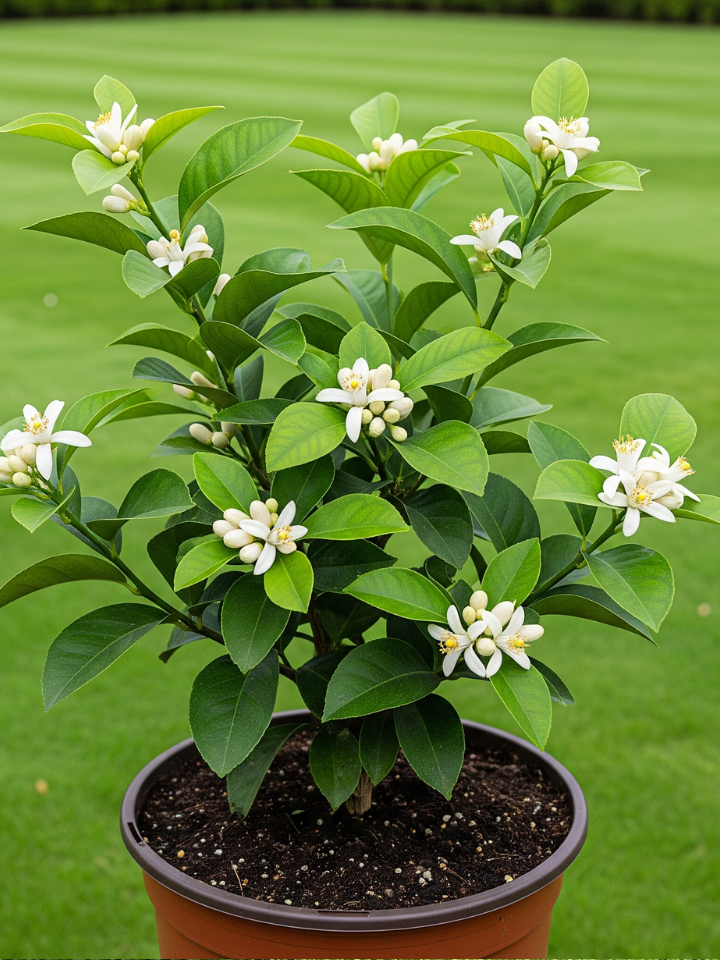
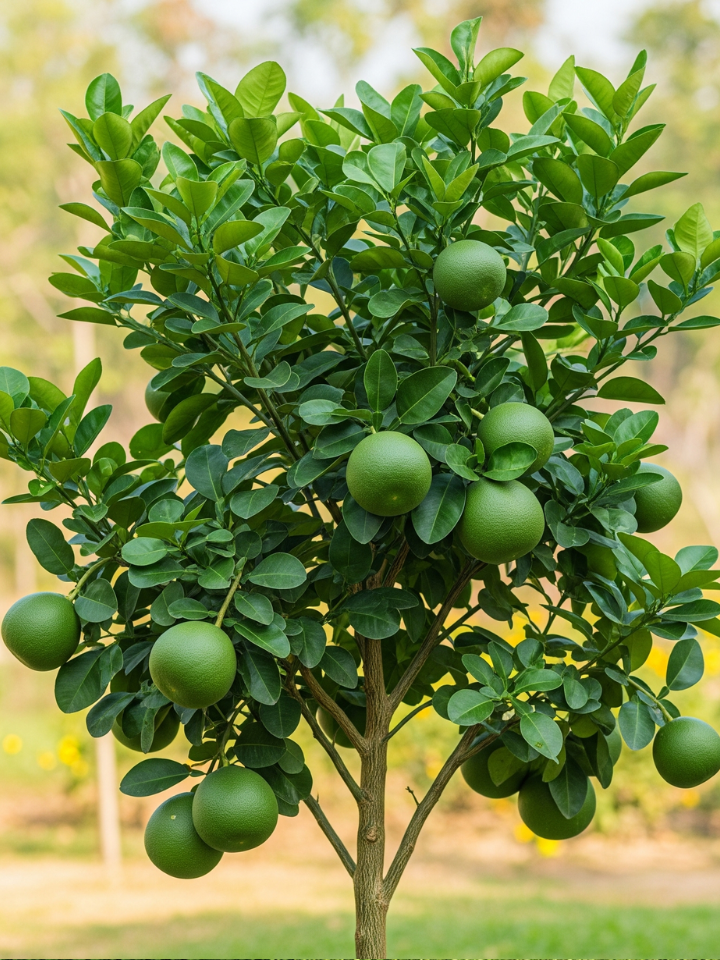
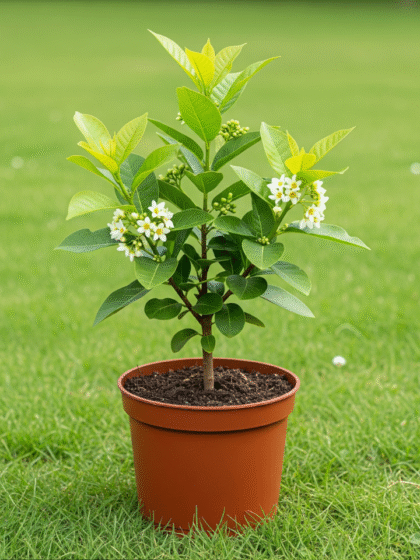
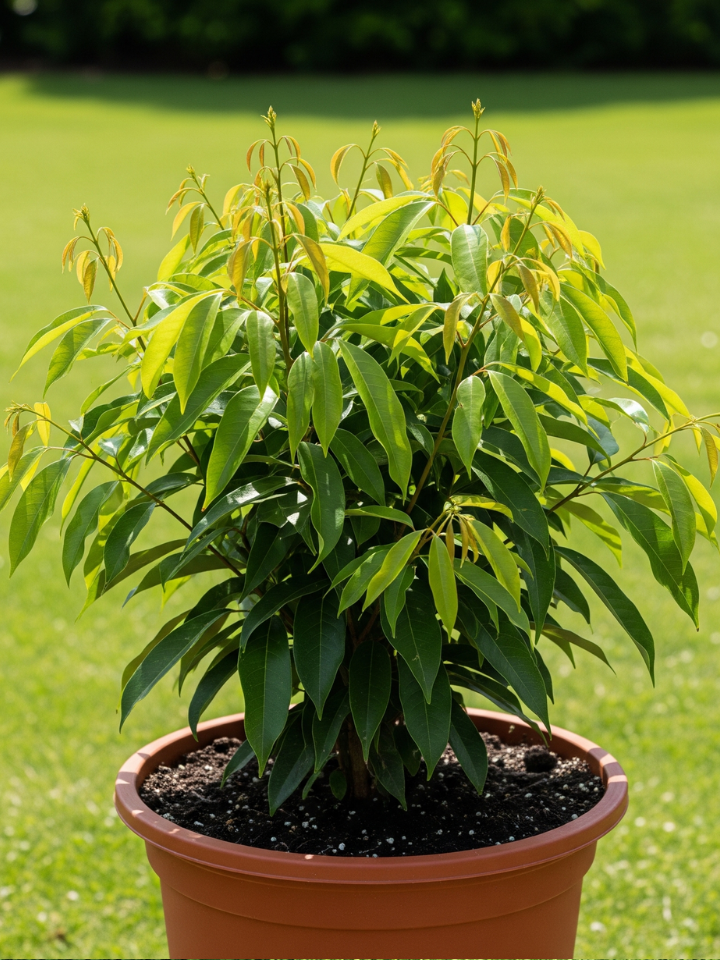
- Leaves. Glossy, oval, deep green leaves with a small wing on the stalk. Crush one and it gives off a sharp, fresh scent.
- Branches. A bushy, rounded shrub with slender, arching stems and short, sharp thorns in the leaf joints.
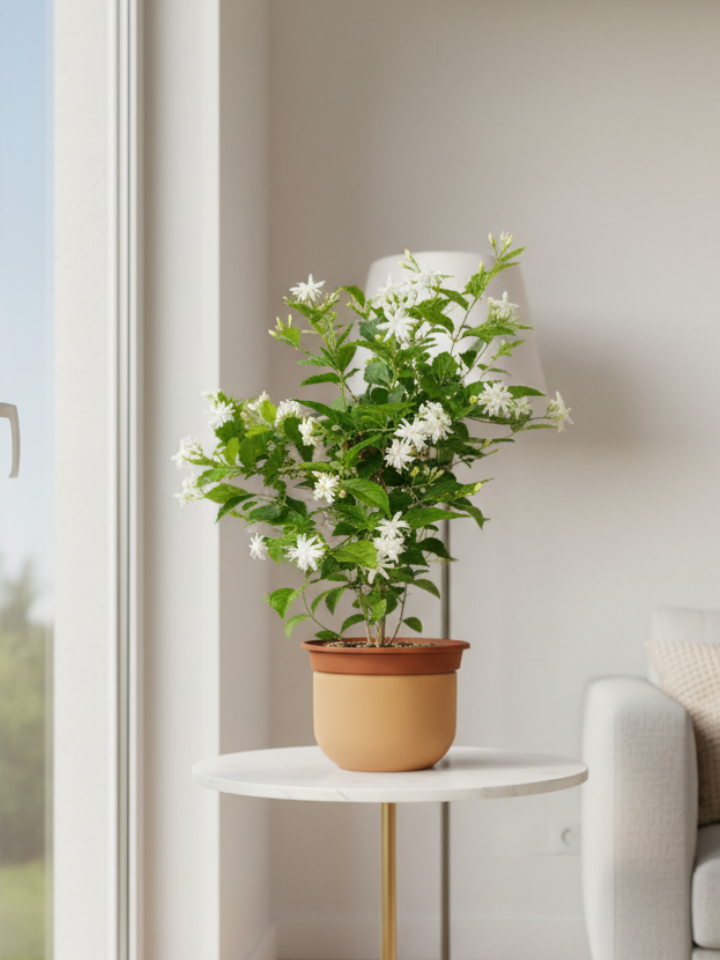
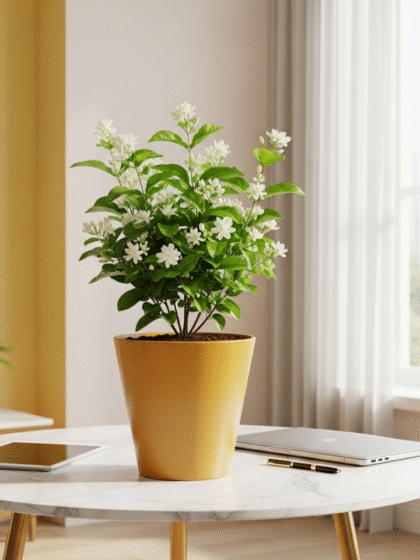
- Flowers. Small white flowers, sometimes tinged purple on the outside, with a sweet scent that carries on a still evening.
- Fruit. Green fruit that turns pale yellow as it ripens. Kagzi fruit is round and thin-skinned; true lemons are larger and oval with a thicker rind.
Why grow nimbu at home?
- A fruit you use every day. A single healthy plant keeps the kitchen supplied for nimbu pani, pickles, salads and a squeeze over dal and rice.
- It fits a pot. Few fruit trees crop as readily in a container, which makes it a natural first fruit plant for a terrace or balcony.
- Fragrance as well as fruit. The blossom and the crushed leaves both smell of citrus, and bees and butterflies visit the flowers.
- Fruit more than once a year. In warm parts of India a lemon flowers in two or three flushes, and seedless types carry a few fruits almost all year.
- Evergreen and tidy. Glossy leaves keep it handsome in every season, and light pruning holds it at waist to head height.
Where should you keep a lemon plant?
Sun is the one thing it will not do without. The best spots are:
- A sunny terrace. A 16–18 inch pot or grow bag on the roof suits it well, and it sits comfortably among rooftop fruit plants that crop in a 16-inch pot. Set the pot on bricks so water drains away freely.
- A south- or west-facing balcony. If the balcony gets six hours of direct sun, a nimbu is one of the few balcony plants that give you something to pick .Keep it away from the grille edge in strong winds.
- By the kitchen door or in the garden. In the ground it grows larger and crops more. As one of the most useful plants for pots outside the kitchen door, it also earns its place beside a courtyard wall, about 3 m from other trees.
- Not indoors. Indoors it drops leaves, grows thin and rarely flowers. Bring it in only for a short cold spell in the hills.
Product Specifications
- Plant name: Lemon Plant / Nimbu Plant / Lebu Plant
- Botanical name: Citrus aurantiifolia (kagzi lime) or Citrus limon (Assam or seedless lemon)
- Common names: Lemon; nimbu (Hindi), lebu (Bengali), limbu (Marathi), elumichai (Tamil), nimmakaya (Telugu)
- Plant family: Rutaceae (citrus family)
- Origin: North-east India and South-East Asia
- Plant type: Evergreen fruiting shrub or small tree
- Foliage: Glossy, oval, deep green leaves with a winged stalk; citrus-scented when crushed
- Flowers: Small, white, sweetly fragrant; sometimes purple-tinged outside
- Flowering in India: Two or three flushes a year, mainly January–February, June–July and September–October; seedless types flower sparsely all year
- Time to fruit: A few fruits in the second year; steady crop from about the third year
- Fruit maturity: About five to six months after flowering
- Pollination: Self-fertile; one plant can fruit alone
- Growth habit: Bushy, rounded, thorny shrub; can be trained to a single stem
- Growth rate: Moderate
- Mature size: About 1–2 m in a large pot; about 3–4 m in the ground if unpruned
- Suitable placement: Sunny terrace, sunny balcony, kitchen garden, courtyard or garden bed; outdoors only
- Light requirement: Full sun, at least six hours of direct sun a day
- Water requirement: Moderate; water when the top 3–4 cm is dry; never waterlogged
- Soil requirement: Light, well-drained loam with compost, pH about 5.5–7
- Climate: Warm, frost-free weather; grows best at about 20–30 °C; tolerates summer heat with regular water
- Fertiliser: Compost with a balanced organic feed every six to eight weeks, February to October; micronutrients for citrus if leaves yellow between the veins
- Common pests and problems: Lemon butterfly caterpillar, citrus leaf miner, aphids, scale, mealybugs, citrus canker, gummosis, flower and fruit drop
- Maintenance: Low to moderate; light pruning, seasonal feeding, caterpillar checks
- Difficulty level: Easy to moderate
- Suitable environment: Tropical and subtropical plains across India; mild hills with winter protection
- Special features: Fragrant flowers and leaves; fruits in a pot; self-fertile; evergreen
- Safety: Thorny; ASPCA lists lemon and lime as toxic to dogs, cats and horses
How do you grow a lemon tree in a pot?
- Pot. Start in a 12–14 inch pot and move up to a 16–18 inch pot or grow bag within a year. Several drainage holes are essential.
- Soil. Mix two parts garden soil, one part well-rotted cow dung manure or compost and one part coarse sand or brick chips, with a handful of neem cake. Citrus prefers a light, slightly acidic to neutral mix, around pH 5.5–7.
- Watering. Water deeply when the top 3–4 cm of soil is dry. In April and May a pot may need water every day or two; in winter, every five to seven days. Soggy soil causes more yellow leaves than anything else.
- Feeding. Give compost with a balanced organic feed every six to eight weeks from February to October. Citrus uses a lot of nitrogen, so a little extra in spring keeps the leaves dark green.
- Pruning. Remove shoots that grow from below the graft or layer point, cut out crossing and dead branches, and trim long whippy stems after the main harvest. Lemons fruit on new growth, so light pruning brings more flowers.
- Repotting. Every two to three years, trim the outer roots lightly and refresh about a third of the soil.
How long does a lemon plant take to fruit?
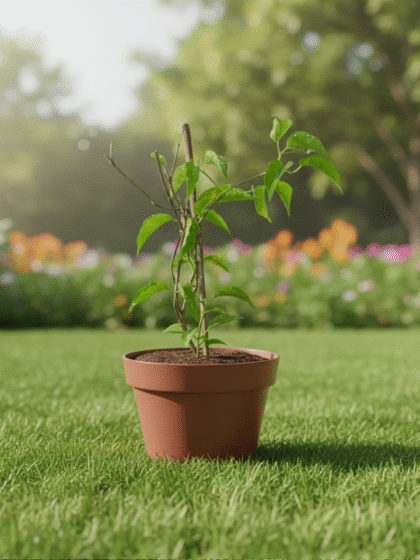
A young air-layered or cutting-raised plant often flowers within its first year. It is worth pinching off most of those first flowers so the plant builds roots and branches. Assam Agricultural University advises that Assam lemon raised this way starts bearing after the second year of planting, and that three-year-old plants give about 40–50 fruits. At home you can expect a few fruits in the second year and a steady crop from about the third. Once a flower sets, the fruit takes about five to six months to reach full size and colour.
Why do lemon flowers and small fruits fall?
A lemon sets far more flowers than it can carry, so heavy drop after blossoming is normal. The plant keeps the fruits it can feed and sheds the rest. Drop becomes a problem when almost nothing stays on, and the usual causes are a pot that swings between bone dry and soaking wet, a hot, dry wind, a sudden cold night, or hungry roots. Water evenly, mulch the top of the pot, and feed regularly while fruits are small. Lemons are self-fertile, so one plant can fruit on its own.
When does a lemon plant flower and fruit in India?
In a warm climate a lemon can flower in two or three flushes a year. Growers of kagzi lime know them as bahars:
- Ambia bahar: flowers in January–February; fruit ripens in the summer and rains.
- Mrig bahar: flowers in June–July; fruit ripens in the cooler months.
- Hasta bahar: flowers in September–October; fruit ripens in the following summer, when lemons are scarce and most valued.
Assam lemon flowers mainly in spring and autumn, with sparse flowering all year, and is harvested mostly in June–July and December–January. At home you do not need to force a season. Water and feed steadily and the plant will choose its own flushes.
A year with lebu in Bengal
Our citrus is raised in the same humid Kolkata climate described here, so these timings suit most of the eastern plains. For what else to plant around it, see when to plant what through the Indian summer, monsoon and winter.
June to September: planting and the rainy flush. The rains are the best time to plant, as warm, moist soil helps new roots spread. This is also when the lemon butterfly lays its eggs, so check new shoots every few days. Make sure pots never stand in rainwater.
October to November: autumn flowers. As the rains ease, the plant flowers again and the air around it fills with scent. Feed now and water evenly so the new fruit holds.
December to February: cool-season harvest. Growth slows and the fruit set in the rains fills out. Water less often, but do not let the pot dry out completely. Prune lightly once the main harvest is picked.
March to May: summer care. The plant puts on a fresh flush and may flower once more. Water often, mulch the pot and give some afternoon shade to young plants in the fiercest weeks of May.
Why are my lemon leaves turning yellow or curling?
- Yellow leaves all over. Usually overwatering or poor drainage, sometimes a shortage of nitrogen. Let the soil dry a little between waterings and feed with compost and a balanced fertiliser.
- Yellow between green veins. A shortage of iron, magnesium or zinc, common in alkaline soil. Use a micronutrient feed made for fruit trees.
- Leaves eaten overnight. Caterpillars of the lemon butterfly. Young ones look like bird droppings; older ones are green. Pick them off by hand.
- Silvery, twisted tunnels on new leaves. Citrus leaf miner. Remove the worst leaves and spray neem oil on fresh flushes every seven to ten days.
- Sticky leaves, black soot, or white fluff and scales on stems. Aphids, scale insects or mealybugs. Wipe them off and spray neem oil until clear.
- Raised, corky brown spots on leaves and fruit. Citrus canker, which spreads in wet weather. Cut out affected twigs, keep the foliage dry and ask a local expert about a copper spray.
- Gum oozing from the base of the stem. Collar rot or gummosis, usually from wet soil around the trunk. Keep the stem base dry and improve drainage.
Is a lemon plant safe around children and pets?
The fruit is everyday food, but the plant needs a little care. Most lemons carry short, sharp thorns, so keep the pot away from play areas and wear gloves when pruning. The ASPCA lists lemon and lime as toxic to dogs, cats and horses because the leaves, stems and peel contain essential oils and psoralens, which can cause vomiting, diarrhoea and skin irritation. Keep pets from chewing the leaves or fallen fruit.
What to plant with a lemon tree
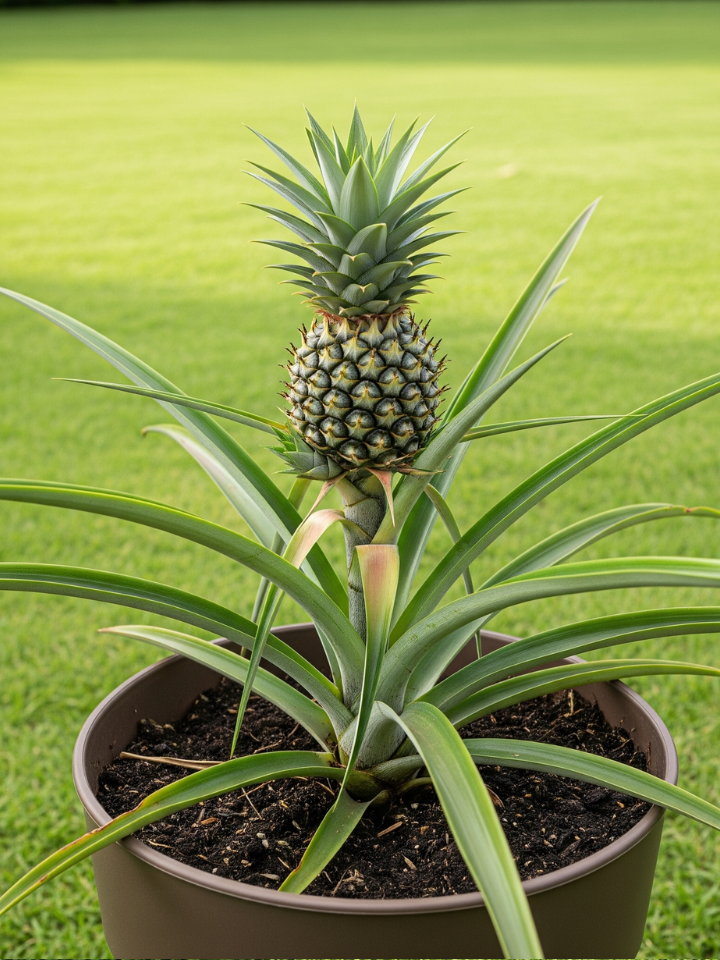
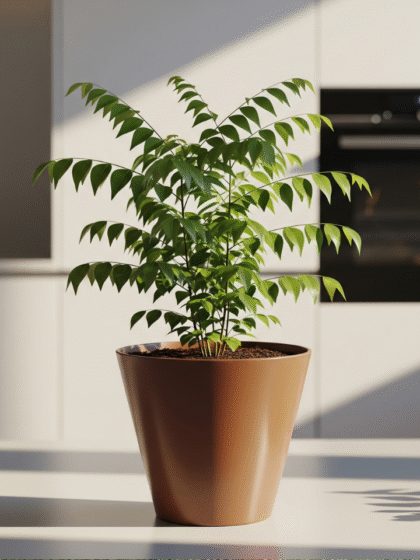
Nimbu pairs well with other sun-loving fruit plants. A kitchen corner is not complete without a kari patta plant, another member of the citrus family. On the terrace, add a pomegranate for red flowers and winter fruit and, in the hottest spot, an ananas rosette for the sunniest corner. If you have room in the ground, a batabi tree for the open garden gives you the largest fruit of any lemon relative. You can browse more citrus plants for pots and kitchen gardens to fill out a home orchard.
Grow your own nimbu this season
Every plant is raised at our own nursery and packed to travel, and you can check every state our young fruit plants travel to before you order. Give it your sunniest spot and a pot that drains, and by next year you could be picking lemons from your own plant.






















There are no reviews yet.