Pudina is mint, a group of aromatic herbs in the genus Mentha and the family Lamiaceae, the same family as tulsi and rosemary. The pudina sold in Indian kitchens is usually spearmint, Mentha spicata, prized for its sweet, fresh aroma rather than the sharp menthol bite of peppermint. It is pudina in Hindi, Bengali, Marathi and Gujarati, pudhina in Tamil and Telugu, and puthina in Malayalam.
What you will notice first:
- Leaves. Soft, oval, bright green leaves with toothed edges and a lightly crinkled surface. Rub one between your fingers and the scent is instant.
- Stems. Square stems, a mark of the mint family, that stand upright and then arch over as they lengthen.
- Runners. Underground and surface runners that root as they travel. This is why one pot soon becomes a thick clump.
- Flowers. Slender spikes of tiny lilac or white flowers may appear on mature stems. Most cooks pinch them off to keep the leaves coming.
Why grow mint at home?
- Fresh leaves in minutes. Shop-bought bunches wilt within a day or two. A pot by the window keeps pudina fresh until the moment it reaches the grinder.
- The quickest herb to reward you. Few kitchen plants give a usable harvest this soon, and fewer still grow back so eagerly after each cut.
- Small space, big return. A single wide pot keeps a family in chutney and raita for most of the year.
- Easy to share. Stem cuttings root in a glass of water within a week or two, so one plant can fill several pots.
- A fragrant corner. Brush past it on a balcony and the whole space smells fresh.
Where should you keep a mint plant?
Pudina wants bright light but not a baking afternoon. The best spots are:
- A sunny kitchen window. With four or more hours of direct sun, mint is one of the most useful kitchen window plants you can cook with. Turn the pot every week so it grows evenly.
- An east- or north-east-facing balcony. Morning sun and afternoon shade suit it perfectly. A long, shallow trough makes it one of the handiest plants for balcony railings.
- A hanging basket. Hanging keeps the runners in check and the leaves off the floor, so it sits well among other herbs and trailers for a hanging basket.
- A terrace or garden bed, with care. Give it light afternoon shade in April and May. In open ground mint spreads fast, so plant it in a sunken pot or a bed of its own.
- Not in a dark room. In low light the stems stretch, the leaves shrink and the aroma fades.
Product Specifications
- Plant name: Mint Plant / Pudina Plant
- Botanical name: Mentha spicata (spearmint)
- Common names: Mint, spearmint, garden mint; pudina (Hindi, Bengali, Marathi, Gujarati), pudhina (Tamil, Telugu), puthina (Malayalam)
- Plant family: Lamiaceae (mint family)
- Plant type: Perennial aromatic culinary herb
- Foliage: Soft, oval, bright green leaves with toothed edges; strongly aromatic when touched
- Stems: Square, upright to arching; spreads by surface and underground runners
- Flowers: Small lilac or white flowers on slender spikes, occasionally on mature stems
- Harvest: Light picking two to three weeks after arrival; regular harvest every one to two weeks
- Growth habit: Bushy, spreading clump
- Growth rate: Fast
- Mature size: About 30–60 cm tall; spreads to fill its container
- Suitable placement: Sunny kitchen window, east-facing balcony, railing trough, hanging basket, terrace pot with afternoon shade
- Light requirement: Four to six hours of direct sun; morning sun with afternoon shade in hot months
- Water requirement: High to moderate; keep soil evenly moist, never waterlogged
- Soil requirement: Loose, rich, moisture-holding but well-draining mix; pH about 6–7.5
- Climate: Grows through the year on the plains; best in the cool months; needs shade and water in peak summer and good drainage in the monsoon
- Fertiliser: Compost or vermicompost every four to six weeks and after heavy picking
- Common pests and problems: Aphids, whitefly, spider mites, leaf rollers, mint rust, powdery mildew, root rot in waterlogged pots
- Maintenance: Low; regular picking, steady watering, yearly division
- Difficulty level: Very easy; suitable for beginners
- Suitable environment: Indoors on a sunny windowsill, or outdoors on balconies and terraces across India
- Special features: Fast harvest; regrows after every cut; easy to multiply from cuttings
- Safety: Listed by the ASPCA as toxic to dogs, cats and horses; not pet-safe
How do you grow mint in a pot?
- Pot. Choose a wide, fairly shallow pot, about 8–12 inches across, with good drainage holes. Mint roots spread sideways, not deep, and a wide pot gives it room to fill out.
- Soil. Use a loose, rich mix: two parts garden soil, one part compost or vermicompost and one part cocopeat or coarse sand. It holds moisture yet drains freely. A pH between 6 and 7.5 suits it best.
- Watering. Keep the soil evenly moist. In summer a pot may need water every day; in winter, every two or three days. Empty the saucer after watering so the roots never sit in water.
- Feeding. Add a handful of compost or vermicompost every four to six weeks, and a little after each big harvest. Too much fertiliser gives soft, less fragrant leaves.
- Grow it alone. Mint runners crowd out other herbs, so give it a pot of its own rather than sharing one with basil or coriander.
- Refresh every year. When the pot fills with roots, leaves get smaller. Divide the clump each spring or after the rains and replant the healthiest pieces in fresh soil.
How soon can you harvest mint leaves?
Give a new plant two to three weeks to settle and push out fresh growth before you start picking. After that, pudina can be harvested every week or two. The best time is when stems reach about 10–15 cm. Cut each stem just above a pair of leaves and two new shoots will grow from that point, which makes the plant bushier with every harvest.
How do you pick pudina so it keeps growing?
- Snip whole stem tips, not single leaves. Cutting above a leaf pair encourages branching.
- Pick often. Regular harvesting keeps the plant compact and leafy. A neglected pot turns tall and woody.
- Leave at least a third of the plant. Never strip every stem at once.
- Pinch off flower spikes. Once mint flowers, leaf growth slows and the flavour dulls.
- Cut back hard when it gets leggy. Trim all stems to about 5 cm above the soil, water and feed, and fresh shoots appear within two weeks.
A year with pudina in Bengal
Our herbs are raised in the humid Kolkata climate, and the herbal plant nursery in Kolkata that grows this pudina has shaped these timings, so they suit most of the eastern plains.
October to February: the best months. Cool, bright days give the lushest, most fragrant leaves. Pick freely, feed lightly and enjoy the peak season for chutney.
March to May: heat and thirst. Growth continues, but hot afternoons scorch the leaves. Move the pot into morning sun with afternoon shade, water daily and mulch the surface to hold moisture.
June to September: fast growth, watch the roots. Warm, wet weather makes mint grow quickly, but waterlogged pots rot. Raise pots on bricks, let them drain after every downpour and thin crowded stems for airflow. For more on what else grows well through the monsoon, see our rainy-season guide.
After the rains: cut back and renew. In late September or October, trim the plant hard, divide it if the pot is packed with roots, and repot in fresh soil for the winter flush.
Why are my mint leaves turning yellow or the stems leggy?
- Yellow lower leaves. Usually overwatering or poor drainage. Let the top layer dry a little and check that the holes are clear.
- Yellow leaves all over. A hungry or root-bound plant. Feed with compost or divide and repot.
- Long, thin stems with small leaves. Too little light. Move it to a brighter spot and cut back to reset.
- Brown, crisp edges. Harsh afternoon sun or dry soil in summer. Give shade after midday and water more often.
- Orange or brown spots under the leaves. Mint rust, worse in damp, crowded conditions. Remove affected stems and improve airflow.
- White, powdery coating. Powdery mildew. Remove affected leaves and avoid wetting the foliage late in the day.
- Sticky leaves, curled tips or fine webbing. Aphids, whitefly or spider mites. Rinse with water and spray neem oil every seven to ten days until clear.
- Rolled or chewed leaves. Leaf rollers or small caterpillars. Pick them off by hand.
Is a mint plant safe around children and pets?
Mint leaves are everyday food and the plant has no thorns, so it is easy to keep in a family kitchen. For pets it is a different story. The ASPCA lists mint as toxic to dogs, cats and horses, because its essential oils can cause vomiting and diarrhoea if a large amount is eaten. Keep the pot where pets cannot chew it.
What to grow alongside pudina
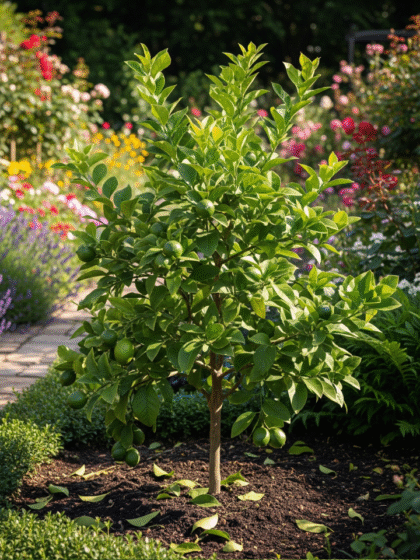
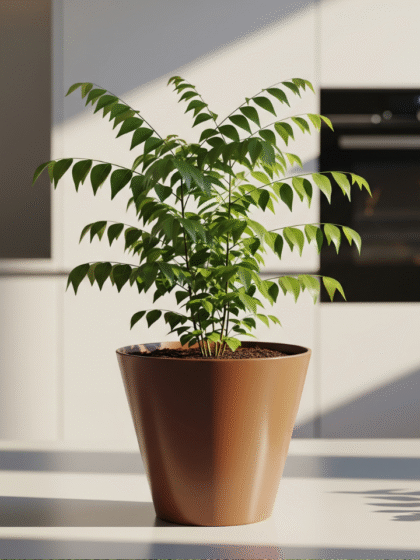
Mint is a natural starting point for anyone collecting medicinal herbs to grow at home, though we list it for cooking and fragrance, not for medicine. Give it a neighbour rather than a shared pot. A tulsi pot for the sunnier ledge beside it completes the classic herb pair, and a kadi patta plant for the brightest corner of the terrace takes the full sun that mint would rather avoid. For fresh nimbu-pudina sherbet, add a lemon plant to squeeze over the mint. In a shadier, damper spot, a paan plant that shares its taste for moist soil and half shade fits well. Browse our fruit and spice plants for a kitchen garden to fill the rest.
Bring fresh pudina home this week
Every plant is raised at our own nursery and packed to travel. Give it a wide pot, morning sun and steady water, and within a few weeks you will be picking fresh mint straight into the chutney.

































There are no reviews yet.