Thankuni is Centella asiatica, a perennial herb from the carrot and parsley family, Apiaceae. It grows wild along pond banks, paddy bunds and damp roadsides across tropical Asia, including most of India. It goes by many names: thankuni pata in Bengali, mandukaparni in Sanskrit, vallarai in Tamil, thalkudi in Odia, and gotu kola in Sri Lanka, the name most used in international searches.
What you will notice:
- Leaves. Round to kidney-shaped, about 2–5 cm across, with softly scalloped edges, held on slender stalks 5–15 cm long. They are smooth and fresh green, and taste mildly bitter and grassy.
- Runners. Thin, green to reddish stems creep along the soil and root wherever a node touches the ground. This is how one pot slowly becomes a carpet.
- Flowers. Tiny pinkish-white to crimson clusters hidden low among the stalks. Most owners never notice them.
- Height. A ground-hugging plant, usually 5–15 cm tall, that spreads sideways rather than upwards.
Thankuni or Brahmi: which plant is this?
They are two different plants, and many buyers confuse them. Thankuni has round, long-stalked leaves and creeps flat along the soil. True Brahmi, Bacopa monnieri, has small, thick, oval leaves set in pairs straight on the stem, and it grows as a sprawling mat in shallow water. In parts of north India, thankuni is also sold as "brahmi booti", which adds to the mix-up. If the fleshy-leaved herb is the one you want, choose bacopa, the succulent-leaved herb also sold as brahmi instead. Both plants enjoy the same moist, half-shaded spot.
Where should you keep a Thankuni plant at home?
Pick the brightest place that escapes the fierce afternoon sun. Good spots include:
- An east-facing balcony. Morning light and afternoon shade suit it perfectly; it sits comfortably among container plants for east facing balcony corners.
- A kitchen windowsill. A bright sill with a few hours of direct morning sun works well, and it is one of the most useful small kitchen plants for anyone who cooks Bengali food.
- A hanging basket. The runners trail over the rim and form a soft green curtain. It makes an unusual edible choice among hanging garden plants for a shaded verandah.
- A courtyard or garden bed. Under a tree, along a drain or beside a water tank, anywhere the soil stays damp. In open ground it can spread quickly, so edge the bed if you want to keep it in place.
- Not a dark room. Without some direct light the leaves shrink, the stalks stretch and the plant thins out within weeks.
Can Thankuni grow indoors?
Yes, but only on a bright windowsill that gets at least two to three hours of direct morning sun. A room lit only through curtains is too dim. Indoor plants dry out faster than you might expect, so check the soil daily and rotate the pot every week so the runners fill out evenly.
Product Specifications
- Plant name: Centella Plant (Thankuni)
- Botanical name: Centella asiatica (L.) Urb.
- Common names: Thankuni, thankuni pata, Indian pennywort, Asiatic pennywort, gotu kola, mandukaparni, vallarai
- Plant family: Apiaceae (carrot and parsley family)
- Origin: Tropical and subtropical Asia, including India, and parts of Africa and Australia
- Plant type: Creeping perennial herb; edible leafy plant
- Propagation of supplied plant: Rooted runners
- Leaves: Round to kidney-shaped, 2–5 cm across, scalloped edges, on stalks 5–15 cm long
- Flowers: Tiny pinkish-white to crimson clusters near the soil; not ornamental
- Growth habit: Low, ground-hugging and spreading by runners that root at the nodes
- Height: About 5–15 cm
- Growth rate: Fast in warm, humid weather; slow in winter
- Suitable placement: East-facing balcony, bright kitchen windowsill, hanging basket, shaded courtyard or damp garden bed
- Light requirement: Bright light with two to four hours of morning sun; shade from strong afternoon sun
- Water requirement: High; keep the soil evenly moist at all times
- Soil requirement: Rich, moisture-holding loam with compost and cocopeat
- Temperature: Happiest between about 18 °C and 35 °C; slows in cool weather; not frost-hardy
- Fertiliser: Compost or vermicompost every four weeks from February to October
- Maintenance: Low to moderate; daily soil check in summer and regular picking
- Common pests and problems: Snails, slugs, aphids, mealybugs; leaf scorch in harsh sun; yellowing when dry
- Difficulty level: Easy, with steady moisture
- Suitable environment: Warm, humid plains and coasts across India; needs winter protection in the north
- Edible use: Leaves and tender stalks are eaten fresh in Bengali cooking
- Safety: Not listed by the ASPCA; not classed as pet-safe
How do you care for a Thankuni plant in a pot?
- Soil. Use a rich, moisture-holding mix: two parts garden soil, one part compost or well-rotted cow dung manure and one part cocopeat. Avoid sandy, fast-draining mixes made for succulents.
- Watering. This is a marsh plant, so water is the one thing it cannot do without. Water whenever the surface feels only slightly dry. In April and May that may mean twice a day; in the monsoon, perhaps every few days. On hot days you can leave a little water in the saucer.
- Light. Morning sun and bright shade give the largest, greenest leaves. Strong afternoon sun in a Bengal summer scorches the edges and turns the leaves pale.
- Feeding. A handful of compost or vermicompost every four weeks from February to October keeps fresh leaves coming. Skip strong chemical fertilisers if you plan to eat the leaves.
- Harvesting. Pick the larger outer leaves with their stalks, or snip whole runners, leaving at least a third of the plant behind. It regrows quickly in warm, humid weather.
- Spreading and repotting. When the pot is packed, lift a few rooted runners and pot them up separately, or move the clump to a wider container. Thankuni sits well alongside other local medicinal plants that share a damp, shaded shelf.
A year with Thankuni in Bengal
Our plants grow in the warm, humid Hooghly climate, and these timings suit most of the eastern plains.
February to April: fresh growth. New runners appear as the days warm. Top-dress with compost, divide crowded pots and start regular picking.
May to June: heat. The hardest months. Move the pot out of the afternoon sun, water morning and evening, and group it with other pots to keep the air around it humid.
July to September: monsoon. The plant is at its happiest now and spreads fastest. It is one of the herbs that flourish once the rains arrive, so this is the best time to plant and to share runners. Watch for snails and slugs after heavy rain.
October to November: steady picking. Cooler nights and soft sun give tender, full-sized leaves.
December to January: the cool season. Growth slows and older leaves may yellow. Water less often, give it more sun and pick lightly. In north India, protect it from frost; it bounces back in spring.
Why are my Thankuni leaves turning yellow or drying?
- Yellow, crisp foliage. The soil dried out, or the plant is getting harsh afternoon sun. Water more often and move it to morning light.
- Small leaves on long, thin stalks. Too little light. Give it a brighter spot with some direct morning sun.
- Pale growth in a packed container. Hungry or root-bound. Add compost, or divide the clump and repot.
- Soft, brown patches in winter. Cold, wet soil and still air. Water less, let the surface dry slightly between waterings and give it more sun.
- Holes and slime trails. Snails and slugs, mostly in the monsoon. Pick them off in the evening and keep the pot raised off the ground.
- Curled, sticky foliage or white fluff. Aphids or mealybugs. Rinse them off with water, or spray diluted neem oil every seven to ten days. Wash the leaves well before eating.
Thankuni in the Bengali kitchen and in tradition
In Bengal, thankuni pata is everyday food rather than a rare herb. Fresh leaves are ground into thankuni bata with garlic and mustard oil and eaten with hot rice, fried into crisp bora, or added to light fish jhol. Many families still drink a little juice pressed from the leaves in the morning, a habit passed down from grandparents.
It also has a long history in Ayurveda, where it is known as mandukaparni. That is tradition, not medical advice. Concentrated gotu kola products have been linked to rare liver reactions, so please speak to a doctor before using the herb regularly as a remedy, especially during pregnancy, while breastfeeding or alongside other medication. Eat it the way Bengali kitchens always have: fresh, in modest amounts, as part of a meal.
Is the Thankuni plant safe around children and pets?
The plant has no thorns, no milky sap and no strong smell, and families across Bengal handle and eat its leaves every day. The ASPCA has no entry for Centella asiatica, so we do not class it as pet-safe. Keep cats and dogs from grazing on it, and wash leaves well before they go to the table.
What to plant with Thankuni
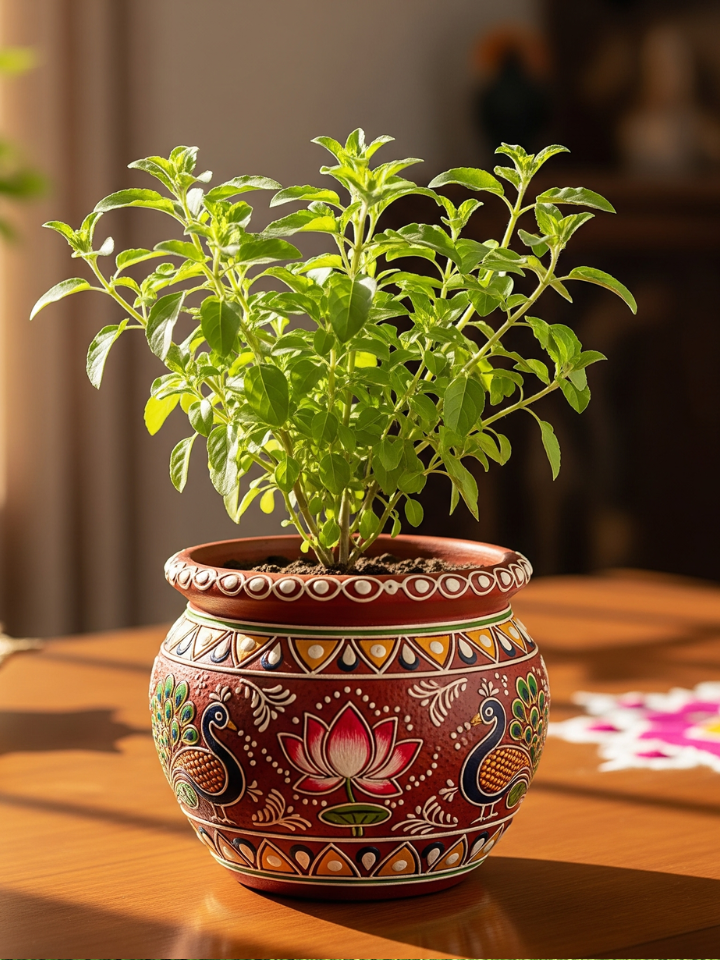
Thankuni shares its love of damp soil and half shade with several kitchen favourites. Grow a pudina pot that shares its thirst for damp soil on the same shelf, and train a betel vine for the same humid, half-shaded corner up the wall behind it. For the sunnier end of the balcony, add a holy basil plant for the brighter spot beside it, since tulsi needs far more sun and less water than thankuni does.
Bring home fresh thankuni pata
Order your Centella plant now and it can settle in while the weather is still warm and humid. Every pot is raised and packed at our own nursery in West Bengal, and we send it to the towns and cities where we deliver live herbs across India. Give it a moist pot and soft morning light, and your first harvest will be ready within a few weeks.



































There are no reviews yet.