Curry leaf is Murraya koenigii, now also classified as Bergera koenigii, a small tree in the citrus family, Rutaceae. It is native to the Indian subcontinent and South-East Asia, which is why it grows so easily in Indian courtyards and kitchen gardens. It is kadi patta or meetha neem in Hindi, kari pata in Bengali, kadhi patta in Marathi, karuveppilai in Tamil, karivepaku in Telugu, kariveppila in Malayalam, karibevu in Kannada and mitho limdo in Gujarati.
What you will notice first:
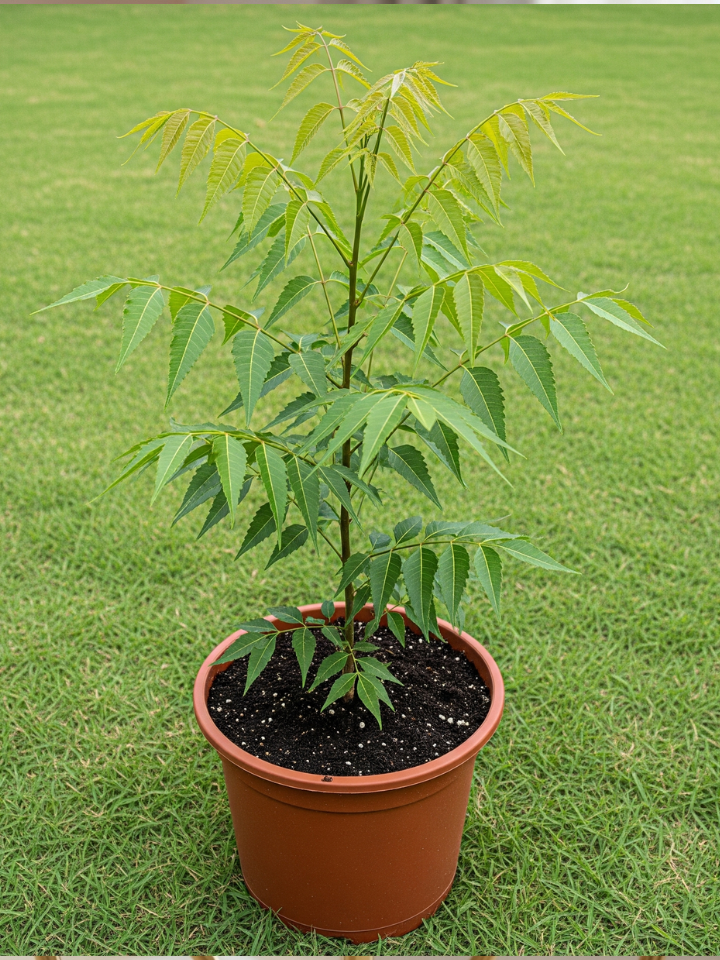
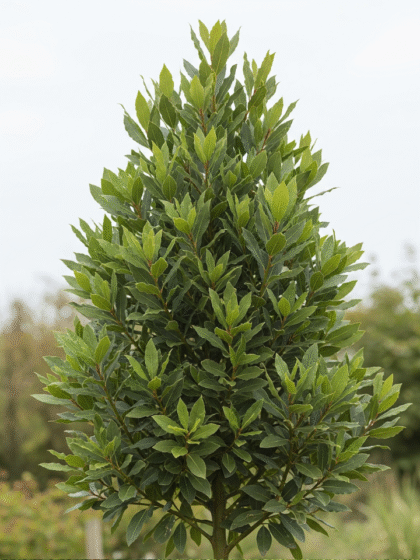
- Leaves. Long, feather-like leaves made of 11–21 small, glossy, pointed leaflets. Brush against them and the air fills with the warm, citrusy scent every Indian cook knows.
- Stems. Slender, upright stems with smooth grey-brown bark and no thorns, which makes picking easy.
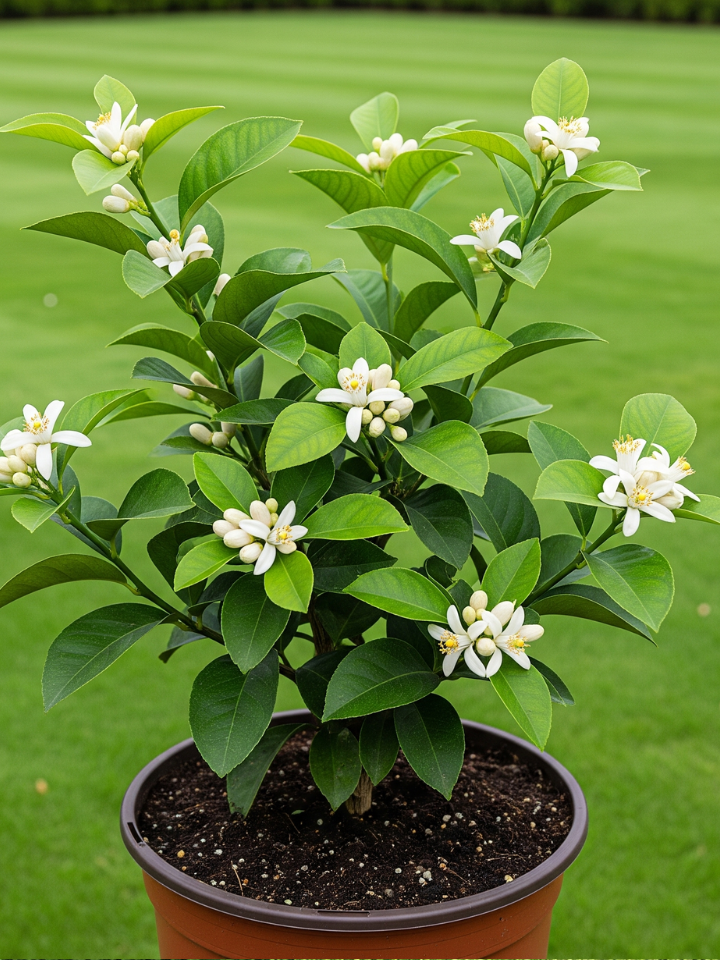
- Flowers. Clusters of small, creamy-white, sweetly fragrant flowers at the branch tips in spring.
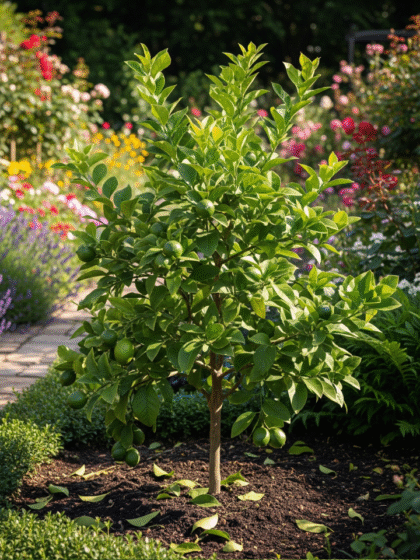
- Berries. Small berries that turn from green to shiny purple-black. Birds love them; the seeds are not for eating.
Why grow kadi patta at home?
- Fresh leaves whenever you cook. A sprig picked a minute before the tadka has far more aroma than a packet that has sat in the fridge for a week.
- One plant, years of harvest. A healthy shrub keeps producing for many years and grows back quickly after each picking.
- It suits a pot. Few kitchen herbs are this long-lived in a container, so a terrace or balcony is enough.
- Low fuss. It shrugs off heat, needs no staking and has no thorns.
- A living part of the kitchen. Growers in the south often keep a plant by the back door, and in Bengal it is just as happy on a sunny roof.
Where should you keep a curry leaf plant?
Sun is what it asks for most. The best spots are:
Not indoors for long. Indoors it grows thin, drops leaves and loses its scent. A very sunny window can hold a young plant for a few weeks, but it belongs outside.
Product Specifications
- Plant name: Curry Leaves Plant / Curry Leaf Plant / Kadi Patta Plant
- Botanical name: Murraya koenigii (also listed as Bergera koenigii)
- Common names: Curry leaf, sweet neem; kadi patta or meetha neem (Hindi), kari pata (Bengali), kadhi patta (Marathi), karuveppilai (Tamil), karivepaku (Telugu), kariveppila (Malayalam), karibevu (Kannada), mitho limdo (Gujarati)
- Plant family: Rutaceae (citrus family)
- Origin: Indian subcontinent and South-East Asia
- Plant type: Evergreen aromatic shrub or small tree; perennial culinary herb
- Foliage: Pinnate leaves of 11–21 glossy, pointed leaflets; strongly aromatic when brushed or crushed
- Flowers: Small, creamy-white, fragrant, in clusters at branch tips
- Flowering in India: Mainly March to May
- Berries: Small, green ripening to purple-black, around July to August; seeds not for eating
- Harvest: Light picking once settled; regular harvest from about 10–12 months after planting, then every three to four months
- Growth habit: Upright, branching, thornless shrub; bushier with tip pinching
- Growth rate: Slow at first, moderate once established
- Mature size: About 1–2 m in a large pot; about 4–6 m in the ground if unpruned
- Suitable placement: Sunny terrace, sunny balcony, kitchen garden, courtyard or garden bed; outdoors
- Light requirement: Full sun, at least five to six hours of direct sun a day; tolerates light afternoon shade
- Water requirement: Moderate; water when the top 2–3 cm is dry; reduce in winter; never waterlogged
- Soil requirement: Light, well-drained loam or sandy loam with compost
- Climate: Warm, frost-free weather; grows best at about 26–37 °C; growth slows in cool weather and frost damages it
- Fertiliser: Compost or vermicompost every six to eight weeks, February to October, and after each big harvest
- Common pests and problems: Lemon butterfly caterpillar, psyllids, scale insects, aphids, mealybugs, leaf spot, winter leaf yellowing
- Maintenance: Low; regular picking, light feeding, caterpillar checks
- Difficulty level: Easy
- Suitable environment: Tropical and subtropical plains across India; mild hills with winter protection
- Special features: Thornless; long-lived in a container; fresh culinary leaves year after year
- Safety: Not listed by the ASPCA; not classed as pet-safe; berry seeds not for eating
How do you grow curry leaves in a pot?
- Pot. Start in a 10–12 inch pot and move up to a 14–18 inch pot or grow bag within a year. Several drainage holes are essential.
- Soil. Mix two parts garden soil, one part well-rotted cow dung manure or compost and one part coarse sand or brick chips. TNAU names red sandy loam as ideal, so aim for a light, gritty mix rather than heavy clay.
- Watering. Water deeply when the top 2–3 cm is dry. In April and May a pot may need water every day or two; in December and January, once a week is often enough. Soggy soil is the quickest way to lose the plant.
- Feeding. Add a handful of compost or vermicompost every six to eight weeks from February to October, and a little more after each big harvest. Stop feeding in the cool months.
- Shaping. Pinch the growing tip when the plant reaches about 30 cm so it branches from lower down. A bushy plant gives more leaf than a single tall stem.
- Repotting. Every two years, trim the outer roots lightly and refresh about a third of the soil. Spring, just before new growth, is the best time.
How long before you can harvest curry leaves?
Give a young plant a few months to root in and put on new growth before you pick more than the odd sprig. TNAU advises that the first regular harvest comes 10–12 months after planting, and that established plants can then be picked every three to four months. At home, that means a sprig here and there in the first season, and steady picking for the kitchen from about the end of the first year. The plant grows faster and bushier in its second and third years, so patience early on pays off.
How do you pick curry leaves without harming the plant?
- Cut whole sprigs, not single leaflets. Snip a full leaf stalk or a short branch tip just above a leaf joint. New shoots will grow from there.
- Take from the top and outside first. This keeps the plant compact and lets light reach the centre.
- Leave most of the plant alone. Never remove more than about a third of the leaves at one time.
- Pinch off flower clusters if you want leaves. Many growers remove the spring flowers so the plant puts its energy into fresh foliage.
- Rest it in winter. Pick lightly from December to February, when growth slows.
When does a curry leaf plant flower and fruit in India?
The plant flowers in spring, mostly from March to May, with clusters of small white flowers that bees visit. Berries follow and ripen to shiny purple-black by about July and August, which is when TNAU advises collecting fresh fruit for seed. The seeds lose their ability to sprout within days, so growers sow them almost immediately. Flowering is a sign of a healthy plant, but if leaves are your goal, most home gardeners pinch the flowers off.
A year with kari pata in Bengal
Our herbs are raised in the same humid Hooghly climate described here, so these timings suit most of the eastern plains. For more plants that share this appetite for heat, see herbs, fruits and flowers that want full sun.
March to May: flowers and fresh growth. The plant wakes up with a flush of bright new leaves and its spring flowers. Water often, mulch the pot and pinch the flowers if you want more foliage.
June to September: planting and fast growth. The rains are the best time to plant or repot, as warm, moist air helps roots spread. Let pots drain fully after every downpour, and check new shoots for caterpillars and sap-sucking bugs.
October to November: the best harvest. Growth is strong and the leaves are at their most aromatic. Pick freely, feed after a big harvest and shape the plant.
December to February: the slow season. Growth nearly stops and a few leaves may yellow. Water less, pick lightly and keep the pot out of cold wind. In north India, where nights are colder, the plant may drop many leaves and sprout again in spring.
Why are my curry leaves turning yellow or falling?
- Yellow leaves in winter. Usually cold plus wet soil. Water less, keep the plant in the sunniest spot and wait for spring growth.
- Yellow leaves all year. Overwatering, poor drainage or a hungry plant. Let the soil dry a little between waterings and add compost.
- Yellow between green veins. A shortage of iron or other micronutrients, common in alkaline soil or hard water. A micronutrient feed for fruit and herb plants usually helps.
- Leaves eaten overnight. Caterpillars of the lemon butterfly, which TNAU lists as a pest of curry leaf. Young ones look like bird droppings; older ones are green. Pick them off by hand.
- Curled shoots, sticky leaves or black soot. Psyllids, aphids or scale insects. Wipe them off and spray neem oil every seven to ten days until clear.
- White, cottony clusters. Mealybugs. Dab with neem oil or wipe off, and check the undersides of leaves.
- Brown spots on leaves. Leaf spot, worse in wet, crowded conditions. Remove affected leaves and prune for airflow.
Is a curry leaf plant safe around children and pets?
The leaves are everyday food and the plant has no thorns, which makes it easy to keep in a family garden. The berry seeds are generally regarded as unsafe to eat, so teach children to leave the berries for the birds. We could not find curry leaf on the ASPCA lists of plants toxic or non-toxic to dogs and cats, so we do not class it as pet-safe. Keep pets from chewing the leaves and fallen berries.
What to plant with a curry leaf plant
Kadi patta is a natural centrepiece among herbal plants for a home kitchen garden. A citrus-family cousin fits the same bright spot, so add a nimbu plant for the same kitchen corner. For a traditional trio, grow a holy basil pot to sit beside it, and if you have ground to spare, plant an amla plant for the sunny end of the garden. Browse more spice plants for an Indian kitchen garden to complete the set.
Bring fresh kadi patta home this season
Every plant is raised at our own nursery and packed to travel, and you can order it through live plants online shopping with the family that grows them. Give it your sunniest spot and a pot that drains, and within a year you will be snipping fresh sprigs straight into the pan




































There are no reviews yet.