What is a lichi plant?
Lichi is Litchi chinensis, a subtropical evergreen tree of the soapberry family, Sapindaceae, the same family as longan and rambutan. It comes from southern China and has been grown in India for more than two centuries, with Bihar, West Bengal, Jharkhand, Assam and the Uttarakhand foothills among the main growing areas. In Bengali it is lichu (লিচু), in Hindi litchi or lichi, and in English lychee.
What you will notice first:
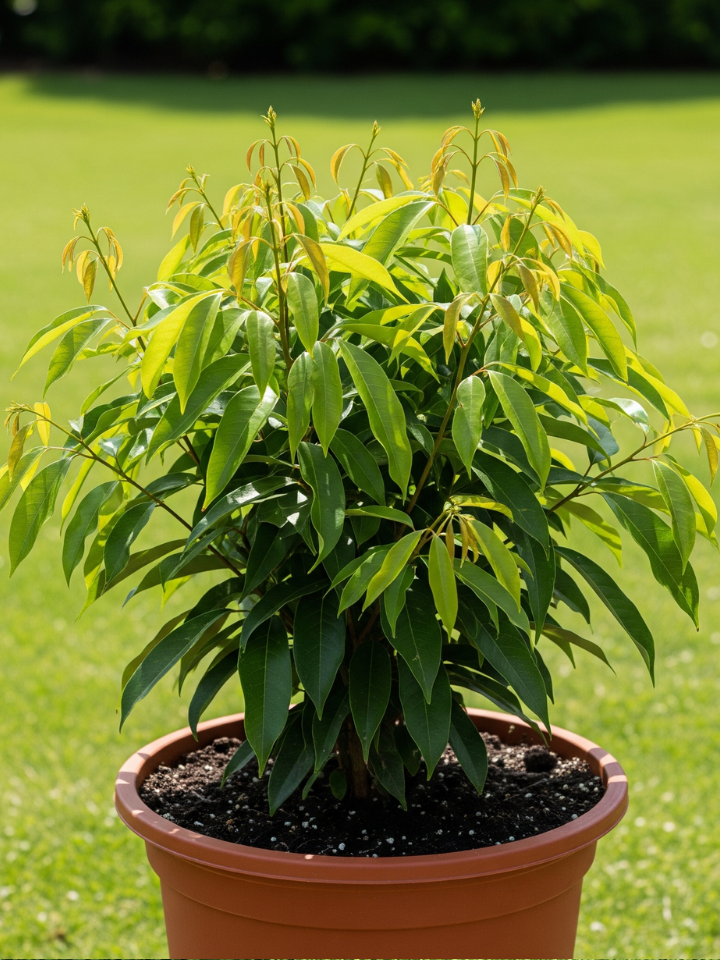
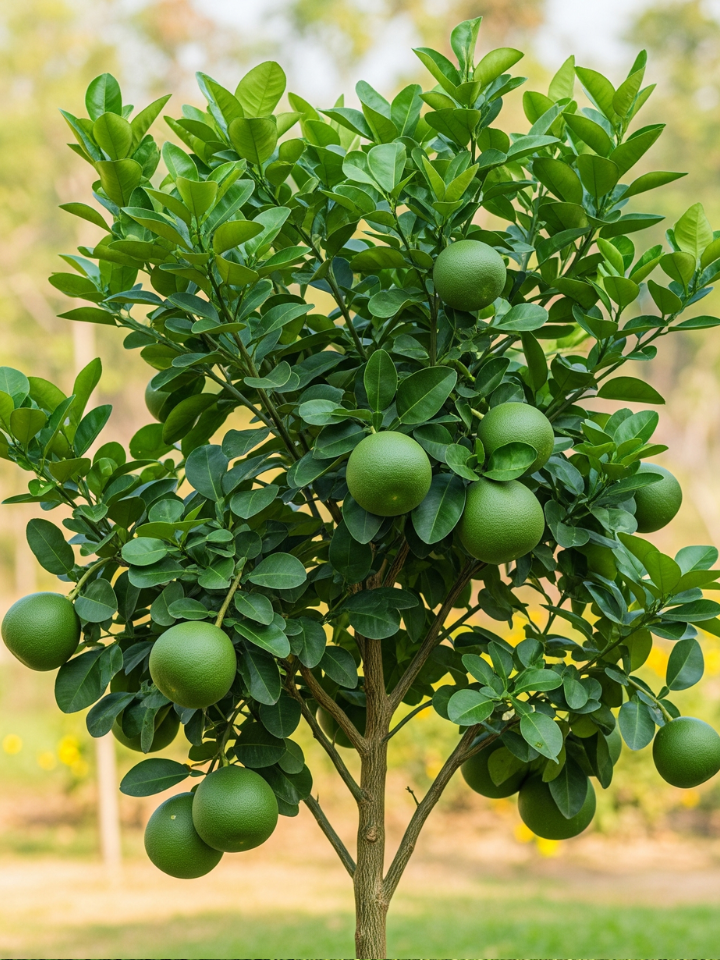
- Leaves. Compound leaves made of two to four pairs of glossy, dark green, pointed leaflets. Each new flush opens a striking coppery red before it turns green.
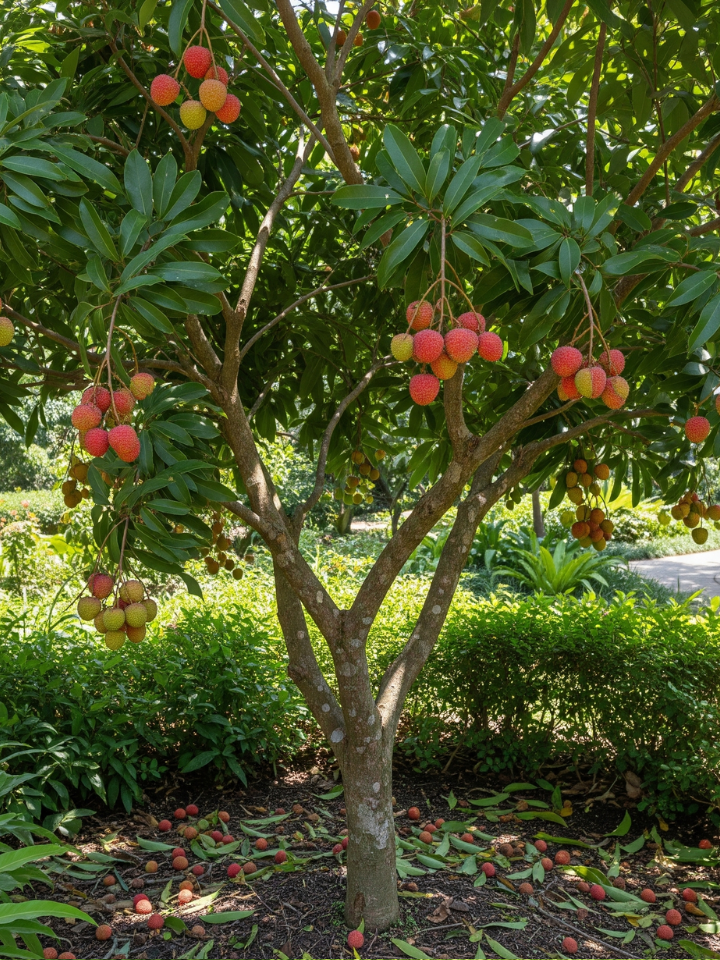
- Crown. A dense, rounded, dome-shaped canopy that reaches almost to the ground on a well-grown tree.
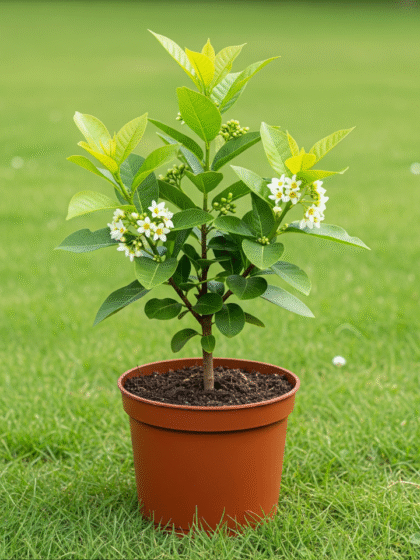
- Flowers. Large, branched sprays (panicles) of tiny greenish-white to yellowish flowers at the shoot tips in late winter. They have no petals but attract plenty of bees.
- Fruit. Round to heart-shaped fruit about 3–4 cm across, hanging in bunches. The thin, bumpy skin turns pink to deep red, and inside is a translucent white, fragrant flesh around a single glossy brown seed.
Why grow a lichi tree at home?
- The first fruit of summer, from your own garden. Fresh-picked lichi is at its sweetest within a day or two of harvest, long before it reaches a market stall.
- Beautiful all year. Glossy leaves, red new growth and a dense canopy make it an ornamental tree even when it is not fruiting.
- Long-lived. A healthy tree can keep bearing for decades and becomes a family landmark.
- Part of the Bengal summer. Lichi, mango and jackfruit fill the fruit plate at Jamai Sasthi, and a home lichi tree is often shared with half the neighbourhood.
Where should you plant a lichi tree?
Lichi needs sun, space, steady moisture and shelter from hot, drying winds. The best spots are:
- A garden, courtyard, farmhouse or orchard corner. Open ground is where it fruits best. Leave about 6–8 m from the house, the boundary wall and other large trees. It is one of the best outdoor plants for home garden planting when you want both shade and fruit from the same tree.
- Near a wall or taller trees on the west side. Some shelter from dry westerly winds in April and May helps prevent fruit from cracking.
- A large terrace, in a half-drum, with realistic hopes. Lichi can live for years in a half-drum or a 24-inch grow bag at least 60 cm deep, but it fruits lightly and less reliably than in the ground. Among plants and trees for terrace garden setups, treat it as a leafy shade tree that may give a small crop. Stand the drum on bricks and check that the roof can take the weight.
- Not on a balcony, and not indoors. The tree needs full sun, open air and deep roots to grow and flower.
Will lichi grow and fruit in my climate?
Lichi fruits best where winters are cool and dry and the summer air is humid. That describes much of Bihar, West Bengal, Jharkhand, Assam, the north-eastern states and the foothills of Uttarakhand and Himachal Pradesh. In these areas a short, cool, dry spell in December and January prompts the tree to flower. In the hot, dry plains of the north-west and the warm south, the tree grows well but often flowers poorly or not at all. It is not frost-hardy while young. If you live outside the main lichi belt, grow it for its foliage and shade and treat any fruit as a bonus.
Product Specifications
- Plant name: Lichi Plant (Litchi / Lychee)
- Botanical name: Litchi chinensis
- Common names: Lychee, litchi; lichi (Hindi), lichu (Bengali), leechi (Marathi), lichi pazham (Tamil)
- Plant family: Sapindaceae (soapberry family)
- Origin: Southern China; grown in India for more than two centuries
- Plant type: Evergreen subtropical fruit tree
- Foliage: Compound leaves with two to four pairs of glossy, dark green leaflets; new flushes coppery red
- Flowers: Branched sprays of tiny greenish-white to yellowish flowers at shoot tips; attract bees
- Flowering season in India: About late January to March on the eastern plains
- Fruiting season in India: About early May to June on the eastern plains; later in the hills
- Years to first fruit: About three to five years for air-layered plants; eight years or more for seedlings
- Fruit: Round to heart-shaped, about 3–4 cm, in bunches; pink to red bumpy skin; sweet, translucent white flesh around one brown seed
- Growth habit: Dense, rounded, dome-shaped evergreen tree
- Growth rate: Slow to moderate
- Mature size: About 4–6 m with pruning; 10–12 m if left to grow; smaller in a half-drum
- Suitable placement: Garden, courtyard, farmhouse or orchard; large sunny terrace in a half-drum for a light crop; outdoors only
- Light requirement: Full sun, at least six hours of direct sun a day
- Water requirement: Moderate to high; steady moisture during fruit development; a drier spell in early winter for mature trees; no waterlogging
- Soil requirement: Deep, fertile, well-drained loam rich in organic matter; slightly acidic, pH about 5–7
- Climate: Subtropical; fruits best with a cool, dry winter and a humid summer; young plants are damaged by frost and hot, dry winds
- Fertiliser: Compost or cow dung manure at the start of the monsoon and after harvest; no nitrogen feed in late autumn
- Common pests and problems: Erinose mite, fruit and shoot borer, bark-eating caterpillar, fruit cracking, birds and bats at harvest, root rot from waterlogging
- Maintenance: Moderate; seasonal feeding, careful watering, light pruning, netting at harvest
- Difficulty level: Moderate
- Suitable environment: Lichi-growing regions of eastern, north-eastern and sub-Himalayan India; grows as a foliage tree elsewhere
- Safety: Thornless; not listed by the ASPCA; not classed as pet-safe; seed is not edible
How do you plant and care for a lichi plant?
- Planting time. The monsoon, from about July to September, is best. Warm, moist soil helps the roots settle.
- Pit and soil. Dig a pit about 60–90 cm wide and deep. Fill it with garden loam mixed with well-rotted cow dung manure or compost. Lichi prefers slightly acidic soil, with a pH of roughly 5 to 7. Heavy clay that stays wet causes root rot.
- A handful of old lichi soil. Lichi roots work with helpful soil fungi (mycorrhiza). Growers traditionally mix a few handfuls of soil from under an established lichi tree into the planting pit. Your sapling arrives with its own root-zone soil, so keep that root ball intact.
- Watering. Water young plants regularly so the soil never dries out completely. From flowering until harvest, keep the soil evenly moist; this is the stage when a dry spell causes cracking and fruit drop. For mature trees, hold back water from about November until the flower sprays appear.
- Feeding. Add compost or cow dung manure at the start of the monsoon and again after harvest, and increase the amount as the tree grows. Avoid heavy nitrogen feeding in autumn, which pushes leaves instead of flowers.
- Mulch. A thick layer of dry leaves or straw over the root zone keeps the shallow roots cool and holds moisture through April and May.
- Pruning. Lichi needs little pruning. Shape a young tree to three or four main branches, then remove only dead, weak and crossing wood. At harvest, cut each bunch with about 15–20 cm of its twig; this encourages the new shoots that bear next year's flowers.
How many years does a lichi plant take to fruit?
An air-layered (gootee) litchi plant usually begins fruiting in about three to five years, and the crop grows larger each year after that. A tree raised from seed can take eight years or more and may give fruit quite unlike its parent, which is why nurseries sell air-layered plants. Some trees fruit heavily one year and lightly the next; this alternate bearing is common in lichi and evens out with steady care.
When does lichi flower and fruit in India?
On the eastern plains, flower sprays appear from about late January to March. Fruit sets soon after and ripens in roughly two months. In West Bengal the earliest varieties are ready in the first week of May, and the main harvest runs through May into June. In Bihar, Shahi ripens from late May and China follows in June, while trees in the hills ripen later, into July. Pick lichi when the skin has turned fully pink or red and the bumps on the skin have flattened slightly. Fruit does not ripen further once picked.
A year with lichu in Bengal
Our saplings are raised in the humid Kolkata climate, and these timings suit most of the eastern plains.
July to September: planting. Plant during the rains so the roots establish before winter. Water only when the soil dries between showers, and make sure the pit drains.
October to December: rest before flowering. New leaf flushes harden off. On bearing trees, cut back water from November and skip nitrogen feeds, so the tree is ready to flower.
January to March: flowering. Flower sprays appear at the shoot tips and bees arrive in numbers. Resume light, regular watering once the sprays are visible.
April: fruit swelling. Keep the soil evenly moist and the mulch thick. Hot, dry winds are the main cause of cracked fruit at this stage.
May to June: the harvest. Lichi, mango and jackfruit all ripen in time for Jamai Sasthi in Jaistha. Net the tree a week or two before picking, because birds, bats and squirrels find ripe lichi fast.
Why is my lichi fruit cracking, dropping or not forming?
- Fruit splitting open. Usually hot, dry wind and uneven watering as the fruit swells. Water regularly, mulch well and shelter the tree from westerly winds. Calcium and boron shortage can add to the problem.
- Tree grows leaves but no flowers. A winter that is too warm, too much water in early winter, or late nitrogen feeding. Hold back water and fertiliser from November, and remember young trees need a few years before they flower.
- Leaves curled with brown, velvety felt underneath. Lichi erinose mite. Cut off and destroy affected shoots, and spray neem oil on new flushes. Seek local advice if it spreads.
- Holes in young fruit or wilting new shoots. Fruit and shoot borer. Remove damaged shoots and fruit, and bag bunches in fine net or paper once the fruit sets.
- Webbing and tunnels on the bark. Bark-eating caterpillar. Clear the webbing, clean the hole and seal it.
- Fruit pecked or missing overnight. Birds, bats or squirrels. Net the tree before the fruit colours.
Is the lichi tree safe around children and pets?
The tree has no thorns and the fruit is everyday summer food. Two cautions matter. Eat only fully ripe fruit, and do not let young children eat large amounts of lichi, especially unripe fruit, on an empty stomach; researchers who studied childhood illness in Muzaffarpur recommend this. The seed is hard and should never be eaten. Lichi does not appear on the ASPCA lists of plants toxic or non-toxic to dogs and cats, so we do not class it as pet-safe. Keep pets from chewing seeds and fallen fruit, because the seed can cause choking or a blockage.
What to plant with a lichi tree
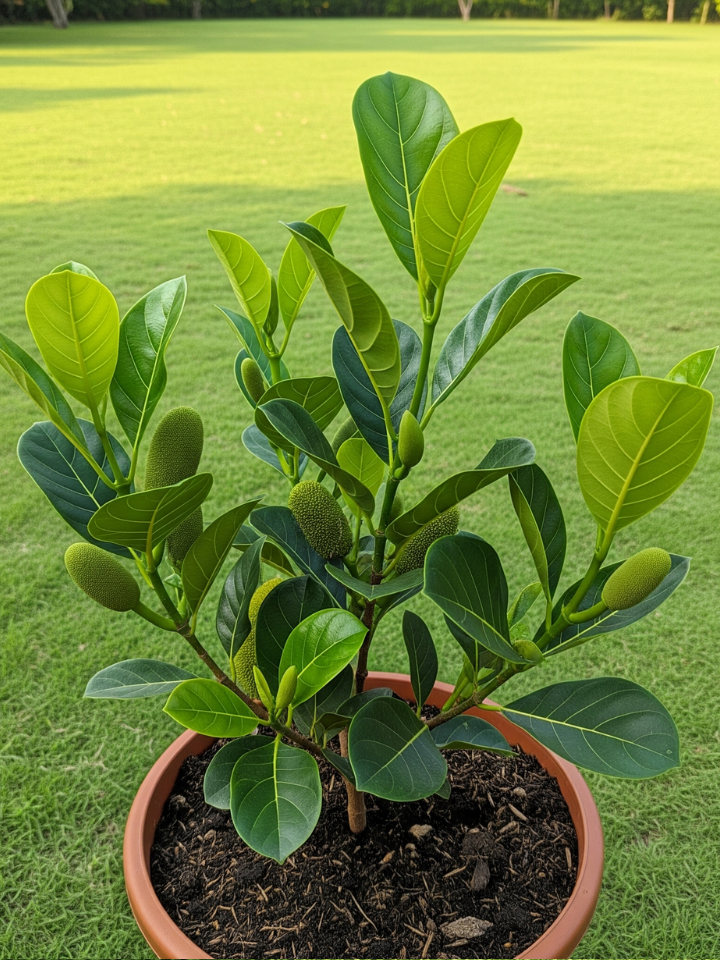
Lichi shares its season, and much of its care, with the other summer fruit trees of a Bengal homestead. Add a grafted jackfruit for summer shade and fruit at the far end of the garden, an mango sapling for the other side of the garden and a water apple plant for crisp summer fruit where the ground stays damp. For more choices, browse our fruit saplings that ripen before the monsoon or plan the rest of the garden with our outdoor plants name list for Indian homes.
Plant a lichi tree this monsoon
Order during the rains and your sapling has a full growing season to settle before its first winter. Each plant is raised and packed at our own nursery in West Bengal and arrives ready to plant. Give it your sunniest sheltered spot and steady moisture, and in a few summers you will be picking lichi from your own tree.



























There are no reviews yet.