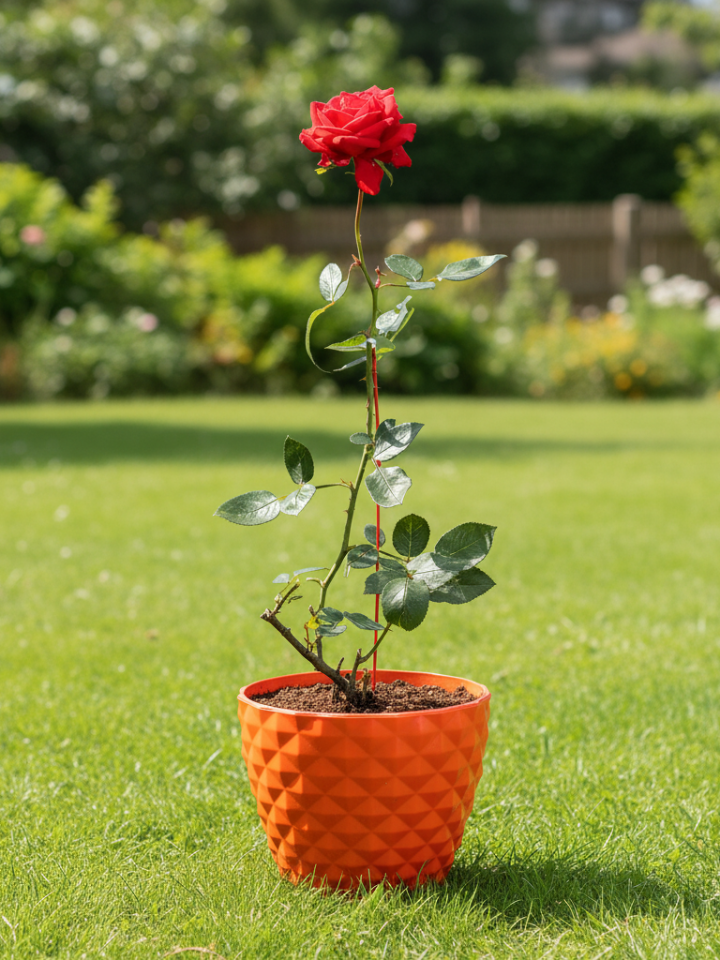
It is the classic red gulab of Indian gardens: the flower of wedding garlands, Valentine's bouquets and temple offerings, grown here as a living plant rather than a cut stem. In Bengali it is golap, in Hindi, Urdu and Marathi gulab, in Tamil and Malayalam rojaa or panineer poo, and in Telugu and Kannada gulabi. Roses belong to the family Rosaceae, and the garden forms sold today are hybrids bred over centuries from wild species of Asia and Europe.
The plant grows as a woody, upright bush with thorny green stems that turn brown as they mature. Each leaf is made of five to seven toothed leaflets, glossy dark green with a reddish flush on new growth.
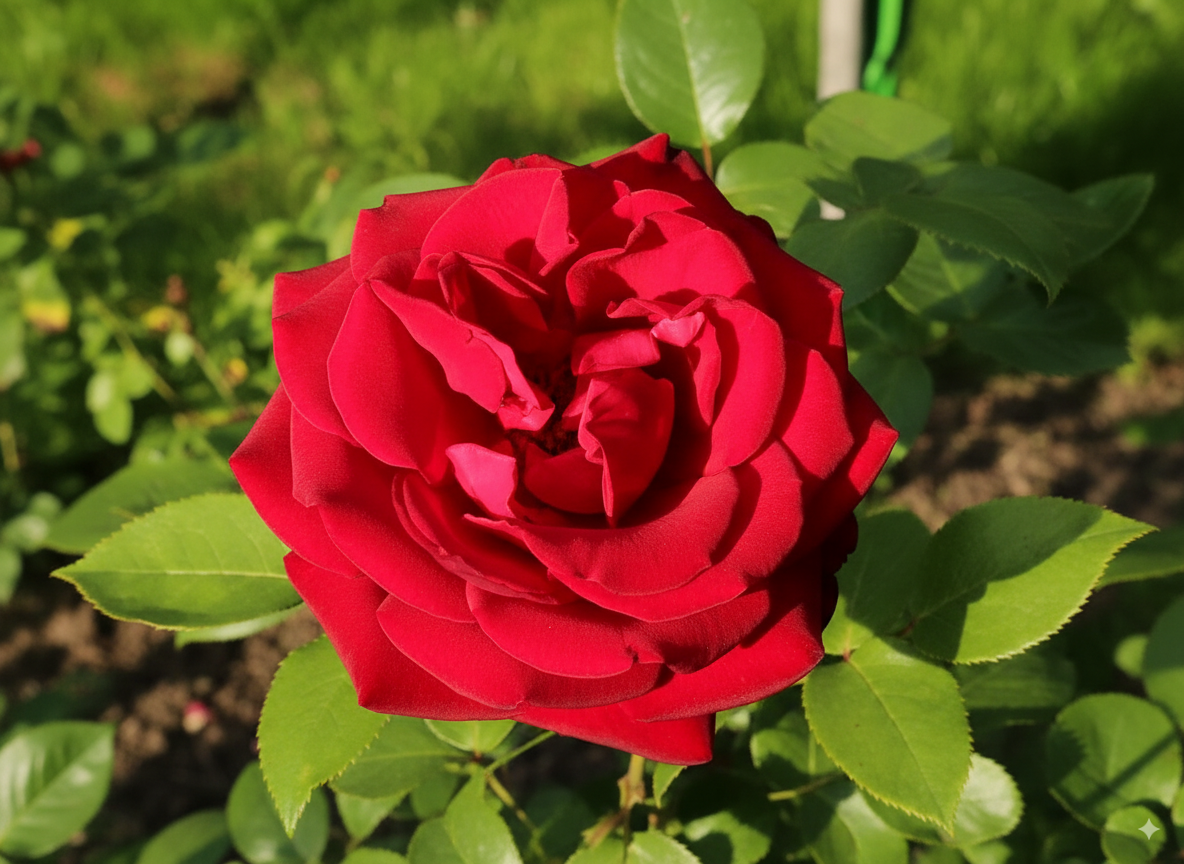
The blooms are what you are buying. Tight, pointed buds open into cup-shaped flowers packed with deep crimson petals that have a velvet sheen in morning light. On a well-fed bush a single flower lasts three to five days in the cool months, and new buds keep coming behind it. Scent is light to moderate, strongest in the early morning.
A red rose bush is also one of the few gifts that keeps giving. Pick it for an anniversary or a housewarming, and it goes on producing flowers every winter for years.
What it is not: an indoor plant. Without direct sun it stops flowering and weakens within a few weeks.
Where should you keep a rose plant?
Give a red rose plant your sunniest spot with some air movement. A rooftop in full sun is ideal, and the rose sits comfortably among rooftop plants that flower in the cool months. On a balcony, look for at least six hours of direct light, which usually means one of the plants for a south-facing balcony rather than a shaded north side.
In the ground, plant it in a bed that catches the morning sun and drains quickly after rain. A row of roses along a path or beside the gate joins the outdoor plants that want the sunniest spot you have, and the deep red reads beautifully against white walls and green lawns.
Product Specifications
- Plant name: Rose (Indian Red)
- Botanical name: Rosa hybrid (garden rose)
- Also known as: Gulab, golap, red rose, desi gulab, rojaa
- Plant family: Rosaceae
- Plant type: Woody, perennial flowering shrub
- Foliage: Dark green compound leaves of five to seven toothed leaflets; new growth flushed red
- Stems: Upright and thorny
- Flowers: Deep red, velvety, double (many-petalled) blooms
- Fragrance: Light to moderate
- Flower life on the plant: About three to five days per bloom in cool weather
- Flowering season in India: Heaviest from November to February; lighter flushes in spring; rests in the monsoon
- Growth habit: Bushy, upright shrub; repeat-flowering with deadheading
- Growth rate: Moderate
- Suitable placement: Sunny terrace, rooftop, south- or west-facing balcony, garden bed or border; outdoors
- Light requirement: Full sun, six hours or more of direct light
- Water requirement: Moderate; water deeply when the top 2–3 cm is dry
- Soil requirement: Rich, loamy, free-draining mix with manure or compost; slightly acidic to neutral
- Temperature: 12–30 °C ideal; tolerates summer heat with water and afternoon shade
- Fertiliser: Monthly organic manure October to March, plus a diluted liquid feed every 10–15 days in bud
- Pruning: One hard prune after the monsoon (late September to October); deadhead year-round
- Common pests and diseases: Aphids, thrips, mites; black spot, powdery mildew, dieback
- Propagation: Stem cuttings or budding onto rootstock
- Difficulty level: Moderate
- Suitable environment: Sunny, well-ventilated outdoor spaces across most of India
- Pet safety: ASPCA lists rose as non-toxic to dogs, cats and horses; thorns can injure
- Popular uses: Garden colour, gifting, festive and puja flowers
How do you grow a rose plant in a pot?
- Start in a 10–12 inch pot and move to 14 inches within a year. Depth matters more than width, and a drainage hole is essential.
- Two parts garden soil, one-part well-rotted cow manure or vermicompost, a little coarse sand, and a handful each of bone meal and neem cake. Roses like slightly acidic to neutral soil.
- Water deeply at the base when the top 2–3 cm feels dry, preferably in the morning. Avoid wetting the leaves in the evening; damp foliage overnight invites fungus.
- Roses are heavy feeders. Add compost or vermicompost monthly from October to March, with a diluted liquid feed every 10–15 days while buds are forming. Fermented mustard cake liquid, diluted well, is a traditional Bengal favourite.
- Snip each faded flower back to the first leaf with five leaflets. This pushes the plant into a fresh round of buds instead of seed.
- One hard prune a year, just after the monsoon, removing dead, weak and crossing stems and shortening the rest by a third to a half. Light tidying at other times is fine.
- Every two years, at pruning time, into fresh mix.
- Happiest at 12–30 °C. It survives Indian summer heat with water and some afternoon shade, but flowers best in the cool season.
When does a rose flower? The rose year in Bengal
These notes come from growing roses through the Bengal seasons at our Kolkata nursery, where the rose calendar runs almost opposite to most flowering shrubs.
Pruning time, late September to October. As the rains ease, prune hard, clear the old mulch and feed generously. Fresh red shoots appear within two weeks and the first buds five or six weeks after that.
Peak season, November to February. The best months by far. Blooms are larger, the red is deepest and each flower lasts longest in the cool air, which is why it ranks among the most rewarding winter flowering plants in India. Keep feeding and deadheading.
Spring into summer, March to May. Flowering continues into March, then slows. In April and May expect smaller, paler blooms that fade in a day or two. Water daily, mulch the pot and shade it from the harsh afternoon sun.
Monsoon, June to September. A resting season. Constant damp brings black spot, so keep pots raised for drainage, pick off spotted leaves, cut out dead wood and ease off heavy feeding until the October prune.
This seasonal rhythm is covered in more depth in our guide to the best outdoor plants in India for summer, monsoon and winter.
Why is my rose plant not flowering? Common problems and fixes
- Plenty of leaves, no buds. Usually too little sun, no pruning, or too much nitrogen. Move it into full sun, prune after the rains and switch to a balanced or potash-rich feed.
- Black spots on leaves, then yellowing and leaf drop. Black spot fungus, worst in the monsoon. Remove and bin affected leaves, water only at the base, improve air flow and use a suitable fungicide if it spreads.
- Stems turning black from a cut tip downwards. Dieback. Cut back into healthy green wood about 2 cm below the dark part and seal large cuts with a pruning paste or a dab of fungicide paste.
- Buds turning brown and crisp without opening. Often thrips, or buds baked in summer heat. Spray neem oil every five to seven days and give the plant afternoon shade.
- Tiny green insects on new shoots. Aphids. Wash them off with a strong spray of water and follow with neem oil.
- Fast shoots from below the graft with different leaves. Rootstock suckers. Cut them off at the source, or they will take over the plant.
- Leaf drop after delivery. Transit shock. It settles in two to three weeks in a sunny spot.
Is a rose plant safe for pets?
Yes, the plant itself is considered safe. The ASPCA lists rose as non-toxic to dogs, cats and horses. The thorns are the real risk, as they can scratch curious noses and paws. Keep bone meal, fertilisers and sprays out of reach, since dogs in particular are drawn to bone meal in the soil.
Companions for a rose bed
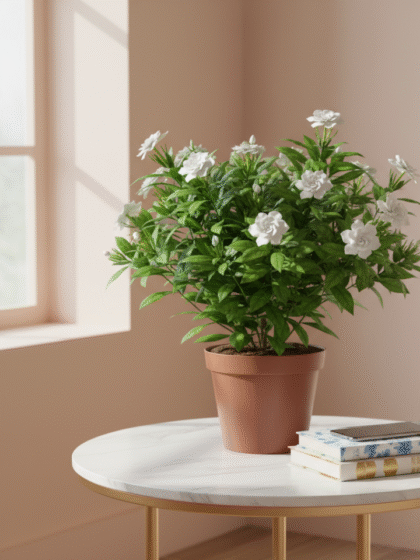
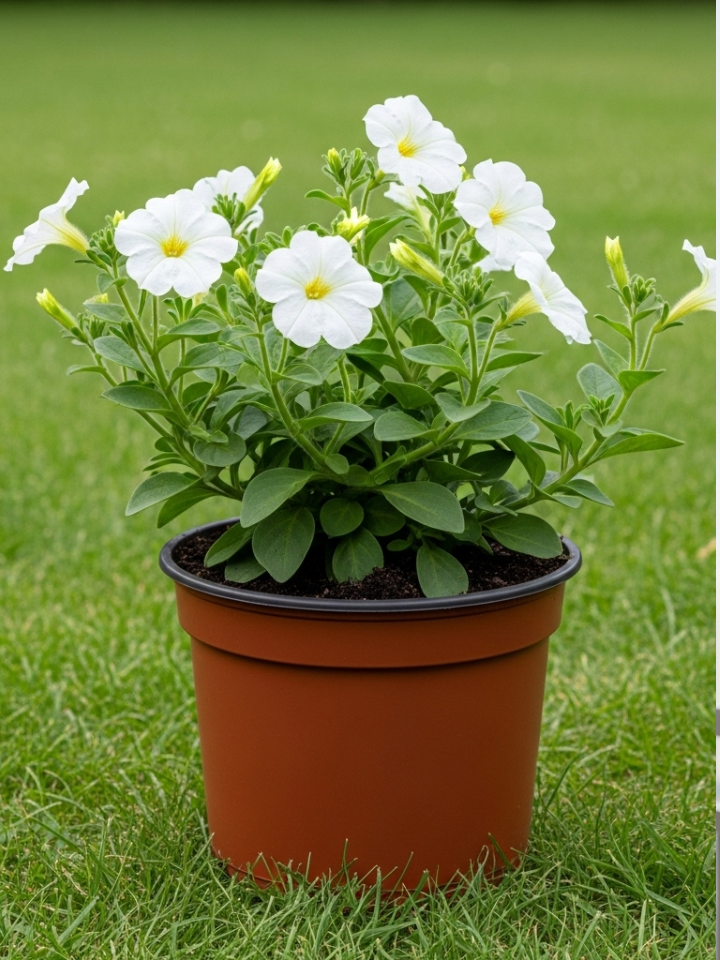
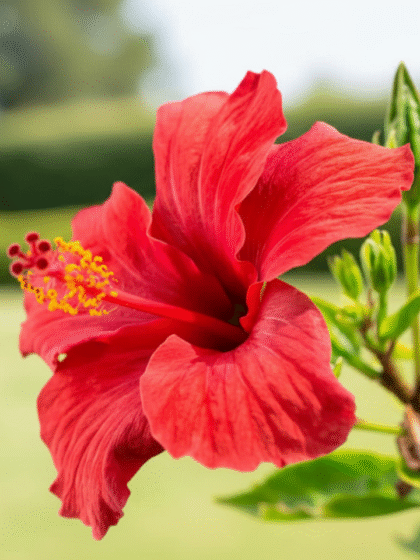
Red roses look richest with white flowers beside them. Plant a gandharaj bush for creamy white blooms nearby for scent and contrast. For a year-round red backdrop, add the Indian red hibiscus for daily puja flowers, which blooms hardest in the hot months when roses rest. Have a trellis or arch to cover? Choose a climbing rose that trains over a pergola instead of a bush.
For more colour in the same season, browse our flowering plants for pots and garden beds.
Grow your own red roses this winter
Order now and your rose will be settled in time for the October prune, ready to flower through the cool months. Every plant is raised and packed by the team that grows it.
































There are no reviews yet.