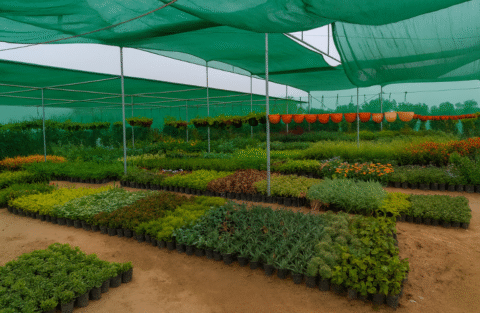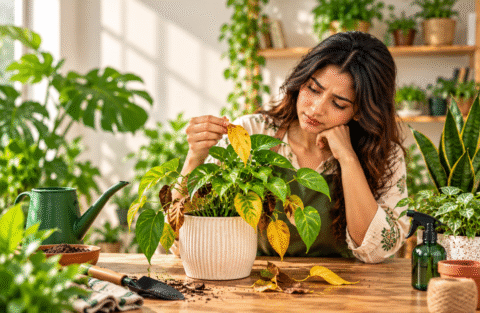


India is a country of extraordinary diversity — not just in culture, but in climate. From the scorching heat of Rajasthan to the humid breeze of coastal Kerala, from the cool hills of Himachal to the subtropical plains of Delhi, every region creates a unique environment for plants to grow. That’s why choosing the best outdoor plants for Indian climate is not just about beauty — it’s about survival, sustainability, and long-term success in your home garden.
Many homeowners make the mistake of selecting a plant simply because it looks attractive. But the truth is, the right outdoor plant must match your local weather, sunlight exposure, soil type, and water availability. When you select climate-suitable plants, they grow faster, bloom better, require low maintenance, and stay healthy throughout the year. This means fewer replacements, less frustration, and a more vibrant garden.
Understanding India’s Diverse Climate Zones
India broadly experiences five major climate patterns:
- Hot & Dry (Rajasthan, parts of Gujarat)
- Tropical & Humid (West Bengal, Kerala, coastal areas)
- Subtropical (Delhi, Uttar Pradesh, Punjab)
- Coastal & Windy regions
- Cool & Mountainous hill stations
Each of these regions demands different outdoor plant choices. For example, full sun plants thrive in hot zones, while shade-loving varieties perform better in humid or densely built home areas. Similarly, terrace and rooftop gardens often experience extreme sunlight and wind, so plant selection must be done carefully.
Why Choosing Climate-Suitable Outdoor Plants Matters
When you choose the right outdoor plants for your home in India:
- They require low maintenance
- Water usage becomes more efficient
- Growth is healthier and more consistent
- Flowering lasts longer
- Your garden remains green in every season
Climate-friendly gardening also supports sustainability. Native and region-suitable plants attract pollinators, improve soil health, and reduce unnecessary chemical use. Whether you are designing a home entrance with vastu-friendly plants, planning a rooftop garden, or simply creating a peaceful green corner, the foundation of success lies in selecting the right plant for the right place.
A thoughtfully planned outdoor garden is not just decoration — it becomes a living space that reduces stress, improves air quality, and brings positive energy to your home.

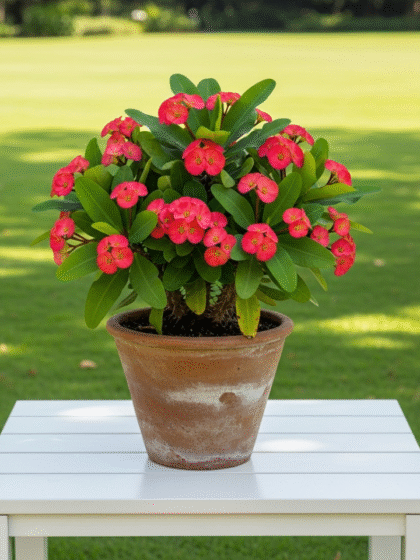
Euphorbia Plant
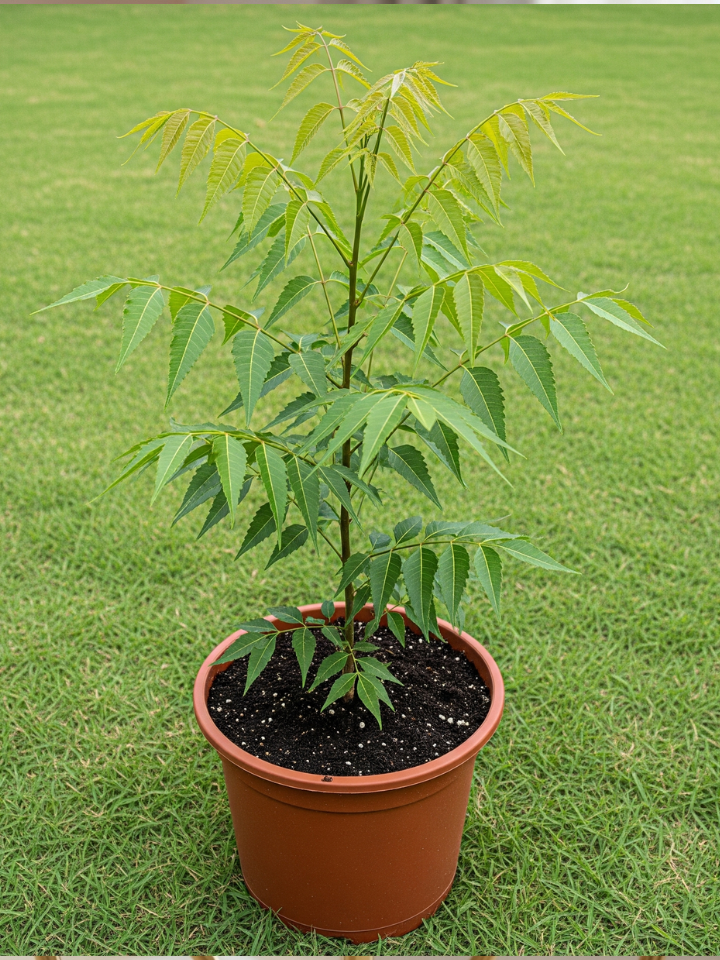

Neem
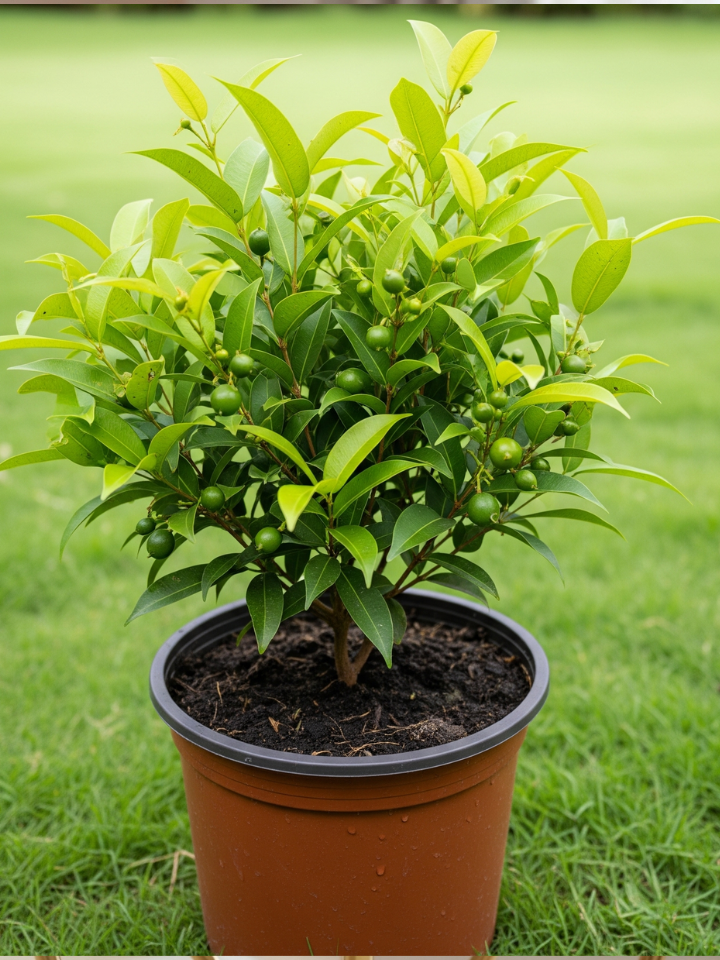

Jamun- Black Berry plant
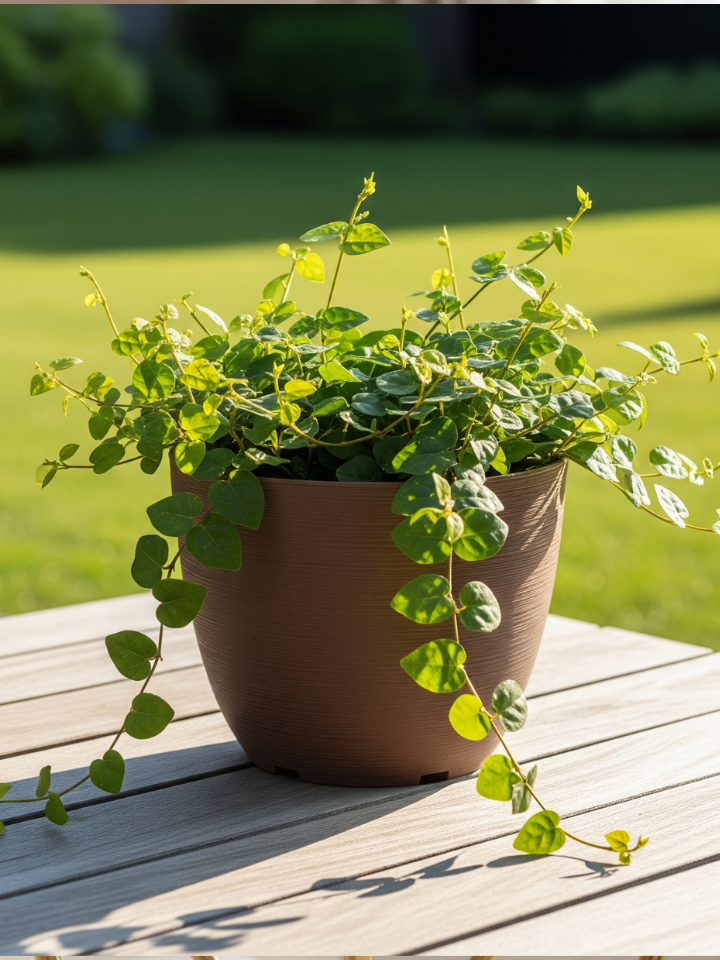

Wall Creeper Plant


Peepal Plant
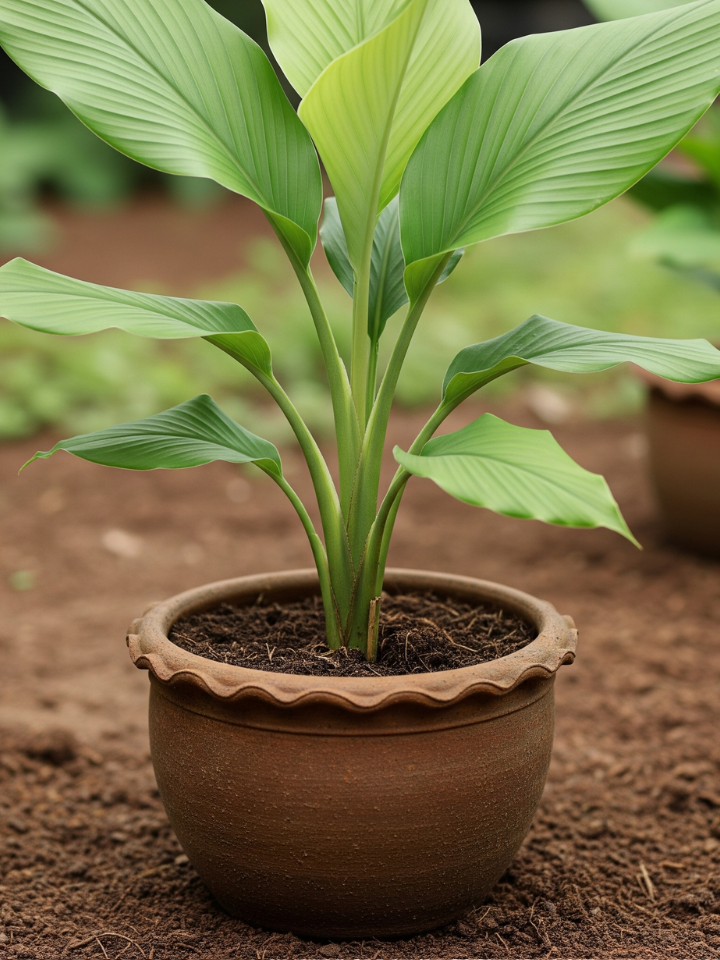

Turmeric plant

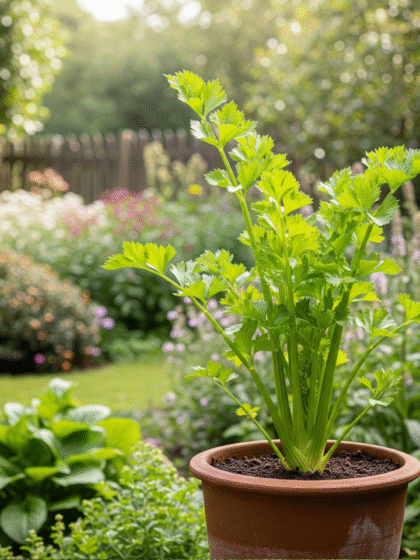
Coriander leaves- Plant

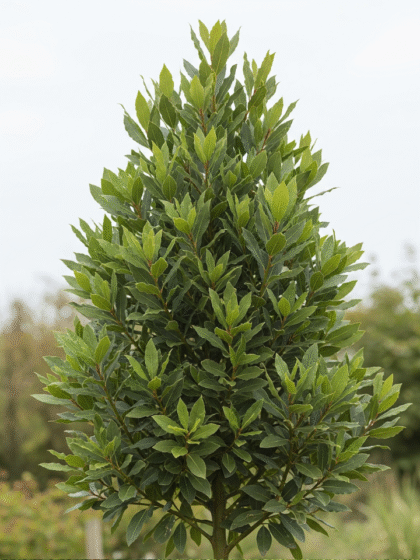
Bay Leaves- Plant
How to Choose the Right Outdoor Plants in India
Choosing the best outdoor plants for Indian climate is not about trends — it’s about making smart, climate-aligned decisions for your home garden. India’s weather can be intense, unpredictable, and region-specific. So before you buy any plant, pause and evaluate five key factors: climate, sunlight, water, soil, and maintenance.
When these elements match, your outdoor space becomes effortless to manage and naturally beautiful.
Based on Regional Climate (North, South, East, West India)
India cannot be treated as one single gardening zone.
- North India experiences extreme summers and cold winters. Choose hardy seasonal plants and frost-tolerant varieties.
- South India has a relatively stable, tropical climate — perfect for flowering shrubs and evergreen foliage.
- East India (like West Bengal) supports humidity-loving plants that thrive in monsoon-heavy conditions.
- West India (Rajasthan, Gujarat) requires drought-resistant and heat-tolerant outdoor plants.
Understanding your regional climate helps you select plants that naturally adapt instead of constantly struggling.
Sunlight Requirements (Full Sun, Partial Shade, Shade)
Sunlight is the most important growth factor for any outdoor plant.
- Full Sun Plants need 6–8 hours of direct sunlight. Ideal for terrace and rooftop gardens.
- Partial Shade Plants prefer filtered light and grow well in balconies or semi-covered outdoor areas.
- Shade-Loving Plants thrive near walls, north-facing spaces, or under larger trees.
Before choosing from any plant list, observe how sunlight moves across your home garden during the day. This small step prevents long-term growth issues.
Water Needs & Drought Tolerance
Water availability differs across India. In some regions, summer water shortages are common.
If you want low maintenance outdoor plants, select drought-tolerant varieties. These plants store moisture efficiently and survive hot conditions without daily watering. On the other hand, tropical areas can support moisture-loving garden plants.
Overwatering is one of the biggest gardening mistakes. Always match plant selection with your watering capacity.
Soil Type & Drainage Considerations
Healthy soil equals healthy plants.
- Sandy soil drains quickly but may require organic enrichment.
- Clay soil holds water but needs proper drainage improvement.
- Terrace and rooftop gardens require lightweight, well-draining potting mix.
Poor drainage can damage roots faster than extreme weather. Always ensure water does not stagnate around the plant base.
Maintenance Level (Low-Care vs. High-Care Plants)
Be honest about how much time you can dedicate to your outdoor garden.
If you have a busy lifestyle, choose:
- Low maintenance flowering plants
- Hardy evergreen shrubs
- Drought-resistant options
If gardening is your passion, you can experiment with seasonal blooms and delicate varieties.
The best outdoor plant for your home is not the most expensive or trendy one — it is the one that fits your climate, sunlight, water availability, and lifestyle.
Best Outdoor Plants for Hot & Dry Regions
Gardening in hot and dry parts of India may seem challenging — but with the right outdoor plants, it becomes surprisingly rewarding. Regions like Rajasthan, Gujarat, and the Deccan Plateau experience intense sunlight, high temperatures, and limited rainfall. The key is choosing drought-tolerant, heat-resistant plants that thrive in full sun and require low maintenance.
Let’s explore the best options for creating a strong, climate-resilient home garden in these areas.
Drought-Tolerant Flowering Plants
These flowering plants handle extreme heat while still offering vibrant colors:
- Bougainvillea – One of the best outdoor plants for full sun. It thrives in dry soil and blooms beautifully near home entrances or boundary walls.
- Portulaca – A low-growing, low maintenance plant ideal for terrace and rooftop gardens. It blooms even in harsh sunlight.
- Adenium – Known as the desert rose, this plant stores water in its thick stem and tolerates extreme heat.
- Gaillardia – A hardy flowering option that performs well in dry landscapes.
These varieties require minimal watering and perform well in sandy or well-drained soil.
Hardy Succulents & Cacti
Succulents and cacti are natural survivors in hot climates:
- Opuntia – Extremely drought-resistant and perfect for open garden spaces.
- Agave – Architectural and bold, excellent for landscaping.
- Euphorbia milii – A flowering succulent that tolerates both heat and low water.
- Aloe vera – Easy to grow, useful, and highly adaptable to dry conditions.
These plants are ideal for rooftop gardens exposed to strong sunlight throughout the day.
Heat-Resistant Shrubs
For those building a larger home garden or boundary plantation:
- Nerium oleander – A strong shrub with long-lasting blooms.
- Tecoma capensis – Bright orange flowers that handle full sun exposure.
- Cassia fistula – One of the most beautiful native trees of India, suitable for open outdoor spaces.
- Lantana camara – Extremely hardy and requires very little maintenance.
These plants tolerate heat, poor soil, and irregular watering schedules.
Low-Water Landscape Plants for Full Sun
For terrace and rooftop garden planning in dry regions, always choose plants that:
- Require minimal watering
- Thrive in full sun
- Have strong root systems
- Grow well in well-drained soil
Mulching around the base helps retain moisture and reduces stress during peak summer.
Expert Tip for Hot Regions
In hot Indian climates, overwatering damages more plants than underwatering. Always let the soil dry slightly before watering again. Use clay pots for better aeration and position plants where air circulation is good.
By selecting climate-suitable outdoor plants, even the harshest region of India can transform into a vibrant, low maintenance garden space.
Best Outdoor Plants for Tropical & Humid Climate
Tropical and humid regions of India receive high rainfall, warm temperatures, and moisture-rich air for most of the year. While this climate supports lush growth, it also brings challenges like fungal diseases, waterlogging, and excess humidity.
The secret to building the best outdoor garden in humid India is selecting plants that naturally thrive in moisture and resist heavy rains.
Let’s explore the top choices for a healthy and vibrant home garden in these regions.
Lush Green Foliage Plants
Humidity-loving foliage plants grow faster and appear fuller in tropical weather:
- Areca palm – A beautiful outdoor plant for home entrance and semi-shade areas.
- Croton – Known for its colorful leaves, it performs well in warm, humid climates.
- Philodendron – Thrives in partial shade and moisture-rich soil.
- Caladium – Ideal for decorative outdoor garden corners with filtered sunlight.
These plants create a dense, tropical look with minimal stress in humid weather.
Flowering Plants for High Humidity
If you want vibrant blooms in your outdoor space:
- Hibiscus – One of the best outdoor plants for Indian climate; thrives in sun and rain.
- Ixora – A humidity-loving shrub perfect for home garden borders.
- Anthurium – Grows well in shaded outdoor balconies in coastal areas.
- Catharanthus roseus – Commonly known as Sadabahar, it blooms almost year-round.
These flowering varieties adapt beautifully to monsoon-heavy regions of India.
Shade-Loving Outdoor Varieties
In tropical zones, many homes have dense surroundings that block direct sunlight. Choose plants that tolerate shade and high humidity:
- Ferns
- Peaceful foliage shrubs
- Decorative leafy plants for north-facing garden areas
These plants reduce maintenance while keeping your outdoor garden green throughout the year.
Rain-Resistant Garden Plants
During monsoon, drainage becomes crucial. Select outdoor plants that:
- Tolerate heavy rainfall
- Resist fungal infections
- Grow well in slightly moist soil
Raised beds and well-draining pots are ideal for terrace and rooftop gardens in humid regions.
Expert Tip for Tropical Gardens
Avoid overcrowding plants in humid areas. Proper air circulation prevents fungal growth. Use organic mulch to maintain soil health, but ensure water does not stagnate.
When you align your plant selection with tropical weather, your home garden becomes lush, vibrant, and low maintenance — even during heavy rains.
Best Outdoor Plants for Moderate & Subtropical Regions
Subtropical regions of India experience hot summers, cool winters, and a clear seasonal shift. This climate gives gardeners a wonderful advantage — you can grow a wide variety of outdoor plants throughout the year if you choose wisely.
The key to building the best home garden in North India is selecting plants that tolerate both summer heat and mild winter frost.
Let’s explore the top options for these regions.
Seasonal Flowering Plants
Seasonal blooms bring vibrant color to your outdoor space:
- Tagetes – A top choice for Indian gardens; thrives in full sun and ideal for home entrance decoration.
- Petunia – Popular winter flowering plant for terrace and rooftop gardens.
- Zinnia – Heat-tolerant and easy to grow during summer.
- Viola tricolor – A winter favorite with bright, cheerful blooms.
These seasonal plants allow you to refresh your garden every few months.
Hardy Perennials
Perennials return year after year with minimal effort:
- Chrysanthemum – A winter flowering favorite in North India.
- Hemerocallis – Tolerates heat and moderate cold.
- Ruellia – Low maintenance and blooms well in sunny areas.
- Gaura lindheimeri – Light, airy flowers ideal for modern outdoor landscapes.
Hardy perennials reduce the need for frequent replanting.
Evergreen Outdoor Plants
Evergreen plants maintain structure and greenery year-round:
- Ficus benjamina – Suitable for lawns and large outdoor spaces.
- Polyalthia longifolia – Widely planted near home boundaries and entrance areas.
- Buxus – Excellent for structured garden designs.
- Juniperus – Cold-tolerant and low maintenance.
These plants add stability and visual balance to your home garden.
Winter-Friendly Garden Plants
North India experiences chilly nights in winter. Choose plants that tolerate light frost and temperature drops. Protect delicate varieties during extreme cold using mulch or garden covers.
For terrace and rooftop gardens, ensure pots are placed away from direct cold winds.
Expert Tip for Subtropical Regions
Rotate seasonal plants twice a year — summer and winter — for continuous blooms. Use well-drained soil and avoid overwatering during winter months.
With proper selection, moderate climates in India allow you to enjoy flowering plants, evergreen shrubs, and low maintenance garden options all year round.
Best Outdoor Plants for Coastal Areas
Coastal regions of India — including parts of Maharashtra, Goa, Tamil Nadu, Kerala, and Odisha — experience salty air, strong winds, high humidity, and sandy soil. These conditions can be harsh on many plants. Leaves may burn due to salt spray, and constant wind can damage weak stems.
To build the best outdoor garden in coastal India, you must choose salt-tolerant, wind-resistant, and low maintenance plants that naturally adapt to seaside environments.
Salt-Tolerant Plants
These plants perform exceptionally well near the sea:
- Casuarina equisetifolia – Widely grown along Indian coastlines; highly tolerant to salt and wind.
- Cocos nucifera – A classic coastal plant that thrives in sandy soil.
- Portulaca – Excellent low maintenance flowering option for full sun.
- Ipomoea pes-caprae – Naturally grows on beaches and prevents soil erosion.
These outdoor plants require minimal care once established.
Wind-Resistant Shrubs
Strong winds are common in coastal areas, especially during monsoon. Choose sturdy shrubs:
- Bougainvillea – Thick stems make it ideal for windy terrace or entrance areas.
- Hibiscus – Grows well with proper drainage and sunlight.
- Clerodendrum inerme – Naturally adapted to coastal conditions.
- Duranta erecta – Good for boundary hedges and home garden landscaping.
These plants maintain structure even in strong coastal winds.
Low Maintenance Seaside Plants
For terrace and rooftop gardens in coastal cities:
- Use well-draining potting mix to prevent waterlogging.
- Add organic compost to improve sandy soil quality.
- Rinse leaves occasionally to remove salt deposits.
- Position taller plants as wind barriers to protect delicate varieties.
Choosing the right plant makes coastal gardening surprisingly easy and sustainable.
Expert Tip for Coastal Gardening
Salt accumulation can damage roots over time. Deep watering occasionally helps flush out excess salt from the soil. Also, select plants with thick leaves or waxy surfaces — they naturally resist salt spray.
With proper planning, your coastal home garden can remain lush, colorful, and low maintenance throughout the year.
Best Outdoor Plants for Hill Stations & Cooler Regions
Hill stations and cooler regions of India — such as Himachal Pradesh, Uttarakhand, parts of the Northeast, and elevated areas of South India — experience low temperatures, mist, and sometimes frost. While the growing season may be shorter, the cool climate allows certain plants to bloom beautifully and last longer.
To create the best outdoor garden in cooler regions of India, focus on cold-resistant, frost-tolerant, and slow-growing varieties that adapt naturally to mountain weather.
Cold-Resistant Flowering Plants
These flowering plants thrive in cooler temperatures:
- Primula – Perfect for brightening up home garden borders in hill areas.
- Dianthus – Hardy and ideal for full sun to partial shade.
- Lupinus – Tall spikes of colorful blooms suited for cool climates.
- Calendula officinalis – A winter favorite that tolerates mild frost.
These plants perform best in well-drained soil and moderate sunlight.
Frost-Tolerant Shrubs
Shrubs bring structure and year-round beauty to cooler outdoor spaces:
- Juniperus – Extremely hardy and low maintenance.
- Rhododendron – Iconic flowering shrub of Himalayan regions.
- Hydrangea – Thrives in cool, moist environments.
- Camellia – Beautiful winter blooms in partially shaded gardens.
These shrubs handle cold winds better when planted in sheltered areas.
Perennials for Mountain Gardens
Cool climates are ideal for long-lasting perennials. These plants return year after year and require low maintenance once established. Raised beds and proper drainage are important to prevent root rot during snow or heavy rain.
For terrace and rooftop gardens in cooler regions:
- Use frost-resistant containers.
- Protect young plants during extreme winter nights.
- Ensure proper sunlight exposure during short winter days.
Expert Tip for Hill Gardening
Avoid overwatering during winter. Cold soil retains moisture longer, which can damage roots. Adding organic mulch helps protect plant bases from frost while improving soil quality.
With the right plant selection, even a small home garden in a hill station can look vibrant and colorful throughout the year.
Best Low Maintenance Outdoor Plants for Indian Homes
Not everyone has hours to spend in the garden — and that’s perfectly fine. The beauty of choosing the best low maintenance outdoor plants in India is that you can enjoy greenery without daily effort. Whether you live in a busy city apartment, manage a terrace garden, or decorate your home entrance, the right plant choice makes gardening simple and stress-free.
Low-care plants are hardy, adaptable to Indian climate conditions, and require minimal watering, pruning, or fertilizing.
Easy-Care Flowering Plants
If you want color without constant effort, consider:
- Catharanthus roseus – Commonly known as Sadabahar, it blooms almost year-round and tolerates heat.
- Bougainvillea – Thrives in full sun with very little water.
- Portulaca – Ideal for terrace and rooftop gardens exposed to strong sunlight.
- Hibiscus – With basic pruning, it blooms generously in Indian conditions.
These flowering options are perfect for homeowners who want vibrant outdoor plants without heavy maintenance.
Hardy Green Foliage Plants
Green foliage creates a peaceful and elegant look for any home garden:
- Areca palm – Suitable for entrance and semi-shade outdoor areas.
- Dracaena – Tolerates variable light and requires limited care.
- Agave – Excellent for full sun and dry conditions.
- Croton – Colorful leaves with moderate care needs.
These plants remain attractive year-round with basic watering and occasional feeding.
Drought-Resistant Garden Options
In many parts of India, water availability can be inconsistent. Choosing drought-resistant plants ensures your outdoor space stays healthy even during summer.
Look for plants that:
- Store water in leaves or stems
- Have thick, waxy foliage
- Grow well in full sun
- Adapt easily to terrace or rooftop gardens
This approach reduces both water bills and gardening stress.
Beginner-Friendly Outdoor Plants
If you are just starting your gardening journey, begin with plants that forgive small mistakes. Hardy shrubs, sun-loving flowering varieties, and adaptable foliage plants are ideal for new plant parents.
For entrance decoration and vastu-friendly setups, select plants that remain green and upright throughout the year. They enhance visual appeal while keeping care requirements minimal.
Expert Tip for Low Maintenance Gardening
The real secret is not just choosing the right plant — it’s placing it in the right spot. Match sunlight, drainage, and watering frequency with plant needs. Add organic compost once every few months to maintain soil health.
With smart selection, your outdoor garden in India can remain beautiful, balanced, and easy to manage — even with a busy lifestyle.
Best Outdoor Flowering Plants for Indian Climate
Flowers transform any outdoor space into a lively, joyful garden. In India, because of diverse weather patterns, you can enjoy blooms in every season — summer, monsoon, and winter — if you choose the right plant varieties.
Selecting the best outdoor flowering plants for Indian climate ensures longer blooming periods, healthier growth, and lower maintenance for your home garden, terrace, or rooftop space.
Let’s break them down season-wise for better planning.
Year-Round Blooming Varieties
These flowering plants provide color almost throughout the year in many parts of India:
- Catharanthus roseus – A low maintenance plant that thrives in heat and partial sun.
- Hibiscus – Blooms generously with proper sunlight.
- Bougainvillea – Perfect for entrance walls and full sun areas.
- Ixora – Performs well in tropical and humid regions.
These are among the top choices for continuous color in Indian outdoor gardens.
Summer in India can be intense, especially in full sun terrace and rooftop gardens. Choose heat-tolerant varieties:
- Zinnia – Thrives in strong sunlight.
- Portulaca – Excellent drought-resistant flowering option.
- Cosmos – Easy to grow and low maintenance.
- Gomphrena globosa – Tolerates heat and poor soil conditions.
These plants handle direct sunlight and require minimal watering once established.
Winter Flowering Plants
Cooler regions and North India enjoy vibrant winter blooms:
- Petunia – Popular for terrace and balcony gardens.
- Viola tricolor – Perfect for colorful winter displays.
- Calendula officinalis – Thrives in mild winter sun.
- Lobularia maritima – Adds fragrance and delicate blooms.
Winter flowering plants grow best in well-drained soil with moderate watering.
Monsoon brings heavy rain and humidity. Select rain-resistant varieties:
- Impatiens balsamina – Thrives during rainy season.
- Torenia – Performs well in partial shade.
- Zephyranthes – Blooms beautifully after rainfall.
- Hibiscus – Continues blooming during monsoon in many regions.
Ensure proper drainage to prevent root rot during heavy rains.
Expert Tip for Continuous Bloom
To maintain year-round flowers in your home garden:
- Rotate seasonal plants based on climate.
- Deadhead faded blooms regularly.
- Use organic fertilizer during active growth phases.
With thoughtful planning, your outdoor space in India can remain colorful across all seasons — from scorching summer to cool winter.
Best Outdoor Plants for Small Spaces, Terrace & Rooftop
Living in urban India often means limited space — but that doesn’t mean you can’t build a beautiful outdoor garden. Whether you have a compact balcony, a small home entrance, or a sunny terrace rooftop, smart plant selection can transform even the smallest area into a green retreat.
The key is choosing compact, container-friendly, and low maintenance plants that adapt well to pots and vertical setups.
Compact Shrubs for Small Outdoor Spaces
If space is limited, go for controlled-growth shrubs:
- Ixora – Dwarf varieties are ideal for sunny balconies.
- Duranta erecta – Works well in pots and for entrance decoration.
- Hibiscus – Compact varieties bloom beautifully in containers.
- Buxus – Perfect for structured terrace gardens.
These plants maintain shape and require moderate pruning.
Container-Friendly Outdoor Plants
Not all plants grow well in containers. Choose those that adapt easily:
- Bougainvillea – Thrives even in medium-sized pots with full sun.
- Areca palm – Adds greenery to terrace corners.
- Portulaca – Ideal for shallow containers and full sun.
- Croton – Colorful foliage for semi-shade balconies.
Ensure pots have proper drainage holes to prevent waterlogging.
Vertical Garden Options
When floor space is limited, grow upwards:
- Climbers and trailing plants for walls
- Hanging baskets for railing areas
- Lightweight planters for terrace walls
Vertical gardening increases greenery without overcrowding your outdoor space.
Rooftop Garden Plants
Terrace and rooftop gardens in India often receive intense sunlight and wind. Choose plants that:
- Tolerate full sun exposure
- Adapt to container growth
- Require low maintenance
- Resist heat stress
Use wind barriers or group plants together to reduce direct wind damage.
Expert Tip for Small Space Gardening
In terrace or rooftop setups, soil dries faster. Check moisture levels regularly but avoid overwatering. Use lightweight potting mix and add organic compost every few months.
With smart planning, even a compact home garden can look lush, structured, and vibrant — proving that space is never a limitation when plant selection is done right.
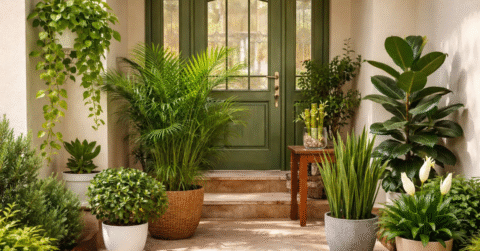
Best Outdoor Plants for Home Entrance & Vastu
The entrance of your home is more than just a doorway — it sets the tone for energy, positivity, and first impressions. In India, many homeowners prefer selecting outdoor plants based on vastu principles, believing they bring prosperity, harmony, and well-being.
Choosing the right plant for your home entrance combines aesthetics, symbolism, and climate suitability.
Auspicious Plants for Positive Energy
These plants are widely considered beneficial as per vastu beliefs:
- Ocimum tenuiflorum – Commonly known as Tulsi, it is highly revered in Indian homes. Place it in a clean, well-lit outdoor area.
- Areca palm – Enhances positivity and looks elegant near the entrance.
- Polyalthia longifolia – Often planted near boundaries for peace and protection.
- Musa – Considered auspicious during festivals and special occasions.
These plants also adapt well to Indian climate conditions when placed correctly.
Decorative Entrance Plants
If your goal is visual appeal along with positive vibes:
- Bougainvillea – Perfect for framing gates and boundary walls.
- Hibiscus – Adds bold, vibrant blooms.
- Ixora – Suitable for sunny entrance areas.
- Tagetes – Frequently used for festive decoration and daily freshness.
These outdoor plants create a welcoming atmosphere for guests.
Choosing the Right Spot
For entrance gardening in India:
- Ensure plants receive appropriate sunlight (full sun or partial shade).
- Avoid blocking the main door completely with large shrubs.
- Use symmetrical placement for balanced aesthetics.
- Choose low maintenance varieties if the entrance area is exposed to heat or wind.
Terrace or rooftop entrances should use sturdy pots to prevent tipping during strong winds.
Expert Tip for Vastu-Friendly Gardening
Keep entrance plants healthy and well-pruned. Dry, damaged, or neglected plants can create a negative impression. Regular cleaning of pots and removing dead leaves maintains positive energy and visual appeal.
With thoughtful selection, your entrance garden becomes a symbol of growth, prosperity, and warmth — blending tradition with smart climate-based gardening.
Best Outdoor Plants for Full Sun Areas
In many parts of India, especially during summer, outdoor spaces receive intense sunlight for 6–8 hours daily. Terrace and rooftop gardens are often fully exposed, making plant selection critical. The good news? Many sun-loving plants not only tolerate heat but actually thrive in it.
If your home garden faces direct sunlight, choose hardy, heat-tolerant varieties that perform beautifully in full sun conditions.
Sun-Loving Flowering Plants
These flowering plants bloom best under direct sunlight:
- Bougainvillea – One of the best outdoor plants for Indian climate; thrives in harsh sun with minimal watering.
- Zinnia – Bright summer blooms perfect for rooftop gardens.
- Portulaca – A low maintenance option that loves heat.
- Gaillardia – Extremely drought-tolerant and ideal for open gardens.
These plants require well-drained soil and occasional feeding for continuous flowering.
Heat-Tolerant Evergreen Plants
If you prefer greenery that stays attractive year-round:
- Agave – Bold and architectural, perfect for terrace setups.
- Aloe vera – Thrives in dry, sunny locations.
- Juniperus – Tolerates heat once established.
- Duranta erecta – Performs well in bright sunlight with moderate care.
These evergreen outdoor plants add structure to your garden even during peak summer.
Best Plants for Terrace & Rooftop Gardens
Terrace and rooftop areas in India face three main challenges:
- Strong sunlight
- High wind exposure
- Faster soil drying
Choose plants that:
- Adapt to container growth
- Have strong root systems
- Require low maintenance
- Can handle temperature fluctuations
Use larger pots to prevent roots from overheating. Adding mulch on top of the soil helps retain moisture and protect roots.
Expert Tip for Full Sun Gardening
Avoid placing newly bought plants directly under harsh sunlight. Gradually acclimatize them over a few days. Morning watering is better than evening watering during extreme heat.
When selected wisely, full sun areas can become the most vibrant part of your outdoor garden — filled with bold blooms and resilient greenery.
Best Outdoor Plants for Shade & Semi-Shade
Not every outdoor space in India receives direct sunlight. Many home gardens, entrance areas, balconies, and north-facing walls remain in partial shade or filtered light. The good news is — several outdoor plants naturally thrive in low-light conditions and still look lush and vibrant.
If your space receives 2–4 hours of soft sunlight or mostly indirect light, choose shade-tolerant varieties that adapt easily without demanding intense sun exposure.
Shade-Tolerant Flowering Plants
These flowering plants perform well in semi-shade conditions:
- Impatiens walleriana – Ideal for shaded garden beds and balcony corners.
- Torenia – Thrives in partial sunlight with regular watering.
- Anthurium – Suitable for humid, shaded outdoor spaces.
- Begonia – Adds color to low-light home garden areas.
These plants prefer well-drained soil and consistent moisture.
Ornamental Foliage Varieties
If flowering is limited due to low light, foliage becomes the hero:
- Caladium – Known for its striking colorful leaves.
- Nephrolepis exaltata – Thrives in shaded, humid areas.
- Hosta – Suitable for cooler shaded regions.
- Coleus – Bright foliage even without strong sunlight.
These plants create a dense, refreshing look in shaded outdoor spaces.
Plants for North-Facing Home Garden
North-facing areas typically receive indirect light throughout the day. Choose plants that:
- Tolerate limited sunlight
- Prefer moist but well-drained soil
- Require moderate watering
- Do not demand intense heat
Avoid placing full sun plants in such locations, as they may become weak or fail to bloom properly.
Expert Tip for Shade Gardening
Even shade-loving plants need some natural light. Avoid placing them in completely dark corners. Improve air circulation to prevent fungal growth, especially in humid regions of India.
With thoughtful plant selection, shaded outdoor spaces can become calm, cool, and visually rich — offering a peaceful green retreat at home.
Native Indian Outdoor Plants (Eco-Friendly Choices)
If you truly want a sustainable and climate-resilient garden, native plants are your best choice. These plants have evolved naturally in India’s soil and weather conditions. That means they require less water, minimal fertilizers, and lower maintenance compared to exotic varieties.
Choosing native outdoor plants for your home garden in India supports biodiversity, attracts pollinators, and creates a more eco-friendly landscape.
Indigenous Flowering Plants of India
These flowering plants are deeply rooted in Indian tradition and climate:
- Hibiscus rosa-sinensis – Thrives in warm regions and blooms generously.
- Clitoria ternatea – A hardy climber suitable for terrace and entrance areas.
- Butea monosperma – A striking native tree ideal for large outdoor spaces.
- Jasminum sambac – Fragrant and perfect for home garden borders.
These plants adapt naturally to Indian climate zones with less intervention.
Native Shrubs & Trees
If you have space for trees or larger shrubs:
- Azadirachta indica – Drought-tolerant and beneficial for the environment.
- Ficus religiosa – Culturally significant and supports biodiversity.
- Polyalthia longifolia – Popular for boundary plantations and entrance areas.
- Murraya paniculata – A compact shrub ideal for smaller gardens.
Native trees generally require less watering once established.
Pollinator-Friendly Garden Plants
Native flowering plants attract bees, butterflies, and birds. This helps maintain ecological balance and improves fruit and flower production in your garden.
To support pollinators:
- Choose pesticide-free gardening methods.
- Include a mix of flowering varieties that bloom across seasons.
- Provide shallow water sources in summer.
Native plants are not just beautiful — they are environmentally responsible.
Expert Tip for Eco-Friendly Gardening
Avoid overusing chemical fertilizers. Native plants grow best in organic-rich soil. Compost kitchen waste and use it to nourish your garden naturally.
By choosing indigenous outdoor plants, you create a sustainable, low maintenance, and climate-friendly home garden in India — one that supports nature instead of fighting it.
Seasonal Outdoor Planting Guide for India
India’s gardening calendar changes with the seasons. To grow the best outdoor plants for Indian climate, timing matters as much as plant selection. Planting at the right season improves survival rate, flowering, and overall garden health.
Whether you manage a small home garden, a terrace, or a rooftop space, this seasonal guide will help you plan smartly.
Summer Planting Guide (March – June)
Summer in India can be harsh, especially in full sun areas. Choose heat-tolerant and drought-resistant plants during this period.
Ideal choices:
- Sun-loving flowering plants
- Hardy succulents
- Low maintenance shrubs
- Rooftop garden varieties
Planting Tips:
- Water early morning to reduce evaporation.
- Use mulch to retain soil moisture.
- Avoid transplanting delicate plants during peak heat.
Terrace gardens dry out faster, so check soil moisture regularly but avoid overwatering.
Monsoon Plantation Tips (July – September)
Monsoon is one of the best seasons for planting in India. Natural rainfall supports root development and reduces watering needs.
Best time to plant:
- Native trees
- Shrubs
- Climbers
- Rain-loving flowering plants
Important considerations:
- Ensure proper drainage to prevent root rot.
- Avoid water stagnation in pots.
- Support young plants against strong winds.
This is also the ideal time to expand your outdoor garden naturally.
Winter Garden Planning (October – February)
Winter is perfect for seasonal flowering plants, especially in North and Central India.
Best choices:
- Cool-season blooms
- Hardy perennials
- Entrance decoration plants
- Vastu-friendly garden options
Care Tips:
- Reduce watering frequency as soil retains moisture longer.
- Protect sensitive plants from frost.
- Provide maximum sunlight exposure during short winter days.
Winter is the season when many outdoor plants show vibrant colors with minimal effort.
Expert Seasonal Gardening Strategy
For continuous beauty in your home garden:
- Rotate seasonal plants twice a year.
- Add organic compost before each planting cycle.
- Observe regional climate differences across India.
- Choose low maintenance varieties if you have limited time.
Planning your garden according to the Indian seasons ensures better growth, healthier plants, and a vibrant outdoor space all year long.
Outdoor Plant Care Tips for Indian Climate
Choosing the right plants is only half the journey. To maintain a healthy outdoor garden in India, proper care is essential. Climate variations — from extreme summer heat to heavy monsoon rain — directly affect plant growth.
With a few smart strategies, you can keep your home garden, terrace, or rooftop plants thriving all year.
Watering Schedule by Season
Watering is the most misunderstood part of plant care.
- Summer: Water early morning. Full sun and rooftop gardens may require daily watering, but always check soil moisture first.
- Monsoon: Reduce watering. Natural rainfall is usually enough. Ensure proper drainage.
- Winter: Water sparingly. Cold soil holds moisture longer.
Avoid overwatering — it damages roots faster than underwatering. The top layer of soil should feel slightly dry before the next watering.
Fertilizer & Soil Enrichment
Healthy soil creates strong plants.
- Use organic compost every 30–45 days.
- Add vermicompost or well-rotted manure for better root growth.
- For flowering plants, apply a balanced fertilizer during the blooming phase.
Terrace and rooftop gardens require periodic soil refresh because nutrients deplete faster in containers.
Pest & Disease Management
Indian climate, especially humidity during monsoon, can increase pest problems.
Prevention tips:
- Inspect leaves regularly.
- Avoid overcrowding plants.
- Ensure good air circulation.
- Use neem oil spray as a natural preventive solution.
Healthy plants naturally resist most pests when properly maintained.
Pruning & Maintenance Tips
Regular pruning keeps plants compact, encourages new growth, and improves flowering.
- Remove dry or damaged leaves immediately.
- Trim overgrown branches to maintain shape.
- Deadhead faded flowers for longer blooming cycles.
Entrance and vastu plants should always look neat and well-maintained to enhance positive energy.
Expert Care Strategy for Indian Homes
To build a low maintenance outdoor garden:
- Match plant selection with local climate.
- Use quality potting mix for terrace setups.
- Rotate seasonal plants.
- Keep drainage holes clear.
Consistency matters more than complexity. Even simple care routines can transform your outdoor space into a thriving green haven.
Common Mistakes to Avoid While Growing Outdoor Plants in India
Even with the best intentions, small mistakes can weaken your outdoor plants. India’s diverse climate — from extreme heat to heavy monsoon — makes proper planning essential. Avoiding these common errors will help your home garden stay healthy, vibrant, and low maintenance.
- Choosing the Wrong Plant for Your Climate
One of the biggest mistakes is selecting plants based only on appearance. A variety that thrives in cool hill stations may struggle in Rajasthan’s full sun.
Always match the plant with:
- Regional climate in India
- Sunlight availability
- Water access
- Space (terrace, rooftop, entrance, or ground garden)
Right plant + right location = long-term success.
- Overwatering or Poor Drainage
Overwatering is more harmful than underwatering. Especially during monsoon, excess moisture causes root rot and fungal diseases.
Avoid this by:
- Using well-drained soil
- Ensuring pots have drainage holes
- Checking soil moisture before watering
Rooftop and terrace gardens need extra drainage attention.
- Ignoring Sunlight Requirements
Full sun plants placed in shade become weak and stop flowering. Similarly, shade-loving plants burn under harsh sunlight.
Observe your outdoor space throughout the day and classify it as:
- Full sun
- Partial shade
- Mostly shade
Then choose plants accordingly.
- Overcrowding Plants
Placing too many plants in a small home garden blocks airflow and increases pest issues. Each plant needs room to grow.
Maintain proper spacing to:
- Improve air circulation
- Reduce fungal infections
- Allow healthy root expansion
- Neglecting Seasonal Changes
Indian gardening is seasonal. What works in winter may fail in peak summer.
Rotate seasonal flowering plants and adjust watering schedules according to weather. Climate awareness is key to successful outdoor gardening in India.
- Ignoring Soil Health
Healthy soil is the foundation of strong plants. Using depleted soil in containers reduces growth and flowering.
Refresh soil periodically with organic compost. Terrace and rooftop gardens especially require nutrient replenishment.
Expert Advice
Gardening is not about perfection — it’s about observation and adaptation. When you understand your climate, sunlight pattern, and plant needs, mistakes reduce naturally.
Conclusion
Creating the best outdoor garden in India is not about copying trends — it’s about understanding your climate, your space, and your lifestyle. From hot and dry regions to humid coastal zones, from terrace rooftops to home entrance gardens, every environment demands thoughtful plant selection.
When you choose climate-suitable plants, everything becomes easier:
- Lower maintenance
- Better growth and flowering
- Reduced water usage
- Fewer pest problems
- Long-lasting greenery
India’s diversity is actually an advantage. You can enjoy vibrant seasonal flowers, hardy native trees, drought-resistant shrubs, shade-loving foliage, and vastu-friendly entrance plants — all by aligning your garden with your region’s natural conditions.
Creating a Climate-Resilient Outdoor Garden
A resilient garden follows three simple principles:
- Right Plant, Right Place – Match sunlight, soil, and weather conditions.
- Seasonal Planning – Rotate plants based on summer, monsoon, and winter cycles.
- Smart Maintenance – Focus on soil health, drainage, and balanced watering.
Whether you are building a small balcony setup, a rooftop garden, or a spacious outdoor landscape, thoughtful choices today ensure sustainable growth tomorrow.
Final Expert Tips for a Thriving Indian Garden
- Start with low maintenance varieties if you are a beginner.
- Observe your outdoor space daily — plants communicate through their leaves and growth patterns.
- Prefer native Indian plants for long-term sustainability.
- Keep your entrance and terrace plants healthy and well-pruned for positive energy and visual appeal.
A beautiful garden is not created overnight. It grows with patience, care, and understanding. When you work with India’s climate — not against it — your outdoor space transforms into a peaceful, green sanctuary.
Your home deserves a garden that thrives in every season.