Pineapple is Ananas comosus, a member of the bromeliad family, Bromeliaceae. It is native to South America and reached India with Portuguese traders in the sixteenth century. Today it is grown commercially across the North East, Kerala and North Bengal. In Hindi and Marathi it is ananas, in Bengali anaras, in Tamil annachi pazham, in Telugu anasa pandu and in Kannada ananas hannu.
Unlike most fruit plants, it is not a tree or a vine. It is a low, clump-forming plant that stores water in thick leaves and takes in carbon dioxide at night, the same water-saving trick used by cacti. That is why it copes so well with heat and the odd missed watering.
What you will notice first:
- Leaves. Long, stiff, grey-green to deep green leaves with a waxy surface, arranged in a tight spiral. Queen types carry small spines along the edges; Kew types are mostly smooth apart from a sharp tip.
- Habit. A spreading rosette that stays low and bushy, roughly as wide as it is tall.
- Flowers. A cone-shaped head rises from the centre on a short stalk, with rows of small violet-to-red flowers that open over two or three weeks.
- Fruit. Each flower becomes a fruitlet, and the fruitlets fuse into a single pineapple with a leafy crown on top. It ripens from green to golden-yellow, starting at the base.
Why grow ananas at home?
- A real fruit from a small space. One pot or grow bag is enough for a full-sized pineapple, which makes it one of the few tropical fruits that suits a flat.
- Easy on water. Its leaves hold moisture, so it forgives a hot week or a missed day far better than most fruit plants.
- Striking to look at. Even before it fruits, the sculptural rosette looks good on a sunny terrace, and it is one of the low maintenance outdoor potted plants that ask for little more than sun and drainage.
- A crop that keeps going. After harvest, side shoots take over and fruit again, so one plant can become a small patch over the years.
- Fruit picked at its best. A pineapple left to ripen on the plant is sweeter and more fragrant than one picked green for market.
Where should you keep a pineapple plant?
Sun and drainage matter most. Ananas suits:
- A sunny terrace. A 12–14 inch pot or a 15–18 inch grow bag on the roof is ideal. It is one of the easiest plants to fruit in a grow bag on a sunny rooftop, since the pot stays light and the roots stay shallow.
- A south- or west-facing balcony. With five or six hours of direct sun, it is among the more rewarding plants for a sunny balcony in India. On a shaded balcony it will grow leaves but rarely fruit.
- A garden bed. Plant it where water never collects, about 60 cm from its neighbours. In Bengal and Kerala, growers often tuck it between taller fruit trees, where it takes the sun around them.
- Not indoors, and not beside a walkway. It needs strong light to flower, and the leaf tips are sharp enough to scratch ankles and small hands.
Product Specifications
- Plant name: Pineapple Plant / Ananas Plant
- Botanical name: Ananas comosus
- Common names: Pineapple; ananas (Hindi, Marathi), anaras (Bengali), annachi pazham (Tamil), anasa pandu (Telugu), ananas hannu (Kannada)
- Plant family: Bromeliaceae (bromeliad family)
- Origin: South America; grown in India since the sixteenth century
- Plant type: Evergreen, herbaceous perennial fruit plant (terrestrial bromeliad)
- Foliage: Stiff, sword-shaped, waxy grey-green to green leaves in a spiral rosette; spiny edges in Queen types, mostly smooth with a sharp tip in Kew types
- Flowers: Cone-shaped head of small violet-to-red flowers on a central stalk
- Flowering season in India: Naturally about January to March; can be induced at other times
- Fruiting season in India: Main harvest about June to September; fruit ripens about five months after flowering
- Time to fruit: About 12 months for suckers and slips and 19–20 months for crowns (National Horticulture Board); often 12–24 months at home
- Fruit: One per rosette; golden-yellow when ripe, with a leafy crown; size depends on variety and plant vigour
- Growth habit: Low, spreading rosette that produces side shoots (suckers) for later crops
- Growth rate: Moderate
- Mature size: About 60–90 cm tall and wide in a pot; about 1–1.5 m in the ground
- Suitable placement: Sunny terrace, south- or west-facing balcony, garden bed; outdoors only
- Light requirement: Full sun, at least six hours of direct sun a day
- Water requirement: Low to moderate; water when the top 2–3 cm of soil is dry; do not tolerate waterlogging
- Soil requirement: Fast-draining sandy loam, slightly acidic (about pH 5–6)
- Temperature: Grows best at about 22–32 °C; growth stops below about 10 °C; not frost-tolerant
- Fertiliser: Compost with a balanced fertiliser every six to eight weeks from March to October; potash-rich feed once the flower head appears
- Common pests and problems: Mealybug and mealybug wilt, scale, heart and root rot from waterlogging, fruit sunburn and cracking
- Maintenance: Low; occasional feeding, drainage checks and removal of extra side shoots
- Difficulty level: Easy
- Suitable environment: Warm plains and coastal regions across India; frost-free spots, or sheltered in winter in the north
- Special features: Fruits in a single pot; drought-tolerant; regrows from side shoots after harvest
- Safety: Sharp leaf tips and, in some varieties, spiny edges; not listed by the ASPCA; not classed as pet-safe
How do you grow pineapple in a pot?
- Pot. Choose a pot 12–14 inches wide and at least 10 inches deep, or a 15–18 inch grow bag, with several drainage holes. The roots are shallow, so width matters more than depth.
- Soil. Mix one part garden soil, one part well-rotted compost or cow dung manure and one part coarse sand or cocopeat. The plant likes slightly acidic soil (about pH 5–6) and hates heavy clay that stays wet.
- Planting depth. Set the base of the rosette just at soil level. Planting it too deep lets water sit in the heart and rot it.
- Watering. Water when the top 2–3 cm of soil feels dry, about every three to five days in summer and much less in the rains and in winter. Pouring a little water into the central cup is fine in hot weather, but do not leave it standing there in cool or humid spells.
- Feeding. Every six to eight weeks from March to October, give a handful of compost with a small dose of balanced fertiliser. Once the flower head appears, switch to a potash-rich feed to help the fruit swell.
How long does a pineapple plant take to fruit?
It depends on what you plant. According to the National Horticulture Board, suckers and slips flower about 12 months after planting, and crowns take about 19–20 months. The fruit then takes about five months to ripen after flowering. At home, a healthy plant in a pot usually gives its fruit within about 12–24 months, and a crown cut from a shop-bought pineapple can take two years or more.
A plant that is big enough but will not flower can be nudged along. Commercial growers use an ethylene treatment. At home, some gardeners slip a clear plastic bag over the plant with one or two ripe apples inside for about a week, since ripening apples give off the same gas. It does not always work, so treat it as an experiment rather than a promise.
Why does a pineapple plant fruit only once?
Each rosette flowers from its growing tip, so once it has made a fruit it cannot make another from the same centre. That is not the end of the plant. Around harvest time it sends out side shoots, called suckers, from the base and the stem. Keep one or two of the strongest and remove the rest; these grow into the next crop, usually faster than the first. The old rosette slowly fades once the new ones take over. Commercial farms often take two or three of these follow-on crops before replanting.
When do pineapples flower and fruit in India?
Pineapples flower naturally from about January to March, and the main harvest follows from about June to September, with some fruit at other times of year. In West Bengal, the monsoon months of June and July are the usual time to plant, while North Bengal growers also plant in October and November. Growth slows in winter; below about 10 °C the plant stops growing, and frost will kill it, so in North India move the pot to a sheltered, sunny spot through the coldest weeks.
A pineapple is ready to pick when the skin turns golden-yellow from the base upwards, the "eyes" flatten, and the base smells sweet. Cut the stalk just below the fruit. It will not become sweeter after picking, so let it ripen on the plant.
A year with anaras in Bengal
June to July: planting. Warm, wet weather helps new plants root fast. Plant on a slight mound or in a raised pot so rainwater drains away from the heart.
August to October: growth. The rosette fills out quickly. Feed every six to eight weeks and keep an eye out for mealybugs at the leaf bases.
November to February: the cool pause. Growth slows. Water sparingly, and give the plant your sunniest spot. A mature plant may start to form its flower head towards the end of this period.
March to May: flowers and swelling fruit. The flower head opens and the fruit begins to fill out. Water more often in the heat, and switch to a potash-rich feed. Fruit started now is usually ready in the monsoon months that follow.
Why are my pineapple leaves turning red, yellow or brown?
- Leaves turning red or pink. Often strong sun, cold nights or thirst, and it fades once conditions settle. If the tips also curl and wilt, look for mealybugs at the base of the leaves.
- White, cottony clusters at the leaf bases or roots. Mealybugs, which can cause mealybug wilt. Wipe them off, spray neem oil every seven to ten days, and stop ants from farming them.
- Yellowing, soft leaves that pull out easily from the centre. Heart rot or root rot from waterlogging. Improve drainage at once and water less; badly affected rosettes rarely recover.
- Dry, brown leaf tips. Underwatering, very dry air or a build-up of fertiliser salts. Water deeply and flush the pot now and then.
- Pale yellow-green leaves all over. Hunger, usually for nitrogen. Resume regular feeding.
- Scorched or cracked fruit. Harsh afternoon sun or uneven watering. Shade the fruit with a paper bag or dry leaves in peak summer, and water steadily.
Is a pineapple plant safe around children and pets?
Ripe pineapple is everyday food, but the plant needs a little care. The leaves are stiff with sharp tips, and Queen types have spiny edges, so keep it away from paths, play areas and low windows. Eat only fully ripe fruit. Ananas comosus has no entry on the ASPCA toxic or non-toxic plant lists, so we do not class it as pet-safe. The main risk for cats and dogs is the spiny foliage; discourage pets from chewing the leaves.
What to plant with a pineapple
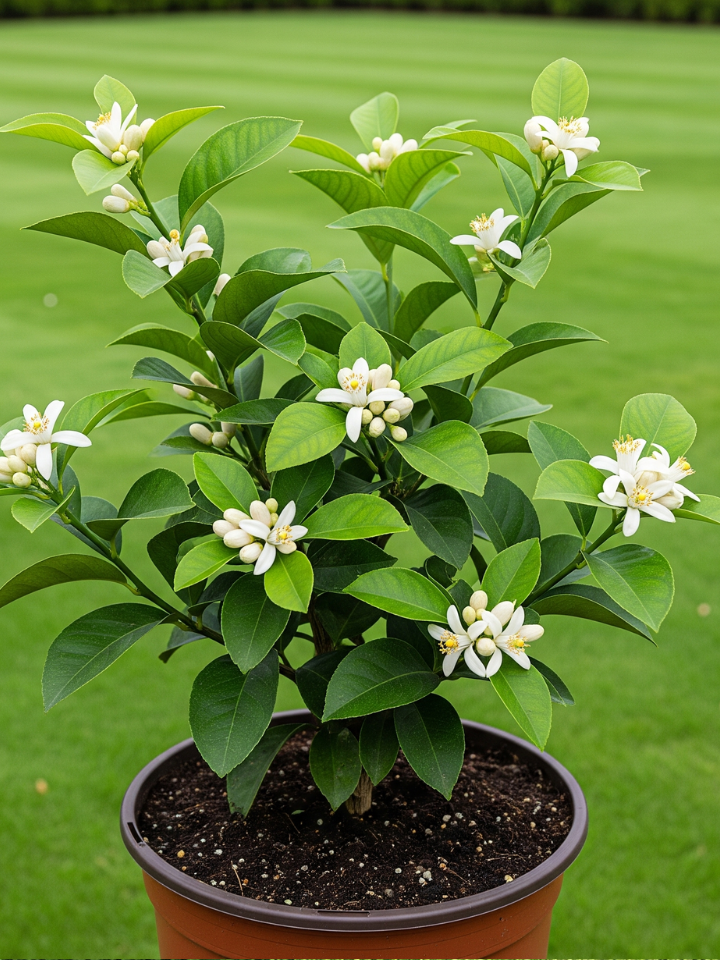
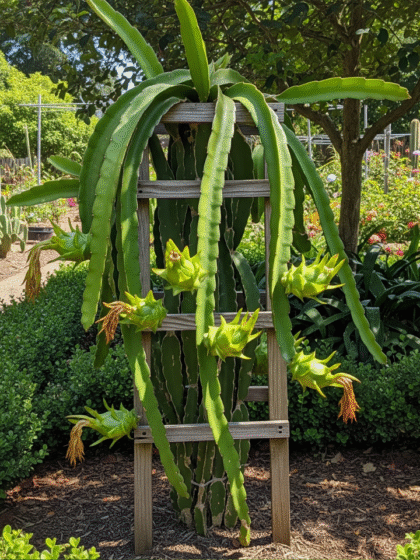
Pineapple fits neatly into a sunny fruit corner. On the same ledge, add a kagzi lebu plant for the next pot along, and on a hot terrace, a dragon fruit cactus that loves the same fierce sun. If you have a garden, a jackfruit sapling for the far end of a larger plot gives the kind of tall neighbour pineapple is often grown beside in Bengal. You can browse more compact fruit plants for pots and small plots ,or read about what to plant as the monsoon sets in when you plan the next season.
Start your own pineapple patch
Plant it in the rains and it has the warm months ahead to fill out before its first cool season. Every plant is raised and packed at a family-run online nursery that grows its own fruit plants, and shipped across India. Give it your sunniest spot and soil that drains in minutes, and your first homegrown ananas will be worth the wait.


































There are no reviews yet.