

Step out onto a balcony in Delhi during November and the haze stings your eyes within minutes.
Drive across the Howrah Bridge in Kolkata on a winter morning and you can feel the dust settle in your throat. Even a quiet evening in Bengaluru carries the faint chemical edge of vehicle exhaust mixing with construction dust from yet another flyover project.
India is living through a slow, invisible emergency, and most of it happens inside our lungs.
What surprises many urban families is that the air inside our homes is often dirtier than the air outside. Tightly sealed flats, AC units recirculating the same air, freshly painted walls, particle board furniture, mosquito coils, agarbatti, kitchen smoke from tadka, and synthetic cleaning products all release volatile organic compounds (VOCs).
These chemicals build up because our homes are not designed for the kind of cross-ventilation our grandparents took for granted in older houses with open courtyards and tulsi mancha.
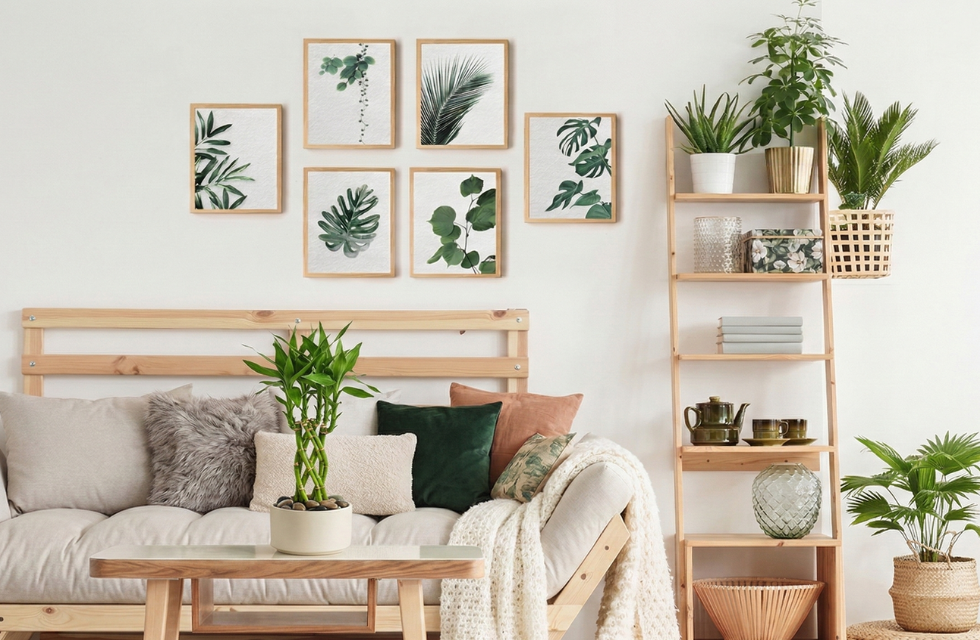
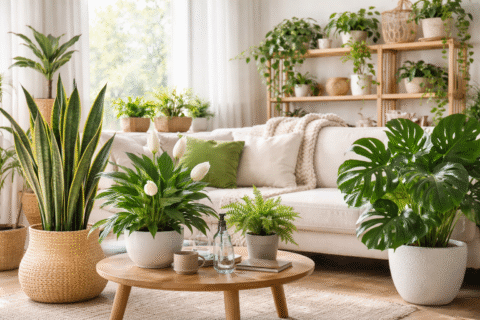
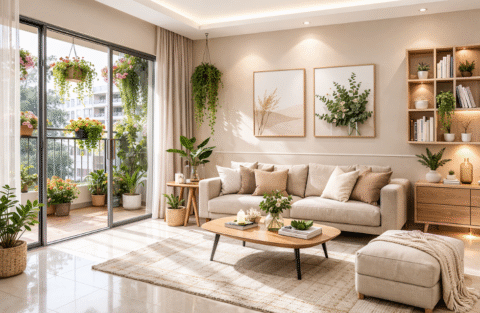
This is where the quiet, leafy intelligence of houseplants becomes powerful. Long before HEPA filters and ionisers, our ancestors kept tulsi by the door, neem outside the window, and parijaat in the courtyard. They understood, intuitively, what science later confirmed: that plants do not just decorate a room, they participate in its biology.
Leaves absorb pollutants. Roots host microbes that break down toxins. Foliage releases oxygen and humidity. A well-chosen indoor plant is a small, living air purifier that runs on water and sunlight.
So which indoor plant purifies the air the most?
The honest answer, supported by NASA’s landmark research and decades of follow-up studies, is that a small group of species consistently outperforms the rest, and the very top of the list is the Peace Lily, closely followed by the Snake Plant and the Areca Palm. But picking the most efficient leaf is only half the puzzle. The right choice depends on your room, your light, your pets, your maintenance habits, and the quirks of Indian climate.
This guide is built to answer that question completely. Across the next several thousand words you will find the science explained simply, a ranked comparison of the strongest performers, room-by-room recommendations, pet-safe options, traditional Indian favourites that have stood the test of generations, common mistakes that quietly kill houseplants in our climate, and practical advice on buying healthy specimens online. The goal is not just to tell you what to buy, but to help you build a home where every breath feels a little lighter.
Air Purifying Indoor Plants Combo
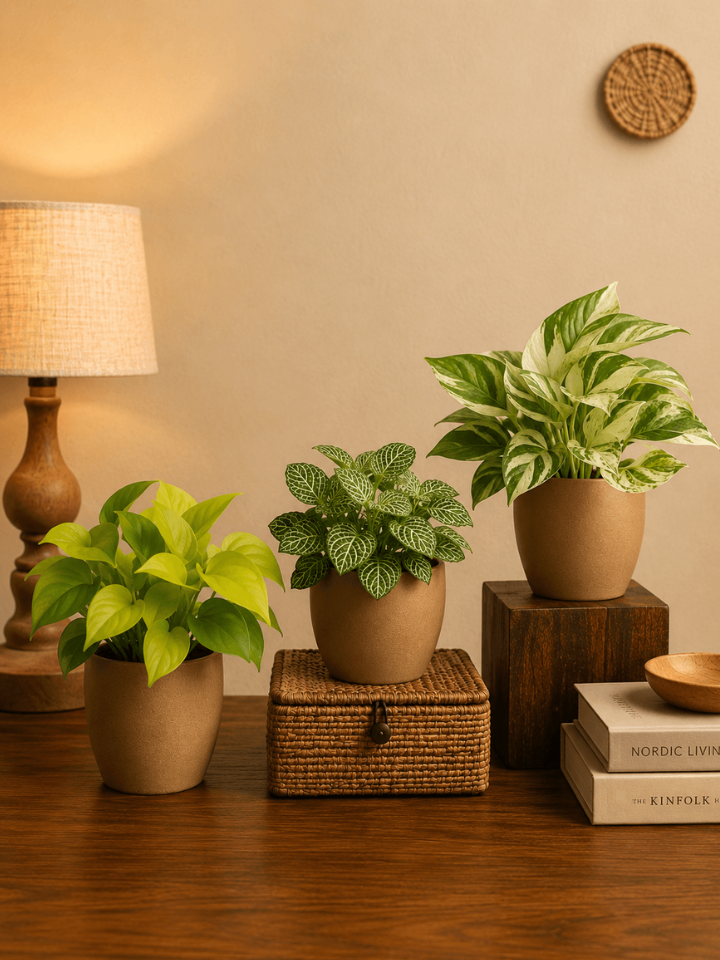
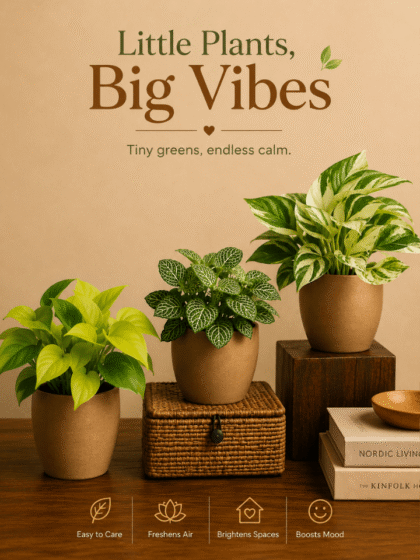
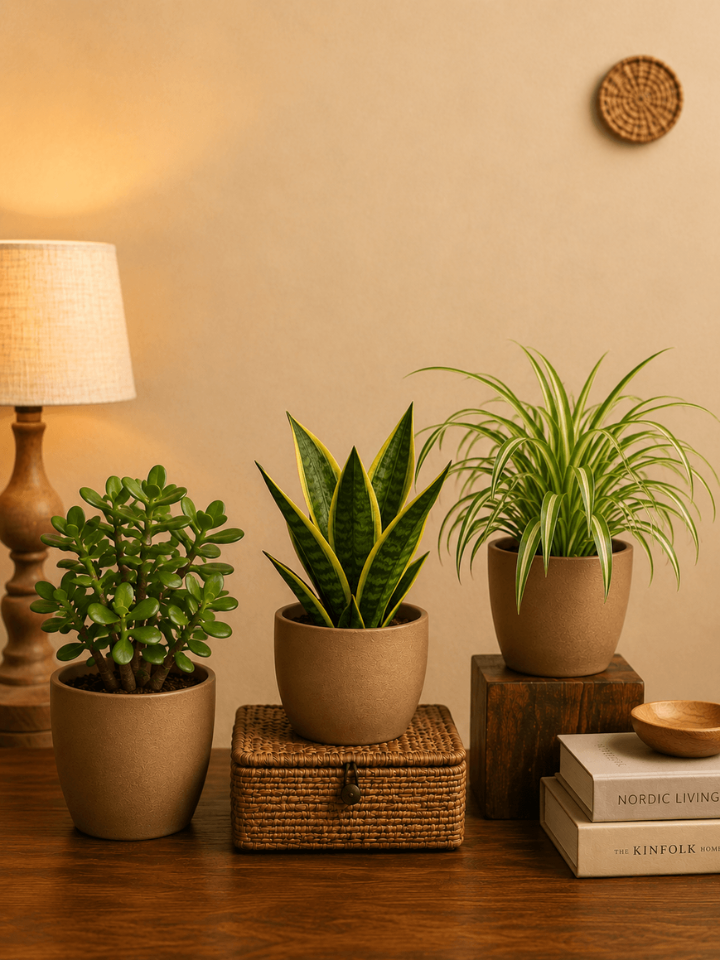
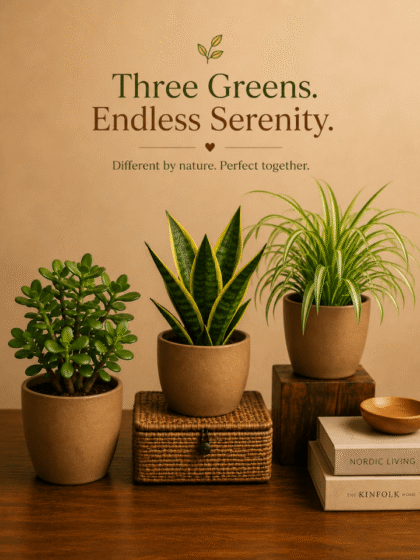
Combo of 3 Minimalist Plant Set
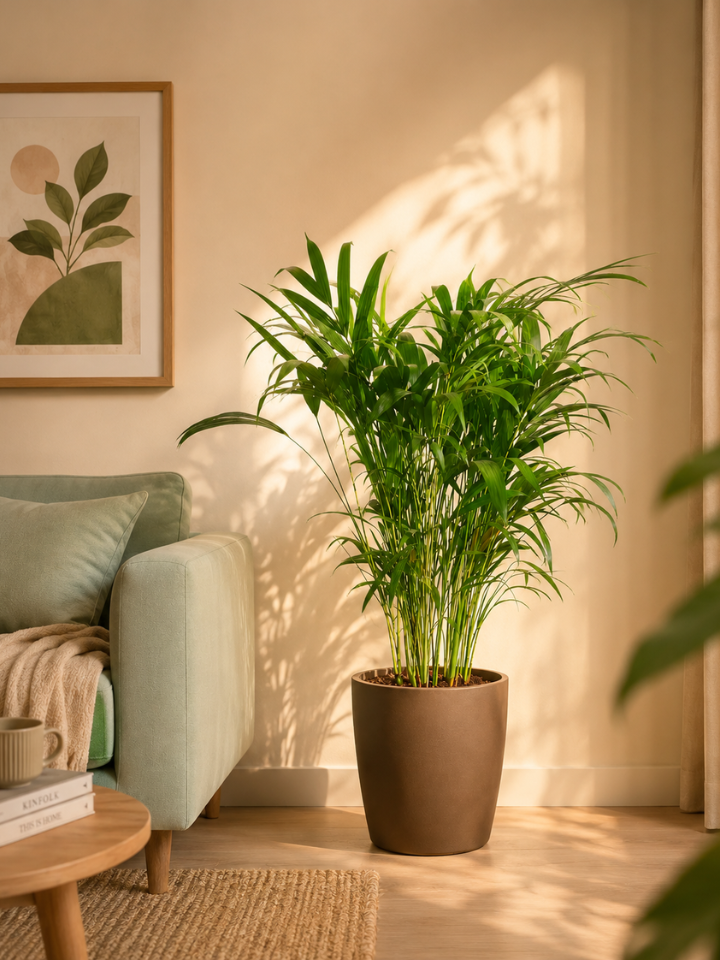
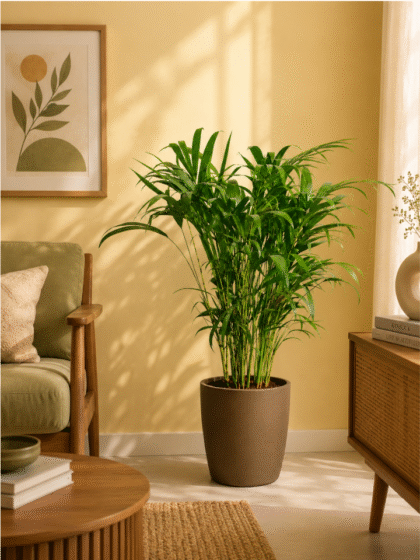
Areca Palm Plant (XL)
Monstera Deliciosa Plant (XL)
China Doll Plant (XL)
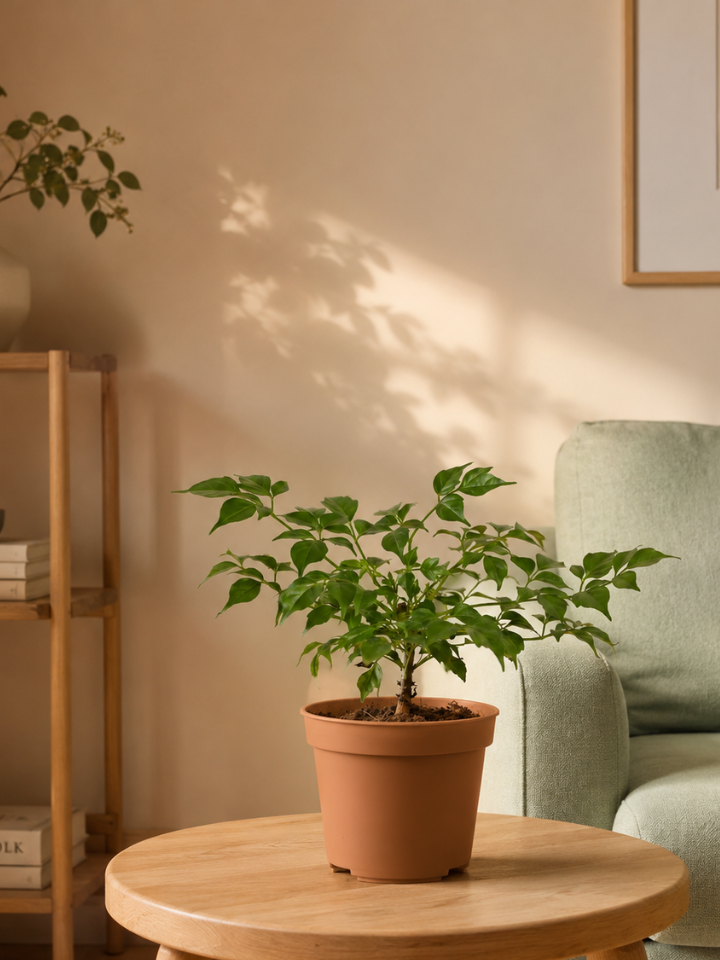
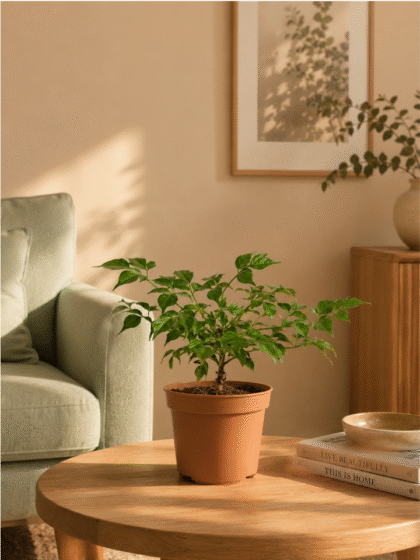
China Doll Plant (Small)

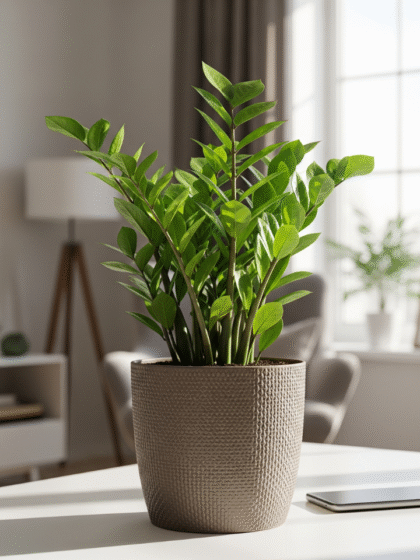
Black ZZ

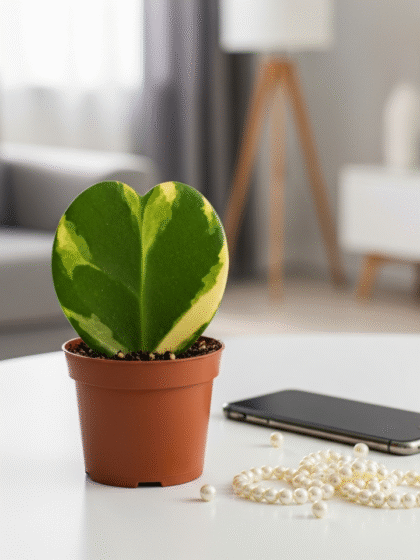
Heart Hoya Plant
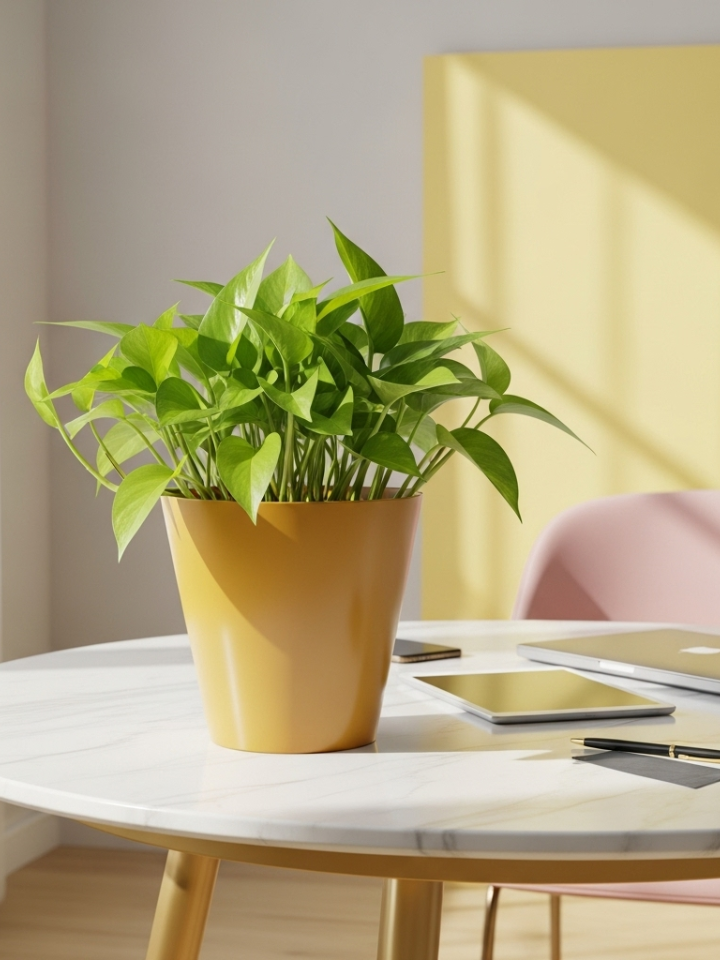

Money Plant (Golden)
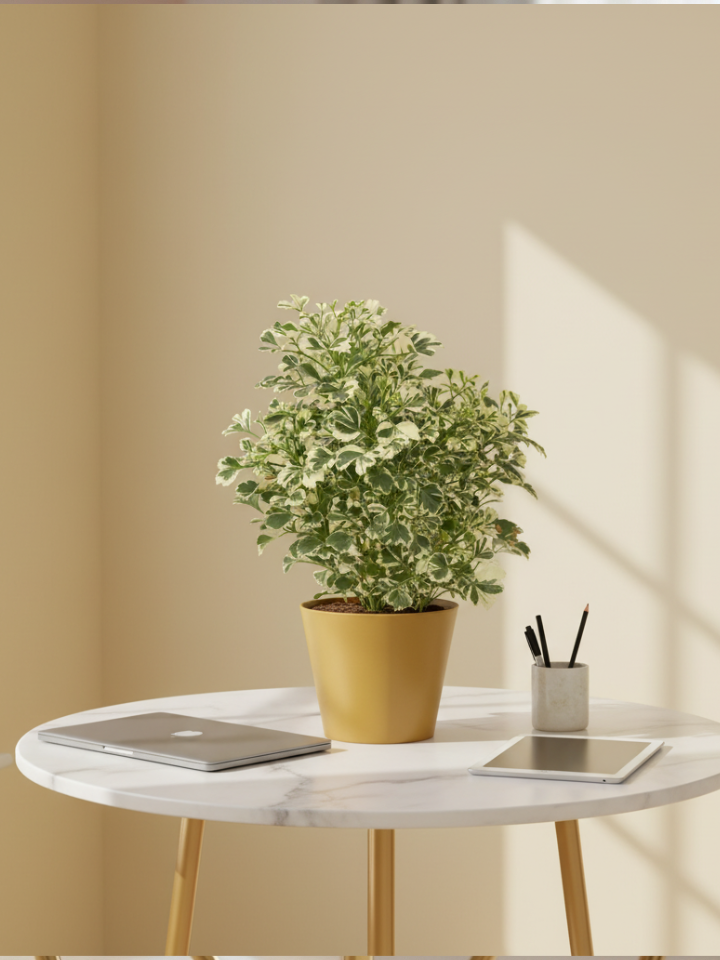
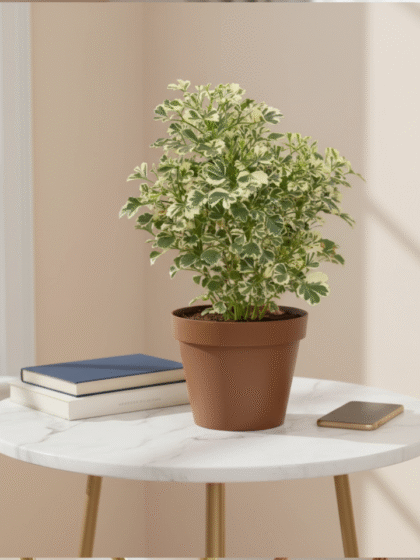
Aralia Variegated Plant

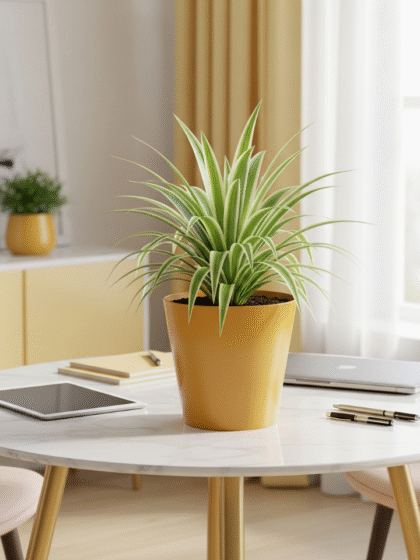
Spider plant

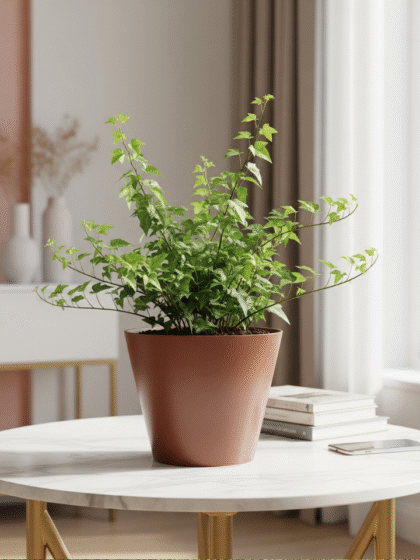
English Ivy Plant
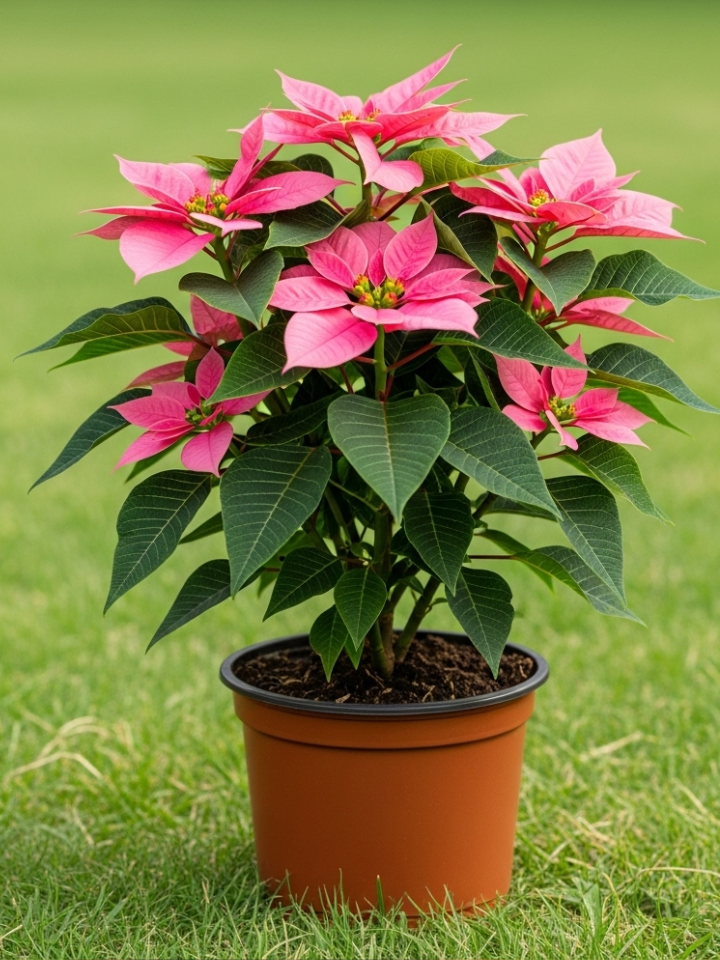
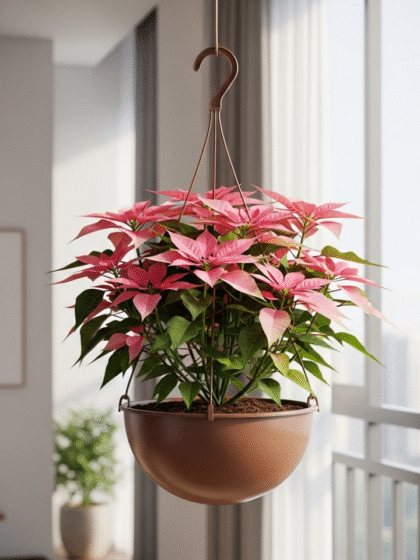
Poinsettia Pink Plant

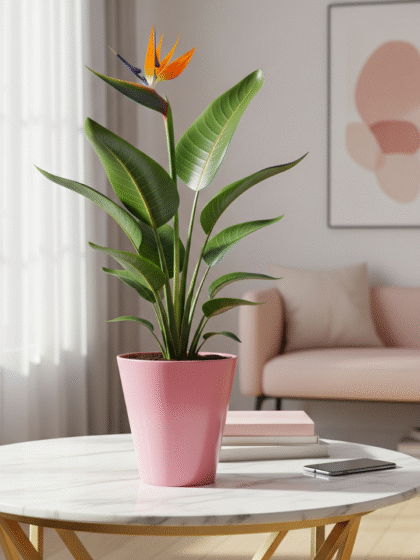
Bird of Paradise Plant
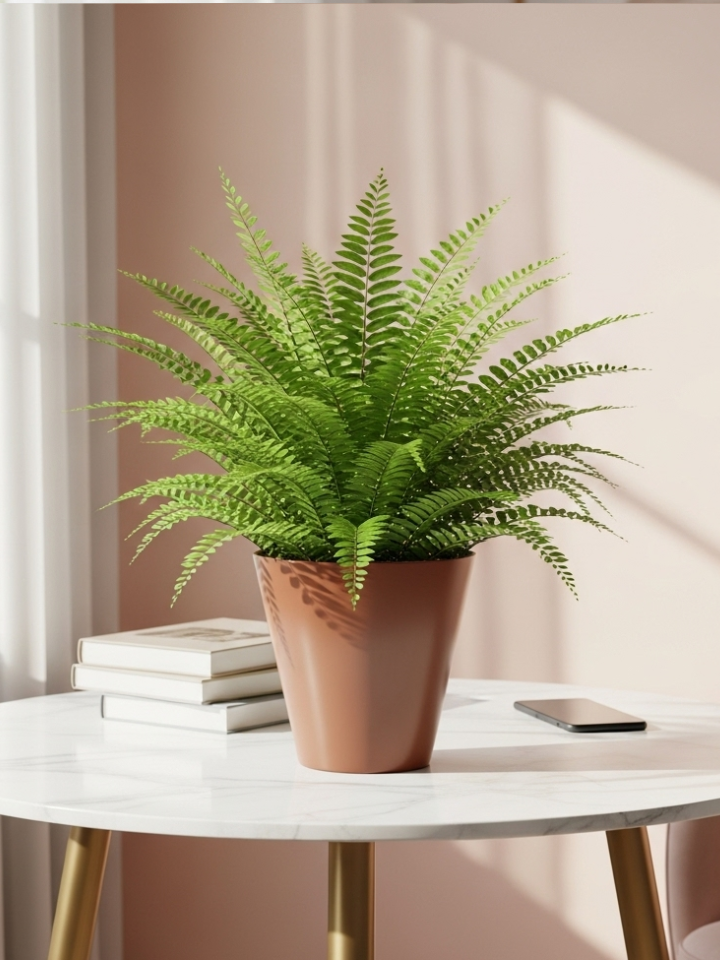
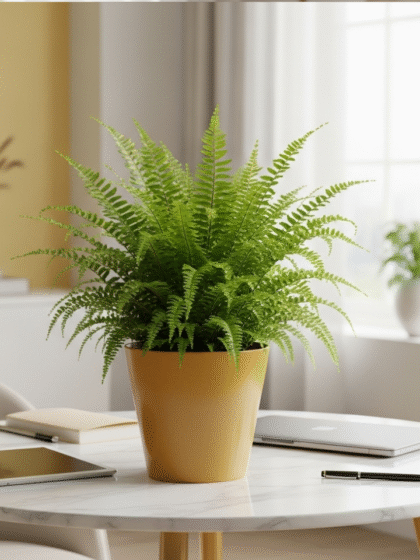
Boston Compacta Fern
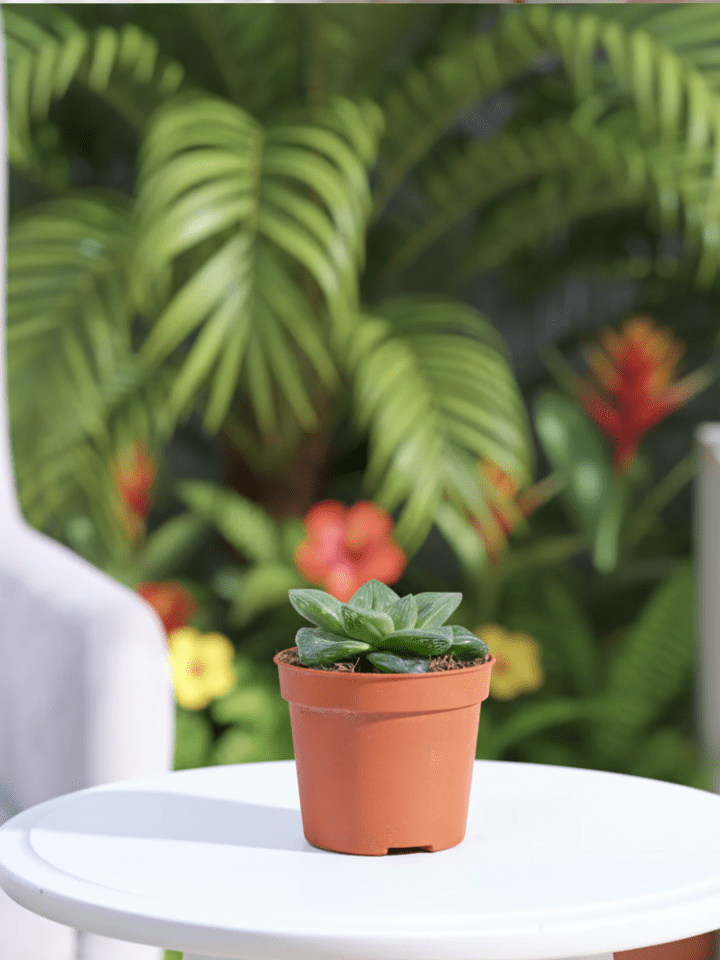
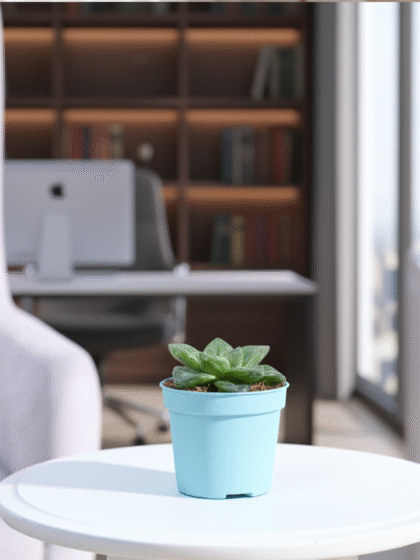
Haworthia Cymbiformis Plant
The Science Behind Air-Purifying Plants
The reputation of houseplants as air cleaners is not folklore. It rests on a famous study most plant enthusiasts have heard of but few have actually read.
The NASA Clean Air Study, in plain language
In 1989, NASA scientist Dr. B.C. Wolverton published research originally aimed at finding ways to keep the air breathable inside sealed space stations. His team enclosed common houseplants in controlled chambers and pumped in three notorious indoor pollutants: formaldehyde, benzene, and trichloroethylene. After 24 hours, they measured how much of each chemical the plants had removed.
The results were striking. Several ordinary houseplants stripped between 50% and 90% of these toxins from the test chambers. The Peace Lily, Snake Plant, English Ivy, Areca Palm, Boston Fern, and Money Plant (Pothos) all performed exceptionally. NASA’s broader recommendation was that one healthy plant per roughly 100 square feet of indoor space could meaningfully improve air quality.
Important caveat: those original chambers were sealed and small. Real homes have leakage, ventilation, and far larger volumes. Later researchers, including a 2019 review published in the Journal of Exposure Science and Environmental Epidemiology, pointed out that you would need a forest of plants to match a mechanical purifier in a perfectly sealed room. But that is the wrong comparison. Plants do not work alone. They humidify, they reduce dust, they lower carbon dioxide, they calm the nervous system, and they keep working 24 hours a day with no electricity. In a typical Indian flat, where windows do open and ventilation is partial, a thoughtful collection of the right species genuinely shifts the indoor air baseline.
How a leaf actually cleans your air
Three quiet mechanisms run in parallel inside every healthy houseplant.
- Stomatal absorption: Tiny pores called stomata, mostly on the underside of leaves, breathe in air. Along with carbon dioxide, they pull in airborne VOCs like benzene from paint and formaldehyde from particle board. The plant metabolises some of these compounds; others move into the soil.
- Root-zone microbiology (phytoremediation): The real workhorses are the microbes in the potting soil. Bacteria around the roots break complex pollutants down into harmless components. This is why a plant in a pot full of healthy soil performs better than a freshly repotted one.
- Transpiration: Plants release water vapour through their leaves. This raises humidity, which traps fine dust particles and helps them settle out of the air you breathe. In dry north Indian winters, this benefit alone can soothe irritated throats and nasal passages.
Why this matters specifically in Indian homes
Walk through a typical Indian flat and the pollution sources line up one after another. Fresh enamel paint outgases for weeks. New plywood almirahs and modular kitchens release formaldehyde for months. Mosquito coils and incense produce particulate matter at levels that would alarm most environmental scientists. Mustard oil tadka, deep-frying, and prolonged stove use without an exhaust hood add cooking smoke. Dust from never-ending construction settles on every surface within hours of cleaning.
Add the seasonal layer: monsoon humidity that breeds mould spores, winter inversions that trap pollutants close to the ground in north India, and summer dust storms in the plains. Indoor plants for air purification become not a lifestyle accessory but a small, daily defence against a real exposure load. They will not replace cross-ventilation, exhaust fans, or air purifiers in cities with extreme AQI. They complement them, beautifully.
Which Indoor Plant Purifies the Air the Most? The Direct Answer
Quick answer: The Peace Lily (Spathiphyllum wallisii) removes the widest range of indoor pollutants in NASA-style tests, making it the most versatile single air-purifying houseplant for Indian homes. Snake Plant ranks second for its rare ability to release oxygen at night, and Areca Palm leads as a humidifier and large-room purifier.
These three are not interchangeable. They win at different things, and the right one for you depends on which problem you are solving.
Peace Lily: the all-rounder
Peace Lily filtered formaldehyde, benzene, trichloroethylene, xylene, toluene, and ammonia in the original NASA tests, more pollutants than almost any other species studied. Its dark green leaves cope with low light, which is rare among effective purifiers, and the white spathe flowers add quiet drama to a room. The trade-off: it is mildly toxic to cats and dogs, and it droops dramatically when thirsty (which, oddly, makes it forgiving for beginners since it tells you exactly when to water).
Snake Plant: the bedroom champion
Sansevieria trifasciata, known in many Indian homes as the Snake Plant or sometimes Mother-in-Law’s Tongue, is one of the few houseplants that performs CAM photosynthesis. In simple terms, it takes in carbon dioxide and releases oxygen during the night, when most plants do the opposite. That makes it uniquely suited to bedrooms. It is also the most neglect-tolerant plant on this list, surviving weeks of forgotten watering.
Areca Palm: the natural humidifier
Dypsis lutescens, the Areca Palm, is a tropical workhorse. A mature specimen can release nearly a litre of moisture into the air every 24 hours, raising humidity in dry rooms while filtering xylene and toluene from car exhaust and solvents. It needs more light and water than the other two, but in a bright drawing room it transforms the atmosphere within weeks.
Top performers compared at a glance
Plant | Key Toxins Removed | Light Needed | Maintenance | Pet Safe? |
Peace Lily | Formaldehyde, benzene, TCE, xylene, ammonia | Low to medium | Easy | No (mildly toxic) |
Snake Plant | Formaldehyde, benzene, xylene; releases O2 at night | Low to bright | Very easy | No (mildly toxic) |
Areca Palm | Xylene, toluene; strong humidifier | Bright indirect | Moderate | Yes |
Money Plant (Pothos) | Formaldehyde, benzene, CO | Low to medium | Very easy | No |
Boston Fern | Formaldehyde, xylene | Medium, humid | Moderate | Yes |
Bamboo Palm | Benzene, formaldehyde, TCE | Medium indirect | Easy | Yes |
Aglaonema (Pink/Red) | Benzene, formaldehyde | Low to medium | Easy | No |
Aloe Vera | Formaldehyde, benzene | Bright indirect | Very easy | No |
Spider Plant | Formaldehyde, xylene | Medium indirect | Very easy | Yes |
Monstera Deliciosa | Formaldehyde | Medium to bright | Easy | No |
If you want a single plant that does the most across the most rooms, choose the Peace Lily. If you want one plant that purifies while you sleep, choose the Snake Plant. If you have a bright corner and want a single statement piece that humidifies a large area, choose the Areca Palm. Most Indian homes benefit from a small mix rather than relying on one species.
Top 15 Air-Purifying Indoor Plants for Indian Homes
Below is a working shortlist drawn from species that perform well in laboratory studies and also thrive in Indian conditions. Every plant here is part of the Plantaeroot catalogue, which means it has been tested in our climate by gardeners across humid Kolkata, hot Delhi, coastal Chennai, and temperate Bengaluru. Common names appear first, with the botanical name in italics so you can identify them at any nursery.
Peace Lily (Spathiphyllum wallisii)
If you can buy only one purifier, buy this. Peace Lily filters the largest range of common indoor toxins, including formaldehyde from fresh laminate, benzene from synthetic carpets, trichloroethylene from solvents, and ammonia from cleaning products. Its glossy lance-shaped leaves and white blooms suit modern Indian interiors as easily as traditional pooja-room corners.
- Pollutants removed: formaldehyde, benzene, trichloroethylene, xylene, ammonia, carbon monoxide.
- Ideal placement: north-facing window sill, study table, bathroom shelf with indirect light, drawing room corner shaded by a curtain.
- India-specific care: water when leaves visibly droop (often weekly in summer, every 10 days in winter); avoid hard tap water if possible during long Delhi or Hyderabad summers; mist leaves during dry winters.
- Pet safety: mildly toxic to cats and dogs if chewed; keep out of reach if pets are curious.
Snake Plant (Sansevieria trifasciata)
The Snake Plant is the closest thing to a maintenance-free purifier. Its upright sword-shaped leaves are striking, and its night-time oxygen release makes it the single best air purifier indoor plant for the bedroom. The Green and Golden Hahnii varieties available at Plantaeroot are compact enough for bedside tables.
- Pollutants removed: formaldehyde, benzene, xylene, trichloroethylene, toluene.
- Ideal placement: bedroom corners, hallway, study, balcony with partial sun, even windowless bathrooms with occasional rotation to light.
- India-specific care: water sparingly, every two to three weeks in summer and once a month in winter; in monsoon season, reduce watering further to prevent root rot.
- Pet safety: mildly toxic if ingested in large amounts; generally safe in pet households as pets rarely chew the tough leaves.
Money Plant (Epipremnum aureum)
Few plants are as woven into Indian domestic life as the Money Plant. The Golden, N’Joy, and Variegated varieties are all strong performers. Trailing vines from a pot in the kitchen window or trained up a moss pole in the living room give air purification with negligible effort. It is the natural air purifier most Indian families already own.
- Pollutants removed: formaldehyde, benzene, carbon monoxide, xylene.
- Ideal placement: kitchen window, top of bookshelves, bathroom (it tolerates humidity beautifully), hanging baskets in balconies.
- India-specific care: grows in soil or water; change water every 7 to 10 days when grown hydroponically; tolerates wide temperature swings from coastal humidity to Pune dry heat.
- Pet safety: toxic if chewed; place high or in hanging planters when pets are around.
Areca Palm (Dypsis lutescens)
The Areca Palm is the most generous humidifier in the houseplant world. A waist-high specimen in a Chennai or Mumbai drawing room releases moisture all day, softening the dry, cooled air from a constantly running AC. It is also genuinely pet friendly, which is rare among large indoor plants.
- Pollutants removed: xylene, toluene, formaldehyde.
- Ideal placement: bright living room corners, near a south or east-facing window with filtered light, beside reading chairs.
- India-specific care: keep soil consistently moist but never waterlogged; rotate the pot weekly so all sides receive light; wipe leaves monthly to clear monsoon dust and city soot.
- Pet safety: non-toxic to cats and dogs; an excellent choice for households with pets.
Lucky Bamboo (Dracaena sanderiana)
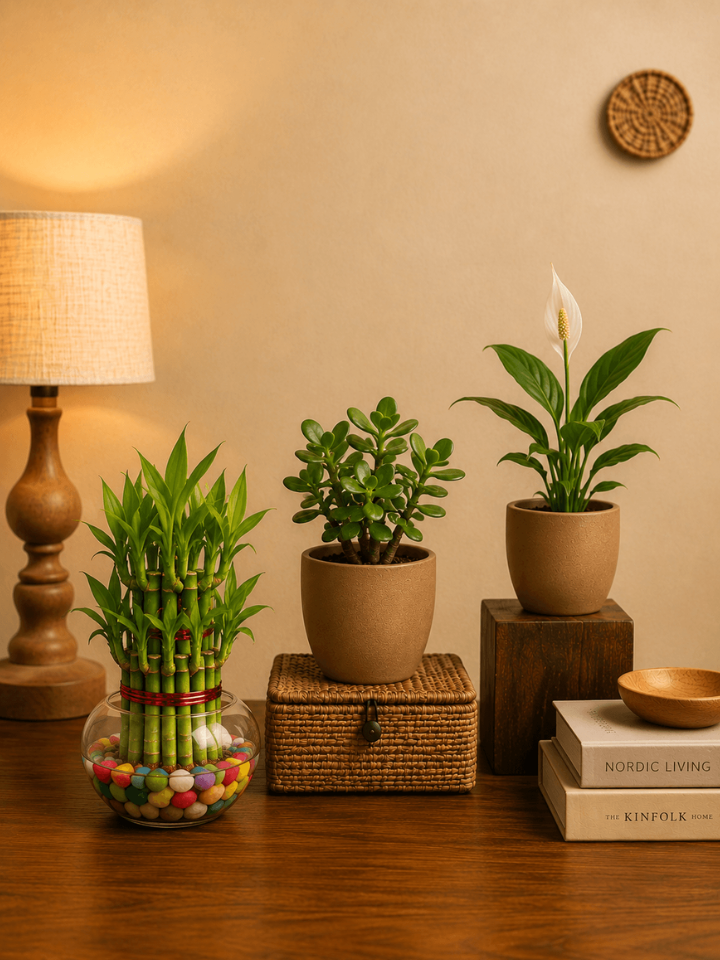
Despite its name, Lucky Bamboo is actually a Dracaena, and Dracaenas are quietly excellent air filters. Its slim, sculptural stalks suit both Vastu-conscious traditional homes and minimalist apartments. It grows in plain water with a few pebbles, which sidesteps soil-borne fungal issues during monsoon.
- Pollutants removed: formaldehyde, benzene, trichloroethylene.
- Ideal placement: pooja room shelves, office desks, dining table centrepieces, bathroom counters with indirect light.
- India-specific care: change water weekly; use filtered water if your area has high TDS; never expose to direct afternoon sun, which scorches the leaves.
- Pet safety: toxic to cats and dogs; place out of reach.
Monstera Deliciosa
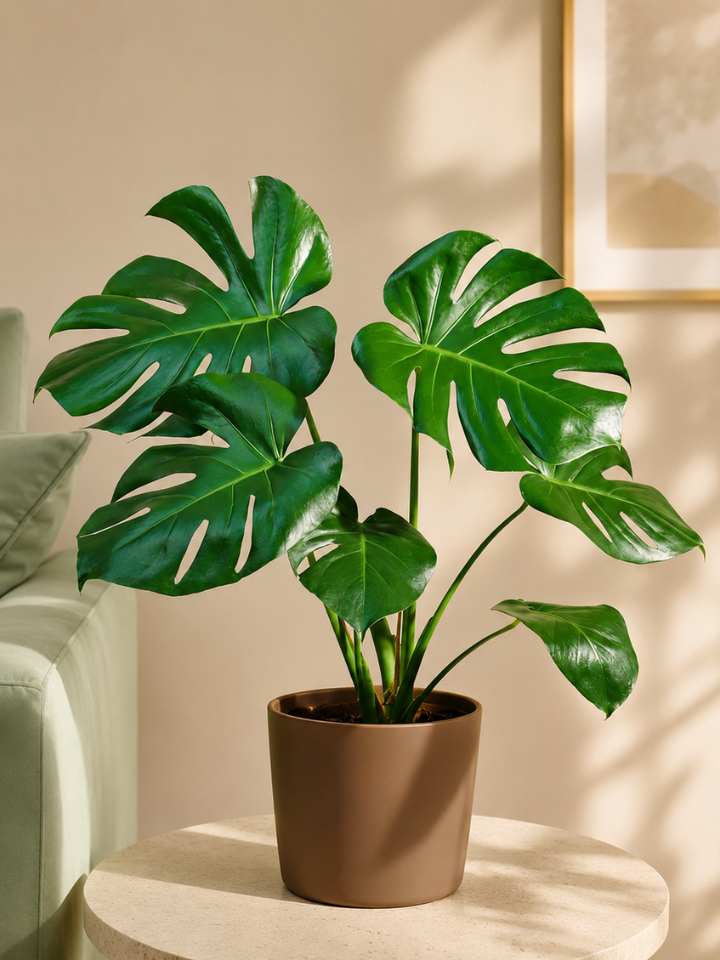
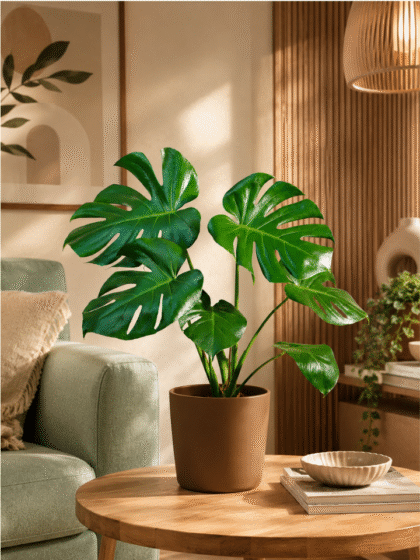
The Swiss Cheese Plant has become the unofficial mascot of Indian millennial home décor, and for good reason. Beyond its dramatic split leaves, Monstera filters formaldehyde efficiently and grows fast in our warm climate. Just one large specimen can anchor an entire living room corner.
- Pollutants removed: formaldehyde.
- Ideal placement: living room corners, bright stairwells, large balconies with morning sun and afternoon shade.
- India-specific care: water when the top two inches of soil dry out; give it a moss pole to climb so leaves develop their characteristic fenestrations; protect from harsh direct sun.
- Pet safety: toxic to cats and dogs; keep elevated or behind furniture.
Syngonium Pink (Syngonium podophyllum)
The Syngonium Pink Plant is the most popular pink variegated plant in Indian homes today, and it earns its place beyond Instagram aesthetics. It removes formaldehyde and benzene while adding soft, blush-toned colour to a room. Compact enough for shelves, fast enough to fill a hanging basket.
- Pollutants removed: formaldehyde, benzene, toluene.
- Ideal placement: bookshelves, hanging baskets, north-facing window sills, dressing tables.
- India-specific care: medium indirect light keeps the pink colour vivid; water when topsoil dries; humidity from a kitchen or bathroom suits it well.
- Pet safety: toxic if chewed; choose Pixie White variety for the same look in households that prefer plain green options elsewhere.
Aglaonema Pink Beauty (Aglaonema commutatum)
Aglaonemas are the secret weapon of Indian interior plant lovers. The Pink Beauty cultivar produces large, painted-looking leaves that handle low light better than almost any other coloured plant. It cleans the same toxins as Peace Lily, with more visual drama.
- Pollutants removed: formaldehyde, benzene.
- Ideal placement: drawing room corners with indirect light, hotel-style reception nooks, north-facing study tables.
- India-specific care: keep away from cold drafts (fans of room ACs); water when the top inch dries; feed once a month during summer.
- Pet safety: toxic to cats and dogs.
Aglaonema Red
The red-leaved Aglaonema, sometimes called Siam Aurora, brings bold colour and the same air-cleaning credentials as its pink cousin. It is one of the few coloured houseplants that does not demand bright light to keep its hues. Excellent in Mumbai high-rises where natural light is filtered through other buildings.
- Pollutants removed: benzene, formaldehyde, toluene.
- Ideal placement: living room side tables, restaurant-style dining corners, well-lit office desks.
- India-specific care: tolerates ambient humidity well; in drier cities like Jaipur or Pune, mist weekly; avoid sudden temperature changes.
- Pet safety: toxic if chewed.
Bamboo Palm (Chamaedorea seifrizii)
The Bamboo Palm performs well in NASA studies for benzene and formaldehyde removal, and it tolerates the kind of dim corners many Indian flats offer. It feels lush without overwhelming a small space, and it is safe around pets and children, which makes it an honest family choice.
- Pollutants removed: benzene, formaldehyde, trichloroethylene.
- Ideal placement: bathroom corners with indirect light, near reading chairs, beside television units.
- India-specific care: keep soil evenly moist; in coastal humidity it thrives without misting; in drier climates mist twice a week.
- Pet safety: non-toxic; safe with cats and dogs.
Brazilian Wood Plant (Pachira aquatica)
Sometimes sold as Money Tree, the Brazilian Wood Plant is associated with prosperity in many cultures, including being adopted into Indian Vastu and feng shui practice. Beyond the symbolism, it filters formaldehyde and benzene, and its braided trunk makes a striking centrepiece.
- Pollutants removed: formaldehyde, benzene.
- Ideal placement: entrance foyer, office reception, hallway tables, near the front door.
- India-specific care: bright indirect light; water deeply but allow soil to dry between waterings; tolerates the AC environment of corporate offices well.
- Pet safety: generally considered safe but best kept out of reach.
Ficus Bonsai (Ficus benjamina / Ficus microcarpa)
Bonsai brings the calm of a centuries-old garden tradition to a small pot. Ficus species filter formaldehyde and xylene effectively, and the slow ritual of caring for a bonsai is itself good for mental health. A bonsai on a meditation table or pooja shelf is a living link between aesthetics and air quality.
- Pollutants removed: formaldehyde, xylene, toluene.
- Ideal placement: meditation corners, study tables, balcony shelves with morning light, beside windows.
- India-specific care: water when soil surface feels dry; rotate weekly for even growth; protect from cold winter winds in north India.
- Pet safety: mildly toxic; sap can irritate skin and pets.
Boston Compacta (Nephrolepis exaltata)
The Boston Compacta is a more compact, easier cousin of the classic Boston Fern. It filters formaldehyde and xylene while raising humidity, which makes it especially useful in air-conditioned bedrooms in Chennai, Mumbai, and other coastal cities where ACs run for ten hours a day.
- Pollutants removed: formaldehyde, xylene.
- Ideal placement: hanging baskets, bathroom shelves, balcony corners with shade, kitchen windows.
- India-specific care: keep soil consistently moist; thrives in monsoon humidity; in dry winters mist daily and place on a pebble tray.
- Pet safety: non-toxic; safe choice for pet households.
Aloe Vera Mini
Aloe Vera is one of the oldest medicinal plants in Ayurveda and a quietly excellent air cleaner. It filters formaldehyde and benzene, releases oxygen at night like the Snake Plant, and offers gel for minor burns. Few plants give back so much for so little care. The mini variety, sometimes called Blizzard, suits small kitchens and balconies.
- Pollutants removed: formaldehyde, benzene.
- Ideal placement: kitchen window, sunny balcony corner, bedroom side table with morning light.
- India-specific care: bright indirect or direct morning light; water deeply only when soil is fully dry; reduce watering sharply during monsoon.
- Pet safety: toxic if pets chew the gel; place out of reach.
Haworthia Cymbiformis
Haworthia is the apartment-dweller’s succulent. It looks like a miniature aloe, releases oxygen at night, and tolerates the indirect light of inner-city flats where balconies face other buildings. A trio of Haworthias on a study desk delivers steady, low-key air filtration in the smallest footprint.
- Pollutants removed: formaldehyde, light VOC absorption.
- Ideal placement: study desks, bookshelves, dressing tables, narrow window ledges.
- India-specific care: water once every two to three weeks; tolerates AC rooms; avoid overhead watering that pools in the rosette.
- Pet safety: generally non-toxic; safe around pets.
Best Air Purifier Plants for Bedroom
Quick answer: For bedrooms, choose plants that release oxygen at night and tolerate low light: Snake Plant, Aloe Vera, Tulsi, and Areca Palm are the four strongest options for Indian bedrooms.
Most plants take in oxygen and release carbon dioxide after sundown, which is why old wisdom warned against sleeping under a tree. A small group of houseplants reverses this pattern through Crassulacean Acid Metabolism, a clever adaptation evolved in dry climates. They open their leaf pores at night and release oxygen while you sleep. These are the species worth trusting in your bedroom.
Why bedroom air is its own challenge
An average Indian bedroom is small, often 100 to 150 square feet in a 2BHK flat, sealed against mosquitoes, and shut behind an AC for six to eight hours every night. Add freshly washed bedsheets that retain detergent residue, polyurethane foam mattresses, and a wardrobe full of dry-cleaned clothes, and the air thickens with VOCs by morning. Many people who wake up groggy in cities like Bengaluru and Pune are not under-rested. They are mildly oxygen-starved and over-exposed to indoor chemicals.
The four bedroom favourites, ranked
Snake Plant leads this category. One pot near the headboard releases oxygen through the night and continues filtering formaldehyde from mattress foam and benzene from polished wooden furniture. Choose the Hahnii or compact Bird’s Nest variety for bedside tables; the standard upright form for floor corners.
Aloe Vera is the second pillar. It also performs CAM photosynthesis, asks for almost nothing, and fits on a sunlit window sill. As a bonus, the gel is genuinely useful for sunburn after a Goa weekend or a kitchen burn from the morning chai.
Tulsi (Ocimum sanctum) deserves its sacred status. It is one of the rare plants that releases oxygen for nearly twenty hours a day, repels mosquitoes naturally, and brings the gentle scent that Indian bedrooms have known for generations. A pot on the bedroom window sill is both a Vastu choice and a practical one.
Areca Palm earns a place if your bedroom has bright indirect light. It humidifies the dry, AC-cooled air that causes dry throats and disturbed sleep, and it filters xylene from polished wood. A waist-high specimen in a corner softens the whole room.
Placement and monsoon care
Keep plants at least three feet from the AC vent. Cold direct draft chills tropical leaves and causes brown tips. During monsoon, when humidity in Kolkata or Mumbai climbs above 80%, water bedroom plants less than your instinct suggests. Damp soil under a closed AC is an invitation to fungus and fungus gnats. A simple discipline: lift the pot weekly. If it feels heavy, skip watering.
Best Plants for Living Room Corner
Quick answer: For Indian living rooms, the strongest plants for a corner are Areca Palm, Monstera Deliciosa, Bird of Paradise, and Bamboo Palm. Choose statement-sized specimens, four to six feet tall, that purify air while anchoring the room visually.
The drawing room is where guests sit, family television happens, and most Indian homes spend their longest waking hours. It is also where the air mixes with kitchen smoke from the open-plan kitchen, dust from the front door, and the off-gassing of new sofas, fresh paint, and laminate flooring. A single statement plant in the corner is one of the most effective design choices you can make for both aesthetics and air quality.
Choosing a plant for living room corner that earns its space
A good corner plant has presence, scale, and architecture. It draws the eye, fills awkward dead space between a sofa and a wall, and pulls the room together. Plantaeroot’s catalogue is full of options, but four candidates stand out for their combination of purifying power and visual gravitas.
Areca Palm: the classic choice for South Indian and Bengali living rooms. Its arching fronds soften hard architectural lines, and a mature plant raises humidity noticeably. Place near a window with filtered light, behind a low side table or reading chair.
Monstera Deliciosa: the modern statement piece. The split leaves photograph well and command attention, and the plant grows fast in our warm climate. Pair with a textured ceramic planter for a Pinterest-worthy corner.
Bird of Paradise (Strelizia nicolai): adds drama in larger drawing rooms. Its banana-shaped leaves bring a tropical resort feeling. Best in homes with at least one bright window.
Aralia Variegated: a refined, bonsai-like option for compact corners and apartment living rooms. The variegation brings light into shaded corners.
Styling: Indian interiors meet biophilic design
Pair plants with planters in materials that echo Indian sensibilities. A terracotta urli, a brass kalash converted into a planter, or a hand-thrown ceramic pot from Khurja or Pondicherry adds a layer of cultural texture. Group three plants of varying heights for a curated cluster: one tall (Areca or Monstera), one medium (Aglaonema Pink Beauty), one trailing (Money Plant or Syngonium).
Avoid placing tall plants directly under a ceiling fan running at full speed. The constant air movement dries out leaves quickly. A floor-standing plant looks best when its tallest point reaches roughly two-thirds of the height of the nearest wall feature, whether that is a TV unit, a painting, or a bookshelf.
Best Plants for Office Desk
Quick answer: The strongest plants for office desk environments are Snake Plant Hahnii, Lucky Bamboo, Haworthia, ZZ Plant, and small Money Plant cuttings. They tolerate low light, irregular watering, and constant AC.
Indian corporate offices are tough on plants. Glass towers in Gurugram, Bengaluru’s tech parks, and Mumbai’s BKC run central AC at temperatures often below 22 degrees, with low humidity and filtered light blocked by tinted glass. Workstations are dusty from carpet fibres and printer particles. Workers travel and forget to water for a week at a time. The desk plant that survives this is a specific kind of plant.
What office plants need to do
A useful desk plant performs three jobs: it cleans the air immediately around your breathing zone, it survives your work travel, and it lowers your stress. The third matters more than people realise. Studies from the University of Exeter and Texas A&M have shown that adding even small plants to a workspace can reduce reported stress by 37% and increase concentration by up to 15%. In an industry that runs on focus, the desk plant is a quiet productivity tool.
Five strong contenders
- Snake Plant Hahnii: compact rosette that handles AC, low light, and fortnightly watering. The single best office desk plant in Indian conditions.
- Lucky Bamboo: grows in plain water, fits in a small glass jar, and matches Vastu preferences for the southeast corner of a desk for prosperity.
- Haworthia Cymbiformis: succulent that releases oxygen during work hours when its CAM cycle is active in cool offices, water once every three weeks.
- Money Plant in a small bottle: the desi classic; trailing vines soften the rectangular geometry of monitors and laptops.
- Peperomia Green: a quiet performer with thick leaves that store water through long weekends and business trips.
Looking after a plant in an air-conditioned office
Position plants at least an arm’s length from the AC vent. Use a small spray bottle to mist tropical species like Money Plant once a week to compensate for low humidity. Avoid watering on Friday evening if you might travel; a midweek schedule reduces the risk of a soggy pot sitting unattended over a long weekend. Wipe leaves with a damp cloth fortnightly to remove printer dust and particulate matter, which would otherwise block stomatal absorption.
Pet Friendly Indoor Plants That Also Purify Air
Quick answer: The safest air-purifying plants for homes with cats and dogs are Areca Palm, Bamboo Palm, Boston Fern, Spider Plant, Parlour Palm, and Haworthia. These combine strong filtration with confirmed non-toxicity.
An indoor plant that purifies brilliantly is little use if your puppy chews a leaf and ends up at the vet that night. With Indian homes increasingly welcoming pets, especially in metro apartments where dogs and cats live indoors most of the day, plant choice has become a genuine safety question. The good news: several strong purifiers are completely safe.
Top pet-safe air purifiers
Plant | Pet Safe? | Air Purifying Strength | Notes |
Areca Palm | Yes (cats & dogs) | Strong | Best large pet-safe choice |
Bamboo Palm | Yes | Strong | Excellent for low light |
Boston Compacta | Yes | Moderate | Watch for soil ingestion |
Spider Plant | Yes | Moderate | Cats sometimes nibble — non-toxic |
Parlour Palm | Yes | Moderate | Compact, good for apartments |
Haworthia | Yes | Mild | Tiny footprint, safe for desks |
Peperomia Green | Yes | Mild | Decorative, harmless |
Money Plant | No | Strong | Avoid if pets chew foliage |
Peace Lily | No | Strongest | Toxic — keep elevated only |
Snake Plant | Mildly toxic | Strong | Pets rarely chew tough leaves |
Plants to strictly avoid in pet households
Sago Palm, Lily varieties (true lilies, not Peace Lily lookalikes), Dieffenbachia, Oleander, Caladium, and Philodendron are dangerous to dogs and cats. Sago Palm is the most lethal; even a few seeds can cause liver failure in dogs. Indian homes commonly bring home Caladium for its colourful leaves without realising the toxicity. If you have curious pets, stick to the pet-safe column above.
A practical safeguard: keep all toxic plants on shelves above five feet, in hanging baskets out of reach, or in rooms where pets do not enter. The Plantaeroot pet-friendly section of the catalogue includes Tulsi, Parijaat, Lucky Bamboo (mild caution), Areca Palm, Bamboo Palm, and several others, making it easy to filter for safety from the start.
Low Maintenance Air Purifying Plants for Busy Indians
Quick answer: The easiest air-purifying plants for working Indian families are Snake Plant, Money Plant, ZZ Plant, Aglaonema, Pothos N'Joy, and Haworthia. They tolerate missed watering, irregular light, and travel.
Many people abandon houseplants after the first dead pothos. The pattern is familiar: a hopeful purchase, two weeks of attention, a forgotten week, yellow leaves, guilt, surrender. The solution is not more discipline. It is choosing house plants low maintenance enough that your real schedule can keep up with them.
What low maintenance actually means
A genuinely low-maintenance plant tolerates three things: irregular watering, imperfect light, and dust. It does not demand misting, fertilising, or repotting on a schedule. It survives a week-long Diwali trip to your in-laws. It does not collapse the moment the AC runs all day. The species below clear all three tests.
The honest low-maintenance shortlist
- Snake Plant: water every two to three weeks. Survives almost any indoor light. Will outlive most furniture in your house.
- Money Plant (Golden, N’Joy, Variegated): water when topsoil is dry. Roots happily in plain water. The most forgiving plant in the Indian houseplant universe.
- ZZ Plant (Zamioculcas zamiifolia): water once every three weeks. Tolerates both bright and very low light. Glossy leaves do not need misting.
- Aglaonema: water weekly in summer, fortnightly in winter. Pink, Red, and Silver Bay varieties bring colour without high maintenance.
- Haworthia and small succulents: water every three weeks. Compact enough for the smallest 1BHK.
- Peperomia Green: water when fully dry. Compact, slow-growing, no special demands.
Watering rhythm by Indian season
Most plant deaths in Indian homes come from overwatering, not under-watering. The same plant in a Delhi summer needs watering twice as often as the same plant during a Mumbai monsoon. A simple seasonal rhythm helps.
In peak summer (April to June), most leafy plants want watering once or twice a week. During monsoon (July to September), reduce to once every ten to fourteen days; ambient humidity does much of the work for you. In autumn and winter (October to February), water every two weeks for tropicals and every three to four weeks for succulents and Snake Plants. In spring (March), as growth resumes, gradually return to summer frequency.
Low maintenance outdoor hanging plants for balconies
If your balcony gets bright filtered light, low maintenance outdoor hanging plants extend the green canopy of your home and shade interiors from direct sun. The strongest performers in Indian conditions are Spider Plant, English Ivy, trailing Money Plant, Turtle Vine, Boston Compacta, and Philodendron. They tolerate Mumbai humidity, Bengaluru showers, and Delhi summer winds with minimal fuss. Hang them on the inner side of a grill so they get sun without battering.
Pink Variegated and Decorative Air-Purifying Plants
Quick answer: The most popular decorative air-purifying plants in Indian homes are Syngonium Pink, Aglaonema Pink Beauty, Money Plant Variegated, Calathea Pink, and Philodendron Pink Princess. They combine colour with effective VOC filtration.
There is a quiet revolution in Indian home décor. A decade ago, houseplants meant green and only green. Today, walk into any reasonably curated home in Bandra, Indiranagar, or Salt Lake and you will spot blush-toned leaves spilling from terracotta pots and macramé hangers. The pink variegated plant is no longer niche; it is mainstream.
The colour comes from biology, not paint
Variegation happens when a plant produces leaves with cells that lack chlorophyll in some areas, allowing other pigments to show through. Pink, white, cream, and silver patterns emerge. These plants are often slower growing because their leaves do less photosynthesis per square inch, which means they need more careful light placement, but their air-purifying function continues unaffected.
The decorative purifier shortlist
- Syngonium Pink: soft pink arrowhead leaves, fast growing, filters formaldehyde and benzene. Best in medium indirect light to keep colour vivid.
- Aglaonema Pink Beauty: the showpiece. Large painted-pink leaves on compact plants. Tolerates surprisingly low light.
- Money Plant Variegated: splashes of cream and yellow on classic pothos leaves. The familiar plant, refreshed.
- Money Plant N’Joy: smaller leaves with a crisp green-and-white pattern; ideal for shelves and desks.
- Aglaonema Red: for those who prefer warmer tones; bold red veining and edges, same purification credentials as the Pink Beauty.
Plantaeroot stocks variegated and coloured varieties throughout the year, with Pink Beauty and Syngonium Pink consistently among the most-shipped plants for urban homes. Grouped together, they make a corner that looks designed by an interior stylist while quietly filtering the air.
Caring for variegation: the light balance
Variegated plants need more light than their plain green cousins to keep their colours bright. Too little light and the leaves revert to green. Too much direct sun and the pale areas scorch. The sweet spot is bright indirect light, three to five feet from a window. North-facing windows in Bengaluru and east-facing windows in Mumbai work well. In dimmer Kolkata flats, supplement with a few hours of grow-light or rotate the plant weekly for even exposure.
Traditional Plants Indians Have Always Used for Clean Air
Quick answer: Tulsi, Neem, Betel Leaf, and Parijaat are the traditional plants Indian households have kept for centuries to purify air, repel insects, and bring spiritual calm. Modern science confirms many of these benefits.
Long before NASA began testing houseplants in sealed chambers, Indian households kept a tulsi mancha at the entrance, a neem tree by the kitchen window, parijaat in the courtyard, and a betel vine climbing the back wall. This was not decoration. It was a quietly worked-out system that combined air purification, mosquito control, medicinal use, and ritual life. Modern science, when it has bothered to test these plants, has found the wisdom largely sound.
Tulsi (Ocimum sanctum / Holy Basil)
Tulsi is the most quietly powerful plant in the Indian home. Studies from BHU and CSIR have documented its essential oils releasing terpenes that have mild antibacterial and antiviral effects on surrounding air. It releases oxygen for nearly twenty hours a day, longer than almost any other plant. Its scent repels mosquitoes and certain houseflies. In Ayurveda it is considered both a medicinal herb and a sattvic plant that calms the mind.
Place tulsi near the entrance, on the window sill, or on a tulsi mancha if you have a balcony or courtyard. Two varieties commonly grown are Rama Tulsi (green leaves) and Krishna Tulsi (purple-tinged), with the Black Tulsi (Krishna) considered slightly more medicinally potent.
Neem (Azadirachta indica)
Neem is too large to keep indoors but a young potted neem on a balcony or in an apartment terrace garden gives many of the same benefits. The leaves contain compounds that repel insects, the air around a neem tree is measurably cooler in summer, and dried neem leaves placed in cupboards repel cloth moths. Many Indian families still keep a small neem branch in the kitchen during festival seasons.
Betel Leaf (Piper betle)
The betel vine, paan ka pata, was a fixture of Indian kitchens for centuries. Beyond its culinary and ritual uses, it humidifies the air around it and adds visual greenery to back verandas. It needs warmth, indirect light, and consistent moisture. In Kolkata and parts of South India it remains a quiet kitchen-garden classic.
Parijaat (Nyctanthes arbor-tristis)
The night-blooming Parijaat, called Harsingar in north India, is the plant of legend and quiet courtyards. Its small white flowers with orange stems open at night and fall by morning, releasing a delicate fragrance that perfumes the entire house. It is associated with prosperity and is mentioned in the Mahabharata. As a plant it grows happily in pots on bright balconies and requires modest care.
Other traditional purifiers worth keeping
- Curry Leaves Plant (Murraya koenigii): kitchen-garden essential; the leaves release aromatic compounds while the plant filters air.
- Mint (Mentha): a small pot on the kitchen window cools the breath of cooking and repels some flying insects.
- Aloe Vera: the household healer; medicinal uses run from sunburns to digestive tonics.
- Brahma Kamal: rare, sacred, beautiful; flowers once a year at night and is considered deeply auspicious in Vastu.
- Marble Money Plant: Vastu-favoured variant of the classic Money Plant; brings good fortune in the southeast corner of the home.
What ties these traditional plants together is the principle that a home is a small ecosystem. Each plant added to it does several things at once. Air gets cleaner, mood lifts, mosquitoes retreat, festive rituals find their props, and family memory builds layer by layer. Modern science has only begun to catch up with what Indian households knew by feel for centuries.
How Many Plants Do You Need to Purify a Room?
Quick answer: A practical Indian rule of thumb: one medium-sized air-purifying plant per 100 square feet of indoor space. A 1BHK flat (around 450 sq ft) needs about four to five plants; a 2BHK (around 750 sq ft) needs seven to eight; a 3BHK (around 1,200 sq ft) benefits from twelve to fifteen.
The often-quoted NASA recommendation of one plant per 100 square feet was based on sealed test chambers and small specimens. Real homes leak air, have higher ceilings, and contain plants of varying sizes. The numbers below are calibrated for typical Indian flat layouts and realistic plant sizes available at most online nurseries, including Plantaeroot’s standard pot dimensions.
Room-by-room placement strategy
Home Size | Total Area | Suggested Plant Count | Distribution |
1RK / Studio | 200–300 sq ft | 2–3 plants | 1 living, 1 desk/kitchen, 1 bedside |
1BHK | 400–500 sq ft | 4–5 plants | 2 living, 1 bedroom, 1 kitchen, 1 balcony |
2BHK | 700–900 sq ft | 7–8 plants | 3 living, 2 bedrooms (1 each), 1 kitchen, 1 bathroom, 1 balcony |
3BHK | 1,100–1,400 sq ft | 12–15 plants | 4 living, 3 bedrooms, 2 kitchen/dining, 2 balcony, 1 puja, 1 bathroom |
4BHK / Villa | 1,800+ sq ft | 18–25 plants | Spread across rooms, with statement plants in living and dining |
Quality matters more than quantity
Three healthy, well-cared-for plants will purify more effectively than ten neglected ones. A wilting Peace Lily with yellow leaves is barely respiring; a thriving Snake Plant with deep green leaves is actively absorbing toxins all night. Start with two or three good plants you can genuinely look after. Add more as your routine settles. Rushing to fill a flat with twelve plants in week one is the most common reason new plant parents give up.
Vertical layering for small flats
In compact urban homes, build vertically. A floor-standing Areca Palm in a corner, a hanging Money Plant from the ceiling hook, a Snake Plant on a side table, and a Haworthia trio on a shelf occupy almost no floor area while putting four purifiers in the same room. This is how Mumbai high-rise dwellers and Bengaluru studio renters get the air-quality benefit of a small forest in 350 square feet.
Common Mistakes to Avoid With Indoor Air-Purifying Plants
Quick answer: The four mistakes that kill most houseplants in Indian homes are overwatering during monsoon, placing plants in direct AC drafts, choosing toxic species in pet households, and ignoring the difference between bright indirect and low light.
Buying plants is easy. Keeping them alive in Indian conditions, with their seasonal extremes and architectural quirks, takes a small body of practical knowledge. Almost every plant fatality in our climate falls into one of the patterns below.
Mistake 1: Overwatering, especially in monsoon
Most new plant parents water on a fixed schedule (every Sunday, for instance) regardless of season or soil condition. This kills plants faster than anything else. During monsoon, the air is humid, soil dries slowly, and roots sit wet. Wet roots invite fungal disease and root rot. The fix is simple: feel the soil with your finger before every watering. If the top inch is dry, water. If it is moist, wait. Skip a week without guilt.
Mistake 2: AC direct draft
Tropical houseplants evolved in warm, humid forests. Cold dry air blowing on them at 22 degrees from a wall-mounted AC produces brown leaf tips, leaf drop, and slow death. Place plants at least three feet from any AC vent. If you have a tower AC, keep plants behind the unit, not in front.
Mistake 3: Wrong light interpretation
Indian online plant guides often borrow Western terminology that confuses local readers. “Bright indirect light” means a spot near a window where you could comfortably read a book during the day, but where direct sun does not fall on the plant. “Low light” means a windowless bathroom or interior corridor; almost no plant truly thrives there for long. Match the plant to the light you actually have, not the light you wish you had.
Mistake 4: Toxic plants in homes with pets or toddlers
Peace Lily, Money Plant, Aglaonema, Monstera, Lily, Caladium, Dieffenbachia, and Sago Palm are all toxic if chewed. Many Indian families bring them home without knowing. If you have a curious cat, a leaf-pulling toddler, or a labrador who eats anything, keep these on shelves above five feet or shift to the pet-safe list. The Plantaeroot catalogue clearly identifies pet-friendly options.
Mistake 5: Closed rooms with no air movement
Plants need fresh air just as you do. A room with the windows shut for three weeks and the door closed all day will not benefit from a Peace Lily in the corner. Air must circulate for plants to absorb pollutants from across the room. Open a window for at least thirty minutes twice a day, even in polluted cities, ideally in the early morning or after sunset when AQI is typically lower.
Mistake 6: Monsoon fungal issues
From July to September, fungal infections explode on indoor plants. White mould on soil, black spots on leaves, and gnats around pots all signal too much moisture. Move plants to brighter, more ventilated spots. Sprinkle a fine layer of cinnamon powder on the soil surface, an old gardener’s trick that genuinely suppresses common fungi. Reduce watering. Remove dead leaves promptly.
Mistake 7: Decorative pots without drainage
Beautiful ceramic planters from Khurja or Pondicherry often come without drainage holes. Putting a plant directly into one is a slow death sentence. Use the decorative pot as a cachepot: keep the plant in its plastic nursery pot with drainage, place that inside the decorative pot, and lift it out when watering. Empty any water that collects in the outer pot within an hour.
Buying Air-Purifying Plants Online in India
Quick answer: When buying plants online in India, look for a nursery that ships within 2–3 days, packs each plant individually, offers tracking, and has a clear policy for handling transit stress. Plantaeroot's process is built around all four.
A decade ago, the only way to buy a healthy Peace Lily was to drive to your nearest nursery and hope for the best. Today, well-packed live plants ship across India in 48 to 72 hours, often arriving in better condition than supermarket potted plants. The difference between a good and bad online plant purchase comes down to how the seller handles the journey.
What to look for in an online plant nursery
- Real photographs of actual plants, not stock images. Stock photos hide the size and condition of what you will actually receive.
- Clear pot size and plant height information. A plant marketed as a Snake Plant could be a four-inch baby or a two-foot specimen.
- Defined dispatch and delivery timelines. Reputable nurseries dispatch within 2–3 working days and deliver in 2–7 business days across India.
- Tracking and customer support. You should receive a tracking link by email or WhatsApp the moment your order ships.
- A reasonable policy for plants that arrive stressed. Plants are living things, and a few yellow leaves after a 1,500 km journey is normal.
How Plantaeroot handles plant shipping
Plantaeroot was founded in 2014 in Kolkata, and a decade of shipping experience across Indian cities has taught the team a few things. Every plant is individually wrapped to protect leaves and stems. Pots are secured to prevent soil spillage. Orders dispatch within two to three working days from the warehouse, with a tracking link sent to your email or WhatsApp. Most orders reach customers in two to seven business days, depending on city. Free shipping applies on orders above ₹999 across India.
The team treats plants the way they should be treated, as living beings with feelings of stress after travel. The shipping policy explicitly recognises that plants may look a little tired on arrival. This is normal. With sunlight, water, and a few days of patience, almost every plant settles into its new home and resumes growing within a week.
What to do when your plant arrives
Open the package immediately. Remove any wrapping carefully without pulling on leaves. Place the plant in a spot with bright indirect light, not direct sun, for the first three to four days. Do not water immediately if the soil feels moist; over-watering a stressed plant is the most common post-delivery mistake. Mist the leaves once if the air is dry. Wait a week before any fertilising.
If a leaf yellows or droops in the first week, do not panic. The plant is acclimatising to a new humidity level, light direction, and temperature. Trim any dead foliage, keep the routine simple, and watch for new growth, which usually appears within ten to fifteen days. If a plant arrives genuinely damaged or looks unhealthy beyond ordinary travel stress, contact the nursery’s support team within 24 hours with clear photographs. Plantaeroot’s support team is reachable at support@plantaeroot.com or on WhatsApp at +91 9874758056.
Pricing reality and value
A healthy four-inch Peace Lily delivered to your door in Indian metro cities costs roughly ₹250 to ₹450 depending on size and pot. A waist-high Areca Palm in a finished planter ranges between ₹800 and ₹2,500. Compared to a single mechanical air purifier at ₹15,000 to ₹40,000, building a small collection of seven or eight plants for an entire 2BHK works out to under ₹4,000, with no electricity bill, no filter replacement cost, and a beautiful, calming home as the bonus.
Conclusion: Start Small, Breathe Better, Bring Nature Home
If this guide could be condensed into a single sentence, it would be this: the best indoor plant for purifying your air is the one you will actually keep alive. The Peace Lily wins on lab numbers. The Snake Plant wins on bedrooms. The Areca Palm wins on humidity. The Money Plant wins on familiarity and forgiveness. Each of them transforms a room when given basic care. Each of them fails when neglected.
Start with three plants. Pick one statement plant for the living room corner: Areca Palm or Monstera Deliciosa. Pick one purifier for the bedroom: Snake Plant or Aloe Vera. Pick one classic for the kitchen window or balcony: Money Plant or Tulsi. Look after these three for a month. Notice how the air feels. Notice how your mornings feel. Notice how the simple habit of watering plants slows down a busy week.
When you are ready, expand. Add a Peace Lily for the bathroom. A pink-variegated Syngonium for the bookshelf. A Bamboo Palm for the children’s room. A trio of Haworthia for the office desk. Build your home into a small living lung over six months, and you will feel the difference more than any single appliance can promise.
This is also, in a deeper sense, what Plantaeroot was founded to make possible. Basudev Saha began this nursery in 2014 with a simple conviction: that modern Indian homes had drifted too far from the petrichor and dew and green corners that earlier generations took for granted. A green plant in your home is more than décor. It is a small act of reconnection. It is a root back to the roots. Every leaf that opens, every bud that flowers, every drop of water you give in the morning is a quiet conversation with the natural world.
Whether you live in a 1BHK in Andheri, a builder flat in Sector 47 Gurugram, a heritage apartment in Kolkata’s Park Street, or a family villa in Whitefield, the principle holds. Plants belong indoors with us. They clean what we cannot see. They calm what we did not know was unsettled. And they give back, every day, in ways no machine can imitate.
Start small. Choose well. Water with attention. The cleanest air in your home is the air that flows around plants you love.