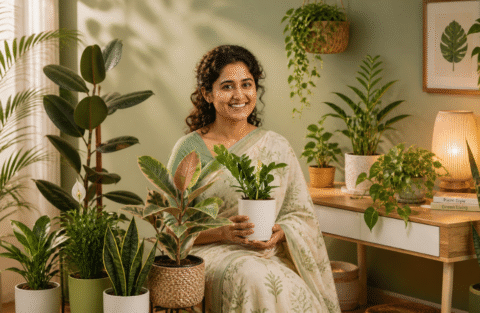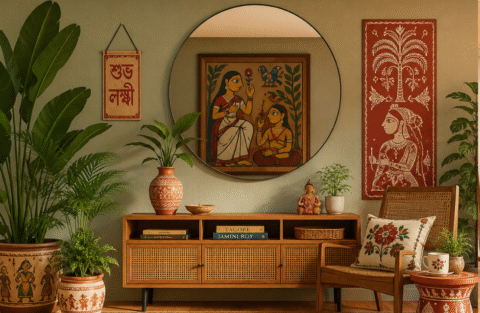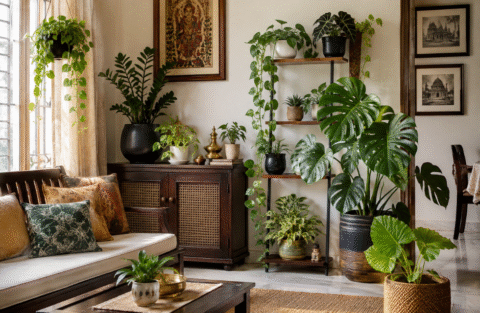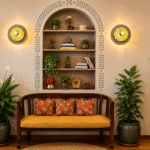


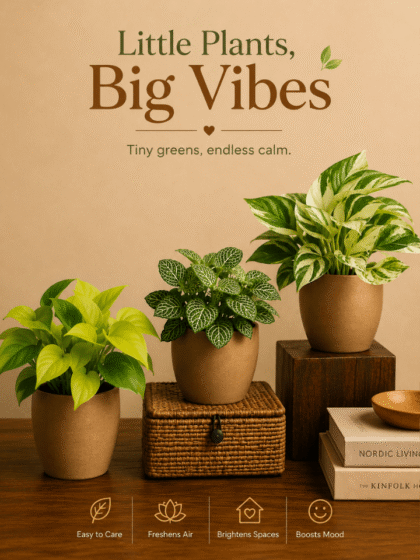
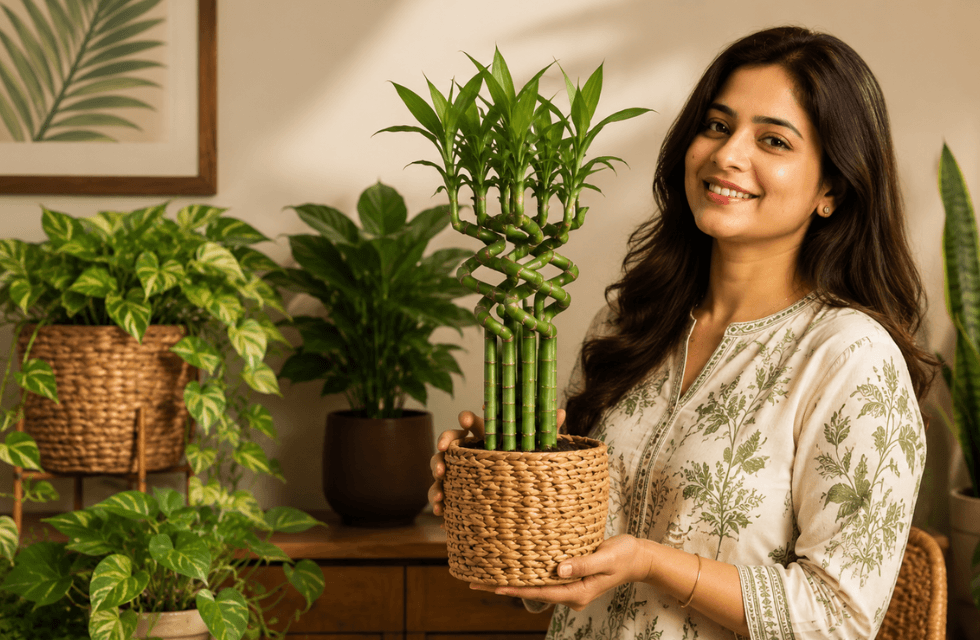
Imagine walking into a home that feels instantly calm — where the air carries a gentle freshness, the energy feels balanced, and every corner radiates a quiet, welcoming warmth. Chances are, there are plants in that space.
But not just any plants — Vastu plants, placed with purpose and intention.
Vastu Shastra, the ancient Indian science of architecture and spatial harmony, has guided home design for over 5,000 years.
At its heart lies a simple truth: the spaces we inhabit profoundly shape our energy, health, relationships, and prosperity. And plants — living, breathing, growing beings — are among the most powerful tools Vastu offers for transforming any indoor environment.
Today, as urban homes shrink and stress levels rise, more families across India are rediscovering the profound benefits of vastu indoor plants.
From a lucky bamboo on a windowsill to a thriving snake plant in the east corner of a bedroom, the right plant in the right spot can shift your home’s energy in truly remarkable ways. Ancient wisdom and contemporary science increasingly agree on this.
This comprehensive guide will walk you through everything — which plants Vastu recommends, how to place them room by room, directional guidelines for specific varieties, their benefits for office and shop spaces, gifting recommendations, and expert care tips.
Whether you are just beginning your plant journey or are a seasoned home gardener exploring Vastu deeper, this resource will serve you well.
Vastu Plants for Home
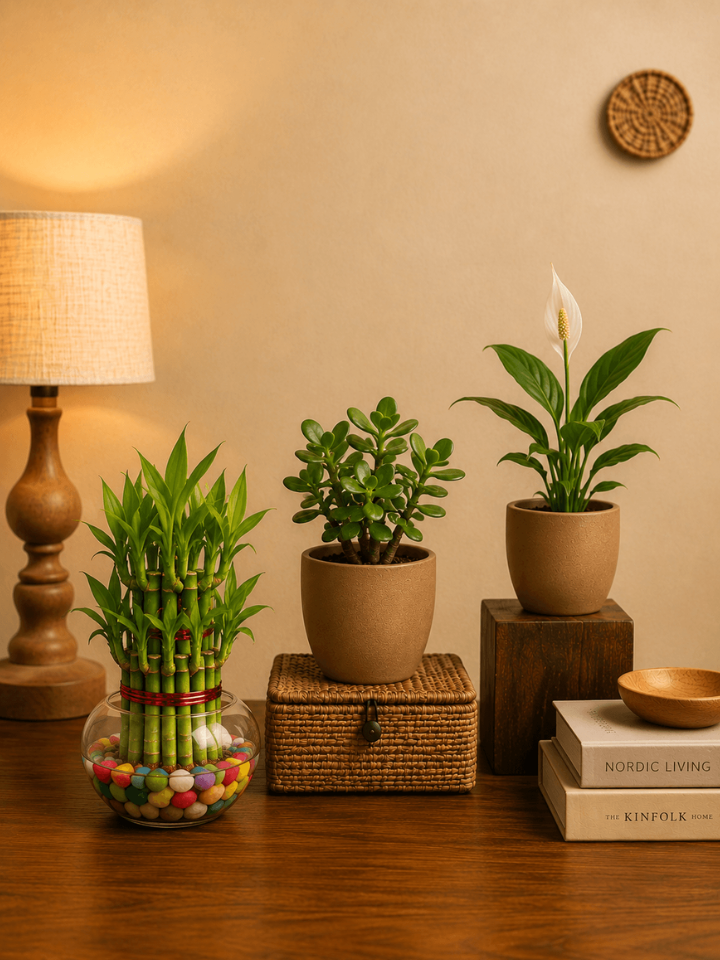
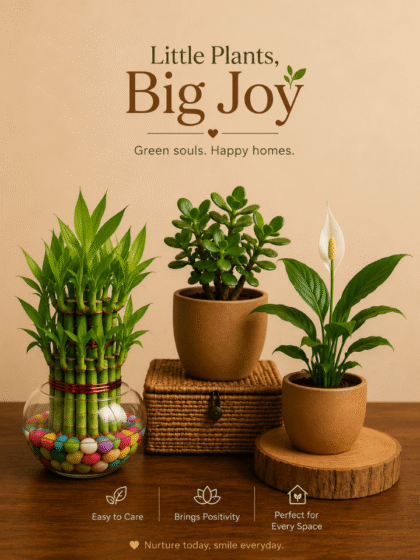
Set of 3 Vastu Plants

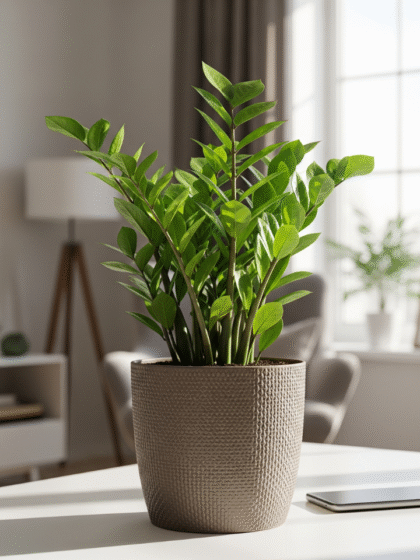
Black ZZ

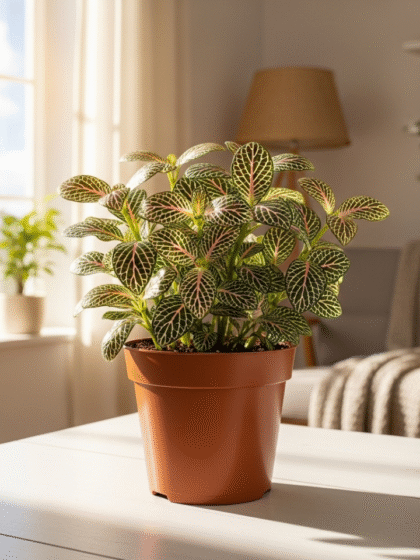
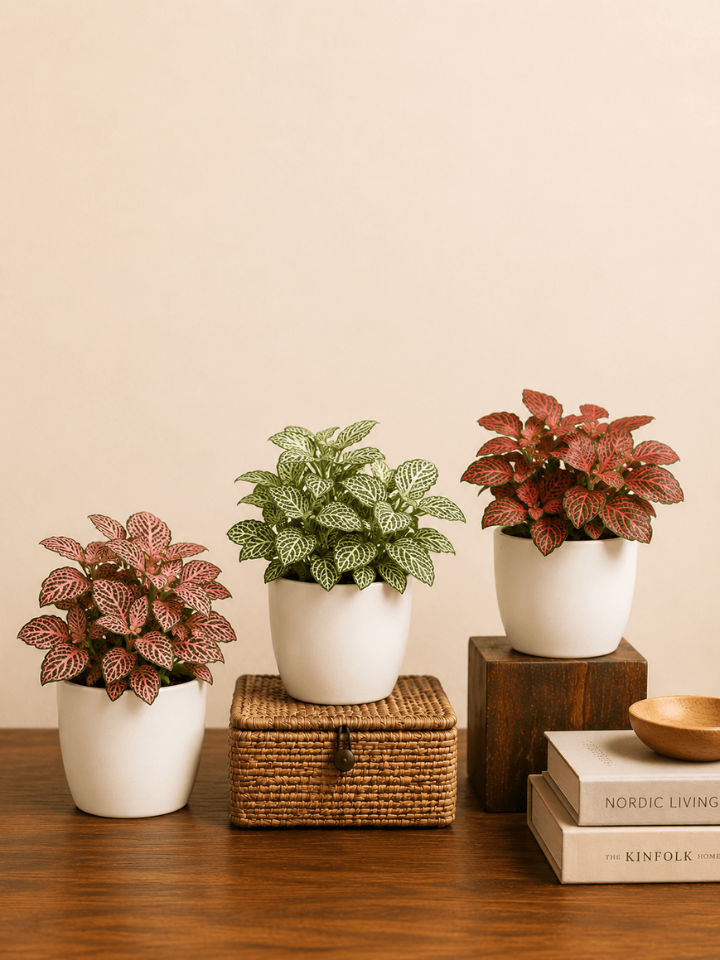
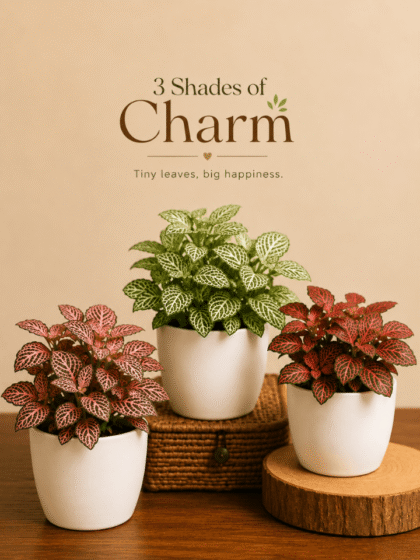
Fittonia

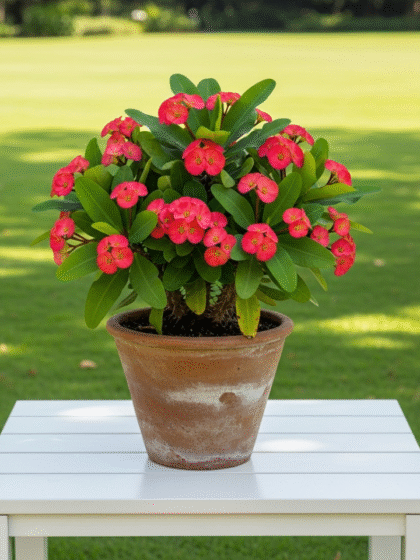
Euphorbia Plant
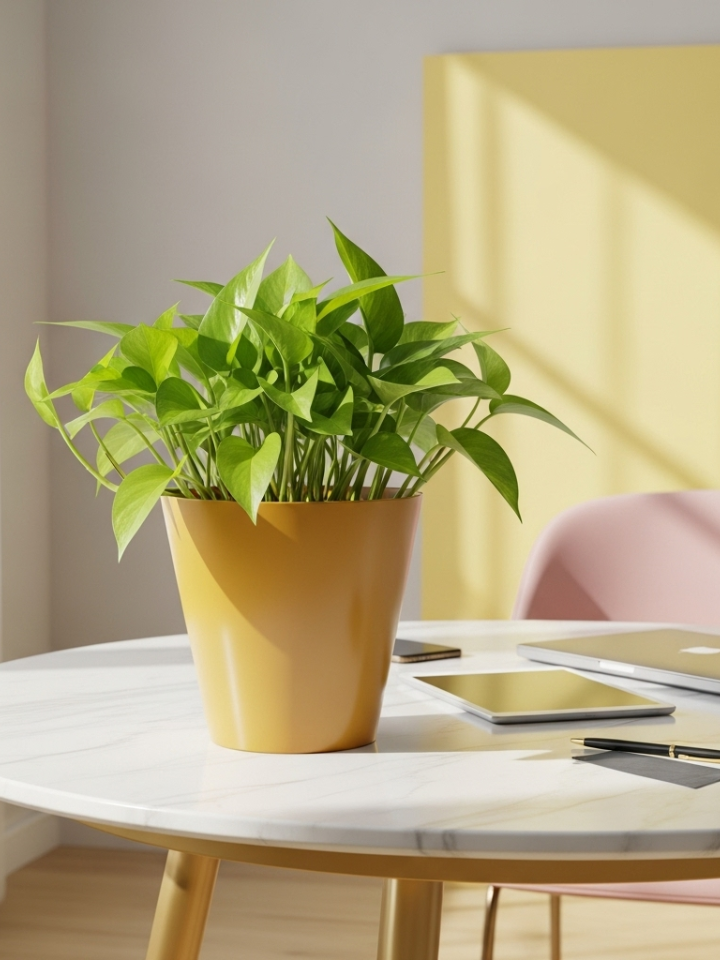

Money Plant (Golden)


Peepal Plant

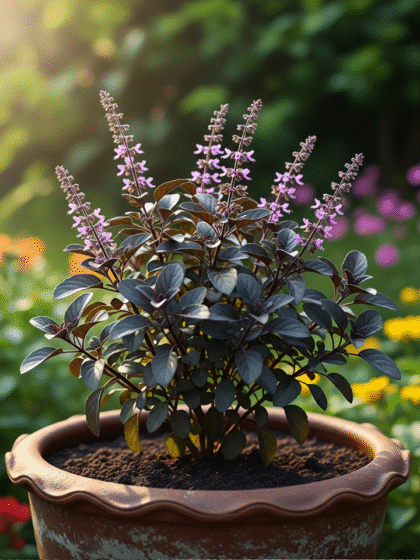
Black Tulsi
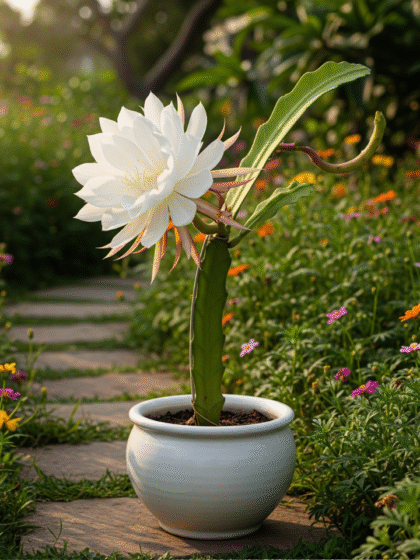
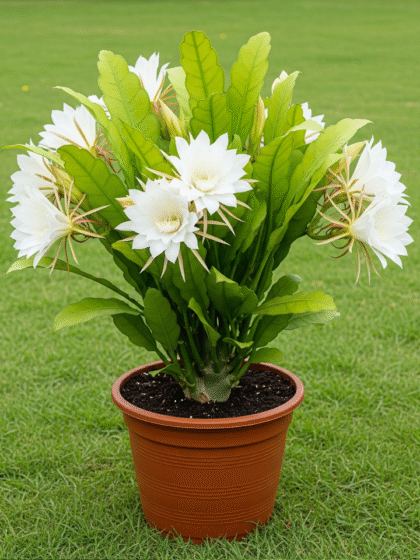
Bhrahma kamal plant
What is Vastu Shastra and Why Do Plants Play a Central Role?
Vastu Shastra — literally ‘science of architecture’ — is a comprehensive system of design principles developed in ancient India that harmonises built environments with the natural forces of the earth. It considers the five classical elements — earth (prithvi), water (jal), fire (agni), air (vayu), and space (akash) — and provides detailed guidelines for arranging living and working spaces to allow positive energy (prana) to flow freely and abundantly.
Plants occupy a uniquely privileged position within Vastu. They are living representations of all five elements: they grow from earth, require water, depend on fire (sunlight) for photosynthesis, exchange air through continuous respiration, and occupy physical space with vitality. This remarkable convergence makes plants powerful energetic agents capable of:
- Purifying indoor air and neutralising household toxins
- Balancing the five elements within living and working spaces
- Absorbing negative vibrations and radiating sustained positive energy
- Attracting prosperity, health, and peace when placed in directionally correct positions
- Softening sharp architectural edges (called ‘sha chi’ or poison arrows) that disrupt the natural energy flow
- Acting as natural humidifiers and improving the overall microclimate of enclosed spaces
Modern science has added a compelling layer to these traditional beliefs. NASA’s landmark Clean Air Study confirmed that several Vastu-recommended plants — including snake plant, areca palm, peace lily, and money plant — are highly effective at filtering indoor air pollutants like formaldehyde, benzene, and carbon monoxide. The spiritual and the scientific, it turns out, often converge beautifully in the world of Vastu plants.
The directional aspect of Vastu is governed by a principle called the ‘Vastu Purusha Mandala’ — an energy grid that assigns specific elemental qualities to each direction. Understanding these directional qualities is the foundation of choosing and placing lucky vastu plants for home with maximum benefit.
Top Vastu Plants for Home: A Room-by-Room Guide
Choosing the right vastu plants for home means going beyond surface aesthetics. The direction a plant faces, the type of plant, the room it occupies, and even the size and shape of the container all carry significance in Vastu practice. Let us explore each space in detail.
The Living Room: Heart of the Home
The living room is where family gathers, guests are welcomed, and life’s daily stories unfold. In Vastu, this space ideally occupies the north, east, or northeast zone of the home — directions associated with abundance, growth, and positive new beginnings.
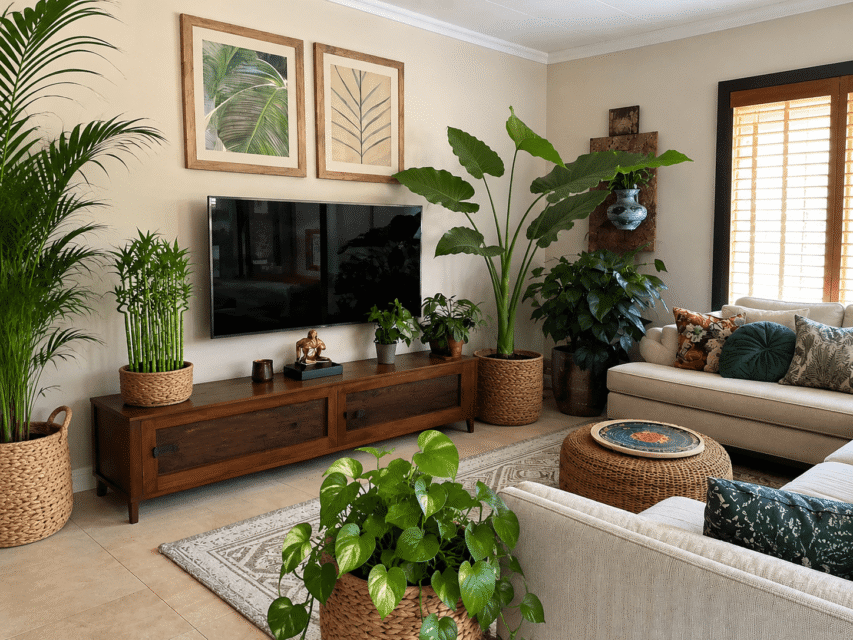
The best plants for living room, according to Vastu, include:
Money Plant (Pothos)
Perhaps India’s most beloved indoor plant, the money plant is believed to bring financial prosperity and lasting good fortune. Place it in the southeast corner of your living room — the zone governed by Venus and associated with wealth energy. An important directional note: ensure your money plant grows upward toward the ceiling. A drooping, downward-trailing money plant is considered inauspicious in Vastu and is believed to symbolise financial regression.
Areca Palm
Elegant, air-purifying, and deeply Vastu-friendly, the areca palm removes harmful compounds like xylene and toluene from indoor air while radiating calm, balanced energy throughout the room. Place it in the east or southeast of your living room, where it benefits from gentle morning light and actively enhances family harmony. The areca palm also serves as a natural air humidifier — particularly valuable in air-conditioned homes that tend to become dry.
Peace Lily
This graceful plant with its elegant white blooms is strongly associated with peace, spiritual well-being, and the gentle cleansing of negative emotional residue. It thrives in the northeast corner of the living room, amplifying the spiritual energy of that sacred direction. Peace lily is also one of the few flowering best air purifying indoor plants that tolerates low-light conditions, making it ideal for interior positions.
Bamboo Palm
Lush and tropical, the bamboo palm is both an excellent air purifier (removing benzene and formaldehyde) and a Vastu-recommended plant for bringing prosperity, longevity, and positive social energy into living spaces. It does particularly well in the east or southeast zones.
Aglaonema (Chinese Evergreen)
Available in a stunning range of colours — from deep green to vivid pink and red — the aglaonema is highly recommended in Vastu for its ability to attract positive energy in multiple directions. Red and pink aglaonema varieties are particularly auspicious in the south and southeast corners of the living room, resonating with fire energy.
Vastu Plants in Bedroom: Sleep, Health & Harmony
The bedroom is your most personal sanctuary — a space dedicated to rest, restoration, and intimacy. Many people wonder whether keeping plants in the bedroom is advisable from a Vastu standpoint. The answer requires nuance.
Vastu recommends keeping plants in the bedroom selectively and thoughtfully. Avoid large, bushy, or thorny plants in this space. Instead, focus on smaller, calming, air-purifying plants that promote restful sleep and emotional balance. The key consideration is that plants should enhance rest, not stimulate activity.
Recommended vastu plants in bedroom include:
Snake Plant (Sansevieria)
One of the few plants that releases oxygen at night rather than carbon dioxide, the snake plant is exceptional for bedrooms. In Vastu, it is placed in the south, southeast, or east corner of the bedroom. Its upright, sword-like leaves are believed to create a protective energy field, warding off negative vibrations, jealousy, and ill will from reaching the sleeping occupants. It is also one of the best indoor plants for bedroom for those with allergies, as it actively filters formaldehyde and nitrogen oxide.
Money Plant (Small Trailing Variety)
A small, neatly maintained money plant on the east-facing windowsill of the bedroom gently invites prosperity energy without overwhelming the restful atmosphere. Keep it compact and well-watered. Avoid large, sprawling money plants in the bedroom — scale matters in Vastu.
Aloe Vera
A natural healer in both the medical and the energetic sense, aloe vera in the bedroom supports health, healing, and restorative sleep. Place it on an east-facing windowsill for best results. Aloe vera also releases oxygen at night, contributing to better sleep quality.
Lavender / Arabian Jasmine (Mogra)
Fragrances carry powerful energetic influence in Vastu. Calming scents like Arabian jasmine (mogra) in the bedroom support restful sleep, reduce anxiety, and encourage loving, harmonious energy between partners. Even a small mogra plant in the east or north of the bedroom can significantly elevate the room’s energy.
Important Vastu rule for bedrooms: Never keep dead, withered, or dying plants in any room — but especially not the bedroom. A declining plant in your sleeping space is believed to drain life energy (prana) from the occupants and disturb the quality of sleep, dreams, and overall wellbeing.
Kitchen and Bathroom: Practical Vastu Plant Wisdom
The kitchen, governed by the fire element, ideally sits in the southeast corner of the home. Vastu recommends keeping plants minimal in the kitchen, but warmly permits small herb pots like Tulsi (holy basil), mint, curry leaf, and rosemary — all considered highly auspicious in Indian tradition and practically useful for daily cooking.
The bathroom is associated with the water element and typically occupies the west or northwest direction. Bamboo palm and Boston compacta do well in this humid environment, tolerating indirect light and elevated moisture levels while maintaining energetic balance. Keep bathroom plants small and ensure the space remains clean and uncluttered.
The Entrance and Main Door: First Impressions and Vastu
In Vastu, the main entrance is considered the ‘mouth’ of your home — the primary entry point for both guests and cosmic energy (prana). Getting the entrance right sets the energetic tone for the entire household and everything within it.
Vastu main door direction plays a crucial role in determining which plants work best near your entrance. The most auspicious main door directions and their corresponding Vastu plant recommendations are:
- North-facing main door: Governed by Kuber, the deity of wealth and abundance. Green, lush plants near a north-facing door actively attract financial prosperity and career advancement.
- East-facing main door: Governed by the Sun. Plants with bright, upward, vigorous growth near an east-facing door enhance vitality, health, and optimism for all family members.
- Northeast-facing main door: The most spiritually auspicious direction. Smaller flowering plants, Tulsi, or lucky bamboo work beautifully near a northeast entrance, amplifying divine blessings.
- South or southwest-facing main door: Requires extra care. Vastu recommends heavy, grounding plants — if any — near south-facing entrances, and keeping the area particularly clean.
The single most powerful vastu plant near the main door is the Tulsi (Holy Basil) — India’s most sacred plant. Tulsi near the main entrance purifies air, repels insects and negative energy, and is believed to invite divine blessings into the home. It should be placed in a dedicated pot, ideally on a raised platform in the east or northeast of the entrance area.
Other excellent choices for the entrance include lucky bamboo in an elegant vase, flowering plants like Hibiscus or Ixora, and a small areca palm. Always avoid cacti or thorny plants near the main door — in Vastu, sharp points at the entrance are believed to block the flow of positive energy and create subtle conflict among household members.
Snake Plant Vastu Direction: The Complete Placement Guide
The snake plant, known in India as ‘mother-in-law’s tongue’ or Sansevieria trifasciata, has become one of the most popular vastu indoor plants for homes and offices — and for excellent, well-documented reasons. Its combination of architectural elegance, near-indestructible resilience, and potent energetic properties makes it a cornerstone of any Vastu plant collection.
Why the Snake Plant Matters in Vastu
From a Vastu perspective, the snake plant delivers several distinct benefits:
- Protection: Its upright, spear-like leaves are considered powerfully protective, forming a symbolic energetic barrier against negative energies, the evil eye, jealousy, and ill intentions directed at the household.
- Air Purification: Scientifically proven to filter formaldehyde, xylene, benzene, and trichloroethylene from indoor air — making any space measurably healthier.
- Night Oxygen: Unlike most plants, the snake plant performs Crassulacean Acid Metabolism (CAM) photosynthesis, releasing oxygen at night. This makes it uniquely suited to bedrooms.
- Resilience Energy: In Vastu symbolism, a plant’s character reflects the energy it radiates. The snake plant’s extraordinary resilience — thriving even in neglect and low light — is believed to impart resilience and strength to the household.
Snake Plant Vastu Direction — Optimal Placement
- Southeast direction (primary recommendation): The most Vastu-auspicious position for the snake plant in a home. The southeast is governed by the fire element (Agni), and the snake plant’s protective, sharp energy resonates powerfully in this zone.
- East direction: For homes and offices, placing the snake plant in the east supports growth, good health, and positive new beginnings — particularly beneficial near east-facing windows where it gets gentle morning light.
- South direction: Ideal for commercial spaces and offices where the south placement is believed to strengthen willpower, determination, discipline, and professional success.
- North direction: Acceptable in offices and workspaces to enhance career energy and attract professional opportunities.
Where NOT to place the snake plant:
The northeast corner — a sacred spiritual zone — should remain free of sharp-pointed plants in Vastu. Never place the snake plant directly in front of the main door either, as its protective energy works better from the sides.
The snake plant is also among the very best low maintenance indoor plants for office settings. It survives in artificial office lighting, requires watering only every 2-3 weeks, and quietly purifies the recycled air in sealed office environments — making it an effortless but high-impact addition to any workspace.
Lucky Bamboo Vastu Direction: Prosperity in Every Stalk
Lucky bamboo (Dracaena sanderiana) is one of the most universally recognised symbols of good fortune across Asian cultures, and Vastu Shastra embraces it with enthusiasm. Despite the name, lucky bamboo is not true bamboo — it is a resilient tropical plant that grows readily in water or well-drained soil, requires minimal care, and delivers powerful positive energy when placed correctly.
The Significance of Stalk Numbers in Vastu
In Vastu and feng shui traditions, the number of lucky bamboo stalks carries profound symbolic meaning:
Number of Stalks | Vastu & Cultural Significance |
1 stalk | Good luck, truth, and meaningful prosperity |
2 stalks | Love, deep partnership, and marital harmony |
3 stalks | Happiness, wealth, and longevity — a classic combination |
5 stalks | Health, wealth, happiness, longevity, and prosperity |
6 stalks | Good luck in all endeavours and growing abundance |
7 stalks | Health and success in all seven directions of life |
8 stalks | Growth, fertility, and compounding financial prosperity |
9 stalks | Greatest overall luck — multiplied blessings |
4 stalks | AVOID — considered inauspicious in most traditions |
21 stalks | Powerful blessing of complete health and abundant wealth |
Lucky Bamboo Vastu Direction — Where to Place It
- East direction (primary recommendation): The most auspicious placement for lucky bamboo. The east is governed by the wood element and is the direction of health, family harmony, and fresh beginnings. A lucky bamboo in the east promotes well-being, growth, and positive relationships for all family members.
- Southeast direction: The zone of wealth and Venus energy. A 3-stalk or 8-stalk lucky bamboo placed in the southeast corner of your home or office is believed to attract consistent financial abundance and business opportunities.
- North direction: For career growth and professional advancement. The north is governed by Kuber (the deity of wealth) in Vastu. A lucky bamboo here supports career momentum, opportunities, and recognition in the professional sphere.
- Northeast direction: A small lucky bamboo in the northeast — the spiritual zone — is particularly auspicious for students, meditators, and those seeking spiritual development alongside material growth.
Care essentials for lucky bamboo: Always keep it in clean, fresh water (change every two weeks), tie a red ribbon around the stalks (red symbolises fire energy and amplifies good luck), and position it in indirect light. Direct harsh sunlight causes the leaves to yellow. Lucky bamboo is also one of the finest house plants online to gift and grow, requiring minimal expertise.
Bonsai Vastu: The Nuanced Story of Miniaturised Green Art
Bonsai trees are living art forms — miniaturised versions of majestic trees, painstakingly shaped and cultivated over years or even decades. They are beautiful, meditative, and deeply associated with Japanese aesthetic philosophy. However, bonsai vastu is a subject of considerable debate among practitioners, and understanding both sides of this conversation helps you make an informed choice for your own home.
What Traditional Vastu Says About Bonsai
Traditional Vastu Shastra generally advises against keeping bonsai trees inside the home. The philosophical reasoning is significant: bonsai trees are deliberately kept small and their growth is deliberately restricted through pruning, wiring, and constrained root space. In Vastu, plants are symbolic representatives of life energy, growth, expansion, and prosperity. A bonsai’s intentionally constrained growth is believed to mirror or attract similarly constrained energy in the household — potentially limiting the occupants’ financial growth, relationship expansion, health vitality, or personal ambitions.
Traditional Vastu texts speak of the importance of surrounding yourself with symbols of free, upward, abundant growth. The bonsai, however beautiful, represents the opposite of this principle.
The Contemporary Vastu View
Modern Vastu practitioners hold a more nuanced position:
- A bonsai kept outdoors on a balcony, terrace, or in a courtyard is generally considered safe and even beautiful from a Vastu perspective — the restriction becomes less symbolically significant in exterior spaces.
- If you love bonsai and wish to keep one indoors, place it in the west or northwest zone of your home. These directions benefit from contained, stable energy. Keep it away from the northeast, main entrance, and bedroom.
- The Ficus bonsai is sometimes cited as an exception by contemporary practitioners, given the highly auspicious energy of the Ficus tree family in Indian Vastu tradition.
- Ensure a kept bonsai is always in excellent health — a flourishing, vigorous bonsai carries far more positive energy than a neglected or partially dead one.
Ultimately, if bonsai is deeply meaningful to you and you tend it with dedicated love and care, many Vastu experts would suggest that the positive energy of the tending relationship outweighs abstract symbolic concerns. Vastu is a living tradition, not a rigid rulebook — intention and attentiveness matter enormously.
Vastu Indoor Plants for Office: Success, Focus and Productivity
The workspace is where ambition meets daily action, and vastu indoor plants for office environments can play a transformative role — enhancing creative focus, reducing workplace stress, improving air quality, and attracting professional success. The energy of a workspace must support clarity of thought, decisive action, harmonious teamwork, and continuous financial growth. The right plants, placed correctly, amplify all of these qualities naturally.
Office Table Direction as Per Vastu: The Essential Foundation
Before placing any plant, understanding your office table direction as per vastu is fundamental. The direction you face while working profoundly influences your energy output and professional outcomes:
- North-facing desk (most recommended): Aligns you with Kuber’s energy — the cosmic direction of career advancement, financial opportunities, and material wealth. Place a lucky bamboo or small money plant to the north or northeast of a north-facing desk for amplified career energy.
- East-facing desk (excellent for creative professionals): The direction of the Sun brings clarity, inspiration, creative insight, and forward-thinking momentum. Ideal for writers, designers, educators, and knowledge-based professionals. A peace lily or small snake plant works beautifully on the eastern side of an east-facing desk.
- West-facing desk (suitable for support and service roles): Brings calm, steady, supportive energy. An areca palm or money plant in the northwest corner of the office complements this direction well.
- South-facing desk (generally avoid): The south is associated with Yama (the deity of endings and transitions) and is not recommended as a primary working direction. If unavoidable, balance the energy with a heavy, grounding plant in the southwest of the room.
Best Vastu Plants for the Office Desk and Space
Lucky Bamboo on the Desk
A small arrangement of 3-stalk or 7-stalk lucky bamboo on the north or east corner of your office desk is one of the most powerful Vastu additions available. It is among the most effective small plants for office desk — compact, low-maintenance, and energetically potent. Change the water weekly, keep it in indirect light, and watch your professional environment shift subtly but meaningfully.
Snake Plant in the Office
The snake plant thrives in the fluorescent lighting conditions typical of office environments, actively filters VOCs commonly released by office furniture, electronics, and synthetic carpeting, and brings protective, positive energy to the workspace. Position it in the southeast or east corner of the office for maximum benefit.
Money Plant
A trailing money plant in the southeast corner of the office — ideally growing upward on a small support or shelf — actively attracts prosperity and growth energy. It is a firm favourite among entrepreneurs and business owners who follow Vastu principles.
Peace Lily for Team Harmony
In offices dealing with high interpersonal stress, team conflicts, or communication difficulties, the peace lily’s calming, harmonising energy is particularly valuable. Place it in the northeast zone of the office. Its elegant white blooms also make it one of the most visually appealing plants in any professional setting.
Jade Plant
The jade plant (Crassula Ovata) — often called the ‘money tree’ for its coin-shaped leaves — is a Vastu-recommended prosperity plant for offices and reception areas. Place it in the southeast or east for financial growth energy, and in the northwest for attracting new business relationships.
Low Maintenance Vastu Plants for Office: The Busy Professional’s Guide
Not every office can support an attentive plant parent. These options deliver maximum Vastu benefit with minimum care requirements:
- Snake Plant: Water every 2-3 weeks; thrives in almost any light condition
- ZZ Plant (Zamioculcas): Tolerates complete neglect and very low light; represents resilience and growth
- Lucky Bamboo: Grows in water; simply top up the vase weekly with fresh water
- Money Plant: Highly tolerant of irregular watering, variable light, and temperature changes
- Pothos / Money Plant Variegated: Nearly indestructible; trails elegantly from shelves or desk edges
- Aglaonema: Tolerates low light and sporadic watering; available in beautiful, variegated colour forms
Vastu Tips for Shop: Inviting Prosperity and Customer Flow
Whether you operate a retail boutique, a clinic, a restaurant, or a service business, vastu tips for shop environments consistently emphasise strategic plant placement as one of the most accessible and effective tools for attracting customers, maintaining vibrant energy, and supporting business growth.
- Shop entrance plants: The main entrance should always feel open, energetically welcoming, and visually abundant. Avoid thorny or aggressive plants here. Instead, flank the entrance with matching money plants in decorative pots, a small arrangement of lucky bamboo, or flowering plants like Ixora or Hibiscus. This combination is believed to attract a steady, consistent flow of customers and positive business energy.
- Cash counter direction: The billing or cash counter ideally faces north — toward Kuber’s direction of financial abundance. A small lucky bamboo arrangement or jade plant positioned near the cash counter is a classic Vastu recommendation for commercial spaces across India.
- Northeast corner of the shop: This powerful spiritual zone should be kept clean, uncluttered, and energetically open. A peace lily, a small water feature, or simply a tidy, well-lit corner works well here. Never store stock, heavy equipment, or excess clutter in the northeast of a commercial space.
- Southwest for stability: The southwest represents grounding energy. Heavier shelving, display units, or structural elements go here — not water features or delicate plants.
- Flowering plants as customer magnets: Hibiscus, roses, Ixora, and seasonal flowering plants near the shop entrance create warmth, visual attraction, positive energy, and a memorable first impression for customers.
- Strictly avoid in commercial spaces: Cacti and thorny plants anywhere visible inside the shop (they disrupt customer comfort energy), artificial or plastic plants (they carry no prana and create stagnant energy), and any dead or wilting plants (these actively drain the positive energy of a commercial space and must be removed immediately and replaced).
Vastu Gifts for Home: Gifting Greenery with Deep Intention
In Indian culture, gifting plants has always carried profound meaning. With growing awareness of Vastu principles, plant gifting has become even more intentional, thoughtful, and culturally resonant. Vastu gifts for home are increasingly popular choices for housewarmings, weddings, birthdays, anniversaries, and festivals — combining beauty, symbolism, and ongoing living benefit.
The finest Vastu-compliant plants to gift:
- Lucky Bamboo (7 or 9 stalks): The quintessential Vastu gift. Available in elegant arrangements with ceramic pots and red ribbons. A 7-stalk arrangement is especially auspicious for housewarmings — it carries wishes for health and success across all domains of the recipient’s life.
- Money Plant in a Decorative Pot: A classic gift that carries sincere wishes for financial abundance and prosperity. Choose a decorative pot that complements the recipient’s home aesthetic — a thoughtful pairing elevates the gift significantly.
- Tulsi Plant: For housewarmings and new beginnings, a Tulsi plant is both a gesture of sincere blessing and an extraordinarily practical gift — Tulsi is a medicinal powerhouse with profound religious significance across India’s diverse spiritual traditions.
- Jade Plant (Crassula Ovata): Whose round, coin-shaped leaves are universally associated with prosperity and financial success. An excellent gift for new business openings, shop inaugurations, and professional milestones.
- Peace Lily: For someone moving into a new home, a peace lily carries wishes for lasting peace, domestic harmony, and spiritual well-being — making it particularly meaningful for families navigating major life transitions.
- Areca Palm: A statement gift for a spacious new home or corner office — elegant, visually impressive, air-purifying, and deeply Vastu-positive. Few gifts make a more lasting impression.
When selecting lucky vastu plants for home as gifts, remember that the energy with which you choose and give a plant carries into the gift itself. Select it with genuine care and positive intention — this personal energy becomes part of the plant’s journey in its new home.
The Air Purifying Benefit: Where Ancient Wisdom Meets Modern Science
One of the most compelling convergences between Vastu plant wisdom and contemporary science lies in air purification. Modern indoor environments are surprisingly polluted — filled with VOCs from synthetic furniture, cleaning products, electronics, and building materials. The best air purifying indoor plants that Vastu recommends are, almost without exception, plants that science has independently validated as powerful air cleaners.
- Peace Lily: Removes ammonia, benzene, formaldehyde, and trichloroethylene. In Vastu, it simultaneously clears negative emotional residue from living spaces — making it purifying on both the physical and energetic level.
- Snake Plant: Converts CO₂ to oxygen at night, removing multiple VOCs including formaldehyde, nitrogen oxide, and benzene. Vastu-recommended for protective energy that reinforces healthy sleep.
- Areca Palm: One of the most effective natural air humidifiers available, simultaneously removing xylene and toluene from the indoor atmosphere.
- Money Plant (Pothos): Removes formaldehyde and carbon monoxide from indoor air. Thrives in minimal care — making it accessible to every household regardless of gardening experience.
- Bamboo Palm: Highly effective at filtering benzene and formaldehyde. Particularly valuable in newly furnished homes where off-gassing from new furniture peaks.
- Aglaonema (Chinese Evergreen): Tolerates high pollution conditions while filtering multiple air toxins. The red-leaved varieties carry fire-element energy and are particularly auspicious in the south or southeast zones.
This combination of Vastu directional wisdom and scientifically verified air-purifying benefits creates an exceptionally compelling case for keeping these plants indoors. They do not merely look beautiful or feel energetically positive — they actively, measurably improve the quality of the air you breathe every hour of every day.
Vastu Plants and the Five Elements: A Deeper Understanding
To truly appreciate why Vastu places such profound emphasis on indoor plants, understanding how plants interact with the five classical elements (Pancha Bhuta) is deeply illuminating. This elemental framework reveals the ‘why’ behind every directional placement recommendation.
- Prithvi (Earth): Plants grow from earth and carry stabilising, nourishing earth energy. Vastu recommends earth-element plants — particularly heavy-rooted, slow-growing varieties — in the south and southwest zones, where they strengthen stability, groundedness, and structural integrity in the home’s energy.
- Jal (Water): Plants require water and several Vastu-recommended varieties, like lucky bamboo, grow directly in it. Water-element plants work best in the north and northeast directions, amplifying prosperity consciousness, intuitive clarity, and spiritual growth.
- Agni (Fire): The fire element governs the south and southeast zones. Plants with red, orange, or vivid pink flowers — like Ixora (Rangan), Hibiscus, Kalanchoe pink, and Bougainvillea — carry fire energy, passion, visibility, and recognition into these zones.
- Vayu (Air): Air-purifying plants actively feed the Vayu element, ensuring a constant flow of fresh, prana-rich air throughout the home. The movement of air through and around healthy plants is itself a Vastu-positive phenomenon — stagnant air and closed, unventilated spaces are among the primary sources of negative Vastu energy.
- Akash (Space): Larger plants like areca palm, bird of paradise, and bamboo palm fill space with living, dynamic energy, preventing the energetic stagnation that accumulates in empty, neglected corners. In Vastu, every corner of a home carries energy potential — plants transform unused corners into active positive energy zones.
Understanding this elemental framework transforms the practice of Vastu plant placement from mechanical rule-following into genuine, intuitive spatial wisdom. You begin to feel why a flowering red Hibiscus in the south-facing corner creates a different experience than a water-loving peace lily in the same position.
Vastu Plant Care: Keeping the Energy Living and Vibrant
The Vastu benefits of indoor plants are entirely contingent on one essential factor: the plant must be alive, healthy, visibly flourishing, and actively growing. A wilting, diseased, or slowly dying plant does not merely fail to deliver Vastu benefits — it actively reverses them. Instead of attracting positive energy, a declining plant drains it from the surrounding space. This makes mindful plant care a genuine Vastu practice, not merely a horticultural nicety.
- Water with awareness: Most Vastu-recommended indoor plants prefer soil that dries slightly between waterings. Overwatering is the most common cause of indoor plant death in Indian homes. Snake plants and ZZ plants thrive on watering every 2-3 weeks. Money plants and peace lilies prefer slightly more frequent watering — roughly weekly in warm months.
- Respect light requirements: East-facing windows deliver ideal, gentle morning sunlight for most Vastu indoor plants without the harsh intensity of afternoon exposure. South and west-facing windows suit succulents, cacti, and flowering varieties that need stronger light. Low-light plants like ZZ and money plant tolerate north-facing positions well.
- Remove dead leaves promptly: In Vastu, dead or yellowing leaves carry decaying energy. Remove them immediately as they appear — never allow them to accumulate at the plant’s base or remain on the soil. This simple act of regular maintenance is itself a form of energetic care.
- Speak to your plants: Ancient Vastu texts speak of treating plants as living household members. Modern plant biology confirms that sound vibrations and human attention positively influence plant growth. Speaking gently to your plants, particularly your Tulsi or lucky bamboo, is both a Vastu recommendation and a scientifically defensible practice.
- Use organic fertilisers: Chemical-heavy fertilisers disrupt the natural energetic vitality of Vastu plants. Use compost, vermicompost, neem cake, or diluted liquid organic fertiliser monthly during the active growing season (spring through autumn) and sparingly in winter.
- Repot for energetic growth: As Vastu plants grow, their energy expands too. Repotting into a slightly larger container every 12-18 months allows continued energetic and physical expansion. Constrained roots (much like bonsai) limit both the plant’s vitality and its positive Vastu contribution.
Choosing and Sourcing Your Vastu Plants with Confidence
With the growing popularity of Vastu plants for home and office environments, more families and businesses are turning to trusted nurseries and plant specialists for their purchases. When selecting from the best online plant nursery options available, look for these key quality indicators:
- Plants that arrive fresh and healthy, with firm, unblemished green leaves and stable root systems
- Professional packaging that prevents transit damage — particularly important for larger plants like areca palm
- Clear, detailed care instructions accompanying each plant
- Authentic plant varieties — many popular Vastu plants have inexpensive imitations that lack the genuine resilience and energetic quality of the real variety
- Knowledgeable guidance on directional placement and Vastu-specific recommendations
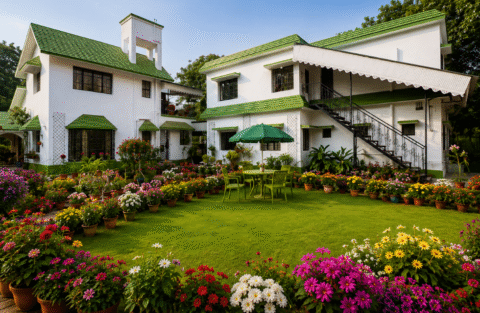
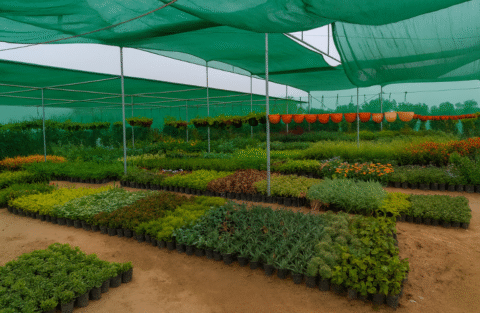
Plantaeroot — founded in 2014 by Basudev Saha from Rishra, Hooghly, West Bengal — has been a trusted name for plant lovers across India for over a decade. Their curated collection spans all major Vastu plant categories, from snake plants and lucky bamboo to areca palms, peace lilies, and Tulsi — all available for pan-India delivery.
For those with outdoor spaces, complementing your indoor Vastu plants with thoughtfully chosen outdoor ornamental plants extends positive energy across your entire home environment. A Vastu-aligned outdoor garden — with Tulsi in the northeast, flowering plants in the south, and fruit trees in appropriate positions — creates a complete energetic ecosystem. And for apartment dwellers, plants for balcony online india offer beautiful options for extending Vastu greenery to your outdoor spaces.
Frequently Asked Questions: Vastu Plants for Home and Office
The Tulsi (Holy Basil) is considered the single most auspicious plant for any home in Vastu Shastra. It purifies air, carries sacred spiritual energy across India's diverse religious traditions, and is believed to protect the household from negative influences. Beyond Tulsi, money plant, lucky bamboo, snake plant, and areca palm are among the top recommended vastu plants for home environments in both traditional and contemporary Vastu practice.
The money plant should be placed in the southeast corner of the home — the zone governed by Venus and associated with financial energy and material prosperity. In offices, the southeast corner of the room or desk is equally ideal. Ensure the plant grows upward toward the ceiling or along a climbing support. A drooping, downward-growing money plant is considered inauspicious in Vastu and is believed to symbolise financial outflow rather than inflow.
Yes — the snake plant is one of the few plants that Vastu actively permits and recommends for the bedroom. This is due to its unique ability to release oxygen at night (rather than carbon dioxide), improving sleep-time air quality. Place it in the southeast, south, or east corner of the bedroom. Strictly avoid placing the snake plant in the northeast corner of the bedroom, which is the sacred spiritual zone that Vastu reserves for prayer, meditation, and open spiritual energy.
Absolutely. Lucky bamboo is among the most universally recommended Vastu indoor plants for homes, offices, and commercial spaces alike. It is simple to maintain, visually appealing, and energetically potent when placed correctly. Seven stalks carry wishes for health and success across all areas of life. Three stalks bring happiness, financial prosperity, and longevity. Place it in the east or southeast for maximum benefit.
Traditional Vastu cautions against cacti and thorny plants (whose sharp points create disruptive energy patterns), bonsai trees (their constrained growth can mirror constrained household fortune), cotton plants, plants with milky sap, and artificial or silk plants (which carry no prana and create static, lifeless energy). Most critically: never keep dead, dying, or severely wilting plants inside the home — these actively drain positive energy from the space.
The east is the most auspicious direction for lucky bamboo placement, resonating with the wood element, health energy, and new beginnings. The southeast is recommended specifically for financial growth and material abundance. The north supports career advancement and professional success. Never place lucky bamboo in the south or southwest — these directions are not aligned with the plant's energy type in Vastu principles.
Yes — and Vastu strongly recommends it. Strategic plant placement is among the most effective and accessible Vastu tips for shop environments. Money plants and lucky bamboo near the cash counter or main entrance attract prosperity energy and invite customer flow. Flowering plants like Ixora, Hibiscus, or seasonal blooms at the entrance create warmth and visual magnetism. Always avoid thorny plants, artificial plants, or any dead/wilting plants in commercial spaces.
The best air purifying indoor plants that simultaneously align with Vastu principles include peace lily (northeast placement), snake plant (southeast or east), areca palm (east or southeast), money plant (southeast), bamboo palm (east or living room), and aglaonema/Chinese evergreen (various positions depending on leaf colour). All of these have been validated in scientific air quality research, making them doubly effective — purifying both the atmospheric and the energetic environment.
Yes. The most effective small plants for office desk environments in Vastu include a 3-stalk or 7-stalk lucky bamboo (north or east of the desk), a small money plant in the southeast corner, a jade plant for prosperity energy, and an aloe vera for health and healing. All of these are low-maintenance, compact, and well-suited to the lighting conditions typical of indoor office environments.
The best Vastu gifts for home are plants that carry clear positive symbolism (prosperity, health, peace, protection), are easy to maintain by a non-expert recipient, are appropriate for indoor placement, and are presented thoughtfully in a quality container or arrangement. Lucky bamboo with a red ribbon, a money plant in a decorative ceramic pot, a Tulsi in a traditional planter, and a jade plant are all excellent choices that carry both aesthetic appeal and genuine Vastu meaning.
A Final Word: Living with Vastu Wisdom
The deep beauty of Vastu plants lies in how naturally they integrate into the rhythms of a well-tended home. You do not need to upend your entire living space, purchase rare or expensive specimens, or follow directional rules with anxious precision. Vastu is a living tradition — flexible, intuitive, and ultimately in service of your genuine well-being and flourishing.
Start with one or two plants. Place a Tulsi near your east-facing window. Set a lucky bamboo on your north-facing office desk. Watch a money plant trail toward the light in your southeast living room corner. These small, intentional acts accumulate into a home that genuinely feels different — calmer, fresher, more alive, more supportive of the life you are building.
Plants connect us to something older and wiser than our daily concerns and deadlines. In the words of Basudev Saha, founder of Plantaeroot, who has dedicated over a decade to helping Indian families reconnect with nature:
"I truly believe that even a single green corner in your house can uplift your mood, ease your stress, and bring you closer to the earth."
That single corner, guided by the timeless wisdom of Vastu Shastra, can become the most quietly powerful space in your entire home.
Whether you are searching for indoor plants for bedroom, the best plants for living room, small plants for office desk, or browsing plants for balcony online india — there has never been a better time to bring Vastu green wisdom into your world. The ancient system and the living plant await you.