






Your cart is empty.
-30%

Hot Sale 30% off.
Hot Sale 30% off.
Hot Sale 30% off.
Hot Sale 30% off.
Hot Sale 30% off.
Hot Sale 30% off.
Hot Sale 30% off.
Hot Sale 30% off.
Hot Sale 30% off.
Hot Sale 30% off.
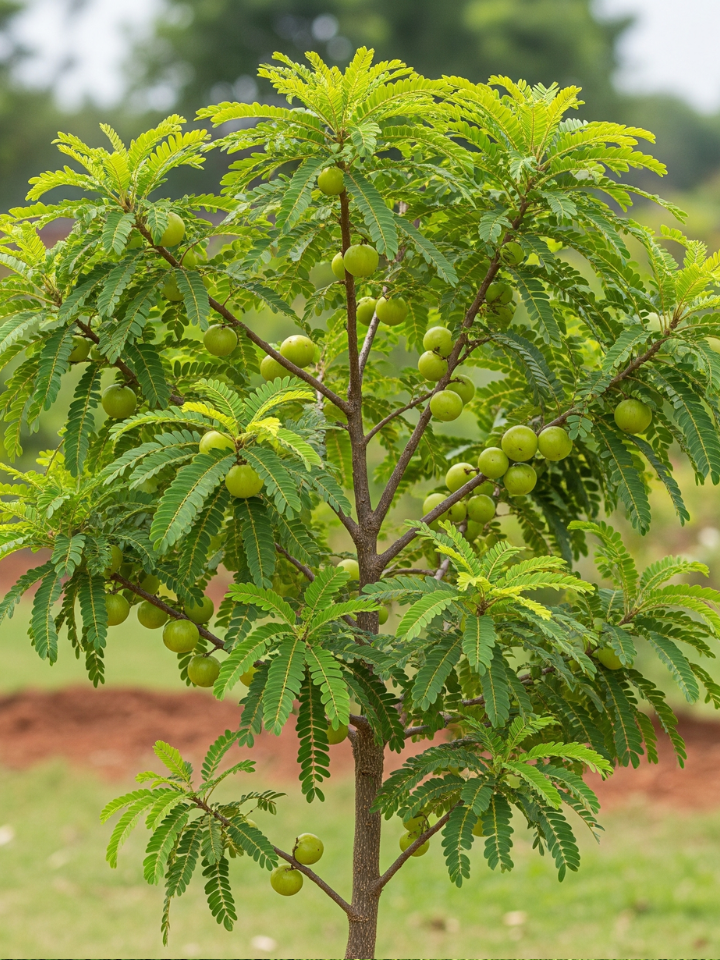
Amla Plant
₹899.00
-40%

Hot Sale 40% off.
Hot Sale 40% off.
Hot Sale 40% off.
Hot Sale 40% off.
Hot Sale 40% off.
Hot Sale 40% off.
Hot Sale 40% off.
Hot Sale 40% off.
Hot Sale 40% off.
Hot Sale 40% off.
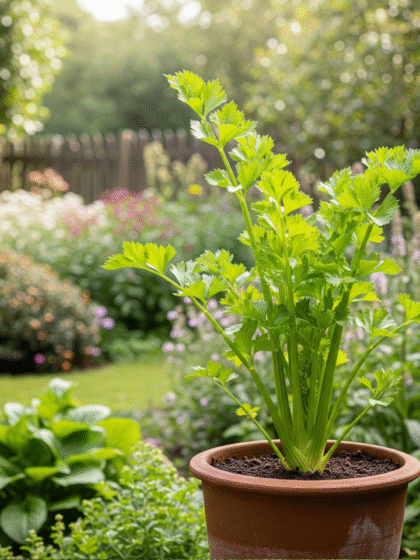
Coriander leaves- Plant
₹149.00
-33%

Hot Sale 33% off.
Hot Sale 33% off.
Hot Sale 33% off.
Hot Sale 33% off.
Hot Sale 33% off.
Hot Sale 33% off.
Hot Sale 33% off.
Hot Sale 33% off.
Hot Sale 33% off.
Hot Sale 33% off.
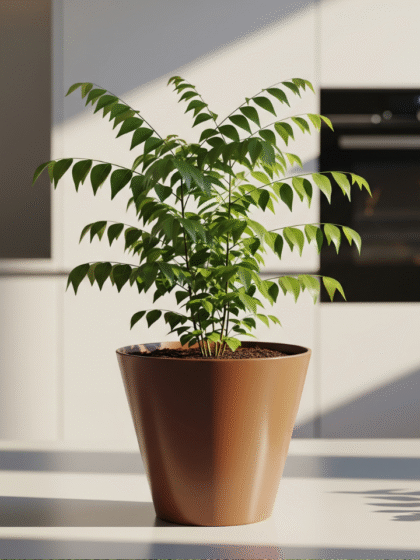
Curry Leaves- Plants
₹299.00
-25%

Hot Sale 25% off.
Hot Sale 25% off.
Hot Sale 25% off.
Hot Sale 25% off.
Hot Sale 25% off.
Hot Sale 25% off.
Hot Sale 25% off.
Hot Sale 25% off.
Hot Sale 25% off.
Hot Sale 25% off.
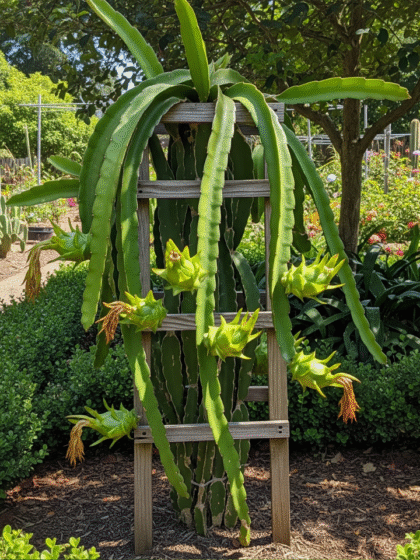
Dragon Fruit Plant
₹449.00
-27%

Hot Sale 27% off.
Hot Sale 27% off.
Hot Sale 27% off.
Hot Sale 27% off.
Hot Sale 27% off.
Hot Sale 27% off.
Hot Sale 27% off.
Hot Sale 27% off.
Hot Sale 27% off.
Hot Sale 27% off.
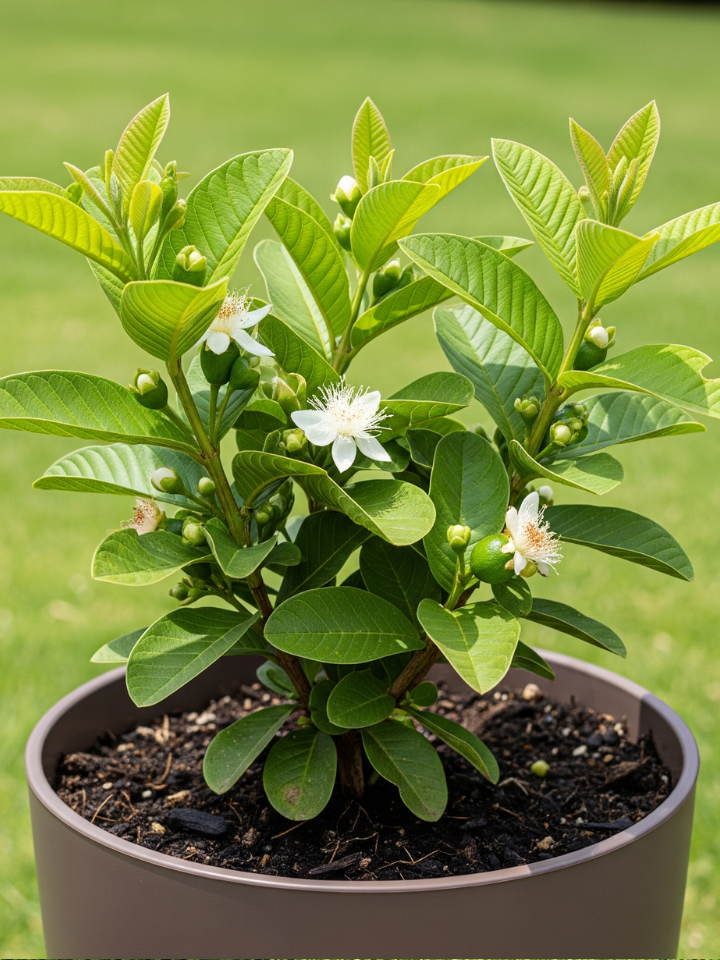
Guava Plant
₹799.00
-29%

Hot Sale 29% off.
Hot Sale 29% off.
Hot Sale 29% off.
Hot Sale 29% off.
Hot Sale 29% off.
Hot Sale 29% off.
Hot Sale 29% off.
Hot Sale 29% off.
Hot Sale 29% off.
Hot Sale 29% off.
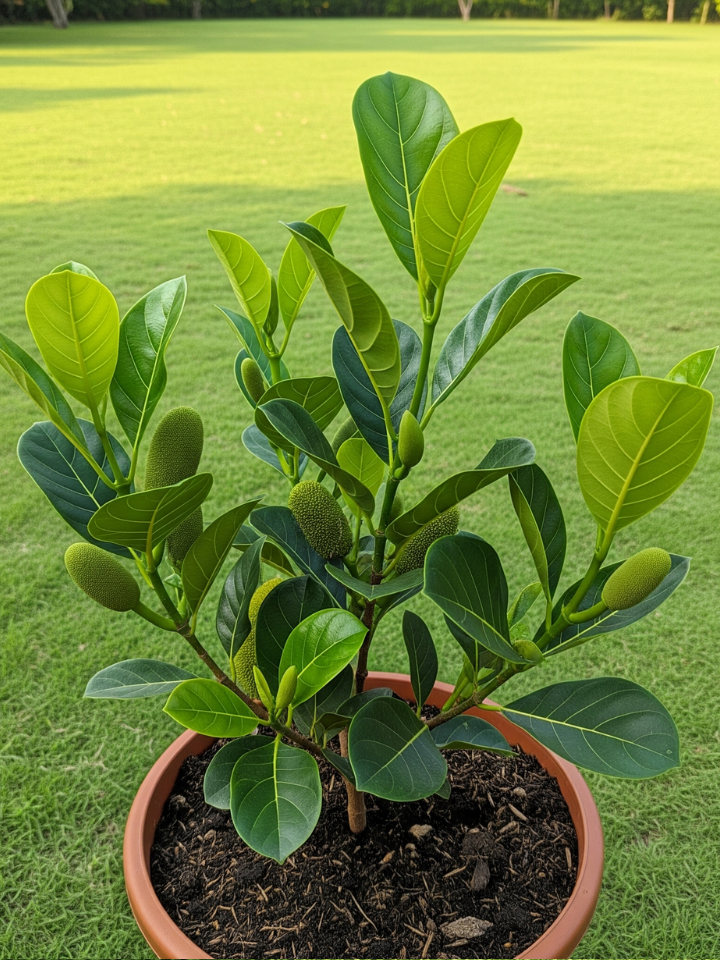
Jackfruit Plant
₹899.00
-20%

Hot Sale 20% off.
Hot Sale 20% off.
Hot Sale 20% off.
Hot Sale 20% off.
Hot Sale 20% off.
Hot Sale 20% off.
Hot Sale 20% off.
Hot Sale 20% off.
Hot Sale 20% off.
Hot Sale 20% off.
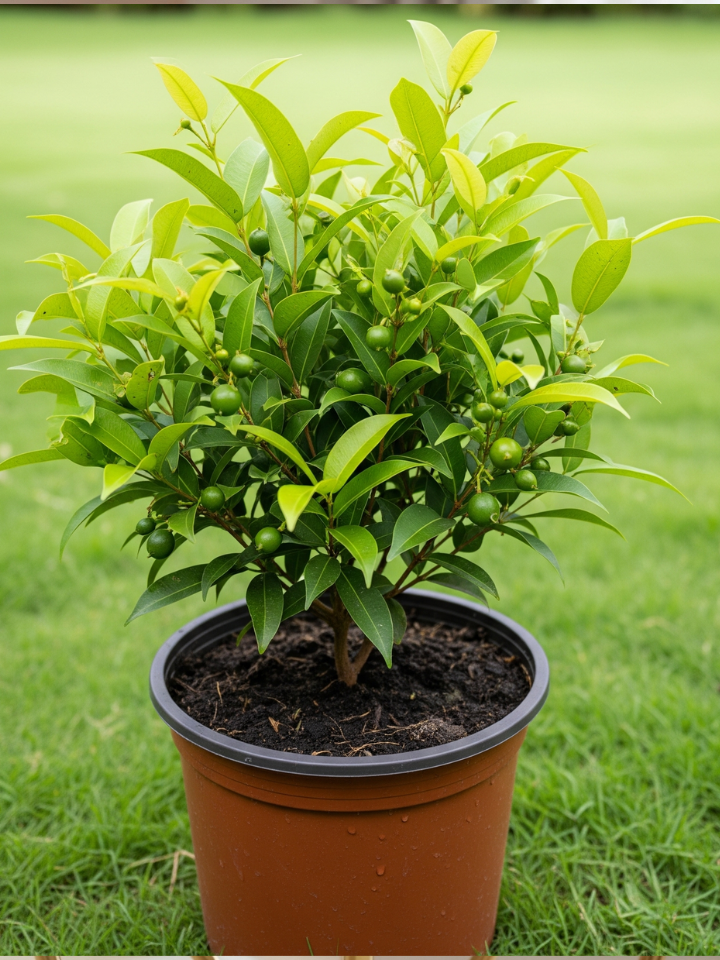
Jamun- Black Berry plant
₹1,199.00
-17%
Hot Sale 17% off.
Hot Sale 17% off.
Hot Sale 17% off.
Hot Sale 17% off.
Hot Sale 17% off.
Hot Sale 17% off.
Hot Sale 17% off.
Hot Sale 17% off.
Hot Sale 17% off.
Hot Sale 17% off.
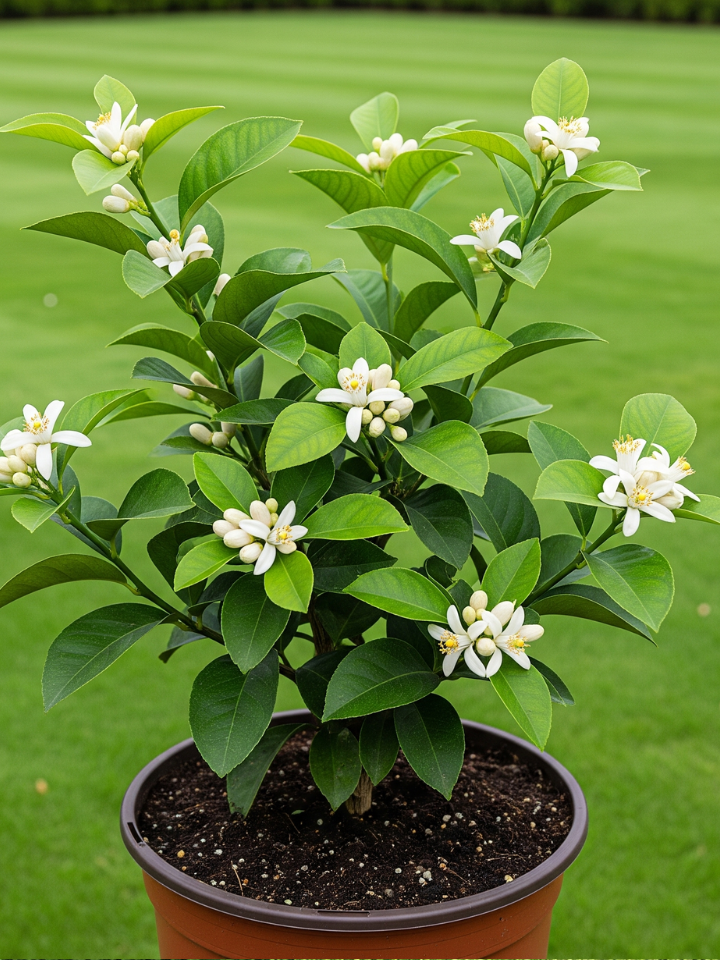
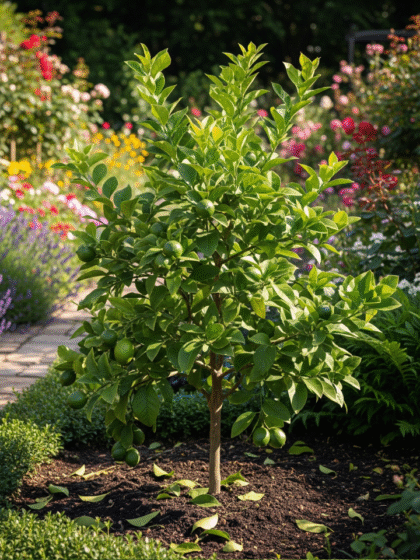
Lemon Plant
₹749.00
-25%

Hot Sale 25% off.
Hot Sale 25% off.
Hot Sale 25% off.
Hot Sale 25% off.
Hot Sale 25% off.
Hot Sale 25% off.
Hot Sale 25% off.
Hot Sale 25% off.
Hot Sale 25% off.
Hot Sale 25% off.
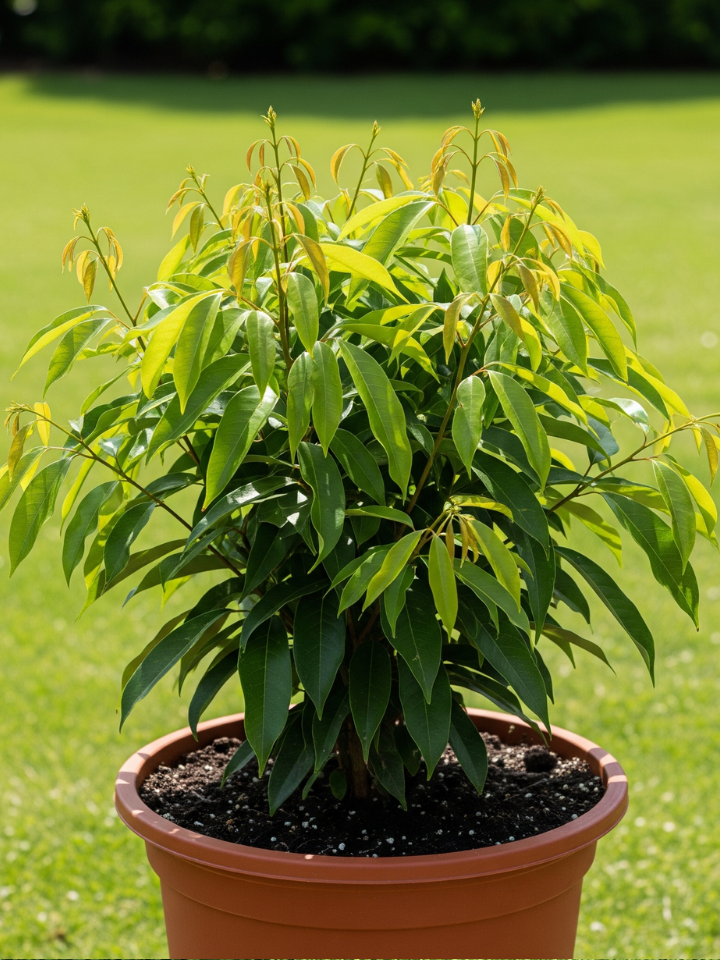
Lichi Plant
₹899.00
-8%

Hot Sale 8% off.
Hot Sale 8% off.
Hot Sale 8% off.
Hot Sale 8% off.
Hot Sale 8% off.
Hot Sale 8% off.
Hot Sale 8% off.
Hot Sale 8% off.
Hot Sale 8% off.
Hot Sale 8% off.
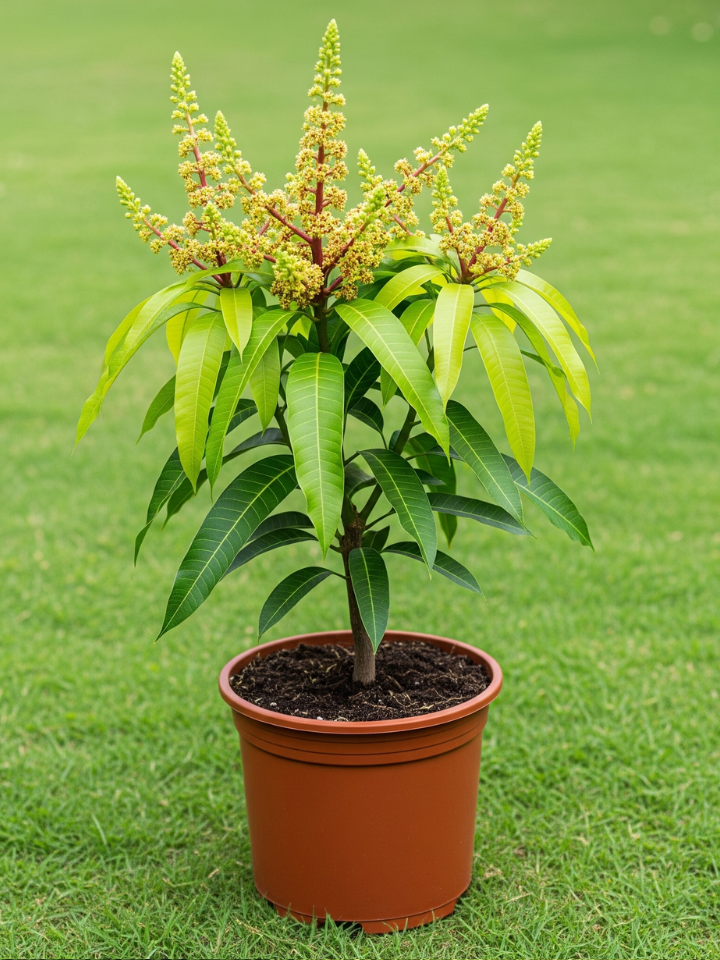
Mango Plant
₹1,199.00
-17%


Hot Sale 17% off.
Hot Sale 17% off.
Hot Sale 17% off.
Hot Sale 17% off.
Hot Sale 17% off.
Hot Sale 17% off.
Hot Sale 17% off.
Hot Sale 17% off.
Hot Sale 17% off.
Hot Sale 17% off.
Mint Plant
₹299.00
-25%


Hot Sale 25% off.
Hot Sale 25% off.
Hot Sale 25% off.
Hot Sale 25% off.
Hot Sale 25% off.
Hot Sale 25% off.
Hot Sale 25% off.
Hot Sale 25% off.
Hot Sale 25% off.
Hot Sale 25% off.
Papaya Plant
₹449.00
Terrace Plants: Complete Guide to Choosing the Best Plants for Your Terrace Garden
Your expert-backed resource for selecting, growing, and caring for the best plants for a terrace garden in India — from flowering shrubs and fruit trees to vegetables, herbs, screening climbers, and low-maintenance ornamentals.
Quick answer for busy gardenersThe best plants for a terrace garden in India include bougainvillea, hibiscus, rose, marigold, tulsi, aloe vera, lemon, guava, pomegranate, tomato, chilli, areca palm, and money plant. Choose plants by matching their needs to your terrace's sunlight (4–8 hours), wind exposure, water access, and roof load capacity. Use lightweight grow bags and containers, ensure good drainage, and waterproof the slab before you begin. |
Why Terrace Gardening Is Booming in India
A bare rooftop is one of the most underused spaces in any Indian home. Turn it into a terrace garden and that same slab becomes a cooler living room, a kitchen that grows its own vegetables, and a green retreat above the noise of the street. Across metros and smaller cities alike, families are discovering that a few well-chosen terrace plants can transform daily life — and it is far easier to start than most beginners assume.
Terrace gardening has surged in popularity for practical reasons. Apartment and independent-house owners rarely have ground-level garden space, so the roof becomes the obvious canvas. Rising city temperatures, shrinking green cover, and a renewed interest in growing safe, chemical-free food have all pushed rooftop gardening from a hobby into a lifestyle movement in cities like Delhi, Bangalore, Chennai, Hyderabad, Pune, Kolkata, and Mumbai.
How a terrace garden improves your lifestyle
- Cooler home: A planted, shaded terrace can lower the temperature of the floor below by several degrees, cutting air-conditioning costs in summer.
- Fresh, safe food: Home-grown tomatoes, spinach, chillies, and herbs are harvested minutes before they reach your plate, with no unknown pesticides.
- Daily wellbeing: Tending plants for even 20 minutes a day lowers stress, improves mood, and gives screen-tired minds a calming routine.
- Private green space: Tall screening plants and climbers create a secluded outdoor room for morning tea, yoga, or family time.
Environmental and mental-health benefits
A terrace garden is a small but real climate action. Plants absorb carbon dioxide, release oxygen, trap dust, and support city biodiversity by inviting bees, butterflies, and birds back into concrete neighbourhoods. Rooftop greenery also slows rainwater run-off and insulates the building. On a personal level, gardening is a proven mood-lifter — the gentle, repetitive care of watering, pruning, and harvesting offers a screen-free anchor to the day and a satisfying sense of nurturing something alive.
If you are moving up from a smaller setup, our guide to combining flower plants for your balcony garden pairs well with this page — the same colour-and-texture principles scale beautifully from a balcony to a full rooftop.
What Are Terrace Plants?
Terrace plants are plants grown in containers, grow bags, or raised beds on a rooftop or open terrace, rather than in ground soil. Because they live above a building, they must tolerate more sun, stronger wind, and reflected heat than ground-level plants, and they need a growing system that is light enough to be safe on a concrete slab.
Why plant selection matters more on a terrace
A terrace is an exposed, high-energy environment. Sunlight is unfiltered, breezes turn into gusts, and containers dry out fast. Choosing plants suited to these conditions is the single biggest factor in success. Pick the right species and your garden thrives with minimal fuss; pick the wrong ones and you will fight scorched leaves, toppled pots, and constant watering.
Main types of terrace plants
- Flowering plants — colour and pollinators (bougainvillea, hibiscus, rose, marigold, jasmine).
- Fruit plants — edible harvests in pots (lemon, guava, pomegranate, dwarf mango, papaya).
- Vegetable plants — rooftop kitchen crops (tomato, brinjal, chilli, okra, spinach, coriander).
- Medicinal & herb plants — wellness and cooking (tulsi, aloe vera, mint, lemongrass, giloy).
- Ornamental & foliage plants — structure and greenery (areca palm, croton, ficus, dracaena).
- Climbers & screening plants — privacy and shade (madhumalti, money plant, ivy, rangoon creeper).
- Large plants & small trees — height and drama, with careful weight planning (bamboo, plumeria, palms).
Benefits of Growing Plants on a Terrace
Beyond beauty, a terrace garden delivers measurable benefits for your home, health, and city. Here is what a well-planted rooftop actually does for you.
| Benefit | What it does for you |
| Better air quality | Plants filter dust and pollutants and raise oxygen levels right outside your home. |
| Reduced heat absorption | Foliage and shaded pots cut the heat soaking into your roof slab, keeping rooms below cooler. |
| Privacy | Tall screens and climbers block neighbours' sightlines and create a secluded outdoor room. |
| Aesthetic appeal | Colour, texture, and greenery turn a dull rooftop into the best room in the house. |
| Home food production | Fresh vegetables, fruits, and herbs grown without unknown chemicals. |
| Biodiversity | A rooftop habitat supports insects, birds, and a healthier local ecosystem. |
| Pollinator attraction | Nectar-rich flowers draw bees and butterflies that boost fruit and vegetable yields. |
| Stress reduction | A daily green routine lowers stress and improves overall wellbeing. |
Want a rooftop that hums with life? Combine nectar flowers with seed-and-berry plants — our list of plants for a garden in India that attract birds and butterflies is a useful companion to this section.
How to Choose the Right Terrace Plants
Before buying a single plant, read your terrace. The seven factors below decide which plants will flourish and which will struggle. Spend ten minutes assessing each one and your plant choices almost make themselves.
| Factor | What to check | Why it matters |
| Sunlight | How many direct hours the spot gets, and at what time of day. | Most flowering and fruiting plants need 5–8 hours; foliage plants tolerate less. |
| Wind exposure | Whether the terrace is open and gusty or sheltered by walls. | Wind topples tall pots and dries soil fast; windy roofs need sturdy, flexible plants. |
| Water availability | Is there a tap on the terrace, or must you carry water up? | Limited access favours drought-tolerant plants and drip irrigation. |
| Roof load capacity | How much weight your slab can safely hold. | Heavy soil-filled pots and trees must be planned and placed over beams. |
| Container size | The pot or grow-bag volume each plant needs. | Roots need room; undersized pots stunt growth and dry out quickly. |
| Climate zone | Your city's heat, humidity, and rainfall pattern. | City-matched plants survive with less effort (see the city guide below). |
| Maintenance level | How much time you can give weekly. | Busy owners should lean on low-care plants like aloe, money plant, and bougainvillea. |
| Roof-load safety first Heavy containers are the most common safety oversight on terraces. A large pot full of wet soil can weigh 40–80 kg or more. Place big plants and trees over load-bearing beams and the edges of the slab (never the unsupported centre), use lightweight potting mixes with cocopeat and compost instead of heavy garden soil, and consult a structural engineer before adding several large containers or raised beds. |
For very exposed rooftops, prioritise plants for windy roof terraces — compact, wind-firm species such as bougainvillea, dwarf hibiscus, succulents, ornamental grasses, and bamboo, kept in wide, heavy-based pots that resist tipping. Sheltered corners can host more delicate indoor-style foliage plants that would scorch in the open.
Best Plants for Terrace Garden: Category-by-Category Guide
This is the heart of the guide. Below, the best terrace plants are grouped into seven practical categories. For each plant you will find its growing conditions, care notes, and what it brings to your rooftop, so you can build a balanced garden that flowers, fruits, feeds, and screens all at once.
Flowering Plants for Terrace Garden
Flowering plants give a terrace its colour and its pollinators. The species below thrive in full Indian sun and reward you with months of bloom. For seasonal rotations, mix warm-weather bloomers from our summer garden flowers range with cool-season picks from our winter garden flowers collection.
They also bridge neatly with our flower plants for home garden in India collection if you want to extend the same palette indoors.
Bougainvillea
Growing conditions: Full sun (6+ hours), well-drained soil, sparing water. Thrives on neglect once established.
Care tips: Water only when soil is dry; over-watering reduces flowering. Prune hard after each bloom flush to keep it compact and floriferous.
Benefits: Drought-hardy, wind-tolerant, and one of the best plants for terrace privacy and screens. Available in magenta, orange, white, and bi-colour.
Hibiscus
Growing conditions: 5–6 hours of sun, fertile well-drained soil, regular moisture in summer.
Care tips: Feed monthly with a potassium-rich fertiliser for big blooms; pinch tips to bush out. Watch for mealybugs and aphids.
Benefits: Year-round flowering in warm cities, edible/medicinal flowers, and a magnet for sunbirds.
Rose
Growing conditions: Minimum 5–6 hours of direct sun, rich loamy mix, good airflow to prevent fungal disease.
Care tips: Water at the base (not on leaves), deadhead spent blooms, and prune in winter. Feed with compost and rose-specific fertiliser.
Benefits: Classic fragrance and cut flowers; choose hardy desi or hybrid-tea varieties suited to your climate.
Jasmine (Mogra)
Growing conditions: Full to partial sun, well-drained soil, warm humid conditions.
Care tips: Prune after flowering to encourage new shoots; feed during the growing season for heavy, fragrant flushes.
Benefits: Intense evening fragrance, compact habit, ideal near seating areas.
Aparajita (Butterfly Pea / Clitoria)
Growing conditions: Full sun, light support to climb, moderate water. Very easy to grow from seed.
Care tips: Provide a small trellis; pinch to encourage bushiness. Tolerates poor soil.
Benefits: Striking blue flowers used in herbal tea, fast-growing, and nitrogen-fixing for soil health.
Marigold (Genda)
Growing conditions: Full sun, any decent potting mix, regular water.
Care tips: Deadhead often for continuous bloom; grows quickly from seed in 6–8 weeks to flower.
Benefits: Cheerful, beginner-proof, and a natural pest repellent — excellent as a companion plant beside vegetables.
Fruit Plants for Terrace Garden
Yes, you can grow fruit on a rooftop. Dwarf and grafted varieties fruit happily in large containers and grow bags. Fruit plants need the sunniest, most sheltered spot on your terrace and a genuinely large container for their roots.
| Fruit Plant | Pot / container size | Fruiting timeline | Sunlight |
| Mango (dwarf, grafted) | 60–90 L drum or 24+ inch pot | 2–3 years for grafted dwarf types | Full sun, 6–8 hrs |
| Guava | 45–60 L grow bag / large pot | 1–2 years | Full sun, 6+ hrs |
| Lemon / Lime | 30–45 L pot | 1–2 years | Full sun, 6+ hrs |
| Pomegranate | 40–50 L pot | 1.5–2 years | Full sun, 6+ hrs |
| Jamun (dwarf) | 60–90 L drum | 3–4 years | Full sun, 6+ hrs |
| Dragon Fruit | 40–50 L pot + sturdy support pole | 1.5–2 years | Full sun, 6+ hrs |
| Papaya (dwarf) | 30–45 L pot/bag | 8–12 months | Full sun, 6+ hrs |
Is it advisable to buy fruit plants for a terrace garden?
Yes — buy grafted or air-layered saplings rather than growing from seed. Grafted plants fruit years sooner, stay compact, and reliably reproduce the parent variety. For heavy feeders like mango and jamun, gardeners often plant in repurposed drums; ready-made drums and large pots for planting mango in a terrace garden are widely available online and at nurseries.
Jamun on a terrace The jamun plant for a terrace should be a dwarf or container-grafted variety in a 60–90 litre drum placed over a load-bearing point. Give it full sun, water deeply but infrequently once established, and prune to control height. It fruits in summer and is prized for its astringent purple berries. |
Vegetable Plants for Terrace Garden (Terrace Farming)
Terrace farming turns your roof into a productive kitchen garden. Vegetables grow fast, suit grow bags and trays, and give beginners quick, motivating results. Most leafy and fruiting vegetables need 5–6 hours of sun and consistent moisture.
Best beginner vegetables
- Tomato — needs staking and 6 hrs sun; one of the most rewarding rooftop crops in a 15–20 L bag.
- Brinjal (Eggplant) — heat-loving, productive over many months in a deep pot.
- Chilli — compact, heavy-yielding, and tolerant of containers; great for small terraces.
- Okra (Bhindi) — fast from seed, loves heat, harvest young pods frequently.
- Spinach (Palak) — quick leafy crop for trays; tolerates partial shade.
- Coriander (Dhaniya) — sow thickly in a shallow tray; cut-and-come-again in 3–4 weeks.
Terrace farming tips for vegetables
- Use grow bags and pots for vegetable plants suited to terrace farming — fabric grow bags drain well, stay light, and keep roots cool.
- Grow leafy greens in wide, shallow trays for veggies; grow fruiting crops in deeper containers.
- Refresh the top layer of soil with compost every crop cycle to keep yields high.
- Practise crop rotation and companion planting (marigold with tomato) to reduce pests naturally.
- Stagger sowing every 2–3 weeks so you harvest continuously rather than all at once.
For high-rise balconies and compact terraces, choose dwarf, container-bred vegetable varieties and vertical setups so terrace vegetable plants fit even tight footprints.
Medicinal Plants for Terrace Gardening
Medicinal and herb plants are among the easiest, most useful additions to any rooftop — many double as cooking herbs. Build a dedicated corner, or browse our wider medicinal plant garden range for more options.
Tulsi (Holy Basil)
Full sun, well-drained soil, light watering. Sacred and medicinal, repels mosquitoes, and central to Vastu-friendly terrace gardens. Pinch flowers to keep leaves productive.
Aloe Vera
Bright light, sandy free-draining mix, minimal water. Practically indestructible; the gel soothes burns and skin. Ideal for forgetful or busy gardeners.
Giloy (Guduchi)
A hardy climber valued in Ayurveda for immunity. Give it a trellis and moderate sun; it grows vigorously and needs little care.
Mint (Pudina)
Partial sun, moist soil, its own container (it spreads aggressively). Endless supply for chutneys and drinks; cut regularly to keep it bushy.
Lemongrass
Full sun, regular water, large clump-forming pot. Aromatic, repels mosquitoes, and brews into refreshing tea. Divide every couple of years.
Ornamental Plants for Terrace Garden
Ornamental and foliage plants supply year-round structure and greenery even when flowers fade. Many tolerate part shade, making them perfect for sheltered corners and covered terraces. Ornamental shrub plants for terrace gardens in India also bridge well with classic aralia garden plant foliage choices.
| Ornamental Plant | Light | Why grow it on a terrace |
| Areca Palm | Bright, part shade | Soft, feathery screen; superb air-purifier; lends a resort feel. |
| Ficus (incl. weeping fig) | Bright to part sun | Glossy, dense foliage for height and screening; hardy. |
| Croton | Full to part sun | Vivid red-orange-yellow leaves add bold colour without flowers. |
| Aglaonema | Shade to part shade | Patterned leaves for shaded corners; very low maintenance. |
| Dracaena | Bright, part shade | Architectural, upright form; tolerant and easy. |
Pair these with seasonal accents — a festive poinsettia for winter colour, or a few hanging garden plants to soften railings and pergolas.
Climbers and Screening Plants for Terrace Privacy
Privacy is one of the top reasons people garden on a terrace. Climbers and tall screens block sightlines, filter wind, and create shade — turning an exposed roof into a private outdoor room. Train them on trellises, pergolas, or wire frames along the boundary.
Best plants for terrace privacy and screens
- Bougainvillea — the ultimate Indian privacy plant: dense, thorny, drought-hardy, and colourful on a trellis or boundary.
- Madhumalti (Rangoon Creeper) — fast, fragrant pink-red flower clusters; excellent for covering railings and pergolas.
- Money Plant (Pothos) — vigorous, forgiving green climber for shaded screens and walls.
- Ivy — evergreen self-clinging cover for cooler, shaded terrace walls.
- Rangoon Creeper — robust flowering climber for quick, dense coverage in full sun.
For living hedges, the best plants for hedges in a terrace garden include closely spaced bougainvillea, hibiscus, and bamboo in a row of deep planters — clipped lightly to form a green wall.
Large Plants and Trees for Terrace Gardens
Big plants give a terrace drama, height, and shade — but weight is the deciding factor. The best big plants for a terrace in India combine impact with manageable container size, and must always sit over structurally strong points of the slab.
| Large Plant / Tree | Approx. container | Weight & placement note |
| Bamboo (clumping) | 50–90 L planter | Lightweight relative to height; superb screen; use clumping (non-invasive) types. |
| Ficus | 45–70 L pot | Can grow large — prune to control; place over a beam. |
| Plumeria (Frangipani) | 40–60 L pot | Sculptural, fragrant, drought-tolerant; moderate weight. |
| Palm varieties (areca, foxtail) | 45–70 L pot | Tall vertical accent; choose container palms and place near supports. |
| Weight rule of thumb Distribute, don't centralise. Keep heavy containers near walls, beams, columns, and slab edges — the strongest zones — and avoid clustering big pots in the unsupported middle of the roof. Use cocopeat-rich, lightweight potting mixes and pots on wheels so you can reposition without strain. When in doubt about adding several large plants, get a structural assessment. |
Best Plants for Terrace Garden in India: City-by-City Guide
India's climates vary enormously, so the best terrace plants in Delhi differ from those in Chennai or Bangalore. Match your plant list to your local weather using the guide below, and explore region-specific stock such as our buy garden plants in Chennai range for the south.
| City | Climate in brief | Well-suited terrace plants | Seasonal tip |
| Delhi (NCR) | Hot dry summers, cold winters, monsoon rain. | Bougainvillea, rose, marigold, hibiscus, lemon, guava, tomato, tulsi. | Shade-protect in May–June heat; grow roses & sweet peas in winter. |
| Bangalore | Mild, pleasant year-round; good for most plants. | Rose, shade-loving foliage, herbs, fuchsia, anthurium, vegetables. | Almost any season works; protect tender plants in heavy monsoon. |
| Chennai | Hot, humid, coastal; strong sun. | Bougainvillea, hibiscus, jasmine, areca palm, curry leaf, brinjal, chilli. | Choose heat- and salt-tolerant plants; water more in peak summer. |
| Hyderabad | Hot summers, moderate winters, semi-arid. | Bougainvillea, plumeria, adenium, succulents, lemon, pomegranate, chilli. | Drought-tolerant picks shine; great for terrace plants for Hyd rooftops. |
| Pune | Warm days, cool nights, moderate rain. | Roses, marigold, hibiscus, herbs, tomato, spinach, ornamental shrubs. | Best plants for a Pune terrace house include hardy roses and winter veg. |
| Kolkata | Hot, very humid, heavy monsoon. | Hibiscus, jasmine, tuberose, areca palm, money plant, gourds, spinach. | Prioritise humidity- and rain-tolerant plants; ensure sharp drainage. |
| Mumbai | Humid coastal, intense monsoon, mild winter. | Bougainvillea, hibiscus, frangipani, palms, money plant, chilli, herbs. | Wind- and salt-tolerant plants; protect pots from monsoon waterlogging. |
Seasonal Planting Guide for Terrace Gardens
Timing is everything in gardening. Knowing the best month to grow plants on a terrace — and what care each season demands — keeps your garden productive all year. Here is the cycle for most of plains India.
| Season | Best planting months | What to plant | Seasonal care |
| Summer (Mar–Jun) | Feb–Mar (before peak heat) | Okra, gourds, amaranth, sunflower, vinca, portulaca, adenium. | Mulch heavily, water early/late, add 40–50% shade net. |
| Monsoon (Jun–Sep) | Jun–Jul | Spinach, chilli, brinjal, marigold, tulsi, climbers, cuttings. | Ensure drainage, watch for fungal disease, stake tall plants. |
| Winter (Nov–Feb) | Oct–Nov | Rose, petunia, pansy, dianthus, tomato, peas, carrot, coriander. | Most rewarding season up north; protect from frost on cold nights. |
| Spring (Feb–Mar) | Feb–Mar | Most flowers & vegetables; repot and divide; start summer crops. | Peak growth — feed regularly, repot root-bound plants, propagate. |
Quick answer: what to plant in Feb–March February and March are the best months to grow terrace plants in much of India. Sow tomato, chilli, brinjal, okra, gourds, and amaranth, and plant flowering annuals like vinca, marigold, and zinnia. It is also the ideal window to repot, divide, and propagate before the summer heat arrives. |
Terrace Gardening Setup Guide
A successful terrace garden starts below the plants. Get the foundations right — waterproofing, drainage, and the correct containers — and everything else becomes easy. Here is how to set up a rooftop garden the right way.
Waterproofing and drainage
Standing water and seepage are a terrace garden's biggest enemies. Before placing pots, waterproof the slab with a quality membrane or coating, and maintain a slope toward existing roof drains. Never let pots sit in pooled water against the floor.
- Raise every container on pot feet, bricks, or a stand so water drains freely and air circulates underneath.
- Keep roof drains clear; add a gravel tray or channel to guide run-off.
- For raised beds, line them and include a dedicated drainage layer and outlet.
Choosing containers: pots, grow bags, and raised beds
| Container | Best for | Pros / cons |
| Terracotta / ceramic pots | Ornamentals, herbs, display plants | Breathable and attractive but heavy and breakable. |
| Plastic pots | General use, beginners | Light, cheap, retain moisture; choose UV-stable ones for the sun. |
| Fabric grow bags | Vegetables, fruit plants | Light, excellent drainage and root health; dry out faster. |
| Drums / large planters | Fruit trees (mango, jamun) | Big root volume; very heavy when full — place over beams. |
| Raised beds | Intensive vegetable farming | Large productive area; needs strong slab and careful waterproofing. |
Vertical gardening, stands, and trellises
When floor space runs out, grow upward. Vertical gardening multiplies your growing area and adds privacy and shade.
- Use multi-tier plant stands — a three-tier stand fits neatly in a corner; install it level and place heavier pots on the lowest tier for stability.
- Build a trellis for climbing plants on the terrace from bamboo, MS wire, or ready-made panels fixed to a wall or planter — ideal for hanging and climbing plants and gourds.
- Mount wall planters, railing pots, and stacked vertical towers for herbs and greens.
Irrigation options
- Manual watering with a long-spout can suits small gardens and lets you inspect plants daily.
- A drip irrigation kit on a timer is the best low-effort solution for larger terraces and frequent travellers.
- Self-watering pots and ollas help moisture-hungry plants survive hot, busy weeks.
Terrace Farming for Beginners
If your main goal is home-grown food, terrace farming is the most satisfying place to start. Begin small — a handful of grow bags — and expand as your confidence grows. The secret is good soil, sun, and consistency.
Start with these easy crops
- Vegetables: tomato, chilli, brinjal, okra, spinach, fenugreek, and gourds.
- Fruits: lemon, guava, papaya, and dwarf pomegranate in large containers.
- Herbs: coriander, mint, curry leaf, tulsi, and lemongrass for daily cooking.
Go organic from day one
Rooftop crops are eaten fresh, so keep them chemical-free. Build living soil with compost, vermicompost, and cocopeat; feed with diluted cow-based manures, jeevamrut, or seaweed; and manage pests with neem oil, garlic-chilli spray, and companion flowers like marigold. Start a small kitchen-waste compost bin to close the loop and cut fertiliser costs.
Vastu Tips for Terrace Plants
Many Indian gardeners arrange their terrace using Vastu Shastra principles, which link plant placement and direction to the flow of positive energy. Whether or not you follow Vastu strictly, these guidelines also make horticultural sense — tall plants to the south and west provide afternoon shade, while open eastern light suits most flowers.
| Direction | Vastu guidance | Practical match |
| East / North-East | Keep open and light; small plants, tulsi, water features. | Best morning sun for tulsi, herbs, and seedlings. |
| South / South-West | Place tall, heavy plants and trees here. | Casts afternoon shade and adds weight over strong slab zones. |
| West | Medium to tall plants; flowering creepers welcome. | Screens the harsh evening sun. |
| North | Greenery and money plant for prosperity. | Gentle light suits foliage and money plant. |
Common Vastu mistakes to avoid
- Placing large, heavy plants in the north-east, which Vastu prefers open and uncluttered.
- Keeping dead, dried, or thorny plants (other than auspicious ones like rose) in prominent spots.
- Blocking the eastern morning light with tall structures or dense screens.
Tulsi in the north-east, a money plant in the north, and well-kept flowering plants throughout are considered especially auspicious for a home terrace.
Common Terrace Gardening Mistakes to Avoid
Most terrace-garden failures come down to a handful of avoidable errors. Sidestep these and your success rate climbs dramatically.
- Overwatering — the number-one killer. Most plants want soil that dries slightly between waterings; soggy roots rot. Check moisture with a finger before watering.
- Poor drainage — pots without holes or sitting in trays of water suffocate roots. Always use drainage holes and raise pots off the floor.
- Wrong plant placement — shade-lovers scorched in full sun, or sun-lovers starved in a corner. Match each plant to its light needs.
- Overcrowding — cramming too many plants limits airflow and invites pests and disease. Give each plant room to breathe.
- Ignoring sunlight needs — assuming all spots are equal. Track how the sun moves across your terrace before planting.
- Heavy containers in the wrong place — large, water-logged pots in the slab's centre risk structural strain. Keep weight over beams and edges.
- Using heavy garden soil — it compacts, drains poorly, and overloads the roof. Use a light potting mix of soil, compost, cocopeat, and sand.
Terrace Plant Care Guide
Consistent, simple care keeps a terrace garden thriving through every season. Master these six routines and you will rarely lose a plant.
Watering
Water deeply but less often, encouraging roots to grow down. In summer, water early morning and/or evening; in cooler months, far less. Always check the top 2–3 cm of soil first — water only when it feels dry. Grow bags and small pots dry out fastest and may need daily attention in peak heat.
Fertilisation
Container plants depend on you for nutrition. Feed actively growing plants every 2–4 weeks with compost, vermicompost, or a balanced fertiliser, and top-dress with fresh compost each season. To apply a granular feed such as Growmore to terrace garden plants, sprinkle the recommended dose evenly on moist soil around the base, keep it off the stem and leaves, gently work it into the top layer, and water it in.
Pruning
Regular pruning keeps plants compact, bushy, and floriferous. Remove dead, diseased, and crossing branches; deadhead spent flowers; and cut back vigorous climbers and bougainvillea after each bloom flush. Always use clean, sharp pruners.
Pest management
Inspect plants weekly and act early. Common rooftop pests include aphids, mealybugs, whiteflies, and spider mites. Manage them organically with neem oil spray, insecticidal soap, garlic-chilli extract, and by encouraging ladybirds. Healthy, unstressed, well-spaced plants resist pests far better.
Repotting
When roots circle the pot, emerge from drainage holes, or growth stalls, it is time to repot — usually every 1–2 years. Move the plant to a container one size larger with fresh mix, ideally in spring. Refresh the topsoil of large, hard-to-move plants annually instead.
Mulching
A 2–3 cm mulch layer of dried leaves, straw, cocopeat, or compost over the soil surface conserves moisture, moderates root temperature, suppresses weeds, and slowly feeds the soil — invaluable on a hot, exposed terrace.
Terrace Gardening Tools and Accessories
You do not need much to begin, but a few good tools make rooftop gardening faster and more enjoyable. Here are the essentials worth owning.
| Tool / Accessory | Use |
| Pots & planters | Homes for plants — match size to root needs; choose UV-stable, lightweight options. |
| Fabric grow bags | Light, breathable containers ideal for vegetables and fruit plants. |
| Trellis & supports | Train climbers, gourds, and screening plants upward for privacy and shade. |
| Multi-tier plant stands | Maximise vertical space and display plants attractively. |
| Fertilisers & compost | Feed container plants and rebuild soil between crops. |
| Watering can / hose | Targeted, gentle watering; a long spout reaches back rows. |
| Pruners & secateurs | Clean cuts for pruning, deadheading, and harvesting. |
| Hand trowel & fork | Planting, repotting, loosening soil, and mixing compost. |
| Garden gloves | Protect hands from thorns, soil, and tools. |
| Shade net & mulch | Shield plants from peak summer sun and conserve moisture. |
Stocking up? Everything above — plants, pots, grow bags, stands, and feeds — is available from our online garden store.
Terrace Plant Comparison Table
Use this quick reference to balance your terrace garden across sun, water, and effort. Pair high-maintenance showpieces with easy, drought-tolerant plants so the overall workload stays realistic.
| Plant Type | Sunlight | Water Need | Maintenance | Suitable For |
| Flowering (bougainvillea, hibiscus) | Full sun | Low–Medium | Low–Medium | Colour, pollinators, privacy |
| Fruit (lemon, guava, mango) | Full sun | Medium | Medium–High | Home harvests, large terraces |
| Vegetable (tomato, chilli, okra) | 5–6 hrs sun | Medium–High | Medium | Terrace farming, food lovers |
| Medicinal/herb (tulsi, aloe, mint) | Sun to part shade | Low–Medium | Low | Wellness, beginners, kitchens |
| Ornamental (areca, croton, dracaena) | Part shade–sun | Medium | Low–Medium | Greenery, sheltered corners |
| Climbers (madhumalti, money plant) | Sun to shade | Medium | Low–Medium | Privacy screens, shade |
| Large/trees (bamboo, plumeria) | Full sun | Medium | Medium | Height, drama (mind the weight) |
Expert Tips for a Thriving Terrace Garden
These field-tested tips from experienced terrace gardeners will save you time, money, and dead plants.
- Observe your terrace's sun and wind for a few days before buying — placement decides success more than the plant itself.
- Always use lightweight potting mix (soil + compost + cocopeat + sand), never heavy garden soil, to protect both plants and your roof.
- Group plants by water need so you can irrigate efficiently and avoid over- or under-watering.
- Raise every pot on feet or bricks for drainage, airflow, and to protect waterproofing.
- Start with 5–6 hardy, beginner-proof plants (bougainvillea, marigold, tulsi, aloe, chilli) and expand once confident.
- Water deeply and less often, in the early morning, to build strong roots and cut evaporation loss.
- Add a 40–50% shade net over tender plants during peak May–June heat in hot cities.
- Feed little and often — a light dose of compost or balanced fertiliser every few weeks beats one heavy dose.
- Mulch the soil surface to halve your summer watering and keep roots cool.
- Deadhead and prune regularly; spent flowers and leggy growth waste the plant's energy.
- Use clumping bamboo and bougainvillea on the boundary for fast, low-water privacy and shade.
- Plant marigold and other companion flowers among vegetables to repel pests naturally.
- Repot or refresh topsoil each spring so container plants never run out of nutrients.
- Keep big, heavy pots over beams and edges; use pots on wheels so you can move them without strain.
- Stagger vegetable sowings every 2–3 weeks for a steady harvest instead of a glut.
- Inspect plants weekly and treat pests early with neem oil before infestations spread.
- Install a simple drip system on a timer if you travel often — it is the single best upgrade for busy gardeners.
- Choose grafted or air-layered fruit saplings over seed-grown ones for years-faster fruiting.
Frequently Asked Questions (FAQ)
What are the best plants for a terrace garden?
The best plants for a terrace garden are hardy, sun-tolerant species such as bougainvillea, hibiscus, rose, marigold, tulsi, aloe vera, lemon, guava, tomato, chilli, areca palm, and money plant. Combine flowering, fruiting, vegetable, herb, and ornamental plants for a balanced rooftop garden.
Which fruit plants grow best on a terrace in India?
Lemon, guava, pomegranate, papaya, dragon fruit, and dwarf grafted mango and jamun grow well on Indian terraces in large pots or drums. Choose grafted saplings for faster fruiting and give them full sun and a big container.
Is it advisable to buy fruit plants for a terrace garden?
Yes. Buy grafted or air-layered saplings rather than seed-grown plants — they fruit years sooner, stay compact, and reliably match the parent variety. Provide a large container, full sun, and consistent feeding.
What are the best flowering plants for a terrace garden in India?
Bougainvillea, hibiscus, rose, jasmine, marigold, and aparajita are top flowering plants for Indian terraces. They love full sun and bloom for months with minimal care.
What is the best month to grow plants on a terrace?
February and March are the best months for most plants, as the mild weather suits sowing vegetables and flowering annuals before summer. October–November is ideal for winter crops and roses in northern India.
How much sunlight do terrace plants need?
Most flowering and fruiting plants need 5–8 hours of direct sunlight daily. Herbs and leafy greens manage with 4–5 hours, while foliage plants like aglaonema and money plant tolerate part shade.
What are the best plants for terrace privacy in India?
Bougainvillea, madhumalti (rangoon creeper), bamboo, money plant, and ivy are the best privacy and screening plants. Train them on trellises or grow them as a clipped hedge along the boundary.
Which plants are good for windy roof terraces?
Bougainvillea, dwarf hibiscus, succulents, adenium, ornamental grasses, and clumping bamboo handle wind well. Use wide, heavy-based pots to prevent tipping and avoid tall, top-heavy plants in exposed spots.
What are the best low-maintenance terrace plants?
Aloe vera, money plant, bougainvillea, adenium, succulents, snake plant, and tulsi are very low-maintenance. They tolerate irregular watering and thrive on a busy gardener's terrace.
How do I choose pots for terrace plants?
Match pot size to the plant's roots, choose UV-stable lightweight pots or fabric grow bags, and always ensure drainage holes. Use large drums for fruit trees and shallow trays for leafy greens.
How often should I water terrace plants?
Water when the top 2–3 cm of soil feels dry — often daily in peak summer for small pots, and far less in winter. Water deeply each time rather than little and often, preferably in the early morning.
What soil mix is best for terrace gardening?
A light mix of garden soil, compost or vermicompost, and cocopeat (roughly equal parts) with a little sand drains well, stays light on the roof, and feeds plants. Avoid heavy clay garden soil alone.
How do I start terrace farming as a beginner?
Start small with 4–6 grow bags of easy crops like tomato, chilli, spinach, and coriander. Use a light organic potting mix, give them 5–6 hours of sun, water consistently, and expand as you gain confidence.
Which vegetables grow easily on a terrace?
Tomato, chilli, brinjal, okra, spinach, fenugreek, and coriander are the easiest terrace vegetables. They grow fast in grow bags with full sun and regular watering.
What are the best medicinal plants for a terrace?
Tulsi, aloe vera, mint, lemongrass, and giloy are excellent medicinal plants for a terrace. Most are hardy, useful in cooking and wellness, and easy for beginners.
Can I grow big plants and trees on a terrace?
Yes, with weight planning. Clumping bamboo, plumeria, ficus, and container palms work well in large pots placed over load-bearing beams and slab edges. Use lightweight mixes and consult a structural engineer before adding several big plants.
How do I waterproof my terrace before gardening?
Apply a quality waterproofing membrane or coating to the slab, maintain a slope toward roof drains, and never let pots sit in pooled water. Raise all containers on feet or bricks to protect the floor.
How do I make a trellis for climbing plants on a terrace?
Build a trellis from bamboo, MS wire mesh, or ready-made panels fixed to a wall or anchored in a planter. Make it tall and sturdy enough for climbers like madhumalti, money plant, and gourds.
How do I install a 3-tier plant stand on a terrace?
Place the stand on a flat, level surface, assemble it firmly, and check stability before loading. Put heavier pots on the lowest tier and lighter ones above, and position it where each tier still gets adequate light.
How do I apply Growmore fertiliser to terrace garden plants?
Sprinkle the recommended dose evenly on moist soil around the base of the plant, keeping it off stems and leaves. Gently work it into the topsoil and water it in. Feed during the active growing season only.
What fertiliser is best for terrace plants?
Compost and vermicompost build healthy soil, while a balanced NPK or organic granular feed supports growth. Use potassium-rich feeds for flowering and fruiting plants, applied little and often.
Are artificial plants good for a terrace garden?
Artificial plants add instant, maintenance-free greenery to shaded or hard-to-grow corners and look decorative year-round, but they offer none of the air, cooling, or food benefits of live plants. Use them as accents, not replacements.
What are the Vastu tips for plants on a terrace?
Keep the north-east light and open with small plants and tulsi, place tall, heavy plants in the south and south-west, and grow a money plant in the north for prosperity. Avoid dead or dried plants in prominent spots.
Which plants attract birds and butterflies to a terrace?
Nectar flowers like hibiscus, pentas, lantana, and marigold attract butterflies and sunbirds, while seed and berry plants and a small water bowl draw more birds. A pesticide-free terrace supports the most wildlife.
What are the best terrace plants for Hyderabad and Chennai?
In hot, dry Hyderabad, drought-tolerant bougainvillea, plumeria, adenium, and succulents excel. In humid coastal Chennai, choose heat- and salt-tolerant hibiscus, jasmine, areca palm, and curry leaf.
How can I keep terrace plants cool in summer?
Use a 40–50% shade net during peak heat, mulch the soil, water early morning and evening, group plants to create humidity, and choose heat-tolerant species. Light-coloured pots stay cooler than dark ones.
How do I control pests on terrace plants naturally?
Inspect weekly and spray neem oil, insecticidal soap, or garlic-chilli extract at the first sign of pests. Keep plants well-spaced and healthy, and grow companion flowers like marigold to deter insects.
What types of plants must every terrace garden have?
A complete terrace garden includes a flowering plant (bougainvillea or hibiscus), a herb (tulsi or mint), an easy vegetable (chilli or tomato), a low-care succulent (aloe), and a screening climber (money plant or madhumalti).
How heavy can my terrace pots be?
It depends on your slab's load capacity, but as a rule keep large, soil-filled containers over beams and edges, use lightweight mixes, and avoid clustering heavy pots in the unsupported centre. Get a structural assessment before adding several big planters.
Can I grow a terrace garden in a rented home?
Yes. Use portable grow bags, pots on wheels, and freestanding stands and trellises so nothing is fixed permanently. Avoid drilling or heavy raised beds, and take your container garden with you when you move.
How long do terrace plants take to establish?
Fast vegetables and annual flowers establish in 4–8 weeks, shrubs and climbers in a few months, and fruit trees take 1–4 years to fruit depending on the variety. Grafted fruit saplings establish and fruit fastest.
Where can I buy terrace plants and gardening supplies online?
You can order terrace plants, grow bags, pots, stands, and organic feeds from a trusted online nursery that ships across Indian cities, with care guidance included for each plant.