What is an amla plant?
Amla is Phyllanthus emblica (also known as Emblica officinalis), a small to medium tree of the family Phyllanthaceae. It is native to India and South-East Asia and has grown in Indian courtyards, temple gardens and village groves for thousands of years. In Sanskrit it is amalaki, in Bengali amloki, in Hindi amla or aonla, in Tamil nellikai, in Telugu usirikaya and in Malayalam nellikka.
What you will notice first:
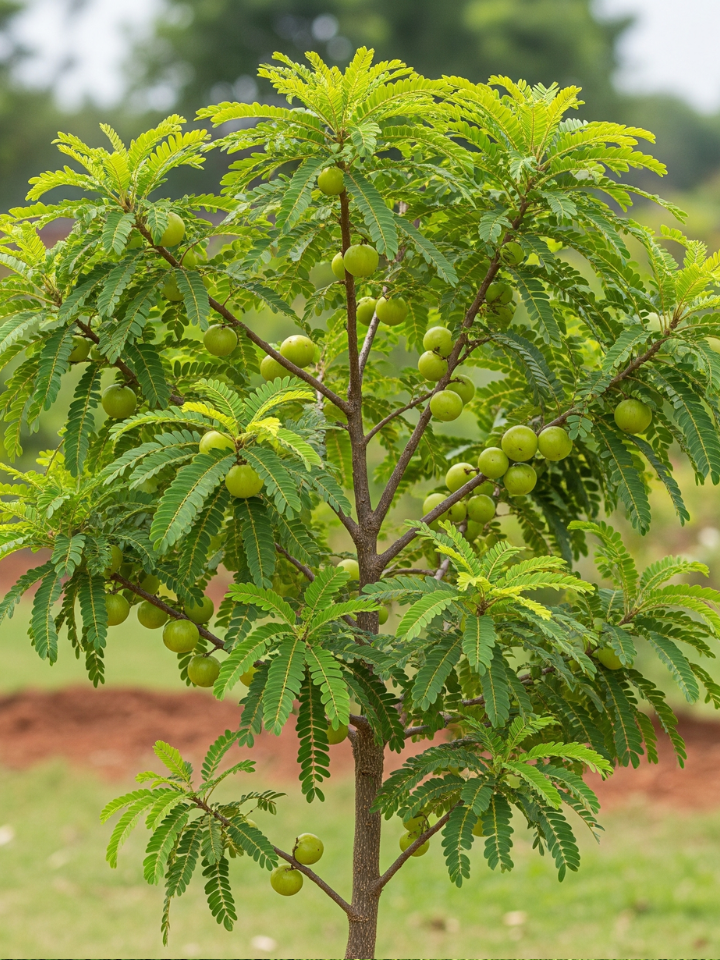
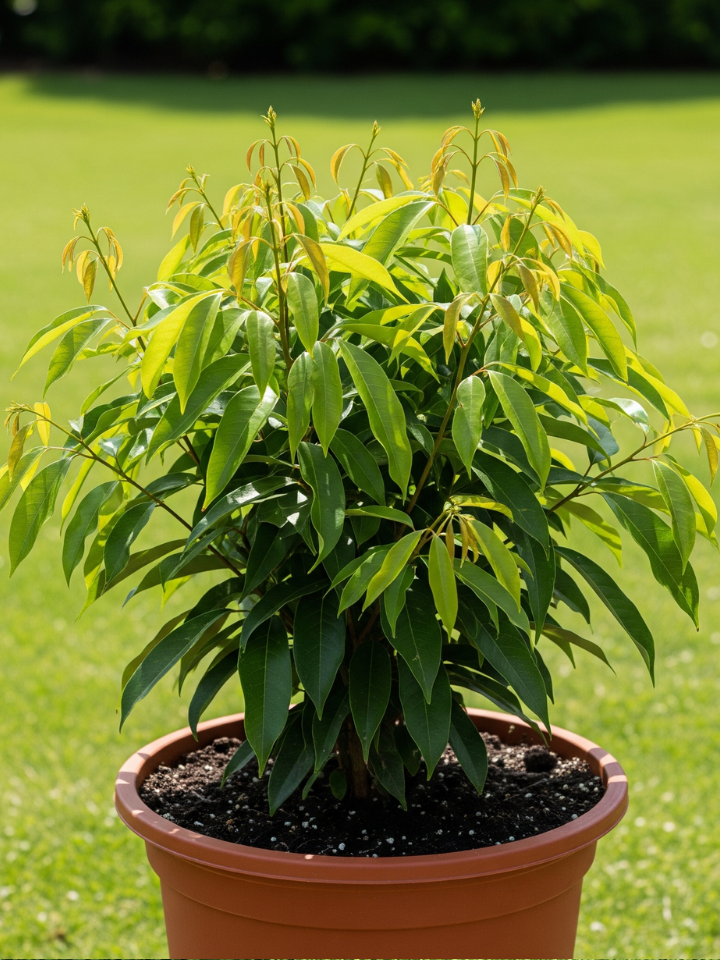
- Leaves. Tiny, narrow leaves, each about 1 cm long, set in two neat rows along slender green twigs. From a distance each twig looks like a single feathery leaf, which gives the tree a soft, fern-like canopy.
- Bark and branches. Grey-brown bark that flakes with age, and a light, open crown. The leafy twigs fall in late winter and new ones follow in spring.
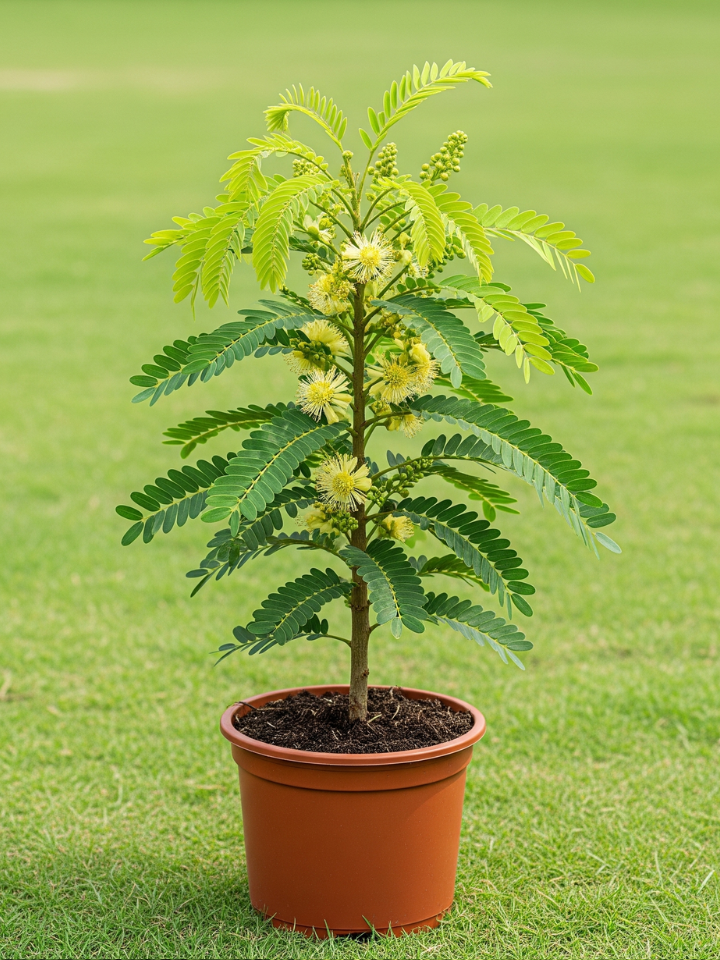
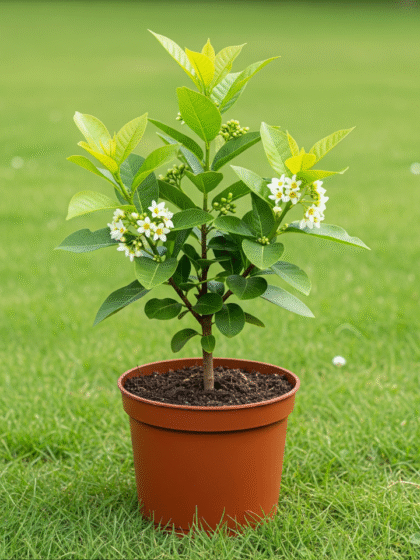
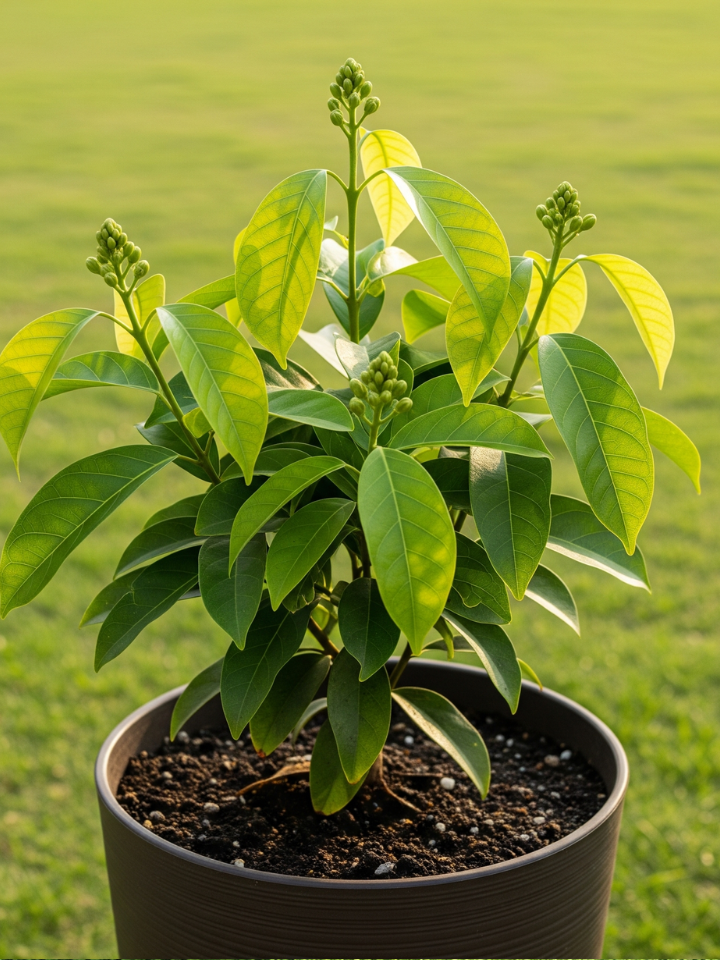
- Flowers. Very small, greenish-yellow flowers in clusters where the leaves join the twig. They open from mid-March to April and are easy to miss.
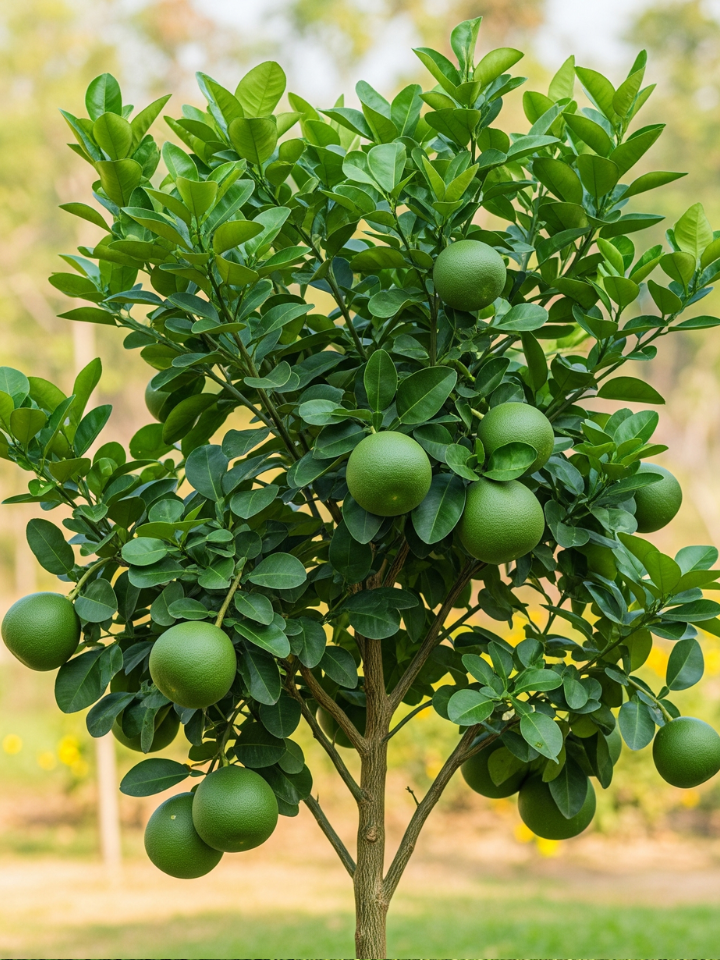
- Fruit. Round and glossy, pale green turning yellowish-green, with six faint lines running from top to bottom. Desi fruit is about 2 cm across; grafted varieties can reach 4–5 cm. The flesh is crisp, very sour and slightly astringent, with a sweet aftertaste once you drink water.
Why grow an amla tree at home?
- A winter harvest of your own. Fresh amla for pickles, murabba, chutney, juice and dal, picked when you need it.
- Rich in vitamin C. Fresh amla is one of the richest fruit sources of vitamin C, with most analyses reporting several hundred milligrams per 100 g.
- A plant with deep roots in Indian tradition. Amalaki is a key ingredient in chyawanprash and triphala, and many families worship the tree on Amla Navami in the month of Kartik.
- Tough and forgiving. It handles heat, dry spells and even slightly alkaline or saline soil, so it suits gardeners who cannot water every day.
- Long-lived. A healthy tree keeps fruiting for decades.
Product Specifications
- Plant name: Amla Plant (Indian Gooseberry / Amloki)
- Botanical name: Phyllanthus emblica (syn. Emblica officinalis)
- Common names: Amla, aonla (Hindi), amloki (Bengali), amalaki (Sanskrit), avala (Marathi), nellikai (Tamil), usirikaya (Telugu), nellikka (Malayalam), Indian gooseberry
- Plant family: Phyllanthaceae
- Origin: India and South-East Asia
- Plant type: Deciduous to semi-evergreen fruit tree
- Foliage: Tiny, narrow leaves about 1 cm long in two rows along slender twigs; feathery, fern-like look
- Bark: Grey-brown, flaking with age
- Flowers: Very small, greenish-yellow, in clusters in the leaf axils
- Flowering season in India: Mid-March to April
- Fruiting season in India: About November to February, depending on variety
- Years to first fruit: About three years for grafted or budded plants; six to eight years for seedlings
- Fruit: Round, 2–5 cm, pale green to yellowish-green with six faint vertical lines; crisp, sour, astringent flesh around a hard six-sided seed
- Growth habit: Upright tree with a light, open, spreading crown
- Growth rate: Moderate
- Mature size: About 2–3 m in a large container with pruning; 8 m or more in the ground
- Suitable placement: Garden, courtyard, boundary, sunny terrace in a half-drum, sunny balcony in a large pot; outdoors only
- Light requirement: Full sun, at least six hours of direct sun a day
- Water requirement: Low to moderate once established; water when the top 5 cm dries; avoid waterlogging
- Soil requirement: Well-drained loam or sandy loam; tolerates slightly alkaline and saline soil
- Temperature: Handles strong summer heat; young plants are damaged by frost
- Fertiliser: Compost or cow dung manure at the start of the monsoon and after harvest; balanced feed every six to eight weeks for container plants from June to October
- Common pests and problems: Shoot gall maker, bark-eating caterpillar, mealybug, ring rust, fruit rot, internal fruit necrosis
- Maintenance: Low; yearly pruning and seasonal feeding
- Difficulty level: Easy
- Suitable environment: Tropical and subtropical plains and mild hills across India; frost-free areas
- Safety: Thornless; not listed by the ASPCA; not classed as pet-safe
Where should you plant an amla tree?
Sun and drainage matter more than rich soil. Amla suits:
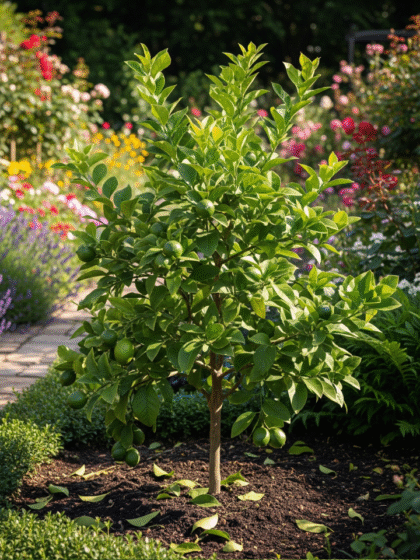
- A garden, courtyard or boundary. The open ground is its best home. Allow 4–5 m from walls and other trees. It is one of the easiest outdoor plants and trees for a sunny plot, and its light canopy lets smaller plants grow beneath.
- A sunny rooftop, in a half-drum. Amla is one of the best medicinal plants for terrace gardening because it asks for little water and shrugs off summer heat. Stand the drum on bricks so water drains freely, and check that the roof can carry the weight of wet soil.
- A large pot on a sunny balcony. Possible for a south- or west-facing balcony with six hours of direct sun, as long as the tree is pruned each year.
- Not indoors. Without direct sun the tree stays weak and will not flower or fruit.
Can you grow an amla plant in a pot?
Yes. A grafted amla is a good choice for a large container, and a well-fed potted tree can fruit every winter.
- Container. Start in a 14–16 inch pot, then move within a year to an 18–24 inch pot, a large grow bag or a half-drum at least 45 cm deep. Drainage holes are essential.
- Soil. Mix two parts garden soil, one part well-rotted cow dung manure or compost and one part coarse sand. Add a handful of bone meal or neem cake. Avoid heavy clay that stays wet.
- Watering. In April and May a potted tree may need water every day or two. In the rains, water only when the soil dries.
- Pruning. Pinch the tip at about 60–75 cm so the sapling forms three or four main branches, and keep the tree to about 2–3 m.
- Repotting. Every two to three years, trim the outer roots lightly and refresh a third of the soil.
How do you care for an Indian gooseberry plant?
- Sunlight. Full sun all day gives the best flowering and fruit set.
- Watering. Water young plants regularly for the first year. Once established, water deeply and let the top few centimetres dry out. Commercial growers hold back water while the tree is in flower in March and April, which helps fruit set.
- Feeding. Add compost or cow dung manure at the start of the monsoon and again after harvest. For pot-grown trees, a balanced organic feed every six to eight weeks from June to October supports the fruit as it swells.
- Pruning. Prune lightly in late winter, after harvest. Remove dead, crossing and weak branches, keep the centre open to light, and cut away any shoots that grow from below the graft joint.
- Pollination. Some varieties set fruit poorly on their own. Planting two different varieties near each other, or having another amla tree in the neighbourhood, usually improves the crop. [CONFIRM variety notes]
- Mulch. A layer of dry leaves or straw keeps the roots cool through summer and saves water.
When does an amla tree flower and fruit in India?
Amla flowers from mid-March to April. The tiny fruit then sits almost unchanged through the hot months, begins to swell once the monsoon arrives, and is ready from about November to February, depending on the variety. Mature fruit turns from deep green to a pale, slightly translucent yellowish-green and feels firm and heavy. A grafted sapling usually starts bearing in its third year after planting and gives a fuller crop each year after that; a tree grown from seed can take six to eight years.
A year with amloki in Bengal
Our saplings grow in the same humid Hooghly climate described here, so these timings hold for most of the eastern plains. [CONFIRM that amla is grown at Rishra or Joka] Many buyers looking for herbal plants in Kolkata and nearby districts plant amla for exactly this seasonal rhythm.
June to September: planting and growth. The monsoon is the best time to plant. Warm, moist soil helps the roots settle quickly, and the young fruit on older trees begins to grow. Check that pots drain fast after heavy rain.
October to February: the harvest. Fruit ripens through the cool, dry months. In Bengal this is the season for amloki pickles, chutney and sun-dried pieces. Pick by hand or shake the branches gently over a sheet.
February to March: rest and pruning. Old leafy twigs fall and the tree can look bare for a short time. This is normal. Prune lightly and feed with compost.
March to May: flowering and summer care. Flowers appear with the new leaves. Water potted trees steadily through the heat, but do not overwater while the tree is in flower.
Why is my amla fruit dropping or turning brown?
- Flowers and tiny fruit falling in spring. A large natural drop is normal. Heavy drop points to very dry soil, waterlogging or poor pollination.
- Brown, corky patches inside the fruit. This is often internal necrosis, linked to a lack of boron in some varieties. A light boron spray before flowering, on expert advice, usually helps.
- Swellings on young shoots. Shoot gall maker. Cut off and destroy affected twigs.
- Webbing and holes in the bark. Bark-eating caterpillar. Clear the webbing and seal the hole; seek local advice if it spreads.
- Sticky shoots or white fluff. Mealybugs. Wipe them off and spray neem oil every seven to ten days until clear.
- Rusty rings on leaves, or amla rotting on the branch. Fungal problems such as ring rust or fruit rot, worse in wet weather. Remove affected fruit and improve airflow by pruning.
Amla in tradition and Vastu
In many Indian homes the amla tree is treated with respect. It is worshipped on Amalaki Ekadashi and on Amla Navami, when families cook and eat beneath its branches. Vastu tradition generally favours planting it in the north or east of the plot. If you are planning a garden around these ideas, a guide to which trees Vastu tradition welcomes near the house covers the common beliefs about direction. These are traditional beliefs, not claims about what the tree does.
Is the amla plant safe around children and pets?
The tree has no thorns and its fruit is part of everyday Indian food, which makes it a good family tree. Supervise small children, since the hard seed can be a choking risk. We could not find Phyllanthus emblica on the ASPCA lists of plants toxic or non-toxic to dogs and cats, so we do not class it as a pet-safe plant. Keep pets from chewing leaves and fallen fruit.
What to plant with an amla tree
Amla sits comfortably among herbal medicinal plants in India that share its love of sun and sharp drainage. A tulsi plant for the courtyard beside it completes a traditional pairing, and a curry leaf plant for the daily tadka enjoys the same bright, dry spot. For more winter fruit, add a guava tree that crops in the same cool months .To build a small home orchard, browse more fruit trees for Indian home gardens.
Plant your own amla this season
Order during the rains and your sapling has a full growing season to settle in before its first winter. Every plant is raised and packed at our own nursery in West Bengal and arrives ready to plant. Give it your sunniest spot and soil that drains, and in a few years you will be picking fresh amla from your own tree.































There are no reviews yet.