

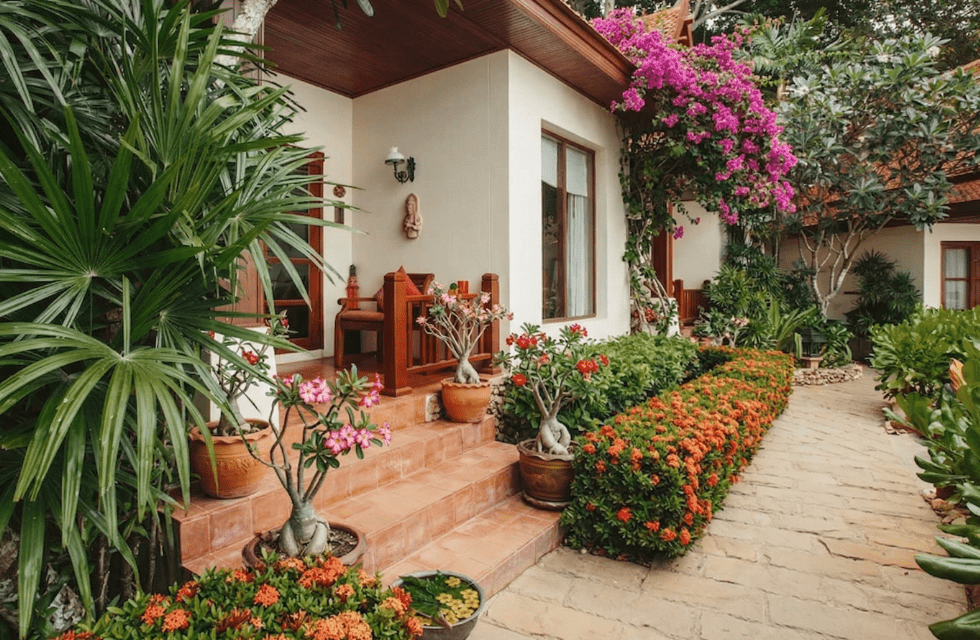
Step outside any morning in a Bengali neighbourhood, and you’ll notice something quietly beautiful — a jasmine creeper climbing a boundary wall, a hibiscus blooming near the gate, or a money plant spilling over a balcony railing. Outdoor plants have always been a part of Indian homes. Not as decoration, but as a way of life.
Yet somewhere between busy schedules, smaller living spaces, and the myth that gardening is complicated, many of us stopped growing them.
Here’s the truth: you don’t need a garden to grow outdoor plants. A sunny balcony, a terrace corner, or even a narrow windowsill facing the open sky is enough. And you certainly don’t need a green thumb — just the right plant and a little willingness.
The Indian Home and Its Natural Connection to Plants
India has one of the richest traditions of home gardening in the world. From the tulsi plant in a grandmother’s courtyard to mogra flowers strung into hair — plants have always lived alongside us. They’ve been part of our rituals, our kitchens, our healing, and our everyday joy.
That connection never really left. It just got buried under concrete and convenience.
Today, as more people return to mindful living, urban gardening is experiencing a quiet revival across Indian cities — from Kolkata rooftop gardens to Mumbai balcony jungles to Chennai terrace farms. And the entry point for most of these gardeners? One simple, easy outdoor plant.
Why Outdoor Plants Matter More Than Ever
The benefits go well beyond aesthetics:
- Mental wellness: Studies consistently show that being around plants reduces cortisol levels and lowers stress. Even tending to one plant daily can shift your mood significantly.
- Air quality: Outdoor plants act as natural filters, absorbing dust, pollution, and carbon dioxide — especially valuable in Indian cities where air quality is a growing concern.
- Biodiversity: A flowering plant on your balcony attracts bees, butterflies, and birds — small but meaningful contributions to the local ecosystem.
- A sense of purpose: There is something deeply grounding about watching something you planted grow, bloom, and thrive.
So, What Is the Easiest Outdoor Plant to Grow?
That’s exactly what this guide answers — thoroughly and honestly.
Whether you live in a high-rise apartment in Kolkata, a bungalow in Pune, or a small house in a Tier-2 city, there are outdoor plants that will grow beautifully with minimal effort. Plants that forgive irregular watering, survive Indian summers, bounce back after neglect, and still reward you with colour, fragrance, or fruit.
You just need to know which ones to choose — and that’s what the sections ahead will walk you through, one plant at a time.
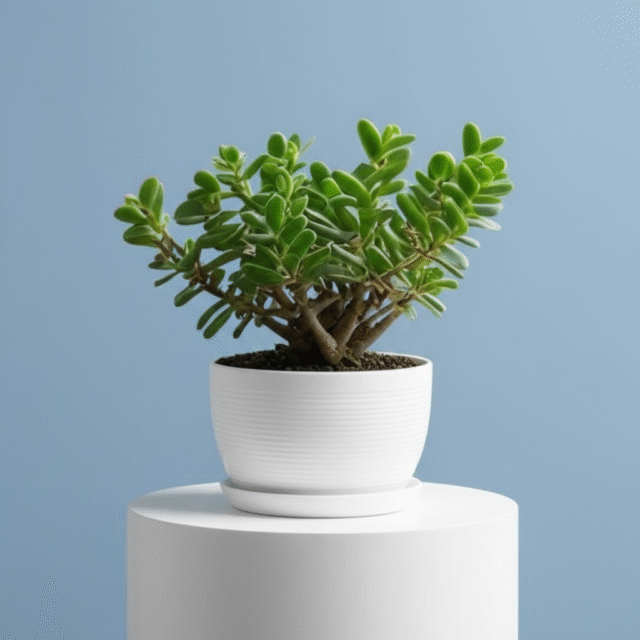
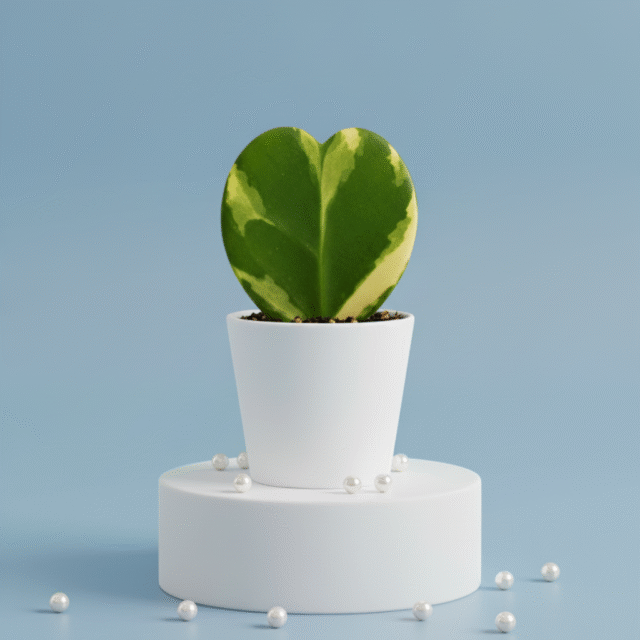
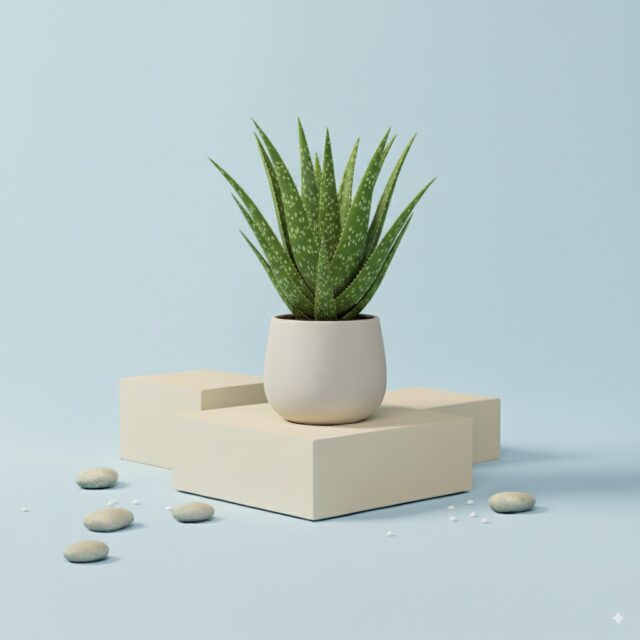
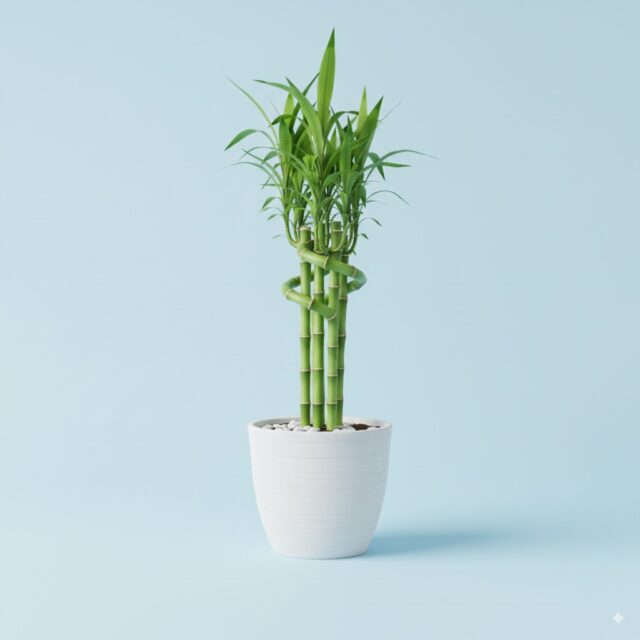

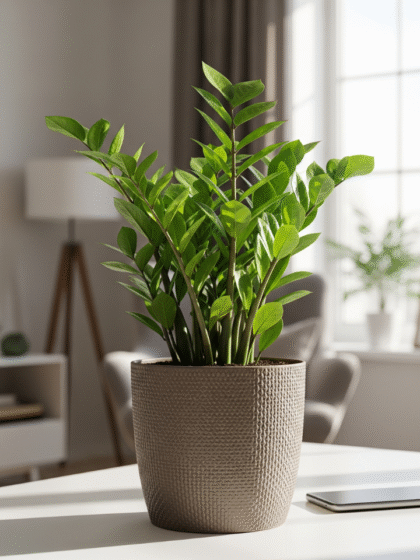
Black ZZ

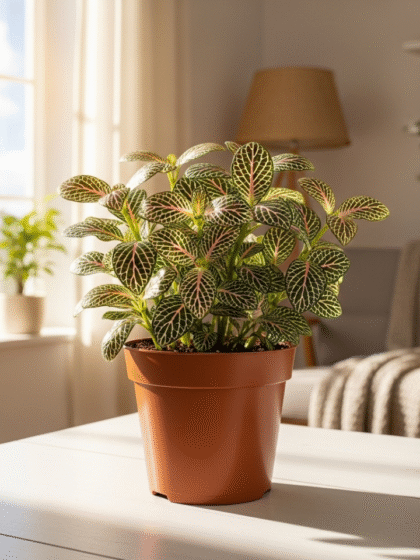
Fittonia

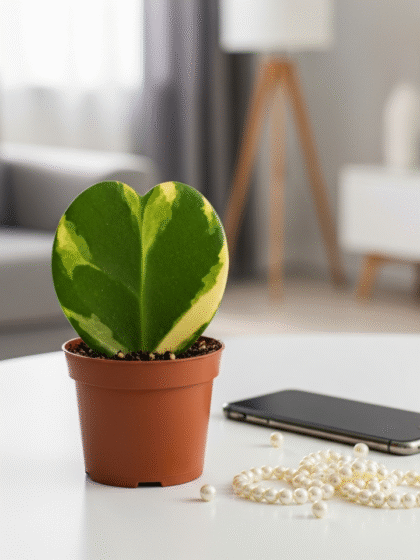
Heart Hoya Plant

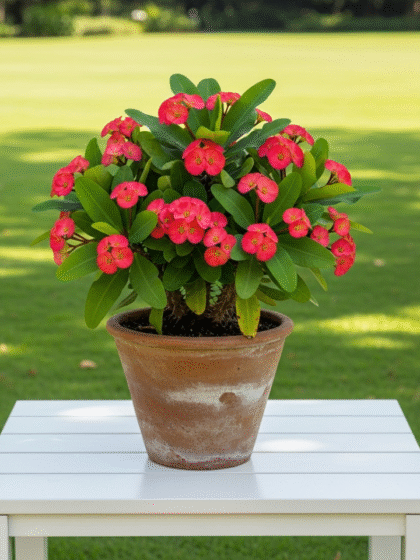
Euphorbia Plant
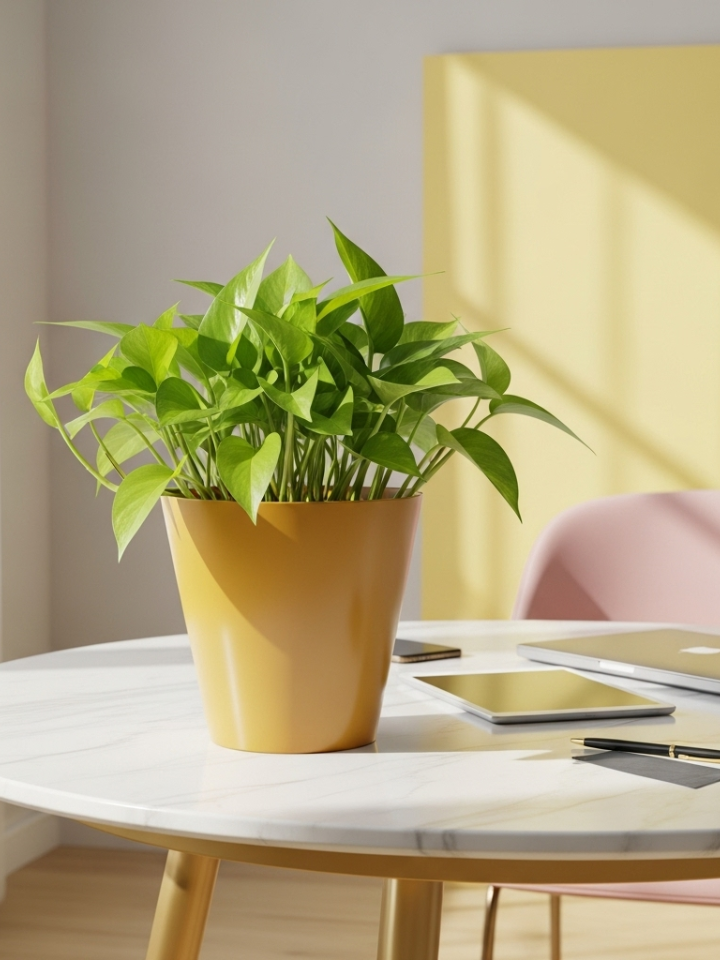

Money Plant (Golden)
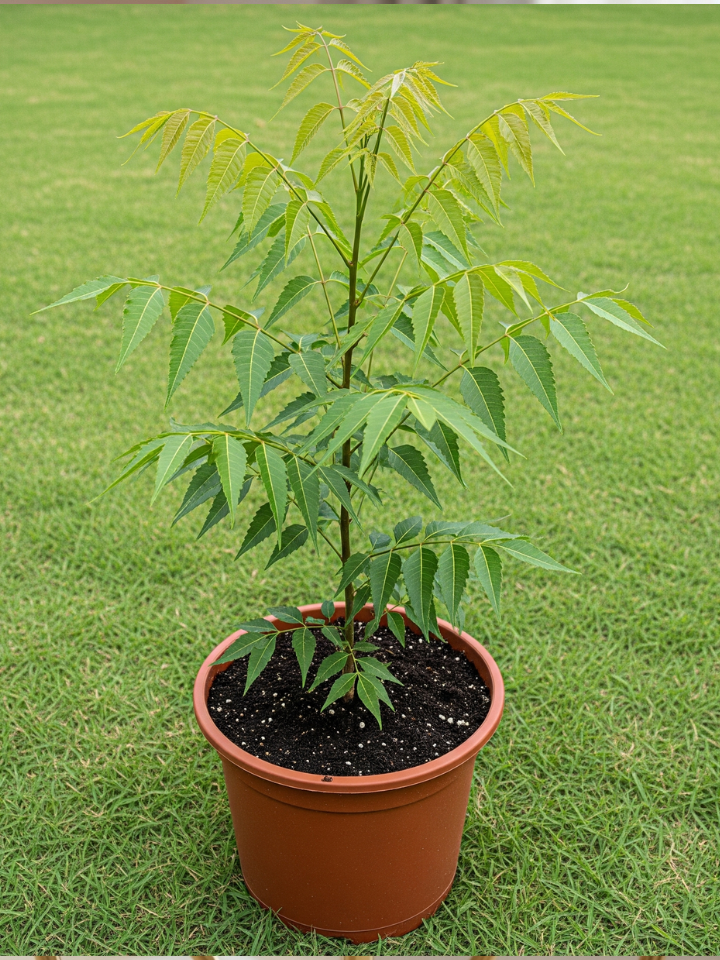

Neem


Pogostemon Stellatus


Moss
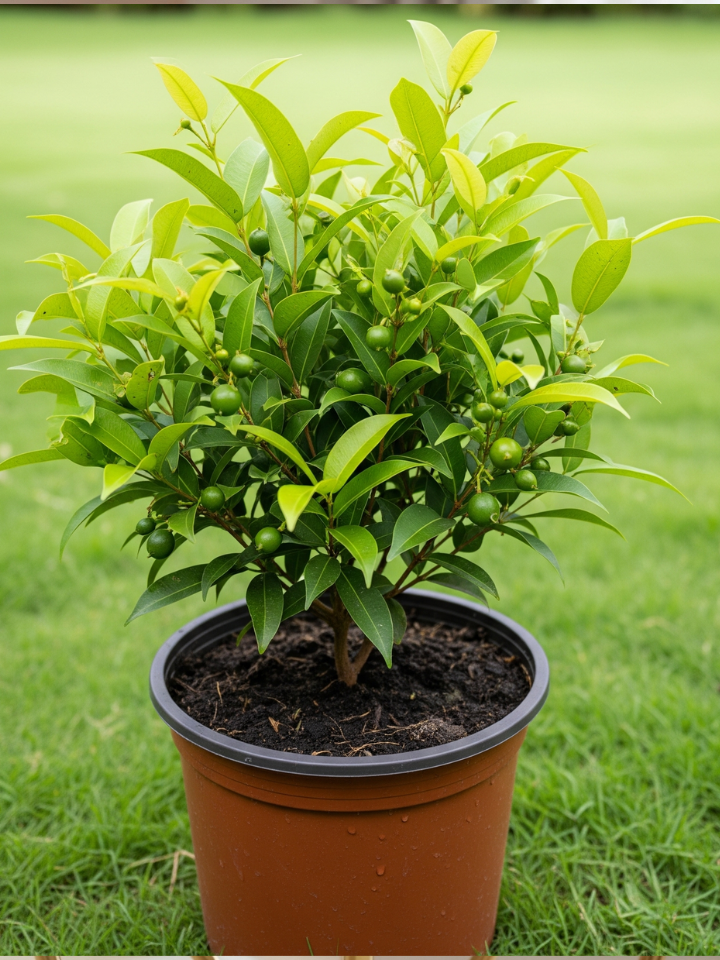

Jamun- Black Berry plant
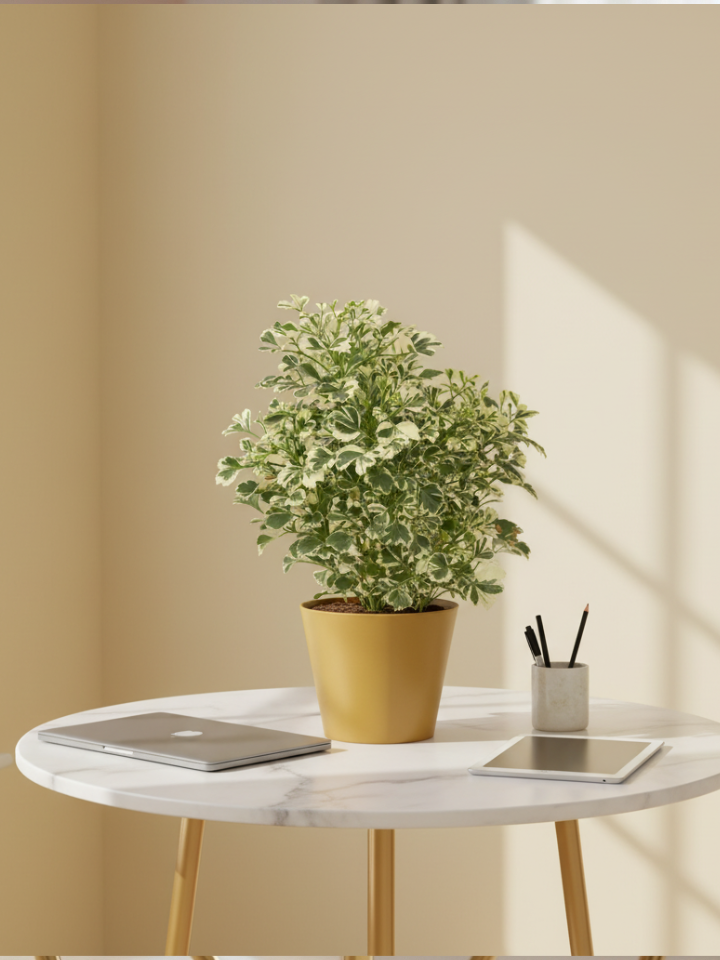
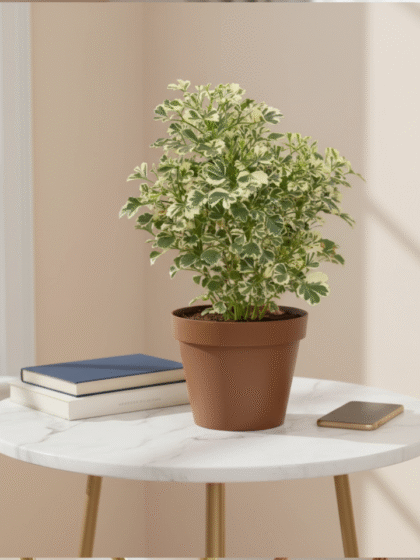
Aralia Variegated Plant
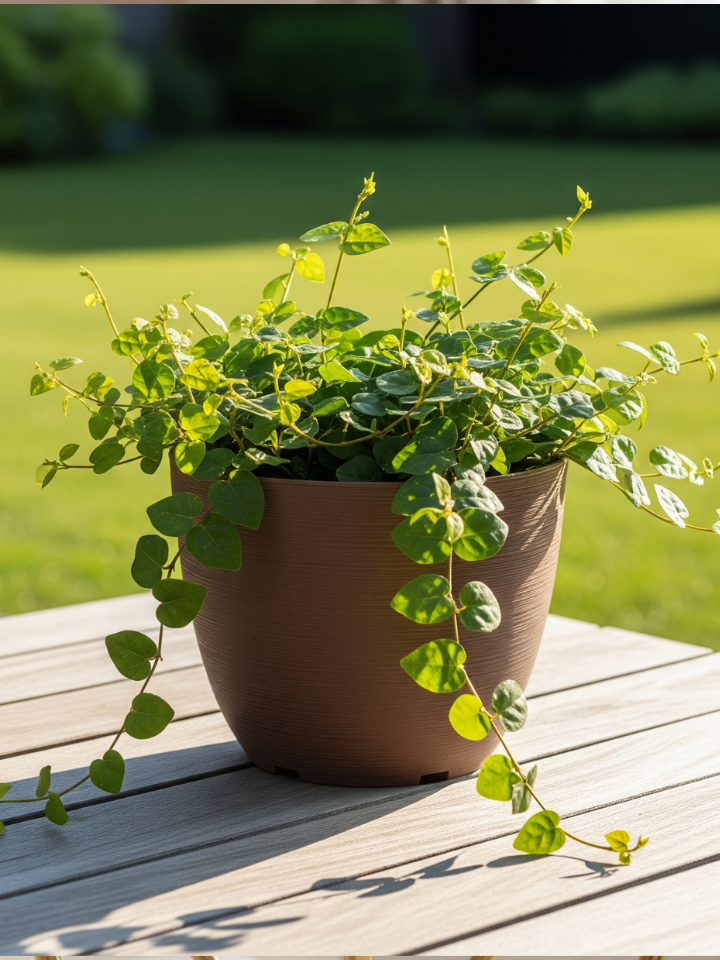

Wall Creeper Plant

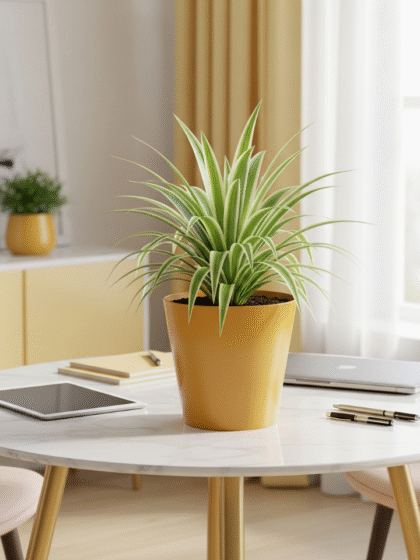
Spider plant

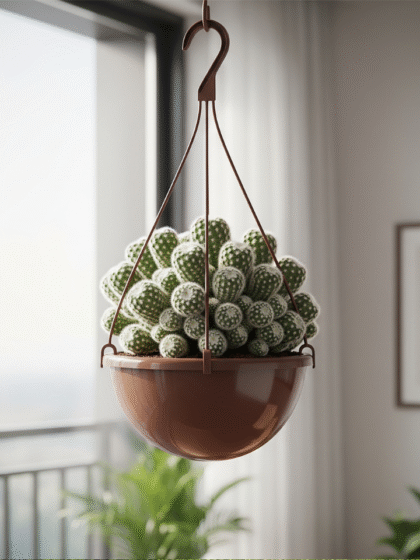
Ball Cactus
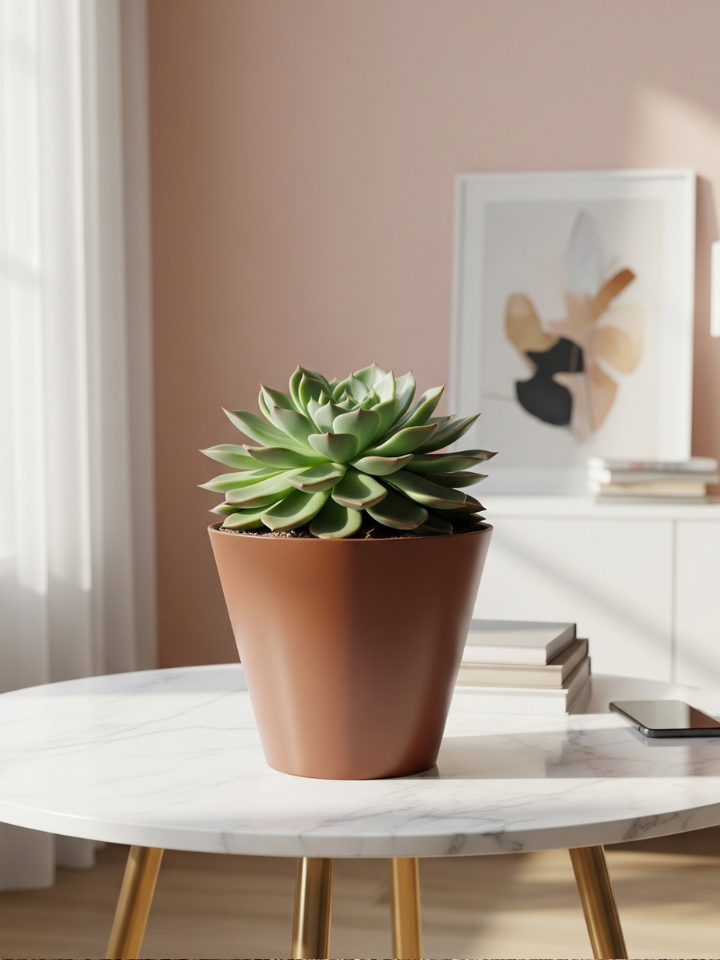

Echeveria Pegasas


Peepal Plant
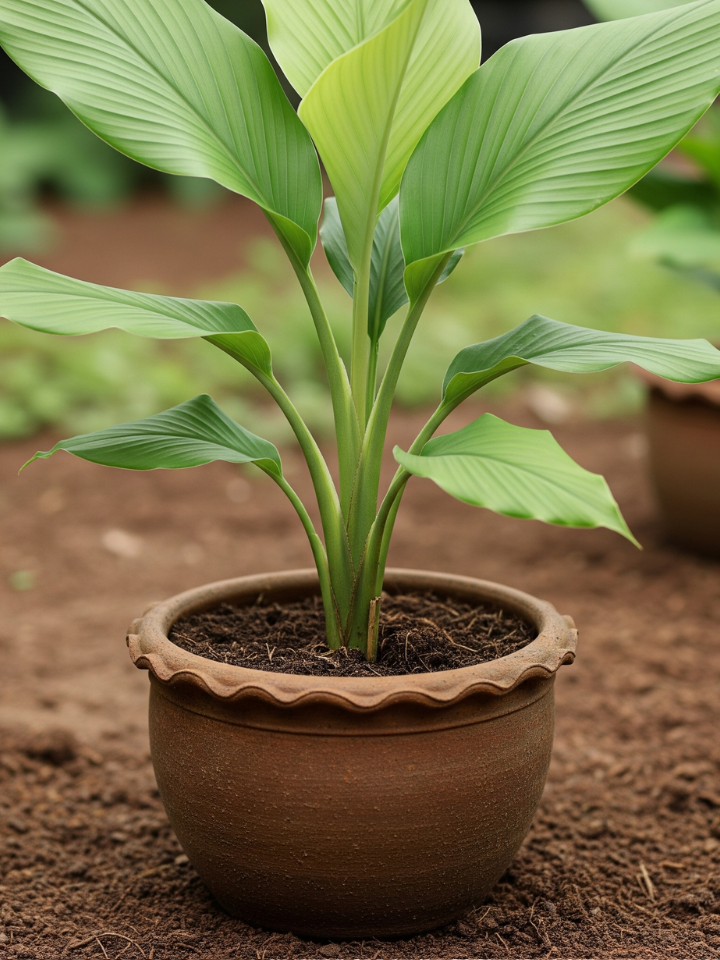

Turmeric plant
What Makes an Outdoor Plant "Easy to Grow"?
Not every plant is created equal — and that’s actually good news for beginners. Because understanding what separates a forgiving, resilient plant from a high-maintenance one helps you make smarter choices from the very start. Before we dive into specific plant recommendations, let’s understand the qualities that make an outdoor plant genuinely easy to grow — especially in the Indian context.
The Traits of a Truly Easy Outdoor Plant
When gardening experts and experienced plant parents describe a plant as “easy,” they’re usually referring to a combination of factors — not just one. Here’s what to look for:
- Low Watering Needs
The number one reason outdoor plants die in beginner hands is overwatering or irregular watering. An easy plant is one that tolerates both — it doesn’t demand water every single day, and it doesn’t wilt dramatically if you miss a day or two. Plants like Bougainvillea, Aloe Vera, and Snake Plant are classic examples of this forgiving nature.
- Adaptability to Sunlight
India is a land of extremes — blazing summers, overcast monsoons, and mild winters. An easy outdoor plant should be able to handle varying light conditions without throwing a tantrum. Ideally, it should thrive in direct sunlight but also manage well on partially shaded balconies or terraces.
- Tolerance for Local Soil Conditions
Most beginner gardeners don’t have access to perfectly prepared potting mix. An easy outdoor plant should grow reasonably well in standard garden soil or basic potting mix — without demanding rare amendments or expensive fertilisers.
- Climate Resilience
India’s climate varies dramatically from region to region. A plant that qualifies as “easy” for the Indian market should ideally perform well across a range of temperatures — surviving the heat of a Kolkata summer, the humidity of a Kerala monsoon, and the dry winters of North India without requiring constant intervention.
- Fast and Visible Growth
There’s a psychological dimension to gardening that rarely gets discussed — beginners need encouragement. A plant that shows visible growth, new leaves, or blooms relatively quickly keeps a new gardener motivated. Slow growers, however beautiful, can feel discouraging when you’re just starting out.
- Natural Pest Resistance
Some plants are magnets for pests and diseases, requiring regular spraying and monitoring. Easy outdoor plants tend to have a natural resilience — they may attract the occasional insect, but they don’t collapse at the first sign of trouble.
- Minimal Pruning and Maintenance
Easy plants don’t require daily attention or expert-level care. An occasional trim, a monthly feed, and regular watering is all they ask for. The rest, they handle themselves.
Why Climate Considerations Matter Specially in India
India isn’t one climate — it’s many. The country spans tropical, subtropical, semi-arid, arid, and even alpine zones. What grows effortlessly in the humid air of West Bengal may struggle in the dry heat of Rajasthan, and vice versa.
Here are the key climate factors every Indian gardener should keep in mind:
Climate Factor | Impact on Plant Growth |
High humidity | Encourages fungal growth; choose plants with good air circulation |
Intense summer heat | Can scorch tender plants; choose heat-tolerant varieties |
Heavy monsoon rainfall | Risk of waterlogging; ensure good drainage in pots |
Mild winters | Most outdoor plants survive Indian winters without special care |
Urban heat islands | City terraces can get extremely hot; opt for sun-hardy species |
The good news is that India’s overall warm climate actually works in favour of outdoor gardening. Many plants that require greenhouses in Europe or North America grow wild and freely here with almost no effort.
The “Easy” Standard We’ll Follow in This Guide
Throughout this blog, when we call a plant “easy to grow,” we mean it meets most of the following criteria:
- Survives with basic watering — no drip irrigation systems or daily schedules needed
- Grows well in Indian weather conditions across at least two or more climate zones
- Requires no specialised soil or expensive fertilisers to establish itself
- Is readily available across Indian nurseries and online plant stores
- Is safe and manageable for home gardeners — including families with children or pets
With this framework in place, the plant recommendations you’ll find ahead aren’t just popular choices — they are genuinely practical, tested, and suited for real Indian homes and real Indian gardeners.
Euphorbia Plant
Neem
Jamun- Black Berry plant
Wall Creeper Plant
Peepal Plant
Turmeric plant

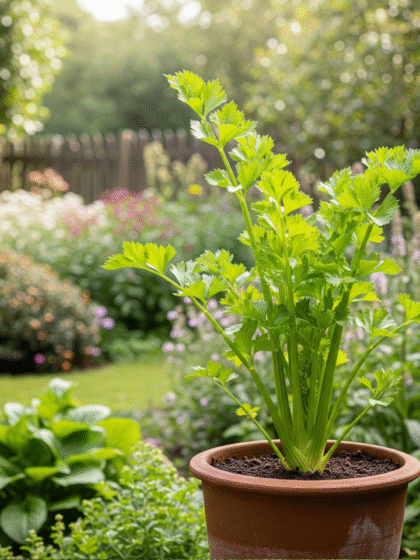
Coriander leaves- Plant

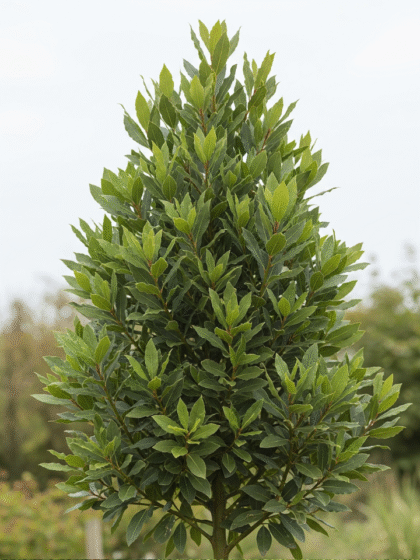
Bay Leaves- Plant
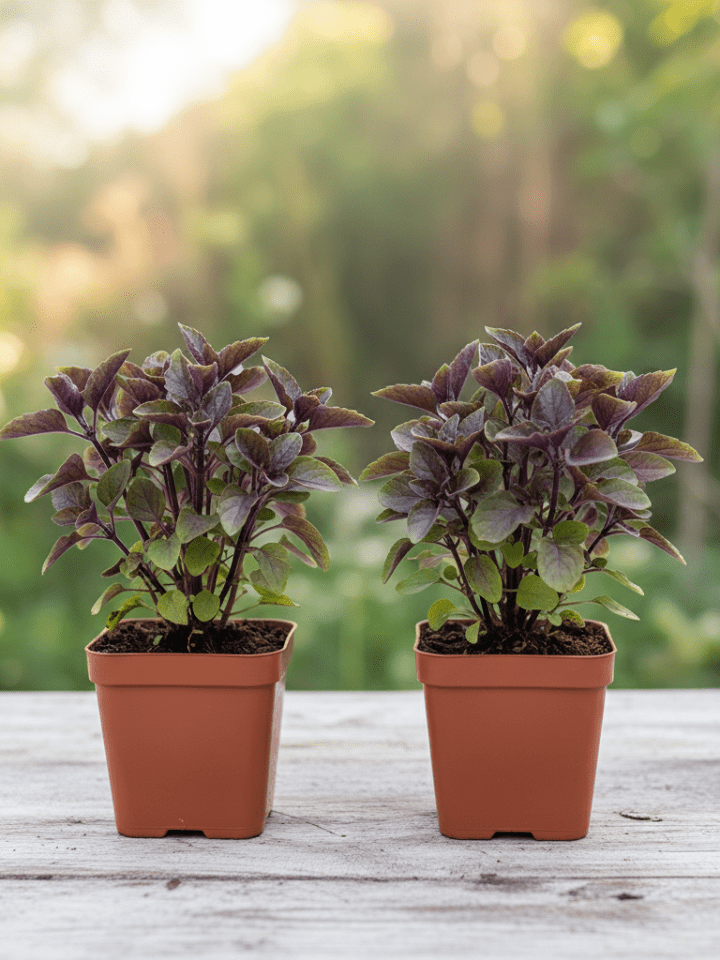
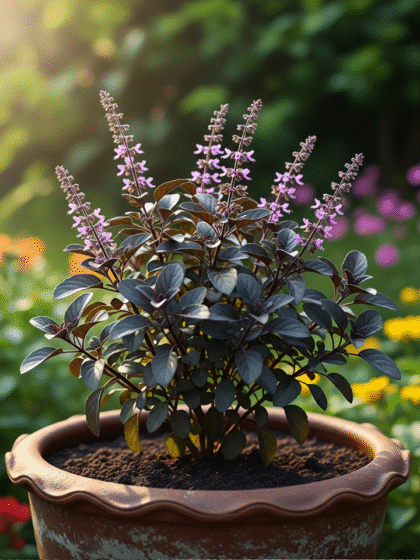
Black Tulsi (Set of 2)

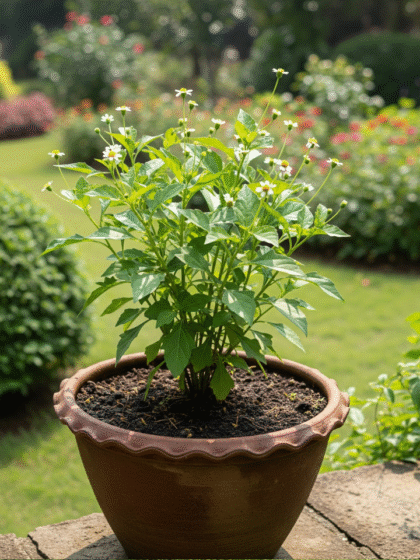
Bhringaraj plant
Top 10 Easiest Outdoor Plants to Grow in India
India’s diverse climate is, surprisingly, one of the greatest advantages an outdoor gardener can have. The warmth, the monsoon rains, and the abundant sunlight create natural growing conditions that many plants absolutely love. The challenge is simply knowing which plants to choose.
Here are the top 10 easiest outdoor plants to grow in India — selected for their resilience, low maintenance, wide availability, and ability to thrive across different Indian climates and living spaces.
- Bougainvillea — The Unstoppable Bloomer
If there’s one plant that defines effortless outdoor gardening in India, it’s Bougainvillea. This vibrant climber thrives on neglect, loves full sunlight, and explodes into colour across seasons. It grows happily in pots, along walls, over gates, and on terrace railings. Whether you live in Kolkata, Chennai, or Jaipur — Bougainvillea simply grows. It is drought-tolerant, pest-resistant, and rewards minimal care with stunning, long-lasting blooms in pink, red, orange, white, and purple.
Best for: Balconies, boundary walls, terraces, gates
Sunlight: Full sun
Watering: Low — once the plant establishes itself
- Hibiscus (Joba Phool) — India’s Beloved Garden Classic
The Hibiscus is practically woven into the fabric of Indian gardening. Known as Joba in Bengal and Gurhal in Hindi, this flowering shrub blooms prolifically with very little encouragement. It enjoys sunny spots, responds well to occasional pruning, and produces large, vibrant flowers almost year-round in warmer climates. Beyond beauty, Hibiscus holds cultural, medicinal, and even culinary significance across Indian households.
Best for: Garden beds, large pots, terrace corners
Sunlight: Full to partial sun
Watering: Moderate — water when the topsoil feels dry
- Mogra / Arabian Jasmine — Fragrance Without Fuss
Few outdoor plants offer the sensory reward that Mogra does. This compact flowering shrub fills entire neighbourhoods with its intoxicating fragrance, especially during summer evenings. It is low-maintenance, grows happily in pots, and is deeply rooted in Indian culture — used in worship, hair adornment, and traditional garlands. Mogra thrives in warm, sunny conditions and asks for very little in return.
Best for: Balconies, small gardens, pooja corners outdoors
Sunlight: Full sun preferred
Watering: Moderate — avoid waterlogging
- Aloe Vera — The Medicinal Marvel
Aloe Vera is arguably the most practical outdoor plant you can grow. It stores water in its thick leaves, making it exceptionally drought-tolerant. It thrives in direct sunlight, grows in almost any well-draining soil, and practically takes care of itself. Beyond being easy to grow, it doubles as a first-aid kit — the gel inside its leaves soothes burns, moisturises skin, and supports hair health. Every Indian household benefits from having one.
Best for: Sunny balconies, terrace pots, window ledges
Sunlight: Full sun to partial shade
Watering: Very low — once a week or less
- Tulsi (Holy Basil) — Sacred, Simple, and Supremely Useful
No list of easy Indian outdoor plants is complete without Tulsi. Revered across Hindu households, Tulsi is also one of the most resilient herbs you can grow outdoors. It thrives in warm weather, grows quickly from seeds or saplings, and requires only regular sunlight and basic watering. Its medicinal properties — from immunity support to respiratory relief — make it far more than just a plant. It is a living tradition.
Best for: Courtyard, balcony, entrance area, terrace
Sunlight: Full sun
Watering: Regular but moderate
- Aparajita (Blue Clitoria) — The Effortless Climber
Aparajita is one of India’s most underrated outdoor plants. This fast-growing climber produces striking blue or white flowers and establishes itself with remarkable ease. It grows along fences, walls, and trellises with minimal support and virtually no fuss. In many parts of India, it grows almost wild — a testament to just how easy it is to cultivate. It is also a traditional medicinal plant used in Ayurvedic practices.
Best for: Fences, compound walls, trellises, climbing frames
Sunlight: Full to partial sun
Watering: Low to moderate
- Curry Leaf Plant (Meetha Neem) — Useful Every Single Day
For Indian households, the Curry Leaf plant is a kitchen essential disguised as a garden plant. It grows steadily in pots or ground soil, loves warm weather, and produces aromatic leaves throughout the year. The plant is hardy, pest-resistant, and practically self-sufficient once established. The fact that you can walk out and pluck fresh curry leaves for your daily cooking makes this one of the most rewarding easy plants you’ll ever grow.
Best for: Kitchen gardens, sunny balconies, terrace pots
Sunlight: Full sun
Watering: Moderate — water regularly but don’t overwater
- Rose — More Resilient Than Its Reputation Suggests
Roses have a reputation for being demanding, but Indian varieties — particularly the desi gulab — are surprisingly tough. When planted in a sunny spot with well-draining soil and given a basic feeding routine, roses bloom generously. They are available in countless varieties suited to Indian climates, and the joy of growing your own roses — for gifting, for worship, or simply for beauty — is hard to match.
Best for: Garden beds, large pots, terrace gardens
Sunlight: Full sun — at least 6 hours daily
Watering: Regular — keep soil consistently moist but not waterlogged
- Money Plant (Outdoor Variety) — Growth You Can Actually See
While Money Plant is widely known as an indoor plant, its outdoor varieties — particularly the Variegated Money Plant and Golden Money Plant — grow vigorously when placed in bright, open spaces. They climb walls and railings enthusiastically, grow in soil or water, and are nearly impossible to kill. For beginner gardeners who need encouragement through visible, rapid growth, Money Plant delivers reliably every time.
Best for: Outdoor railings, shaded balconies, compound walls
Sunlight: Bright indirect to partial sun
Watering: Moderate — water when topsoil feels dry
- Ixora (Rangan) — The Low-Maintenance Showstopper
Ixora, known as Rangan in Bengali, is a compact flowering shrub that produces dense clusters of bright red, orange, pink, or yellow flowers almost year-round in Indian conditions. It thrives in warm, humid climates — making it particularly well-suited for eastern and southern India. Ixora is slow to establish but once it does, it becomes remarkably self-sufficient, requiring only basic watering and occasional pruning to stay lush and blooming.
Best for: Garden borders, large pots, terrace gardens
Sunlight: Full to partial sun
Watering: Moderate and consistent
Quick Comparison at a Glance
Plant | Sunlight | Watering | Best Feature | Difficulty |
Bougainvillea | Full sun | Low | Non-stop blooms | ⭐ Very Easy |
Hibiscus | Full/Partial | Moderate | Year-round flowers | ⭐ Very Easy |
Mogra | Full sun | Moderate | Fragrance | ⭐ Very Easy |
Aloe Vera | Full/Partial | Very Low | Medicinal use | ⭐ Very Easy |
Tulsi | Full sun | Moderate | Sacred & medicinal | ⭐ Very Easy |
Aparajita | Full/Partial | Low-Moderate | Fast climbing | ⭐ Easy |
Curry Leaf | Full sun | Moderate | Daily kitchen use | ⭐ Easy |
Rose | Full sun | Regular | Beauty & fragrance | ⭐⭐ Moderate |
Money Plant | Partial sun | Moderate | Fast visible growth | ⭐ Very Easy |
Ixora | Full/Partial | Moderate | Year-round colour | ⭐ Easy |
Deep Dive: The Easiest Outdoor Plant of All — Bougainvillea
If you’ve ever driven through a sun-drenched Indian neighbourhood and spotted a riot of colour cascading over a compound wall or spilling across a rooftop — chances are, you were looking at Bougainvillea. This extraordinary plant has quietly earned its place as India’s most forgiving, most rewarding, and most spectacular outdoor plant — and for very good reason.
Let’s go beyond the surface and truly understand why Bougainvillea deserves the top spot on every beginner gardener’s list.
What Exactly Is Bougainvillea?
Bougainvillea is a woody, thorny climbing plant originally native to South America — but it has found its truest home in tropical and subtropical climates like India’s. What most people mistake for its flowers are actually bracts — modified leaves that surround the tiny, white, star-shaped true flowers at their centre. These papery bracts are what give Bougainvillea its iconic, long-lasting colour in shades of magenta, pink, red, orange, white, purple, and even bi-colour varieties.
Unlike many flowering plants that bloom for a few weeks and then go quiet, Bougainvillea can bloom for months at a stretch — and in the right Indian climate, almost continuously through the year.
Why Bougainvillea Is the Easiest Outdoor Plant in India
It Thrives on Sunlight and Heat
Most plants wilt in the intense Indian summer. Bougainvillea celebrates it. The hotter and sunnier the conditions, the more vigorously it grows and blooms. This makes it uniquely suited to Indian terraces, south-facing balconies, and open garden spaces where other plants may struggle.
It Actually Prefers Dry Conditions
Here’s a counterintuitive truth that surprises most beginners — Bougainvillea blooms better when slightly stressed for water. Overwatering is actually the most common mistake people make with this plant. Once established, it needs watering only when the soil is completely dry. This makes it ideal for gardeners with irregular schedules or those who travel frequently.
It Grows in Almost Any Soil
Bougainvillea is not fussy about soil quality. It adapts to sandy, loamy, and even rocky soil — as long as drainage is good. It does not like sitting in waterlogged soil, but beyond that basic requirement, it is remarkably accommodating.
It Is Naturally Pest and Disease Resistant
While no plant is entirely immune, Bougainvillea has a strong natural resistance to most common garden pests and diseases. It doesn’t attract aphids or mealybugs as readily as many other flowering plants, and it recovers quickly from minor infestations without requiring heavy chemical intervention.
It Bounces Back from Hard Pruning
One of the most liberating things about growing Bougainvillea is that you can prune it aggressively — and it will come back stronger and more colourful than before. In fact, pruning triggers a new flush of blooms, making it one of those rare plants where cutting it back actually improves its appearance.
Growing Conditions: What Bougainvillea Needs
Understanding the basic growing requirements of Bougainvillea helps you set it up for success from day one.
Sunlight Requirements
Bougainvillea needs a minimum of 5 to 6 hours of direct sunlight daily to bloom well. A south or west-facing wall, terrace, or balcony is ideal. In shadier spots, the plant will grow but produce fewer bracts. Simply put — the more sun it gets, the more spectacular the display.
Soil and Potting Mix
For container growing — which is how most urban Indian gardeners cultivate it — use a well-draining potting mix. A simple combination works beautifully:
- 40% regular garden soil
- 30% coarse sand or perlite (for drainage)
- 30% compost or vermicompost (for nutrients)
Avoid heavy, clay-rich soil that retains moisture for too long. Good drainage is the single most important soil requirement for this plant.
Pot Selection
If growing in a container, choose a pot that is slightly larger than the root ball — Bougainvillea actually blooms better when mildly root-bound. A terracotta pot is an excellent choice as it allows excess moisture to evaporate through its walls, naturally preventing overwatering.
Ensure the pot has adequate drainage holes at the bottom — this is non-negotiable.
Watering Schedule
Follow this simple rule: water deeply, then wait. Water the plant thoroughly until it drains from the bottom, then allow the soil to dry out completely before watering again. During peak Indian summers, this might mean watering every 4 to 5 days. During cooler or monsoon months, reduce frequency significantly.
Signs of overwatering — yellowing leaves, root rot, drooping despite wet soil — are far more common and dangerous for Bougainvillea than underwatering.
Fertilising for Maximum Blooms
Bougainvillea is a moderate feeder. During its active growing season — typically February through October in most parts of India — feed it once a month with a balanced fertiliser or a potassium-rich feed to encourage flowering. Organic options like banana peel compost or wood ash work wonderfully as natural potassium sources.
Avoid over-fertilising with nitrogen-heavy feeds — this encourages lush green growth at the expense of those glorious coloured bracts.
Varieties of Bougainvillea Best Suited for Indian Gardens
India’s nurseries offer a wonderful range of Bougainvillea varieties. Here are some particularly well-suited options:
Variety | Colour | Growth Habit | Best For |
Glabra | Purple/Magenta | Fast climber | Compound walls, large spaces |
Spectabilis | Pink/Red | Vigorous climber | Pergolas, open terraces |
Barbara Karst | Bright Red | Semi-climber | Pots, balconies |
Double Delight | Pink/White bi-colour | Compact | Containers, small balconies |
Golden Glow | Orange/Yellow | Moderate climber | Sunny terraces, gates |
For apartment dwellers with limited space, dwarf or compact Bougainvillea varieties grown in pots are an excellent choice — they deliver the same spectacular colour display in a much smaller footprint.
Step-by-Step: How to Plant Bougainvillea at Home
Getting started is simpler than most beginners imagine. Here’s a straightforward process:
Step 1 — Choose the Right Time The best time to plant Bougainvillea in India is February to March or September to October — when temperatures are warm but not extreme. Avoid planting during peak monsoon as waterlogging can damage young roots.
Step 2 — Select a Healthy Sapling Choose a sapling with firm stems, healthy green leaves, and no signs of yellowing or pest damage. A sapling with visible buds or bracts is a bonus — it indicates the plant is already in active growth.
Step 3 — Prepare Your Pot or Bed Fill your chosen container or garden spot with the well-draining potting mix described earlier. Create a planting hole slightly larger than the root ball.
Step 4 — Plant Carefully Bougainvillea has delicate roots that dislike disturbance. Remove the sapling gently from its nursery bag without disturbing the root ball, place it in the hole, and fill around it with soil. Press lightly to eliminate air pockets.
Step 5 — Water and Position Water thoroughly right after planting, then place the pot in your sunniest outdoor spot. Do not move it frequently — Bougainvillea dislikes being shifted once settled.
Step 6 — Support and Train As the plant grows, guide its stems along a wall, trellis, or railing using soft garden ties. Early training shapes the plant beautifully and encourages it to fill its intended space gracefully.
Common Problems and Simple Solutions
Even the easiest plant occasionally needs a little troubleshooting. Here’s what to watch for:
Problem | Likely Cause | Simple Fix |
Leaves turning yellow | Overwatering or poor drainage | Reduce watering; check drainage holes |
No blooms despite healthy growth | Too much shade or nitrogen | Move to sunnier spot; switch to potassium feed |
Leaves dropping suddenly | Environmental stress or root disturbance | Avoid moving the plant; maintain consistent care |
Leggy, sparse growth | Insufficient sunlight | Relocate to a brighter outdoor position |
Wilting despite watering | Root rot from waterlogging | Allow soil to dry completely; repot if necessary |
The Emotional Reward of Growing Bougainvillea
Beyond the practicalities, there is something deeply satisfying about growing Bougainvillea. It is a plant that responds to your care — or lack thereof — in very visible ways. When you get it right, it rewards you with a cascade of colour that transforms an ordinary balcony, terrace, or garden wall into something genuinely breathtaking.
For a first-time gardener, that moment when a Bougainvillea bursts into full bloom for the first time is often the moment they fall in love with gardening for life.
It is, in every sense, the perfect outdoor plant to begin your journey with.
Best Easy Outdoor Plants for Beginners by Category
Every gardener’s space is different. Every home has its own character — a sun-drenched south-facing terrace, a compact apartment balcony, a small patch of earth near the front gate, or a kitchen window with just enough room for one pot. That’s why choosing an outdoor plant purely by popularity isn’t always the smartest approach.
A better strategy is to match the plant to your purpose — what do you want from your garden? Beauty? Fragrance? Food? Healing? A natural screen? Once you know your intent, the right plant practically chooses itself.
Here’s a carefully curated guide to the easiest outdoor plants for beginners, organised by category — each one proven to thrive in Indian conditions with minimal effort.
Best Easy Flowering Outdoor Plant — Hibiscus (Joba / Gurhal)
When it comes to flowering outdoor plants that deliver consistently without demanding much in return, Hibiscus stands in a category of its own.
This beloved shrub produces large, striking blooms in red, pink, yellow, white, and orange — sometimes multiple times a week during peak season. In warmer parts of India, a well-placed Hibiscus can bloom almost throughout the year, making it one of the most rewarding flowering plants a beginner can grow.
Why it’s perfect for beginners: Hibiscus is forgiving of irregular watering, adapts to both pot and ground planting, and responds visibly to basic care. A light pruning after each flowering cycle encourages fresh growth and more blooms. It doesn’t ask for expensive fertilisers — a simple organic compost feed once a month keeps it thriving.
Beyond beauty: In Bengal, Joba phool holds deep cultural significance — offered in worship, used in traditional hair care, and brewed into herbal teas for managing blood pressure. Growing Hibiscus outdoors means you’re cultivating both beauty and utility in a single plant.
Ideal placement: A sunny balcony corner, garden border, or large terrace pot receiving at least 5 hours of direct sunlight daily.
Pro tip: Red Hibiscus varieties tend to be the most robust and easiest to maintain among all colour types — a perfect starting point for first-time growers.
Best Easy Climber for Outdoors — Aparajita (Blue Clitoria)
For gardeners looking to cover a bare wall, dress up a boundary fence, or create a natural green screen with minimal effort, Aparajita is the answer.
This fast-growing flowering climber is one of India’s most underappreciated outdoor plants. It establishes itself quickly from seeds or saplings, climbs enthusiastically along any support — fence, trellis, wire, or wall — and produces beautiful blue or white butterfly-shaped flowers that bloom generously through most of the year.
Why it’s perfect for beginners: Aparajita is extraordinarily low maintenance. Once planted in a sunny spot with basic support to climb, it largely takes care of itself. It tolerates a range of soil types, requires moderate watering, and is highly resistant to common garden pests. In many parts of India, it naturalises so readily that it almost grows wild.
Beyond beauty: Aparajita has a rich history in Ayurvedic medicine — its roots, leaves, and flowers are used in traditional remedies for memory enhancement, stress relief, and anti-inflammatory purposes. The vivid blue flowers are also used to make a natural herbal tea that turns purple when lemon is added — a conversation starter in any household.
Ideal placement: Compound walls, boundary fences, pergolas, or any outdoor structure that benefits from a natural green and flowering cover.
Pro tip: Sow Aparajita seeds directly into the soil near your fence or trellis during the early monsoon season — the warm, moist conditions trigger rapid germination and establishment.
Best Easy Medicinal Plant for Outdoors — Aloe Vera
If you could grow only one medicinal plant outdoors, Aloe Vera would be the most practical and impactful choice for any Indian household.
This succulent thrives in direct sunlight, stores water in its fleshy leaves, and tolerates dry spells with remarkable grace. It asks for very little — some sunlight, well-draining soil, and infrequent watering — and gives back generously in the form of its extraordinarily versatile gel.
Why it’s perfect for beginners: Aloe Vera is virtually impossible to kill if given two things — sunlight and drainage. It propagates easily through offsets (baby plants that grow around the base), meaning one healthy plant quickly becomes many. It doesn’t need frequent repotting, rarely suffers from serious pest issues, and grows steadily without demanding attention.
Beyond the garden: The clear gel inside Aloe Vera leaves has been used for centuries across Indian households for soothing sunburns, moisturising skin, treating minor cuts, conditioning hair, and supporting digestive health. Having a mature Aloe Vera plant outdoors is essentially having a natural first-aid resource growing right outside your door.
Ideal placement: South or west-facing sunny terrace, balcony railing area, or any outdoor spot with maximum sun exposure and excellent drainage.
Pro tip: Plant Aloe Vera in a terracotta pot with a drainage hole — this combination naturally prevents the overwatering that is the only real threat to this otherwise indestructible plant.
Best Easy Fruit Plant for Outdoors — Lemon Plant (Nimbu)
Among all the fruit plants available to Indian gardeners, the Lemon Plant offers the most accessible entry point into productive outdoor gardening. It grows well in containers, adapts to a wide range of Indian climates, and produces fruit that has a place in virtually every Indian kitchen.
Why it’s perfect for beginners: The Lemon Plant is compact enough for terrace or balcony gardening, yet productive enough to supply a household with regular fruit through the year. It establishes itself without fuss, requires moderate watering, and responds well to basic organic feeding. Unlike many fruit trees that take years to bear fruit, a well-chosen lemon sapling can begin producing within 12 to 18 months of planting.
Beyond the fruit: Lemon leaves are used in South Indian cooking, the zest adds flavour to countless dishes, and the fruit itself has dozens of daily uses — from cooking and beverages to cleaning and home remedies. Growing your own lemons outdoors connects your garden directly to your kitchen table in the most satisfying way possible.
Ideal placement: Sunny terrace, large balcony, or open garden spot with at least 6 hours of direct sunlight and good air circulation.
Pro tip: Choose the Kagzi Nimbu variety — it is the most commonly grown, most productive, and most adaptable lemon variety for Indian home gardens. Feed with a potassium-rich fertiliser during flowering season to encourage better fruiting.
Best Low-Maintenance Outdoor Plant Overall — Snake Plant (Outdoor Variety)
The Snake Plant has earned legendary status as an indoor plant — but its outdoor varieties are equally impressive, particularly in the shaded or partially lit outdoor spaces that many Indian homes have in abundance.
While most plants on this list prefer full sun, Snake Plant fills a crucial gap — it is the best easy option for outdoor spots that don’t receive direct sunlight all day, such as shaded balconies, north-facing walls, covered terraces, or the sheltered corners of a garden.
Why it’s perfect for beginners: Snake Plant is genuinely one of the most tolerant plants in existence. It survives irregular watering, low light, humidity, and even occasional neglect without visible distress. Its upright, architectural form adds a clean, modern aesthetic to any outdoor space, and it rarely suffers from pest problems serious enough to require intervention.
Beyond aesthetics: Snake Plant is a proven air purifier — it absorbs toxins including formaldehyde, benzene, and carbon dioxide, and uniquely continues producing oxygen even at night. For outdoor spaces adjacent to living areas — a covered balcony, a verandah, or a sheltered patio — this makes it both a beautiful and genuinely functional addition.
Ideal placement: Shaded or partially shaded balconies, covered terraces, verandahs, or any outdoor spot that receives bright indirect light rather than harsh direct sun.
Pro tip: The Golden Hahnii varieties are compact, pot-friendly options perfect for smaller outdoor spaces — they deliver all the benefits of the standard Snake Plant in a more manageable size.
A Quick Category Summary
Category | Best Plant | Key Benefit | Maintenance Level |
Best Flowering | Hibiscus | Year-round blooms | Very Low |
Best Climber | Aparajita | Fast cover, beautiful flowers | Very Low |
Best Medicinal | Aloe Vera | Versatile healing gel | Extremely Low |
Best Fruit Plant | Lemon Plant | Kitchen-ready produce | Low to Moderate |
Best Low Maintenance | Snake Plant | Thrives on neglect | Extremely Low |
The beauty of gardening by category is that it removes the overwhelm of choice and replaces it with clarity. You’re not choosing from hundreds of plants — you’re choosing one plant for one purpose in your specific space. And each of the plants above will reward that choice reliably, season after season.
Easy Outdoor Plants for Indian Climate Zones
India is not one garden — it is many. A terrace garden in Kolkata experiences a completely different reality from a balcony in Jaipur or a courtyard in Kochi. The humidity, the rainfall, the temperature swings, the soil composition, and even the quality of sunlight differ dramatically from one region to another.
This is why the question “what’s the easiest outdoor plant to grow?” doesn’t have a single universal answer — it has a regional one.
Understanding your local climate zone before choosing outdoor plants saves you from frustration, wasted effort, and the disheartening experience of watching a plant struggle in conditions it was never suited for. Choose with your climate in mind, and your plants will practically grow themselves.
Here’s a practical, region-wise guide to the easiest outdoor plants across India’s major climate zones.
Hot & Humid Regions — West Bengal, Odisha, Mumbai, Kerala, Northeast India
Climate Characteristics: High humidity, heavy monsoon rainfall, warm temperatures year-round, occasional waterlogging, and intense but sometimes overcast sunlight. Fungal diseases and waterlogging are the two biggest challenges for gardeners in these regions.
What to look for in a plant: Good drainage tolerance, natural resistance to fungal issues, ability to handle both intense sun and overcast monsoon skies, and comfort with high ambient moisture levels.
Best Easy Outdoor Plants for Hot & Humid Regions
Bougainvillea Thrives magnificently in warm, sunny conditions. Ensure excellent pot drainage during monsoon months to prevent root rot — the only real vulnerability in humid climates. A terrace or elevated balcony position works perfectly.
Hibiscus (Joba Phool) Practically made for Bengal and Kerala’s climate. The warm, humid air suits it beautifully, and it blooms with extraordinary generosity in these conditions. Ensure good air circulation around the plant to minimise fungal leaf spot during peak monsoon.
Aparajita Grows almost spontaneously in humid, warm conditions. In many parts of West Bengal and Kerala, it naturalises freely along fences and walls with zero intervention — a testament to how perfectly suited it is for this climate zone.
Areca Palm One of the finest outdoor plants for humid Indian climates. It loves warmth and moisture, grows steadily in large pots or ground soil, and creates an instant tropical aesthetic. Areca Palm is also a celebrated air purifier — particularly effective at adding humidity to surrounding air, which in drier seasons is a genuine benefit.
Betel Leaf Plant (Paan Patta) A traditional favourite in Bengal and coastal India, the Betel Leaf Plant thrives in warm, shaded, and humid conditions. It grows as a climber, produces large, glossy leaves throughout the year, and holds deep cultural significance across eastern and southern Indian households.
Ixora (Rangan) Ixora is practically synonymous with Bengal and South Indian gardens. It loves the warm, humid climate, blooms prolifically through most of the year, and requires only basic care to stay lush. Its dense, low-growing form makes it ideal for garden borders and large terrace pots alike.
Monsoon Care Tip for Humid Regions: During peak monsoon months — June through September — elevate pots slightly off the ground using pot stands or bricks to prevent waterlogging at the base. Reduce fertilising during this period as plants are naturally fed by rainwater. Watch for signs of fungal issues like black spots on leaves and treat early with a simple neem oil spray.
Dry & Arid Regions — Rajasthan, Gujarat, Madhya Pradesh, Parts of Maharashtra
Climate Characteristics: Intense heat, very low humidity, minimal and erratic rainfall, strong dry winds, sandy or rocky soil, and extreme temperature variation between day and night. Water conservation is the primary gardening challenge in these regions.
What to look for in a plant: Exceptional drought tolerance, ability to handle extreme heat and direct sun, deep or efficient root systems, and low water requirements once established.
Best Easy Outdoor Plants for Dry & Arid Regions
Aloe Vera Aloe Vera was practically designed for arid Indian climates. Its water-storing leaves allow it to survive extended dry periods without wilting, and it thrives in the intense direct sunlight of Rajasthan and Gujarat. In sandy, well-draining soil — which is naturally abundant in these regions — it grows particularly well.
Bougainvillea One of the most drought-tolerant flowering plants in existence, Bougainvillea is equally at home in arid Rajasthan as it is in humid Bengal. In fact, the water stress of dry climates often triggers more prolific blooming — making this plant an even more spectacular performer in arid regions than in wetter ones.
Tulsi (Holy Basil) Tulsi is naturally adapted to warm, dry conditions. It evolved in the Indian subcontinent and handles heat and drought with ease. In arid regions, simply ensure it receives regular — though not excessive — watering and a sunny spot, and it will grow vigorously.
Cactus and Succulents Arid climate zones are where Ball Cactus, Euphorbia, and Echeveria varieties truly come into their own. These plants have evolved specifically for low-water, high-heat environments. They store water efficiently, need watering only once every one to two weeks, and add a striking architectural quality to any outdoor space.
Jasmine (Jui / Chameli) Several jasmine varieties — particularly Chameli and Jui — are surprisingly drought tolerant once established. They bloom prolifically in warm, dry conditions and fill the evening air with extraordinary fragrance. A jasmine growing along a sun-baked compound wall in Rajasthan can be one of the most beautiful and sensory garden experiences imaginable.
Ashwagandha This powerful medicinal shrub is native to the dry regions of India and naturally thrives in arid, low-rainfall conditions. It requires minimal watering, grows in poor sandy soil, and produces a medicinal root that has been central to Ayurvedic healing for thousands of years. For gardeners in dry regions looking to grow something both easy and profoundly useful, Ashwagandha is an inspired choice.
Dry Climate Care Tip: In arid regions, mulching is your most powerful gardening tool. Spreading a layer of dried leaves, hay, or coconut husk around the base of outdoor plants dramatically reduces soil moisture evaporation — keeping roots cooler and reducing watering frequency by up to 40%. Water deeply and infrequently rather than lightly and often — this encourages roots to grow deeper into the soil, making plants far more drought-resilient over time.
Hilly & Cooler Regions — North India Plains, Uttarakhand, Himachal Pradesh, Northeast Hill States, Parts of Punjab & Haryana
Climate Characteristics: Cooler temperatures especially in winter, moderate to high rainfall, good natural soil quality, distinct seasons with cold winters that can drop to near-freezing in higher altitudes, and generally lower humidity than coastal or eastern India.
What to look for in a plant: Cold tolerance, ability to handle frost in higher altitude areas, adaptability to cooler growing seasons, and preference for well-structured, nutrient-rich soil.
Best Easy Outdoor Plants for Hilly & Cooler Regions
Rose Roses are arguably at their absolute finest in cooler Indian climates. The hill stations of Uttarakhand and Himachal Pradesh — Mussoorie, Shimla, Nainital — are famous for their rose gardens, and for good reason. Cool nights, moderate rainfall, and rich hill soil create near-perfect rose-growing conditions. In the North Indian plains, roses thrive through the pleasant winter months from October through February, producing blooms of exceptional quality and fragrance.
Rosemary This aromatic Mediterranean herb adapts beautifully to cooler Indian climates. It grows as a compact woody shrub, thrives in well-draining hilly soil, and produces fragrant, needle-like leaves year-round. Rosemary is extraordinarily low maintenance in cooler regions — it asks for little beyond sunlight and occasional watering.
Parijaat (Night Jasmine / Harsingar) Parijaat is one of India’s most beloved flowering trees — and it thrives across North Indian plains and lower hill regions. It produces delicate white and orange flowers that bloom through the night and fall gracefully by morning, filling the air with an unforgettable fragrance. It is also considered sacred in Hindu tradition and holds Vastu significance.
Mint (Pudina) Mint is a cool-season herb that grows with almost aggressive enthusiasm in cooler Indian climates. It spreads rapidly, requires only basic moisture and partial sunlight, and provides an endless supply of fresh leaves for kitchens, teas, and home remedies. In hilly regions, it often grows wild along water channels and shaded garden corners.
Marigold (Genda Phool) While Marigold is grown across India, it performs exceptionally well in cooler North Indian conditions — particularly during the October through February season. It is fast-growing, brilliantly colourful, naturally pest-repellent, and deeply woven into Indian culture through its use in festivals, weddings, and daily worship.
Peppermint Similar to regular mint but with a stronger, more medicinal character, Peppermint grows prolifically in cooler, moist conditions. It is used extensively in herbal teas, digestive remedies, and natural skincare — and growing it outdoors in a hilly or North Indian climate requires almost no effort beyond regular watering and occasional trimming.
Cool Climate Care Tip: In regions that experience genuine winter cold — particularly above 1,000 metres elevation — protect tender outdoor plants during the coldest months by moving potted plants to sheltered spots, using jute cloth wrapping for sensitive plants, and avoiding fertilising during dormant winter periods. Most easy outdoor plants will recover naturally as temperatures rise in late February and March.
India's Climate Zones at a Glance — Plant Recommendations Summary
Climate Zone | States/Regions | Top Easy Outdoor Plants |
Hot & Humid | West Bengal, Kerala, Mumbai, Odisha, Northeast | Hibiscus, Bougainvillea, Aparajita, Areca Palm, Ixora, Betel Leaf |
Dry & Arid | Rajasthan, Gujarat, MP, Parts of Maharashtra | Aloe Vera, Bougainvillea, Tulsi, Cactus, Jasmine, Ashwagandha |
Hilly & Cooler | North India, Uttarakhand, HP, Punjab, Haryana | Rose, Rosemary, Parijaat, Mint, Marigold, Peppermint |
One Plant That Works Everywhere — Bougainvillea
If there is one outdoor plant that transcends climate zones and performs reliably across hot, humid, dry, and even moderately cool Indian conditions, it is Bougainvillea. From the beaches of Kerala to the deserts of Rajasthan to the foothills of the Himalayas — wherever there is sunlight, Bougainvillea finds a way to bloom.
For gardeners who are uncertain about their specific climate requirements or who move between cities, Bougainvillea is the one universally safe and spectacular outdoor plant choice across the length and breadth of India.
Seasonal Guide: Which Easy Outdoor Plants to Grow and When
One of the most common mistakes beginner gardeners make — and one of the easiest to avoid — is planting at the wrong time of year. Even the most resilient, low-maintenance outdoor plant will struggle if introduced to your garden during conditions it isn’t prepared for. Timing, in gardening, is not everything — but it is a great deal.
India’s gardening calendar is beautifully structured around three distinct seasons — Summer, Monsoon, and Winter — each offering unique opportunities and unique challenges for outdoor plant enthusiasts. Understanding this seasonal rhythm and working with it rather than against it is what separates a thriving garden from a frustrating one.
This guide gives you a clear, practical, month-by-month roadmap — so you always know exactly what to plant, when to plant it, and what to expect from your outdoor garden through the year.
Summer Season — March to June
What the Season Brings: Rising temperatures, intense direct sunlight, low humidity in most regions, increasing water demand, and longer daylight hours. By May and June, temperatures in many Indian cities climb well above 40°C — conditions that challenge most plants but suit a specific and rewarding group of heat-lovers perfectly.
The Gardening Opportunity: Summer is the season of sun-loving, drought-tolerant outdoor plants. It is also the ideal time to establish plants that need warm soil temperatures to develop strong root systems before the monsoon arrives. A plant well-established by late June will grow explosively once the rains begin.
Best Easy Outdoor Plants to Grow in Summer
Bougainvillea — Peak Blooming Season Summer is when Bougainvillea reaches its absolute peak. The combination of intense heat and reduced watering triggers prolific blooming — cascades of colour that transform terraces and balconies into something breathtaking. If you’ve been waiting for the right moment to plant Bougainvillea, February to March is the perfect window — just before the heat peaks, giving the plant time to establish before its summer performance.
Hibiscus — Flowering at Its Finest Hibiscus loves summer heat and responds with generous, frequent blooming during this season. Established plants need watering every alternate day during peak summer, but the floral reward is exceptional. New plants should be introduced in March or early April to allow root establishment before temperatures become extreme.
Aparajita — Fast Establishment Summer planting of Aparajita seeds or saplings near a fence or trellis gives the climber time to establish its root system so it’s ready to explode into growth the moment the monsoon rains arrive. Think of summer planting as laying the foundation for a spectacular monsoon show.
Aloe Vera — Thriving in the Heat No outdoor plant handles Indian summer more gracefully than Aloe Vera. Water it once a week — or even less — and it simply continues growing, storing moisture in its leaves, and sitting contentedly in the sun while everything around it wilts. Summer is an excellent time to repot or propagate Aloe Vera offsets.
Tulsi — Sacred and Summer-Strong Tulsi is a warm-season plant at heart and grows most vigorously during summer months. Plant new Tulsi saplings in March or April for a strong, bushy plant by early monsoon. Regular harvesting of leaves and tips during summer actually encourages denser, more productive growth.
Portulaca (Sun Rose) — Summer’s Hidden Gem While not on our main top 10 list, Portulaca deserves a special mention as a summer outdoor plant. This low-growing succulent produces jewel-bright flowers in scorching conditions where almost nothing else blooms. It is extraordinarily easy to grow, spreads beautifully in pots or garden beds, and asks for almost nothing beyond sunlight.
Summer Garden Care Calendar
Month | Key Actions |
March | Plant Bougainvillea, Hibiscus, Tulsi saplings; repot established plants before heat peaks |
April | Sow Aparajita seeds near supports; propagate Aloe Vera offsets; increase watering frequency |
May | Shift focus to watering and mulching; avoid introducing new plants in peak heat; feed established plants with potassium-rich fertiliser |
June | Begin preparing for monsoon planting; check drainage in all pots; prune overgrown summer plants |
Summer Care Essentials: Water outdoor plants in the early morning or evening — never during the harsh midday sun when water evaporates rapidly and can scorch leaves. Mulch around the base of plants to retain soil moisture. Group pots together to create a microclimate of slightly cooler, more humid air that benefits all plants collectively.
Monsoon Season — July to September
What the Season Brings: Heavy and often continuous rainfall, high humidity, overcast skies, naturally cool temperatures, and soil that stays moist without intervention. Waterlogging, fungal diseases, and pest activity — particularly slugs and snails — are the key challenges. But the monsoon is also India’s most powerful gardening season — the season when plants grow fastest, establish most readily, and transform most dramatically.
The Gardening Opportunity: Monsoon is the single best season for planting most outdoor plants in India. The combination of warm soil, abundant natural moisture, and softer sunlight creates near-ideal establishment conditions. Plants rooted during monsoon develop strong, deep root systems that serve them well through the dry months ahead.
Best Easy Outdoor Plants to Grow in Monsoon
Money Plant (Outdoor Varieties) The monsoon season turbocharges Money Plant growth. Cuttings placed in soil or water during July and August establish with remarkable speed — often showing new leaves within days. Outdoor varieties planted near railings or walls will begin climbing enthusiastically as soon as roots take hold.
Mogra (Arabian Jasmine) Monsoon is an excellent time to plant Mogra saplings. The moist, warm soil allows roots to establish quickly, and the plant will reward you with its first flush of fragrant flowers by late monsoon or early autumn. Position it in a spot that receives good sun when skies are clear.
Betel Leaf Plant (Paan Patta) Betel Leaf Plant thrives in the warm, humid monsoon environment. Cuttings planted during July establish rapidly and begin producing their distinctive large leaves within weeks. This is the ideal planting window for this traditional favourite across eastern and southern India.
Parijaat (Night Jasmine) Parijaat blooms most prolifically during and immediately after the monsoon season — filling night air with its extraordinary fragrance from August through October. Saplings planted during early monsoon establish comfortably and often produce their first blooms within the same season.
Curry Leaf Plant The warm, moist monsoon conditions are perfect for establishing a new Curry Leaf Plant. Plant a healthy sapling in a large pot with well-draining soil in July and it will establish its root system quickly — ready to provide abundant fresh leaves through autumn and winter.
Climbing Rose While roses are typically associated with winter in India, planting rose saplings during early monsoon — July — gives them the entire growing season to establish strong root systems. By the time flowering season arrives in October and November, a monsoon-planted rose is far better established than one planted later in the year.
Monsoon Garden Care Calendar
Month | Key Actions |
July | Plant Money Plant cuttings, Curry Leaf saplings, Climbing Rose; check all pot drainage |
August | Plant Mogra, Parijaat, Betel Leaf; treat any fungal issues with neem oil spray; avoid over-fertilising |
September | Begin light feeding as rains reduce; prune monsoon growth to shape plants; prepare for winter planting |
Monsoon Care Essentials: Elevate pots on stands to prevent waterlogging at the base. Ensure every outdoor pot has clear, functional drainage holes — blocked drainage during monsoon is the fastest way to lose an otherwise healthy plant. Spray plants with a diluted neem oil solution every two weeks as a preventive measure against fungal infections and pest activity. Avoid fertilising during peak rainfall weeks — rainwater naturally delivers nutrients and over-fertilising during this period encourages excessive, weak growth.
Winter Season — October to February
What the Season Brings: Pleasant, cooler temperatures, reduced humidity, clear sunny days, lower rainfall, and excellent growing conditions for a wide range of flowering and productive plants. Winter in most parts of India — except high-altitude regions — is not a season of dormancy but one of the most active and rewarding gardening periods of the year.
The Gardening Opportunity: Winter is India’s premium flowering season — the time when roses bloom magnificently, marigolds light up every garden, and the air carries the fragrance of countless flowering shrubs and climbers. It is also the best season for growing herbs, leafy vegetables alongside ornamental plants, and for establishing plants that will be ready to perform spectacularly through the following summer.
Best Easy Outdoor Plants to Grow in Winter
Rose — Winter’s Star Performer In most Indian climate zones, October through February is peak rose season. Cool nights, moderate days, and lower humidity create the conditions roses love most. Plant new rose saplings in October or November for a full season of blooms through winter and early spring. Feed with a phosphorus-rich fertiliser to encourage exceptional flowering.
Rosemary — Fragrant and Effortless Rosemary grows most comfortably during Indian winter — the cool, dry conditions mirror its native Mediterranean climate. Plant in well-draining soil in a sunny outdoor spot in October and it will establish quickly, providing fragrant leaves for cooking and aromatherapy through the season.
Mogra — Preparing for Summer Blooms While Mogra’s peak blooming season is summer, winter is the ideal time to establish new plants — allowing root systems to develop thoroughly so the plant is ready to deliver its most spectacular fragrant performance when warm weather returns.
Marigold (Genda Phool) — Winter’s Most Generous Bloomer Marigold is arguably the easiest flowering plant to grow in India during winter. Seeds or seedlings planted in September or October produce abundant, vibrant blooms from November through February — perfectly timed for the festival season from Diwali through to Holi. It grows rapidly, blooms prolifically, and requires almost no expertise whatsoever.
Peppermint and Mint — Cool Season Favourites Both Mint and Peppermint grow most vigorously during Indian winter. Plant in partially shaded outdoor spots in October and enjoy abundant fresh leaves through the cool months. These herbs are also natural pest repellents — planting them near other outdoor plants provides a gentle protective benefit.
Parijaat — Autumn Into Winter Blooming Parijaat continues its fragrant blooming performance well into November and December in most Indian regions — making it one of the most rewarding plants to have established before winter arrives. Its nightly flower fall and extraordinary fragrance make winter mornings in a garden with Parijaat a genuinely magical experience.
Winter Garden Care Calendar
Month | Key Actions |
October | Plant roses, marigolds, rosemary; begin monthly feeding of all established outdoor plants |
November | Peak planting month — introduce new saplings; enjoy Bougainvillea and Parijaat blooms; feed roses with phosphorus fertiliser |
December | Reduce watering frequency as temperatures drop; enjoy winter blooms; protect sensitive plants in higher altitude regions |
January | Mid-winter care — light pruning of overgrown plants; continue regular feeding; plan for spring planting |
February | Begin preparing for summer plants — introduce Bougainvillea and Hibiscus saplings; prune roses after peak winter bloom |
Winter Care Essentials: Winter is the most forgiving season for beginner gardeners — most plants need less watering, face fewer pest problems, and grow with natural vigour in the pleasant conditions. Focus on feeding established plants consistently and enjoying the rewards of the growing season. In very cold regions — particularly above 800 metres — protect tender outdoor plants from frost using jute wrapping or by moving pots to sheltered corners during the coldest nights of December and January.
India's Outdoor Gardening Calendar — The Complete Annual Overview
Season | Months | Key Plants to Introduce | Primary Focus |
Summer | March – June | Bougainvillea, Hibiscus, Tulsi, Aloe Vera, Aparajita | Establishment & heat-tolerant blooming |
Monsoon | July – September | Money Plant, Mogra, Curry Leaf, Parijaat, Betel Leaf | Rapid establishment & lush growth |
Winter | October – February | Rose, Marigold, Rosemary, Mint, Peppermint | Peak flowering & herbal harvest |
The Golden Rule of Seasonal Gardening
If there is one principle that ties this entire seasonal guide together, it is this — plant just before the season that suits your plant best. Introduce a summer plant in late February or March, so it’s established when the heat peaks. Plant monsoon lovers in early July, so they ride the full wave of the rains. Introduce winter bloomers in October, so they peak during the festive season.
Work with India’s seasons rather than against them, and your outdoor garden will reward you with a continuous, ever-changing cycle of colour, fragrance, and growth — twelve months of the year.
Common Mistakes Beginners Make with Outdoor Plants (and How to Avoid Them)
Every gardener — no matter how experienced — has killed a plant. It’s part of the journey. But what separates a gardener who grows from the experience from one who gives up entirely is understanding why things went wrong and knowing how to do better next time.
The encouraging truth is that most outdoor plant failures in Indian homes are caused by a remarkably small set of repeatable mistakes. They’re not complex. They’re not rooted in bad luck or poor soil. They are simple, avoidable errors — and once you know them, you are already a significantly better gardener than you were before reading this section.
Here are the most common mistakes beginner outdoor gardeners make in India — and the straightforward, practical ways to avoid each one.
Mistake 1: Overwatering — The Single Biggest Plant Killer
If there is one mistake that claims more outdoor plants in Indian homes than any other, it is overwatering. It is counterintuitive — because watering feels like care, and more care should mean healthier plants, right? Unfortunately, the opposite is often true.
Most outdoor plants — particularly drought-tolerant ones like Bougainvillea, Aloe Vera, Cactus, and Snake Plant — are far more threatened by too much water than too little. Overwatered roots suffocate, begin to rot, and eventually kill the plant from the ground up. By the time the symptoms are visible in the leaves — yellowing, wilting, mushy stems — the damage is often already severe.
How to avoid it: Develop a simple habit before every watering session — push your finger about an inch into the soil. If it feels moist, wait. If it feels dry, water thoroughly. This single practice, known as the finger-test method, prevents the vast majority of overwatering incidents.
Additionally, always ensure your outdoor pots have functional drainage holes at the bottom. A pot without drainage is essentially a slow death sentence for most outdoor plants.
The rule to remember: Water deeply and infrequently. Shallow, frequent watering encourages weak surface roots. Deep, infrequent watering builds strong, drought-resilient root systems that serve the plant through challenging seasons.
Mistake 2: Choosing the Wrong Pot Size
Pot size has a surprisingly significant impact on plant health — yet it’s something most beginners never think about. The instinct is often to give a plant “room to grow” by placing it in the largest pot available. In reality, an oversized pot creates more problems than it solves.
When a small plant sits in a large pot, the excess soil around its roots holds moisture for far longer than the plant’s roots can absorb. This creates chronically wet conditions around the root zone — leading to root rot even when watering seems perfectly reasonable.
Equally problematic is an undersized pot — roots become bound, the plant becomes stressed, and growth slows dramatically. Some plants, like Bougainvillea, actually bloom better when mildly root-bound — but severe constriction is harmful to any outdoor plant.
How to avoid it: Choose a pot that is approximately 2 to 3 inches larger in diameter than the plant’s current root ball. When repotting, move up only one pot size at a time — not from a small pot directly to a very large one. This gives roots enough room to grow without surrounding them with excess moisture-retaining soil.
Material matters too: Terracotta pots are highly recommended for most outdoor plants in India — they are porous, allow excess moisture to evaporate naturally through their walls, and regulate root temperature far better than plastic containers.
Mistake 3: Placing Plants in the Wrong Light Conditions
Light is not a preference for plants — it is a fundamental requirement. And yet, one of the most common beginner errors is placing a sun-loving plant in a shaded corner because it “looks nice there,” or exposing a shade-tolerant plant to harsh afternoon sun because that’s the only available outdoor space.
The result is predictably disappointing — sun-lovers placed in shade become leggy, pale, and stop flowering. Shade-tolerant plants placed in harsh direct sun develop scorched, brown-edged leaves and begin to decline.
How to avoid it: Before purchasing any outdoor plant, ask — or research — one simple question: How many hours of direct sunlight does this plant need daily? Then honestly assess your available outdoor space.
- South and west-facing balconies and terraces in India typically receive 5 to 8 hours of direct sun — ideal for Bougainvillea, Hibiscus, Roses, Tulsi, and most flowering plants.
- North and east-facing spaces receive 2 to 4 hours of gentler morning sun — better suited for Snake Plant, Money Plant, Aparajita, and Areca Palm.
- Covered verandahs and heavily shaded outdoor spots — ideal for Betel Leaf Plant, Mint, and certain ferns.
Match the plant to the light your space actually offers — not the light you wish it had.
Mistake 4: Using Poor Quality or Wrong Soil
Soil is the foundation of every outdoor plant’s health — yet it is consistently the most overlooked element in beginner gardening. Many first-time gardeners simply fill pots with whatever soil is available — often heavy, compacted garden earth that drains poorly and suffocates roots.
Heavy, clay-rich soil that holds water for extended periods is particularly damaging for most outdoor container plants in India. It compacts over time, reduces the oxygen available to roots, and creates the waterlogging conditions that lead to root rot — even when watering practices are perfectly sensible.
How to avoid it: For most outdoor potted plants in India, a simple, effective potting mix can be prepared at home using three components:
- 40% garden soil — provides weight and basic nutrients
- 30% coarse sand or perlite — ensures drainage and aeration
- 30% compost or vermicompost — provides organic nutrients and improves soil structure
This balanced mix works well for the majority of easy outdoor plants — from flowering shrubs to climbers to herbs. For succulents and cacti, increase the sand or perlite component to 50% to ensure the exceptionally fast drainage these plants require.
Refresh your potting mix every one to two years — soil structure degrades over time, losing its drainage capacity and nutrient content. Annual top-dressing with a layer of fresh compost keeps established plants healthy between full repotting cycles.
Mistake 5: Irregular and Inconsistent Care
Plants are living beings with biological rhythms — and like all living things, they respond better to consistency than to sporadic bursts of intense attention followed by prolonged neglect. The pattern of forgetting a plant for two weeks and then overcompensating with heavy watering and fertilising is one of the most stressful cycles you can put an outdoor plant through.
This boom-and-bust care pattern leads to weakened plants that are more susceptible to pests, diseases, and environmental stress. It also prevents the kind of steady, healthy growth that makes outdoor gardening genuinely rewarding.
How to avoid it: Build a simple, sustainable care routine that fits your actual lifestyle — not an idealised version of it. If you can realistically water your outdoor plants every two to three days, build your garden around plants that thrive on that schedule. If you travel frequently or have a demanding schedule, choose drought-tolerant plants like Bougainvillea, Aloe Vera, or Cactus that genuinely flourish with minimal intervention.
A practical tool that many Indian gardeners find helpful is a simple plant care journal or phone reminder — a brief weekly note of what was watered, fed, or pruned. It takes minutes but dramatically improves consistency and helps you spot patterns in your plants’ behaviour over time.
Mistake 6: Over-Fertilising in the Belief That More Is Better
Fertiliser is plant food — and the assumption that more food means faster, healthier growth is understandable but dangerously incorrect. Over-fertilising is one of the most common and least recognised causes of outdoor plant decline in beginner gardens.
Excess fertiliser — particularly nitrogen-heavy feeds — causes a rush of lush, soft green growth that looks impressive initially but is structurally weak and highly attractive to pest insects. It also causes fertiliser burn — a condition where excess salts in the soil draw moisture away from roots, causing leaf tips to brown and curl and roots to become damaged.
Paradoxically, over-fertilised flowering plants often produce abundant green growth at the direct expense of blooms — exactly the opposite of what most gardeners want.
How to avoid it: Follow a simple, restrained feeding schedule:
- During active growing season (February through October): Feed once a month with a balanced, slow-release fertiliser or organic compost.
- During flowering periods: Switch to a potassium-rich feed — banana peel compost, wood ash, or a commercial bloom booster — to encourage flowering rather than excessive leafy growth.
- During monsoon and winter: Reduce or pause fertilising — plants receive natural nutrients from rainwater during monsoon, and grow more slowly during cooler winter months requiring less feeding.
Always water plants before applying any fertiliser — never feed a dry, stressed plant as this concentrates the fertiliser salts and increases the risk of root burn.
Mistake 7: Ignoring Early Signs of Pest and Disease
One of the most valuable skills a gardener develops over time is the habit of observing plants closely and regularly. Pests and diseases rarely announce themselves dramatically — they begin subtly, with small signs that are easy to miss or dismiss. By the time the damage becomes obvious, the problem has usually progressed significantly.
Common early warning signs in Indian outdoor plants include yellowing leaves, small holes in foliage, sticky residue on leaves (a sign of aphid or mealybug activity), white powdery coating on stems or leaves (powdery mildew), and small webs on the undersides of leaves (spider mites).
How to avoid it: Develop the habit of giving your outdoor plants a brief, attentive inspection once a week — not just a casual glance, but a genuine look at both the top and underside of leaves, the stems, and the soil surface.
When you spot early signs of pest activity, act immediately with a simple, safe remedy:
- Neem oil spray — mix 5ml of neem oil with a litre of water and a few drops of dish soap; spray thoroughly on affected areas every 5 to 7 days.
- Manual removal — for larger pests like caterpillars or snails, simply pick them off by hand and dispose of them away from the garden.
- Isolation — if a plant shows signs of infection or heavy pest infestation, move it away from other plants immediately to prevent spread.
Early intervention with these gentle, organic methods prevents the need for harsh chemical pesticides that can damage both the plant and the surrounding ecosystem.
Mistake 8: Giving Up Too Soon
Perhaps the most common and most costly mistake of all — and the one that is hardest to address practically but most important to acknowledge — is giving up on a plant too quickly.
Plants go through difficult periods. They drop leaves when moved to a new location. They look tired and pale after a long summer. They appear almost dead after a severe pest attack or a period of neglect. Beginner gardeners, seeing a struggling plant, often assume it is beyond saving and discard it — sometimes just days or weeks before it would have recovered.
How to avoid it: Before discarding any outdoor plant, try the scratch test — gently scratch the surface of a main stem with your fingernail. If the tissue beneath is green and moist, the plant is alive and has the capacity to recover. Only if the tissue is brown, dry, and hollow throughout should you consider the plant truly lost.
Give struggling plants the basic care they need — appropriate water, correct sunlight, and a little patience — and you will be surprised how often they bounce back with remarkable vigour. Some of the most spectacular garden recoveries come from plants that looked completely hopeless just a few weeks earlier.
Remember: Every experienced gardener has a collection of plants they nearly gave up on — and are now deeply grateful they didn’t.
The Beginner’s Mistake Checklist — A Quick Reference
Mistake | Root Cause | Simple Fix |
Overwatering | Watering by schedule not by soil feel | Use the finger-test before every watering |
Wrong pot size | Too large or too small container | Choose pot 2-3 inches larger than root ball |
Wrong light placement | Aesthetic over practical decisions | Match plant to actual available sunlight |
Poor soil quality | Using unimproved garden earth | Prepare a balanced potting mix with drainage |
Inconsistent care | Irregular attention and neglect cycles | Build a simple, realistic care routine |
Over-fertilising | Assumption that more nutrients equal faster growth | Feed monthly with appropriate fertiliser type |
Ignoring pest signs | Infrequent plant observation | Weekly inspection; early neem oil treatment |
Giving up too soon | Misreading plant stress as plant death | Scratch test before discarding any plant |
Awareness of these eight mistakes doesn’t make you a perfect gardener overnight — but it gives you a significant and practical advantage from the very beginning. The gardeners who thrive are not those who never make mistakes — they are those who recognise them quickly, learn from them honestly, and keep growing.
How to Care for Easy Outdoor Plants — A Simple Routine
The word “routine” can feel intimidating in the context of gardening — conjuring images of complicated schedules, specialised tools, and expert-level knowledge. The reality, particularly for the easy outdoor plants we’ve been discussing throughout this guide, is refreshingly different.
Caring for outdoor plants in an Indian home does not require hours of daily effort. It does not demand expensive equipment or professional training. What it does require is a consistent, attentive rhythm — a set of simple practices, performed regularly, that create the conditions in which easy outdoor plants naturally thrive.
Think of it less like a maintenance schedule and more like a relationship. You show up regularly, you pay attention, you respond to what you observe — and the plants reward you generously in return.
Here is everything you need to know about caring for your outdoor plants, broken down into the five fundamental pillars of plant health — Watering, Sunlight, Soil, Fertilising, and Pruning.
Pillar 1: Watering — The Art of Getting It Just Right
Water is the most fundamental element of plant care — and yet, as we explored in the previous section, it is also the most commonly mismanaged. Getting watering right is less about following a fixed schedule and more about reading your plants and your environment.
The Core Principle
Different plants have different water needs. Different seasons change those needs dramatically. And different pot materials, soil types, and outdoor positions all influence how quickly or slowly moisture leaves the soil. A rigid watering schedule — “water every Tuesday and Friday” — ignores all of these variables and is therefore inherently unreliable.
The most dependable watering approach for Indian outdoor gardens is observation-based watering — checking the soil before every session rather than following a calendar.
The Simple Watering Method
Step 1: Push your index finger into the soil up to the first knuckle — approximately one inch deep.
Step 2: If the soil feels moist, check again tomorrow.
Step 3: If the soil feels dry at that depth, water thoroughly — until water flows freely from the drainage holes at the bottom of the pot.
Step 4: Allow the pot to drain completely before returning it to its saucer or stand.
This method works for virtually every easy outdoor plant discussed in this guide — adjusting naturally to seasonal changes, weather variations, and individual plant needs without any additional thought.
Seasonal Watering Adjustments
Season | General Watering Frequency | Key Consideration |
Summer (Mar-Jun) | Every 2-3 days for most plants | Water early morning or evening; never at midday |
Monsoon (Jul-Sep) | Reduce significantly; let rain do the work | Monitor for waterlogging; ensure drainage is clear |
Winter (Oct-Feb) | Every 4-7 days for most plants | Reduce further during coldest weeks; plants need less water in cool conditions |
Time of Day Matters
In India’s climate, the timing of watering is almost as important as the frequency. Water outdoor plants either in the
early morning — between 6 AM and 9 AM — or in the
early evening — between 5 PM and 7 PM. Morning watering allows foliage to dry through the day, reducing fungal risk. Evening watering gives roots the entire cool night to absorb moisture deeply.
Never water during the harsh midday hours — water evaporates from the soil surface before roots can absorb it, and droplets on leaves can act as magnifying lenses, causing sun scorch on sensitive foliage.
Water Quality Considerations
In most Indian cities, municipal tap water is perfectly adequate for outdoor plants. If your water is heavily chlorinated, letting it sit in an open container for a few hours before using it allows chlorine to dissipate naturally.
Collected rainwater is, of course, the ideal water for outdoor plants — naturally soft, at ambient temperature, and naturally enriched with atmospheric nitrogen.
Avoid using water that has passed through a water softener — the sodium content in softened water accumulates in soil over time and can damage plant roots.
Pillar 2: Sunlight — Positioning for Peak Performance
Sunlight is not simply light — it is the energy source that powers every single process in a plant’s life. Photosynthesis, flowering, root development, disease resistance — all are directly influenced by the quality and quantity of light a plant receives. Getting the sunlight positioning right from the start is one of the highest-impact decisions you make as an outdoor gardener.
Understanding Sunlight Categories
Full Sun — 6 or more hours of direct sunlight daily Best for: Bougainvillea, Hibiscus, Rose, Tulsi, Aloe Vera, Mogra, Lemon Plant, Curry Leaf
Partial Sun / Partial Shade — 3 to 6 hours of direct sunlight, with shade during the harshest afternoon hours Best for: Aparajita, Ixora, Money Plant, Areca Palm, Parijaat
Bright Indirect Light / Dappled Shade — No harsh direct sun; bright ambient light Best for: Snake Plant, Betel Leaf Plant, Mint, Peppermint, certain ferns
How to Assess Your Outdoor Space
Stand in your outdoor space — balcony, terrace, or garden — at three different times of day: 9 AM, 12 PM, and 4 PM. Note where direct sunlight falls at each time. A spot that receives sun at all three observations is a full-sun position. A spot that receives sun at one or two observations is a partial-sun position. A spot that receives no direct sun at any observation is a shade position.
This simple three-point assessment gives you a highly accurate picture of your space’s light conditions and removes all guesswork from plant placement decisions.
Rotating Container Plants
For outdoor plants growing in pots — which is the reality for most urban Indian gardeners — rotating the pot a quarter turn every two to three weeks ensures all sides of the plant receive equal sun exposure. Without rotation, the side facing away from the sun becomes sparse and leggy while the sun-facing side grows densely — creating an uneven, aesthetically unpleasing plant.
Protecting Plants from Extreme Summer Sun
In the peak of Indian summer — particularly May and June — even full-sun plants can suffer from heat stress when temperatures consistently exceed 42°C to 45°C. During these extreme periods, providing light afternoon shade using a simple shade cloth, a strategically placed taller plant, or moving pots to a spot that receives morning sun but is sheltered from the harsh western afternoon sun can make a meaningful difference to plant health.
Pillar 3: Soil — The Foundation Beneath Everything
Healthy soil is not simply a medium that holds a plant upright — it is a living, dynamic system that provides nutrients, regulates moisture, supports beneficial microbial activity, and physically anchors roots. The quality of your potting soil directly determines the health ceiling of every outdoor plant you grow.
Signs of Good Potting Soil
Healthy, well-structured potting soil for Indian outdoor plants should:
- Feel loose and crumbly — never compacted or muddy
- Drain water within a few seconds of watering — not pool on the surface
- Have a dark, earthy colour — indicating good organic matter content
- Smell fresh and earthy — never sour or foul, which indicates anaerobic conditions from poor drainage
When to Refresh Soil
Container soil degrades over time — it compacts, loses its drainage capacity, becomes depleted of nutrients, and can accumulate salt deposits from fertiliser use. As a general guideline for Indian outdoor gardens:
- Annual top-dressing: Remove the top two to three inches of old soil from established pots each year and replace with fresh compost mixed with a little garden soil. This refreshes surface nutrients and improves drainage without disturbing established root systems.
- Full repotting every two years: Move the plant to a fresh pot one size larger with completely renewed potting mix. Do this during the transition between seasons — ideally in February or September — when plants are about to enter active growth.
Improving Existing Soil
If you’re working with existing garden soil rather than purchased potting mix, these simple additions dramatically improve its quality for outdoor plants:
- Coarse river sand or perlite — improves drainage in heavy, clay-rich soils
- Vermicompost or well-rotted cow dung manure — adds organic nutrients and improves soil structure
- Neem cake powder — mixed into soil, it acts as a natural pest deterrent and slow-release fertiliser simultaneously
- Coconut coir — improves moisture retention in very sandy soils while maintaining good aeration
A Note on pH
Most easy outdoor plants discussed in this guide prefer a slightly acidic to neutral soil pH — approximately 6.0 to 7.0. Indian garden soils typically fall within this range naturally. If you notice persistent yellowing of leaves despite adequate watering and feeding — a condition called chlorosis — it may indicate a soil pH issue. Adding a small amount of sulfur powder makes soil more acidic, while garden lime raises pH toward neutral.
Pillar 4: Fertilising — Feeding with Purpose and Restraint
Plants growing in containers have a fundamental disadvantage compared to those in open ground — their roots cannot forage beyond the confines of the pot for additional nutrients. This means the nutrients available in container soil are finite and gradually depleted through plant uptake, watering, and natural degradation. Supplemental feeding is therefore not optional for outdoor potted plants — it is necessary for sustained health and performance.
The key, as we discussed in the previous section, is feeding with purpose and restraint rather than enthusiasm and excess.
A Simple Annual Feeding Calendar for Indian Outdoor Plants
February — Early Season Feed As temperatures rise and plants emerge from their slower winter period, introduce a balanced fertiliser — equal parts nitrogen, phosphorus, and potassium — to fuel the initial growth surge. Organic options like vermicompost tea or a balanced NPK granular fertiliser work well.
March through May — Growth and Bloom Feed During active growing and flowering season, switch to a potassium-rich feed for flowering plants — Bougainvillea, Hibiscus, Rose, Mogra, Ixora — to encourage blooming over leafy growth. Feed once every three to four weeks. For non-flowering plants and herbs, continue with a balanced feed.
June — Pre-Monsoon Feed Give all outdoor plants one final feed just before the monsoon arrives. This prepares them for the explosive growth period ahead. Use an organic, slow-release fertiliser — neem cake, bone meal, or compost — that will release nutrients gradually through the wet months without the risk of fertiliser burn.
July through September — Monsoon Pause Significantly reduce or pause supplemental fertilising during peak monsoon months. Rainwater naturally delivers atmospheric nitrogen and leaches mineral nutrients through the soil. Excess fertiliser during this period promotes weak, pest-prone growth.
October through January — Winter Feed Resume monthly feeding with a phosphorus-rich fertiliser in October to support winter flowering — particularly for roses and marigolds. Reduce feeding frequency through December and January as growth naturally slows in cooler temperatures.
Organic Fertiliser Options for Indian Gardeners
Several excellent fertiliser options are readily available, affordable, and safe for Indian home gardens:
- Vermicompost — balanced, slow-release, improves soil structure; ideal for all outdoor plants
- Banana peel compost — rich in potassium; excellent for flowering plants
- Wood ash — natural potassium source; use sparingly as it raises soil pH
- Neem cake — dual-action as fertiliser and natural pest deterrent
- Mustard cake (sarson ki khali) — excellent nitrogen source for leafy growth; soak in water for 48 hours before use as liquid feed
- Diluted buttermilk (chaas) — traditional Indian gardening remedy; provides beneficial microorganisms and mild nutrients
Pillar 5: Pruning — The Most Underrated Care Practice
If watering is the most commonly practised element of outdoor plant care, pruning is undoubtedly the most commonly neglected — particularly by beginner gardeners who are understandably nervous about cutting their plants. This reluctance is natural but counterproductive.
Pruning is not harm — it is encouragement. Done correctly and at the right time, pruning redirects a plant’s energy from maintaining old, tired growth toward producing fresh, vigorous new stems, leaves, and flowers. It shapes the plant, improves air circulation, removes disease-prone dead material, and in many cases directly triggers a new flush of blooms.
What to Prune and Why
Dead and yellowing leaves and stems: Remove these promptly and regularly — they are not merely unsightly. Dead plant material is a breeding ground for fungal diseases and pest insects. Removing it keeps the plant clean, healthy, and focused on productive growth.
Spent flowers (deadheading): For flowering outdoor plants — Hibiscus, Rose, Mogra, Ixora, Marigold — removing flowers as they fade prevents the plant from putting energy into seed production. This signals the plant to produce more flowers rather than seeds — dramatically extending the blooming period.
Crossing or inward-growing branches: Branches that grow toward the centre of the plant rather than outward reduce air circulation and light penetration — creating the humid, shaded conditions that fungal diseases love. Removing these keeps the plant open, airy, and healthy.
Leggy or overgrown stems: When a plant becomes too tall, sparse, or untidy — a common occurrence during the vigorous monsoon growth season — cutting back the longest stems by one-third to one-half encourages the plant to branch and grow more compactly and densely.
Basic Pruning Guidelines by Plant Type
Plant | When to Prune | How Much to Cut |
Bougainvillea | After each flowering flush; major prune in February | Up to one-third of total growth; more aggressive pruning triggers stronger blooms |
Hibiscus | After each flowering cycle; light shaping anytime | Remove spent flowers immediately; shape lightly every 6-8 weeks |
Rose | After winter flowering peak (February); light deadheading ongoing | Cut back by one-third in February; deadhead spent blooms regularly |
Mogra | After summer flowering season (September-October) | Light pruning of spent stems; encourages fresh growth for next season |
Tulsi | Ongoing — pinch tips regularly | Pinch growing tips every 2-3 weeks to encourage bushy, productive growth |
Curry Leaf | Light shaping twice yearly (March and September) | Remove dead wood and thin overcrowded branches |
Aparajita | After major flowering flush | Light trimming to control spread; avoid heavy pruning during active flowering |
The Right Tools for Pruning
You don’t need an extensive toolkit for outdoor plant pruning in a home garden. Three basic tools cover virtually every pruning need:
- Sharp bypass pruning shears — for stems up to one centimetre thick; the most frequently used pruning tool
- Pruning saw or loppers — for thicker woody stems on established shrubs like Hibiscus and Rose
- Small scissors — for precise deadheading of flowers and pinching of herb tips
Always disinfect your pruning tools before moving from one plant to another — particularly if dealing with any signs of disease. A simple wipe with rubbing alcohol or a diluted bleach solution prevents the inadvertent spread of fungal or bacterial infections between plants.
Building Your Weekly Outdoor Garden Routine
The five pillars above translate into a very manageable weekly care routine for an Indian outdoor garden. Here’s how a simple, sustainable schedule might look in practice:
Daily (5 minutes):
- Quick visual check of all outdoor plants — note any wilting, yellowing, or pest signs
- Water any plants whose soil has dried (use the finger-test)
- Remove any visibly dead leaves or spent flowers
Weekly (15 to 20 minutes):
- Thorough inspection of all plants — check undersides of leaves for pests
- Rotate container plants a quarter turn for even sun exposure
- Remove dead growth and deadhead spent flowers across all flowering plants
- Check drainage holes are clear and functional
Monthly (30 to 45 minutes):
- Apply appropriate fertiliser to all outdoor plants based on season
- Light pruning and shaping of overgrown or untidy plants
- Assess soil condition — top-dress with fresh compost where needed
- Evaluate plant placement — are all plants receiving appropriate light?
Seasonally (1 to 2 hours):
- Major pruning of flowering shrubs after their peak season
- Repotting or refreshing soil for plants showing signs of being root-bound
- Introducing new plants suited to the incoming season
- Deep cleaning of pots — removing salt deposits and algae from exterior surfaces
The Mindset of a Good Plant Carer
Beyond the practical steps, the most important element of outdoor plant care is something that cannot be scheduled or measured — attentiveness. The gardeners who consistently have the most thriving outdoor plants are not those who spend the most time or money on their gardens. They are those who observe most carefully.
They notice when a leaf colour changes slightly. They feel the weight of a pot before watering — a light pot means dry soil, a heavy pot means moisture remains. They register when a plant that usually grows vigorously begins to slow. And they respond to these signals thoughtfully — adjusting water, light, feeding, or positioning as needed.
This attentiveness, developed gradually through regular engagement with your plants, is what transforms a collection of pots on a balcony into a genuinely thriving outdoor garden. And it develops naturally — almost inevitably — when you spend even a few minutes each day simply being present with your plants.
Easy Outdoor Plants That Are Also Pet-Friendly
For millions of Indian households, pets are not just animals — they are family. The affectionate street dog adopted from the neighbourhood, the playful kitten that claimed your home as its own, the curious rabbit in the balcony corner — these companions share our living spaces completely, including our outdoor gardens, terraces, and balconies.
This creates a responsibility that every plant-loving pet owner must take seriously. Many popular outdoor plants — some of them beautiful, widely available, and commonly recommended — contain compounds that are toxic to dogs, cats, and other domestic animals. A pet that chews on a toxic plant leaf, digs around its roots, or simply brushes against certain sap-producing plants can experience reactions ranging from mild digestive discomfort to serious, life-threatening toxicity.
The encouraging news is that there is an excellent and diverse range of easy outdoor plants that are completely safe for pets — plants that allow you to create a beautiful, thriving outdoor garden without compromising the safety of your animal companions. Many of them are deeply familiar to Indian households, growing naturally in our climate with minimal care.
Here is your comprehensive guide to easy, pet-friendly outdoor plants for Indian homes — along with the plants you should be cautious about and why.
Understanding Pet Plant Toxicity — What Every Pet Owner Should Know
Before diving into specific plant recommendations, it’s important to understand how plant toxicity works in the context of home pets.
Not all toxicity is equal. Some plants cause mild stomach upset if ingested in small quantities — a temporary discomfort that resolves without treatment. Others contain compounds that can cause serious neurological, cardiac, or organ damage even in relatively small amounts. The severity depends on the plant, the compound it contains, the quantity ingested, and the size and species of the animal.
Cats and dogs respond differently to plant compounds. A plant that is mildly irritating to a dog may be significantly more toxic to a cat — and vice versa. This is because cats have a different liver metabolism that makes them particularly sensitive to certain compounds, including many essential oils and alkaloids found in common garden plants.
Curiosity is the primary risk factor. Pets — particularly puppies, kittens, and young animals — explore their world through their mouths. An outdoor plant that sits at ground level, produces berries or seeds, or has dangling leaves is far more likely to attract pet attention than a tall, sturdy shrub.
The golden rule: When in doubt, choose verified pet-safe plants. The beauty of any garden is not worth the health of a beloved animal companion.
The Safest and Easiest Pet-Friendly Outdoor Plants for Indian Homes
The following plants are widely recognised as safe for dogs and cats, grow beautifully in Indian outdoor conditions, and require minimal care — making them ideal choices for pet-owning households.
Tulsi (Holy Basil) — Safe, Sacred, and Supremely Easy
Tulsi is one of the few outdoor plants that ticks every possible box for Indian pet-owning households — it is culturally significant, medicinally valuable, extraordinarily easy to grow, and completely safe for both dogs and cats.
While Tulsi’s essential oils give it a strong aroma that many pets naturally find unappealing — making them instinctively avoid chewing on it — it poses no toxic risk if a curious animal does nibble a leaf. The plant grows vigorously in sunny outdoor spots, requires only basic watering, and produces an abundance of aromatic leaves year-round.
Pet safety level: Safe for dogs and cats
Outdoor care: Full sun; moderate watering; pinch tips regularly for bushy growth
Aparajita (Blue Clitoria) — The Climbing Beauty That Pets Can Coexist With
Aparajita is one of India’s most beloved flowering climbers — and the good news for pet owners is that it is non-toxic to dogs and cats. Its beautiful blue or white flowers, fast-climbing habit, and virtually zero maintenance requirements make it an excellent choice for pet-friendly outdoor gardens.
Since Aparajita climbs upward along walls and fences rather than spreading at ground level, it naturally positions itself out of easy reach of most pets — reducing the likelihood of chewing incidents even further.
Pet safety level: Safe for dogs and cats
Outdoor care: Full to partial sun; low to moderate watering; provide support for climbing
Mogra / Arabian Jasmine — Fragrant and Family-Safe
The beloved Mogra — whose intoxicating fragrance is woven into Indian summers — is safe for pets when grown outdoors. While some jasmine species have mild compounds that can cause temporary digestive discomfort in very large quantities, common Mogra (Arabian Jasmine / Jasminum sambac) grown in Indian gardens is not considered toxic to dogs or cats under normal exposure conditions.
Its compact, bushy growth habit and preference for elevated sunny spots makes it a practical choice for balcony gardens where pets have limited access to the plant itself.
Pet safety level: Generally safe for dogs and cats
Outdoor care: Full sun; moderate watering; light pruning after flowering
Areca Palm — The Tropical Statement Plant That’s Truly Pet-Safe
The Areca Palm is one of the few large, statement outdoor plants that is completely non-toxic to both dogs and cats — a fact confirmed by major veterinary and plant toxicology authorities including the ASPCA. This makes it particularly valuable for pet-owning households looking for plants that create visual impact without creating safety risks.
Areca Palm grows as an elegant, multi-stemmed tropical palm that is ideally suited to warm, humid Indian climates — particularly in West Bengal, Kerala, and coastal regions. It grows steadily in large outdoor pots or directly in the ground, requires moderate watering, and creates a lush, tropical aesthetic that transforms any outdoor space.
Pet safety level:
Safe for dogs and cats (ASPCA confirmed)
Outdoor care: Bright indirect to partial sun; moderate watering; high humidity preferred
Money Plant (Outdoor Varieties) — A Note of Caution
Money Plant occupies a nuanced position in the pet-friendly plant conversation — and it deserves careful attention. Standard Money Plant (Epipremnum aureum) is toxic to cats and dogs — it contains calcium oxalate crystals that cause oral irritation, excessive drooling, vomiting, and difficulty swallowing if chewed or ingested.
However, the Marble Money Plant (Scindapsus variety) is listed by some sources as less severely toxic, and outdoor placement at height — along elevated railings or climbing up walls — significantly reduces the risk of pet access.
For households with pets that have a tendency to chew plants — particularly puppies and kittens — it is advisable to either avoid Money Plant entirely in accessible outdoor areas or ensure it is placed completely out of reach.
Pet safety level: Toxic to dogs and cats — use with caution; elevate out of pet reach
Outdoor care: Partial sun; moderate watering; fast-growing climber
Hibiscus (Joba Phool) — Generally Safe with Minor Considerations
Hibiscus is widely considered non-toxic to dogs and is generally regarded as safe for cats as well — though ingesting large quantities of flowers or leaves may cause mild gastrointestinal upset in sensitive animals. The ASPCA lists Hibiscus as non-toxic to dogs and cats, making it one of the safer flowering shrubs for pet-friendly outdoor gardens.
Given that Hibiscus grows as an upright shrub and its flowers are high enough off the ground in most garden placements, the risk of significant ingestion is naturally low for most pets.
Pet safety level:
Generally safe for dogs and cats (mild digestive upset possible in large quantities)
Outdoor care: Full to partial sun; moderate watering; deadhead spent flowers regularly
Betel Leaf Plant (Paan Patta) — Traditional and Pet-Tolerable
The Betel Leaf Plant, a traditional favourite in eastern and southern Indian households, is not listed as a significant toxin for dogs or cats under normal garden exposure conditions. While betel leaf is not intended for pet consumption, casual contact or occasional nibbling is unlikely to cause serious harm in most domestic animals.
Its climbing, shaded growth habit naturally positions it away from ground-level pet access in most outdoor garden settings.
Pet safety level: Generally tolerable; not a known significant toxin for dogs and cats
Outdoor care: Partial shade; moderate watering; warm and humid conditions preferred
Curry Leaf Plant (Meetha Neem) — Kitchen-Friendly and Pet-Safe
The Curry Leaf Plant is safe for dogs and cats — its leaves, while strongly aromatic, contain no compounds known to cause serious toxicity in domestic pets. The strong fragrance of curry leaf actually serves as a natural deterrent for most pets, who tend to avoid strongly aromatic plants by instinct.
For Indian households that want a productive, useful outdoor plant that contributes directly to daily cooking while posing no risk to animal companions — the Curry Leaf Plant is a near-perfect choice.
Pet safety level: Safe for dogs and cats
Outdoor care: Full sun; moderate watering; prune twice yearly for shape and productivity
Parijaat (Night Jasmine / Harsingar) — Beautiful, Fragrant, and Pet-Compatible
Parijaat is not listed as a toxic plant for dogs or cats by major veterinary toxicology references, making it a safe choice for pet-friendly outdoor gardens. Its flowers and leaves are used in traditional Ayurvedic medicine — a further indication of its safety profile.
The tree or shrub form of Parijaat naturally elevates its flowers and foliage above ground level, reducing the likelihood of significant pet ingestion even for the most curious animals.
Pet safety level: Generally safe for dogs and cats
Outdoor care: Full to partial sun; moderate watering; blooms most prolifically post-monsoon
Common Outdoor Plants to Be Cautious About Around Pets
While this guide focuses on easy, safe plants, responsible pet ownership requires awareness of the outdoor plants that should be avoided or placed completely out of pet reach. Here are some commonly grown Indian outdoor plants that carry toxicity concerns for domestic animals:
Plant | Toxic to | Symptoms | Risk Level |
Bougainvillea | Dogs and cats (mild) | Skin irritation from thorns; mild gastrointestinal upset if ingested | ⚠️ Low to Moderate |
Aloe Vera | Dogs and cats | Vomiting, diarrhoea, lethargy if gel or latex ingested | ⚠️ Moderate |
Dieffenbachia | Dogs and cats | Severe oral irritation, drooling, swelling | 🚫 High |
Oleander | Dogs and cats | Cardiac arrhythmia, severe toxicity | 🚫 Very High |
Peace Lily | Cats (particularly) | Oral irritation, kidney damage in cats | 🚫 High for cats |
Money Plant (Pothos) | Dogs and cats | Oral irritation, vomiting, drooling | ⚠️ Moderate |
Euphorbia | Dogs and cats | Severe skin and oral irritation from milky sap | 🚫 High |
Important note on Bougainvillea: While technically mildly toxic if ingested in quantity, Bougainvillea’s thorny nature naturally deters most pets from chewing on it — and its elevated climbing habit keeps most of the plant away from ground-level pet access. Many pet-owning households grow Bougainvillea successfully without incident by ensuring it is trained along elevated walls or trellises rather than growing at ground level.
Important note on Aloe Vera: The clear inner gel of Aloe Vera — the part used medicinally — is the primary concern for pets. The outer skin of the leaf and the yellow latex layer just beneath it contain compounds that cause digestive upset. Placing Aloe Vera in an elevated outdoor position out of pet reach — a high terrace shelf or elevated pot stand — eliminates the practical risk while allowing you to continue enjoying the plant’s many benefits.
Creating a Pet-Safe Outdoor Garden — Practical Design Tips
Beyond individual plant selection, the layout and design of your outdoor garden space can significantly reduce pet-related plant incidents.
Elevate vulnerable plants: Use pot stands, wall-mounted brackets, or tiered shelving to position any plants that carry mild toxicity concerns well above the reach of ground-exploring pets. Most cats and dogs interact primarily with what is at their level — elevation alone eliminates a significant portion of the risk.
Create physical separation: For balcony or terrace gardens where pets have access, consider creating a defined pet zone and a defined plant zone using simple dividers, low decorative fencing, or a strategic arrangement of larger, pet-safe plants that naturally block access to smaller, more vulnerable ones.
Choose climbing plants strategically: Climbers like Aparajita and Mogra that grow upward along walls and trellises naturally keep most of their foliage and flowers out of pet reach — making them inherently safer choices for ground-level outdoor spaces where pets roam freely.
Avoid toxic plants with berries or seeds at ground level: Pets are particularly attracted to berries, seeds, and fallen flowers — which are often the most concentrated sources of toxic compounds in plants. Plants that drop berries or seeds at ground level should either be avoided entirely in pet-accessible spaces or positioned where fallen material can be cleared promptly.
Supervise young animals outdoors: Puppies and kittens — like human toddlers — explore everything with their mouths and have not yet developed the instinct to avoid unpleasant-tasting or harmful plants. During the first year of a young animal’s life, supervised outdoor time in the garden is a sensible precaution regardless of how pet-safe your plant selection is.
Quick Reference: Pet-Friendly Easy Outdoor Plants for Indian Homes
Plant | Safe for Dogs | Safe for Cats | Ease of Growing | Best Feature |
Tulsi | ✅ Yes | ✅ Yes | Very Easy | Sacred, medicinal, aromatic |
Aparajita | ✅ Yes | ✅ Yes | Very Easy | Fast-climbing, beautiful flowers |
Mogra | ✅ Yes | ✅ Yes | Easy | Extraordinary fragrance |
Areca Palm | ✅ Yes | ✅ Yes | Easy | Tropical statement plant |
Hibiscus | ✅ Yes | ✅ Yes | Very Easy | Year-round blooms |
Curry Leaf Plant | ✅ Yes | ✅ Yes | Easy | Daily kitchen utility |
Parijaat | ✅ Yes | ✅ Yes | Easy | Night fragrance, cultural significance |
Betel Leaf Plant | ✅ Generally | ✅ Generally | Easy | Traditional, cultural value |
Money Plant | ⚠️ Caution | ⚠️ Caution | Very Easy | Fast growth — elevate out of reach |
Aloe Vera | ⚠️ Caution | ⚠️ Caution | Very Easy | Medicinal — elevate out of reach |
A Final Word on Pet Safety and Plants
No garden is entirely risk-free for curious, energetic pets — just as no home is entirely risk-free for adventurous toddlers. The goal is not to create a sterile, plant-free environment in the name of safety but to make informed, thoughtful choices that allow your love of plants and your love of animals to coexist beautifully.
With the right plant selection, thoughtful placement, and basic awareness of which plants to keep out of easy reach, it is entirely possible — and deeply rewarding — to cultivate a thriving, colourful, fragrant outdoor garden that is also a safe and joyful space for every member of your family, including the four-legged ones.
Easy Outdoor Plants with Additional Benefits
The most satisfying outdoor gardens are not merely beautiful — they are purposeful. They clean the air around your home, attract positive energy according to ancient wisdom traditions, fill your evenings with fragrance, heal minor ailments from their leaves, and connect your daily life to the natural world in ways that go far beyond aesthetics.
India has one of the world’s richest traditions of purposeful gardening. For thousands of years, Indian households have grown plants not simply because they look lovely but because they serve the household — medicinally, spiritually, aromatically, and ecologically. This tradition is not outdated wisdom — it is deeply practical knowledge that modern science is increasingly validating.
The easy outdoor plants we have explored throughout this guide are not merely low-maintenance choices. Many of them carry remarkable secondary benefits that make growing them an even more compelling and rewarding decision. Understanding these additional layers of value transforms how you think about your outdoor garden — from a collection of decorative pots to a genuinely functional, multi-dimensional living space.
Here is a comprehensive exploration of easy outdoor plants organised by their additional benefits — air purification, Vastu significance, and aromatic and medicinal properties.
Air Purifying Outdoor Plants — Breathing Better Starts Outside
The conversation around air-purifying plants has largely centred on indoor species — and for good reason, given that indoor air quality directly affects the health of everyone living in a home. But outdoor plants play an equally important — and often underappreciated — role in improving the air quality of the immediate environment around your home.
In Indian cities, where vehicular pollution, construction dust, industrial emissions, and seasonal crop burning contribute to consistently poor air quality — particularly during winter months — outdoor air-purifying plants serve as natural, living filters that make a genuine difference to the air you and your family breathe daily.
Here is how specific easy outdoor plants contribute to cleaner air around your home:
Areca Palm — Nature’s Most Effective Outdoor Air Humidifier
The Areca Palm earned its legendary reputation as an air purifier through the research of NASA’s Clean Air Study — which identified it as one of the most effective plants for removing indoor toxins. What is less widely known is that outdoor Areca Palms perform an equally valuable function — they transpire extraordinary quantities of water vapour through their broad, feathery fronds, naturally humidifying and cooling the immediate surrounding air.
In the hot, dry months of Indian summer — when outdoor air becomes uncomfortably dry and dusty — a well-established Areca Palm on a terrace or large balcony creates a noticeably cooler, more humid microclimate around it. For families who spend time in outdoor spaces during the evenings, this natural cooling and humidifying effect is a genuine quality-of-life benefit.
Additionally, Areca Palm’s dense, layered fronds are highly effective at trapping airborne dust particles — acting as a biological filter that reduces the amount of dust that drifts into adjacent indoor spaces through open windows and doors.
Best outdoor placement for air purification: Large terrace or balcony; east or west-facing position; in groups of two or three for amplified effect.
Snake Plant — Oxygen Production Around the Clock
The Snake Plant’s reputation as one of the world’s finest air-purifying plants rests on a remarkable biological characteristic — unlike most plants that release carbon dioxide at night through respiration, Snake Plant continues photosynthesising and releasing oxygen after dark through a specialised metabolic process called Crassulacean Acid Metabolism (CAM).
For outdoor spaces adjacent to bedroom windows, covered verandahs, or sleeping porches — a common feature of traditional Indian homes — Snake Plant positioned just outside provides a continuous supply of fresh oxygen through the night. It also absorbs common household toxins including formaldehyde, benzene, trichloroethylene, and xylene — compounds that drift outdoors from paints, cleaning products, and synthetic furnishings.
The outdoor varieties of Snake Plant — particularly the Green Hahnii and Golden Hahnii — are compact, low-growing, and ideally suited for pot cultivation in shaded outdoor corners where most other air-purifying plants would struggle for lack of light.
Best outdoor placement for air purification: Shaded verandah, covered balcony, or near bedroom windows; positions that receive bright indirect light.
Tulsi — Ancient Air Purifier with Modern Validation
Tulsi’s status as India’s most sacred household plant is inseparable from its reputation as a powerful air purifier — and modern science has provided compelling validation for what Indian tradition has understood for millennia.
Research has demonstrated that Tulsi releases
phytoncides — natural aromatic compounds with antimicrobial properties — into the surrounding air. These compounds actively reduce the concentration of airborne bacteria and fungi in the immediate environment around the plant. In a country where outdoor air quality is frequently compromised by biological pollutants — particularly during monsoon months when fungal spores are prevalent — this is a meaningful and measurable benefit.
Tulsi also absorbs carbon dioxide and sulphur dioxide — two of the most common pollutants in Indian urban air — and releases oxygen through a significant portion of the day. Traditional Ayurvedic wisdom recommends sitting near a Tulsi plant during early morning hours specifically to benefit from the quality of air it produces — a practice that has genuine scientific grounding.
Best outdoor placement for air purification: Courtyard, main entrance, east-facing balcony, or any outdoor space where family members gather regularly.
Hibiscus — A Natural Carbon Absorber
While Hibiscus is primarily celebrated for its spectacular flowers, it is also a remarkably effective carbon dioxide absorber — its large, broad leaves provide substantial surface area for photosynthesis, drawing significant quantities of CO₂ from surrounding air and releasing fresh oxygen in return.
A mature Hibiscus shrub in full leaf during summer and monsoon months contributes meaningfully to the air quality of the immediate outdoor environment. In urban Indian gardens where green cover is limited and carbon emissions are high, every actively photosynthesising plant represents a small but genuine positive contribution to local air quality.
Best outdoor placement for air purification: Any sunny outdoor position where it can grow to full size; a large, established Hibiscus maximises its carbon-absorbing surface area.
Aloe Vera — Night-Time Oxygen Producer
Like Snake Plant, Aloe Vera uses CAM photosynthesis — meaning it absorbs carbon dioxide and releases oxygen during the night rather than the day. This nocturnal oxygen production makes it a particularly valuable addition to outdoor spaces adjacent to sleeping areas.
Aloe Vera also absorbs formaldehyde and benzene — common airborne pollutants that drift outdoors from indoor sources — from the surrounding air. While a single plant’s impact is modest, a cluster of Aloe Vera plants on a sunny terrace creates a combined air-purifying effect that is both practical and measurable.
Best outdoor placement for air purification: Sunny terrace or balcony; ideally positioned near bedroom windows or sleeping area ventilation points.
Vastu-Friendly Outdoor Plants — Harmony, Prosperity, and Positive Energy
Vastu Shastra — India’s ancient science of spatial harmony — offers remarkably specific guidance on the outdoor plants that attract positive energy, prosperity, health, and happiness into a household. Far from being mere superstition, Vastu plant recommendations reflect thousands of years of accumulated observation about how specific plants influence the energy, atmosphere, and wellbeing of the spaces they inhabit.
Whether you approach Vastu from a place of deep spiritual belief or simply as a framework of traditional wisdom worth respecting, its plant recommendations align strikingly well with modern understanding of how plants influence human psychology, air quality, and environmental aesthetics.
Here are the most significant Vastu-recommended easy outdoor plants for Indian homes:
Tulsi — The Most Auspicious of All Vastu Plants
In Vastu Shastra, Tulsi occupies an unparalleled position — it is considered the single most auspicious plant a household can grow. Traditionally placed in a specially constructed Tulsi Vrindavan — a raised stone or clay platform — in the courtyard or at the entrance of the home, Tulsi is believed to purify the surrounding environment, attract divine blessings, and protect the household from negative energies.
Vastu recommendations for Tulsi placement are specific and worth following — the plant thrives best and delivers its maximum spiritual and practical benefits when placed in the north, east, or northeast direction of the home. These directions receive the most beneficial morning sunlight in the Indian subcontinent — which also happens to be exactly what Tulsi needs to grow most vigorously. Ancient Vastu wisdom and modern horticultural knowledge align perfectly here.
Vastu benefit: Protection, purification, divine blessings, health, and household harmony Ideal Vastu placement: North, east, or northeast — courtyard, entrance area, or main balcony
Lucky Bamboo — Prosperity and Positive Flow
Lucky Bamboo — while more commonly grown indoors in the popular imagination — is a remarkably versatile plant that grows beautifully in shaded outdoor positions such as covered verandahs, north-facing balconies, and sheltered courtyard corners.
In both Vastu Shastra and the related Chinese practice of Feng Shui, Lucky Bamboo is strongly associated with prosperity, good fortune, and positive energy flow. The number of stalks carries specific significance — three stalks for happiness, five for wealth, six for good luck, and seven for health. It is one of the most gifted plants during housewarmings, festivals, and auspicious occasions across India.
Beyond its Vastu significance, Lucky Bamboo is genuinely one of the easiest outdoor plants to maintain — it grows in water or soil, requires no direct sunlight, and tolerates significant neglect without complaint.
Vastu benefit: Prosperity, good fortune, positive energy, and career success Ideal Vastu placement: North or east direction; shaded covered outdoor space
Parijaat (Night Jasmine / Harsingar) — Sacred and Spiritually Significant
Parijaat holds an extraordinary place in Indian mythology — it is described in ancient texts as the divine tree of paradise, brought to earth from the celestial realm. In Vastu Shastra, Parijaat is considered highly auspicious — its nightly bloom and morning flower-fall are seen as symbols of devotion, purity, and the cyclical nature of life.
The plant is recommended for placement in the north or east direction of the outdoor garden or courtyard — where it receives appropriate morning light and contributes its extraordinary fragrance to the most-used areas of the home.
Parijaat flowers hold deep significance in Hindu worship — offered to deities with particular reverence — making this plant a living connection between the garden and the spiritual life of the household.
Vastu benefit: Spiritual elevation, purity, divine connection, positive household atmosphere Ideal Vastu placement: North or east direction; courtyard, garden, or large terrace
Brahma Kamal — Rare, Sacred, and Deeply Auspicious
Brahma Kamal — named for Lord Brahma, the creator — is one of India’s most revered sacred plants. It blooms only at night, producing large, extraordinarily beautiful white flowers that open after dark and wither by morning. In Vastu Shastra, having a Brahma Kamal bloom in your home is considered an exceptionally auspicious event — associated with divine blessings, spiritual growth, and profound good fortune.
While Brahma Kamal requires slightly more specific care than most plants on this list — it prefers filtered light, moderate watering, and well-draining soil — it is not as difficult as its sacred reputation might suggest. In the right Indian outdoor conditions — a sheltered position with bright indirect light and good air circulation — it grows with quiet, steady reliability and rewards patient gardeners with one of the most breathtaking floral experiences in the plant kingdom.
Vastu benefit: Divine blessings, spiritual growth, exceptional good fortune, household harmony
Ideal Vastu placement: East or northeast direction; sheltered outdoor position with indirect light
Marble Money Plant — Wealth and Financial Prosperity
In Vastu Shastra, Money Plant varieties — particularly the Marble Money Plant — are strongly associated with financial prosperity, abundance, and the removal of financial obstacles. The plant’s perpetual growth — its enthusiastic climbing and spreading — is seen as symbolic of wealth that continuously multiplies.
Vastu recommends placing Money Plant in the southeast direction of the home — the direction associated with wealth and financial energy in the Vastu system — where it receives appropriate indirect light and can grow upward along a wall or support.
Vastu benefit: Financial prosperity, abundance, removal of financial obstacles
Ideal Vastu placement: Southeast direction; elevated position climbing upward along a wall
Aromatic and Medicinal Outdoor Plants — Your Living Pharmacy and Sensory Garden
India’s tradition of medicinal plant cultivation is among the oldest and most sophisticated in the world — the foundation of Ayurveda, the world’s oldest living medical system. Growing aromatic and medicinal outdoor plants at home is not merely a gardening hobby — it is a continuation of a practice that has sustained Indian health and wellness for over five thousand years.
The easy outdoor plants in this category offer remarkable therapeutic value alongside their beauty and fragrance — making them among the most rewarding plants you can choose for an Indian home garden.
Tulsi — The Queen of Medicinal Outdoor Plants
Tulsi’s medicinal credentials are so extensive that it would require an entire separate article to do them justice. Here are its most practically relevant benefits for Indian households:
Respiratory health: Tulsi leaves brewed into a simple tea — with ginger and honey — provide effective relief from coughs, colds, bronchitis, and seasonal respiratory infections. During the pollution-heavy winter months in Indian cities, a cup of fresh Tulsi tea daily provides genuine respiratory support.
Immunity building: Regular consumption of fresh Tulsi leaves is associated with enhanced immune function — the plant contains powerful adaptogenic compounds including eugenol, rosmarinic acid, and ursolic acid that help the body adapt to physical and psychological stress.
Antimicrobial properties: Fresh Tulsi leaves applied to minor cuts, insect bites, and skin irritations provide natural antimicrobial protection — a remarkably accessible form of first aid growing right in your garden.
Stress relief: The adaptogenic properties of Tulsi make it one of nature’s most effective natural stress modulators — regular use is associated with reduced cortisol levels and improved psychological resilience.
How to use: Chew 4 to 5 fresh leaves daily on an empty stomach; brew leaves into tea; apply crushed leaves topically to minor skin issues.
Aloe Vera — The Household Healer
Aloe Vera’s position as one of the world’s most medicinally versatile plants is fully deserved — and its benefits are particularly aligned with the everyday health needs of Indian households:
Skin healing: The clear inner gel of Aloe Vera provides immediate, soothing relief for sunburns — a daily reality in much of India — as well as minor burns, rashes, and skin irritations. Applied directly from a freshly cut leaf, it is one of the most effective natural skin remedies available.
Hair and scalp care: Aloe Vera gel applied to the scalp addresses dandruff, dryness, and scalp inflammation — and used as a hair mask, it conditions and strengthens hair naturally without chemical additives.
Digestive support: Aloe Vera juice — extracted from the inner gel — is used in Ayurvedic practice to support digestive health, reduce inflammation of the digestive tract, and provide relief from acid reflux and constipation.
Wound healing: The antimicrobial and anti-inflammatory compounds in Aloe Vera gel accelerate healing of minor wounds and abrasions when applied topically — making a mature Aloe Vera plant an invaluable household first-aid resource.
How to use: Cut a mature leaf at the base; slice open lengthwise; scoop out clear inner gel for direct topical application or juice preparation.
Curry Leaf Plant — Nutritional Powerhouse in Your Garden
The Curry Leaf Plant is so deeply embedded in Indian cooking that its medicinal properties are frequently overlooked — yet it is one of the nutritionally richest herbs in the Indian home garden:
Blood sugar management: Research suggests that curry leaves contain compounds that help regulate blood glucose levels — making them a valuable dietary addition for households managing diabetes or pre-diabetic conditions.
Cholesterol support: Regular consumption of curry leaves is associated with reduced LDL cholesterol levels — supporting cardiovascular health through the most natural possible means.
Hair growth: A traditional Indian remedy — curry leaves simmered in coconut oil and applied to the scalp — is widely used across South India to promote hair growth, reduce premature greying, and strengthen hair roots.
Antioxidant richness: Curry leaves are exceptionally rich in antioxidants that protect cells from oxidative damage — contributing to overall health and longevity when incorporated into the daily diet.
How to use: Add fresh leaves to daily cooking — tempering, curries, chutneys, rice dishes; prepare curry leaf oil for hair treatment; brew as herbal tea.
Mogra (Arabian Jasmine) — Aromatherapy in Your Garden
Mogra’s extraordinary fragrance is not merely a sensory pleasure — it is a genuine therapeutic tool with documented psychological and physiological benefits:
Stress and anxiety relief: The fragrance of Mogra contains linalool — a naturally occurring terpene compound with proven anxiolytic (anti-anxiety) properties. Simply spending time near a blooming Mogra plant in the evening has a measurable calming effect on the nervous system — a form of natural aromatherapy available without any cost or equipment.
Sleep quality improvement: The calming, sedative properties of jasmine fragrance have been studied in clinical settings — with results suggesting that exposure to jasmine scent before sleep improves sleep quality and reduces nighttime waking. A Mogra plant near a bedroom window that can be left open on summer evenings represents the most natural possible sleep aid.
Mood elevation: The uplifting quality of Mogra’s fragrance — its ability to instantly improve mood and create a sense of wellbeing — is a lived experience for millions of Indians who associate its scent with beauty, celebration, and the best moments of summer evenings.
Traditional uses: Mogra flowers steeped in sesame or coconut oil create a traditional aromatic hair oil used across India; the flowers are used in traditional garlands for worship, gifting, and adornment.
How to use: Grow near outdoor seating areas and bedroom windows for passive aromatic benefit; steep fresh flowers in warm oil for aromatic hair treatment; use fresh flowers in worship and decoration.
Peppermint — The Cooling Outdoor Herb
Peppermint’s high menthol content gives it a cooling, invigorating quality that makes it one of the most sensorially distinctive herbs in the Indian outdoor garden:
Digestive relief: Fresh peppermint tea — brewed from leaves picked directly from the garden — provides rapid relief from indigestion, bloating, nausea, and stomach cramps. It is one of the most effective and immediately accessible natural digestive remedies.
Headache relief: The menthol in peppermint leaves applied to the temples provides a cooling, analgesic effect that offers genuine relief from tension headaches — without any pharmaceutical intervention.
Natural insect repellent: The strong menthol fragrance of Peppermint is a natural deterrent for mosquitoes, ants, and several other common household insects. Planting Peppermint in outdoor areas where the family gathers — particularly in the evenings — provides a gentle, natural layer of insect repellence.
Respiratory support: The vapours of fresh peppermint leaves — particularly when warmed by sunlight — create a mildly menthol-rich ambient air that provides gentle respiratory support and a refreshing quality to the surrounding environment.
How to use: Brew fresh leaves as herbal tea; apply bruised leaves topically for headache relief; place pots near outdoor seating for natural insect repellence.
Rosemary — Memory, Fragrance, and Culinary Excellence
Rosemary is perhaps the most versatile aromatic and medicinal outdoor plant available to Indian gardeners in cooler climate zones — its benefits spanning culinary, therapeutic, and cognitive domains:
Memory and cognitive function: Research published in respected scientific journals has demonstrated that simply being in the presence of rosemary’s aromatic compounds — inhaled passively from a nearby plant — has a measurable positive effect on memory performance and mental alertness. The compound responsible, 1,8-cineole, is absorbed through the mucous membranes and directly influences neurotransmitter activity.
Culinary excellence: Fresh rosemary elevates roasted vegetables, breads, marinades, and herbal teas with a distinctive, woody, aromatic flavour that dried rosemary cannot replicate. Having a living rosemary plant outdoors provides an on-demand culinary ingredient of exceptional quality.
Circulation support: Rosemary has been used in traditional European and Ayurvedic-adjacent herbal medicine to support healthy blood circulation — rosemary-infused oil massaged into the scalp is a traditional remedy for improving circulation to hair follicles and supporting hair growth.
Natural insect repellent: Like Peppermint, Rosemary’s strong aromatic compounds are natural insect deterrents — planting it near outdoor seating areas contributes to a naturally more insect-free environment.
How to use: Add fresh sprigs to cooking; brew as herbal tea; prepare rosemary-infused oil for hair and scalp treatment; place near outdoor seating for aromatic and insect-repellent benefits.
The Multi-Benefit Outdoor Garden — A Summary
The most rewarding outdoor gardens are those where every plant earns its place on multiple dimensions simultaneously. Here is how the easy outdoor plants discussed throughout this guide stack up across their additional benefits:
Plant | Air Purifying | Vastu Auspicious | Medicinal | Aromatic | Pet-Friendly |
Tulsi | ✅ | ✅✅ | ✅✅ | ✅ | ✅ |
Aloe Vera | ✅ | — | ✅✅ | — | ⚠️ |
Areca Palm | ✅✅ | ✅ | — | — | ✅ |
Snake Plant | ✅✅ | — | — | — | ✅ |
Mogra | — | ✅ | ✅ | ✅✅ | ✅ |
Curry Leaf | — | — | ✅✅ | ✅ | ✅ |
Parijaat | — | ✅✅ | ✅ | ✅✅ | ✅ |
Lucky Bamboo | — | ✅✅ | — | — | ✅ |
Peppermint | — | — | ✅✅ | ✅✅ | ✅ |
Rosemary | — | — | ✅ | ✅✅ | ✅ |
Brahma Kamal | — | ✅✅ | — | ✅ | ✅ |
✅✅ = Exceptional benefit in this category | ✅ = Significant benefit | ⚠️ = Use with caution | — = Not a primary benefit
The Philosophy of the Purposeful Indian Garden
What emerges from this exploration is a vision of the outdoor garden that goes far beyond decoration. A well-chosen collection of easy outdoor plants — even just five or six varieties on a modest balcony or terrace — can simultaneously purify the air you breathe, attract positive energy into your home, provide natural remedies for everyday ailments, fill your evenings with extraordinary fragrance, support your daily cooking, keep your pets safe, and connect you to thousands of years of Indian botanical wisdom.
This is the essence of the Indian gardening tradition that Basudev Saha drew upon when he founded Plantaeroot in 2014 — the belief that every home, regardless of its size, deserves a living, breathing green companion. Not just for beauty, but for the fullness of life that plants bring when chosen thoughtfully and cared for with attention.
Your outdoor garden, however small it begins, has the potential to be one of the most enriching investments you make in the quality of your daily life.
Frequently Asked Questions (FAQs)
The journey into outdoor gardening — like any meaningful new pursuit — comes with questions. Lots of them. And the best questions are not always the most complicated ones. Often, the simplest, most practical queries are the ones that make the biggest difference to a beginner gardener’s success.
This section brings together the most frequently asked questions about easy outdoor plants from Indian gardeners — covering everything from basic plant selection and care to specific concerns about climate, space, pets, and seasonal timing. Each answer is written to be direct, practical, and immediately applicable to real Indian gardening conditions.
General Plant Selection Questions
Q1: What is the single easiest outdoor plant to grow in India for a complete beginner?
If you could grow only one outdoor plant as a beginner in India, Bougainvillea would be the most universally recommended choice. It thrives in virtually every Indian climate zone, survives irregular watering, loves the intense Indian sun, requires no specialised soil or fertiliser, and rewards even the most neglectful care with spectacular, long-lasting colour. It is drought-tolerant, pest-resistant, and rebounds strongly from hard pruning. For a beginner looking for guaranteed success, visible results, and genuine beauty — Bougainvillea is the answer.
A close second, depending on your purpose, would be Tulsi — if you want a plant with medicinal, spiritual, and practical value — or Aloe Vera — if you want something virtually indestructible that also serves as a natural first-aid resource.
Q2: Which outdoor plant is best for someone who travels frequently and cannot water plants regularly?
For frequent travellers or anyone with an unpredictable schedule, the priority is drought tolerance — the ability to survive extended periods without watering without permanent damage. The top choices for low-frequency watering are:
- Aloe Vera — needs watering only once every 7 to 10 days in summer; even less in cooler months
- Bougainvillea — once established, can go 5 to 7 days between watering even in summer
- Cactus varieties — Ball Cactus, Euphorbia, and Echeveria need watering only once every 10 to 14 days
- Snake Plant — extremely tolerant of neglect; needs watering only when completely dry
For extended travel of more than two weeks, group all pots together in a shaded spot — plants grouped together create a more humid microclimate and lose moisture more slowly — and give each one a deep, thorough watering just before leaving.
Q3: Which is the best outdoor plant for a small apartment balcony in an Indian city?
For small urban balconies, the ideal outdoor plant is one that delivers maximum visual and sensory impact in minimum space. The top recommendations are:
- Dwarf Bougainvillea in a pot — compact variety that delivers full colour impact in limited space
- Mogra — compact, fragrant, and perfectly sized for balcony pot cultivation
- Tulsi — small footprint, enormous benefit, and deeply meaningful presence
- Aloe Vera — structural, attractive, and practically useful in a single compact pot
- Hibiscus — can be kept compact through regular pruning while continuing to bloom generously
The key principle for small balcony gardening is vertical thinking — using wall-mounted brackets, tiered shelving, and climbing plants like Aparajita to maximise plant density without consuming precious floor space.
Q4: Can I grow outdoor plants on a north-facing balcony that receives very little direct sunlight?
Yes — though your plant selection needs to be adjusted accordingly. North-facing balconies in India typically receive bright indirect light throughout the day and possibly some gentle morning or late afternoon sun depending on the building orientation. The following easy outdoor plants perform well in these lower-light conditions:
- Snake Plant — thrives in indirect light; one of the best plants for north-facing positions
- Areca Palm — does well in bright indirect light; adds dramatic tropical height
- Money Plant — grows vigorously in indirect light; climbs enthusiastically along walls and railings
- Lucky Bamboo — specifically suited to indirect light positions; grows beautifully in water or soil
- Betel Leaf Plant — prefers shaded, indirect light conditions; ideal for north-facing spots
Avoid placing sun-hungry plants like Bougainvillea, Hibiscus, Rose, or Tulsi on north-facing balconies — they will grow weakly, refuse to flower, and gradually decline in low-light conditions.
Q5: What outdoor plants grow well in pots and containers?
The majority of easy outdoor plants discussed in this guide grow very well in containers — which is the primary gardening reality for most urban Indian households. The most container-friendly options are:
- Bougainvillea — actually blooms better when slightly root-bound in a container
- Hibiscus — grows and blooms prolifically in large pots (minimum 12-inch diameter)
- Tulsi — compact and perfectly sized for medium containers
- Aloe Vera — ideal for terracotta pots; thrives with good drainage
- Mogra — grows beautifully as a compact container plant
- Curry Leaf Plant — adapts well to large containers; productive and manageable
- Lemon Plant — thrives in containers of 14 inches or larger; productive and rewarding
The two most important factors for successful container gardening are adequate pot size — choose a container at least 2 to 3 inches larger than the plant’s root ball — and functional drainage holes at the bottom of every pot without exception.
Climate and Seasonal Questions
Q6: Which outdoor plants survive the intense heat of an Indian summer?
Indian summers — particularly in May and June when temperatures regularly exceed 40°C in most cities — test every outdoor plant. The ones that not only survive but actively thrive in these conditions are:
- Bougainvillea — peak blooming season is precisely during the hot, dry months
- Aloe Vera — stores water internally; handles heat with complete ease
- Cactus and Succulents — evolved specifically for high heat and low water conditions
- Tulsi — a warm-season plant that grows most vigorously in summer heat
- Aparajita — establishes enthusiastically in warm summer conditions
- Portulaca — a heat-loving ground-covering plant that blooms brilliantly in scorching conditions
During peak summer, protect even heat-tolerant plants from the harsh western afternoon sun between 2 PM and 5 PM if temperatures consistently exceed 43°C — this level of heat can stress even the most resilient plants when sustained over many consecutive days.
Q7: How do I protect my outdoor plants during the monsoon season in India?
The monsoon presents two primary challenges for outdoor plants — waterlogging and fungal disease. Here is a simple monsoon protection protocol:
For waterlogging prevention:
- Elevate all pots on stands or bricks to allow free drainage from the base
- Ensure every pot has clear, unblocked drainage holes — check and clear them at the start of monsoon
- Reduce watering frequency dramatically — let natural rainfall meet the plants’ water needs
- Move extremely drought-tolerant plants like Cactus and Succulents to a covered spot where they are protected from continuous rain
For fungal disease prevention:
- Spray all outdoor plants with a diluted neem oil solution every 10 to 14 days through the monsoon season
- Ensure adequate spacing between plants to allow good air circulation
- Remove dead or damaged leaves promptly — they provide breeding grounds for fungal infections
- Avoid fertilising with nitrogen-heavy feeds during peak monsoon — this promotes soft, fungus-prone growth
Q8: Which outdoor plants can survive Indian winters, including in North India where it gets quite cold?
In most parts of India — the south, east, and west — winters are mild and most outdoor plants not only survive but thrive. The concern is primarily in North India — particularly Punjab, Haryana, Uttarakhand, and higher elevation areas — where temperatures can drop to near-freezing or below in December and January.
Plants that handle North Indian winters comfortably include:
- Rose — actually performs best during the cool months; a true winter champion
- Marigold — thrives in cool conditions; peak season is October through February
- Tulsi — survives mild winters but may need protection during severe frost events
- Rosemary — naturally adapted to cool, dry conditions; grows well through winter
- Mint and Peppermint — cool-season herbs that grow most vigorously in winter
For plants that are sensitive to cold — Hibiscus, Bougainvillea, Mogra — move pots to a sheltered, south-facing wall during the coldest weeks. The wall absorbs daytime heat and releases it slowly at night, creating a slightly warmer microclimate that protects tender plants from frost damage.
Q9: What is the best time of year to buy and plant outdoor plants in India?
The two best planting windows for most outdoor plants in India are:
February to March — Pre-Summer Planting: The ideal time to introduce sun-loving outdoor plants — Bougainvillea, Hibiscus, Aparajita, Tulsi, Aloe Vera. Warm soil, increasing sunlight, and manageable temperatures allow plants to establish strong root systems before the peak summer heat arrives. Plants introduced during this window are well-established and ready to perform spectacularly through summer and monsoon.
September to October — Post-Monsoon Planting: An excellent window for introducing most outdoor plants — particularly those that will flower through winter. Rose, Marigold, Rosemary, Parijaat, and Mogra introduced during this period establish comfortably in the pleasant post-monsoon weather and are ready to deliver their best performance through the cool months ahead.
Avoid planting during:
- Peak summer — May and June — when extreme heat stresses newly planted seedlings before roots can establish
- Peak monsoon — July and August — when waterlogging threatens newly planted root systems
Care and Maintenance Questions
Q10: How often should I fertilise my outdoor plants in India?
A simple, effective fertilising schedule for most easy outdoor plants in Indian conditions:
- February through May (active growing season): Once a month with a balanced fertiliser — organic compost, vermicompost, or a balanced NPK granular feed
- June (pre-monsoon): One application of slow-release organic fertiliser — neem cake, bone meal, or compost
- July through September (monsoon): Reduce significantly or pause — plants receive natural nutrients from rainwater
- October through January (winter): Once a month with a phosphorus-rich feed for flowering plants; reduce frequency through December and January
The most important rule: never fertilise a stressed or dry plant. Always water thoroughly before applying any fertiliser. A stressed plant with dry roots cannot absorb nutrients efficiently and is far more vulnerable to fertiliser burn.
Q11: Why are the leaves of my outdoor plant turning yellow? What should I do?
Yellowing leaves are one of the most common concerns among beginner outdoor gardeners — and one with several possible causes. Here is a diagnostic guide:
Symptom Pattern | Most Likely Cause | Recommended Action |
Yellowing lower leaves only | Natural ageing — lower leaves yellow and drop as plant matures | Normal; remove yellow leaves and monitor |
Widespread yellowing across plant | Overwatering or poor drainage | Reduce watering; check drainage holes; allow soil to dry |
Yellow leaves with green veins | Iron or magnesium deficiency | Apply iron chelate or Epsom salt solution; check soil pH |
Yellowing with crispy brown edges | Underwatering or fertiliser burn | Increase watering; flush soil with clean water if over-fertilised |
Pale yellow new growth | Nitrogen deficiency | Apply balanced nitrogen fertiliser; add vermicompost |
Yellow leaves with visible spots | Fungal disease | Remove affected leaves; apply neem oil spray; improve air circulation |
When in doubt — reduce watering and improve drainage first. Overwatering is statistically the most common cause of yellowing leaves in Indian outdoor container plants.
Q12: How do I deal with pests on my outdoor plants organically?
The most effective organic pest management approach for Indian outdoor plants follows a simple three-stage protocol:
Stage 1 — Prevention (ongoing):
- Inspect plants weekly — check both sides of leaves, stems, and soil surface
- Maintain good air circulation between plants
- Keep plants healthy and well-fed — healthy plants have stronger natural resistance
- Mix neem cake into potting soil — it acts as a systemic deterrent against soil pests
Stage 2 — Early Intervention (at first signs of pest activity):
- Prepare a neem oil spray: 5ml cold-pressed neem oil + 1 litre water + 2 to 3 drops dish soap; shake well and spray thoroughly on all plant surfaces including leaf undersides
- Apply every 5 to 7 days for two to three weeks
- For aphids and mealybugs — dab affected areas with a cotton swab dipped in rubbing alcohol
Stage 3 — Active Infestation Management:
- Isolate the affected plant immediately to prevent spread to neighbouring plants
- Remove heavily infested leaves and stems by hand
- Apply neem oil spray intensively every 3 to 4 days
- Consider a garlic and chilli spray — blend 10 garlic cloves and 5 green chillies in water; strain; dilute and spray — as an additional organic deterrent
Q13: My outdoor plant looked healthy but suddenly wilted overnight. What happened?
Sudden overnight wilting — particularly when soil appears adequately moist — is one of the most alarming experiences for a beginner gardener. The most common causes in Indian outdoor conditions are:
Root rot from overwatering: The most frequent cause — roots that have rotted cannot transport water to the plant even when soil is wet. Carefully remove the plant from its pot and examine the roots — healthy roots are white or light tan and firm; rotted roots are brown or black and mushy. Trim all rotted roots with clean scissors, allow to dry for a few hours, repot in fresh well-draining soil, and reduce watering significantly going forward.
Extreme heat stress: During peak summer — when temperatures exceed 44°C to 45°C — even heat-tolerant plants can wilt suddenly when exposed to prolonged intense afternoon sun. Move the plant to a temporarily shaded spot, water deeply in the evening, and allow it to recover overnight before returning to its normal position.
Severe underwatering: In very hot conditions, completely dry soil causes rapid wilting. Water deeply and immediately — within a few hours most plants recover fully from even severe water stress if caught in time.
Pest damage to roots: Certain soil pests — particularly root mealybugs and fungus gnats — damage root systems below the soil surface, causing sudden wilting despite apparently healthy above-ground conditions. Examine the soil and root zone carefully if other causes are ruled out.
Q14: Can I grow outdoor plants from cuttings rather than buying new plants every time?
Absolutely — and propagating from cuttings is one of the most rewarding and economical practices in home gardening. Several of the easiest outdoor plants propagate with remarkable ease from cuttings:
Money Plant: Place a 4 to 6 inch cutting with at least two leaf nodes in a glass of water — roots appear within 7 to 10 days. One of the easiest plants to propagate.
Tulsi: Take 3 to 4 inch tip cuttings; remove lower leaves; plant directly into moist soil — roots establish within 10 to 14 days in warm conditions.
Hibiscus: Take 6 to 8 inch semi-hardwood cuttings in spring; dip the cut end in rooting hormone powder (available at nurseries); plant in well-draining moist soil — roots develop within 3 to 4 weeks.
Curry Leaf Plant: Propagates well from semi-hardwood stem cuttings taken in spring or early monsoon — plant in sandy, well-draining mix and keep consistently moist until roots establish.
Mogra: Take 4 to 6 inch tip cuttings during spring; plant in moist, well-draining soil; keep in indirect light until roots establish — typically 3 to 5 weeks.
Aloe Vera: Does not propagate from stem cuttings but produces offsets — small baby plants that emerge from the base of a mature plant. Simply remove these with their roots intact and pot them separately.
Pet and Family Safety Questions
Q15: Which outdoor plants are completely safe for homes with dogs and cats?
The most reliably pet-safe easy outdoor plants for Indian homes — confirmed safe for both dogs and cats — are:
- Tulsi — safe for dogs and cats; strong aroma naturally deters most pets from chewing
- Areca Palm — ASPCA confirmed safe for dogs and cats; excellent choice for pet households
- Aparajita — non-toxic to dogs and cats; climbing habit keeps most foliage out of reach
- Hibiscus — generally safe; mild digestive upset possible only with very large ingestion
- Curry Leaf Plant — safe for dogs and cats; strong aroma deters most pets naturally
- Parijaat — not listed as toxic; safe under normal garden exposure conditions
- Mogra — generally safe; not considered a significant toxin for domestic animals
For a comprehensive list with detailed safety notes, refer to Section 10 of this guide — or consult the ASPCA Animal Poison Control Center website for the most current and authoritative plant toxicity information.
Q16: Are outdoor plants safe for children? Which ones should I be particularly careful about?
Most easy outdoor plants discussed in this guide are safe for households with children — but a few important precautions apply:
Plants with thorns — handle with adult supervision:
- Bougainvillea has sharp thorns that can cause skin punctures — teach children not to handle stems; train the plant along elevated walls out of children’s reach
- Rose thorns require the same precautionary approach
Plants with irritating sap — handle with gloves:
- Euphorbia and some Cactus varieties produce milky sap that causes significant skin and eye irritation — keep these out of reach of young children
Plants safe for households with children:
- Tulsi, Mogra, Hibiscus, Aparajita, Areca Palm, Curry Leaf, Marigold, Parijaat, and most herbs are safe in normal garden exposure conditions for children
General principle: Teach children from an early age not to put plant leaves, berries, or flowers in their mouths — regardless of whether specific plants are classified as non-toxic. This general habit of caution is the most reliable protection in any garden.
Practical and Budget Questions
Q17: How do I start an outdoor garden on a very tight budget in India?
Starting an outdoor garden on a limited budget in India is genuinely achievable — the Indian gardening ecosystem is one of the most accessible and affordable in the world. Here is a practical budget-friendly approach:
Start with propagation, not purchase: Ask neighbours, family members, or community gardening groups for cuttings of Money Plant, Tulsi, Hibiscus, or Mogra — most established gardeners are happy to share cuttings freely. Many of India’s easiest outdoor plants propagate so readily that a single cutting from a healthy plant is all you need to start.
Repurpose household containers: Old paint buckets, plastic storage containers, broken clay pots, wooden crates, and even old cooking vessels make perfectly functional plant containers. Drill drainage holes in the base of any repurposed container before use.
Prepare your own potting mix: Purchase a small bag of coarse river sand and a bag of vermicompost from a local nursery — mix these with garden soil in the proportions described earlier in this guide. This is significantly more economical than purchasing pre-mixed potting soil and often of better quality.
Start with seeds for herbs: Tulsi, Peppermint, Coriander, and several other useful outdoor plants can be started very economically from seeds — available at local nurseries for minimal cost — rather than purchasing established saplings.
Visit local weekly markets: Many Indian cities have weekly plant markets — phool bazaars and nursery haats — where healthy saplings of common outdoor plants are available at a fraction of the price charged by established nurseries or online stores.
Q18: Where can I buy easy outdoor plants in India — both online and offline?
Offline options:
- Local nurseries — the most reliable source for regionally appropriate, well-acclimatised plants; staff at good local nurseries provide invaluable advice specific to your local conditions
- Weekly plant markets — available in most Indian cities; excellent for budget-conscious gardeners
- Government horticultural centres — many state governments operate horticultural centres that sell plants at subsidised prices; excellent quality and trustworthy sourcing
Online options:
- Reputable online plant nurseries have transformed access to outdoor plants across India — they deliver healthy, well-packaged plants to doorsteps across the country, making previously hard-to-find varieties accessible to gardeners in smaller cities and towns
- When purchasing plants online, look for nurseries that offer live arrival guarantees, use appropriate protective packaging for plant shipment, and provide clear post-delivery care instructions
What to look for when buying: Whether purchasing offline or online, choose plants with — firm, healthy stems; vibrant green leaves without yellowing or brown edges; no visible signs of pest activity on leaves or stems; and a root system that is established but not severely pot-bound. A healthy plant at the point of purchase is the foundation of a successful outdoor garden.
Conclusion — Start Small, Grow Big
You have just read one of the most comprehensive guides to easy outdoor plants written specifically for Indian homes and Indian gardeners. From the biology of what makes a plant truly easy to grow, through climate zones and seasonal calendars, past common mistakes and care routines, into the world of pet-friendly choices and multi-benefit plants — you now carry a body of knowledge that most gardeners spend years accumulating through trial and error.
But knowledge, in gardening as in life, only becomes valuable when it is acted upon.
So before this guide closes, let’s bring everything back to its simplest, most essential truth — because the most important thing about beginning your outdoor gardening journey is not which plant you choose, not the size of your balcony, not the quality of your soil, and not even the season you start in.
The most important thing is simply that you start.
The Paralysis of Perfection — And Why You Should Ignore It
One of the most common reasons aspiring gardeners never actually begin is the search for the perfect conditions — the right time, the right plant, the right pot, the right soil mix, the right amount of knowledge. They read, they research, they plan — and then they wait for everything to align perfectly before taking action.
Here is the honest truth that every experienced gardener will tell you: perfect conditions never arrive. There will always be one more thing to learn, one more question to answer, one more consideration to factor in. The gardeners who build beautiful, thriving outdoor spaces are not the ones who waited for perfection — they are the ones who started with what they had, learned from what happened, and kept going.
Start with a single pot of Tulsi on your balcony. Start with a Bougainvillea cutting from a neighbour’s plant. Start with an Aloe Vera offset from a friend’s garden. Start anywhere. Start imperfectly. Start today.
What Basudev Saha Understood About Plants and People
When Basudev Saha founded Plantaeroot in 2014, he was not simply launching an online nursery. He was responding to something he had observed across decades of Indian life — a gradual disconnection between people and the natural world that had once been an inseparable part of everyday existence.
He had grown up knowing petrichor — the extraordinary scent of rain falling on dry earth — not as a word in a dictionary but as a lived, sensory memory. He had experienced the morning dew on leaves, the evening breeze carrying jasmine fragrance, the deep quiet of sitting beneath a tree. These were not luxury experiences for him. They were the ordinary texture of a life lived in connection with nature.
And he watched, with the particular clarity of a man who had lived seven decades, as younger generations grew increasingly distant from all of it. Surrounded by air conditioning, concrete, and glowing screens — many had never experienced the simple, profound joy of watching something they planted push its first green shoot through the soil.
Plantaeroot was his answer to that disconnection. Not a grand solution to a global problem — but a quiet, practical invitation. Come back to nature. One plant at a time. One home at a time.
That invitation stands open for you today.
The Compound Effect of Green — How One Plant Becomes Many
Something remarkable happens when you grow your first outdoor plant successfully. The experience of watching something thrive under your care — of contributing, however modestly, to the growth of a living thing — creates a quiet but powerful shift in how you relate to the natural world.
You start noticing plants you never paid attention to before. You find yourself curious about the names of flowering trees on your street. You begin looking at your balcony or terrace differently — not as dead space but as potential. You share cuttings with neighbours. You gift saplings to friends. You start a second pot, then a third.
This is the compound effect of green — and it begins with a single plant.
The gardeners who now tend thriving twenty-plant terraces and lush balcony jungles all started exactly where you are right now — with zero plants, a small space, and a question not very different from the one that brought you to this guide: what’s the easiest outdoor plant to grow?
The answer, as you now know comprehensively, is — many things. But the best answer for you specifically is the one plant that speaks to what you want most from your garden.
Your Personalised Starting Point — A Simple Decision Guide
To help you take that first concrete step, here is a distilled decision guide based on everything covered in this blog:
If you want instant, spectacular colour with zero fuss: → Start with Bougainvillea — plant in your sunniest outdoor spot and step back.
If you want fragrance that transforms your evenings: → Start with Mogra — place on a sunny balcony and water moderately; let it fill your world with scent.
If you want something sacred, medicinal, and deeply meaningful: → Start with Tulsi — the most auspicious and practically useful plant in the Indian home garden.
If you want a plant that is virtually impossible to kill: → Start with Aloe Vera — place in full sun, water once a week, and let it grow magnificently with minimal intervention.
If you want to cover a bare wall or fence beautifully: → Start with Aparajita — sow seeds near a fence or trellis and watch it climb with extraordinary enthusiasm.
If you want fresh produce from your outdoor garden: → Start with Curry Leaf Plant or Lemon Plant — both grow reliably in containers and reward you with daily kitchen harvests.
If you have pets and need absolute safety assurance: → Start with Areca Palm or Tulsi — both are ASPCA-confirmed safe and grow beautifully in Indian outdoor conditions.
If you have a north-facing balcony with limited sunlight: → Start with Snake Plant or Areca Palm — both thrive in indirect light and add immediate visual elegance to low-light outdoor spaces.
The Rhythms You Will Discover
Once you begin, outdoor gardening will teach you things that no guide — including this one — can fully convey in words.
You will learn to read the subtle language of your plants — the slight droop that means they are thirsty, the yellowing leaf that signals too much water, the sudden burst of new growth that tells you everything is exactly right. You will develop an instinct for your specific outdoor space — how the morning sun moves across your balcony, which corner stays coolest in the afternoon, where the monsoon wind is strongest.
You will discover the particular pleasure of the early morning garden check — those five quiet minutes before the day’s demands begin, standing in your outdoor space with a cup of chai, observing what has changed overnight. A new bud on the Hibiscus. A fresh unfurling leaf on the Areca Palm. The Mogra preparing to bloom.
These are small moments. But they are not insignificant ones. In a life that increasingly moves at digital speed — where everything demands immediate attention and constant stimulation — the garden offers something increasingly rare and genuinely precious: a reason to slow down, pay attention, and be present.
This is what Basudev Saha meant when he said that even a single green corner in your house can uplift your mood, ease your stress, and bring you closer to the earth. He was not speaking poetically. He was speaking from seventy years of lived experience.
A Final Word on Failure — Because It Will Happen
Before you step away from this guide and toward your first outdoor plant, one last honest truth deserves to be said clearly:
Some plants will not make it. A cutting will fail to root. A sapling will struggle through an unusually harsh summer. A pot will develop root rot during a particularly relentless monsoon. A plant you loved will decline despite your best efforts.
This is not failure. This is gardening.
Every gardener who has ever grown anything beautiful has also grown something that died. The soil of every thriving garden has stories of plants that did not survive — and those stories are not shameful episodes to be hidden but lessons that made the gardener more attentive, more knowledgeable, and ultimately more successful.
The only true failure in gardening is allowing a dead plant to become a reason to stop growing altogether. Instead, let it be what it is — information. Something to learn from. Adjust, adapt, and try again.
The plants are extraordinarily patient teachers. And the garden, as every experienced gardener knows, always gives you another chance.
Begin Today — Your Green Corner Awaits
India’s climate, India’s plant diversity, India’s centuries-old tradition of home gardening — all of these conspire in your favour. You live in one of the best countries in the world to be an outdoor gardener. The warmth, the monsoon, the extraordinary variety of plants available to you, the deep cultural wisdom around growing and nurturing living things — these are gifts that gardeners in colder, drier, less botanically rich parts of the world would envy deeply.
Use them.
Choose one plant from everything you have read in this guide. Find the sunniest — or the shadiest, depending on your choice — spot in your outdoor space. Get a pot with a drainage hole, fill it with a simple well-draining mix, and plant your first outdoor companion.
Water it thoughtfully. Place it in appropriate light. Observe it regularly. Feed it once a month. Prune it gently when it needs shaping. And most importantly — pay attention to it. Not obsessively, but attentively. The way you pay attention to anything you care about.
It will reward you. Not immediately, perhaps. Not dramatically at first. But steadily, quietly, and with the particular generosity that only living things can offer — it will grow. And as it grows, so will something in you.
That is the promise of every easy outdoor plant. And it is a promise that, in the right conditions, is never broken.
Happy growing. Your green corner is waiting.
Quick Reference Summary — Everything You Need to Begin
Your Goal | Best First Plant | Key Requirement |
Maximum colour | Bougainvillea | Full sun, good drainage |
Best fragrance | Mogra | Sunny spot, moderate water |
Sacred and medicinal | Tulsi | Full sun, regular water |
Virtually indestructible | Aloe Vera | Sun, very low water |
Cover a wall or fence | Aparajita | Support structure, moderate water |
Kitchen garden | Curry Leaf / Lemon | Sun, moderate water |
Pet-safe choice | Areca Palm / Tulsi | Indirect to full sun |
Low light balcony | Snake Plant / Areca Palm | Indirect light, low water |
Budget start | Tulsi / Money Plant | Basic pot, any indirect light |
Beginner confidence | Bougainvillea | Sun, neglect-tolerant |
This blog was created with the plants, values, and spirit of Plantaeroot — bringing nature home, one green companion at a time, since 2014.
For a curated collection of easy outdoor plants perfectly suited to Indian homes and climates, explore the Plantaeroot plant collection — where every plant is handpicked, carefully packed, and shipped with the same love and care as it was grown.
📧 support@plantaeroot.com | 📱 WhatsApp: +91 9874758056