The Chiku Plant, also known as Sapota, Sapodilla, or Manilkara Zapota, is a tropical evergreen fruit tree admired for its lush green leaves and sweet, caramel-like fruit. Native to Mexico and Central America, it has found a special place in Indian home gardens due to its adaptability and delicious yield.
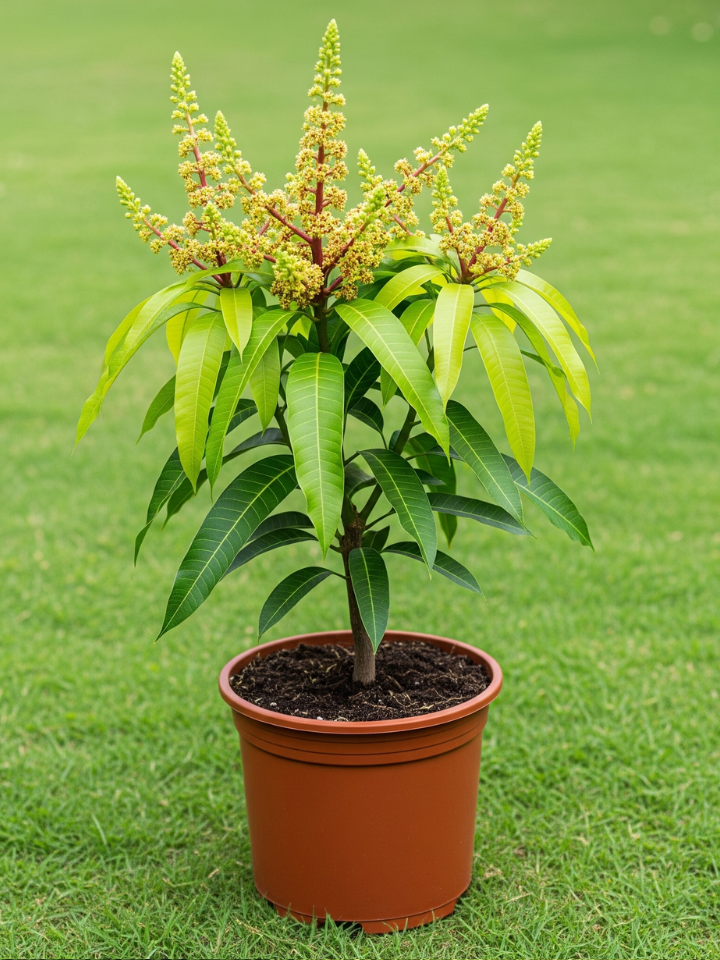
The Chiku (Sapota) Plant thrives beautifully in warm climates and can be grown both in pots and open ground. Its oval, glossy leaves and naturally rounded canopy make it not only a fruit-bearing tree but also a perfect ornamental addition to your home or garden space.
This hardy plant requires minimal maintenance and grows steadily, offering its fruit within a few years. The ripe Chiku fruit is soft, sweet, and rich in natural sugars — loved by both adults and children alike. With its evergreen charm and nutritional value, the Chiku (Sapota) Plant brings both beauty and health benefits to your environment.
Alternate Names:
- Sapota
- Sapodilla
- Naseberry
- Manilkara Zapota
Benefits of Chiku (Sapota) Plant
The Chiku (Sapota) Plant is not just a beautiful addition to your garden — it’s a treasure trove of natural goodness. From promoting health to purifying your surroundings, this plant offers multiple benefits that make it a must-have for every home gardener.
- Nutrient-Rich Superfruit
Chiku fruits are packed with essential vitamins like A, C, and E, and minerals such as iron, potassium, and calcium. These nutrients help maintain energy levels, boost skin health, and strengthen the immune system.
- Supports Digestion
High in natural fiber, the fruit from the Chiku Plant aids in smooth digestion and helps maintain a healthy gut. It’s a great choice for anyone looking to include natural fiber in their daily diet.
- Boosts Immunity and Energy
Loaded with antioxidants and natural sugars, Chiku provides a quick energy boost while fighting oxidative stress in the body — perfect for refreshing your mornings naturally.
- Enhances Skin and Hair Health
The vitamins and antioxidants present in Chiku promote youthful, glowing skin and strong, healthy hair. Regular consumption of the fruit can help combat dryness and improve overall texture.
- Purifies the Air
Like most tropical plants, the Chiku (Sapota) Plant also acts as a natural air purifier. It absorbs carbon dioxide and releases fresh oxygen, keeping your surroundings clean and refreshing.
- Aesthetic and Emotional Benefits
Beyond health, the Chiku plant brings positivity to your space. Its evergreen foliage and rich fruits add warmth and beauty to your home while connecting you to nature’s calm energy.
Importance of Chiku (Sapota) Plant
The Chiku (Sapota) Plant holds a special place in both traditional Indian gardening and modern eco-conscious living. Beyond its sweet and nutritious fruit, this evergreen tree symbolizes prosperity, growth, and natural abundance. Its year-round greenery and longevity make it a timeless favorite among plant enthusiasts.
A Symbol of Prosperity and Positivity
In many Indian homes, the Chiku plant is considered a good-luck tree, representing stability, strength, and continuous growth. Its steady fruiting cycle mirrors the idea of sustainable living — reminding us that patience and care always yield rewards.
Ecological Significance
As a hardy tropical plant, Chiku contributes to the ecosystem by purifying the air, reducing carbon dioxide, and creating a cooling micro-environment around it. It also attracts pollinators like bees and butterflies, supporting local biodiversity.
Perfect for Home Gardens and Farms
Whether you’re a city dweller with a small balcony or a nature lover with a spacious backyard, the Chiku plant fits beautifully in any setting. Its dense foliage provides shade, while its fruits offer natural sweetness for years to come.
Emotional & Lifestyle Value
Growing a Chiku (Sapota) Plant reconnects you with nature’s rhythm. Watching it grow, flower, and fruit gives a sense of calm, joy, and fulfillment — turning your gardening experience into a mindful daily ritual.
Where to Keep Chiku (Sapota) Plant
The Chiku (Sapota) Plant loves sunshine, warmth, and well-drained soil — making it a perfect choice for sunny balconies, terraces, and home gardens. With the right placement, your plant will flourish beautifully and reward you with lush greenery and sweet fruits.
Ideal Location
- Outdoor Placement: Choose a spot that receives at least 6–8 hours of direct sunlight daily. The more sunlight your Chiku plant gets, the healthier and more productive it will be.
- Indoor Placement: If kept indoors, place it near a large window or balcony door where it can get bright, natural light throughout the day. Rotate the pot occasionally to ensure even growth on all sides.
Container or Ground
- Potted Growth: The Chiku plant grows well in large containers (minimum 18–20 inches deep) with good drainage holes. Use a mix of garden soil, coco peat, and compost to support root development.
- Ground Planting: For open gardens, plant your Chiku tree in nutrient-rich, slightly sandy soil. Maintain a spacing of 8–10 feet if you’re planting more than one tree.
Environmental Conditions
- The plant thrives in warm, tropical climates and tolerates moderate humidity well.
- Avoid placing it in excessively shaded or damp areas, as this may affect flowering and fruiting.
Quick Tip
Place the Chiku (Sapota) Plant in a peaceful corner of your home or garden — its lush green leaves and subtle tropical charm bring positivity, making it a wonderful addition to your living space.
Growing Instructions and Care Tips for Chiku (Sapota) Plant
The Chiku (Sapota) Plant is loved for being low-maintenance, hardy, and beginner-friendly. With the right care, it grows into a lush tree that bears delicious fruits season after season. Here’s a complete care guide to help your Chiku plant thrive beautifully:
- Soil Requirements
Use well-draining, loamy soil enriched with organic compost or cow dung manure. Avoid heavy clay soils, as they can retain excess water and harm the roots. A mix of 40% garden soil, 30% coco peat, and 30% compost works best for potted plants.
- Watering
Water the plant 2–3 times a week, depending on the weather. The soil should stay moist but never soggy. During summer, increase the frequency slightly, and reduce it during the rainy season to prevent root rot.
Tip: Always check the top layer of soil — if it feels dry to the touch, it’s time to water.
- Sunlight
The Chiku plant thrives in full sunlight, requiring at least 6–8 hours of direct exposure daily. If kept indoors, ensure it’s near a bright window or balcony where it can get plenty of light.
- Fertilizing
Feed your Chiku plant every 30–45 days with organic fertilizer, vermicompost, or well-rotted manure. For faster growth and better fruit yield, you can add a mild dose of seaweed extract or neem cake fertilizer.
- Pruning and Maintenance
Prune dry or dead branches once or twice a year to encourage healthy new growth. Regular trimming also helps the plant maintain a neat, rounded shape.
- Repotting
If growing in a pot, repot the Chiku plant every 2–3 years or when you notice roots coming out from the bottom holes. This ensures ample space for root expansion and steady growth.
- Fruiting Time
With good care, the Chiku (Sapota) Plant begins to bear fruit within 3–5 years. Each fruiting season brings soft, sweet Chikus that can be enjoyed fresh, blended, or added to desserts.
Fun Facts about Chiku (Sapota) Plant
The Chiku (Sapota) Plant is more fascinating than it looks! Beyond its sweet, caramel-flavored fruits and lush green leaves, this tropical beauty hides some interesting stories and historical charm. Here are a few fun facts that make the Chiku plant truly special:
- The Source of Chewing Gum
Did you know? The latex (sap) extracted from the bark of the Chiku tree was traditionally used to make chicle, the original ingredient for natural chewing gum! This discovery gave rise to the modern chewing gum industry.
- A Gift from the Tropics
The Chiku plant is native to Central America and southern Mexico, where it has been cultivated for centuries. It was later introduced to India, where it found a perfect tropical home — now widely grown across Gujarat, Maharashtra, and Tamil Nadu.
- Symbol of Peace and Prosperity
In many Indian households, the Chiku tree is planted as a symbol of positivity, abundance, and family growth. Its steady growth and evergreen nature represent stability and prosperity.
- Naturally Long-Lived
A healthy Chiku (Sapota) Plant can live for over 50 years and continue to bear fruit season after season — making it a true investment in nature’s bounty.
- Loved by Pollinators
The small white Chiku flowers have a sweet fragrance that attracts bees and butterflies, helping maintain biodiversity in your garden ecosystem.
- Sweet and Sustainable
Unlike many other fruit plants, Chiku requires minimal maintenance and water, making it an eco-friendly and sustainable choice for home gardens.
From being the original source of chewing gum to symbolizing longevity, the Chiku (Sapota) Plant is a delightful combination of beauty, tradition, and tropical sweetness — a living story of nature’s magic.
Why Choose Plantaeroot to Buy Chiku (Sapota) Plant
At Plantaeroot, we don’t just sell plants — we share a piece of nature’s joy with every delivery. Each Chiku (Sapota) Plant is nurtured with love, care, and expertise before it finds its way to your home. Founded by Basudev Saha in 2014, Plantaeroot’s mission is to make gardening simple, sustainable, and soulful.
Here’s why thousands of plant lovers trust Plantaeroot for their green companions:
- Healthy, Handpicked Plants
Every Chiku (Sapota) plant is carefully selected from our nurseries, ensuring you receive a healthy, pest-free, and well-rooted sapling that’s ready to thrive.
- Safe and Fast Delivery
We treat every plant like family. Your order is securely packed and dispatched within 2–3 business days, ensuring it reaches you fresh and happy. You’ll also receive a real-time tracking link so you can follow your plant’s journey home.
- Expert Growing Support
Whether you’re a beginner or an experienced gardener, our support team is always available via email or WhatsApp to help you with plant care, watering schedules, or any concerns you may have.
- Sustainable and Eco-Friendly Practices
Plantaeroot believes in green living. We use biodegradable packing materials and promote organic gardening methods — so your purchase supports both your home and the planet.
- Affordable Quality
With free shipping on orders above ₹999 and carefully curated prices, you get exceptional value without compromising on quality.
When you buy a Chiku (Sapota) Plant from Plantaeroot, you’re not just adding a fruit-bearing tree to your garden — you’re joining a community that celebrates nature, sustainability, and serenity.
Plantaeroot – Bringing Nature Home Since 2014.

















There are no reviews yet.