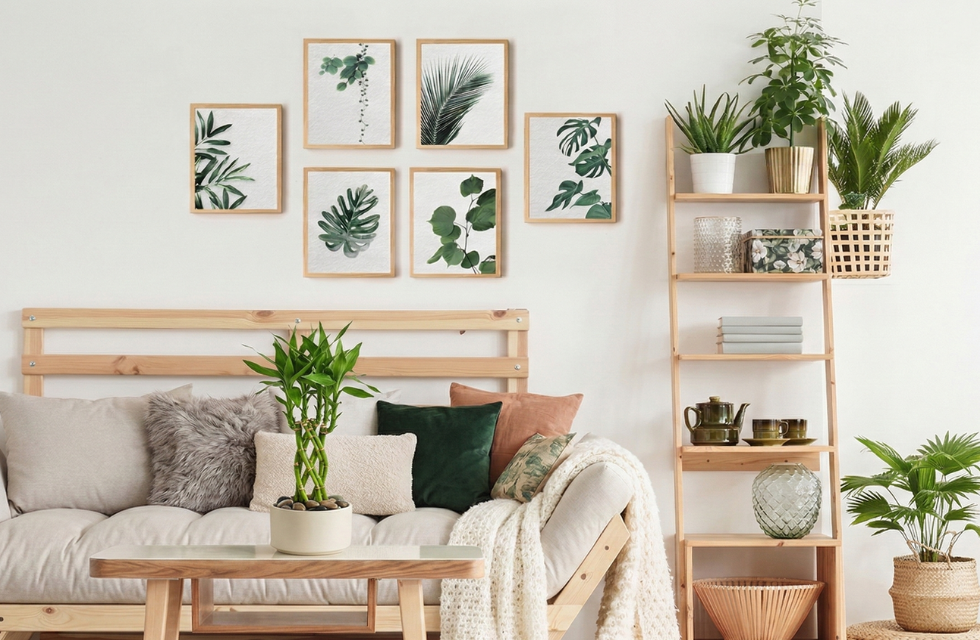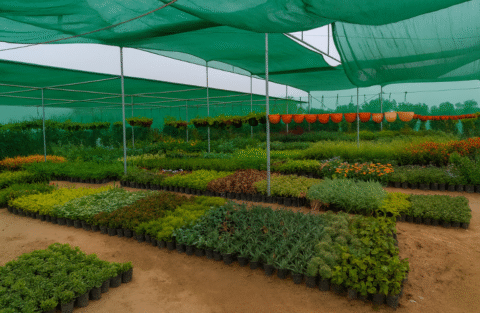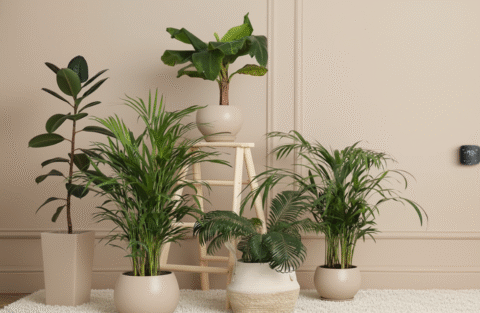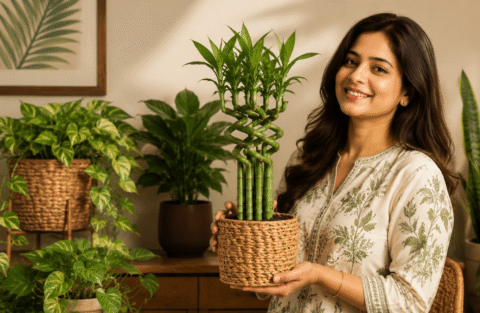


Almost every plant parent has the same origin story. You bring home something green, you love it enormously for about three weeks, and then one morning you notice the leaves have gone soft and yellow and you have no idea what you did wrong. It is such a common experience that a lot of people quietly decide they simply do not have a green thumb and never try again.
Here is the honest truth after more than a decade of growing, packing and shipping greenery from our nursery in Rishra, West Bengal: the problem is almost never the person. It is usually the plant. Certain species are genuinely demanding — they want precise humidity, filtered water and a specific number of hours of morning sun. Others are so forgiving that they will tolerate a fortnight of neglect, a dim corner and an air conditioner running all day, and still push out new growth.
This guide is about that second group. It is written for the first-time grower, the hostel student with one window, the working professional who travels, the family with a curious cat, and anyone who has quietly buried a fern and is willing to try once more. Everything here is calibrated for Indian homes — our summers, our monsoon, our air-conditioned bedrooms and the potting materials actually available in our markets.
What Are the Best House Plants for Beginners?
The best house plants for beginners are hardy, drought-tolerant species that survive irregular watering and imperfect light. Snake Plant, Money Plant, ZZ Plant, Spider Plant and Aglaonema top the list because they store water, tolerate low light and recover quickly from mistakes. Most beginners succeed fastest by starting with two or three of these rather than a large collection.
The twelve covered in detail below are:
- Snake Plant (Dracaena trifasciata)
- Money Plant / Golden Pothos (Epipremnum aureum)
- ZZ Plant (Zamioculcas zamiifolia)
- Spider Plant (Chlorophytum comosum)
- Peace Lily (Spathiphyllum wallisii)
- Aloe Vera (Aloe barbadensis miller)
- Areca Palm (Dypsis lutescens)
- Rubber Plant (Ficus elastica)
- Jade Plant (Crassula ovata)
- Aglaonema / Chinese Evergreen
- Syngonium (Syngonium podophyllum)
- Heartleaf Philodendron (Philodendron hederaceum)
Why Every Beginner Should Start With Indoor Plants
Growing something indoors is the lowest-risk way to learn horticulture. A balcony garden depends on weather you cannot control; a windowsill pot depends only on you. That short feedback loop is what builds confidence.
They Genuinely Help How You Feel
This is the benefit with the strongest evidence behind it. Studies in environmental psychology have repeatedly found that the presence of foliage in a room is associated with lower self-reported stress, improved mood and a greater sense of calm. Some of it is biophilia — the human pull toward living things. Some of it is simply that caring for something on a small daily scale is grounding.
Our founder, Basudev Saha, started this nursery in 2014 for precisely this reason. He grew up with the smell of wet earth after the first rain and watched younger generations grow up without ever knowing the word petrichor. A single green corner will not undo that, but it does reopen the door.
Better Focus and a Calmer Workspace
Research on workplace environments has linked the presence of greenery with modest improvements in attention and task performance, and with higher satisfaction with the space itself. If you work from a desk at home, a small pot within your line of sight is one of the cheapest environmental upgrades available. A compact Snake Plant or a Jade costs less than a month of coffee.
Decoration That Grows Instead of Dating
A cushion looks the same in year three. A trailing vine does not. Foliage adds texture, softens hard architectural lines, and fills the awkward corners that furniture cannot. Variegated leaves in cream, pink and silver do the work of an artwork at a fraction of the cost, and they change through the year.
A Hobby With a Very Low Barrier
You need a pot, some growing medium and a windowsill. That is the entire equipment list. Nothing else in gardening starts this cheaply, and few hobbies are this easy to scale up or pause. Propagation makes it cheaper still — a single Money Plant will supply cuttings for your whole family within a year.
Humidity, Comfort and the Air-Quality Question
Foliage does release moisture through transpiration, which can take a small edge off the dryness of an air-conditioned bedroom. What indoor greenery does not do, despite what a great many articles claim, is meaningfully clean the air in a normal room. We deal with that claim honestly in a dedicated section further down, because we would rather you trust us than be flattered.
How to Choose Your First House Plant
Beginner house plants are not a single category so much as a match between a species and a room. Most first attempts fail at the selection stage, not the care stage. Someone falls in love with a Calathea online, brings it into a dark flat with the AC running, and concludes six weeks later that they cannot grow anything. Work through these eight questions before you buy and your odds improve dramatically.
1. Measure Your Light Honestly
Stand where the pot will actually live, at around eleven in the morning, and hold your hand a foot above a sheet of white paper. A crisp, dark shadow means bright light. A soft shadow with defined edges means medium. A faint smudge means low, and no shadow at all means the spot is too dark for anything except an artificial arrangement.
Match honestly. Bright indirect suits Rubber Plant, Areca, Spider Plant and Syngonium. Medium suits Aglaonema, Philodendron and Peace Lily. Genuinely dim corners are the territory of Snake Plant and ZZ. Direct sun through a south or west window is for Aloe and Jade, which are desert natives.
2. Be Realistic About Watering Frequency
The right question is not how often a species needs water but how often you will remember. If you travel for work or leave for a fortnight at Durga Puja, choose succulents and rhizome-storing species that tolerate a month of drought. If you enjoy a daily routine and find watering soothing, thirstier foliage like Peace Lily will reward you.
3. Pot Size and Material
Oversized containers are a classic beginner error. Excess growing medium around a small root ball stays wet for far too long and rots the roots. Choose a pot roughly two to five centimetres wider than the current root ball, and size up only when roots start circling the base.
Terracotta breathes and dries quickly, which is forgiving if you tend to overwater — ideal for Aloe, Jade and Snake Plant. Ceramic and plastic hold moisture longer, which suits Peace Lily, Areca and the aroids. In coastal humidity and through the monsoon, terracotta is the safer default across the board.
4. Room Humidity, Especially With Air Conditioning
An air conditioner is a dehumidifier that happens to cool. A room at a comfortable twenty-four degrees can sit at thirty to forty percent relative humidity, which is close to desert air. Tropical foliage responds with crisp brown leaf edges.
Two species groups handle this well: succulent types (Snake, ZZ, Jade, Aloe) and the tougher aroids (Aglaonema, Pothos). Areca, Peace Lily and Syngonium will manage in a cooled room but appreciate a pebble tray — a shallow dish of water and stones under the pot, with the pot base sitting above the waterline, never in it. Grouping several containers together also creates a small pocket of shared moisture.
5. Pets and Small Children
This deserves more care than most listicles give it. Of the twelve species here, the ASPCA classifies only two — Spider Plant and Areca Palm — as non-toxic to both cats and dogs. The other ten are listed as toxic, including several routinely marketed online as pet-safe. Full detail follows in its own section. If you share your home with a cat that chews, this single factor should drive your shortlist.
6. Available Space and Eventual Size
The small Rubber Plant on your table will want to be a three-metre tree. Areca reaches head height indoors. Neither is a problem if you have planned for it and are willing to prune, but a studio apartment is better served by an upright Snake Plant, a compact Aglaonema or a trailing vine on a shelf, where growth happens sideways instead of into your ceiling.
7. Match the Maintenance Level to Your Life
Be honest about your temperament rather than aspirational. Very forgiving: Snake, ZZ, Money Plant, Jade, Aloe. Moderately forgiving: Spider, Aglaonema, Philodendron, Syngonium, Rubber. Slightly more attentive: Peace Lily and Areca, both of which will tell you clearly when something is wrong — which is arguably a feature for a learner.
8. Budget
A starter set need not be expensive. Compact specimens of the hardiest species typically sit in the two-to-five-hundred-rupee band, with larger floor-standing plants and rare variegated cultivars costing several times that. Three or four well-chosen pots will usually come in comfortably around a thousand rupees, which crosses our free-delivery threshold and means the shipping costs you nothing.
The 12 Easiest Indoor Plants, Explained in Detail
Each profile below follows the same structure so you can compare them quickly. Botanical names, mature sizes and toxicity classifications have been checked against horticultural references including the Royal Horticultural Society, the Missouri Botanical Garden and the ASPCA rather than repeated from other blogs, because a wrong pet-safety line in an article like this can have real consequences.
1. Snake Plant (Dracaena trifasciata)
If you buy exactly one plant in your life, make it this one. Long known as Sansevieria trifasciata and reclassified into Dracaena after DNA study, the Snake Plant grows in stiff upright blades marked with pale banding. It is a succulent in disguise: those thick leaves are water tanks, which is why it survives conditions that flatten everything else.
Why beginners love it: It is close to unkillable through neglect. Forget it for a month and it will be fine. The only reliable way to lose one is to be too attentive with the watering can.
Light requirements: Enormously adaptable. Thrives in bright indirect light, grows steadily in medium light and survives genuinely dim corners, though growth slows to a crawl there. It also tolerates some direct morning sun.
Watering schedule: Let the growing medium dry out completely, then water thoroughly. In practice that is roughly every two to three weeks in Indian summer and as little as once a month through winter. In monsoon, cut back sharply.
Humidity needs: None to speak of. It is entirely at home in dry, air-conditioned rooms, which makes it the single best choice for a cooled bedroom or office cabin.
Temperature: Comfortable across roughly 15°C to 35°C. It dislikes cold draughts and prolonged temperatures below about 10°C, which only matters in North Indian winters.
Soil type: Fast-draining and gritty. A blend of around one part cocopeat to one part coarse river sand or perlite, with a modest addition of vermicompost, works well. Never a dense garden-soil mix that holds water.
Fertiliser tips: Very light feeding. A diluted balanced liquid feed once every six to eight weeks between March and September is plenty. Skip it entirely in winter.
Common problems: Mushy, yellowing leaf bases mean root rot from overwatering — the near-universal cause of failure. Wrinkled, curling leaves mean the opposite and are easily fixed. Mealybugs and spider mites appear occasionally in dry conditions.
Beginner care tips: When in doubt, do not water. Wipe the blades with a damp cloth every few weeks so dust does not block light. Repot only every two to three years; it flowers more readily when slightly pot-bound.
Ideal placement: Bedroom corners, office desks, hallway consoles, bathroom shelves with a window, and anywhere the air conditioning runs long hours.
Approximate height: Typically 60 cm to 1.2 m indoors for the tall varieties. Dwarf forms such as Golden Hahnii stay compact at 20 to 30 cm.
Toxicity: Toxic to cats and dogs according to the ASPCA. The toxic principle is saponins, and ingestion typically causes nausea, vomiting and diarrhoea. Keep it out of reach of pets that chew foliage.
Interesting fact: It was one of the species tested in the 1989 NASA interior-landscape study, listed then as Sansevieria laurentii. It also uses crassulacean acid metabolism, opening its pores at night rather than during the day — the origin of the popular claim that it releases oxygen after dark.
Best for: Absolute beginners, frequent travellers, dark corners, air-conditioned rooms, offices.
Difficulty level: Very easy.
Why buy it from us: Our plants ship from a working nursery, not a warehouse, in the same well-rooted growing medium they were raised in. Snake Plants also travel exceptionally well, which makes them a reliable first order anywhere in India.
2. Money Plant / Golden Pothos (Epipremnum aureum)
The most familiar houseplant in India, found trailing from windowsills, growing in glass bottles on kitchen counters and climbing office partitions. Heart-shaped leaves splashed with gold, an appetite for almost any condition, and a habit of rooting from a cutting in a week make it the country’s default green companion.
Why beginners love it: It grows visibly. New leaves appear often enough that you feel rewarded, and it recovers from mistakes that would kill something fussier. It also grows in plain water, removing the soil learning curve entirely.
Light requirements: Bright indirect light produces the strongest golden variegation. It tolerates low light well, though the leaves revert toward plain green and growth slows. Keep it out of harsh afternoon sun, which scorches.
Watering schedule: Water when the top three to five centimetres of the medium feel dry — around every five to seven days in summer, every ten to fourteen in winter. In water culture, replace the water weekly.
Humidity needs: Average household humidity is fine. It appreciates more but rarely complains about less.
Temperature: Happiest between about 18°C and 32°C, which covers most Indian homes year-round.
Soil type: A general-purpose blend of cocopeat, vermicompost and perlite in roughly equal measure. It is not fussy.
Fertiliser tips: A balanced liquid feed once a month through the growing season. Vines grown in water need a few drops of dilute liquid nutrient monthly, since plain water offers nothing.
Common problems: Yellow lower leaves usually indicate overwatering. Long bare stems with widely spaced leaves mean insufficient light. Brown crispy edges point to dry air or salt build-up.
Beginner care tips: Pinch back the growing tips to encourage a fuller, bushier shape instead of a few straggly vines. Every cutting you remove will root in water, so pruning and propagation are the same activity.
Ideal placement: High shelves, hanging planters, the tops of cupboards, kitchen counters in a jar, office partitions and study desks.
Approximate height: Vines commonly reach 1.8 to 2.4 m indoors and considerably more if allowed to climb a moss pole.
Toxicity: Toxic to cats, dogs and horses per the ASPCA. It contains insoluble calcium oxalate crystals which cause oral pain, drooling and difficulty swallowing if chewed. This is worth stating plainly, because it is very often mislabelled as pet-safe.
Interesting fact: It was included in the 1989 NASA study under its older name, Scindapsus aureus. In the wild it climbs tree trunks and its leaves become enormous and deeply lobed — nothing like the modest form we know indoors.
Best for: First-time growers, students, renters, offices, anyone who wants fast visible progress.
Difficulty level: Very easy.
Why buy it from us: We ship well-established rooted vines rather than fresh cuttings, so your plant starts growing rather than spending its first month building roots. Golden, Variegated and N’Joy forms are all part of our indoor range.
3. ZZ Plant (Zamioculcas zamiifolia)
Glossy, almost artificially perfect paired leaflets rise on arching stems from fat underground rhizomes. Those rhizomes are the secret: they store water and energy so effectively that the ZZ can coast through drought and gloom that would finish most foliage.
Why beginners love it: It asks for almost nothing and always looks polished. The waxy leaf surface stays glossy, resists dust and never looks tired, which is why it dominates hotel lobbies and reception desks.
Light requirements: Prefers bright indirect light but genuinely tolerates low light, including rooms lit largely by overhead fixtures. Avoid direct sun, which scorches the leaflets.
Watering schedule: Every two to three weeks in warm months, and as little as once every four to six weeks in winter. Always let the medium dry through before watering again.
Humidity needs: Undemanding. It handles dry, cooled air without complaint.
Temperature: Comfortable from about 16°C to 32°C. Protect from cold draughts.
Soil type: Free-draining. Cocopeat with a generous proportion of perlite or coarse sand, plus a little vermicompost.
Fertiliser tips: Feed sparingly — a diluted balanced feed every two months during growth is ample. Excess fertiliser causes more harm than deficiency.
Common problems: Overwatering causes rhizome rot, which is the only common cause of death. Yellowing leaflets almost always mean too much water. Sudden leaf drop can follow a cold shock or a long period of complete darkness.
Beginner care tips: Treat it like a succulent, not like foliage. If you cannot remember when you last watered it, wait another week. Wipe the leaflets occasionally to keep the shine.
Ideal placement: Low-light corners, office cabins, reception areas, north-facing rooms and anywhere you need something handsome that you will forget about.
Approximate height: Around 90 cm indoors at maturity; compact cultivars such as Zenzi stay near 25 to 30 cm.
Toxicity: Toxic to cats and dogs per the ASPCA, due to insoluble calcium oxalates. Handling is safe, though the sap can irritate sensitive skin; wash your hands after pruning.
Interesting fact: It was not part of the 1989 NASA study, despite being widely listed as a NASA-approved species online. It is native to eastern Africa and adapted to seasonal drought, which explains its water-storing habit.
Best for: Dark rooms, frequent travellers, offices, low-effort elegance.
Difficulty level: Very easy.
Why buy it from us: ZZ Plants are slow growers, so the size you receive matters. We supply specimens with a well-developed rhizome cluster rather than single-stem starts, packed to protect the brittle stems in transit.
4. Spider Plant (Chlorophytum comosum)
Arching striped foliage that fountains outward and, once settled, sends out slender runners carrying miniature versions of itself. Those plantlets are the reason this species is a favourite with children and teachers. It is also one of only two on this list the ASPCA classifies as non-toxic to both cats and dogs.
Why beginners love it: It grows quickly, forgives lapses, and multiplies itself in front of you. Snipping off a plantlet and watching it root is the moment many people decide they can, after all, grow things.
Light requirements: Bright indirect light. It tolerates medium light with slightly less pronounced variegation, but direct sun bleaches and scorches the blades.
Watering schedule: Keep the medium lightly moist but never soggy — roughly every four to six days in summer, every ten in winter. The fleshy roots store some water, so brief lapses are survivable.
Humidity needs: Moderate. It is one of the species that appreciates a pebble tray in a heavily air-conditioned room.
Temperature: Best between about 18°C and 30°C.
Soil type: A standard well-draining blend of cocopeat, vermicompost and perlite.
Fertiliser tips: Balanced liquid feed once a month in the growing season. Over-feeding causes brown leaf tips, so err on the weak side.
Common problems: Brown tips are the signature complaint and are classically caused by fluoride and chlorine in tap water. Leaving water in an open vessel overnight, or using collected rainwater, resolves it. Overwatering causes root rot; too little light suppresses the runners.
Beginner care tips: Do not rush to repot — it produces plantlets more freely when slightly pot-bound. Trim brown tips with scissors following the natural leaf shape rather than cutting straight across.
Ideal placement: Hanging baskets, high shelves, bathroom windowsills, children’s rooms and homes with pets.
Approximate height: Around 30 to 38 cm tall, with foliage and runners cascading considerably further.
Toxicity: Non-toxic to cats and dogs according to the ASPCA. As the ASPCA notes generally, chewing any plant may still cause mild stomach upset, but there is no toxic principle here.
Interesting fact: It featured in the 1989 NASA study under the older name Chlorophytum elatum. Cats are notably attracted to the foliage, which is harmless but can be destructive to the plant.
Best for: Homes with cats or dogs, families with children, hanging displays, quick propagation.
Difficulty level: Easy.
Why buy it from us: We send mature clumps that are already producing runners, so you get the propagation experience within weeks rather than after a year of waiting.
5. Peace Lily (Spathiphyllum wallisii)
Deep green glossy foliage topped with the white sail-shaped bract most people call the flower. It is one of the very few reliable bloomers that will do so in modest indoor light, and it is the most expressive species on this list — it wilts theatrically when thirsty and revives within hours of watering.
Why beginners love it: It removes the guesswork. Most plants suffer silently; this one droops visibly and then forgives you completely. For learning to read a plant, nothing teaches faster.
Light requirements: Low to bright filtered light. Never direct sun, which scorches the leaves. An east-facing window or a spot a metre or two back from a brighter one is ideal.
Watering schedule: Keep the medium consistently but lightly moist. Roughly every four to six days in summer, every eight to ten in winter. Do not wait for the dramatic wilt every time — repeated severe wilting weakens it.
Humidity needs: Prefers higher humidity. It is worth misting occasionally or using a pebble tray in a cooled room. Coastal and eastern Indian homes suit it naturally.
Temperature: Between about 18°C and 30°C. It resents cold and sudden draughts.
Soil type: A moisture-retentive but well-draining blend: cocopeat, vermicompost and a smaller share of perlite.
Fertiliser tips: A balanced liquid feed at half strength every four to six weeks in the growing season. Over-fertilising is a common cause of brown leaf tips.
Common problems: Brown tips come from dry air, excess feed or chemicals in tap water. Yellow leaves indicate overwatering or too much light. Failure to bloom nearly always means the spot is too dark. Mealybugs and scale insects appear occasionally.
Beginner care tips: Use water left standing overnight. Wipe the broad leaves monthly. Remove spent bracts at the base once they turn green and tired, which encourages fresh ones.
Ideal placement: Bedrooms, living-room corners away from windows, bathrooms with natural light, office interiors.
Approximate height: The wallisii type is compact at 30 to 38 cm; larger cultivars in the genus can reach a metre.
Toxicity: Toxic to cats and dogs per the ASPCA, containing insoluble calcium oxalates that cause oral irritation, drooling and vomiting. Importantly, it is not a true lily and does not cause the kidney failure that Lilium species cause in cats — the reaction is painful but not organ-damaging.
Interesting fact: It was among the species tested in the 1989 NASA study as Spathiphyllum “Mauna Loa”. The white sail is a modified leaf called a spathe; the real flowers are the tiny structures on the central spike.
Best for: Learners who want flowers, bedrooms, humid climates, anyone who wants a plant that communicates.
Difficulty level: Easy to moderate.
Why buy it from us: Peace Lilies are shipped from a nursery in a genuinely humid part of the country, so they arrive acclimatised rather than stressed by a dry warehouse. We pack them to protect the bracts in transit.
6. Aloe Vera (Aloe barbadensis miller)
Thick, toothed, silver-green blades holding a clear gel that has been used for minor burns and skin care for centuries. It belongs to a bright windowsill and asks for very little, which makes it both an ornamental and a small household resource.
Why beginners love it: It is useful as well as decorative, and its needs are simple: sun and very infrequent water. Mature plants also produce offsets around the base, giving you free plants.
Light requirements: Bright light, including several hours of direct sun. A south or west-facing windowsill or a sunny balcony is ideal. In deep shade it stretches, pales and flops.
Watering schedule: Water deeply, then let the medium dry out completely — around every two to three weeks in summer and once a month or less in winter. This is the single most important rule.
Humidity needs: Low. Dry air suits it perfectly.
Temperature: Wide tolerance, roughly 13°C to 38°C. It handles Indian summer heat comfortably.
Soil type: A gritty cactus-style mix: roughly equal parts coarse sand or perlite and cocopeat, with only a small amount of vermicompost. Drainage holes are non-negotiable.
Fertiliser tips: Minimal. A dilute feed twice a year during the growing season is sufficient.
Common problems: Soft, translucent, browning leaves signal overwatering and rot — the usual cause of death. Thin, curling leaves mean it is thirsty. Stretched pale growth means too little light.
Beginner care tips: Use terracotta. Never let the pot stand in a saucer of water. During monsoon, move it to the brightest, most sheltered spot you have and water barely at all.
Ideal placement: Sunny windowsills, kitchen counters near a window, balconies and terraces.
Approximate height: Around 30 to 60 cm, spreading as offsets fill the pot.
Toxicity: Toxic to cats, dogs and horses per the ASPCA. The toxic components are saponins and anthraquinones, concentrated in the yellow latex layer just beneath the leaf skin rather than in the clear inner gel. Ingestion causes vomiting, lethargy and diarrhoea in pets.
Interesting fact: It was included in the 1989 NASA study. There is no confirmed wild population of the species; it has been cultivated and carried by humans for so long that its original range is uncertain.
Best for: Sunny homes, balconies, people who forget to water, anyone who wants a plant with a practical use.
Difficulty level: Very easy, provided you underwater.
Why buy it from us: We supply firm, well-hardened plants grown in bright outdoor conditions rather than soft greenhouse specimens that collapse when moved to a real windowsill.
7. Areca Palm (Dypsis lutescens)
Feathery arching fronds on slender golden stems — the plant that turns a corner into a room. It is the largest of the easy options and one of only two here that the ASPCA lists as non-toxic to cats and dogs, which makes it unusually valuable for pet households wanting a statement piece.
Why beginners love it: It delivers immediate impact. One well-grown palm does more for a living room than a shelf of small pots, and its care requirements, while more attentive than a Snake Plant, are entirely learnable.
Light requirements: Bright indirect light. It will manage in medium light with slower growth. Direct midday sun yellows the fronds.
Watering schedule: Keep the medium evenly moist but never waterlogged — around every three to five days in summer, weekly or less in winter. It is less drought-tolerant than most on this list.
Humidity needs: High. This is the species most affected by air conditioning. Use a pebble tray, group it with other pots, and keep it out of the direct airflow from a cooling vent. Coastal and monsoon humidity suits it beautifully.
Temperature: Between about 18°C and 32°C. Avoid cold draughts.
Soil type: A rich but free-draining blend of cocopeat, vermicompost and perlite, in a deep pot that accommodates the substantial root system.
Fertiliser tips: Feed monthly through the growing season with a balanced liquid fertiliser. Palms are relatively hungry and pale fronds often mean nutrient deficiency rather than a light problem.
Common problems: Brown, crisp frond tips indicate dry air or under-watering. Yellowing fronds may mean overwatering or a lack of nutrients. Spider mites, scale and whitefly are the pests to watch for, particularly in dry indoor air.
Beginner care tips: Never cut a green frond back to the stem — palms cannot regrow from a cut point. Trim only browned tips. Rotate the pot every few weeks so it grows evenly rather than leaning toward the light.
Ideal placement: Living-room corners, near but not against a bright window, hotel-style entryways, wide balconies with filtered light.
Approximate height: Commonly 1.8 to 2.4 m indoors over several years.
Toxicity: Non-toxic to cats and dogs per the ASPCA. One important warning: do not confuse it with the Sago Palm (Cycas revoluta), which is not a true palm and is severely toxic, causing liver failure in dogs. They look nothing alike side by side, but names get muddled in the market.
Interesting fact: It was not part of the 1989 NASA study, which tested Bamboo Palm (Chamaedorea seifrizii) instead. The Areca appears only in Wolverton’s later 1996 book, a distinction that almost every article online gets wrong.
Best for: Pet owners, large rooms, humid climates, anyone wanting one impressive plant rather than many small ones.
Difficulty level: Easy to moderate.
Why buy it from us: Large palms need careful packing more than any other plant. We box them with the fronds supported and the root ball secured, and dispatch within two to three business days so transit time stays short.
8. Rubber Plant (Ficus elastica)
Broad, thick, deeply glossy leaves in dark green, burgundy or variegated cream. It is architectural rather than soft, and unlike its notoriously temperamental cousin the Fiddle Leaf Fig, it is genuinely tolerant of beginner error.
Why beginners love it: It looks expensive, grows steadily into a proper indoor tree, and does not sulk when conditions shift. It is the easiest route to a large statement plant.
Light requirements: Bright indirect light produces the best colour, particularly in burgundy and variegated forms. It tolerates medium light with slower growth. Shield it from harsh afternoon sun.
Watering schedule: Let the top few centimetres dry before watering — roughly every six to eight days in summer and every twelve to fifteen in winter. Reduce noticeably in cool weather.
Humidity needs: Average household humidity is fine. It tolerates air conditioning better than palms do.
Temperature: Between about 16°C and 30°C. It dislikes sudden cold.
Soil type: A well-draining general blend of cocopeat, vermicompost and perlite in a sturdy pot, since a mature specimen becomes top-heavy.
Fertiliser tips: Balanced liquid feed once a month from March to September. Pause in winter.
Common problems: Leaf drop follows sudden changes in position, temperature or watering — it dislikes being moved. Yellowing lower leaves usually mean overwatering. Dust accumulates quickly on the broad leaves and blocks light.
Beginner care tips: Wipe the leaves with a damp cloth every two weeks; the improvement in both appearance and health is immediate. Prune the growing tip if you want branching rather than a single tall stem. The milky sap can irritate skin, so wash your hands after cutting.
Ideal placement: Living-room corners, beside sofas, entryways, bright office spaces.
Approximate height: From 60 cm as a young plant to around 3 m indoors, controllable by pruning.
Toxicity: Toxic to cats and dogs per the ASPCA. The milky latex sap irritates the mouth and stomach and can cause dermatitis on contact.
Interesting fact: It was not among the species in the 1989 NASA study. The sap was historically tapped for natural rubber before Hevea brasiliensis took over commercially, which is where the common name originates.
Best for: Statement corners, bright rooms, people who want an indoor tree without the difficulty of a fiddle leaf fig.
Difficulty level: Easy.
Why buy it from us: Leaf quality is everything with this species, and damaged leaves never recover. Ours are inspected and packed leaf-by-leaf, and our two-to-seven-day delivery window keeps them in the dark for as short a time as possible.
9. Jade Plant (Crassula ovata)
Plump oval leaves on thickening woody stems, slowly forming a miniature tree. It is a succulent from southern Africa, a long-lived heirloom that is regularly passed between generations, and in Indian homes it carries strong associations with prosperity.
Why beginners love it: It thrives on neglect, tolerates heat, and develops genuine character with age. Leaves that fall off will root where they land, so propagation happens almost by accident.
Light requirements: Bright light with several hours of direct sun. In strong light the leaf margins blush red, which is a sign of health rather than stress. Insufficient light produces weak, stretched growth.
Watering schedule: Thoroughly, then not again until the medium is bone dry — around every two to three weeks in summer and monthly or less in winter. Withhold water almost entirely during heavy monsoon weeks.
Humidity needs: Low. Dry air is ideal.
Temperature: Roughly 10°C to 35°C. Very heat-tolerant.
Soil type: Gritty and sharply drained: coarse sand or perlite with cocopeat and minimal organic content. Terracotta is strongly preferred.
Fertiliser tips: Very light. A dilute feed two or three times across the growing season is sufficient.
Common problems: Soft, dropping leaves and a mushy stem base indicate overwatering. Shrivelled leaves indicate the reverse. Mealybugs hide in leaf joints; aphids and scale appear occasionally.
Beginner care tips: Water at the base rather than over the leaves, which can rot in the crown. Turn the pot regularly for even growth. Resist repotting frequently — it prefers to be snug.
Ideal placement: Sunny windowsills, office desks with good light, entrance consoles, balcony ledges.
Approximate height: Around 45 to 75 cm indoors over several years, occasionally reaching well over a metre in decades.
Toxicity: Toxic to cats and dogs per the ASPCA. The toxic principle is not fully identified; reported effects include vomiting, depression and loss of coordination.
Interesting fact: It was not part of the 1989 NASA study. In Vastu Shastra tradition it is regarded as an auspicious plant and is commonly placed near an entrance or in the south-east zone — a cultural belief rather than a horticultural instruction, but one that shapes how many Indian families use it.
Best for: Sunny spots, forgetful waterers, desks, gifting, long-term keeping.
Difficulty level: Very easy.
Why buy it from us: We grow ours hard, in bright conditions with restrained watering, which produces compact, thick-stemmed plants rather than the soft, elongated specimens that come from shaded polyhouse production.
10. Aglaonema (Chinese Evergreen)
Broad lance-shaped leaves patterned in silver, cream, pink or deep red. It offers colour without needing the bright light that most colourful foliage demands, which makes it one of the most useful species available to Indian apartment dwellers.
Why beginners love it: It brings the visual interest of a flowering plant with the resilience of a foliage one, and it tolerates a surprising amount of shade for something so vivid.
Light requirements: Bright indirect to medium light. Plain green and silver varieties tolerate genuinely low light; the pink and red cultivars need brighter conditions to hold their colour. Direct sun burns the leaves.
Watering schedule: Keep lightly moist through the growing season, allowing the top few centimetres to dry between waterings — around every five to seven days in summer, every ten to twelve in winter.
Humidity needs: Moderate. It copes with air-conditioned rooms better than palms, though a pebble tray helps in very dry conditions.
Temperature: Between about 18°C and 30°C. It is notably cold-sensitive and suffers below roughly 10°C, which matters for North Indian winters — keep it away from windows on cold nights.
Soil type: A moisture-retentive but well-draining blend of cocopeat, vermicompost and perlite.
Fertiliser tips: Balanced liquid feed monthly from March to September; none in winter.
Common problems: Yellow leaves usually mean overwatering. Curling or drooping suggests cold exposure. Faded colour in pink varieties indicates insufficient light. Watch for mealybugs and spider mites.
Beginner care tips: Do not chase the drama of the pink cultivars if your room is dark — a silver variety will look far better in the same spot. Remove old lower leaves as they yellow to keep the plant tidy.
Ideal placement: Living rooms, bedrooms, office desks, shaded corners that still need colour.
Approximate height: Around 60 cm indoors, forming a spreading clump.
Toxicity: Toxic to cats and dogs per the ASPCA, containing insoluble calcium oxalates that cause oral irritation, drooling and vomiting.
Interesting fact: It was one of the species tested in the 1989 NASA study, as Aglaonema modestum. It belongs to the same family as the Peace Lily, Money Plant and Philodendron — a family that supplies a remarkable share of the world’s houseplants.
Best for: Apartments, low-light rooms that need colour, offices, bedrooms.
Difficulty level: Easy.
Why buy it from us: Colour intensity depends entirely on how a plant is grown. Ours are raised under light levels matched to each variety, so a Pink Beauty arrives genuinely pink rather than washed out.
11. Syngonium (Syngonium podophyllum)
Soft arrowhead leaves in green, cream or blush pink, on a plant that begins as a compact mound and gradually becomes a climbing vine. It is fast, affordable and endlessly propagable, which makes it a natural second or third purchase.
Why beginners love it: Growth is quick enough to feel rewarding, cuttings root easily in water, and the pink varieties offer colour at a fraction of the price of rarer pink foliage.
Light requirements: Bright indirect light. It tolerates medium light, though pink and cream variegation fades. Direct sun scorches the thin leaves.
Watering schedule: Keep lightly moist — roughly every four to six days in summer, every eight to ten in winter. It is thirstier than the succulent types but resents standing water.
Humidity needs: Moderate to high. It appreciates a pebble tray or grouping in air-conditioned rooms and thrives in monsoon humidity.
Temperature: Between about 18°C and 30°C. Cold-sensitive.
Soil type: Light, airy and well-draining: cocopeat with vermicompost and a good share of perlite.
Fertiliser tips: Balanced liquid feed monthly during the growing season.
Common problems: Brown crisp edges point to dry air. Yellow leaves suggest overwatering. Leggy stems with sparse leaves mean insufficient light. Spider mites can appear in hot dry spells.
Beginner care tips: Pinch the growing tips regularly to keep the compact bushy form; left alone it will start climbing and the leaves change shape entirely as it matures. Every trimming roots in a glass of water.
Ideal placement: Shelves, desks, hanging pots, bathroom windowsills, bedside tables.
Approximate height: Compact at 20 to 30 cm when pinched; vines reach 0.9 to 1.8 m if allowed to climb.
Toxicity: Toxic to cats, dogs and horses per the ASPCA, containing insoluble calcium oxalates.
Interesting fact: It was not part of the 1989 NASA study. Its leaves change form dramatically with maturity — juvenile arrowheads become large lobed leaves once the vine climbs, so much so that the two stages look like different species.
Best for: Small spaces, shelves, colour on a budget, propagation enthusiasts.
Difficulty level: Easy.
Why buy it from us: We ship bushy, multi-stemmed plants rather than single rooted cuttings, so you receive something that already looks full on day one.
12. Heartleaf Philodendron (Philodendron hederaceum)
Trailing stems of soft, deep green heart-shaped leaves. It is frequently confused with the Money Plant in Indian markets and the two are often sold interchangeably, but this is a distinct species with a slightly softer leaf, a deeper matte green and marginally better tolerance of low light.
Why beginners love it: It is arguably the most shade-tolerant trailing plant available, it grows steadily, and it is very difficult to kill by neglect.
Light requirements: Medium light is preferred and low light is genuinely tolerated. Bright indirect light produces the fullest growth. Keep out of direct sun.
Watering schedule: Water when the top few centimetres dry — around every six to eight days in summer, every twelve in winter.
Humidity needs: Average is fine; higher humidity produces larger leaves.
Temperature: Between about 18°C and 30°C.
Soil type: A standard airy blend of cocopeat, vermicompost and perlite. It also roots and grows in plain water.
Fertiliser tips: Balanced liquid feed monthly through the growing season.
Common problems: Long stems with widely spaced small leaves indicate too little light. Yellow leaves generally mean overwatering. Aphids, mealybugs, scale and spider mites are the occasional pests.
Beginner care tips: Trim leggy stems back hard; it responds by branching from the base and becoming fuller. Train it along a shelf edge or up a moss pole depending on the look you want.
Ideal placement: Bookshelves, wall-mounted planters, dim corners, bathrooms, study desks.
Approximate height: Trails to around 1.2 m indoors, considerably more when climbing.
Toxicity: Toxic to cats and dogs per the ASPCA, containing insoluble calcium oxalates that cause oral pain, swelling and drooling if chewed.
Interesting fact: It featured in the 1989 NASA study under the older name Philodendron oxycardium. The genus name comes from Greek roots meaning “tree-loving”, a reference to its habit of climbing trunks in the wild.
Best for: Dark rooms, shelves, renters, low-effort trailing greenery.
Difficulty level: Very easy.
Why buy it from us: Because this species is so often mislabelled, we identify what we ship correctly. If you order a Philodendron from us, that is what arrives.
Quick Comparison: Light, Water, Pet Safety and Difficulty
Use this as a shortlist tool. Each line gives light preference, watering interval in summer, growth speed, pet status per the ASPCA, and overall difficulty.
- Snake Plant — low to bright light; water every 2–3 weeks; slow growth; toxic to pets; very easy.
- Money Plant — low to bright indirect; every 5–7 days; fast; toxic to pets; very easy.
- ZZ Plant — low to bright indirect; every 2–3 weeks; slow; toxic to pets; very easy.
- Spider Plant — bright indirect; every 4–6 days; fast; non-toxic to cats and dogs; easy.
- Peace Lily — low to bright filtered; every 4–6 days; moderate; toxic to pets; easy to moderate.
- Aloe Vera — bright, some direct sun; every 2–3 weeks; slow; toxic to pets; very easy.
- Areca Palm — bright indirect; every 3–5 days; moderate; non-toxic to cats and dogs; easy to moderate.
- Rubber Plant — bright indirect; every 6–8 days; moderate; toxic to pets; easy.
- Jade Plant — bright, direct sun welcome; every 2–3 weeks; slow; toxic to pets; very easy.
- Aglaonema — medium to bright indirect; every 5–7 days; moderate; toxic to pets; easy.
- Syngonium — bright indirect; every 4–6 days; fast; toxic to pets; easy.
- Heartleaf Philodendron — low to bright indirect; every 6–8 days; fast; toxic to pets; very easy.
Two shortcuts. If your room is dark, start with Snake Plant, ZZ or Philodendron. If you have a cat or dog that chews foliage, start with Spider Plant and Areca Palm — those are the two the ASPCA clears for both species.
Starter Indoor Plant Care Guide
Everything below applies across all twelve species. Get these fundamentals right and individual quirks become minor adjustments rather than crises.
Choosing the Right Container
Go up by two to five centimetres in diameter when repotting, never more. A small root system sitting in a large volume of damp medium is the fastest route to rot. Terracotta is porous and dries quickly, which suits succulents and anyone with a heavy hand on the watering can. Glazed ceramic and plastic retain moisture longer, which suits thirstier foliage and reduces watering frequency in peak summer.
Drainage Holes Are Not Optional
A decorative container with no hole in the base will eventually kill whatever is in it. If you love a particular sealed pot, use it as an outer cover and keep the plant in a plain nursery pot inside, lifting it out to water and letting it drain fully before returning it. Never leave a pot standing in a saucer of collected water.
A Reliable Indian Potting Mix
You do not need imported products. Three widely available components cover almost everything.
- Cocopeat — holds moisture and keeps the mix light and airy. A compressed block expands to many times its size and is very economical.
- Perlite or coarse river sand — creates the air pockets that roots need and prevents compaction.
- Vermicompost — supplies slow-release nutrition and beneficial microbes.
For general foliage such as the aroids, palms and Spider Plant, use roughly five parts cocopeat to two parts perlite or sand and three parts vermicompost. For succulents — Snake, ZZ, Jade and Aloe — shift the balance sharply toward drainage: about equal parts cocopeat and coarse sand or perlite, with only a small share of vermicompost. Adding a handful of neem cake helps deter soil-borne pests.
When and How to Repot
Most indoor species need repotting every eighteen months to three years. The signals are roots emerging from the drainage holes, water running straight through without being absorbed, or growth that has visibly stalled despite good conditions. Repot in the growing season, water the plant a day before so the root ball holds together, tease the outer roots loose, and do not bury the stem deeper than it was previously. Skip fertiliser for four to six weeks afterwards.
Feeding Without Overdoing It
Indoor plants are not heavy feeders. A balanced liquid fertiliser at half the recommended strength, applied every three to four weeks between March and September, suits most of this list. Succulents need far less. Stop feeding through the cooler months when growth naturally slows, and never feed a plant that is dry, stressed or newly repotted — always water first, then feed.
Pruning and Shaping
Pruning is not damage; it is direction. Pinching the growing tips of vines produces branching and a fuller shape. Removing yellow or damaged leaves redirects energy into new growth. Cut just above a node using clean scissors. The one exception is palms, which cannot regrow from a cut stem — trim only the browned tips of Areca fronds, never a whole green frond.
Cleaning the Leaves
This is the most underrated task in indoor gardening, and it matters more in India than almost anywhere. Urban dust settles quickly and forms a film that blocks light and clogs the pores through which a plant breathes. Wipe broad-leaved species such as Rubber Plant, Peace Lily and Aglaonema with a soft damp cloth every two to three weeks. Finer foliage can be rinsed under a gentle shower. The difference in vigour over a season is substantial.
Pest Control the Simple Way
Four pests account for nearly every indoor problem in Indian homes: mealybugs (white cottony clusters in leaf joints), spider mites (fine webbing and stippled leaves, common in hot dry air), scale (small brown limpet-like bumps on stems) and fungus gnats (small flies around persistently wet growing medium).
Neem oil is the standard, safe and widely available remedy. Dilute according to the label with a few drops of mild liquid soap as an emulsifier, spray both leaf surfaces and the stems until wet, and repeat every seven to fourteen days until the problem clears. Apply early morning or after sunset — sunlight degrades the active compound and midday spraying can scorch foliage. For fungus gnats, the real cure is letting the surface dry out between waterings; neem cake worked into the top layer helps. Isolate an affected plant from the rest of your collection until it recovers.
Managing Humidity
In an air-conditioned room, the practical options are a pebble tray beneath the pot with the base sitting above the waterline, grouping several plants together so they share transpired moisture, or moving the more sensitive species away from direct airflow. Misting looks helpful but its effect lasts only minutes; a pebble tray does more. Bathrooms with a window are naturally humid and are excellent locations for Syngonium, Peace Lily and Spider Plant.
Seasonal Care Through the Indian Year
Summer means increased watering frequency, protection from harsh afternoon sun through a sheer curtain, and vigilance about spider mites in dry heat. This is also peak growth, so it is the right time to feed and repot.
Monsoon is the season that catches beginners out. Ambient humidity is high and evaporation slows dramatically, so the growing medium stays wet far longer than it looks. Reduce watering substantially, improve airflow, watch for fungal spotting and fungus gnats, and be especially conservative with succulents — more plants are lost to rot in these weeks than in any other part of the year.
Winter varies enormously across the country. In the north, keep cold-sensitive species such as Aglaonema and Syngonium away from windows on cold nights and stop feeding entirely. In the south and along the coast, the change is mild and care continues much as usual. In eastern India, expect a short cool spell with reduced growth. Everywhere, cut watering back significantly — winter overwatering is nearly as common a killer as monsoon overwatering.
The Beginner Watering Guide for Indian Seasons
If you learn only one thing from this article, learn this: there is no correct watering schedule. There is only the state of the growing medium, which changes with season, pot material, light and room temperature. A plant that needs water weekly in December may need it every third day in May and only every ten days through August.
The Finger Test
Push a finger two to five centimetres into the medium. If it comes out with particles clinging to it and feels cool and damp, wait. If it comes out clean and dry, water. For succulents, go deeper and wait until the medium is dry well below the surface. This single habit prevents most beginner failures and costs nothing.
Using a Moisture Meter
An inexpensive probe removes the guesswork, particularly in deep or large containers where the surface tells you little about conditions at root level. Insert it near the middle of the root zone rather than at the very edge. Treat the reading as a guide alongside the weight of the pot, which becomes noticeably lighter as it dries.
Summer Watering
Frequency roughly doubles compared with winter. Water early morning or after sunset rather than in the middle of the day. Water thoroughly until it runs from the drainage holes, then discard whatever collects in the saucer. Shallow sprinkling encourages weak surface roots and is worse than watering less often but properly.
Monsoon Watering
Cut back sharply. High humidity and low evaporation mean the medium retains moisture for far longer. Check before every watering rather than following a routine, and for Aloe, Jade, Snake and ZZ, expect to water very rarely indeed during heavy weeks.
Winter Watering
Growth slows, so water use falls. Roughly halve your summer frequency. Use water at room temperature rather than straight from a cold tap, and water in the morning so the medium is not sitting cold and wet overnight.
Signs You Are Overwatering
Yellowing leaves, often starting with the lowest ones.
Soft, mushy stems or a soft base at soil level.
Growing medium that stays wet for many days after watering.
A sour or musty smell from the pot.
Small flies hovering around the surface.
Wilting despite wet medium — the classic and confusing sign of root rot, since damaged roots cannot take up water.
Signs You Are Underwatering
Crisp, brown, brittle leaf edges rather than soft yellow ones.
Drooping that recovers quickly and completely after watering.
Medium pulling away from the sides of the container.
A pot that feels noticeably light.
Curling or wrinkled leaves on succulents.
Underwatering is far easier to correct than overwatering. If you are genuinely unsure, wait another two days.
Seven Mistakes That Kill a First Plant
1. Watering on a Schedule Instead of on Demand
Overwatering is responsible for more indoor plant deaths than every other cause combined. Roots need oxygen as well as moisture; constantly saturated medium suffocates them and invites rot. Check first, every time.
2. Choosing a Species Your Room Cannot Support
No amount of attentive care compensates for insufficient light. Assess the spot before you choose the plant, not the other way around. A Snake Plant in a dark corner will outperform a sun-loving succulent in the same place every time.
3. Using an Oversized or Sealed Container
Too much medium around a small root system stays wet too long. No drainage hole guarantees the same outcome. Both are common gifts-with-purchase problems from decorative pots.
4. Over-Fertilising
A struggling plant does not need feeding; it usually needs diagnosis. Excess fertiliser burns roots and causes the brown leaf tips people then mistake for dryness. Half strength, monthly, growing season only.
5. Ignoring Pests Until They Spread
Mealybugs and mites multiply quickly and move between neighbouring pots. Inspect the undersides of leaves and the leaf joints every couple of weeks. Early intervention with neem oil takes ten minutes; a late one can cost you the collection.
6. Moving Plants Around Constantly
Foliage acclimatises to a specific light level, and every relocation restarts that process. The Rubber Plant is particularly prone to dropping leaves after a move. Choose a spot, commit to it, and rotate the pot in place for even growth rather than shifting it around the house.
7. Neglecting Drainage at the Base
Emptying the saucer is a ten-second task that prevents the most common structural cause of rot. Water that collects there is reabsorbed and keeps the lower root zone permanently saturated.
A Straight Answer on Air Purification
You will find a great many articles claiming that a single plant purifies a given area, or removes a specific percentage of toxins within a day. Those figures trace back to a 1989 study conducted for NASA by Wolverton, Johnson and Bounds, which tested a range of interior species for their ability to remove volatile organic compounds. Seven of the twelve plants in this guide were part of that study: Snake Plant, Money Plant, Peace Lily, Spider Plant, Aloe Vera, Aglaonema and Heartleaf Philodendron. The Areca Palm, contrary to what is widely repeated, was not — the palm in that study was the Bamboo Palm.
The important caveat is that the research was carried out in small sealed chambers, not in real rooms. A 2019 review by Cummings and Waring at Drexel University, published in the Journal of Exposure Science and Environmental Epidemiology, re-analysed nearly two hundred experimental results and converted them into clean air delivery rates. Their conclusion was that you would need somewhere between ten and a thousand plants per square metre of floor space to match the effect that ordinary building ventilation already provides. In a normal home with doors, windows and air conditioning, potted greenery does not measurably clean the air.
We would rather tell you this than sell you a claim you might later discover was hollow. What indoor greenery genuinely offers is real and worth having: a calmer, more pleasant room, a documented association with lower stress, a small local lift in humidity, and the daily satisfaction of caring for something alive. If your priority is air quality, open a window and consider a proper filter. If your priority is a home that feels better to be in, plants are excellent value.
Pet Safety: What the ASPCA Actually Says
This section exists because the phrase “pet friendly” is applied very loosely online, including to species that are classified as toxic. The reference standard is the ASPCA’s toxic and non-toxic plant database. Checked against it, the position for this list is as follows.
Cleared as non-toxic to both cats and dogs: Spider Plant and Areca Palm. These are the only two here.
Listed as toxic: Snake Plant, ZZ Plant, Money Plant, Peace Lily, Aloe Vera, Rubber Plant, Jade Plant, Aglaonema, Syngonium and Heartleaf Philodendron.
Context matters, though, and alarm is not the goal. Most of the toxic species here — the aroid family in particular — contain insoluble calcium oxalate crystals. These cause immediate mouth pain, drooling, swelling and sometimes vomiting, which is genuinely unpleasant but is a local irritation rather than systemic poisoning. The discomfort is usually enough that an animal stops after the first bite. Snake Plant contains saponins and causes digestive upset. Jade produces vomiting and loss of coordination and warrants more caution.
Two genuinely serious warnings that fall outside this list but belong in any honest discussion: true lilies of the Lilium and Hemerocallis genera can cause fatal kidney failure in cats and should never be in a cat household, and the Sago Palm, which is not a true palm at all, causes liver failure in dogs. The Peace Lily is not a true lily and does not carry the former risk; the Areca Palm is not a Sago Palm and does not carry the latter.
Practical approach: place toxic species on high shelves, in hanging planters or in rooms your animals do not access. If a pet does chew something, rinse its mouth with water and contact your veterinarian, taking the plant name with you.
Frequently Asked Questions
The Snake Plant is the easiest for most beginners. It stores water in its leaves, tolerates low light, survives weeks without attention and is not affected by dry air-conditioned rooms. The only common way to lose one is by watering too often. ZZ Plant and Money Plant follow closely behind for similar reasons.
ZZ Plant needs the least routine attention. Its underground rhizomes store water and energy, so it can go two to three weeks between waterings in summer and up to six in winter. It needs no humidity management, very little feeding and only occasional leaf wiping to stay glossy.
No plant survives with zero light, but several tolerate genuinely dim rooms lit mainly by windows facing away from the sun or by artificial fixtures. Snake Plant, ZZ Plant, Heartleaf Philodendron and green Aglaonema varieties are the most shade-tolerant. Growth slows considerably in such conditions, which is normal rather than a problem.
Seven plants in this guide featured in the 1989 NASA chamber study, including Snake Plant, Peace Lily and Spider Plant. However, a 2019 Drexel University review found that potted plants do not measurably improve air quality in real rooms — you would need hundreds per square metre to match normal ventilation. Value them for wellbeing and appearance instead.
In Indian households, Money Plant, Jade Plant, Lucky Bamboo and Tulsi carry the strongest associations with prosperity and wellbeing. In Vastu Shastra tradition the Money Plant is commonly placed in the south-east zone and Jade near an entrance. These are cultural beliefs rather than horticultural facts, and both plants are worth growing on their own merits.
For most Indian homes, the Money Plant is the ideal first choice. It grows in soil or plain water, roots readily from cuttings, tolerates a wide range of light, handles our summers and is inexpensive. If your room is very dark or you travel frequently, choose a Snake Plant instead.
Yes, though the low humidity of a cooled room suits some species far better than others. Snake Plant, ZZ Plant, Jade, Aloe, Aglaonema and Money Plant handle it comfortably. Areca Palm, Peace Lily and Syngonium will manage with a pebble tray and by being kept out of the direct airflow from the cooling vent.
Of the twelve here, the ASPCA lists only Spider Plant and Areca Palm as non-toxic to both cats and dogs. Snake Plant, ZZ Plant, Money Plant, Peace Lily, Aloe, Rubber Plant, Jade, Aglaonema, Syngonium and Philodendron are all classified as toxic and should be placed out of a chewing animal's reach.
Water when the growing medium tells you to, not on a fixed day. Push a finger three to five centimetres in: if it comes out dry, water thoroughly; if damp, wait. In practice that is roughly every five to seven days in summer for leafy plants and every two to three weeks for succulents, with both intervals lengthening considerably in winter.
Snake Plant, ZZ Plant, Aglaonema and Peace Lily all suit bedrooms. The first three tolerate the dry air of a cooled room and the low light typical of bedrooms, while Peace Lily adds occasional white blooms. Snake Plant is particularly popular for bedrooms because it exchanges gases at night rather than during the day.
Snake Plants use crassulacean acid metabolism, which means they open their leaf pores after dark rather than during daylight, so some oxygen release does occur at night. The quantity is very small and will not measurably change the air in a bedroom, so enjoy the plant for its resilience and looks rather than for this effect.
Yellowing, especially on the lower leaves and accompanied by soft texture, almost always indicates overwatering. Check whether the medium is still damp several days after watering and whether the pot drains freely. Less commonly, yellowing follows nutrient deficiency in a plant that has not been fed or repotted for a long time.
Crisp brown tips usually mean dry air, inconsistent watering, or a build-up of salts from fertiliser or tap water. Spider Plants are especially sensitive to fluoride and chlorine — letting water stand overnight or using collected rainwater usually resolves it. A pebble tray helps in air-conditioned rooms.
The clearest signs are yellow soft leaves, a stem that feels mushy at soil level, medium that remains wet for many days, a sour smell from the pot and small flies around the surface. Confusingly, an overwatered plant often wilts, because rotting roots can no longer absorb water at all.
A blend of cocopeat for moisture retention, perlite or coarse river sand for drainage, and vermicompost for nutrition covers nearly everything. Use roughly five parts cocopeat to two parts perlite and three parts vermicompost for leafy species, and shift heavily toward sand or perlite for succulents such as Snake Plant, Jade and Aloe.
Those white cottony clusters in leaf joints are mealybugs. Wipe visible ones off with a cotton bud dipped in diluted neem solution, then spray the whole plant with diluted neem oil plus a few drops of mild soap, covering both leaf surfaces. Repeat every seven to fourteen days and isolate the plant until it is clear.
Snake Plant, ZZ Plant, Jade, Money Plant and compact Aglaonema all suit desks. They tolerate air conditioning, cope with artificial or indirect light, survive weekends and holidays without watering, and stay small enough not to crowd a workspace.
For interiors, choose upright or trailing forms that use vertical space: Snake Plant, Syngonium, Money Plant and Philodendron on shelves or in hanging planters. For a bright balcony, Aloe, Jade and flowering options do well. Avoid large species such as Areca Palm unless you have a clear corner to give it.
Compact specimens of hardy species generally sit in the two-to-five-hundred-rupee range, while larger floor-standing plants and rare variegated cultivars cost several times more. A starter collection of three or four plants with pots typically comes to around a thousand rupees, which qualifies for free delivery on our store.
Yes, but lightly. A balanced liquid fertiliser at half the recommended strength every three to four weeks between March and September suits most foliage. Succulents need far less — two or three feeds across the whole growing season. Stop feeding in winter and after repotting.
Money Plant, Syngonium, Spider Plant and Heartleaf Philodendron are the quickest, all producing visible new growth within weeks in good conditions. Snake Plant, ZZ and Jade are much slower, which is why larger specimens of those species cost more.
Several can. Money Plant, Heartleaf Philodendron, Syngonium and Lucky Bamboo all grow well in water. Change the water weekly, keep the container out of direct sun to discourage algae, and add a few drops of dilute liquid nutrient once a month, since plain water supplies nothing.
Reduce watering substantially, because high humidity slows evaporation and the medium stays wet far longer than it appears. Improve air circulation, check for fungal leaf spots and fungus gnats, and be especially restrained with succulents. More plants are lost to rot in these weeks than at any other time of year.
Almost certainly not. Living plants travel in a dark box for a few days and often arrive a little limp or with a yellowed lower leaf. Unpack promptly, place in indirect light, water only if the medium is dry, and give it a week to settle before judging it. Avoid repotting immediately.
Explore the Collection
Air Purifying Indoor Plants Combo
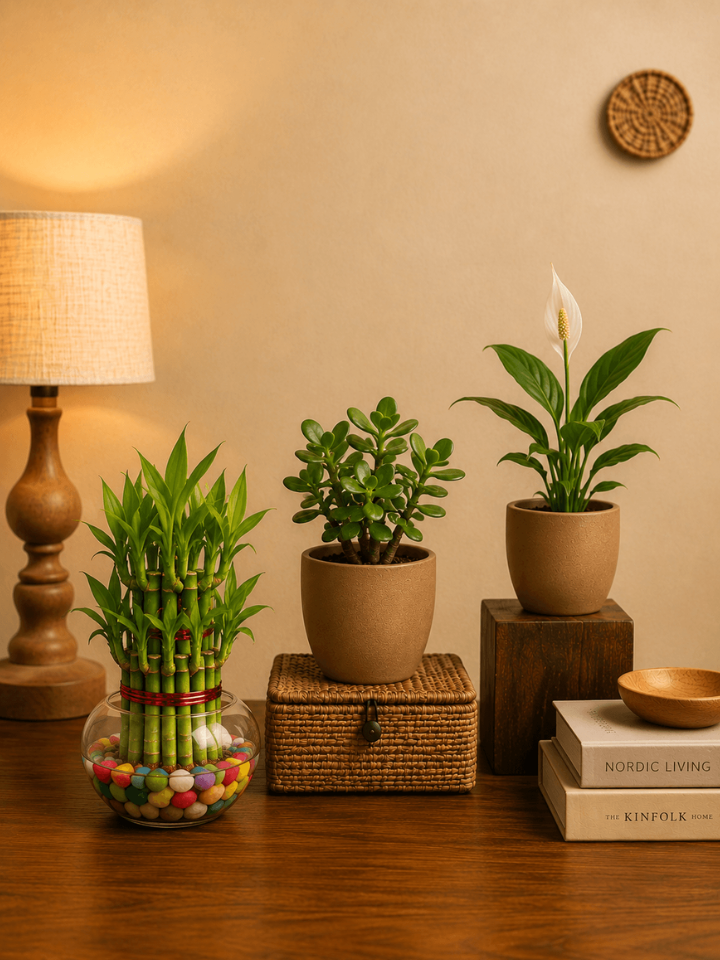
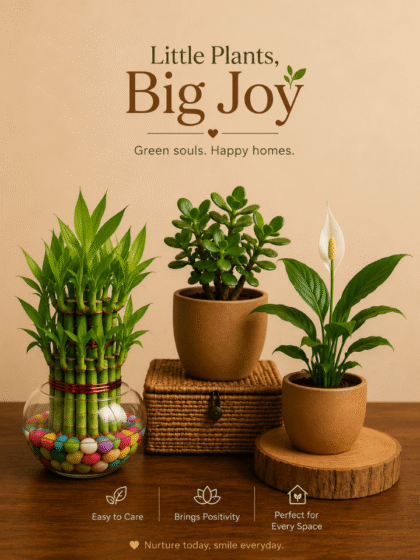
Set of 3 Vastu Plants
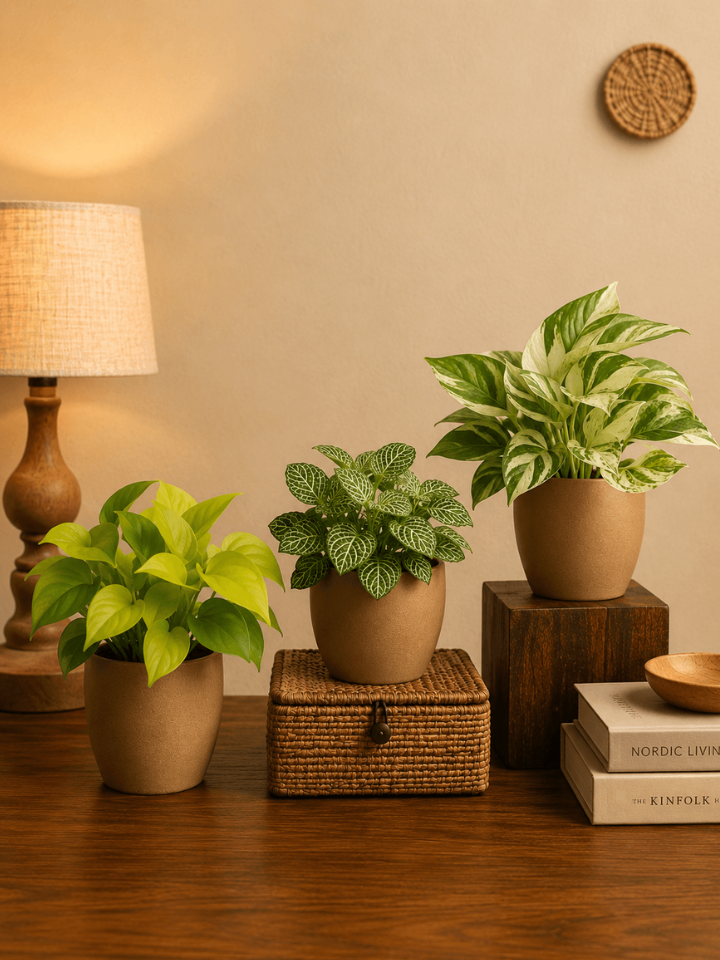
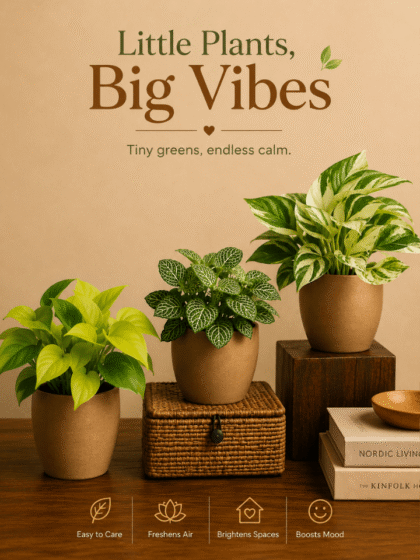
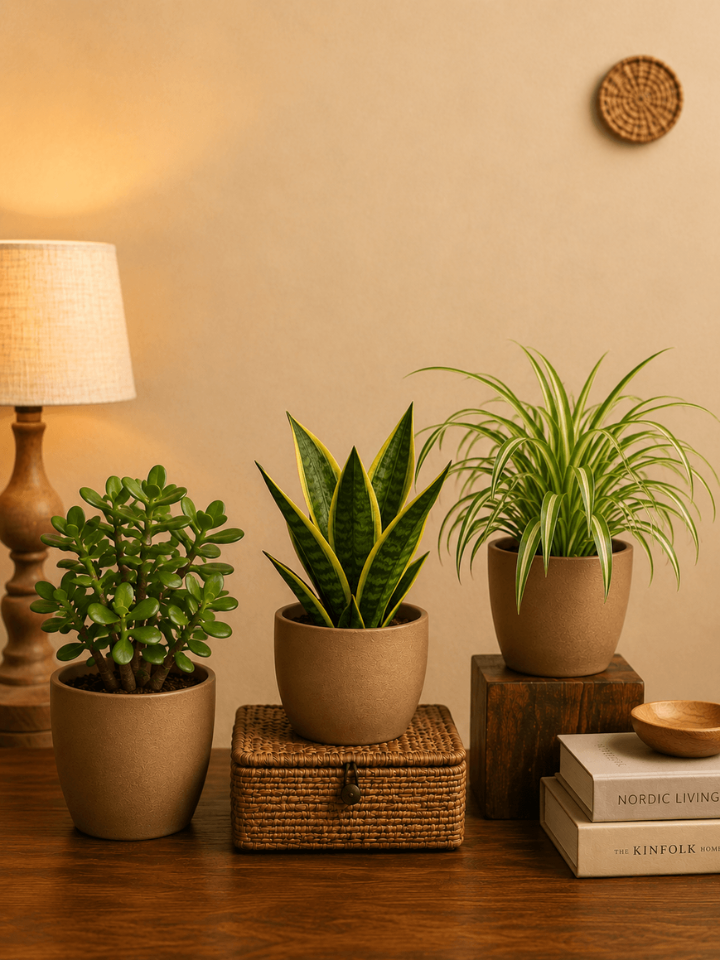
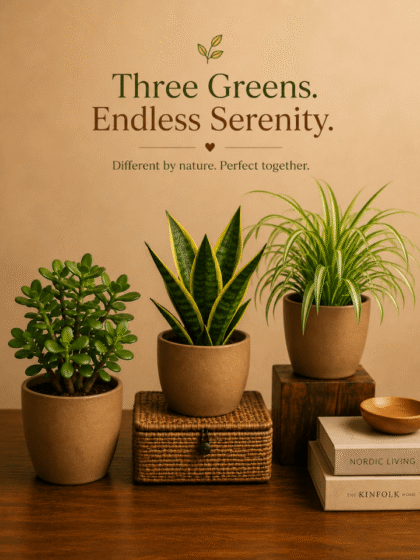
Combo of 3 Minimalist Plant Set
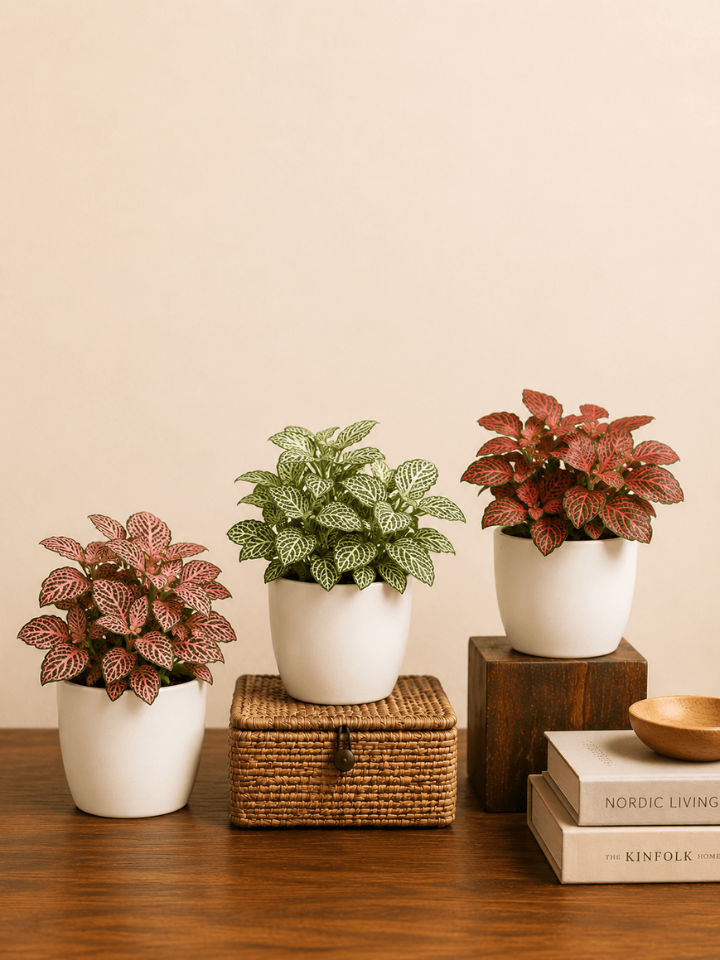
Set of 3 Indoor Plant Combo – Fittonia
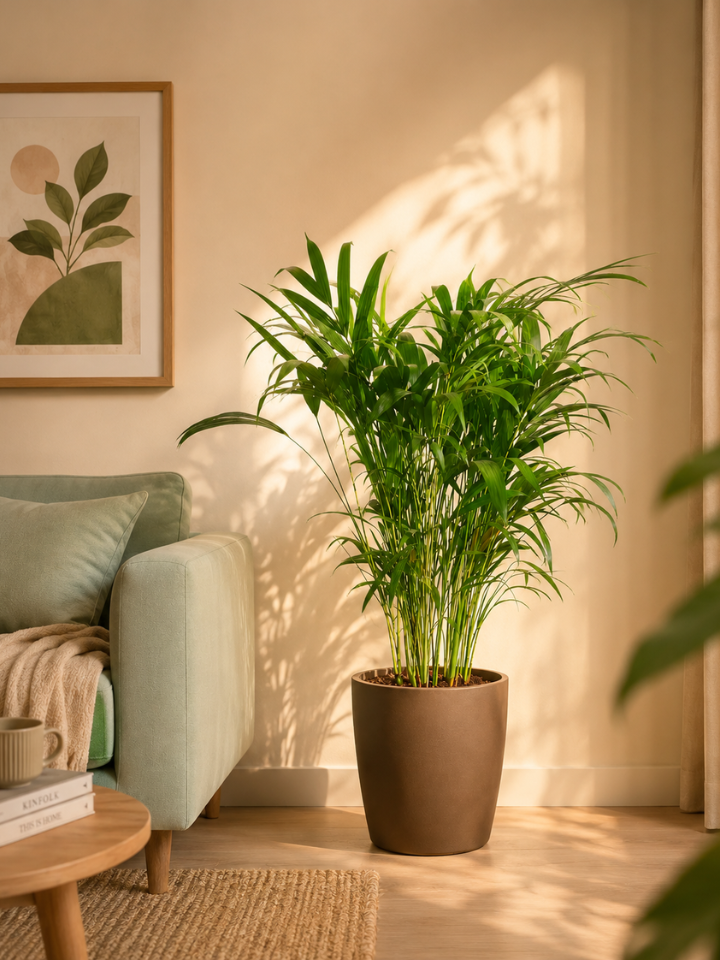
Areca Palm Plant (XL)
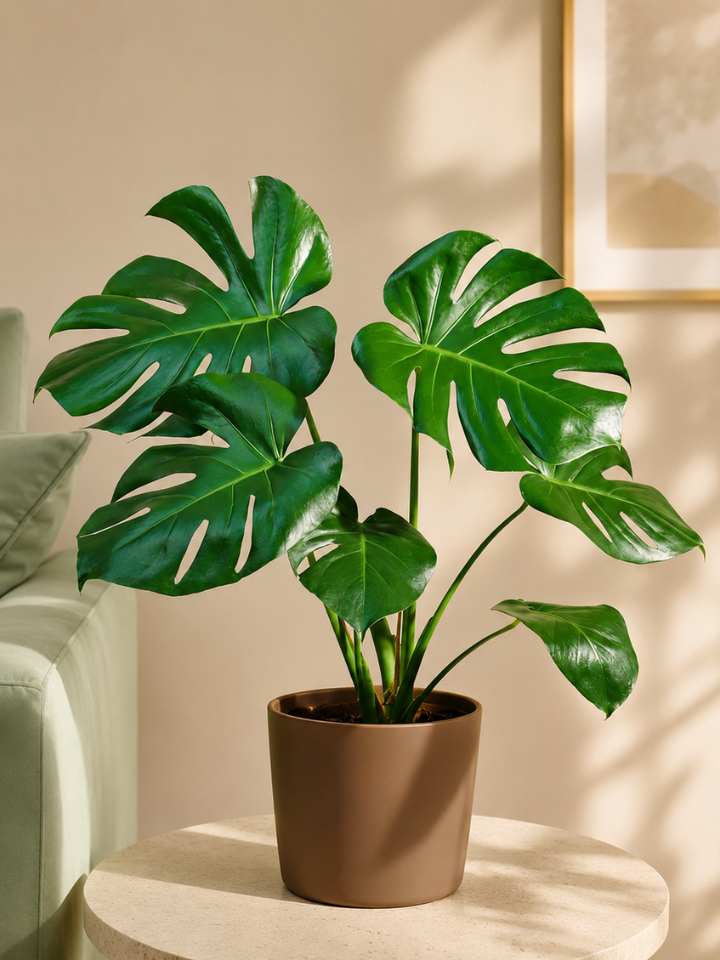
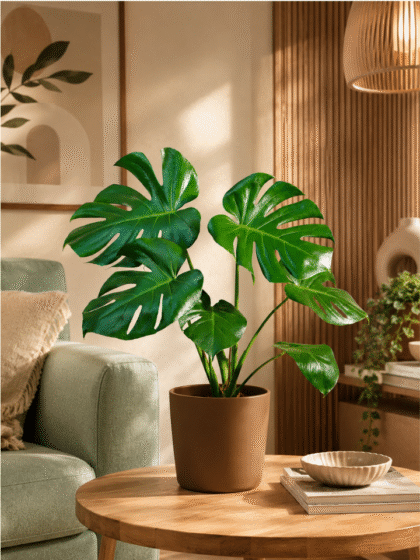
Monstera Deliciosa Plant (XL)
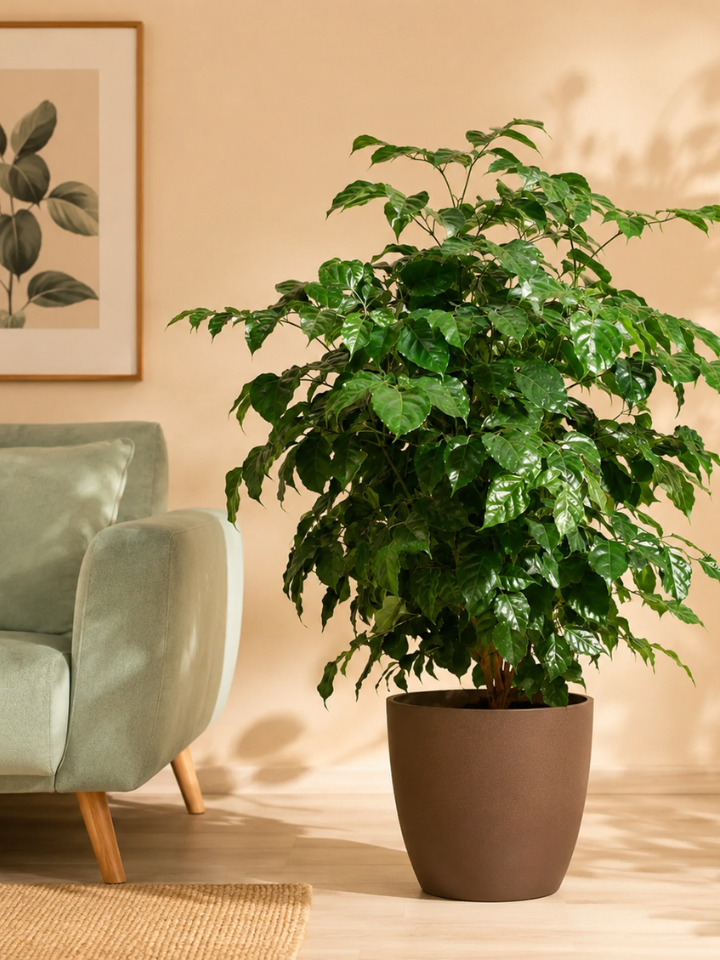
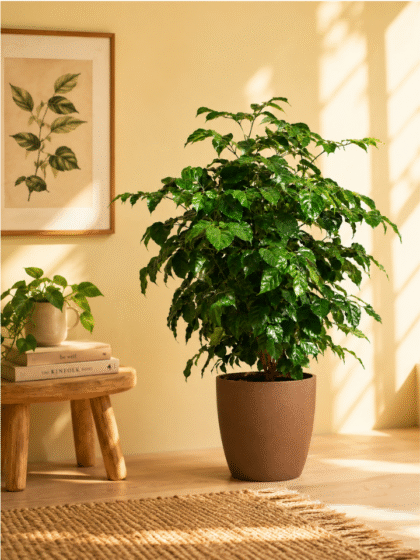
China Doll Plant (XL)
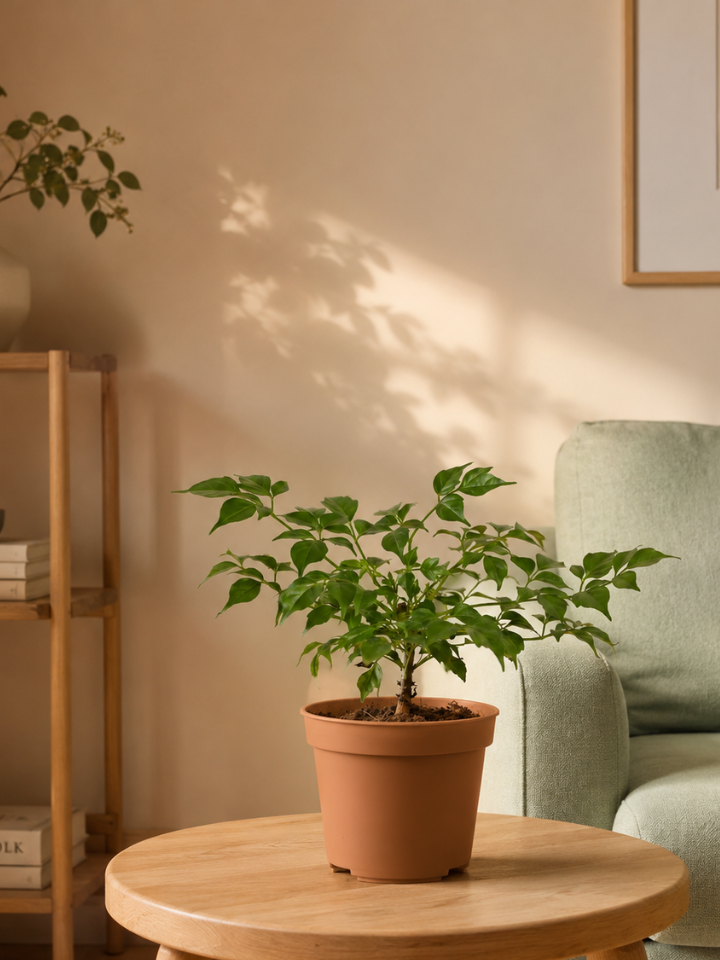
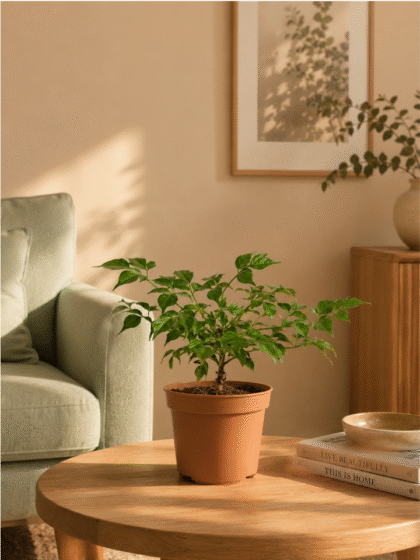
China Doll Plant (Small)
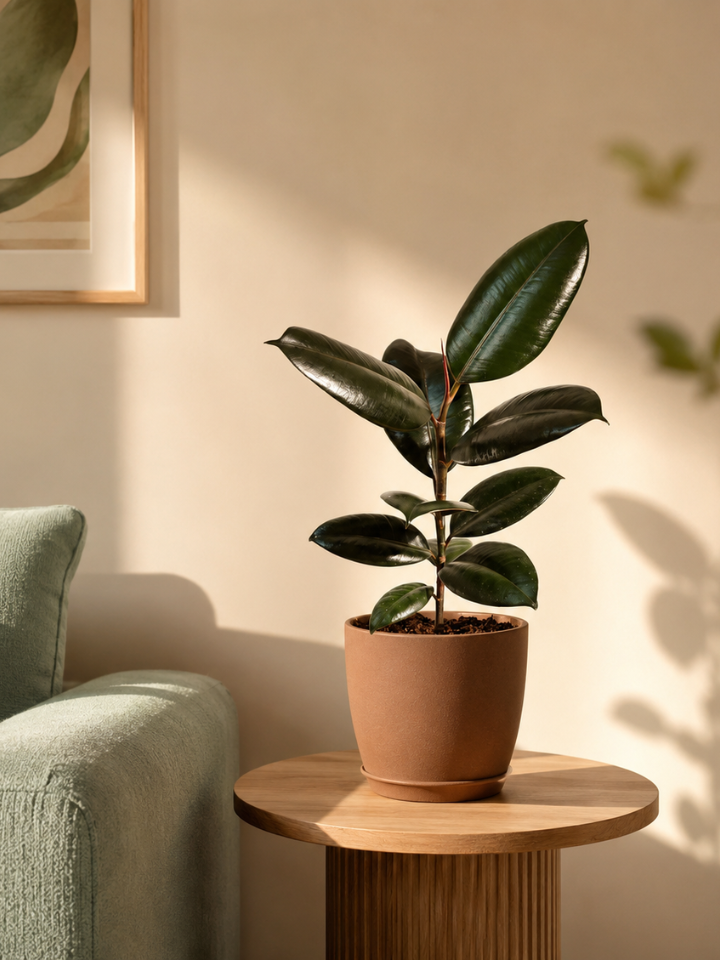
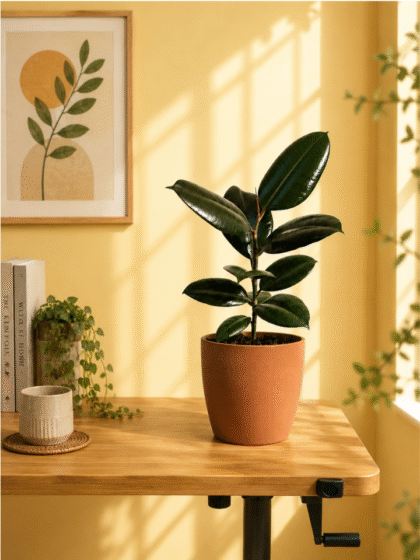
Rubber Plant

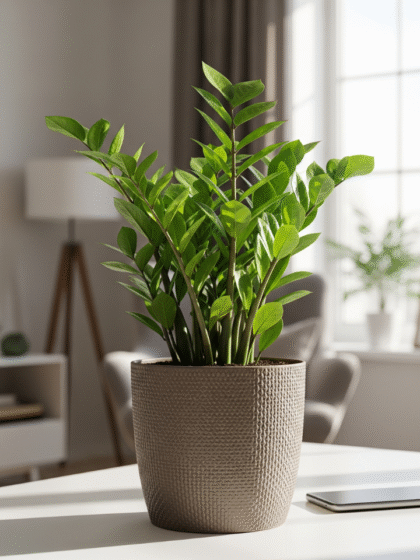
Black ZZ

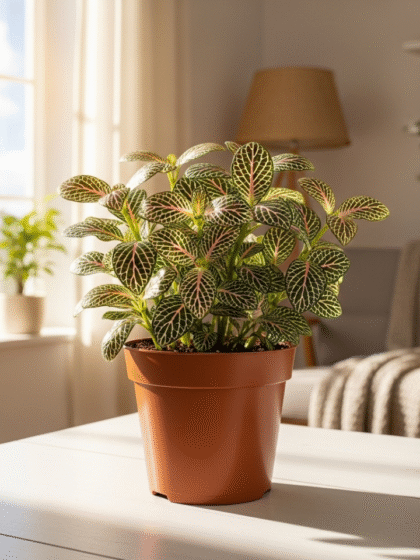
Fittonia

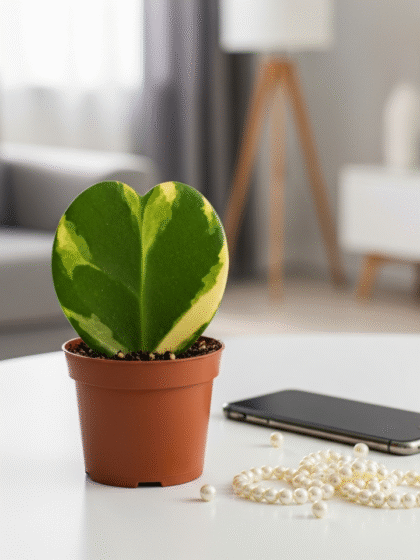
Heart Hoya Plant
Expert Tips From Our Nursery Team
- Start with two plants, not ten. A small collection you actually observe teaches you more in three months than a shelf full of pots you water indiscriminately.
- Buy the plant that fits the spot rather than the spot that fits the plant. This single reversal of habit prevents most failures.
- Keep a note on your phone of when you watered each pot. After two months you will have learned your own home’s rhythm and can stop recording.
- Leave a new arrival alone for its first week. Do not repot, feed or move it repeatedly. Let it acclimatise, then make changes one at a time.
- Learn to read leaves. Soft and yellow means too much water; crisp and brown means too little moisture in the air or the pot. That distinction alone resolves most problems.
- Propagate early. Rooting a Money Plant cutting in a glass of water costs nothing and turns you from someone who owns plants into someone who grows them.
- Dust the leaves. It is the cheapest, most overlooked improvement available in an Indian city.
- Accept that you will lose one. Every experienced grower has. It is tuition, not failure.
Where to Begin
Choose one plant for the brightest spot you have and one for the dimmest. Water only when the medium is dry, keep both where they are, and give them a season. Somewhere around the third month you will notice a new leaf unfurling that you had nothing to do with beyond simply not getting in the way, and the whole thing will start to feel less like a task and more like a small ongoing conversation.
That is really the entire point. Plantaeroot was founded in 2014 by Basudev Saha with the idea that a single green corner can change how a home feels, and that gardening should be effortless enough for anyone to begin. Everything we ship comes from our own nursery in Rishra, Hooghly, packed to travel and dispatched within two to three business days, reaching most parts of India within two to seven business days. Orders above ₹499 ship free, and cash on delivery is available.
Browse our beginner-friendly indoor range and pick the one or two that suit your light. If you would like a recommendation for your particular room, write to support@plantaeroot.com or message us on WhatsApp at +91 98747 58056 — describing your window and how often you remember to water is genuinely all we need to point you in the right direction.