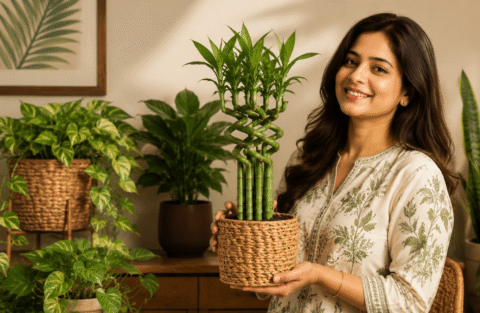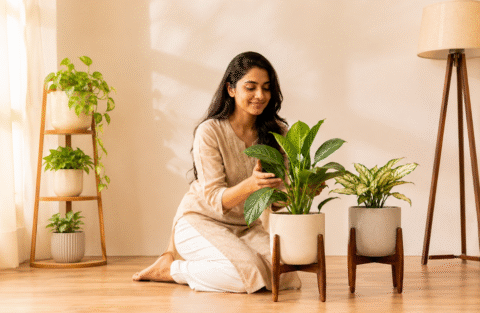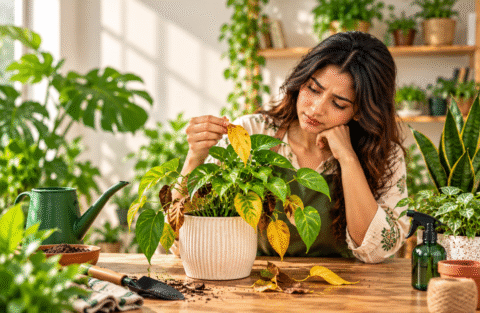


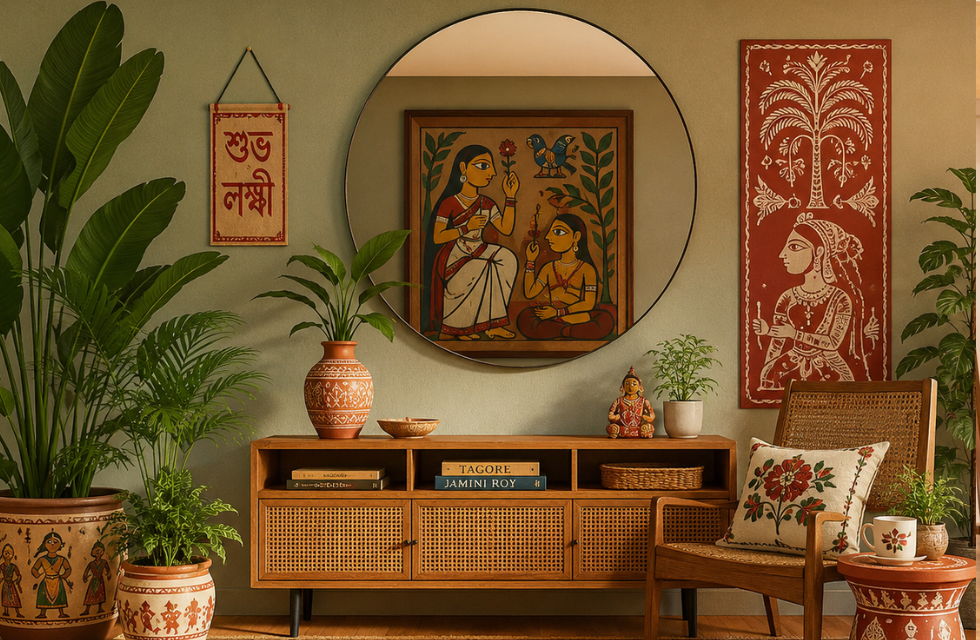
Kolkata is a city built for greenery. Its warm, moisture-rich air, long growing season, and deep cultural love for plants make it one of the easiest places in India to keep houseplants alive and thriving. Yet many residents of flats in Salt Lake, New Town, Behala, or a rented apartment in Howrah still lose plants every year — not because the plants are difficult, but because the care routine is not matched to the city’s three very different seasons.
This guide is built to fix that. It explains which indoor plants genuinely flourish in the local climate, how to care for them through the sticky heat of summer, the relentless damp of the monsoon, and the mild, drier winter, and how to avoid the handful of mistakes that quietly kill most houseplants in the region. It is written for real homes across Greater Kolkata — compact balconies, north-facing bedrooms, humid bathrooms, and living rooms that get an hour of harsh afternoon light and nothing else.
The best indoor plants for Kolkata homes are Snake Plant, Money Plant, ZZ Plant, Areca Palm, Peace Lily, Monstera, Syngonium, Aglaonema, Spider Plant, and Pothos. All of them tolerate high humidity, handle indirect light well, and forgive the occasional missed watering — the three qualities that matter most in this climate.
Most Loved Plants for Every Home
Air Purifying Indoor Plants Combo
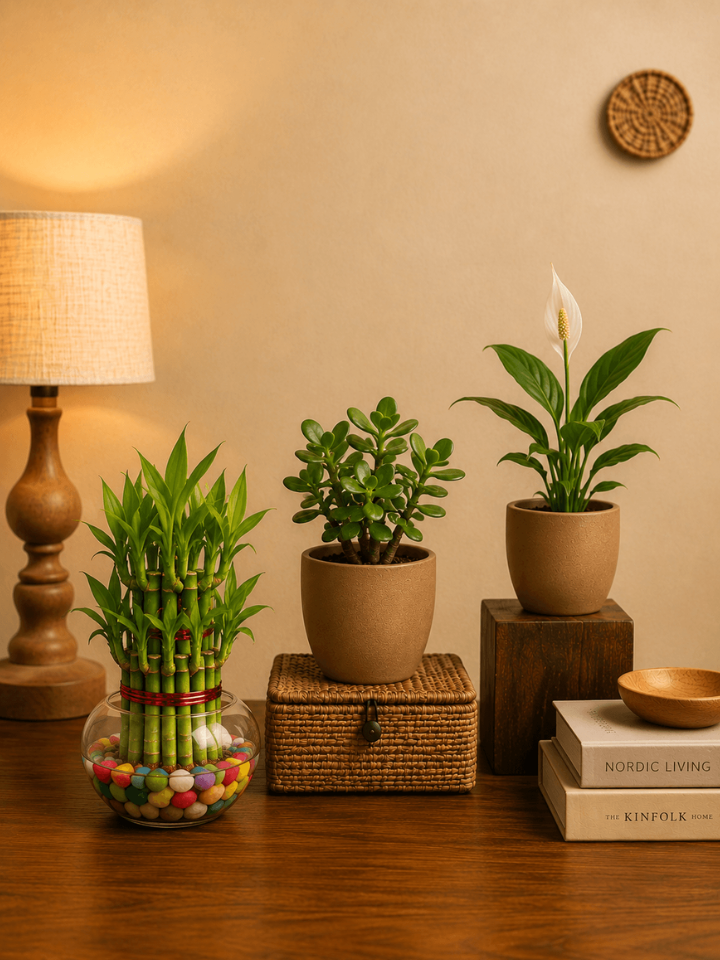
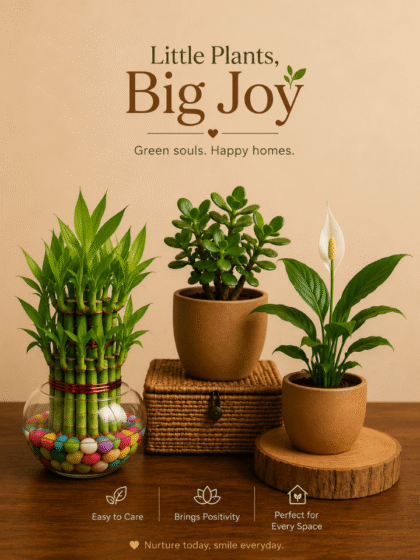
Set of 3 Vastu Plants
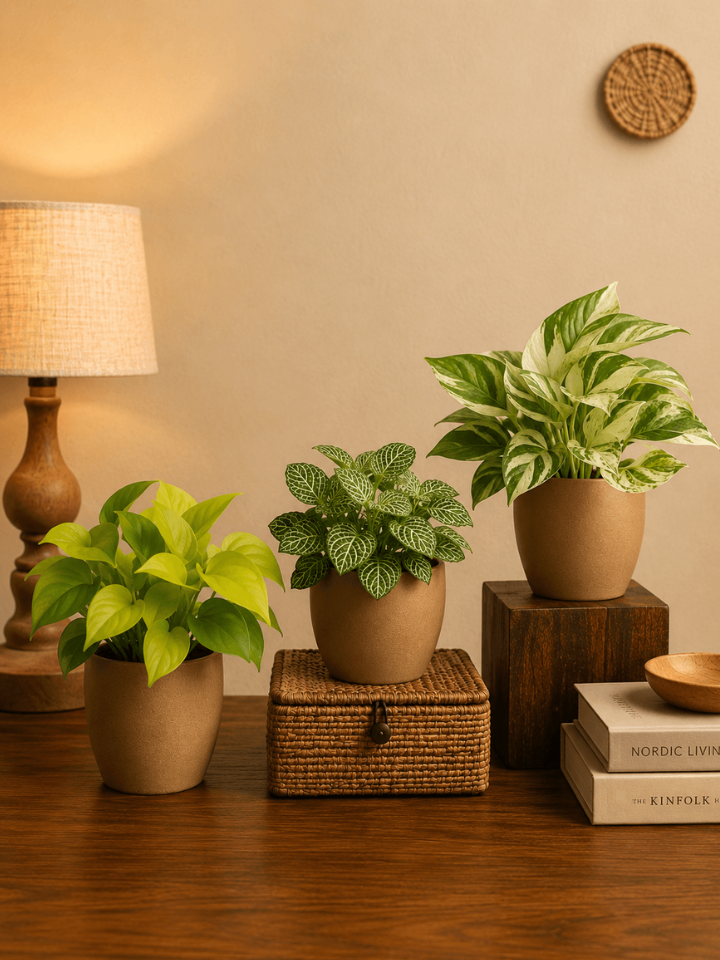
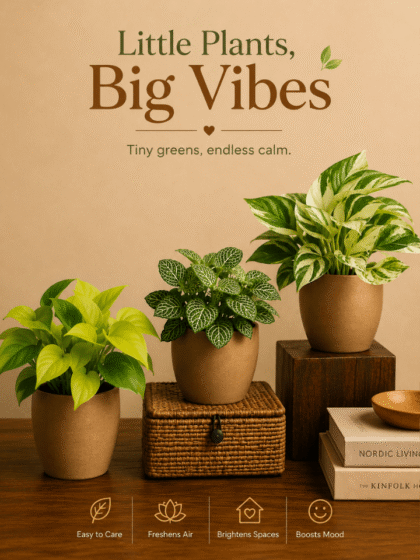
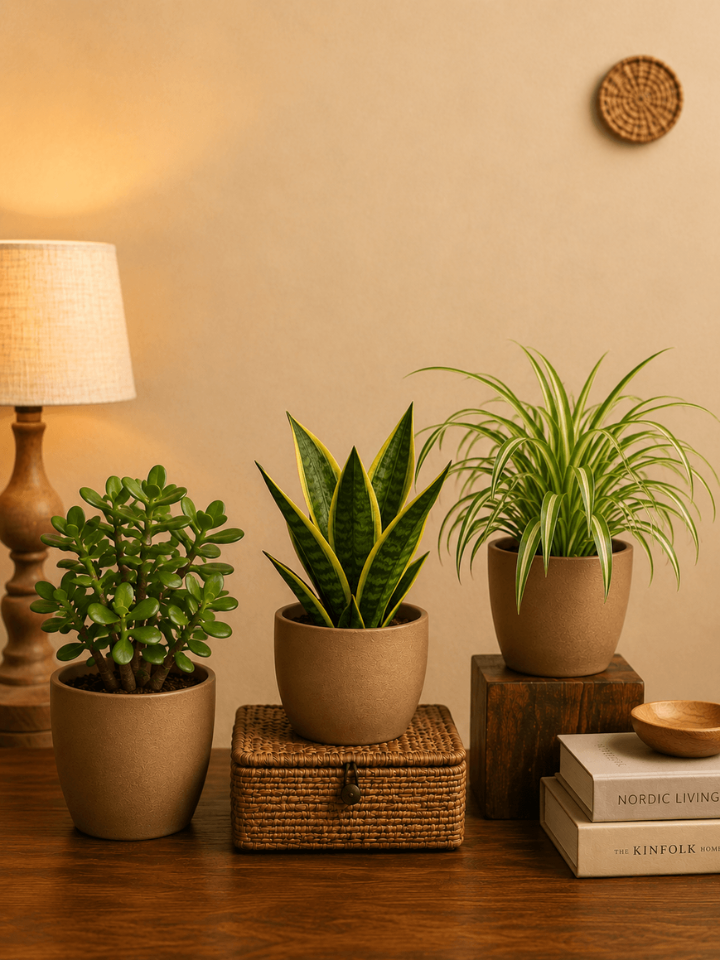
Combo of 3 Minimalist Plant Set
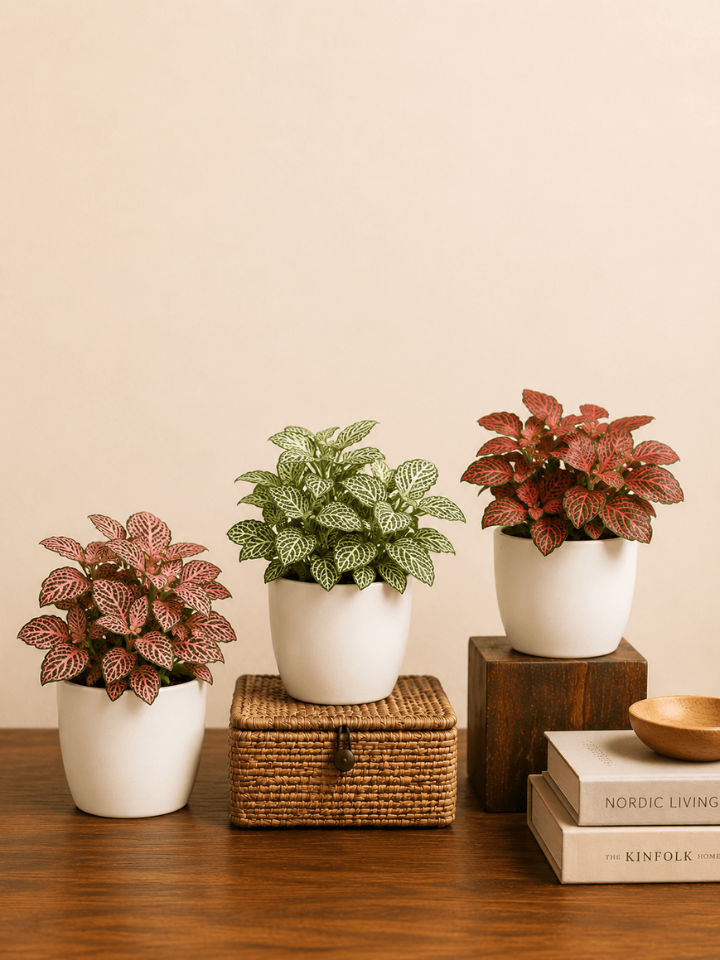
Set of 3 Indoor Plant Combo – Fittonia
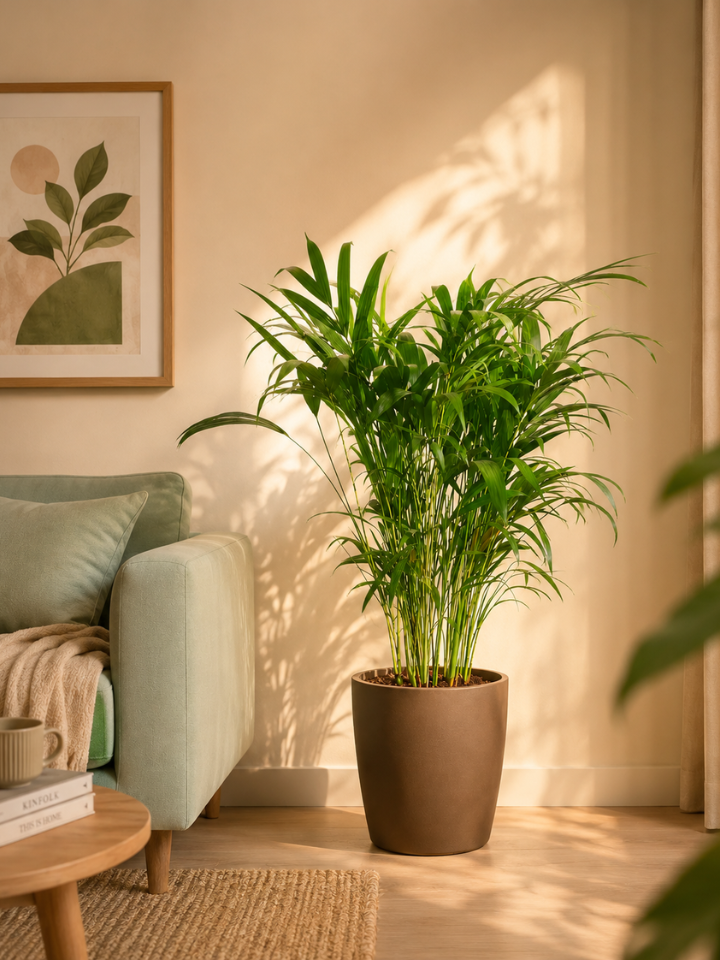
Areca Palm Plant (XL)
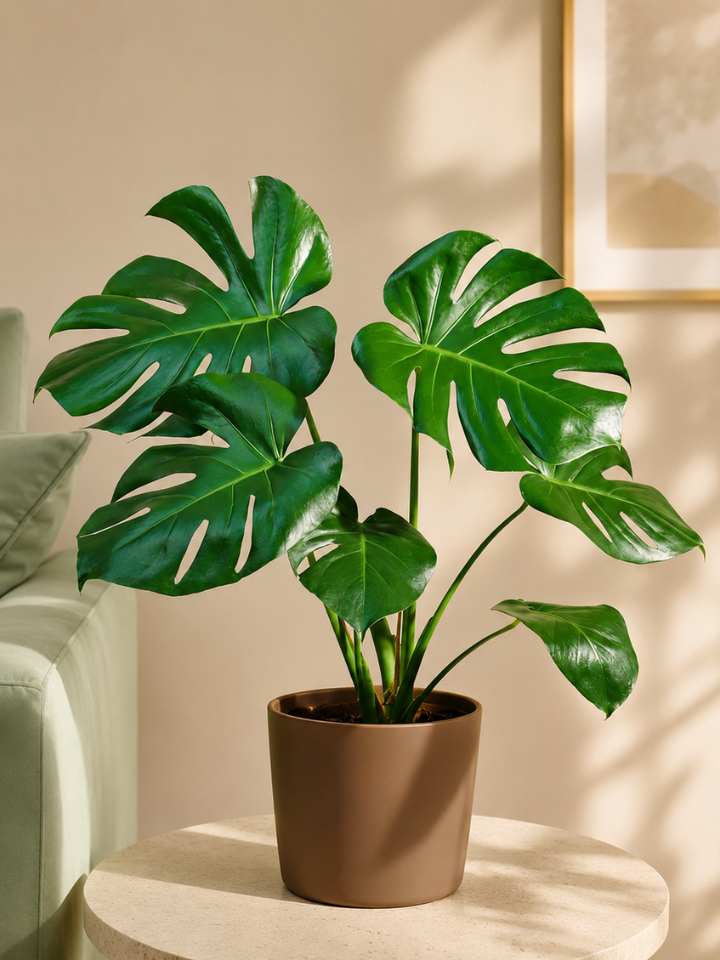
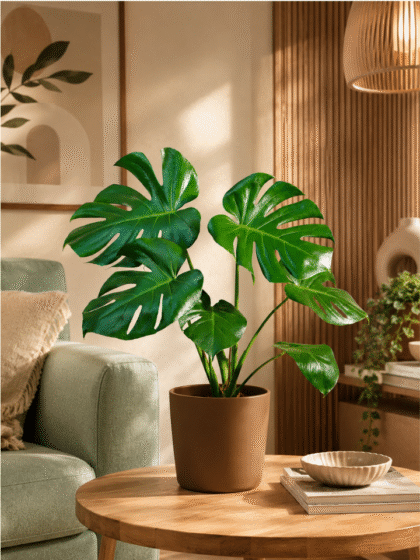
Monstera Deliciosa Plant (XL)
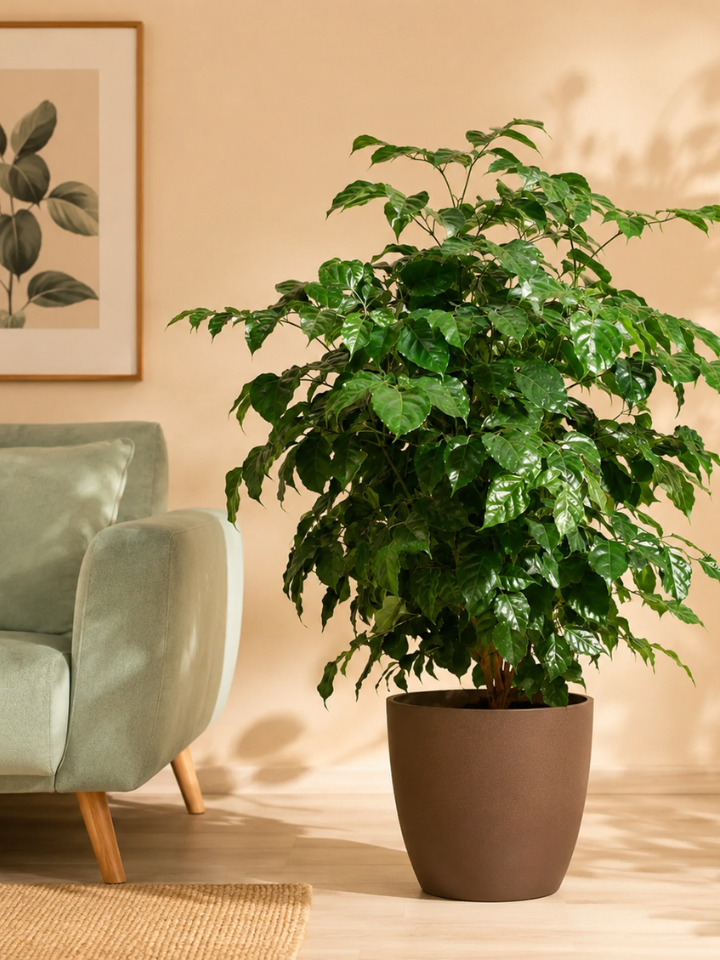
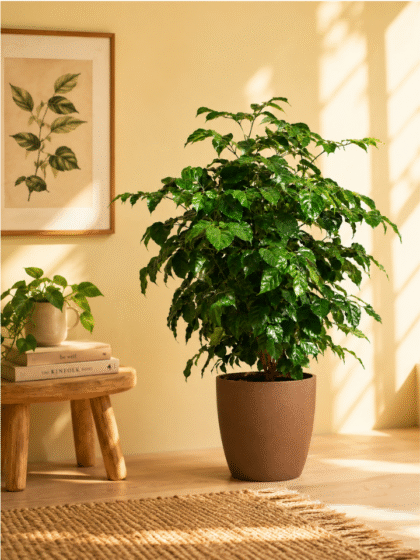
China Doll Plant (XL)
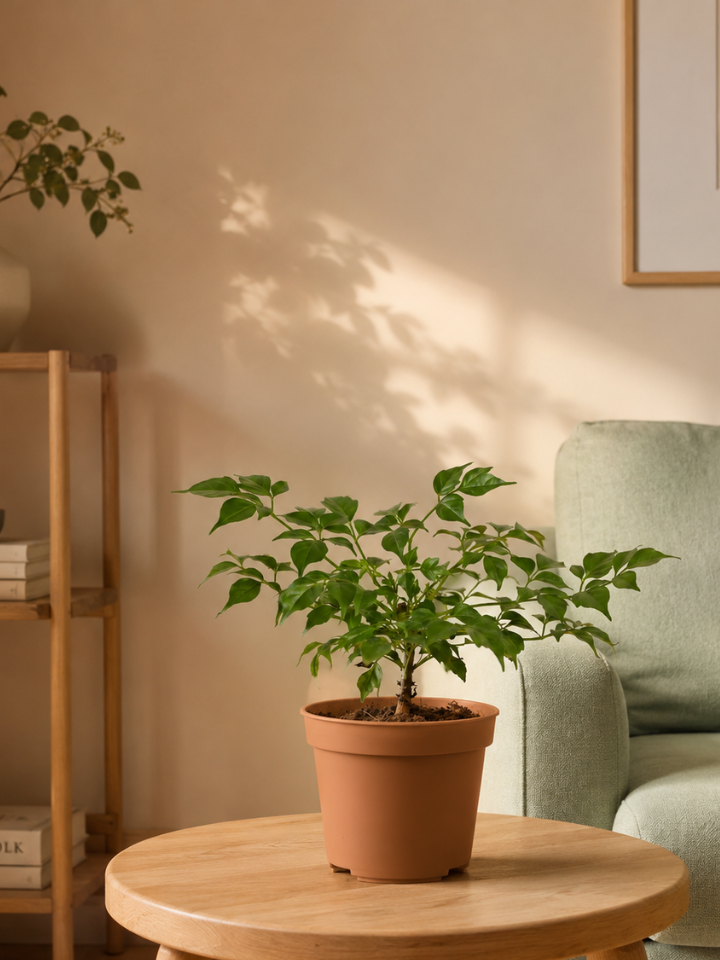
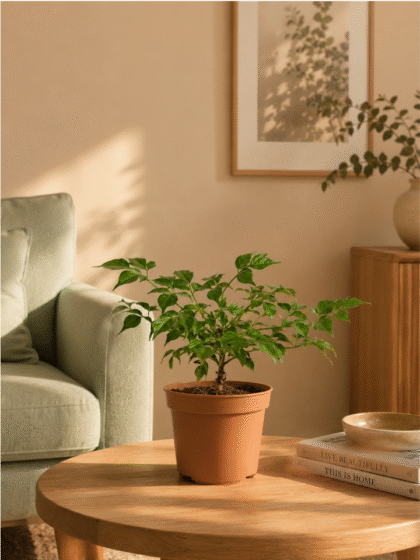
China Doll Plant (Small)
Why Indoor Plants Have Become So Popular in Kolkata Homes
Two things have changed in the last decade. Homes have grown smaller and more vertical, and people have grown more aware of what a little living green does for a room. As courtyards and terraces gave way to apartments, the potted plant moved indoors — onto windowsills, study tables, kitchen counters, and the corners of drawing rooms.
For anyone living in a flat, indoor greenery solves a very practical problem: it brings the softness of a garden into a space that has no garden. A single leafy plant beside a window changes how a room feels. It cuts glare, muffles the hard edges of tiled floors and painted walls, and gives the eye something restful to land on after a day of screens.
There are gentler benefits too. Caring for a plant — checking the soil, wiping the leaves, turning the pot toward the light — is a small daily ritual that many people find calming. Households with children use easy plants to teach patience and responsibility. Renters like that a plant is a way to make a temporary space feel like home without drilling a single hole in the wall.
The city’s climate quietly does most of the hard work. Because the air here stays humid for much of the year, tropical foliage plants — the kind sold as houseplants everywhere — feel right at home. They ask for far less fuss than they would in the dry heat of Delhi or the cold of the hills. This ease is one reason the Kolkata nursery online has grown so quickly — it is now simpler than ever to buy plants online in Kolkata and have healthy stock delivered to a flat rather than hunting through crowded markets.
Benefits of growing indoor plants in apartments and flats
- They fit small spaces. Compact species and hanging varieties thrive on a two-foot balcony ledge or a bathroom shelf, so even a 1BHK can hold a dozen plants without feeling crowded.
- They soften indoor air conditions. Foliage releases moisture as it transpires, which can take the edge off the dryness caused by running an air conditioner for long hours.
- They improve mood and focus. Time spent around indoor greenery is widely associated with lower stress and a greater sense of calm, which is why plants show up so often on office desks and study tables.
- They are inexpensive to start. A beginner can build a small collection of hardy plants for the price of a single meal out, and most of these plants multiply for free through cuttings.
- They forgive beginners. The plants recommended in this guide are chosen specifically because they survive irregular care, which matters when work and travel disrupt a watering routine.
Understanding Kolkata's Climate for Indoor Plants
Everything about successful plant care here follows from one fact: this is a tropical, wet-and-dry climate with very high humidity for much of the year. The city runs through three distinct phases, and a plant that is content in December can struggle in June if the care routine does not shift with the season.
Season | Months | Typical temperature | Humidity | Light indoors | Main challenge for plants |
Summer | March to early June | 30–40°C, sometimes higher | Moderate to high, rising | Bright, harsh afternoon sun | Heat stress, rapid soil drying |
Monsoon | Mid-June to September | 27–33°C | Very high (often 85–95%) | Dim, overcast for days | Overwatering, root rot, fungus |
Winter | December to February | 12–27°C | Lower, drier air | Soft, pleasant, angled | Cold-sensitive tropical species |
Summer climate
From March, the heat builds steadily. Daytime temperatures climb into the high thirties and, in the worst spells, past 40°C. The pre-monsoon weeks bring the famous *Kalbaisakhi* — sudden, violent evening thunderstorms that briefly cool things down. For indoor plants, the risk in this phase is drying out: potting mix that stayed damp for a week in winter can bake dry in two days near a sunny window. Direct afternoon light through glass can also scorch tender leaves.
Monsoon climate
When the southwest monsoon arrives, the character of the city changes completely. Rain falls heavily and often, the sky stays grey for long stretches, and humidity sits stubbornly high. Kolkata receives the bulk of its yearly rainfall — well over a metre — in these months. This is paradise for tropical foliage, which loves warm, moist air. But it is also the single most dangerous season for houseplants, because the same watering habit that kept a plant healthy in summer will now drown it. Roots sitting in constantly wet soil rot, and the damp, still air invites fungal spots and mildew.
Winter climate
Winter is the city’s gentlest season and, for most houseplants, the easiest. Days are mild and sunny, nights dip pleasantly cool, and the air turns noticeably drier. Morning mist is common in December and January. True cold snaps are rare and short, so hardy tropical plants sail through unbothered. The main thing to watch is that a few very tender species dislike the coolest nights, and that plants need much less water now because the soil dries slowly.
Humidity and rainfall patterns
The through-line across all three seasons is moisture. Even in the drier winter, the ambient humidity here is higher than in much of northern India. This is why plants that are marketed as needing “high humidity” — ferns, calatheas, many aroids — behave far better in local homes than the care labels suggest. It also explains why drainage matters more here than watering frequency: the danger is almost always too much water, rarely too little.
Why Indoor Plants Thrive in Kolkata
Three features of the climate work in a plant parent’s favour, and understanding them makes plant selection much simpler.
Naturally tropical conditions. Almost every popular houseplant on the market originates in the tropics — the rainforests of South America, West Africa, and Southeast Asia. Warm temperatures and humid air are exactly what these species evolved for. A local living room in July mimics a rainforest floor better than a heated flat in a colder country ever could, which is why foliage here often grows lusher and faster than the same plant kept elsewhere.
A wealth of low-maintenance options. Because the humidity does so much of the work, the plants best suited to this climate tend to be the forgiving, hard-to-kill kinds — snake plants, money plants, ZZ plants, aglaonemas. These ask only for indirect light and occasional water. For a first-time grower or a busy professional, that forgiveness is the difference between a hobby that lasts and a windowsill of casualties.
A modest, honest boost to indoor air. Houseplants are often sold on the promise of “purifying” the air. It is worth being clear-eyed here. The famous NASA study from 1989 did show that certain plants absorb volatile compounds like formaldehyde and benzene inside a small, sealed chamber. But a widely cited 2019 re-analysis by researchers Cummings and Waring recalculated those results for real rooms and found the effect tiny — you would need dozens or even hundreds of plants per square metre to match the air cleaning of simply opening a window. So the honest position is this: plants add a little humidity, may take up a small amount of certain pollutants, and above all make a space feel calmer and more pleasant. Treat clean-air claims as a nice bonus, not a substitute for ventilation.
The Best Indoor Plants for Kolkata Homes
The plants below were chosen for one reason: they thrive in warm, humid, variable conditions with modest care. Each profile covers what the plant needs and, importantly, how that care shifts across the three seasons. A quick honesty note that runs through every profile — pet safety — because most popular houseplants are mildly toxic to cats and dogs if chewed, and it is far kinder to know that upfront than to learn it at the vet.
Here is a quick comparison before the detailed profiles.
Plant | Light | Watering | Pet-safe? | Best for |
Snake Plant | Low to bright indirect | Very infrequent | No | Bedrooms, beginners |
Money Plant / Pothos | Low to bright indirect | Moderate | No | Shelves, trailing, water-growing |
ZZ Plant | Low to bright indirect | Rare | No | Dark corners, travel-heavy homes |
Areca Palm | Bright indirect | Regular | Yes | Living rooms, pet homes |
Peace Lily | Low to medium indirect | Regular | No | Bathrooms, low light |
Monstera Deliciosa | Bright indirect | Moderate | No | Statement corners |
Syngonium | Medium indirect | Moderate | No | Compact spaces, hanging |
Aglaonema | Low to medium indirect | Moderate | No | Low-light rooms, colour |
Spider Plant | Bright indirect | Moderate | Yes | Hanging, pet homes |
Rubber Plant | Bright indirect | Moderate | Mildly toxic | Floor plant, décor |
Philodendron | Medium indirect | Moderate | No | Trailing, easy care |
Dracaena | Medium to bright indirect | Moderate | No | Height, structure |
Lucky Bamboo | Low to medium indirect | Grows in water | No | Desks, Vastu gifting |
Jade Plant | Bright indirect | Infrequent | Mildly toxic | Sunny sills, Vastu |
Boston Fern | Bright indirect | Keep moist | Yes | Humid corners, pet homes |
Peacock Plant | Medium indirect | Keep moist | Yes | Colour, pet homes |
Snake Plant
- Botanical name: Dracaena trifasciata (formerly Sansevieria trifasciata)
- Common names: Snake Plant, Mother-in-Law’s Tongue, Hahnii (dwarf form)
The single most reliable indoor plant for this climate, and the best possible starting point for a nervous beginner. Its stiff, upright leaves store water, so it shrugs off neglect that would flatten a fussier plant.
Why it suits Kolkata: It tolerates everything the city throws at it — low light, high humidity, and long gaps between watering. It is almost impossible to kill through under-care, and its only real enemy, overwatering, is easy to avoid once you understand it.
- Sunlight: Anything from a dim corner to bright, filtered light. Avoid harsh direct summer sun on the leaves.
- Water: Let the soil dry out completely between drinks — often just once every two to three weeks.
- Temperature range: Comfortable across 15–35°C, which covers the local year entirely.
- Humidity: Indifferent to it; happy in dry or humid air.
- Soil: A fast-draining, gritty mix. Add sand or perlite to ordinary potting soil.
- Benefits: Extremely hardy; one of the few plants that releases oxygen at night, making it a common bedroom choice.
- Pet safety: Toxic to cats and dogs if chewed. Keep out of reach in pet homes.
- Vastu note: Traditionally believed to absorb negative energy; often placed near entrances.
Seasonal care: In summer, water a little more often as the mix dries faster. During the monsoon, water rarely — perhaps once a month — and never let the pot sit in a saucer of rainwater. In winter, treat it as nearly dormant and water only when the soil is bone dry.
Common problem: Mushy, yellowing leaves mean root rot from overwatering; let it dry out and cut back on water.
Money Plant (Pothos)
- Botanical name: Epipremnum aureum
- Common names: Money Plant, Pothos, Devil’s Ivy (the same species goes by all three)
If the snake plant is the most reliable, the money plant is the most beloved. It grows almost anywhere, roots from a simple cutting in a glass of water, and trails beautifully off a shelf or climbs a moss pole.
Why it suits Kolkata: It positively enjoys the humidity and grows vigorously through the warm months. It can be grown in soil or purely in water, which makes it perfect for kitchens, bathrooms, and desks.
- Sunlight: Low to bright indirect light. Variegated types keep their patterns better in brighter spots.
- Water: Keep soil lightly moist; if grown in water, refresh it every week or two.
- Temperature range: 18–32°C is ideal; it slows in cold snaps.
- Humidity: Loves the local damp air.
- Soil: Any well-draining potting mix, or clean water alone.
- Benefits: Fast-growing, endlessly propagable, and forgiving of missed care.
- Pet safety: Toxic to cats and dogs; the sap irritates mouths and stomachs.
- Vastu note: Widely considered a plant of prosperity; often placed in the southeast corner.
Seasonal care: Growth explodes in summer and monsoon — this is the time to prune and propagate. Ease off water during heavy rains if grown in soil. In winter, growth slows and watering should drop accordingly.
Common problem: Leggy vines with sparse leaves usually mean too little light; move it brighter and pinch the tips to encourage bushiness.
ZZ Plant
- Botanical name: Zamioculcas zamiifolia
- Common name: ZZ Plant, Zanzibar Gem
The plant for the darkest corner and the most forgetful owner. Its glossy, deep-green leaves look almost artificial, and its underground rhizomes store so much water that it can be ignored for weeks.
Why it suits Kolkata: It handles low light and irregular watering better than almost anything, making it ideal for interior rooms and homes where residents travel often.
- Sunlight: Low to moderate indirect light; avoid direct sun.
- Water: Let the soil dry fully — every two to three weeks is plenty.
- Temperature range: 18–30°C.
- Humidity: Tolerant of both dry and humid air.
- Soil: A gritty, very well-draining mix; it hates sitting wet.
- Benefits: Nearly indestructible; excellent for offices and shaded rooms.
- Pet safety: Toxic to cats and dogs; wash hands after handling the sap.
- Vastu note: Associated with steady growth and prosperity.
Seasonal care: Water a touch more in summer, and be especially stingy during the monsoon — this plant rots faster than most if overwatered in humid weather. In winter, it may not need water for a month.
Common problem: Yellowing stalks signal overwatering; when in doubt, wait longer between waterings.
Areca Palm
- Botanical name: Dypsis lutescens
- Common names: Areca Palm, Butterfly Palm, Golden Cane Palm
A graceful, feathery palm that brings a soft, tropical feel to a living room. Crucially for households with cats or dogs, it is one of the very few genuinely pet-safe options on this list.
Why it suits Kolkata: It loves the warmth and humidity and grows into a lush indoor focal point. Because it is non-toxic, it earns its place in pet and child homes where most other plants cannot.
- Sunlight: Bright, indirect light. It resents harsh direct sun and deep shade alike.
- Water: Keep the soil evenly moist but never waterlogged.
- Temperature range: 18–32°C.
- Humidity: Thrives in high humidity; the monsoon is its favourite season.
- Soil: Rich, well-draining potting mix.
- Benefits: Elegant, pet-safe, and a strong natural humidifier.
- Pet safety: Non-toxic and safe for cats and dogs — a genuine standout.
- Vastu note: Considered auspicious and welcoming; often placed in the living room.
Seasonal care: In summer, water regularly and mist if the air near an AC turns dry; keep it out of scorching afternoon light. During the monsoon it needs little help but good drainage. In winter, reduce watering and protect it from the coolest draughts.
Common problem: Browning leaf tips usually point to dry air or inconsistent watering; steady moisture and humidity fix it.
Peace Lily
- Botanical name: Spathiphyllum wallisii
- Common name: Peace Lily
One of the few foliage plants that also flowers indoors, producing elegant white spathes. It is dramatic in a useful way — its leaves droop visibly when thirsty and perk up within hours of watering, so it tells you exactly what it needs.
Why it suits Kolkata: It flowers in low to medium light and adores humidity, making it a natural fit for dim bathrooms and bedrooms.
- Sunlight: Low to medium indirect light; too much sun scorches the leaves.
- Water: Keep soil consistently moist; it will wilt as a clear thirst signal.
- Temperature range: 18–30°C.
- Humidity: High humidity keeps the foliage glossy.
- Soil: Rich, moisture-retentive but well-draining mix.
- Benefits: Flowers indoors; excellent for low-light corners.
- Pet safety: Toxic to cats and dogs; contains irritating calcium oxalates.
- Vastu note: Associated with peace and harmony, as the name suggests.
Seasonal care: Water frequently in summer as it dries quickly. In the monsoon its love of moisture is met by the humid air, but ensure the pot drains freely. In winter, ease back on water and expect fewer blooms until the warmth returns.
Common problem: Brown leaf edges often mean the tap water’s chlorine or minerals are building up; let water stand overnight before using it.
Monstera Deliciosa
- Botanical name: Monstera deliciosa
- Common names: Monstera, Swiss Cheese Plant
The statement plant of the last decade, prized for its large, split leaves. It grows quickly in warm, humid conditions and can transform a plain corner into a focal point.
Why it suits Kolkata: The heat and humidity push it to grow large, glossy leaves with dramatic natural holes. It needs space, but rewards it.
- Sunlight: Bright, indirect light develops the best leaf splits.
- Water: Water when the top few centimetres of soil feel dry.
- Temperature range: 20–32°C.
- Humidity: High humidity is exactly what it wants.
- Soil: Chunky, well-draining aroid mix with bark or coco chips.
- Benefits: Fast-growing, striking, and a reliable design centrepiece.
- Pet safety: Toxic to cats and dogs if chewed.
- Vastu note: Not a traditional Vastu plant, but valued for its lush, abundant look.
Seasonal care: Summer and monsoon are its growth seasons — give it a moss pole to climb and wipe the large leaves free of dust. Reduce watering during heavy rains. In winter, growth slows and water needs drop.
Common problem: Leaves without splits usually mean insufficient light; move it to a brighter spot.
Syngonium
- Botanical name: Syngonium podophyllum
- Common names: Arrowhead Plant, Syngonium (including the popular Pink variety)
A compact, fast-growing plant with arrow-shaped leaves in shades of green, cream, and pink. It works trailing from a shelf or trimmed into a bushy tabletop form.
Why it suits Kolkata: It is undemanding, loves humidity, and its pink varieties add colour without needing bright light.
- Sunlight: Medium indirect light; pink types keep their colour better with a little more brightness.
- Water: Keep soil lightly moist.
- Temperature range: 18–30°C.
- Humidity: Enjoys the local humid air.
- Soil: Well-draining, general potting mix.
- Benefits: Colourful, compact, and easy to propagate.
- Pet safety: Toxic to cats and dogs.
- Vastu note: Not a classical Vastu plant.
Seasonal care: Trim and propagate freely during the warm, wet growing months. Ease off water in the monsoon if soil stays damp. In winter, water less and keep it away from cold windows.
Common problem: Fading leaf colour points to light being too low.
Aglaonema (Chinese Evergreen)
- Botanical name: Aglaonema commutatum
- Common names: Aglaonema, Chinese Evergreen (the two names refer to the same plant)
If you want colour in a room that barely gets light, this is the plant. Modern varieties come in stunning reds, pinks, and silvers, and they hold that colour in surprisingly dim conditions.
Why it suits Kolkata: It is one of the best performers in low light and high humidity, so it thrives where flashier plants sulk.
- Sunlight: Low to medium indirect light; darker green types tolerate the least light.
- Water: Keep soil lightly moist; allow the top to dry between waterings.
- Temperature range: 18–30°C; it dislikes cold.
- Humidity: Loves humidity.
- Soil: Rich, well-draining mix.
- Benefits: Colourful foliage, genuinely low-light tolerant.
- Pet safety: Toxic to cats and dogs.
- Vastu note: Valued in some traditions as a bringer of good fortune.
Seasonal care: Steady care through summer and monsoon; ensure drainage in the rains. In winter, keep it warm — it is the most cold-sensitive plant on this list and can suffer if left near a cold draught on the chilliest nights.
Common problem: Yellow lower leaves are often from cold or overwatering.
Spider Plant
- Botanical name: Chlorophytum comosum
- Common name: Spider Plant, Ribbon Plant
An old favourite that sends out arching leaves and dangling baby plantlets, making it perfect for hanging baskets. Like the areca palm, it is genuinely pet-safe.
Why it suits Kolkata: It is tough, fast-growing, and non-toxic — a rare combination — and it looks lovely cascading from a balcony hook.
- Sunlight: Bright, indirect light.
- Water: Keep lightly moist; it tolerates occasional dryness.
- Temperature range: 18–32°C.
- Humidity: Comfortable in humid air.
- Soil: Standard well-draining potting mix.
- Benefits: Pet-safe, produces free baby plants, and looks great hanging.
- Pet safety: Non-toxic and safe for cats and dogs.
- Vastu note: Not a classical Vastu plant, but a cheerful, easy choice.
Seasonal care: It multiplies fastest in the warm months — pot up the babies to expand your collection for free. Water more in summer, less during rains. In winter, reduce watering.
Common problem: Brown tips usually come from mineral-heavy tap water; use rested or filtered water.
Rubber Plant
- Botanical name: Ficus elastica
- Common name: Rubber Plant, Rubber Fig
A handsome upright plant with thick, glossy, burgundy-tinged leaves that reads as sophisticated in any room. It grows into a small indoor tree over time.
Why it suits Kolkata: It appreciates warmth and bright indirect light, and its sturdy leaves cope well with humidity.
- Sunlight: Bright, indirect light; the darker varieties tolerate slightly less.
- Water: Water when the top of the soil dries; it dislikes soggy roots.
- Temperature range: 18–30°C.
- Humidity: Handles humidity well.
- Soil: Well-draining potting mix.
- Benefits: Bold, structural foliage; a strong décor plant.
- Pet safety: Mildly toxic; the milky sap can irritate skin, mouths, and stomachs.
- Vastu note: Sometimes linked to wealth and abundance.
Seasonal care: Wipe the leaves and give it bright light through summer; keep watering moderate. Reduce water in the monsoon. In winter, water sparingly and keep it away from cold glass.
Common problem: Dropping lower leaves signals overwatering or a sudden move; keep conditions stable.
Philodendron
- Botanical name: Philodendron species (such as the heart-leaf, Philodendron hederaceum)
- Common name: Philodendron
A large, easygoing family of plants, most sold as trailing heart-leaf types that are close cousins of the money plant in habit and care. Reliable, lush, and quick to fill a shelf.
Why it suits Kolkata: It is one of the most forgiving trailing plants for humid, low-to-medium-light homes.
- Sunlight: Medium indirect light.
- Water: Keep lightly moist; let the top dry between waterings.
- Temperature range: 18–30°C.
- Humidity: Enjoys humidity.
- Soil: Well-draining, rich mix.
- Benefits: Fast, forgiving, and easy to propagate.
- Pet safety: Toxic to cats and dogs.
- Vastu note: Not a classical Vastu plant.
Seasonal care: Grows enthusiastically in summer and monsoon; prune and propagate then. Ease off water in the heaviest rains. Slow watering in winter.
Common problem: Pale, stretched growth means it wants more light.
Dracaena
- Botanical name: Dracaena species (including the popular Lucky Bamboo, Dracaena sanderiana)
- Common name: Dracaena, Dragon Tree
A varied group prized for adding vertical structure — from tall, cane-like dragon trees to the slender stems sold as Lucky Bamboo. They bring height and a modern, architectural line to a room.
Why it suits Kolkata: Most dracaenas are tough and humidity-tolerant, and several handle lower light well, making them versatile through the seasons.
- Sunlight: Medium to bright indirect light.
- Water: Keep lightly moist; sensitive to over-watering.
- Temperature range: 18–30°C.
- Humidity: Comfortable in humid air.
- Soil: Well-draining mix; Lucky Bamboo can grow in water.
- Benefits: Adds height and structure; wide variety of forms.
- Pet safety: Toxic to cats and dogs (saponins).
- Vastu note: Lucky Bamboo in particular is a classic Vastu and gifting plant.
Seasonal care: Steady care across summer and monsoon, with good drainage in the rains. In winter, water less. For Lucky Bamboo grown in water, change the water weekly year-round.
Common problem: Brown leaf tips often come from fluoride and chlorine in tap water; use rested or filtered water.
Lucky Bamboo
- Botanical name: Dracaena sanderiana
- Common name: Lucky Bamboo
Not a true bamboo at all, but a dracaena grown in water and shaped into curls or stalks. It is the classic desk and gifting plant, and one of the easiest of all to keep alive.
Why it suits Kolkata: It grows in a simple glass of water with pebbles, needs no soil, and asks only for indirect light — ideal for study tables and office desks.
- Sunlight: Low to medium indirect light; direct sun yellows it.
- Water: Grows in clean water; change it weekly and keep roots submerged.
- Temperature range: 18–30°C.
- Humidity: Untroubled by the local air.
- Soil: None needed; pebbles anchor the stalks.
- Benefits: Effortless, compact, and a popular gift.
- Pet safety: Toxic to cats and dogs if chewed.
- Vastu note: A famous symbol of luck; the number of stalks is traditionally tied to different blessings.
Seasonal care: Keep the water fresh in every season — this matters most in the warm months when algae grows faster. Keep it away from cold windows in winter.
Common problem: Yellow stalks come from too much direct sun or unclean water; move it and refresh the water.
Jade Plant
- Botanical name: Crassula ovata
- Common names: Jade Plant, Lucky Jade, Money Tree (succulent form)
A charming, tree-like succulent with plump, glossy leaves, often kept as a symbol of good fortune. It is slow, tidy, and lives for years with almost no fuss, which makes it a favourite for sunny windowsills.
Why it suits Kolkata: As a succulent, it stores water in its leaves and handles the summer heat well. Its one requirement — restraint with watering — happens to be the exact discipline the local monsoon demands anyway.
- Sunlight: Bright, indirect light, with a little gentle direct sun; it needs more brightness than the leafy plants above.
- Water: Let the soil dry fully; overwatering is its only serious risk.
- Temperature range: 18–30°C.
- Humidity: Prefers drier air than most, but copes with the local climate if kept dry at the roots.
- Soil: A gritty, sharp-draining succulent or cactus mix.
- Benefits: Long-lived, compact, and low-effort; a classic prosperity plant.
- Pet safety: Mildly toxic to cats and dogs if eaten.
- Vastu note: A well-known Vastu plant for wealth, often placed near the entrance or in the southeast.
Seasonal care: In summer, give it your brightest spot and water sparingly. During the monsoon, water very rarely and keep it in the driest, best-ventilated place you have — this is when a jade is most likely to rot. In winter, it needs almost no water.
Common problem: Soft, translucent, or dropping leaves signal overwatering; let it dry out thoroughly.
Boston Fern
- Botanical name: Nephrolepis exaltata
- Common name: Boston Fern, Sword Fern
A lush, feathery classic that spills gracefully from a hanging basket or a shelf. Ferns have a reputation for being fussy elsewhere in India, but the local humidity makes them far easier here — and, happily, they are pet-safe.
Why it suits Kolkata: It craves exactly the high humidity the city offers for much of the year, so it stays fuller and greener here than in drier regions. It is also non-toxic, a bonus for pet and child homes.
- Sunlight: Bright, indirect light; never harsh direct sun.
- Water: Keep the soil consistently moist — this is one plant you should not let dry out.
- Temperature range: 18–28°C.
- Humidity: Loves high humidity; the monsoon is its best season.
- Soil: Rich, moisture-retentive but well-draining mix.
- Benefits: Soft, full foliage; genuinely pet-safe; a natural humidifier.
- Pet safety: Non-toxic and safe for cats and dogs.
- Vastu note: Not a classical Vastu plant, but valued for its fresh, calming greenery.
Seasonal care: It flourishes through the humid monsoon with little help. In summer and near air conditioning, it needs steady moisture and misting to stop the fronds crisping. In winter, keep it away from cold draughts and reduce watering slightly, but never let it dry out completely.
Common problem: Browning, crispy fronds mean the air or soil got too dry; raise humidity and keep the soil evenly moist.
Peacock Plant
- Botanical name: Calathea makoyana
- Common names: Peacock Plant, Calathea, Prayer Plant (a close relative)
One of the most beautiful foliage plants available, with leaves patterned like brushstrokes that fold gently upward at night. It has a reputation for being demanding, but that reputation is really about humidity — which this climate supplies for free.
Why it suits Kolkata: Its love of warmth and high humidity is met naturally here, so it behaves far better in local homes than its fussy label suggests. It is also pet-safe, which is rare among such decorative plants.
- Sunlight: Medium, indirect light; direct sun fades and scorches the patterns.
- Water: Keep evenly moist; it is sensitive to drying out and to hard tap water.
- Temperature range: 18–28°C; dislikes cold.
- Humidity: Demands high humidity — a strong match for the monsoon.
- Soil: Rich, moisture-retentive but well-draining mix.
- Benefits: Stunning patterned foliage; pet-safe; adds colour without flowers.
- Pet safety: Non-toxic and safe for cats and dogs.
- Vastu note: Not a classical Vastu plant, but prized for décor.
Seasonal care: Summer and monsoon are its comfort zone, provided the roots stay moist and the air humid; mist it near an AC. In winter, keep it warm and away from cold windows, as it is among the more cold-sensitive plants here.
Common problem: Brown, curling leaf edges usually mean dry air or mineral-heavy tap water; raise humidity and use rested or filtered water.
The Best Indoor Plants for Monsoon in Kolkata
The monsoon is the trickiest season, so plant choice matters. The winners are those that positively enjoy damp air but resist rot — and the care mindset shifts from *watering* to *restraint*.
Top monsoon performers indoors: Snake Plant, ZZ Plant, Areca Palm, Peace Lily, Aglaonema, and Monstera. These species revel in the humidity that pours into homes during the rains, and the first two are near-impossible to overwater if you simply stop watering when the soil stays wet.
The golden rule for these months is drastic: for most plants, cut your watering frequency in half or more, and check the soil with your finger before every single drink — if it feels damp three to five centimetres down, skip it. Make sure every pot has a drainage hole and that no plant sits in a tray of collected water.
Move plants to spots with a little air circulation to discourage fungus, and wipe away any grey mildew on soil or leaves early. The rains are also the season outdoor gardeners wait for: classic monsoon plants and rainy season plants establish quickly in the warm, wet weeks, and even a single rain season plant on a covered ledge lifts the greyest days.
If you also love blooms, this is the ideal moment to add outdoor colour with rainy season flower plants on a covered balcony, where they get the rain they crave without waterlogging your indoor pots.
Monsoon Plants
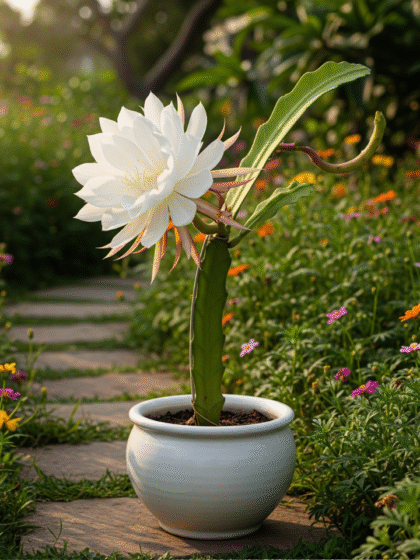
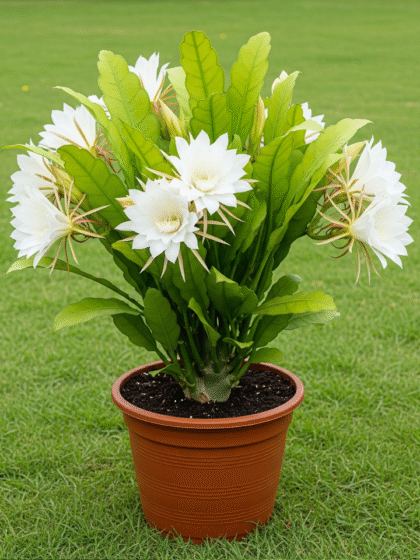
Bhrahma kamal plant
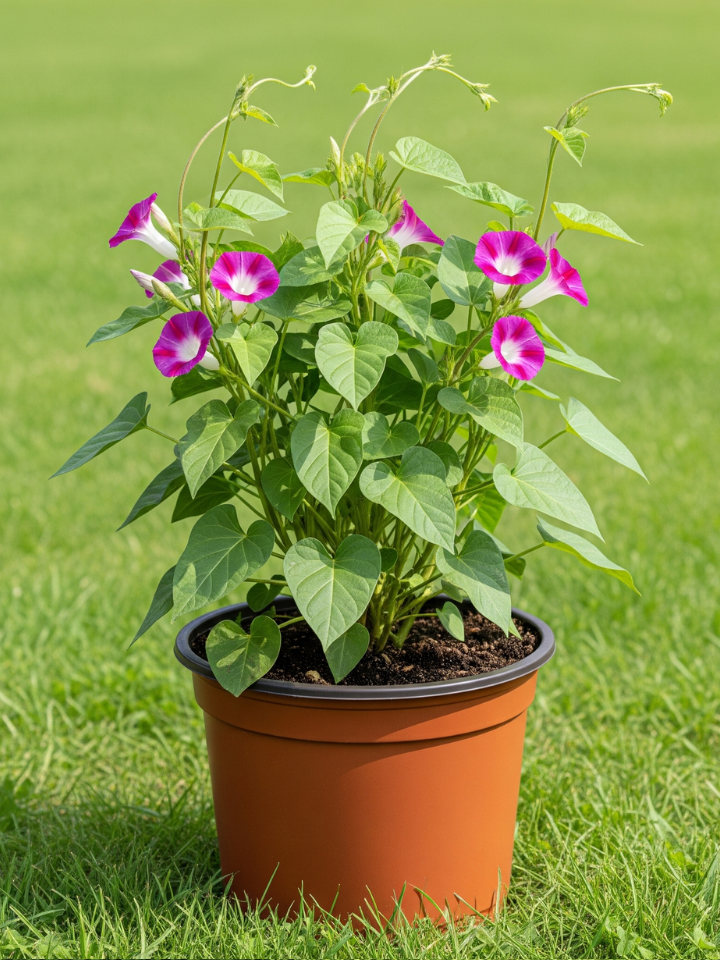

Morning Glory Plant


Rain Lily

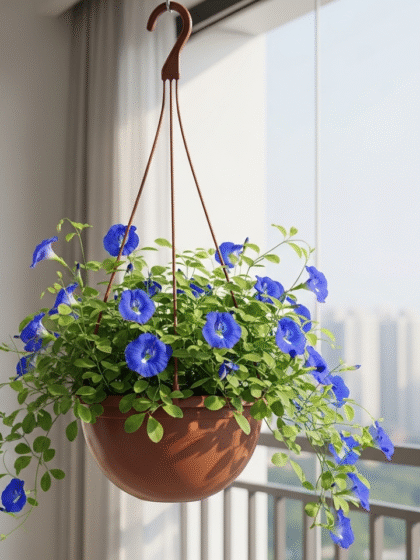
Butterfly Pea Vine (Aparajita Plant)
The Best Indoor Plants for Summer in Kolkata
Summer’s challenge is heat and rapid drying, not damp. The best indoor choices here are plants that tolerate warmth and can handle brighter light without scorching.
Top summer performers indoors: Snake Plant, Money Plant, Areca Palm, Spider Plant, and Rubber Plant. These cope with the heat and, with the right placement, stay lush through the hottest weeks.
Care shifts in the opposite direction from the monsoon: plants dry out fast, so check them more often and water more generously.
Keep tender foliage a step back from windows that get fierce afternoon sun, since direct light through glass can burn leaves. If you run an air conditioner, the air near the vent turns dry, so an occasional misting or a pebble tray helps humidity-lovers.
This is also the season many households add flowering colour outdoors: hardy summer flowering plants and heat-loving summer plants bring blooms to a bright balcony — a good moment to browse summer season plants in india for a sunny balcony to complement the calmer green indoors.
Summer Plants
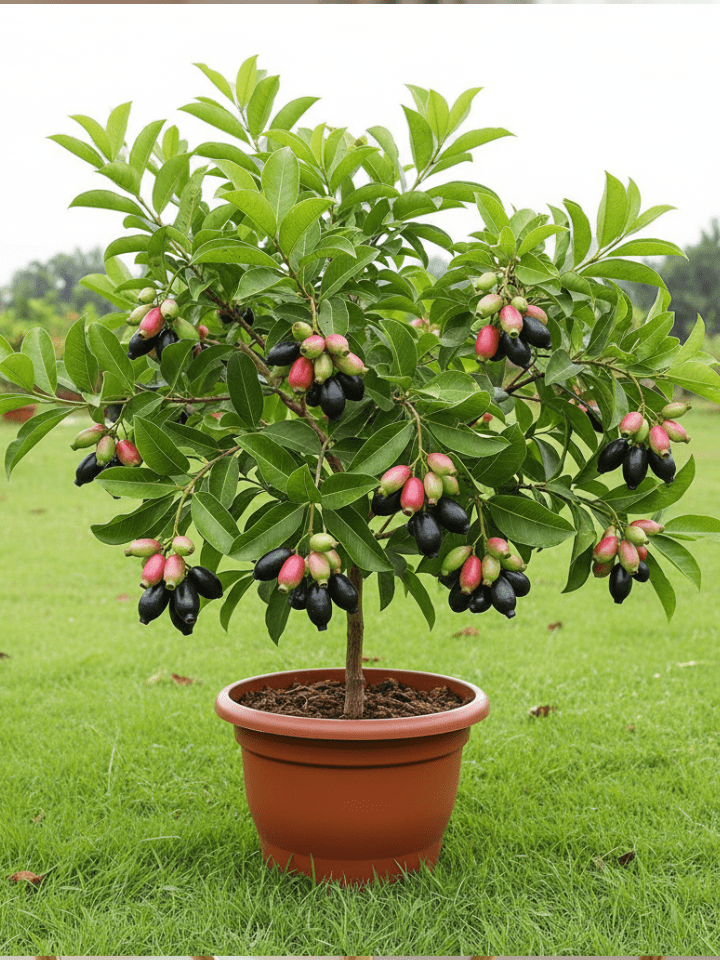
Morning Glory Plant
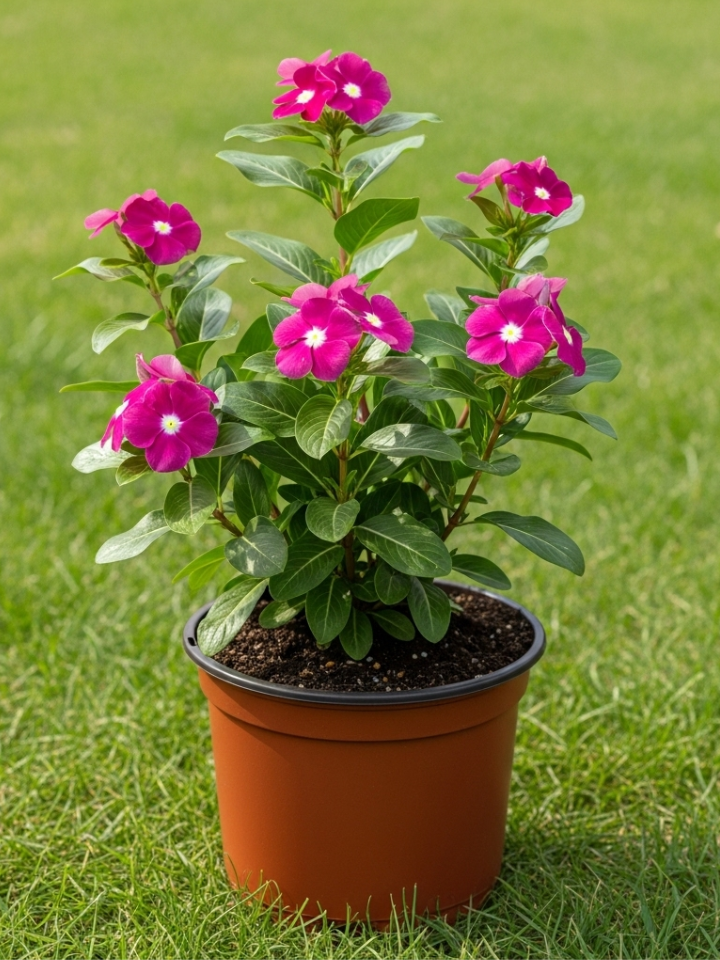

Vinca (Nayantara)
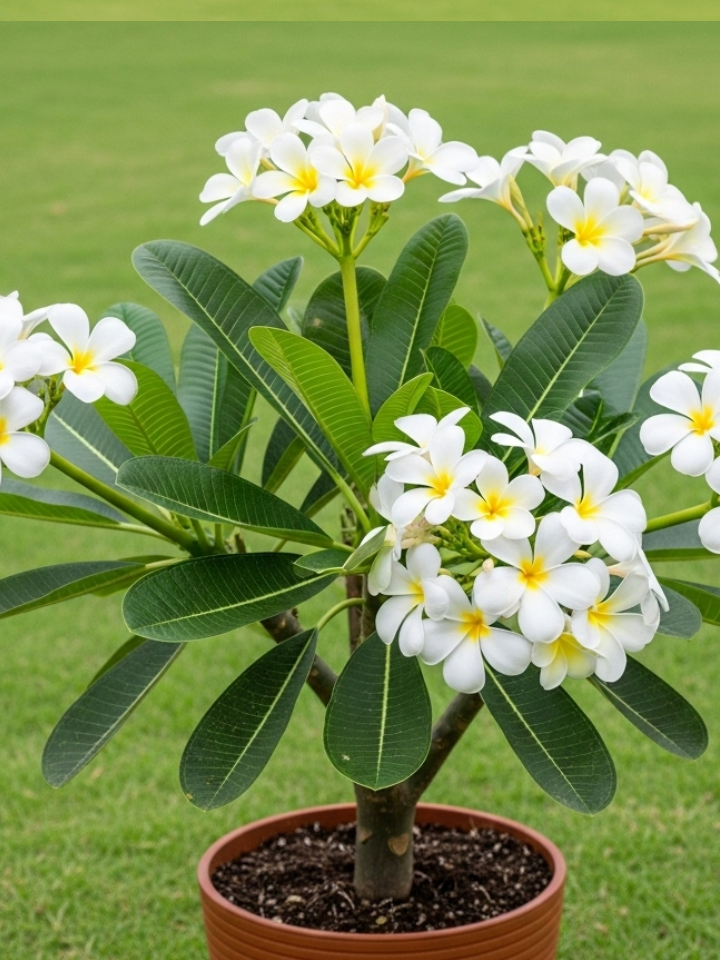
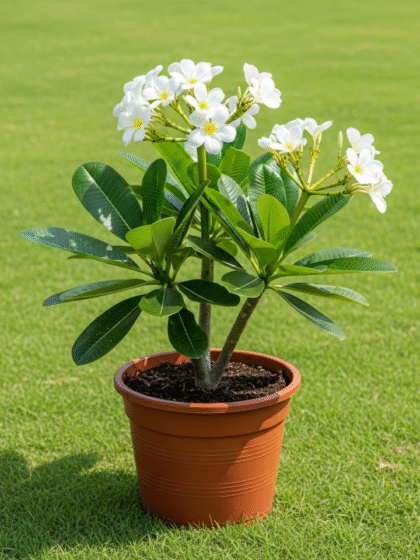
Plumeria (Champa)
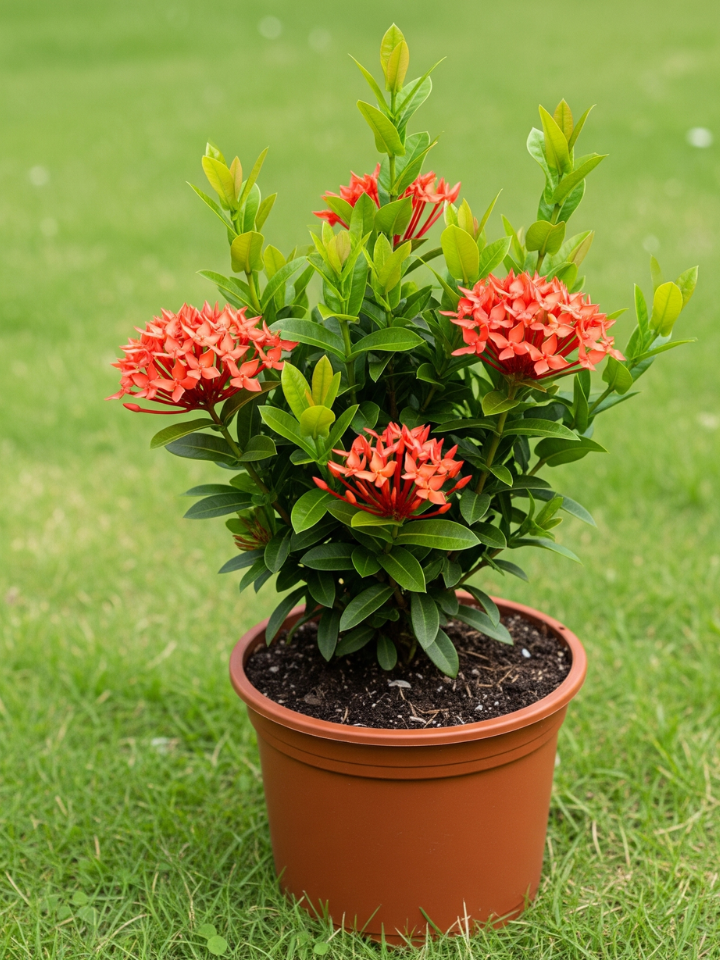

Ixora (Rangan) Plant

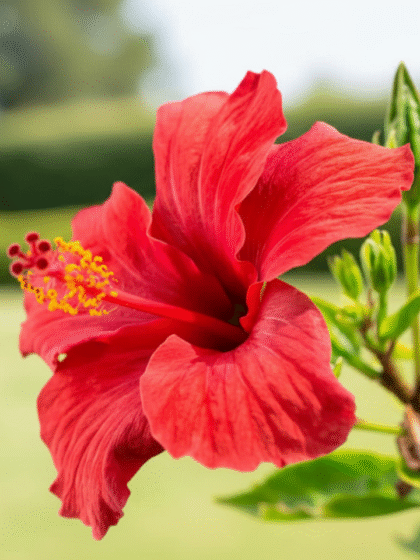
Hibiscus (Indian Red)
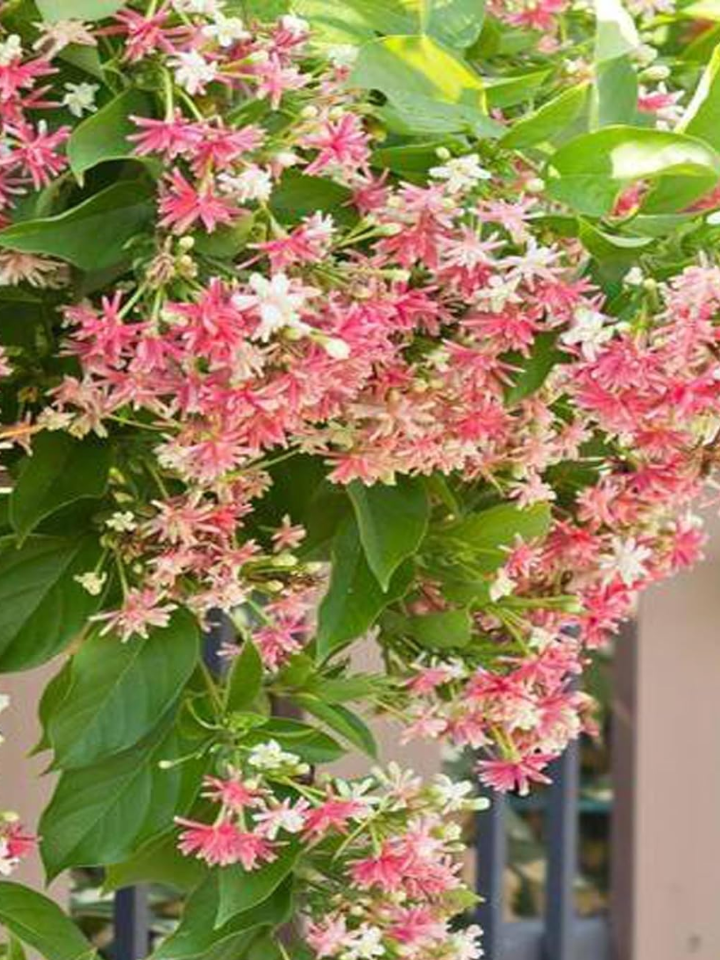

Hiptage Plant (Madhavi Lata)
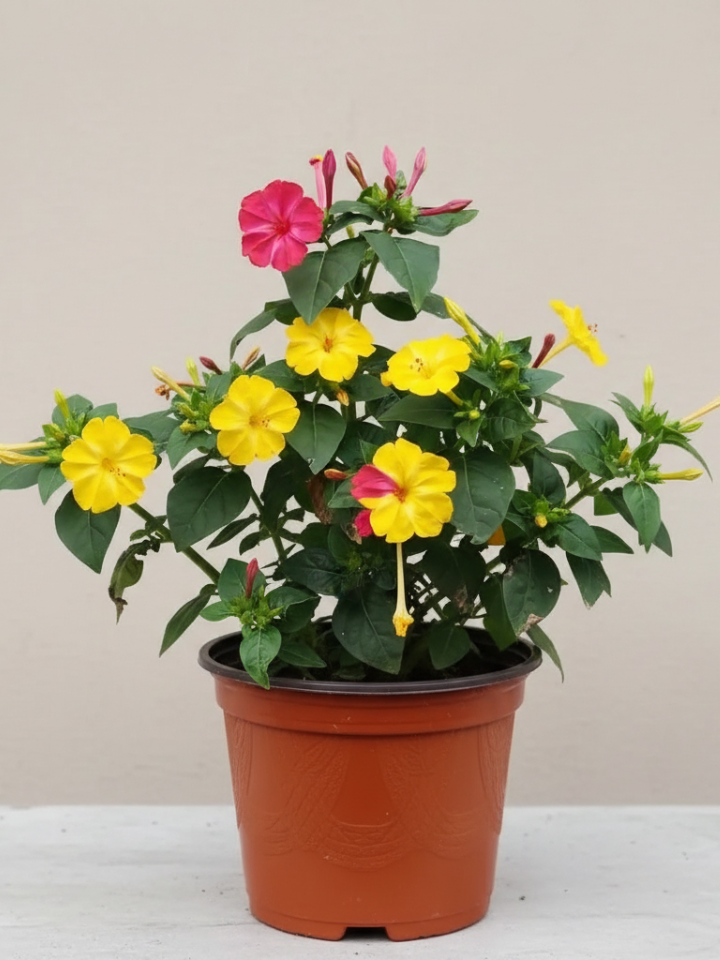

Marvel-of-Peru(Sondhyamalati)
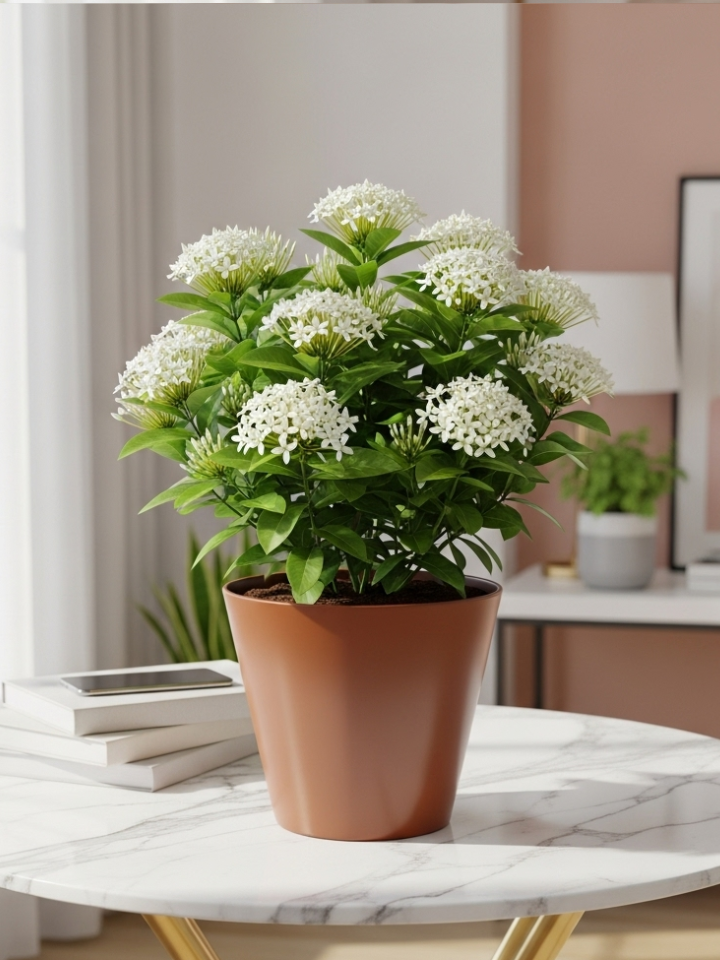

Ixora (Rugmini) Plant
The Best Indoor Plants for Winter in Kolkata
Winter is the gentlest season and the easiest for most houseplants. The mild days and drier air suit nearly everything, though a few very tropical species dislike the coolest nights.
Top winter performers indoors: Snake Plant, ZZ Plant, Money Plant, Rubber Plant, and Dracaena. These barely notice the cool weather. The most cold-sensitive plant to watch is the Aglaonema, which prefers to stay warm and away from cold draughts.
The main adjustment is water: soil dries slowly now, so most plants need watering far less often — sometimes only once every couple of weeks.
Take advantage of the softer light by moving plants closer to windows, and wipe winter dust off the leaves so they can make the most of it.
Winter is also peak blooming season for outdoor colour: bright winter season flowers and hardy winter season plants fill a balcony with cheer, and a mix of winter garden flowers pairs beautifully with the calm green indoors — a natural time to add cheerful outdoor winter plants on the balcony.
Where to Place Indoor Plants, Room by Room
Even the right plant fails in the wrong spot. Because flats here vary so much in light — a bright New Town high-rise is a different world from a shaded ground-floor room in an older neighbourhood — it helps to match plants to the conditions of each room rather than to a wish list.
Living room. Usually the brightest, most spacious room, and the natural home for a statement plant. An Areca Palm, Monstera, or Rubber Plant fills a corner beautifully in bright, indirect light. Keep tender leaves back from any window that gets harsh direct afternoon sun.
Bedroom. People often want calm, low-fuss greenery here. The Snake Plant is the classic pick because it is hardy and continues releasing oxygen overnight. A Peace Lily or a small Areca Palm softens the room without demanding much light.
Bathroom. Small, humid, and often dim — conditions that suit moisture-lovers perfectly. A Peace Lily, Money Plant, or Boston Fern thrives on the steam and indirect light, turning an awkward space into a green one.
Kitchen. Warm and busy, with variable light. Compact, forgiving plants work best: a trailing Money Plant on a shelf, a Snake Plant on a counter, or Lucky Bamboo in a jar by the window. Keep foliage clear of the stove’s heat and splatter.
Home office or study desk. Small, low-light-tolerant plants that survive irregular attention are ideal. Lucky Bamboo, a Snake Plant, a ZZ Plant, or a Money Plant cutting in water all sit happily beside a laptop.
Balcony. The trickiest spot, because of direct sun and monsoon rain. A covered or partly shaded balcony can host a wide range in bright indirect light, but keep delicate indoor foliage out of scorching midday sun and away from heavy downpours that waterlog pots. Hardy hanging plants like the Spider Plant do especially well here.
Repotting, Soil, and Propagation Basics
A little knowledge of soil, pots, and propagation turns a struggling collection into a thriving one — and it is simpler than it sounds.
The right soil. In this humid climate, drainage is everything. Avoid heavy garden soil, which holds too much water and suffocates roots. A good all-purpose mix is roughly two parts ordinary potting soil to one part perlite or coarse sand, plus a handful of coco peat for moisture-lovers. Succulents like the Jade Plant want an even grittier, sharper-draining blend.
Choosing a pot. A drainage hole is non-negotiable — it is the single most important feature a pot can have here. Terracotta pots breathe and dry faster, which suits plants prone to rot; plastic and ceramic hold moisture longer, which suits thirsty ferns. Match the pot size to the plant: a pot far too large holds excess wet soil around small roots and invites rot.
When and how to repot. Repot when roots grow out of the drainage hole or circle the surface, ideally in the mild growing weeks of spring or early summer rather than in winter or the peak monsoon. Loosen the roots gently, settle the plant into fresh mix at the same depth, and water lightly.
Easy propagation. Many of the plants in this guide multiply for free. Money Plant, Pothos, Philodendron, and Syngonium root readily from a stem cutting placed in a glass of clean water — roots appear within a week or two, after which they can be potted or left to grow on in water. Spider Plants produce ready-made baby plantlets you simply pot up. The warm, humid months are the best time for all of this, when cuttings root fastest.
Seasonal Care Guide
A single set of habits will not keep plants healthy all year. The table below sums up how the core routine shifts, followed by detailed notes for each season.
Task | Summer | Monsoon | Winter |
Watering | More frequent | Much less; check first | Least frequent |
Light | Filter harsh sun | Maximise dim light | Move closer to windows |
Humidity | Mist AC-dried air | Naturally high | Slightly drier |
Feeding | Light, regular | Pause or minimal | Pause |
Watch for | Scorch, fast drying | Root rot, fungus | Cold-sensitive species |
Summer plant care
Water more often and check pots every couple of days, because mix dries quickly in the heat. Shield delicate leaves from direct afternoon sun. Feed lightly during this active growing phase, roughly every few weeks with a diluted balanced fertiliser. If air conditioning dries the room, raise humidity for sensitive plants with misting or a pebble tray. Keep an eye out for spider mites, which flourish in hot, dry indoor air.
Monsoon plant care
This is the season of restraint. Reduce watering sharply and always test the soil first — most root-rot deaths happen here. Guarantee drainage: every pot needs a hole, and none should stand in trapped water. Improve air movement to fight fungus, and pause or minimise feeding, since waterlogged roots cannot use extra nutrients well. Wipe off any mildew promptly and remove fallen, rotting leaves before they spread problems.
Winter plant care
Cut watering right back, as soil stays damp far longer in the cool air. Move plants toward the brighter light and clean dust from the leaves. Stop feeding for most plants until warmth returns, since they are barely growing. Protect the few cold-sensitive species — the Aglaonema above all — from the coldest night draughts, and avoid repotting until spring.
Common Mistakes Kolkata Plant Parents Make
Most houseplant failures here come down to a short list of avoidable errors. Recognising them prevents the majority of losses.
- Overwatering during the monsoon. The most common killer. A watering schedule that suited summer will drown a plant once the rains keep the soil permanently damp. Always check the soil before watering, and let the finger test — not the calendar — decide.
- Keeping plants in truly dark corners. “Low light” does not mean no light. Even the toughest plants need some indirect brightness to survive long term. A windowless bathroom or an interior corner with no daylight will slowly starve them.
- Using poor or heavy soil. Dense garden soil holds too much water and suffocates roots, especially in this humid climate. A light, well-draining mix with added perlite, sand, or coco peat is essential.
- Choosing the wrong pot. A pot with no drainage hole is a slow death sentence here. Decorative pots without holes should only be used as outer covers, with the plant kept in a draining inner pot.
- Ignoring humidity signals in air-conditioned rooms. While the outdoor air is humid, a room with the AC running for hours turns dry. Humidity-loving plants near a vent may need misting or grouping together to stay happy.
Pest and Disease Management in Kolkata Weather
The warm, humid climate that plants love is equally loved by pests and fungi. Prevention is far easier than cure, and a weekly two-minute inspection of leaf undersides catches most trouble early.
Fungal problems are the signature issue of the humid months. Root rot — soft, blackened roots and a foul smell — comes from overwatering and poor drainage; the fix is drier conditions and a well-draining mix. Leaf-spot fungus and powdery mildew appear as dark or grey patches; improve air circulation, avoid wetting the leaves, and remove affected foliage.
Common insect pests include mealybugs (white, cottony clusters in leaf joints), spider mites (fine webbing and stippled leaves, worst in hot dry indoor air), scale (small brown bumps on stems), and fungus gnats (tiny flies hovering over constantly damp soil). For most of these, a spray of diluted neem oil is a safe, effective first response, repeated weekly until they clear. Wiping leaves with a mild soap solution helps too. Fungus gnats disappear once you let the topsoil dry out between waterings.
A simple prevention routine: inspect weekly, isolate any new or infested plant away from the others, keep leaves dust-free, ensure good airflow, and never let pots sit in standing water. Most infestations are minor if caught in the first week.
Best Places to Buy Indoor Plants in Kolkata
There are two broad routes: traditional roadside and market nurseries, and online plant stores that deliver to your door.
A physical nursery in Kolkata lets you see and choose the exact plant you are taking home, which many buyers value. Some shoppers specifically seek out the best nursery in Kolkata, or the largest plant nursery in Kolkata for the widest selection, though quality still varies from one shop to the next. The trade-off is that stock varies by season, prices can jump in premium areas, and plant health is inconsistent from shop to shop. If you go this route, inspect the roots and undersides of leaves before buying, and avoid any plant showing pests or yellowing.
Buying from an online nursery has become the more convenient option for apartment dwellers. A good online store carries a far wider range than any single local shop, ships year-round, and packs plants specifically for safe transit.
When you choose to online nursery Kolkata and buy online, look for a few markers of a trustworthy seller: healthy-plant guarantees, careful transit packaging, transparent pricing, and responsive support if a plant arrives stressed. Plantaeroot, founded in the city in 2014, is one such home-grown option built around live-plant packaging and pan-India delivery.
Whichever route you choose, the buying checklist is the same: pick plants suited to your light and season, check for pests before they enter your home, and quarantine any newcomer for a week before placing it beside your other plants.
Frequently Asked Questions
Snake Plant, ZZ Plant, Areca Palm, Peace Lily, Aglaonema, Money Plant, and Monstera all thrive in high humidity. Tropical foliage plants in general do well because the climate mimics their native rainforest conditions.
Compact and trailing species work best in small spaces: Money Plant, Snake Plant, Syngonium, Spider Plant, and Lucky Bamboo. They fit on shelves, ledges, and desks without crowding a room.
Snake Plant, ZZ Plant, Areca Palm, Peace Lily, and Aglaonema handle the damp season best. The key is not the plant but the care — water far less and ensure every pot drains freely.
The ZZ Plant and the Snake Plant are the two most forgiving. Both tolerate low light, high humidity, and weeks of neglect, making them ideal for beginners and frequent travellers.
Only modestly. Studies show plants can absorb some pollutants in sealed lab conditions, but in a real room the effect is small compared with simply opening a window. Enjoy plants for their humidity, calm, and beauty rather than as air purifiers.
Money Plant, Lucky Bamboo, Areca Palm, and Snake Plant are the most commonly cited Vastu plants, traditionally associated with prosperity, positive energy, and harmony.
Very few of the popular ones. The genuinely pet-safe choices on this list are the Areca Palm, Spider Plant, Boston Fern, and Peacock Plant (Calathea). Most others — including Money Plant, Snake Plant, Peace Lily, Monstera, and Philodendron — are toxic if chewed, so keep them out of a pet's reach.
It depends entirely on the season. In summer, many plants need water every few days; during the monsoon, some go a fortnight or more; in winter, watering slows further. Always check the soil first rather than following a fixed schedule.
Almost always overwatering. Constantly damp soil during the humid monsoon rots the roots. Water only when the soil is dry below the surface, and make sure pots are not sitting in trapped rainwater.
ZZ Plant, Snake Plant, Aglaonema, Peace Lily, and Lucky Bamboo all tolerate dim, indirect light, which makes them suitable for interior rooms and north-facing flats.
Yes. Money Plant, Lucky Bamboo, and many pothos and philodendron cuttings grow well in a simple glass or vase of water. Change the water every week or two to keep it fresh.
The Snake Plant is a popular bedroom choice because it is hardy and continues releasing oxygen at night. Peace Lily and Areca Palm also suit bedrooms and add a softer, leafier look.
Peace Lily and Money Plant do beautifully in bathrooms, since they love the humidity and tolerate low light. Ferns also thrive if the bathroom gets a little indirect daylight.
Lucky Bamboo, Snake Plant, ZZ Plant, and small Money Plant cuttings are ideal — compact, low-light tolerant, and forgiving of irregular watering during busy weeks.
Yes, but sparingly. Feed lightly with a diluted balanced fertiliser during the warm growing months, roughly every few weeks, and pause entirely through winter when growth slows.
Brown tips usually come from dry air, inconsistent watering, or minerals in tap water. Keep watering steady, raise humidity for sensitive plants, and let tap water rest overnight before using it.
A light, fast-draining mix is essential in this humid climate. Blend ordinary potting soil with perlite, coarse sand, or coco peat so excess water escapes and roots can breathe.
No — winter is actually the easiest season for most houseplants here. The main change is to water much less, since the cool, drier air keeps soil damp for far longer.
Most want "bright indirect light" — near a window but out of harsh direct sun. Even low-light plants need some daylight; a corner with no natural light at all will not sustain them long term.
Many can, in bright but shaded spots protected from harsh afternoon sun and heavy monsoon rain. A covered balcony is ideal; avoid exposing tender foliage to direct scorching light or waterlogging downpours.
The most common cause is overwatering. Check that the soil is not permanently wet and that the pot drains freely. Yellowing can also signal too little light or, occasionally, a need for feeding.
The Peace Lily, which produces elegant white blooms even in modest light and revels in the local humidity, making it the simplest way to get flowers indoors.
Those are usually fungus gnats, drawn to constantly wet soil. Let the top layer of soil dry out fully between waterings and they will disappear within a couple of weeks.
Yes. Several established sellers now operate as a big nursery in Kolkata with full online ordering and doorstep delivery across the city and beyond, so you no longer need to visit in person to reach a wide range of healthy plants.
For a sunny balcony, popular summer flowers in india include hibiscus, marigold, and bougainvillea. If you are searching by a particular summer flowers name, these hardy, fast-blooming flowering plants in summer in india reward very little effort with plenty of colour.
Kolkata is genuinely one of the kindest cities in India for indoor plants. The warmth and humidity that make its summers and monsoons demanding for people are exactly what tropical foliage evolved to love. Success comes down to two simple ideas: choose plants suited to the climate, and let the season — not a fixed habit — guide your care.
For a foolproof start, the Snake Plant and ZZ Plant will survive almost anything. For lush greenery, the Areca Palm, Money Plant, and Monstera reward the humidity beautifully. For colour in dim rooms, reach for Aglaonema. And if pets share your home, the Areca Palm, Spider Plant, Boston Fern, and Peacock Plant are the safe, worry-free choices.
Remember the seasonal rhythm above all: water generously in the drying heat of summer, hold back sharply through the damp monsoon, and slow right down in the mild winter. Give plants indirect light, a well-draining pot, and a weekly glance for pests, and they will do the rest. Start with one or two easy plants, learn their signals, and let your green corner grow from there — a small daily connection to nature in the middle of a busy city.